Vogelpark Avifauna Vogelpark Avifauna news

Zooflits has just posted an article highlighting the opening of the new aviary. The article includes a lot of photo's that I suggest you check out, but I work the most important ones into the summary:

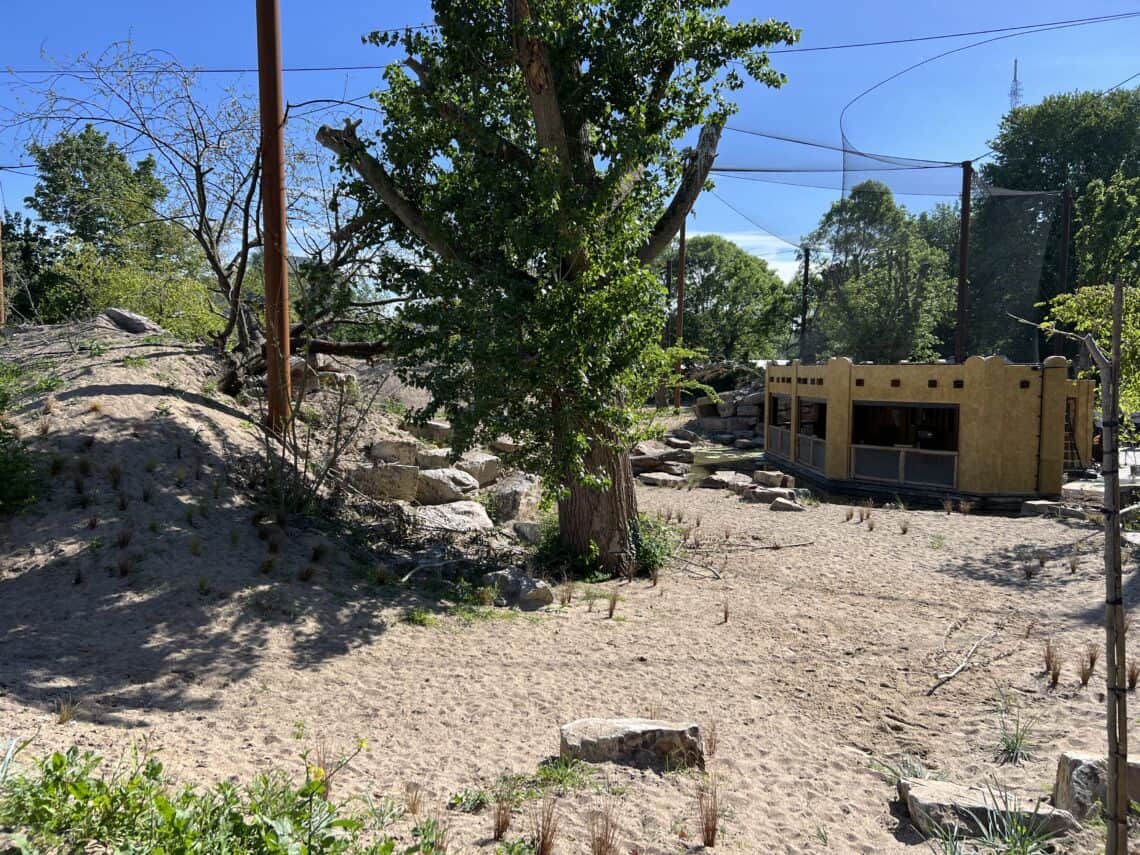
Avifauna just celebrated its 75th anniversary with a big milestone: the opening of a new, giant Vulture aviary named Umvikeli, which is Zulu for "protector".
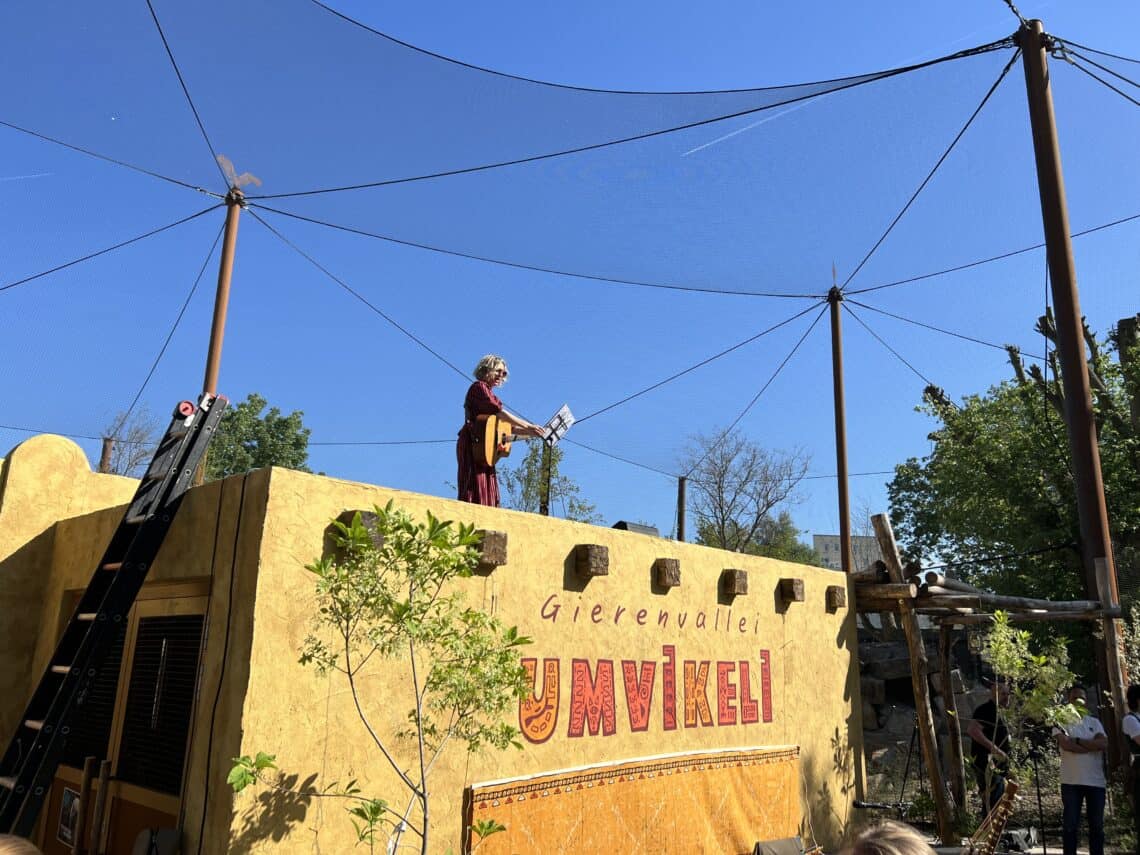
IMG_3671-1140x855.jpeg


The zoo's colony of 22 Rüppel's griffon vultures are the main inhabitants of this new aviary, and also the main focus of the large amount of education surrounding the aviary.

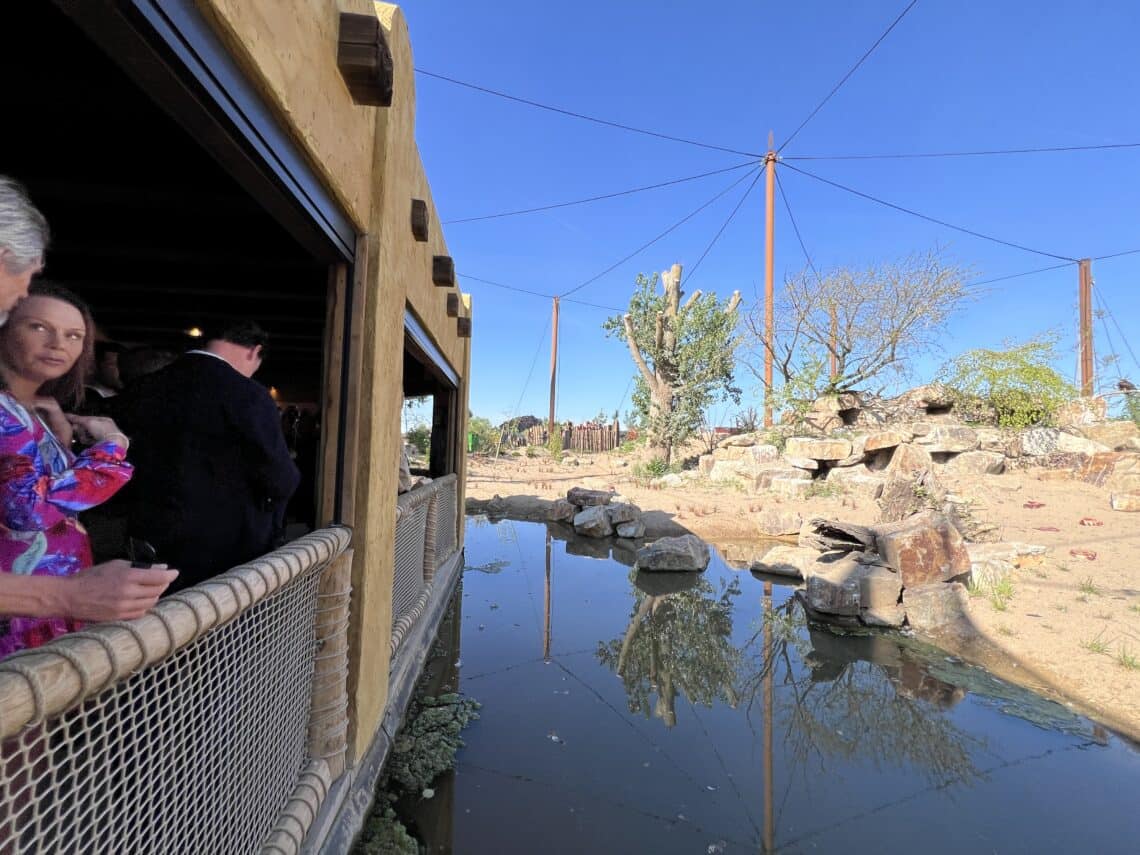
Similar to Beekse Bergen, Avifauna has a large viewing hut without any barriers between the animals and the visitors, which can be easily shut off during bird flu.
IMG_3715-1140x855.jpeg


There are various other animal species set to arrive to the aviary at a later date:
- The Violet turaco, which was supposed to be added to the aviary before opening, but they decided to nest in their old aviary right before the move.
- A single sex group of Marabou storks (between 2 and 4 animals)
- Avifauna also hopes to add a hornbill species, but there's still some discussion on which species
- Bat-eared foxes are still set to arrive, but their indoor enclosure wasn't done on time for the opening. These will come to the aviary at a later date

That means the complete (future) species list of Umvikeli is:
- Rüppel's griffon vulture
- White-headed vulture
- Hooded vulture
- Egyptian vulture
- Secretary bird
- Marabou stork
- Abdim's stork*
- African golden oriole
- Common hoopoe
- Superb starling
- Yellow-necked francolin
- Crested guineafowl
- European roller
- Violet turaco
- Speckled pigeon*
- Hamerkop*
- Hornbill*

* = a few of these species are partially speculative on my end, but it is quite likely that these will still arrive to the aviary. The Abdim's stork has been included in the species list for most of construction, and since the Violet turaco will be moved from the old Secretarybird aviary, I assume the other two species (Speckled pigeon and Hamerkop) will follow too..

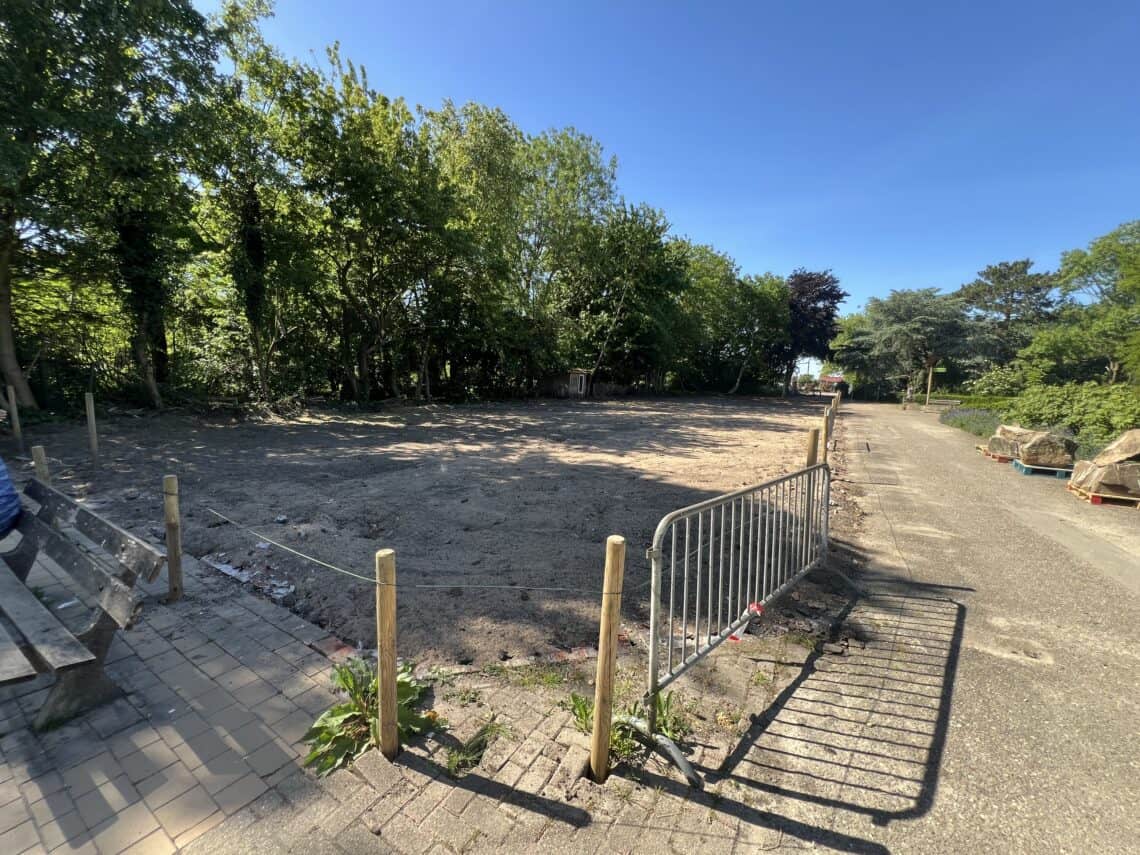
The old Rüppel's griffon vulture aviary and the neighbouring aviary, which used to house the Steller's sea eagles and then Red-legged seriemas for a while, have been demolished. The site of the old aviaries will remain empty for the time being, since they don't currently have any future plans for a new exhibit.
IMG_3548-1140x855.jpeg


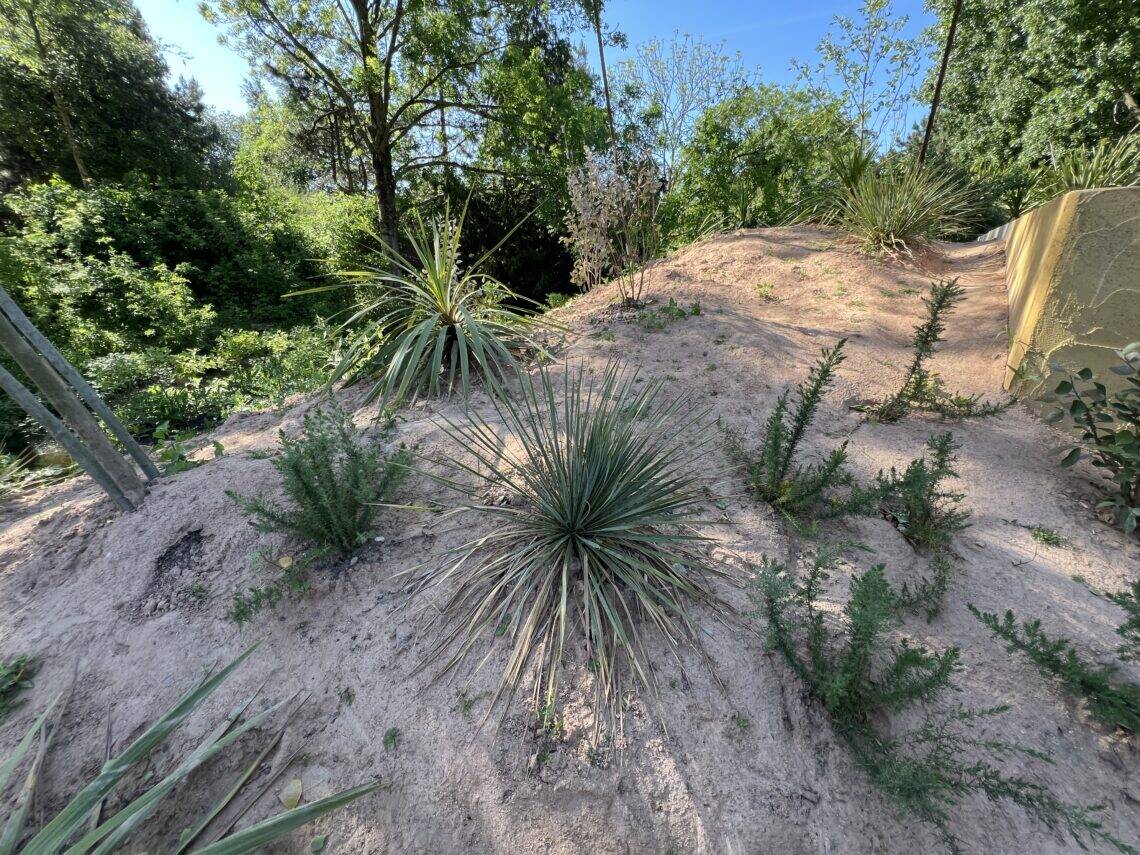
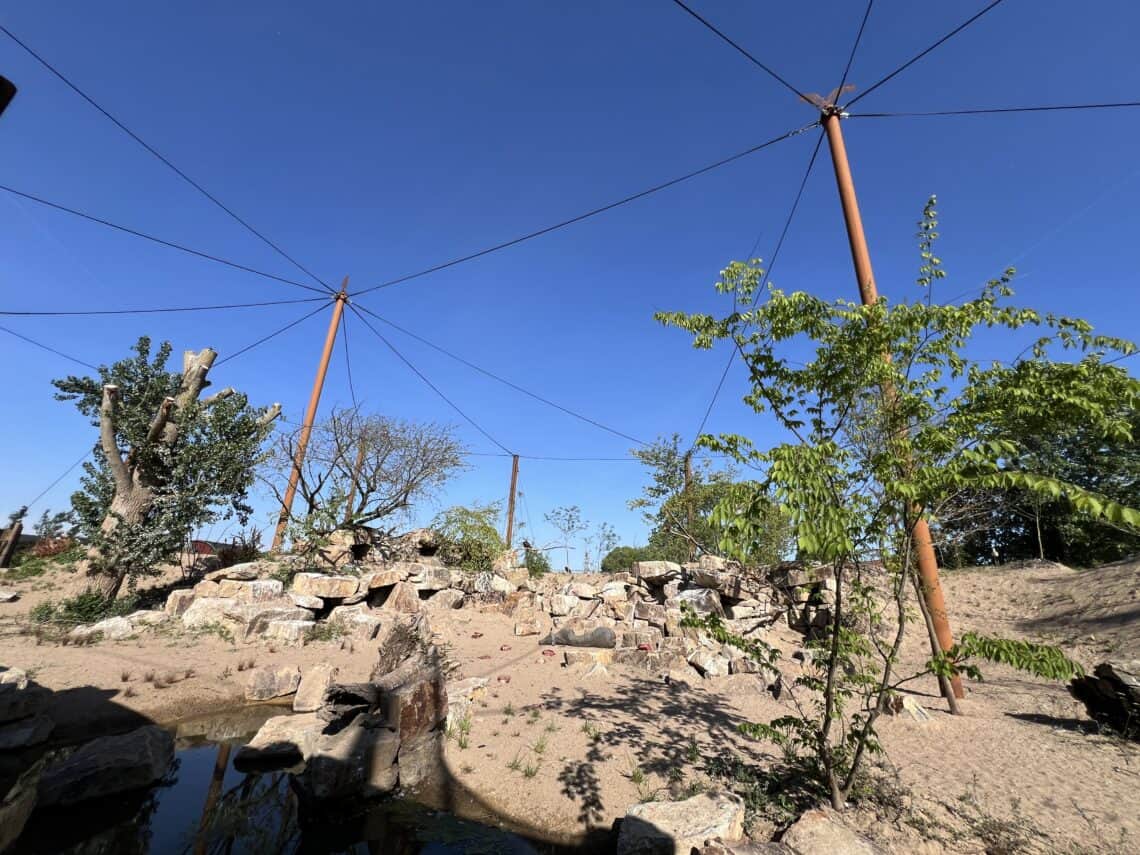
In general, the aviary is very well-planted and quite gorgeous, I hope to visit the aviary soon!

Some pictures from the article:
IMG_3716-1140x855.jpeg

IMG_3615-1140x855.jpeg

IMG_3616-1140x855.jpeg

IMG_3626-1140x855.jpeg
 
I was at Avifauna last Monday (June 9th, 2025). Here are some notes and updates.
  • Some areas of the park are notably somewhat outdated and in need of being renovated or updated. This is primarily the case for the area with the old open-topped large bird yards. The signage in the area with the open-topped yards was off in most places and the whole area doesn't look very nice anymore. It would be nice to see this area transformed into, for example, a series of large wetland-type aviaries. The old parrot aviary block also seems to be continuing to decline and needs a thorough renovation or a complete rebuild and perhaps a few more (threatened or rare) species.
  • In general I feel like Avifauna could use some more exhibits, whether it be large mixed aviaries, large single or few species "raptor" type aviaries or aviary blocks. It is a nice park but I think there are opportunities to show and do more.
  • There were slightly deceptive signs next to the former site of the old vulture and sea eagle aviaries suggesting they are working on making Avifauna nicer there, even though it was mentioned earlier in this thread they don't actually plan to make new exhibits here for the time being. In my opinion it wouldn't even have to be something fancy here, even just some larger aviaries for a few species that only stand a few years, for example for some of the larger species they use in their shows, would in my opinion be better than an empty field or a garden area.
  • The great blue turacos in the third section of the tropical hall had a chick.
  • Unfortunately the fourth section of the tropical hall, the aviary hall, has a pretty bad rodent smell and there were many mice in the aviaries. I also saw a wrinkled hornbill with a dead rat, I do not know whether it picked it up after it died or killed it, and neither do I know whether it actually ate it. I did alert the park of the rodent issue and of the hornbill with the rat. There were some traps around, so it does seem like they are attempting to tackle the issue. There was also a rat on the Nuboso monkey island.
  • According to one of the guides doing the education cart by last Monday four American flamingos had hatched, I saw the two slightly older chicks but not the two smallest ones. I also saw one nest with an egg in it (because the parent was turning it) and several flamingos still on the nest.
  • The old kiwi and kookaburra outdoor exhibit held an - unsigned - grey peacock-pheasant, another one of these was unsigned in the aviary with great blue turacos and pheasants in the aviary block near the Steller's sea eagles. Honestly the loss of the night safari and kiwis no longer being publicly displayed outside of paid meet and greets is something that I felt and something that I feel should be remediated.
  • The Steller's sea eagle aviary strangely housed three Indian peafowl (a male and two females). Presumably this was done because of avian influenza, but I still found it a strange choice, especially with the breeding sea eagles it seems a bit weird the peafowl are actually safe in this set-up.
  • The Steller's sea eagle chick is growing well and had started exercising its wings.
  • The old wetland aviary near the lake, between the aviary block and the monkey area, was signed for Himalayan monal and speckled pigeon, but actually held Hamerkop and Pied crow.
  • The new vulture aviary is very nicely done and I enjoyed it a lot. The covered viewing area looks nice and gives good views. The aviary itself already looks pretty good and will likely look even better once the plants grow in more. It was a long wait but it resulted in a very nice addition.
  • I am however slightly skeptical about the smaller species, especially the more ground-dwelling ones, being kept in this aviary. I saw one of the Rüppell's griffon vulture chasing the yellow-necked francolins around some, and I am slightly worried about what will happen when the marabous are added to the aviary. Mixing some of the smaller birds with the vultures and marabous (and perhaps the secretary birds) remains a bit wait and see in my opinion.
  • I attended both of the bird shows, but found them a bit less good than I remember them being during previous visits. Both of the shows also felt a bit on the short side compared to the waiting time, although they did use a nice variety of birds. Perhaps the fact that quite a few birds keep hanging around the show area even after their main flight or display complicates the possibilities to use certain predatory birds in the show. Unfortunately the shows are also plagued quite a bit by the disrespectful behavior of some visitors , as there are too many people on the grandstands who do not comply with clearly announced rules like staying seated and not eating or drinking, or who disrespectfully to both the people doing the show and other visitors don't keep quiet or make sure their kids aren't being a noisy public nuisance.
 
Last edited:
Some areas of the park are notably somewhat outdated and in need of being renovated or updated. This is primarily the case for the area with the old open-topped large bird yards. The signage in the area with the open-topped yards was off in most places and the whole area doesn't look very nice anymore. It would be nice to see this area transformed into, for example, a series of large wetland-type aviaries. The old parrot aviary block also seems to be continuing to decline and needs a thorough renovation or a complete rebuild and perhaps a few more (threatened or rare) species.

Wholeheartedly agreed! The park is clearly mid-transition from mediocre mega-pheasantry with rows of yards and cages to a gorgeous bird park. Every newer enclosure is absolutely gorgeous (Madagascar walkthrough, Vulture and Sea eagle aviaries, Cerrado enclosures, etc) while every older habitat (minus the Lorikeet landing, I'd say) is seemingly just awful. The old parakeet cages, the waterfowl yards, even the hornbill aviaries near the big lake, all in need of something new. But I don't doubt that Avifauna will be taking care of these older areas relatively quickly.

Unfortunately the fourth section of the tropical hall, the aviary hall, has a pretty bad rodent smell and there were many mice in the aviaries.

Yeah, the fourth tropical hall (the whole tropical hall, really. But the fourth especially) are another low point in Avifauna. The birds are difficult to see, the halls feel weirdly cramped, the whole thing smells awful and seems like it's falling apart, and a lot of birds have escaped from their respective halls and into another one. I'd also comment on how the Leafcutter ants have escaped their enclosure and now regularly get their leaves from outside the greenhouse, but I think that's actually quite cool...

The old kiwi and kookaburra outdoor exhibit held an - unsigned - grey peacock-pheasant, another one of these was unsigned in the aviary with great blue turacos and pheasants in the aviary block near the Steller's sea eagles. Honestly the loss of the night safari and kiwis no longer being publicly displayed outside of paid meet and greets is something that I felt and something that I feel should be remediated.

The Steller's sea eagle aviary strangely housed three Indian peafowl (a male and two females). Presumably this was done because of avian influenza, but I still found it a strange choice, especially with the breeding sea eagles it seems a bit weird the peafowl are actually safe in this set-up.

This has been the case for a little while I believe. These have been here since my last DZG updates on the park, and those were in October of '23

The old wetland aviary near the lake, between the aviary block and the monkey area, was signed for Himalayan monal and speckled pigeon, but actually held Hamerkop and Pied crow.

This was the old Secretarybird aviary, where they were held with Hamerkop, Lady Amherst turaco and Speckled pigeon, the Pied crows used to be held with the Rüppel's vultures, I wondered where those went... I personally believe the Pigeons and Hamerkop will eventually follow the Turacos and move into Umvikeli. I secretly hope this mini aviary will be torn down and replaced with a large aviary for the Saddle-billed storks, possibly a new pair that isn't pinioned.

I am however slightly skeptical about the smaller species, especially the more ground-dwelling ones, being kept in this aviary. I saw one of the Rüppell's griffon vulture chasing the yellow-necked francolins around some, and I am slightly worried about what will happen when the marabous are added to the aviary. Mixing some of the smaller birds with the vultures and marabous (and perhaps the secretary birds) remains a bit wait and see in my opinion.

Blijdorp holds Yellow-necked francolins in the same mix of predatory birds (White-headed, Hooded and Rüppel's vultures, Secretarybirds and Marabou). And vultures are also held with smaller ground species in Antwerp, so it really should be fine. It might just take some getting used to for the vultures, since they've been in a really undersized aviary for so long, with a grumpy Ground-hornbill for company. Personally, I'm a bit more sceptical about the Bat-eared foxes in this mix
 
Some births that were announced on their social media this month:

- One vicuña (Vicugna vicugna)

- Two Bearded emperor tamarins (Saguinus imperator subgrisescens)

- Two wrinkled hornbills (Rhabdotorrhinus corrugatus)

- One Venezuelan red howler (Alouatta seniculus seniculus)

- 25 American flamingos (Phoenicopterus ruber), and another 8 eggs yet to hatch

- Two blue-throated piping guans (Pipile cumanensis)
 
Avifauna is planning to build an exhibit for birds-of-paradise, which they received following a seizure, and in the following winter a new cockatoo aviary will be constructed. The park also wants to develop a new greenhouse with a new flamingo indoor exhibit.

Dierentuin gaat uitbreiden met nieuwe dieren en nieuw verblijf
Amazing news! The bird of paradise population in Europe could really use this boost. I wonder which species they have and how many males and females? Does anyone know?
 
Avifauna is planning to build an exhibit for birds-of-paradise, which they received following a seizure, and in the following winter a new cockatoo aviary will be constructed. The park also wants to develop a new greenhouse with a new flamingo indoor exhibit.

Dierentuin gaat uitbreiden met nieuwe dieren en nieuw verblijf

I don't see any mention of the Flamingos getting a new indoor exhibit in the greenhouse. Simply that they will build a new greenhouse, and a new Flamingo aviary.

In general, this is very good news! They mention that they don't want to focus on new birds for the park, but rather on creating more space for the species already present. I'm especially looking forward for the plans for the greenhouses. As they are now, they are pretty good in concept, but in a very bad state.

The only thing I find odd is that they plan to build a new flamingo aviary. In my mind, the Cuban lagoon aviary is one of Avifauna's better exhibits.
 
I don't see any mention of the Flamingos getting a new indoor exhibit in the greenhouse. Simply that they will build a new greenhouse, and a new Flamingo aviary.

In general, this is very good news! They mention that they don't want to focus on new birds for the park, but rather on creating more space for the species already present. I'm especially looking forward for the plans for the greenhouses. As they are now, they are pretty good in concept, but in a very bad state.

The only thing I find odd is that they plan to build a new flamingo aviary. In my mind, the Cuban lagoon aviary is one of Avifauna's better exhibits.

I did in fact make a misinterpretation of the flamingo part of the article. I'm sorry, thanks for the correction.

With regards to the flamingos the only reason I can immediately think of is they need more space for their current flamingo group and/or its future expansion. The current indoor exhibit for the Cuban aviary also seems pretty small to me.
 
Amazing news! The bird of paradise population in Europe could really use this boost. I wonder which species they have and how many males and females? Does anyone know?

According to Zootierliste: Lesser BoPb (3,1).

The director states Avifauna is the only Dutch zoo with birds of paradise, but that's not true. A female Raggiana's is on display in the Victoria Serre of Blijdorp.
 
Back
Top