Considering three of the males are still younger it should be fine at least in the meantime. It's a reasonable size, and perhaps do-able if they allow the males to both outdoor habitats.
But it would still be quite tight for four adult males in the future. Moving one of the males into a breeding troop eventually (likely Fabumi) might be the best option.
Some details from the zoo's July 1976-June 1977 annual report:
MAMMALS
ORDER PRIMATES
2 Gorilla Gorilla gorilla
7 Chimpanzee Pan troglodytes
*4 Orang-utan Pongo pygmaeus (mentions 1 on loan from Perth, would be Bobby of course)
2 White-handed gibbon Hylobates lar
4 Entellus langur Presbytis entellus
4 Silvered leaf-monkey Presbytis cristatus
9 Crab-eating macaque Macaca irus
11 Rhesus monkey Macaca mulatta
10 Pig-tailed monkey Macaca nemestrina
4 Gelada baboon Theropithecus gelada
7 Chacma baboon Papio ursinus
4 Sacred baboon Papio hamadryas
5 Mandrill Mandrillus sphinx
2 White-throated capuchin monkey Cebus capucinus
1 Black-capped or brown capuchin monkey Cebus apella
14 Cotton-top marmoset Saguinus oedipus
2 White ear-tufted marmoset Callithrix jacchus
2 Ring-tailed lemur Lemur catta
ORDER CARNIVORA
10 Lion Panthera leo
4 Tiger Panthera tigris
4 Black leopard or panther Panthera pardus
8 Jaguar Panthera onca
6 Puma Felis concolor
2 Temminck's golden cat Felis temminckii
3 Leopard cat Felis bengalensis
4 Ocelot Felis pardalis
1 Geoffroy's cat Felis geoffroyi
5 Jungle cat Felis chaus
2 Serval Felis serval
2 Northern lynx Lynx lynx
7 Bobcat Lynx rufus
6 Caracal Lynx caracal
3 Cheetah Acinonyx jubatus
5 Slender-tailed meerkat Suricata suricatta
2 Dingo Canis dingo
2 Timber wolf Canis lupus occidentalis
5 Coyote or prairie wolf Canis latrans
8 Black-backed jackal Canis mesomelas
4 Fennec fox Fennecus zerda
6 Cape hunting dog Lycaon pictus
5 Smooth-coated indian otter Lutra perspicillata
10 Oriental small-clawed otter Aonyx cinerea
9 Eurasian badger Meles meles
4 Coati Nasua nasua
3 Polar bear Thalarctos maritimus
3 Brown bear Ursus arctos
2 Grizzly bear Ursushorribilis (should be Ursus arctos horribilis of course)
2 American black bear Ursus americanus
2 Himalayan or Asiatic black bear Selenarctos thibetanus
ORDER PINNIPEDIA
6 Eastern australian fur seal Arctocephalus pusillus
2 New Zealand fur seal Arctocephalus forsteri
ORDER RODENTIA
2 African crested porcupine Hystrix galeata
4 Mara or patagonian cavy Dolichotis patagonum
2 Capybara Hydrochoerus hydrochaeris
14 Golden agouti Dasyprocta aguti
2 Viscacha Lagostomus maximus
ORDER PROBOSCIDEA
2 Indian elephant Elephas maximus
ORDER TUBULIDENTATA
3 Aardvark Orycteropus afer
ORDER PERISSODACTYLA
*1 Grant’s zebra Equus burchellii boehmi (was absent on breeding loan to Dubbo at the time)
4 South american tapir Tapirus terrestris
ORDER MONOTREMATA
5 Echidna or spiny anteater Tachyglossus aculeatus
BIRDS
ORDER STRUTHIONIFORMES
9 Emu Dromaius novaehollandiae
4 Australian cassowary Casuarius casuarius
13 Greater (common) rhea Rhea americana
5 Ostrich Struthio camelus
ORDER SPHENISCIFORMES
14 Little or fairy penguin Eudyptula minor
ORDER PELECANIFORMES
10 Australian pelican Pelecanus conspicillatus
1 Pied cormorant Phalacrocorax varius
9 Black cormorant Phalacrocorax carbo
2 Little black cormorant Phalacrocorax sulcirostris
ORDER ARDEIFORMES
1 Little bittern Ixobrychus minutus
2 Straw-necked ibis Threskiornis spinicollis
1 Yellow-billed spoonbill Platalea flavipes
ORDER ANSERIFORMES
6 Pied goose Anseranas semipalmata
27 Plumed tree-duck Dendrocygna eytoni
2 Black swan Cygnus atratus
2 Mute swan Cygnus olor
11 Egyptian goose Alopochen aegyptiacus
7 Cape Barren goose Cereopsis novaehollandiae
10 Mountain duck or chestnut breasted shelduck Tadorna tadornoides
2 Burdekin duck or white-headed shelduck Tadorna radjah
25 Paradise duck Tadorna variegata
5 Black duck Anas superciliosa
3 Mallard Anas platyrhynchos
3 Grey teal Anas gibberifrons
74 Chestnut teal Anas castanea
18 White-eyed duck or hardhead Aythya australis
17 New Zealand scaup Aythya novaeseelandiae
12 Mandarin duck Aix galericulata
36 Wood duck or maned goose Chenonetta jubata
ORDER CROCODILIA
1 Johnstone’s or fresh water crocodile Crocodylus johnsoni
2 Estuarine crocodile Crocodylus porosus
2 American alligator Alligator mississippiensis
ORDER SQUAMATA
Order Lacertilia
5 Tokay gecko Gekko gecko
14 Cunningham’s skink Egernia cunninghami
1 Gidgee skink Egernia stokesii
1 Common blue-tongued lizard Tiliqua scincoides
2 Western blue-tongued lizard Tiliqua occipitalis
1 Southern or blotched blue-tongued lizard Tiliqua nigrolutea
8 Stump-tailed lizard or shingleback Trachydosaurus rugosus
4 Eastern water dragon Physignathus lesueurii
5 Gippsland water dragon Physignathus lesueurii
10 Common bearded dragon Amphibolurus barbatus
1 Tawny dragon Amphibolurus decresii
1 Finn’s dragon Amphibolurus finnsi
1 Frilled lizard Chlamydosaurus kingii
1 Thorny devil or moloch Moloch horridus
3 Rhinoceros iguana Iguana cornuta
1 Basilisk Basiliscus plumifrons
1 Cuban anole Anolis equestris
5 Lace monitor or common goanna Varanus varius
2 Perentie Varanus giganteus
2 Spotted tree monitor Varanus timorensis
1 Black tegu Tupinambis teguixin
Some details from the zoo's July 1976-June 1977 annual report:
MAMMALS
ORDER PRIMATES
2 Gorilla Gorilla gorilla
7 Chimpanzee Pan troglodytes
*4 Orang-utan Pongo pygmaeus (mentions 1 on loan from Perth, would be Bobby of course)
2 White-handed gibbon Hylobates lar
4 Entellus langur Presbytis entellus
4 Silvered leaf-monkey Presbytis cristatus
9 Crab-eating macaque Macaca irus
11 Rhesus monkey Macaca mulatta
10 Pig-tailed monkey Macaca nemestrina
4 Gelada baboon Theropithecus gelada
7 Chacma baboon Papio ursinus
4 Sacred baboon Papio hamadryas
5 Mandrill Mandrillus sphinx
2 White-throated capuchin monkey Cebus capucinus
1 Black-capped or brown capuchin monkey Cebus apella
14 Cotton-top marmoset Saguinus oedipus
2 White ear-tufted marmoset Callithrix jacchus
2 Ring-tailed lemur Lemur catta
ORDER CARNIVORA
10 Lion Panthera leo
4 Tiger Panthera tigris
4 Black leopard or panther Panthera pardus
8 Jaguar Panthera onca
6 Puma Felis concolor
2 Temminck's golden cat Felis temminckii
3 Leopard cat Felis bengalensis
4 Ocelot Felis pardalis
1 Geoffroy's cat Felis geoffroyi
5 Jungle cat Felis chaus
2 Serval Felis serval
2 Northern lynx Lynx lynx
7 Bobcat Lynx rufus
6 Caracal Lynx caracal
3 Cheetah Acinonyx jubatus
5 Slender-tailed meerkat Suricata suricatta
2 Dingo Canis dingo
2 Timber wolf Canis lupus occidentalis
5 Coyote or prairie wolf Canis latrans
8 Black-backed jackal Canis mesomelas
4 Fennec fox Fennecus zerda
6 Cape hunting dog Lycaon pictus
5 Smooth-coated indian otter Lutra perspicillata
10 Oriental small-clawed otter Aonyx cinerea
9 Eurasian badger Meles meles
4 Coati Nasua nasua
3 Polar bear Thalarctos maritimus
3 Brown bear Ursus arctos
2 Grizzly bear Ursushorribilis (should be Ursus arctos horribilis of course)
2 American black bear Ursus americanus
2 Himalayan or Asiatic black bear Selenarctos thibetanus
ORDER PINNIPEDIA
6 Eastern australian fur seal Arctocephalus pusillus
2 New Zealand fur seal Arctocephalus forsteri
ORDER RODENTIA
2 African crested porcupine Hystrix galeata
4 Mara or patagonian cavy Dolichotis patagonum
2 Capybara Hydrochoerus hydrochaeris
14 Golden agouti Dasyprocta aguti
2 Viscacha Lagostomus maximus
ORDER PROBOSCIDEA
2 Indian elephant Elephas maximus
ORDER TUBULIDENTATA
3 Aardvark Orycteropus afer
ORDER PERISSODACTYLA
*1 Grant’s zebra Equus burchellii boehmi (was absent on breeding loan to Dubbo at the time)
4 South american tapir Tapirus terrestris
ORDER MONOTREMATA
5 Echidna or spiny anteater Tachyglossus aculeatus
BIRDS
ORDER STRUTHIONIFORMES
9 Emu Dromaius novaehollandiae
4 Australian cassowary Casuarius casuarius
13 Greater (common) rhea Rhea americana
5 Ostrich Struthio camelus
ORDER SPHENISCIFORMES
14 Little or fairy penguin Eudyptula minor
ORDER PELECANIFORMES
10 Australian pelican Pelecanus conspicillatus
1 Pied cormorant Phalacrocorax varius
9 Black cormorant Phalacrocorax carbo
2 Little black cormorant Phalacrocorax sulcirostris
ORDER ARDEIFORMES
1 Little bittern Ixobrychus minutus
2 Straw-necked ibis Threskiornis spinicollis
1 Yellow-billed spoonbill Platalea flavipes
ORDER ANSERIFORMES
6 Pied goose Anseranas semipalmata
27 Plumed tree-duck Dendrocygna eytoni
2 Black swan Cygnus atratus
2 Mute swan Cygnus olor
11 Egyptian goose Alopochen aegyptiacus
7 Cape Barren goose Cereopsis novaehollandiae
10 Mountain duck or chestnut breasted shelduck Tadorna tadornoides
2 Burdekin duck or white-headed shelduck Tadorna radjah
25 Paradise duck Tadorna variegata
5 Black duck Anas superciliosa
3 Mallard Anas platyrhynchos
3 Grey teal Anas gibberifrons
74 Chestnut teal Anas castanea
18 White-eyed duck or hardhead Aythya australis
17 New Zealand scaup Aythya novaeseelandiae
12 Mandarin duck Aix galericulata
36 Wood duck or maned goose Chenonetta jubata
ORDER CROCODILIA
1 Johnstone’s or fresh water crocodile Crocodylus johnsoni
2 Estuarine crocodile Crocodylus porosus
2 American alligator Alligator mississippiensis
ORDER SQUAMATA
Order Lacertilia
5 Tokay gecko Gekko gecko
14 Cunningham’s skink Egernia cunninghami
1 Gidgee skink Egernia stokesii
1 Common blue-tongued lizard Tiliqua scincoides
2 Western blue-tongued lizard Tiliqua occipitalis
1 Southern or blotched blue-tongued lizard Tiliqua nigrolutea
8 Stump-tailed lizard or shingleback Trachydosaurus rugosus
4 Eastern water dragon Physignathus lesueurii
5 Gippsland water dragon Physignathus lesueurii
10 Common bearded dragon Amphibolurus barbatus
1 Tawny dragon Amphibolurus decresii
1 Finn’s dragon Amphibolurus finnsi
1 Frilled lizard Chlamydosaurus kingii
1 Thorny devil or moloch Moloch horridus
3 Rhinoceros iguana Iguana cornuta
1 Basilisk Basiliscus plumifrons
1 Cuban anole Anolis equestris
5 Lace monitor or common goanna Varanus varius
2 Perentie Varanus giganteus
2 Spotted tree monitor Varanus timorensis
1 Black tegu Tupinambis teguixin
Thanks for sharing @steveroberts. It’s fascinating to read through, especially with the corresponding numbers.
The three lions cubs were 2.1 born 12/12/1976 to Roy and Jacqueline. They were named Akela, Rashik and Rashka. Along with their parents (mother and daughter), the zoo had Jacqueline’s brother and mother. I’m not sure who the additional three lions were.
The Temminck’s golden cats were Golden Boy and Indra; with Indra being one of the two imports (the other being a male named Dusty, who died June 1977).
The chimpanzee that went to Jakarta (Ragunan Zoo) was Patrick (born 1960 at Wellington Zoo). The two chimpanzees imported were Koko and Sandra.
The Sumatran tiger from Rotterdam was Djambi. I’ll see what I can find on this Whipsnade Sumatran, as that’s news to me (possibly a mate for Djambi).
Thanks for sharing @steveroberts. It’s fascinating to read through, especially with the corresponding numbers.
The three lions cubs were 2.1 born 12/12/1976 to Roy and Jacqueline. They were named Akela, Rashik and Rashka. Along with their parents (mother and daughter), the zoo had Jacqueline’s brother and mother. I’m not sure who the additional three lions were.
The Temminck’s golden cats were Golden Boy and Indra; with Indra being one of the two imports (the other being a male named Dusty, who died June 1977).
The chimpanzee that went to Jakarta (Ragunan Zoo) was Patrick (born 1960 at Wellington Zoo). The two chimpanzees imported were Koko and Sandra.
The Sumatran tiger from Rotterdam was Djambi. I’ll see what I can find on this Whipsnade Sumatran, as that’s news to me (possibly a mate for Djambi).
Oh no worries Zoofan', glad you enjoyed reading it too. Was taken aback at not just the number of species but often the number of individual animals they had at the time. Yeah was thinking that too was probably a mate for Djambi and am wondering if we can't find because perhaps turned out she wasn't full Sumatran ssp pedigree maybe. Thanks for the info about the chimp' being Patrick from WZ originally. A few other page links from will link here, but about the others too like the lions and golden cats, appreciate the info.
source annual report 30/6/1977 Melbourne Zoo, Maintenance Division, Melbourne Zoo Animal & Veterinary Departments {the pdf} (veterinary department mentions testing the animals moving to Werribee for brucellosis, leptospirosis & tuberculosis before they were moved, and the animal department it's the page on breeding reptiles uploaded so far, interesting info about the zoo's Aldabra giant tortoises). The full
Attachments
Melbourne Zoo Animal Departments and Veterinary Report June 1977.pdf
Oh no worries Zoofan', glad you enjoyed reading it too. Was taken aback at not just the number of species but often the number of individual animals they had at the time. Yeah was thinking that too was probably a mate for Djambi and am wondering if we can't find because perhaps turned out she wasn't full Sumatran ssp pedigree maybe. Thanks for the info about the chimp' being Patrick from WZ originally. A few other page links from will link here:
I agree it was likely a tigress believed to have been purebred, but later discovered not to have been. Poetry was imported as an 11 month old in 1979, while Djambi was still alive. I assume they intended to pair them; but Djambi’s death at the age of four led to them importing Frank instead.
Melbourne’s only Sumatrans on record are Djambi; Frank, Poetry and their three offspring; and Ramalon, Binjai and their seven offspring.
I agree it was likely a tigress believed to have been purebred, but later discovered not to have been. Poetry was imported as an 11 month old in 1979, while Djambi was still alive. I assume they intended to pair them; but Djambi’s death at the age of four led to them importing Frank instead.
Melbourne’s only Sumatrans on record are Djambi; Frank, Poetry and their three offspring; and Ramalon, Binjai and their seven offspring.
Whipsnade apparently bred four 'purebred' Sumatran Tiger cubs in 1975. However, they were hand reared. It's likely one of these was the individual sent to Melbourne.
It's very likely it was discovered the tiger was later not purebred, hence the import of Poetry. The male sire of this litter was born in Rotterdam, so likely a purebred.
With Werribee, these would have been some of the first animals on site (if not the first), and those species sent to Dubbo would've also been the founders of the groups there, with Dubbo opening in February of 1977, during the focus period of this report.
Side note - it's interesting to see the 'generic' tigers being sent to other facilities in that period. It seems Melbourne was indeed preparing for the arrival of a breeding pair of Sumatran Tigers.
And we have our answer here re. how far back Melbourne held Brazilian Tapir. Four individuals seems to indicate a breeding pair, so they were presumably breeding this species at least as of the mid 70's.
Born - 29/11/1971, Silesian Zoological Garden
Transferred -00/00/1973, Fred Zeehandelaar Inc
Transferred - 8/04/1974, Toronto Zoo
Transferred - 30/03/1977, Melbourne Zoo
Died - 3/12/1980, Melbourne Zoo
With Werribee, these would have been some of the first animals on site (if not the first), and those species sent to Dubbo would've also been the founders of the groups there, with Dubbo opening in February of 1977, during the focus period of this report.
Side note - it's interesting to see the 'generic' tigers being sent to other facilities in that period. It seems Melbourne was indeed preparing for the arrival of a breeding pair of Sumatran Tigers.
And we have our answer here re. how far back Melbourne held Brazilian Tapir. Four individuals seems to indicate a breeding pair, so they were presumably breeding this species at least as of the mid 70's.
Yeah we do at last hey with Brazilian tapirs (and agree about indication of a breeding pair and offspring) and going all the way back to early '70s with breeding them hey (wasnt it late 1960s one or two of them arrived), it's fitting with Lupo now at Melbourne hey that they're back with keeping them.
Yeah considering how tiger subspecies especially Sumatran have been what we have always known as the important breeding and individual exchange between the zoos we are most familiar with, just how many generic tigers were being bred even in major city zoos back in the seventies and eighties still, well guess it did take some time for the official subspecies breeding approach took off, and credit to Melbourne for seemingly trying as early as '76, and Adelaide and Wellington with Siberian tigers, and Taronga with Sumatran tigers not long later with Meta & Nico's arrival (of course could mention Cija & Max, it's just of course the outcrossed breeding with other tigers and their descendants).
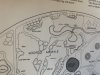
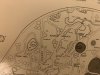
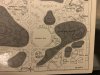
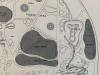
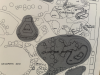
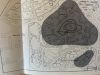
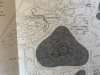
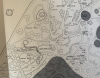
Will have to scan it to upload properly, but within the report there was a map showing the grounds at the time:
But above it is written:
''
Planning
Projects contemplated for next year are:
● Construction of two residences for senior members of staff.
● Conversion of Great Flight Aviary into “walk-through” aviary.
● Extension of electricity reticulation as determined by supply authorities.
● Planning of Hoofed Mammal area.
Habitat displays are replacing barred cages and concrete.
A century ago, to see a variety of “strange” animals in a menagerie was clearly a novelty sufficient in itself. Today, a visit to the Zoo is expected to provide much more than just the facility of gazing at animals in box-like cages. Visitors to modern Zoos expect to see animals occupying attractive surroundings which are as closely representative of their own natural habitats as possible.
This concept is currently being developed at the Zoo and the accompanying plan shows ten exhibit areas which have already been completed. The total area involved at present represents 20% of that part of The Royal Melbourne Zoological Gardens given over to display.''
Trying to take whole photo couldnt capture the writing, and attempts to piece it together were sadly disastrous.
Whipsnade apparently bred four 'purebred' Sumatran Tiger cubs in 1975. However, they were hand reared. It's likely one of these was the individual sent to Melbourne.
It's very likely it was discovered the tiger was later not purebred, hence the import of Poetry. The male sire of this litter was born in Rotterdam, so likely a purebred.
The male in this article was a purebred Sumatran. He was named Sumar and was born at Rotterdam Zoo on 04/06/1970 to Paul Von Esso and Santje. His wild born founder ancestors were Maximus, Deli, Caesar, Lissy and Slimme.
Sumar was sent to Whipsnade Zoo in 1973; London Zoo in 1979; and Chester Zoo in 1983, where he died in 1986.
I agree it’s likely his mate was not a purebred Sumatran and hence the resulting offspring was later discovered to be a hybrid after it had been imported into Australia.
The male in this article was a purebred Sumatran. He was named Sumar and was born at Rotterdam Zoo on 04/06/1970 to Paul Von Esso and Santje. His wild born founder ancestors were Maximus, Deli, Caesar, Lissy and Slimme.
Sumar was sent to Whipsnade Zoo in 1973; London Zoo in 1979; and Chester Zoo in 1983, where he died in 1986.
I agree it’s likely his mate was not a purebred Sumatran and hence the resulting offspring was later discovered to be a hybrid after it had been imported into Australia.
Awesome work man you found, lol of course any tiger who's even slightly Sumatran from a zoo in Europe at that time has those forebearers (well who am I kidding, the majority worldwide do now and even then hahaha). Btw did find mention about them as an intended pair; sorry a lot later than had hoped to:
'' 30/6/77
Mammal Department
During the period under review some valuable acquisitions were added to the mammal collection.
A group of ten cotton top marmosets arrived from the Neuweid Zoo in West Germany, to join the three males which had been born here. During the required quarantine period, the five males and five females were paired up on the basis of individual compatibility. In addition to a thickly planted exhibit area for the three males, an off-display breeding facility for the five pairs was constructed and it is hoped that this will become the nucleus of a large breeding colony. A pair of common marmosets is also on display.
A male American bison was acquired from the Adelaide Zoo for the purpose of bringing a new blood-line into the Melbourne herd. A breeding bull together with two younger bulls was removed from the herd of six females prior to the introduction of the new male.
Four meerkats came from the Wuppertal Zoo in West Germany and are forming an interesting associated display with the three new aardvarks.
Further notable arrivals are a pair of Sumatran tigers, two young female chimpanzees, one male and two female silvered leaf monkeys, one male and two female axis deer, and a five year old male polar bear.
Last, but certainly not least, is the juvenile male Indian elephant “Bong-Su”, a gift from the Sultan of Pahang, West Malaysia...'' (the rest in pdf link).
Attachments
Melbourne Zoo Animal Departments and Veterinary Report June 1977.pdf
Awesome work man you found, lol of course any tiger who's even slightly Sumatran from a zoo in Europe at that time has those forebearers (well who am I kidding, the majority worldwide do now and even then hahaha). Btw did find mention about them as an intended pair; sorry a lot later than had hoped to:
'' 30/6/77
Mammal Department
During the period under review some valuable acquisitions were added to the mammal collection.
A group of ten cotton top marmosets arrived from the Neuweid Zoo in West Germany, to join the three males which had been born here. During the required quarantine period, the five males and five females were paired up on the basis of individual compatibility. In addition to a thickly planted exhibit area for the three males, an off-display breeding facility for the five pairs was constructed and it is hoped that this will become the nucleus of a large breeding colony. A pair of common marmosets is also on display.
A male American bison was acquired from the Adelaide Zoo for the purpose of bringing a new blood-line into the Melbourne herd. A breeding bull together with two younger bulls was removed from the herd of six females prior to the introduction of the new male.
Four meerkats came from the Wuppertal Zoo in West Germany and are forming an interesting associated display with the three new aardvarks.
Further notable arrivals are a pair of Sumatran tigers, two young female chimpanzees, one male and two female silvered leaf monkeys, one male and two female axis deer, and a five year old male polar bear.
Last, but certainly not least, is the juvenile male Indian elephant “Bong-Su”, a gift from the Sultan of Pahang, West Malaysia.
Better accommodation for the koalas and a reduction of group numbers was made some time ago because it was considered that the lack of breeding success of koalas at the Zoo was mainly due to overcrowding. Since this change was made a year ago, four koalas have been born.
Other notable births have been one female pygmy hippopotamus, one female giraffe, one male guanaco, four peccaries, seven sambar deer, 22 Indian antelopes, a pair of American bison, and one male and two female jaguars.
Bird Department
Little has changed during the past 12 months. One of the Zoo’s main problems is still the lack of suitable accommodation for potential breeding pairs.
Although the bird collection is probably the least comprehensive of any major Australian Zoo, much time has been spent during the past few years in improving the breeding performance of the collection.
The little accommodation on hand was made available only to species that were vital to future development. Considerable care was taken in choosing compatible animals to make up breeding pairs. Providing facilities to make materials for nesting was also given emphasis. Several pairs that have been together over a long period without breeding results were separated for a few months and then reintroduced. This treatment worked for some birds but not for all.
Noteworthy Breedings
One blue and yellow macaw, one cassowary (hatched in incubator), one bleeding heart pigeon, six mandarin duck, one fig parrot, one gang gang cockatoo, 15 New Zealand shell duck, two brolga, two peregrin falcon (first in an Australian Zoo), one long-billed corella, one short-billed corella; several ostriches hatched but did not survive beyond three and a half months. Two fairy penguins were also bred, and it is believed that these are the first to be reared in captivity.
The fairy penguin Eudyptula minor, also called little or blue penguin, is the smallest of all penguins. Adults reach a height of 33 cm and a weight of 1,000 to 1,200 grams. It is the only species of penguin to breed in Australia. One of the best known breeding colonies is on Phillip Island, in Victoria’s Westernport Bay. It is at Summerland Beach, on the Island’s south coast, that the world famous nightly penguin parade from the sea takes place.
The Zoo has a thriving colony of fairy penguins, and recently these were moved to a new enclosure, which has been designed to provide an environment closely resembling the habitat in which they nest — with water, sand, rocks, grass tussocks and burrows.
On the 24th June 1976, two eggs were found in a burrow in the penguin enclosure. These were placed in an incubator, and the first of the two eggs hatched on the 20th July with the second hatching the following day. The chicks were fed three times daily. Their diet for the first two days consisted of tinned tuna in white sauce. After two days, filleted pilchards, ground in a coffee grinder, were added to the tuna. Three weeks later the diet changed to whitebait. Supplements of calcium, multi-vitamin drops and cod liver oil were added to the diets at various stages.
Reptile Department
Several interesting reptiles were received from overseas zoos during the year. These included Malayan box tortoises, spiny terrapine which has sharp projections around..'' rest of here
Yeah we do at last hey with Brazilian tapirs (and agree about indication of a breeding pair and offspring) and going all the way back to early '70s with breeding them hey (wasnt it late 1960s one or two of them arrived), it's fitting with Lupo now at Melbourne hey that they're back with keeping them.
Yeah considering how tiger subspecies especially Sumatran have been what we have always known as the important breeding and individual exchange between the zoos we are most familiar with, just how many generic tigers were being bred even in major city zoos back in the seventies and eighties still, well guess it did take some time for the official subspecies breeding approach took off, and credit to Melbourne for seemingly trying as early as '76, and Adelaide and Wellington with Siberian tigers, and Taronga with Sumatran tigers not long later with Meta & Nico's arrival (of course could mention Cija & Max, it's just of course the outcrossed breeding with other tigers and their descendants).
Will have to scan it to upload properly, but within the report there was a map showing the grounds at the time:
But above it is written:
''
Planning
Projects contemplated for next year are:
● Construction of two residences for senior members of staff.
● Conversion of Great Flight Aviary into “walk-through” aviary.
● Extension of electricity reticulation as determined by supply authorities.
● Planning of Hoofed Mammal area.
Habitat displays are replacing barred cages and concrete.
A century ago, to see a variety of “strange” animals in a menagerie was clearly a novelty sufficient in itself. Today, a visit to the Zoo is expected to provide much more than just the facility of gazing at animals in box-like cages. Visitors to modern Zoos expect to see animals occupying attractive surroundings which are as closely representative of their own natural habitats as possible.
This concept is currently being developed at the Zoo and the accompanying plan shows ten exhibit areas which have already been completed. The total area involved at present represents 20% of that part of The Royal Melbourne Zoological Gardens given over to display.''
Trying to take whole photo couldnt capture the writing, and attempts to piece it together were sadly disastrous.
I wouldn't be surprised if Melbourne's first Brazilian Tapir pair were acquired in the late 60's. The timeline lines up if they were expected to have had at least two offspring prior to 1976.
Can't manage to access the photos you've linked too. Perhaps uploading them onto the site first, and then linking them into a post would work?
The male in this article was a purebred Sumatran. He was named Sumar and was born at Rotterdam Zoo on 04/06/1970 to Paul Von Esso and Santje. His wild born founder ancestors were Maximus, Deli, Caesar, Lissy and Slimme.
Sumar was sent to Whipsnade Zoo in 1973; London Zoo in 1979; and Chester Zoo in 1983, where he died in 1986.
I agree it’s likely his mate was not a purebred Sumatran and hence the resulting offspring was later discovered to be a hybrid after it had been imported into Australia.
Is there any information that you could find on his mate? I suppose it will be in a studbook somewhere, but one of the old links I had to one no longer works.
I wouldn't be surprised if Melbourne's first Brazilian Tapir pair were acquired in the late 60's. The timeline lines up if they were expected to have had at least two offspring prior to 1976.
Can't manage to access the photos you've linked too. Perhaps uploading them onto the site first, and then linking them into a post would work?
Is there any information that you could find on his mate? I suppose it will be in a studbook somewhere, but one of the old links I had to one no longer works.
Oh it turns out I got it wrong it is a general map of the zoo at the time btw. If you click spoilers do the photos show (I did that to minimise the length of the post for scrolling). Those photos inside the spoiler are the photo links, just uploaded them, but are they not showing.
Is there any information that you could find on his mate? I suppose it will be in a studbook somewhere, but one of the old links I had to one no longer works.
Yeah, apparently the plan was to breed Maya (the male from Taronga) with Errol, but she would have been towards the end of her reproductive life by the time he matured.
Maya’s second mate was Muana, who had to be speyed not long after her import into Australia. Had they bred, it would have been interesting to see how the regional population panned out. Worst case scenario, the cubs probably would have ended up at one of the regional zoos such as Mogo.
Oh it turns out I got it wrong it is a general map of the zoo at the time btw. If you click spoilers do the photos show (I did that to minimise the length of the post for scrolling). Those photos inside the spoiler are the photo links, just uploaded them, but are they not showing.
Nah can't seem to access them there unfortunately.
It would be interesting to see another map of the zoo from that time period nonetheless. We already have what looks to be an artist drawn one from 1978, but it would be interesting to see what their actual map would've looked like from around that same time.
Nah can't seem to access them there unfortunately.
It would be interesting to see another map of the zoo from that time period nonetheless. We already have what looks to be an artist drawn one from 1978, but it would be interesting to see what their actual map would've looked like from around that same time.
Oh will try fix it for you, is it the clicking on the spoiler button thats an issue or do you get a bunch of those symbols of an image crossed out so it's not visible. I forgot had done the premium thing on here so have that extra time window can fix it so it's visible hopefully.
@Jambo (edit sorry) I took the spoiler tag off to see if that made them visible
Oh will try fix it for you, is it the clicking on the spoiler button thats an issue or do you get a bunch of those symbols of an image crossed out so it's not visible. I forgot had done the premium thing on here so have that extra time window can fix it so it's visible hopefully.
@Jambo (edit sorry) I took the spoiler tag off to see if that made them visible