Perth Zoo Perth Zoo News 2025

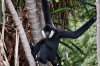
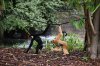
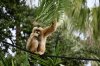
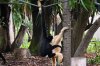
Here is some photos of the 3 out and about on exhibit from a visit this week :)

Jermei seems to have recovered and is out enjoying the islands with Kayak and Lulani!
 

Attachments

  • DSC_4039.JPG
    DSC_4039.JPG
    132.5 KB · Views: 12
  • DSC_3902.JPG
    DSC_3902.JPG
    157.5 KB · Views: 11
  • DSC_3899.JPG
    DSC_3899.JPG
    190.9 KB · Views: 11
  • DSC_3887.JPG
    DSC_3887.JPG
    232.6 KB · Views: 12
Here is some photos of the 3 out and about on exhibit from a visit this week :)

Jermei seems to have recovered and is out enjoying the islands with Kayak and Lulani!
Great photos! I’ll be interested to see what the long term plan is for Lulani. A pairing with either her uncle Nakai at Rockhampton; or her nephew Rhu at Tasmania for companionship purposes is a possibility - though Rockhampton stated an intention to import a female from overseas for Nakai.

If Lulani is unrelated to Kayak (I note Lulani’s sire and Kayak both came from France) then I’m wondering if there’s value in keeping her with Kayak and Jermei long term. The three of them have a decent amount of space and white-cheeked gibbons aren’t strictly monogamous (males have been known to mate with females outside the pair they’re in), meaning breeding her with Kayak could be an option. Kayak’s a genetically valuable male and if Jermei fails to produce surviving young with him, it might not hurt to have a back up.
 
Great photos! I’ll be interested to see what the long term plan is for Lulani. A pairing with either her uncle Nakai at Rockhampton; or her nephew Rhu at Tasmania for companionship purposes is a possibility - though Rockhampton stated an intention to import a female from overseas for Nakai.

If Lulani is unrelated to Kayak (I note Lulani’s sire and Kayak both came from France) then I’m wondering if there’s value in keeping her with Kayak and Jermei long term. The three of them have a decent amount of space and white-cheeked gibbons aren’t strictly monogamous (males have been known to mate with females outside the pair they’re in), meaning breeding her with Kayak could be an option. Kayak’s a genetically valuable male and if Jermei fails to produce surviving young with him, it might not hurt to have a back up.
Sounds like a very possible outcome... What age are White Cheeked Gibbons sexuality reproductive? Lulani is 6 now...
 
Sounds like a very possible outcome... What age are White Cheeked Gibbons sexuality reproductive? Lulani is 6 now...

Female white-cheeked gibbons reach sexual maturity at 5-7 years. Their maturation coincides with the transition back to golden fur, so the fact Lulani still has the dark juvenile colouration suggests she’s not cycling yet. We should see this colour transition within the next 12 months.
 
Putra Mas move delayed

ABC has reported that Putra Mas won’t move to Monarto until the end of the year as they’re still managing the introductions of the female elephants and there’s been delays to his habitat. They expect him to move at the end of the year

'On elephant time': Move of Perth Zoo's last elephant to SA delayed

The article also provides an update on the rhino transfers:

The reason for the previously reported cancellation was unexpected health issues. Bull Bakari will therefore remain on site for the foreseeable.

'On elephant time': Move of Perth Zoo's last elephant to SA delayed

Perth Zoo was expecting to add two southern white rhinos this year, but health concerns over the incoming pair means that plan isn't going ahead.

"The female rhinos that were being considered for transfer to Perth Zoo have had a couple of unexpected health issues," Mr Lemon said. "They are no longer suitable for road or flight transport. From a health point of view they need to stay at Werribee's Open Range Zoo."

The arrival of the rhinos was to coincide with the departure of male Bakari who was slated to be part of the regional breeding program. He'll instead remain in Perth while other breeding options are explored.
 
The article also provides an update on the rhino transfers:

The reason for the previously reported cancellation was unexpected health issues. Bull Bakari will therefore remain on site for the foreseeable.

'On elephant time': Move of Perth Zoo's last elephant to SA delayed

Perth Zoo was expecting to add two southern white rhinos this year, but health concerns over the incoming pair means that plan isn't going ahead.

"The female rhinos that were being considered for transfer to Perth Zoo have had a couple of unexpected health issues," Mr Lemon said. "They are no longer suitable for road or flight transport. From a health point of view they need to stay at Werribee's Open Range Zoo."

The arrival of the rhinos was to coincide with the departure of male Bakari who was slated to be part of the regional breeding program. He'll instead remain in Perth while other breeding options are explored.
It'll be interesting to see which options are explored and where Perth ultimately decide to go from here.

Obviously Bakari is quite a valuable bull regionally, so getting him into a breeding situation sooner rather than later is important. I wonder whether the expansion of the rhino facilities eventually might help facilitate the arrival of cows to pair with Bakari in the event he's remaining at Perth in the long term (as it currently seems).

I also wonder what this means for Australia Zoo, who were anticipating the arrival of this bull to restart their breeding program. Samburu (2016) at Hamilton would be reasonable choice, but a better choice would be Eco (2010) at National Zoo who's a nephew of Bakari's; so comes from similar lineage. An Eco to Beerwah and Samburu to Canberra move might make the most sense in this situation.
 
It'll be interesting to see which options are explored and where Perth ultimately decide to go from here.

Obviously Bakari is quite a valuable bull regionally, so getting him into a breeding situation sooner rather than later is important. I wonder whether the expansion of the rhino facilities eventually might help facilitate the arrival of cows to pair with Bakari in the event he's remaining at Perth in the long term (as it currently seems).

I also wonder what this means for Australia Zoo, who were anticipating the arrival of this bull to restart their breeding program. Samburu (2016) at Hamilton would be reasonable choice, but a better choice would be Eco (2010) at National Zoo who's a nephew of Bakari's; so comes from similar lineage. An Eco to Beerwah and Samburu to Canberra move might make the most sense in this situation.

It wouldn’t be entirely surprising to see Perth remain a non-breeding facility due to their geographical isolation from the other Australian holders. The Werribee cows were clearly joining Memphis on a one-way ticket to form a retirement herd; and an alternative to this plan could be for (younger) rhinos that have been designated non-breeding to go there. Though I’m not aware of imminent plans for any of them to transfer out, Hamilton’s cows would fall into this category.

I agree Eco to Beerwah is a reasonable likelihood; as is Tino to Beerwah. He’s 10 years old now and approaching prime breeding age.
 
It wouldn’t be entirely surprising to see Perth remain a non-breeding facility due to their geographical isolation from the other Australian holders. The Werribee cows were clearly joining Memphis on a one-way ticket to form a retirement herd; and an alternative to this plan could be for (younger) rhinos that have been designated non-breeding to go there. Though I’m not aware of imminent plans for any of them to transfer out, Hamilton’s cows would fall into this category.

I agree Eco to Beerwah is a reasonable likelihood; as is Tino to Beerwah. He’s 10 years old now and approaching prime breeding age.
In any case, I think it's quite likely we will see Samburu being shifted across to Australia sooner rather than later. If Sydney send Tino to Beerwah, they'd certainly be after a replacement, and Samburu's one of very few candidates currently regionally.

Both Werribee and Dubbo currently both have young bulls (ironically both named Jabulani), however they're both still at least two to three years away from transferring out.
 
In any case, I think it's quite likely we will see Samburu being shifted across to Australia sooner rather than later. If Sydney send Tino to Beerwah, they'd certainly be after a replacement, and Samburu's one of very few candidates currently regionally.

Both Werribee and Dubbo currently both have young bulls (ironically both named Jabulani), however they're both still at least two to three years away from transferring out.

Samburu is a strong candidate. Following the failed attempt to transfer him to Orana (who I now suspect will be receiving a bull from Europe), Hamilton have stated he’d be remaining on site long term (accomodated on the vacant block of land); but nonetheless, he’s surplus to their population and the two paddocks are at capacity, so we can’t discount it.

Rhinoceros have left their natal herds as young as 18-24 months (in some cases tying in with their mother producing a new calf); so one option for Sydney if they transferred Eco to Beerwah could be for them to receive one (or both) of the Jabulani’s and Zuka from Auckland Zoo. The pair/trio could coexist as a bachelor herd until they’re at least 8-10 years.
 
Dingo update:

The pups have been named ‘Sunny’ and ‘Luna’:

New to the Zoo – dingo puppies

The three-month-old sibling pair, named Sunny and Luna, arrived from Victoria last month and have been busy acclimatising to their new home behind-the-scenes in our veterinary department.

When they're ready, Sunny and Luna will move into the Australian Bushwalk habitat. Here, it's hoped they will inspire a new generation of dingo lovers.
 
Putra Mas transferring to Monarto late spring:

From Monarto’s socials:

World Elephant Day Update – Big News!

This World Elephant Day, we’re giving you an update on our incredible elephant herd and announcing something very special!

Asian Elephant bull Putra Mas will move from Perth Zoo to Monarto Safari Park late this spring, becoming the final member of our founding herd.


His arrival is being carefully planned, with a new barn and habitat spaces nearly ready to ensure he settles in comfortably. In the meantime, Burma, Permai, Pak Boon and Tang Mo are continuing to settle into life at Monarto. Our Elephant team is focused on giving each elephant the space and choice to build relationships naturally, from forming close bonds to enjoying quiet time on their own. Putra Mas’ arrival will bring a whole new dynamic to the mix, and we can’t wait to share more of the herd’s journey with you.
 
Back
Top