Cancelled zoological exhibits projects?

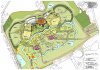
The new Sacramento Zoo in Elk Grove was an absolutely immersive and promising multi-phase project that had been planned for multiple years and slated to open in 2029, up until the unexpected news in April where it got canceled due to financial concerns among other reasons. The zoo did recently announced they plan to expand the current zoo, but it comes nowhere close in size or design as this planned now-canceled expansion below.
zoo-plan-all-phases-outlines.jpg
 
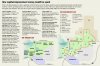
By the miracle of the Wayback Machine, I was able to scrounge up the Minnesota Zoo's 2012 master plan PDF. I have fond memories of doing a presentation on the content for a class in 7th grade. It was a really lofty plan containing the following:
  • The conversion of the Northern Trail into an Asia Trail, including potentially Stellar's sea eagle, snowy owls, arctic foxes, Eurasian lynx, musk deer, and Mongolian pika; updated enclosure for Asian wild horses; Persian gazelle, markhor, tragopans, and red pandas.
  • Updates to the tropics trail, including coatimundis and capybara; spider monkeys; an update to the old nocturnal exhibit hallway showcasing South American reptiles/amphibians/fish/invertebrates; the addition of an orangutan exhibit; siamangs and flying foxes
So far exceptionally little of this plan has been achieved.

These two additions alone, if implemented well with a solid herp collection, would easily catapult Minnesota Zoo into the rarefied ranks of the top 5 or 6 American zoos. As I understand the situation, the nearby Como Park Zoo already features the standard African megafauna, which may explain why Minnesota hasn't made much progress on the proposed African Trail (though it'd be great to see more secretary birds in America), but that's all the more reason for Minnesota to lean into more niche species. They have one of the most beautiful campuses in the country, but so much of it goes underutilized.
 
Chester Zoo recently opened Heart of Africa (focused on the savanna) but has a previous unrelated Heart of Africa exhibit (focused on the rainforest) plan that was scrapped, and during preparations for the new exhibit a lot of people would get confused stumbling upon the older plan by the same name. This is fairly well-known of course but the reuse of the name has really added to its notoriety.

Original Chester African rainforest plans
 

Attachments

  • aiu_chester_zoo_biodome_09x.jpg
    aiu_chester_zoo_biodome_09x.jpg
    237.9 KB · Views: 27
These two additions alone, if implemented well with a solid herp collection, would easily catapult Minnesota Zoo into the rarefied ranks of the top 5 or 6 American zoos. As I understand the situation, the nearby Como Park Zoo already features the standard African megafauna, which may explain why Minnesota hasn't made much progress on the proposed African Trail (though it'd be great to see more secretary birds in America), but that's all the more reason for Minnesota to lean into more niche species. They have one of the most beautiful campuses in the country, but so much of it goes underutilized.

Como Zoo has giraffes, lions, and zebras. Some solid animals for sure, but I find the exhibits for all to be kind of.... blah.... especially compared to Minnesota Zoo's typical standard of display. The hoofstock buildings are particularly a sight for sore eyes IMO. The animals are receiving fine care it's just underwhelming as a visitor. The gorillas and orangutans are more of a draw in the "como vs minnesota zoo" comparisons in my eyes.

I truly think that if Minnesota Zoo had some sort of African trail it would be a game-changer. While I'd much prefer a year-round exhibit, even something seasonal would be better than right now. MN Zoo has a really unique collection but is sorely lacking in ABC animals, something that IMO is a really valuable thing to have when a big portion of your audience is suburban Minnesotans, including a LOTTTTTT of children. This is especially true given MN Zoo's close ties with nearby school district 196.

It's always felt so frustrating to me because I vastly prefer Minnesota Zoo's standard of display and their campus, but Como Zoo's animal roster packs more of a punch IMO. African hoofstock, gorillas, orangutans, lions, a wonderful primate collection, and polar bears... idk. I'm a primate junkie so my biggest wish is for MN Zoo to have a great ape. But I think it's absolutely wild that they haven't invested more into getting an Africa Trail going, especially when African animals are often the first thing people think of when they think of zoos.
 
I spent a while sceounging through old Columbus Dispatch articles for this, I finally found the Columbus Zoo's old masterplan. It is very interesting seeing what was planned.
The plans included a South American region in one half of where North America is now, a Madagascar exhibit, moving Congo Expedition near Heart of Africa, A Southeast Asian region in the Congo's place, a Downtown Columbus aquarium site and more.
I've been lucky enough to see some of Columbus' current masterplan, but it is interesting to see what could've been.
ghows-OH-6b23bd08-461e-402d-bdca-8745eb6ffdf6-daa533b2.jpeg

The Dispatch article discussing things: https://www.dispatch.com/story/news/politics/2014/04/13/zoo-lays-out-planned-makeover/23964035007/
 

Attachments

  • ghows-OH-6b23bd08-461e-402d-bdca-8745eb6ffdf6-daa533b2.jpeg
    ghows-OH-6b23bd08-461e-402d-bdca-8745eb6ffdf6-daa533b2.jpeg
    75.4 KB · Views: 68
Last edited:
My all time favorite unbuilt exhibit is the Phoenix Zoo’s “Great Deserts of the World”. Planned by then director, the late Warren Iliff, this exhibit would have been broken down into areas representing all the major deserts of the world. Nowadays I can find little mention of it, nor really anyone who has even heard of it, I have found mention of it in an old Arizoo magazine though.
 

Attachments

  • IMG_6236 Copy.jpeg
    IMG_6236 Copy.jpeg
    120.1 KB · Views: 15
My all time favorite unbuilt exhibit is the Phoenix Zoo’s “Great Deserts of the World”. Planned by then director, the late Warren Iliff, this exhibit would have been broken down into areas representing all the major deserts of the world. Nowadays I can find little mention of it, nor really anyone who has even heard of it, I have found mention of it in an old Arizoo magazine though.
Any ideas of what species it would have or exhibit concepts?
 
If a master plan is still active and hasn't been superseded, I try to maintain hope the broad strokes are still being followed. Some master plans are intended to last for decades with constant internal revision, and sometimes ideas survive into the next draft. Brookfield Zoo's previous and current master plan have some huge differences but also shared visions of a safari transformation of the northwest quadrant of the zoo, an expanded children's area in the southeast, and expansive outdoor primate areas north of Tropic World, even though the details differed. I would be inclined to think of 'Gorilla Rescue' as an earlier form of 'Tropical Forests' than a distinctly cancelled exhibit. I would consider 'Siberian Rescue' cancelled as the new Asia plan is in a different part of the zoo and has some major differences in design as well.

Since we seem to be welcoming American examples for certain now -- Brookfield Zoo had planned for over two decades from opening (1934 to the mid-1950s) to build a North American panorama on the western side of the zoo, with the centerpiece being an artificial mountain with a restaurant inside. These plans have never been realized but had an influence on the zoo's long-term development - bison and deer held in the area in the '80s were sometimes associated as a step one towards some version of this panorama. The idea seemed abandoned during Strahl's tenure as a director, especially upon the completion of Great Bear Wilderness, but the zoo's current master plan envisions dedicating the southern corner of this space to a new North American region.

Strahl also planned to build a new elephant complex when Great Bear Wilderness was completed, but local issues during the financial crisis threatened the zoo, which not only delayed the elephant complex but caused downsizing of existing habitats.

The most indisputably cancelled exhibits surround the zoo's former Baboon Island enclosure. During the nineties the intent was to simply switch to a more threatened baboon species; by Strahl's tenure in the 2000s, the master plan called for creating a Japanese macaque exhibit in this area. After the decision was instead made to transform the area into a Nature Plaza, it has was reported that the zoo gave consideration to new Hamadryas baboon exhibit in the same area as a direct successor to the original island.

Under George Rabb's tenure preceding Strahl, Habitat Africa! The Savannah and Habitat Africa! The Forest were meant to be the first two phases of a seven-phase 'Habitat Africa' plan. The details of the additional phases are largely unknown, but a marshland phase was planned, and concepts are known showcasing bongo, leopards, sitatunga, and patas monkey each having space in the larger plan, with the latter three part of a river boardwalk type of exhibit.

I don't know as many details about this but Milwaukee was intending to build a new hippopotamus exhibit around the time of the financial crisis, but funding dried up and they ended up using what money they raised/received for back-of-house improvements and the 'hippo spa' area that was slightly visible to guests until the more recent expansion/renovation. The latter hippopotamus expansion was a separate project.

Although part of the current master plan of the zoo, Saint Louis Zoo's proposed 'Legends of the Forest' intended to build over the existing reptile and primate houses, using bubbled domes, raised walkways, retractable sections and more to provide outdoor access for animals and protection from weather. Congo, Southeast Asia, Flooded Forest, Madagascar and South America were proposed subsections. The construction of Primate Canopy Trails afterward has subsumed some of this area though, so this exhibit may be cancelled - or optimistically, perhaps they hope to integrate Canopy Trails into a more ambitious future project. I don't expect changes to this area for a long time relative to their other proposed master plan concepts.
 
Any ideas of what species it would have or exhibit concepts?

Vague memories really. Geoffroy's Cats, armadillos, and Chacoan Peccaries seem to come to mind for the South American area, dingos, red kangaroos, for Australia. Things like sand cats, the famous Arabian Oryx, and caracals for the middle east. I'm not certain about any of these really. Just kind of what I could pull out of my brain.
 
Any ideas of what species it would have or exhibit concepts?
According to "The Zoo Book," by Alan Nyhuis (1994):

"In 1997 this zoo plans to open what will probably become its trademark exhibit - Great Deserts of the World. This sensational indoor/outdoor complex will feature separate exhibits of six different deserts from South America, Australia, Africa, and Asia. Arabian oryxes, naked mole-rats, vampire bats, kangaroos, armadillos, dingoes, gazelles, hyenas, meerkats, and foxes are just a few of the many large and small mammals, birds, reptiles, and insects that will be seen in this amazing exhibit. A walk-through aviary, nocturnal exhibits, a camel ride, and interactive stations will combine to make this unique exhibit one of the best anywhere."

The book, for those who don't have it, features profiles of 53 US zoos with each entry including a "New at the Zoo" section that also discusses upcoming or planned exhibits, such as the abvoe from the entry for Phoenix. Some of the mentioned future ideas, such as Bronx's Flooded Forest, never came to fruition.
 
Detroit’s current master plan is ending with the new discovery trails; but had many projects that never met the light of day:
• Insect Conservation Center-
Similar to the zoo’s other complexes, it included plans for a new butterfly exhibit, coconut crabs, various insects; all with conservation programs. There also was plans for naked mole rats, a few cephalopod species and more.
• Turtle Conservation Center-
Pretty much what the name says, stated to have 30+ species, all with breeding programs. Various tortoises were also included. Notably, Galapagos Tortoises, Aldabra Tortoises, and at least 3 sea turtle species; with theoretical breeding programs.
• Bat Conservation Center-
It would take up the old penguin exhibit, being renovated as a cave with “the largest collection of bats in the world”. It would of been treated as a nocturnal house; presumably with some surprises
• A Pygmy hippo exhibit (maybe old hippo?)
• A bongo exhibit
• A jaguar exhibit
• Outdoor Penguin exhibits, for blue, African, and a South American species
• A new lion exhibit where the eland are
• Snow Leopards in old lion exhibit
• Orangutans, and more southeast Asian species in the Asia exhibit
 
I believe the main pool was planned to be 50 feet deep but because SW folded to the animal rights groups everything was scrapped
Quite correct, which is huge, especially when you consider how big these pools were supposed to be. The deepest pools the facilities currently have are just 36 feet deep, and the proposed San Diego complex was supposed to more than double the amount of space they had with a single new pool.

The reason why it was scrapped was not necessarily ARA pressure but was more so the fact that breeding was halted, so in essence there was little point in building a new complex.
 
I guess the original plans for the National Wildlife Conservation Park (now the Wild Place Project) falls under the category of cancelled exhibits.

In total, the park was due to have ten different sections that were each based upon an area where Bristol were doing conservation work:

British Habitats
I think this was primarily an indoor space, that was going to include areas for breeding rare native species. Harvest mice were definitely planned, and I seem to remember that adders were as well.

China Montane Forest
This section was planned to be home to four species of mammal - the takin, bharal, snow leopard and golden snub-nosed monkey. I think there were also plans for aviaries with pheasants and laughingthrushes.

Congo Tropical Forest
The original plans for this section were based upon the forests of the Eastern Democratic Republic of Congo, and were due to house bonobos, Hamlyn's guenons, black-and-white colobus, okapi, duiker and red river hog among the mammals. The plans also mentioned Hartlaub's duck, wattled crane, glossy ibis, hamerkop and black-billed turaco, gaboon or rhinoceros viper and hingeback tortoise, tree frogs, goliath and sun beetles, saturnid moths, African flower mantis, giant Congo millipede and a dozen species of freshwater fish.

This section is sort of happening, except there have been plenty of swapped species - gorillas instead of bonobos, mangabeys instead of guenons or colobus, slender-snouted crocodiles, grey parrots and cichlids, which were not included among the dozen planned fishes. Mandrills are due to come later, as are okapis - the only species from the original plans planned to move in here.

Costa Rica Swamp Forest
This was to be an indoor house with free-flying birds and butterflies and free-roaming lizards. The main attractions however were to be two enclosures with underwater viewing, one for manatees and the other for American crocodiles, mixed with a variety of Caribbean fish species. In the original-original plans, this was called Central American Swamp.

Georgia Wetlands
This was to be primarily a large walkthrough aviary home to a variety of birds including greater flamingos. There were also going to be separate enclosures for Eurasian otters and raccoon dogs.

In the earlier iteration of the plans, this was to be a British Wetlands display, with otters as in the later plans but also an enclosure for water voles. Inhabitants of the aviary were to include egrets, avocets, oystercatchers, turnstones, lapwings and corncrakes among other birds.

Indian Ocean Coral Reef
This was to be a two-part indoor display contained within a large dome, one based on the forests of the Comoro Islands and home to Livingstone's fruit bats, mongoose lemurs, Comoro flap-nosed chameleon and Comoro day gecko, with the other part being a tropical reef aquarium again based on the Comoro Islands. The plans mention twenty-three fish species, including blacktip reef sharks and, perhaps the most out-there species in the plans, roughskin spurdogs. Four species of invertebrate were also included here, including live corals.

Nepal Grasslands
A large series of outdoor paddocks that were due to be home to Bengal tiger, sloth bear, dhole, Indian rhinoceros, grey langur, banteng, barasingha, axis deer and hog deer.

Sumatra Rain Forest
This section was planning to house Sumatran tigers, lar gibbon, Sumatran orangutan, Malayan tapir and Asian small-clawed otter among the mammals. There were also due to be blood pythons, red-tailed ratsnakes, spiny turtles, Sumatran gliding tree frogs, seven named bird species and five named species each of freshwater fish and invertebrate.

Tanzania Savannah
The original plans for this section included a giant paddock with a safari jeep ride through it, that would have housed giraffe, greater kudu, zebra, wildebeest and ostrich. There would also have been separate enclosures for warthog, black rhinoceros, cheetah, African wild dog, dik-dik, banded mongoose, zebu cattle and vulturine guineafowl. The plans also included a Ranger Station that would have housed leopard tortoise, white-throated monitor, African bullfrog, dung beetle, train millipede, praying mantis, termite, acacia ant and cichlids.

There were other plans available that preceded this one, which also mentioned blesbok, secretary bird, wattled crane and francolins in the drive-through section.

This section is also sort-of happening, but is now based on Central Africa instead. It already has giraffe, zebra and cheetah, with ostrich due to move over soon and black rhino planned for the future.

The only part of this plan which has happened, pretty much unchanged from the original plans, was British Ancient Woodland that was renamed as Bear Wood.
 
Detroit’s current master plan is ending with the new discovery trails; but had many projects that never met the light of day:
• Insect Conservation Center-
Similar to the zoo’s other complexes, it included plans for a new butterfly exhibit, coconut crabs, various insects; all with conservation programs. There also was plans for naked mole rats, a few cephalopod species and more.
• Turtle Conservation Center-
Pretty much what the name says, stated to have 30+ species, all with breeding programs. Various tortoises were also included. Notably, Galapagos Tortoises, Aldabra Tortoises, and at least 3 sea turtle species; with theoretical breeding programs.
• Bat Conservation Center-
It would take up the old penguin exhibit, being renovated as a cave with “the largest collection of bats in the world”. It would of been treated as a nocturnal house; presumably with some surprises
• A Pygmy hippo exhibit (maybe old hippo?)
• A bongo exhibit
• A jaguar exhibit
• Outdoor Penguin exhibits, for blue, African, and a South American species
• A new lion exhibit where the eland are
• Snow Leopards in old lion exhibit
• Orangutans, and more southeast Asian species in the Asia exhibit
I had heard of some of this before (turtle and bat conservation centers, snow leopards, etc) but other components (insect conservation center, orangutans, outdoor penguin exhibits) are complete news to me. Do you have any official sources about these ideas you can provide?
 
I had heard of some of this before (turtle and bat conservation centers, snow leopards, etc) but other components (insect conservation center, orangutans, outdoor penguin exhibits) are complete news to me. Do you have any official sources about these ideas you can provide?
From volunteers and former master plan. It was showcased a few years ago; can’t find it though.
 
I guess the original plans for the National Wildlife Conservation Park (now the Wild Place Project) falls under the category of cancelled exhibits.

In total, the park was due to have ten different sections that were each based upon an area where Bristol were doing conservation work:

British Habitats
I think this was primarily an indoor space, that was going to include areas for breeding rare native species. Harvest mice were definitely planned, and I seem to remember that adders were as well.

China Montane Forest
This section was planned to be home to four species of mammal - the takin, bharal, snow leopard and golden snub-nosed monkey. I think there were also plans for aviaries with pheasants and laughingthrushes.

Congo Tropical Forest
The original plans for this section were based upon the forests of the Eastern Democratic Republic of Congo, and were due to house bonobos, Hamlyn's guenons, black-and-white colobus, okapi, duiker and red river hog among the mammals. The plans also mentioned Hartlaub's duck, wattled crane, glossy ibis, hamerkop and black-billed turaco, gaboon or rhinoceros viper and hingeback tortoise, tree frogs, goliath and sun beetles, saturnid moths, African flower mantis, giant Congo millipede and a dozen species of freshwater fish.

This section is sort of happening, except there have been plenty of swapped species - gorillas instead of bonobos, mangabeys instead of guenons or colobus, slender-snouted crocodiles, grey parrots and cichlids, which were not included among the dozen planned fishes. Mandrills are due to come later, as are okapis - the only species from the original plans planned to move in here.

Costa Rica Swamp Forest
This was to be an indoor house with free-flying birds and butterflies and free-roaming lizards. The main attractions however were to be two enclosures with underwater viewing, one for manatees and the other for American crocodiles, mixed with a variety of Caribbean fish species. In the original-original plans, this was called Central American Swamp.

Georgia Wetlands
This was to be primarily a large walkthrough aviary home to a variety of birds including greater flamingos. There were also going to be separate enclosures for Eurasian otters and raccoon dogs.

In the earlier iteration of the plans, this was to be a British Wetlands display, with otters as in the later plans but also an enclosure for water voles. Inhabitants of the aviary were to include egrets, avocets, oystercatchers, turnstones, lapwings and corncrakes among other birds.

Indian Ocean Coral Reef
This was to be a two-part indoor display contained within a large dome, one based on the forests of the Comoro Islands and home to Livingstone's fruit bats, mongoose lemurs, Comoro flap-nosed chameleon and Comoro day gecko, with the other part being a tropical reef aquarium again based on the Comoro Islands. The plans mention twenty-three fish species, including blacktip reef sharks and, perhaps the most out-there species in the plans, roughskin spurdogs. Four species of invertebrate were also included here, including live corals.

Nepal Grasslands
A large series of outdoor paddocks that were due to be home to Bengal tiger, sloth bear, dhole, Indian rhinoceros, grey langur, banteng, barasingha, axis deer and hog deer.

Sumatra Rain Forest
This section was planning to house Sumatran tigers, lar gibbon, Sumatran orangutan, Malayan tapir and Asian small-clawed otter among the mammals. There were also due to be blood pythons, red-tailed ratsnakes, spiny turtles, Sumatran gliding tree frogs, seven named bird species and five named species each of freshwater fish and invertebrate.

Tanzania Savannah
The original plans for this section included a giant paddock with a safari jeep ride through it, that would have housed giraffe, greater kudu, zebra, wildebeest and ostrich. There would also have been separate enclosures for warthog, black rhinoceros, cheetah, African wild dog, dik-dik, banded mongoose, zebu cattle and vulturine guineafowl. The plans also included a Ranger Station that would have housed leopard tortoise, white-throated monitor, African bullfrog, dung beetle, train millipede, praying mantis, termite, acacia ant and cichlids.

There were other plans available that preceded this one, which also mentioned blesbok, secretary bird, wattled crane and francolins in the drive-through section.

This section is also sort-of happening, but is now based on Central Africa instead. It already has giraffe, zebra and cheetah, with ostrich due to move over soon and black rhino planned for the future.

The only part of this plan which has happened, pretty much unchanged from the original plans, was British Ancient Woodland that was renamed as Bear Wood.
The China Montane echoes an idea I’ve long held, of juxtaposing pheasants and laughingthrushes with Snow Leopards and appropriate ungulates. I’d probably add Red Panda, Derbian Parrakeet and Red-billed Blue Magpie
 
Back
Top