Design a Zoo

Status
Not open for further replies.
Would you mind describing the exhibits a bit? :)

Before you go to the Wild Life Florida zoo in Sunrise, Florida, you notice a medium-sized koi pond. Then you go to the entrance similar to the one from Naples Zoo at Caribbean Gardens. And once there, you see a future mixed exhibit for white-tailed deer, wild turkeys, and sandhill cranes. Next, as you enter the Florida Swamp area, you go through the boardwalk above a large exhibit with American alligators, the left side is a lake where the alligators swim, and the right side is the dirt area where they bask in the sun and lay eggs. As you go along the way, there is a small-enough exhibit with raccoons with a netted viewing area, and on your way is a beaver exhibit similar to the one from the Minnesota Zoo, complete with an underwater viewing area, and a future bald eagle exhibit on the other side, and on your way is a river otter exhibit similar to the one from the Palm Beach Zoo, also complete with an underwater viewing area. On the other side of the path is a large red fox exhibit. As you keep going, you see a small-enough exhibit with skunks with a netted viewing area. Between the river otter and skunk exhibits is a path leading to a future area of the Indian River Lagoon Water Play Area & Aquarium to be built sometime in the future, which includes an entry with an ice cream parlor, a splash area alongside a 40,000-gallon saltwater aquarium that features animals found in the Indian River Lagoon (including nurse sharks, barracudas, and moray eels), play features including a mangrove forest tunnel, spoil island, and dump trunk, and nearby exhibits for American crocodiles and brown pelicans. Plus, on your way, behind the red fox exhibit, is a very large black bear exhibit similar to the one from the Palm Beach Zoo, also complete with an underwater viewing area. Not so far from the black bear exhibit is a path going around a freshwater aquarium exhibit similar to the one in the Outdoor World store in Sunrise, Florida. The fish in this aquarium include channel catfish, bluegills, largemouth bass, longnose gars, blue catfish, striped bass, redbreast sunfish, tarpons, and spotted bass. By the aquarium are future exhibits for barn owls, barred owls, and red-tailed hawks. Not so far from the bear exhibit is a future mixed exhibit with black and turkey vultures and a Florida reptile house. When you go in, you see two small terrariums for American green tree frogs and southern toads on the left, and you see four large terrariums for four species of poisonous snakes: Eastern diamondback rattlesnakes, southern copperheads, cottonmouths, and pygmy rattlesnakes. There is a medium-sized aquarium similar to the one in the Florida reptile house in Palm Beach Zoo that has juvenile American alligators, softshell turtles, painted turtles, and diamondback terrapins. On the other side, you see four large terrariums for indigo snakes, Everglades rat snakes, scarlet kingsnakes, and gopher tortoises. Beside the aquarium are two larger terrariums for American bullfrogs and Florida box turtles. By the exit of the house is a very large aquarium for alligator snapping turtles. As you exit the Florida reptile house, you notice a large walk-through wetland aviary, complete with netting and a boardwalk, with wood storks, roseate spoonbills, great blue herons, purple gallinules, American white pelicans, double-crested cormorants, and black-crowned night herons. As you're done with the Florida Swamp Area, you visit the Amazon River area with a spectacled caiman exhibit (similar to the broad-snouted caiman exhibit from the Palm Beach Zoo), and on the other side, an Amazon Grill cafe. Not so far is a path leading to future exhibits for bush dogs (similar to the one from the Palm Beach Zoo) and king vultures, a future mixed flamingo exhibit, a future mixed exhibit with giant anteaters, crested screamers, maras, Baird's tapirs, and capybaras, a large future macaw aviary, and a future jaguar exhibit (similar to the one from the Jacksonville Zoo). Along the way, you go to the walk-through Manatee River aquarium where you can go through the underwater tunnel watching West Indian manatees swimming above you, as well as arapaimas, silver dollars, alligator gars, red-tailed catfish, tambaquis, butterfly peacock bass, silver arowana, ocellated river stingrays, Arrau turtles, and tiger shovelnose catfish. As you exit, you go to the Lost Temple herpetarium, where you see the entrance and exit between two exhibits, one with Hoffman's two-toed sloths, red-footed tortoises, and golden lion tamarins, and the other with green iguanas. As you enter the herpetarium, you see two aquariums for red piranhas and electric eels, and beside them, you see a huge terrarium with a colony of leafcutter ants. On the right, you see three very small terrariums for poison-dart frogs, red-eyed tree frogs, and death's head cockroaches. Besides them are three connecting exhibits; on the left side is an exhibit for emerald tree boas and Amazon milk frogs, on the right side is an exhibit for red-tailed boa constrictors, and on the center is an exhibit for vampire bats. On the left, you see an exhibit for caiman lizards, basilisks, and matamata turtles. Next to it are four very small exhibits for goliath bird-eating tarantulas, marine toads, axolotls, and surinam toads. On the right side is an exhibit for giant waxy monkey frogs and on the center is an exhibit for green anacondas. As you exit the herpetarium, on the other side is a very large giant otter exhibit similar to the one at Jacksonville Zoo, also complete with an underwater viewing area. As you leave the Amazon River area, you visit the African Wetlands area, and once there you see a large aviary with hammerkops, yellow-billed hornbills, and white-crested turacos. Then, you go to the Hippo Cave area, where you can see underwater viewing areas for common hippos and Nile crocodiles, complete with benches which you get tired. On the other side is a large bull shark exhibit also complete with benches. Located on the other side of the hippo and crocodile exhibits is a Caverns area where you can see a large exhibit for West African dwarf crocodiles and straw-colored fruit bats, and on the other side, three small exhibits for African bullfrogs, African millipedes, and vinegarroons, and a larger exhibit for gaboon vipers. On both sides along the way are two large exhibits for rock pythons and green mambas. And the last exhibit along the way include a large exhibit for a colony of naked mole rats. As you exit, you see a large exhibit with Allen's swamp monkeys, complete with a pool for them to swim in. On the other side is a large exhibit with African porcupines. Afterwards, you enter large walk-through African wetlands aviary, complete with netting and a boardwalk, with greater and lesser flamingoes, African spoonbills, yellow-billed storks, pink-backed pelicans, and shoebill storks. As you leave the African Wetlands area, you visit the Asian Forest area where you can see two exhibits on both sides; on the left side is the Oriental small-clawed otter exhibit with underwater viewing, and on the right side is the exhibit for Malayan flying foxes and gharials. On the way you see the large aviary with Mandarin ducks, demoiselle cranes, golden pheasants, and Prevost's squirrels. Not so far from it is a large freshwater aquarium for Asian fish. The fish in this aquarium include Asian arowanas, Paroon sharks, giant gouramis, giant danios, and tinfoil and tiger barbs. Next along the way, you stop by the Asian Temple herpetarium, and when you enter, you see two large, connecting exhibits for water monitors and blood pythons at the center. On the left and right of this herpetarium are two very large exhibits for Chinese giant salamanders and reticulated pythons. On the north side of the herpetarium is a very large exhibit for king cobras, located right between two small exhibits for tentacled snakes and tokay geckos. Between the entrance and exit are two small exhibits for Javan humphead lizards and Atlas beetles. As you exit, you notice a large exhibit with fishing cats, complete with a large pool to swim in. And finally, along the way, you see a very large Sumatran tiger exhibit similar to the one from Downtown Aquarium in Colorado, complete with an underwater viewing area and a feeding fence for zookeepers to feed the tigers. On the other side is a future Komodo dragon exhibit, followed by a future mixed exhibit for Malayan tapirs, binturongs, Reeve's muntjacs, and Burmese brown tortoises, a future Visayan warty pig exhibit, and a future lorikeet aviary called Lorikeet Forest. At last, when you leave, you go through the gift shop.
 
Last edited:
Before you go to the Wild Life Florida zoo in Sunrise, Florida, you notice a medium-sized koi pond. Then you go to the entrance similar to the one from Naples Zoo at Caribbean Gardens. And once there, you see a future mixed exhibit for white-tailed deer, wild turkeys, and sandhill cranes. Next, as you enter the Florida Swamp area, you go through the boardwalk above a large exhibit with American alligators, the left side is a lake where the alligators swim, and the right side is the dirt area where they bask in the sun and lay eggs. As you go along the way, there is a small-enough exhibit with raccoons with a netted viewing area, and on your way is a beaver exhibit similar to the one from the Minnesota Zoo, complete with an underwater viewing area, and a future bald eagle exhibit on the other side, and on your way is a river otter exhibit similar to the one from the Palm Beach Zoo, also complete with an underwater viewing area. On the other side of the path is a large red fox exhibit. As you keep going, you see a small-enough exhibit with skunks with a netted viewing area. Between the river otter and skunk exhibits is a path leading to a future area of the Indian River Lagoon Water Play Area & Aquarium to be built sometime in the future, which includes an entry with an ice cream parlor, a splash area alongside a 40,000-gallon saltwater aquarium that features animals found in the Indian River Lagoon (including nurse sharks, barracudas, and moray eels), play features including a mangrove forest tunnel, spoil island, and dump trunk, and nearby exhibits for American crocodiles and brown pelicans. Plus, on your way, behind the red fox exhibit, is a very large black bear exhibit similar to the one from the Palm Beach Zoo, also complete with an underwater viewing area. Not so far from the black bear exhibit is a path going around a freshwater aquarium exhibit similar to the one in the Outdoor World store in Sunrise, Florida. The fish in this aquarium include channel catfish, bluegills, largemouth bass, longnose gars, blue catfish, striped bass, redbreast sunfish, tarpons, and spotted bass. By the aquarium are future exhibits for barn owls, barred owls, and red-tailed hawks. Not so far from the bear exhibit is a future mixed exhibit with black and turkey vultures and a Florida reptile house. When you go in, you see two small terrariums for American green tree frogs and southern toads on the left, and you see four large terrariums for four species of poisonous snakes: Eastern diamondback rattlesnakes, southern copperheads, cottonmouths, and pygmy rattlesnakes. There is a medium-sized aquarium similar to the one in the Florida reptile house in Palm Beach Zoo that has juvenile American alligators, softshell turtles, painted turtles, and diamondback terrapins. On the other side, you see four large terrariums for indigo snakes, Everglades rat snakes, scarlet kingsnakes, and gopher tortoises. Beside the aquarium are two larger terrariums for American bullfrogs and Florida box turtles. By the exit of the house is a very large aquarium for alligator snapping turtles. As you exit the Florida reptile house, you notice a large walk-through wetland aviary, complete with netting and a boardwalk, with wood storks, roseate spoonbills, great blue herons, purple gallinules, American white pelicans, double-crested cormorants, and black-crowned night herons. As you're done with the Florida Swamp Area, you visit the Amazon River area with a spectacled caiman exhibit (similar to the broad-snouted caiman exhibit from the Palm Beach Zoo), and on the other side, an Amazon Grill cafe. Not so far is a path leading to future exhibits for bush dogs (similar to the one from the Palm Beach Zoo) and king vultures, a future mixed flamingo exhibit, a future mixed exhibit with giant anteaters, crested screamers, maras, Baird's tapirs, and capybaras, a large future macaw aviary, and a future jaguar exhibit (similar to the one from the Jacksonville Zoo). Along the way, you go to the walk-through Manatee River aquarium where you can go through the underwater tunnel watching West Indian manatees swimming above you, as well as arapaimas, silver dollars, alligator gars, red-tailed catfish, tambaquis, butterfly peacock bass, silver arowana, ocellated river stingrays, Arrau turtles, and tiger shovelnose catfish. As you exit, you go to the Lost Temple herpetarium, where you see the entrance and exit between two exhibits, one with Hoffman's two-toed sloths, red-footed tortoises, and golden lion tamarins, and the other with green iguanas. As you enter the herpetarium, you see two aquariums for red piranhas and electric eels, and beside them, you see a huge terrarium with a colony of leafcutter ants. On the right, you see three very small terrariums for poison-dart frogs, red-eyed tree frogs, and death's head cockroaches. Besides them are three connecting exhibits; on the left side is an exhibit for emerald tree boas and Amazon milk frogs, on the right side is an exhibit for red-tailed boa constrictors, and on the center is an exhibit for vampire bats. On the left, you see an exhibit for caiman lizards, basilisks, and matamata turtles. Next to it are four very small exhibits for goliath bird-eating tarantulas, marine toads, axolotls, and surinam toads. On the right side is an exhibit for giant waxy monkey frogs and on the center is an exhibit for green anacondas. As you exit the herpetarium, on the other side is a very large giant otter exhibit similar to the one at Jacksonville Zoo, also complete with an underwater viewing area. As you leave the Amazon River area, you visit the African Wetlands area, and once there you see a large aviary with hammerkops, yellow-billed hornbills, and white-crested turacos. Then, you go to the Hippo Cave area, where you can see underwater viewing areas for common hippos and Nile crocodiles, complete with benches which you get tired. On the other side is a large bull shark exhibit also complete with benches. Located on the other side of the hippo and crocodile exhibits is a Caverns area where you can see a large exhibit for West African dwarf crocodiles and straw-colored fruit bats, and on the other side, three small exhibits for African bullfrogs, African millipedes, and vinegarroons, and a larger exhibit for gaboon vipers. On both sides along the way are two large exhibits for rock pythons and green mambas. And the last exhibit along the way include a large exhibit for a colony of naked mole rats. As you exit, you see a large exhibit with Allen's swamp monkeys, complete with a pool for them to swim in. On the other side is a large exhibit with African porcupines. Afterwards, you enter large walk-through African wetlands aviary, complete with netting and a boardwalk, with greater and lesser flamingoes, African spoonbills, yellow-billed storks, pink-backed pelicans, and shoebill storks. As you leave the African Wetlands area, you visit the Asian Forest area where you can see two exhibits on both sides; on the left side is the Oriental small-clawed otter exhibit with underwater viewing, and on the right side is the exhibit for Malayan flying foxes and gharials. On the way you see the large aviary with Mandarin ducks, demoiselle cranes, golden pheasants, and Prevost's squirrels. Not so far from it is a large freshwater aquarium for Asian fish. The fish in this aquarium include Asian arowanas, Paroon sharks, giant gouramis, giant danios, and tinfoil and tiger barbs. Next along the way, you stop by the Asian Temple herpetarium, and when you enter, you see two large, connecting exhibits for water monitors and blood pythons at the center. On the left and right of this herpetarium are two very large exhibits for Chinese giant salamanders and reticulated pythons. On the north side of the herpetarium is a very large exhibit for king cobras, located right between two small exhibits for tentacled snakes and tokay geckos. Between the entrance and exit are two small exhibits for Javan humphead lizards and Atlas beetles. As you exit, you notice a large exhibit with fishing cats, complete with a large pool to swim in. And finally, along the way, you see a very large Sumatran tiger exhibit similar to the one from Downtown Aquarium in Colorado, complete with an underwater viewing area and a feeding fence for zookeepers to feed the tigers. On the other side is a future Komodo dragon exhibit, followed by a future mixed exhibit for Malayan tapirs, binturongs, Reeve's muntjacs, and Burmese brown tortoises, a future Visayan warty pig exhibit, and a future lorikeet aviary called Lorikeet Forest. At last, when you leave, you go through the gift shop.

BTW, I updated the Wild Life Florida map a little:

wildlifeflorida.jpg


And some plans for what the interior of the Florida Reptile House looks like:

floridareptilehouse.jpg


And some plans for what the interior of the Lost Temple Herpetarium looks like:

losttempleherpetarium.jpg


And some plans for what the interior of Hippo Cave's The Cavern's looks like:

hippocavethecaverns.jpg


And some plans for what the interior of the Asian Temple Herpetarium looks like:

asiantempleherpetarium.jpg
 
Last edited:
I have thought of another design, this one coming from the idea of the night zoos in Singapore and Thailand. This one would be located in Las Vegas, the perfect place with its 24 hour culture. Viewing would be allowed 24 hours a day but during the day it would be a different experience as visitors could only view the animals through binoculars at a bit more of a distance from the actual enclosures. At night however, visitors would then be able to approach the enclosures that are lit up only slightly more than what the moonlight allows. The animals in these enclosures would be species adapted to the desert life. These are the exhibits that would be present:

Etosha in Vegas:
Elephant
Giraffe
Lion
Spotted Hyena
Cheetah
Zebra
Wildebeest
White Rhino
Black Rhino
Ostrich
Black-backed Jackal
Black-Faced Impala
Gemsbok
Springbok
*Smaller exhibit with various smaller animals, aviary with owls native to Namibia as well as a "bat aviary" (that cannot be entered).

Middle Eastern Mosaic:
Arabian Oryx
Striped Hyena
Bezoar Ibex
Golden Jackal
Dorcas Gazelle
Goitered Gazelle
Caracal
Hamadryas Baboon
*Smaller exhibit with various smaller animals, aviary with owls native to the Middle East as well as a "bat aviary" (that cannot be entered).

The Sahara:
Scimitar-horned Oryx
Addax
Aoudad
Slender-horned Gazelle
Dama Gazelle
*Smaller exhibit with various smaller animals, aviary with owls native to the Sahara as well as a "bat aviary" (that cannot be entered).

Walkabout:
Red Kangaroo
Gray Kangaroo
Emu
Pretty-faced Rock Wallaby
Dromedary
Dingo
*Smaller exhibit with various smaller animals, aviary with owls native to Australia as well as a "bat aviary" (that cannot be entered).

The Gobi:
Mongolian Wild Horse
Mongolian Gazelle
Bactrian Camel
*Smaller exhibit with various smaller animals, aviary with owls native to the Gobi as well as a "bat aviary" (that cannot be entered).

Desert at home:
Coues Deer
Desert Bighorn Sheep
Javelina
Mountain Lion
Bobcat
Jaguar
*Smaller exhibit with various smaller animals, aviary with owls native to the North America as well as a "bat aviary" (that cannot be entered).
 
Okay, well, I've been having an ongoing problem with my fictional zoo lately. Actually, I've had this problem for over a month and a half, now! There would be two African savanna sections in my zoo, the Northern Plains, and the Southern Plains. I have renamed the Northern Plains; it is now known as Africa's Great Rift Valley. It contains three unique habitats, the Samburu Bushlands, The Serengeti, and the Eastern Miombo Woodlands. I have written brief descriptions of them.

The Africa’s Great Rift Valley section of the Zoo will contain three of the facility’s best exhibits, the Samburu Bushlands, The Serengeti, and the Eastern Miombo Woodlands. While the habitats replicated in the three exhibits are in relatively close proximity to one another, they are all completely different.

The Samburu Bushlands are a series of dry, slightly-wooded savanna woodlands, where the ground is splotched with grass and steaming, sun-baked dirt. Leopards lie in wait up in the fork of a dead tree, while graceful reticulated giraffes walk about. Small guineafowl and francolins waddle through the bushes, while martial eagles and white-backed vultures, perched high in the treetops, scan the horizon.

The Serengeti, like its real-life counterpart, is a vast stretch of open savanna with long, green-and-yellow grass, but very little tree cover. Immense herds of wildebeest, buffalo, zebras and gazelles migrate annually across these huge plains. A pride of lions looks out from their rock home, while cheetahs bolt after their meals, only to have them taken away by bullying hyenas. Spectacular kopjes tower high over the savannas, concealing an entirely different world teeming with snakes, lizards, hornbills, mongooses, and more.

The Eastern Miombo Woodlands are very dense woodlands where the sun only occasionally peeks through the treetops, and the forest floor is cloaked in shadows. Packs of squealing African wild dogs can be heard as they scamper through the brush, alongside peacefully grazing and browsing impala. Larger animals, like the massive African elephant and Roosevelt’s sable antelope gather here in numbers, and baboons play on large rocky outcroppings overlooking the forest.


Here are the species lists for each thus far:
Samburu Bushlands
African Leopard, Eastern Bat-eared Fox, Banded Mongoose, Central African Warthog, Reticulated Giraffe, Southern Lesser Kudu, Cavendish’s Dik-dik, Defassa Waterbuck, Masai Ostrich, Abdim’s Stork, African White-backed Vulture, Martial Eagle, Yellow-necked Francolin, Vulturine Guineafowl

The Serengeti
Maasai Lion, East African Cheetah, Serengeti Golden Jackal, Spotted Hyena, Grant’s Zebra, Eastern Black Rhinoceros, Maasai Giraffe, Eastern White-bearded Wildebeest, Central African Topi, Thomson’s Gazelle, Common Eland, Cape Buffalo, Marabou Stork, Rueppell’s Vulture, Kori Bustard, Fischer’s Lovebird, Masked Lovebird, Superb Starling, Jackson’s Widowbird
KOPJE SECTION
Yellow-spotted Rock Hyrax, Cape Porcupine, Caracal, Common Dwarf Mongoose, Klipspringer, Bateleur, Northern Carmine Bee-eater, Tanzanian Red-billed Hornbill, Von der Decken’s Hornbill, Superb Starling, African Rock Python, Black-necked Spitting Cobra, Striped Skink, Variable Skink, Mwanza Flat-headed Agama, Pancake Tortoise

Eastern Miombo Woodlands
African Bush Elephant, Olive Baboon, African Civet, African Wild Dog, Southern Bushpig, Common Impala, Roosevelt’s Sable Antelope, Red-necked Francolin, Tufted [Helmeted] Guineafowl

So now that you know this, here is where my problem occurs. My zoo is mainly arranged by geographic location. I really want to have an exhibit showing some of Southern Africa's native species (not SOUTH Africa, SOUTHERN Africa as in the general area), such as nyala, bontebok, southern white rhinos, etc. However, the Great Rift Valley section contains lions, elephants, cheetahs, buffalo, leopards, wild dogs, and many of Africa's iconic species. I'd like to keep it this way, but I need something to make guests want to visit the Southern Plains. All I have planned is a fynbos exhibit for cranes, mountain zebras, bontebok and endemic species. I wanted to do something with the Okavango Delta, which would show the drastic differences in it from wet season to dry, but I already have a wetland exhibit, the Mafuriko Wetlands, which replicates East African wetlands. If all of the major species were in the Northern Plains, why would anyone visit the Southern Plains? I'd still like to go through with my Okavango idea, but I'd like some suggestions on what would make them want to visit the Southern Plains. I've thought of river tours or safaris, but haven't seriously considered them. Thanks for your help.

Taking imaginative zoos a little too seriously,
AnaheimZoo
:o
 
I'm sure one of the predators could be transferred to the new section since there are so many of them displayed.

Yes, I guess that'll have to be done. It would most likely be the cheetah, because I'm imagining a lion habitat in the Serengeti section (a three-"part" exhibit with one wide open plain section, a large kopje for their den, and a wooded, shady exhibit where they could also rest and eat their meals. I could also add a pool and glass viewing there).

In the Southern Plains, in addition to the fynbos "garden", I also wanted to incorporate the Kalahari Desert as part of the Okavango area. The exhibit was to be called The Okavango: Tale of Two Lands (cheesy, yes, I know :p). Or, I could say (because it is true) that "within the Kalahari Desert, there is the Okavango Delta, which undergoes a drastic transformation as the seasons change." Then the exhibits would follow. There would be another wetland section, with ponds for darters, egrets, and turtles and amphibians, fish, and wet forests exhibiting kudu and other species; I have not yet decided which, however. The dry season area would replicate the Kalahari Desert we're familiar with, a savanna practically turned to a dust bowl. It would include paddocks for gemsbok, outdoor areas for jackals and ratels, a meerkat exhibit, an indoor building with nocturnal exhibits for aardvarks and owls, and possibly aardwolves. If cheetahs were to be exhibited, I'm not sure if they would go in this exhibit or in the other I have been fiddling with.

This other exhibit has been changed quite a bit, as well, and is now currently called the Kruger Bushveld. It would not be a comparison of wet and dry, but just another wooded savanna. This would contain vervet monkeys, ground hornbills, red hartebeests, black wildebeests, nyalas, white rhinos and possibly servals. However, I am unsure of which species should go where. I created a list of Southern Plains animals, and was deciding which animals belonged in the Kruger Bushveld, and which were a better fit in the Okavango/Kalahari section. Here is that list:

Aardvark
Common Vervet Monkey
Aardwolf
Cape [Black-backed] Jackal
Ratel#
Southern White Rhinoceros
Southern Giraffe
Red Hartebeest
Black Wildebeest
Springbok#
Greater Kudu#
Roan Antelope
Great White Pelican
Yellow-billed Stork
Saddle-billed Stork
Southern Bald Ibis
South African Shelduck
Spur-winged Goose
Hooded Vulture
Lappet-faced Vulture
Secretary Bird
Wattled Crane
Namaqua Sandgrouse#
African Green Pigeon
Rosy-faced Lovebird
Red-faced Mousebird
Southern Ground Hornbill
Greater Honeyguide#
Amethyst Starling
Red-headed Finch

#'s symbolize which animals I thought fit better in the Okavango/Kalahari, the *'s marking which were better fits in the bushveld exhibit (however no *'s are up there :rolleyes:). Any recommendations from you guys would be greatly appreciated.

Also, I wanted there to be a predator and prey relationship in my African exhibits, so I thought because springbok are favored prey of Southern African cheetahs, then maybe cheetahs could be the stars of the Kalahari area (if I decide to move them). And if cheetahs were brought over, I'd want it to be known that they struggle with bullying from hyenas. But, I prefer that my spotted hyenas stay in the Serengeti (gosh, I'm a mess! :o), so just now, at around 11:30 PM, I pondered with bringing Southern African brown hyenas to the Kalahari. They, too, steal animals' kills, which is what I'm looking for, one of the cheetah's enemies. Or, I could just put a realistic diorama of a lone cheetah fending spotted hyenas off its kill into the exhibit (my zoo would have lots of life-like dioramas showing unique/noteworthy behaviors). Thanks for your help.
 
Since this is a dream zoo, what would be stopping you from including either Brown Hyenas or a second group of Spotted Hyenas in the Southern Africa section?
 
Madeira Zoo

Here are some sneak peaks of my new 3-D zoo! Each one is from each exhibit. You will notice that the animals are all black, for my next one I will actually put cartoon animals on it. Some of the perspectives are out of line, but I tired. I am expecting for this to be done maybe in 3 days.

The first one is of the Mighty Jungle exhibit. Then the Hoofed Hike. Then Elephant Alley. Gorillas Aplenty. Dragons of the South. Coastal Aquarium and more to come!
 

Attachments

  • my zoo1.JPG
    my zoo1.JPG
    51 KB · Views: 56
  • my zoo3.JPG
    my zoo3.JPG
    40.2 KB · Views: 44
  • my zoo4.JPG
    my zoo4.JPG
    22.4 KB · Views: 35
  • my zoo5.JPG
    my zoo5.JPG
    15.7 KB · Views: 32
  • my zoo 2.JPG
    my zoo 2.JPG
    19.7 KB · Views: 37
  • my zoo6.JPG
    my zoo6.JPG
    33.4 KB · Views: 32
Moebelle, it's great! I like the silhouettes as they are, but if you want to use cartoons, that's fine. It's your design. :) I can't wait to see the rest!
 
ungulate nerd, I love your ideas and folders of pictures that help us visualize the exhibits, but, no offense, could you pick a name other than grotto, mountain or forest!? :p My favorite idea so far is probably the Deer Park and Antelope Safari, as the spiral-horned antelopes are one of my favorite groups of animals. Also, you could explain some of the exhibits, and tell us about what else you can do at the park! :) Hope this helps.
-AnaheimZoo​
 
I just can't wait. I have 1.5 things to finish but I wanted to post it already. Here is the Might Jungle part of my 3-D zoo.
 

Attachments

  • 3-d zoo mighty jungle.JPG
    3-d zoo mighty jungle.JPG
    110.1 KB · Views: 59
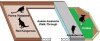
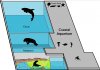
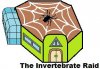
The Aussie-Awesome Walk-Through, Coastal Aquarium, and Invertebrate Raid.
 

Attachments

  • 3-d zoo aussie.JPG
    3-d zoo aussie.JPG
    40.4 KB · Views: 34
  • 3-d zoo aquarium.JPG
    3-d zoo aquarium.JPG
    58.3 KB · Views: 41
  • 3-d zoo invertebrate.JPG
    3-d zoo invertebrate.JPG
    26.4 KB · Views: 26
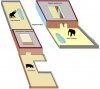
Elephant Alley. I will post the rest tomorrow.
 

Attachments

  • 3-d zoo elephant alley.JPG
    3-d zoo elephant alley.JPG
    55.4 KB · Views: 45
So now that you know this, here is where my problem occurs. My zoo is mainly arranged by geographic location. I really want to have an exhibit showing some of Southern Africa's native species (not SOUTH Africa, SOUTHERN Africa as in the general area), such as nyala, bontebok, southern white rhinos, etc. However, the Great Rift Valley section contains lions, elephants, cheetahs, buffalo, leopards, wild dogs, and many of Africa's iconic species. I'd like to keep it this way, but I need something to make guests want to visit the Southern Plains. All I have planned is a fynbos exhibit for cranes, mountain zebras, bontebok and endemic species. I wanted to do something with the Okavango Delta, which would show the drastic differences in it from wet season to dry, but I already have a wetland exhibit, the Mafuriko Wetlands, which replicates East African wetlands. If all of the major species were in the Northern Plains, why would anyone visit the Southern Plains? I'd still like to go through with my Okavango idea, but I'd like some suggestions on what would make them want to visit the Southern Plains. I've thought of river tours or safaris, but haven't seriously considered them. Thanks for your help.

Taking imaginative zoos a little too seriously,
AnaheimZoo
:o

Perhaps the Mafuriko Wetlands can be fitted with Southern African species and renamed the Okavango Delta? And any animals in the Mafuriko Wetlands that aren't compatible with the Southern African theme can be put in one of those Great Rift Valley exhibits. And for new animals in the Southern Plains that people will want to see, maybe another pride of lions that demonstrate how lions in the Okavango have to adapt to the wetlands there? Or maybe add animals like meerkats and honey badgers for the Kalahari, as everybody loves those animals!;)
 
Status
Not open for further replies.
Back
Top