You are using an out of date browser. It may not display this or other websites correctly.
You should upgrade or use an alternative browser.
You should upgrade or use an alternative browser.
Trip to Australia – June and July 2016
- Thread starter LaughingDove
- Start date


Cool thread! Sounds like you really enjoyed your time in Oz. My Australian life list has less (or fewer?) birds than yours.
Still enjoying my time in Oz!
I don't fly out of Perth until the end of this month (29th). Yesterday I visited AQWA and tomorrow hopefully I will be visiting the Armadale Reptile Centre and the day after Cohunu Koala Park. I don't think either place is very big though and will only need a few hours each.
Today I spent the whole day birding, got up half an hour before sunrise and got back half an hour after sunset and I saw absolutely nothing.
Actually I did see stuff but mostly common stuff, though there is one identified little brown job that I've got a picture of. Yesterday while I was at AQWA my mum saw an odd parrot in the garden that she thinks was a Western Rosella, and that does seem the best match. That's one species I really want to see (though I saw them once before four years ago) and the other one I've got left that I really want to see is Red-eared Firetail.I'm still hopeful though, and I'm getting up at 6:30 again tomorrow morning!

My Australian life list is 236 by the way, and almost all of those have been seen this year (only exceptions I can think of right now are Little Penguin and Western Rosella).
Day Five – A Bit of Birding and a Flight to Brisbane – 11th June
This was my last day in Perth before my much anticipated Queensland trip and I spent the morning birding with my aunt who I was staying with before being picked up by my other aunt who I was doing the Queensland trip with. It’s a bit confusing isn’t it!
Anyway, we started the morning by heading to a small lake between King’s Park and the Swan River, however the day did start particularly well with three Carnaby’s Cockatoos in a tree right outside the house just as I was getting into the car.

When we approached the lake we were met by quite a few darters sunning themselves right next to the path and perched on a bench.

They seem to be really common all around the Perth area and I saw loads along the Swan River too. In my other darter experience, with the African Darter, they are quite an uncommon and shy species, but around Perth at least they seem as common as cormorants. Speaking of cormorants, this lake had a large colony of them nesting in the trees above, mostly Little Black Cormorants, but about a dozen Little Pied as well. Soon I saw one of the main reasons I had come to this little lake, an extremely showey Australasian Reed Warbler, despite the lack of reeds beyond a couple of small clumps there was a warbler here and I did manage to get a few pictures though they are a bit out of focus and I didn’t upload them. I can do so though if anyone wants me to though. Aside from this, most of the stuff was just common things, Dusky Moorhens and the like. Though there were a few different egrets sitting prominently, namely Little and Eastern Great. Though surprisingly what should be the most common heron species – White-faced - didn’t show here, nor did it show in any of the places where it should have been yesterday so I had to go to Queensland missing one bird that should be easy around Perth, as well as Black-faced Cuckooshrike which I was also missing and should be easy too.
Just as we were leaving the lake there were two further notable sightings, the first was a Nankeen Night Heron fairly exposed considering it was day though in the shade of a large tree,

and some Rainbow Lorikeets I think getting nesting material from a palm, or doing something with it at least.

After the lake we had a look around King’s Park where all I saw were common birds that I had seen the other day like Silvereyes and various honeyeaters, and then we had a walk along the Swan River hoping for dolphins. There were no dolphins, but I did see lots of cormorants, darters,

and pelicans, and sitting on the river bank amongst the many Silver Gulls were two rather huge Caspian Terns. There was one final highlight though as we were driving back along the road by the river – an Osprey sitting prominently on top one of the pines that line the road.
I was then picked up by the aunt who I was going with to Queensland and taken back to her house (where most of my stuff was) to pack, relax a bit, and make sure everything was sorted for the trip before going to the airport for our flight to Brisbane. This was with Virgin Australia which we managed to get a deal with, and I was pleasantly surprised at the standard of the airline; not as budget as I was expecting. This was an overnight flight and I, luckily, managed to get some sleep because we had a full day planned the next day.
New birds seen:
Eastern Reef Egret
Little Egret
Caspian Tern
Osprey
Post from the day: http://www.zoochat.com/24/trip-australia-june-july-2016-a-449389/index2.html#post965223
This was my last day in Perth before my much anticipated Queensland trip and I spent the morning birding with my aunt who I was staying with before being picked up by my other aunt who I was doing the Queensland trip with. It’s a bit confusing isn’t it!
Anyway, we started the morning by heading to a small lake between King’s Park and the Swan River, however the day did start particularly well with three Carnaby’s Cockatoos in a tree right outside the house just as I was getting into the car.
When we approached the lake we were met by quite a few darters sunning themselves right next to the path and perched on a bench.
They seem to be really common all around the Perth area and I saw loads along the Swan River too. In my other darter experience, with the African Darter, they are quite an uncommon and shy species, but around Perth at least they seem as common as cormorants. Speaking of cormorants, this lake had a large colony of them nesting in the trees above, mostly Little Black Cormorants, but about a dozen Little Pied as well. Soon I saw one of the main reasons I had come to this little lake, an extremely showey Australasian Reed Warbler, despite the lack of reeds beyond a couple of small clumps there was a warbler here and I did manage to get a few pictures though they are a bit out of focus and I didn’t upload them. I can do so though if anyone wants me to though. Aside from this, most of the stuff was just common things, Dusky Moorhens and the like. Though there were a few different egrets sitting prominently, namely Little and Eastern Great. Though surprisingly what should be the most common heron species – White-faced - didn’t show here, nor did it show in any of the places where it should have been yesterday so I had to go to Queensland missing one bird that should be easy around Perth, as well as Black-faced Cuckooshrike which I was also missing and should be easy too.
Just as we were leaving the lake there were two further notable sightings, the first was a Nankeen Night Heron fairly exposed considering it was day though in the shade of a large tree,
and some Rainbow Lorikeets I think getting nesting material from a palm, or doing something with it at least.
After the lake we had a look around King’s Park where all I saw were common birds that I had seen the other day like Silvereyes and various honeyeaters, and then we had a walk along the Swan River hoping for dolphins. There were no dolphins, but I did see lots of cormorants, darters,
and pelicans, and sitting on the river bank amongst the many Silver Gulls were two rather huge Caspian Terns. There was one final highlight though as we were driving back along the road by the river – an Osprey sitting prominently on top one of the pines that line the road.
I was then picked up by the aunt who I was going with to Queensland and taken back to her house (where most of my stuff was) to pack, relax a bit, and make sure everything was sorted for the trip before going to the airport for our flight to Brisbane. This was with Virgin Australia which we managed to get a deal with, and I was pleasantly surprised at the standard of the airline; not as budget as I was expecting. This was an overnight flight and I, luckily, managed to get some sleep because we had a full day planned the next day.
New birds seen:
Eastern Reef Egret
Little Egret
Caspian Tern
Osprey
Post from the day: http://www.zoochat.com/24/trip-australia-june-july-2016-a-449389/index2.html#post965223
Just a brief update, as well as the regular birding in my local area, yesterday and today I made two zoo trips. Armadale Reptile and Wildlife Centre yesterday, and Cohunu Koala Park today. Eventually I will be posting pictures and writing reviews but briefly, Armadale exceeded my, fairly low, expectations - quite a nice little collection, and on the other hand Cohunu fell a bit short of them. This wasn't only because there were no unusual exhibits or animals at all, but the whole place felt extremely neglected, there were some animal welfare issues and some possible safety concerns as well. By far the worst of the 14 Australian zoos I have visited. Although it was interesting to see the place and worth the visit since it's not too far from me and I wanted to do all the Perth collections, I would definitely not recommend a visit and would be entirely unsurprised if some time in the next few years I heard about its closure or some kind of bad news from there.
I hope to do some slightly further afield birding and wildlife trips tomorrow or next week as well as hopefully some full day trips to even further places but one thing I saw yesterday in the bushland near my accommodation that I thought was worth mentioning: another Southern Brown Bandicoot.
I didn't manage to get a post up yesterday, hopefully I will by the end of the day today but I may not. If I don't it's because I've had a bit of a cold since yesterday evening so don't have as much energy in the evening once I have done stuff in the day. Next post will be my first Queensland one though, including a review of David Fleay Wildlife Park.
I hope to do some slightly further afield birding and wildlife trips tomorrow or next week as well as hopefully some full day trips to even further places but one thing I saw yesterday in the bushland near my accommodation that I thought was worth mentioning: another Southern Brown Bandicoot.
I didn't manage to get a post up yesterday, hopefully I will by the end of the day today but I may not. If I don't it's because I've had a bit of a cold since yesterday evening so don't have as much energy in the evening once I have done stuff in the day. Next post will be my first Queensland one though, including a review of David Fleay Wildlife Park.
Just looking out of my window I saw a new bird for my Western Australia list, a White-browed Scrubwren foraging with a group of Fairy-wrens. I saw the species in Lamington National Park but that was a different subspecies and looked very different. Looking at HBW it says "could perhaps be treated as three distinct species" but is this a valid split?

I don't think anyone actually splits them yet - usually you just read a hopeful "potential split?" in bird reports. The western subspecies is quite distinctive compared to the other two though.Just looking out of my window I saw a new bird for my Western Australia list, a White-browed Scrubwren foraging with a group of Fairy-wrens. I saw the species in Lamington National Park but that was a different subspecies and looked very different. Looking at HBW it says "could perhaps be treated as three distinct species" but is this a valid split?
Day 6 – A bit of Gold Coast Birding and David Fleay Wildlife Park – 12th of June
We landed at Brisbane airport a little over an hour before sunrise, around 5 AM, and got out of the airport very quickly since it was just a domestic flight. We had planned to have breakfast at the airport, but because we were so early we decided to get to our accommodation first. Although our first stop in Queensland was in Gold Coast, flights from Perth to Gold Coast were nearly double cost of the deal we got from Perth to Brisbane so when we got out of the airport we went to the next door skytrain station to get the train to Gold Coast. This took a little over an hour but was very easy and efficient and it was quite nice to look at the landscape as it slowly brightened up around sunrise.
We got off at the Nerang Station which was the closest place to where we were staying and not too far away by road but quite far by bus so we got a taxi from the station which wasn’t much more expensive than two bus tickets for the two of us and much simpler. As we drove along in the taxi I saw quite a few birds along the side of the road, mostly unidentifiable of course, but I did see the Black-backed form of the Australian Magpie, Spotted Doves, Crested Pigeons, and crows which with prior research I knew would be Torresian Crows which I confirmed with closer looks a bit later.
When we reached the hotel, of course being early morning we couldn’t check in yet, but we organised the stuff we needed for the day and left the suitcases in the luggage room so we could go out. We then had breakfast in a nearby café and headed down to the bus stop to get a bus to the David Fleay Wildlife Park. Sadly this did not go to plan. I had checked the bus number to get to David Fleay Wildlife Park beforehand and when we got to the bus stop, we saw on the timetable that the next bus was in around 15 minutes and it ran once every hour. As you can probably guess, that bus didn’t come on time, and when it was 20 minutes late we asked a bus driver on a different bus (there was no staff member at the station) who checked a folder he had and said it shouldn’t be that late but the service hadn’t been discontinued and didn’t know what was going on. A local who was waiting at the bus stop also didn’t know what was happening. When the first bus was half an hour late, we gave in to the fact that it probably wasn’t coming but hoped the next one would come, another half an hour later and it didn’t come. We gave that second bus about 15 more minutes in case it was late, but when a taxi pulled up at the bus stop it was too good an opportunity to miss. We asked the taxi driver how much he would charge to take us to David Fleay Wildlife Park (he hadn’t heard of it, but luckily I had the address) and he quoted a reasonable amount so we took him up on his offer.
Upon being asked about the quality of the bus service and how reliable it was, he replied that it was terrible, extremely unreliable, slow, dangerous, overpriced, etc. and generally awful. This was of course a ploy to get us to take the taxi but my aunt who had now become scared of the bus service decided that we would be using taxis from now on in Gold Coast. Apparently it was low season with the school holidays not yet starting, so the taxi drivers had very little work and we were able to get quite a good deal by asking the same driver to pick us up later that day and also pick us up the next two mornings that we were in Gold Coast.
Anyway we were soon dropped off at the entrance to David Fleay Wildlife Park, this was a little before 11, and we asked him to pick us up again at 4 that afternoon. I didn’t expect to spend that long in the zoo but there were lots of mangroves around that I hoped to do some birding in.
David Fleay Wildlife Park Review
The entrance to the wildlife park is very impressive with a boardwalk through some genuine mangroves leading up to the entrance building at the top.

These mangroves covered quite a large area around the wildlife park and held quite a few bird species.
The zoo itself isn’t very big with fewer than 50 species (species list) but this includes a few particularly unusual mammals with their Bridled Nailtail Wallabies, and Proserpine Rock Wallabies being the two big ones. Aside from the few unusual mammals, the other big highlight of the zoo is the quality of exhibits and the layout of the zoo as they have utilised the landscape excellently. Part of the zoo is on slightly higher land, this is dry and contains the main buildings of the zoo which are the entrance building, nocturnal house, night show area, and the amphitheatre (the bottom of which is in the lower part of the zoo) and there are a few animal enclosures in this part too, namely the Lace Monitors, Proserpine Rock Wallabies, Bridled Nailtail Wallabies, Lumholtz Tree Kangaroo, Reptiles, Tawny Frogmouth and Koalas. These enclosures all range from fairly average (reptiles) to large, well done and very nice (wallabies, tree kangaroos). The nocturnal house is also particularly good with only six species though all housed fairly nicely (Bilby enclosure was be a bit small but not sub-standard and the enclosures for other species are very nice).
The lower part of the zoo is largely wetlands with a boardwalk going around this section of the zoo and it’s all extremely nicely done. It’s all well planted with various enclosures here and there that blend in very well so there are no harsh wire fences or anything unsightly. The particularly wet marshy bits were taken up by large waterfowl enclosures as well as a medium sized lake in the centre of the zoo. It was a bit confusing to work out what was part of the captive collection and what was wild and the captive stock all seemed to be common waterfowl, though the Plumed Whistling Duck seemed to be partially captive stock joined by some wild birds and there were also wild Water Dragons and an Azure Kingfisher.
There were also particularly nice enclosures for both Salt and Freshwater Crocodiles

with a bridge separating the two, as well as Swamp Wallabies and a large walkthrough wallaby and Emu enclosure

which was also partly wetland with wetland birds.
On the other side of the wetland area there was a forested hillside which had a dingo enclosure as well as an area with free-roaming Red-legged Pademelons (of which there were also individuals in the wallaby walkthrough, and wetland area) and possibly the best enclosure of the zoo, the very large enclosure for Southern Cassowaries

which also had a small stream going through and lots of trees as well as many wild Brush Turkeys with their nest mounds in the enclosure. The cassowary keeper that I spoke to said with glee the Brush Turkeys provided good enrichment as the cassowaries would wait for the chicks to hatch and eat them when they emerged! The hatred for the brush turkeys seemed quite prevalent throughout Queensland! The final enclosure around here that I haven’t mentioned is the ‘Top Dam’ which was a largish pond with vertical flow wetlands at the back that the sign described as having vertical filtration with the water going through reed beds and aggregate and flowing downstream with the assistance of a pump through the stream in the cassowary enclosure and into the wetlands areas throughout the park. Also signed here was about wild Tusked Frogs that have moved in to the reed beds in the artificial wetlands, though of course I didn’t see anything (and it was the wrong time of year for them to be calling).
I will also mention the animal shows, there were a few that were simply a feed and talk, but there was also a night show which was based on a virtual tour of Queensland’s National Parks on a screen behind with a different nocturnal animal in each place. A few of the species in this show were shown elsewhere in the zoo (Stone Curlew, Bilby and Squirrel Glider, though the latter was shown interestingly doing some short glides) and there were a few that were only visible in the show, these were Barn Owl, Common Ringtail Possum, and most interestingly, Short-eared Brushtail Possum. The other particularly interesting show was Fleay’s in Flight in the Amphitheatre in which they fed two rescued captive Pelicans as well as lots of wild Moorhens, Ibis, and Nankeen Night Herons (it was quite surprising to see the latter species being so bold!)

as well as having a bird of prey show and, oddly, a python also featured. There was also a ‘Creature Feature Encounter’ which had a different reptile each day, a python when I was there (just walking past, not going to it properly).
I haven’t done much description of each enclosure but I have instead linked to pictures of them which I think is better anyway. So overall I think it’s an extremely good small zoo and I would say by far the best small zoo I have visited. Although it can be seen comfortably in around two hours, I spent a little over three there to spend time enjoying the enclosures, scenery, unusual animals, and wild birds.
------
After leaving David Fleay Wildlife Park we had about an hour before the taxi was arriving to pick us up so I did a bit of birding along the Mangrove Boardwalk which runs along the outside of the perimeter fence of the zoo through some mangroves and also into a neighbouring patch of woodlands. Highlights from here included a Brahminy Kite flying overhead, a Royal Spoonbill amongst a flock of Sacred Ibis, Plumed Whistling Ducks, Lewin’s Honeyeater, and Mangrove Gerygone as well as a gorgeous male Mistletoebird that was just sitting still a couple of metres from me in a very exposed position. Not quite a walk-away view, but it sat there for a couple of minutes!

The taxi came on time to pick us up and we arranged for him to come at 9 AM the next morning to take us to Currumbin Wildlife Sanctuary. When we got back to the accommodation we checked in and then went to a mall just across the road for dinner and to buy some food so we could save money by not eating out in future. Because it wasn’t quite dark yet, I added one new bird as we walked through a very small parkland area which was a Little Wattlebird. After dinner and some grocery shopping we were both exhausted because we, naturally, hadn’t slept all that well the night before on the plane so we went to bed early.
New birds seen:
Spotted Dove
Crested Pigeon
Torresian Crow
Pied Currawong
Australian Brush Turkey
Noisy Miner
Azure Kingfisher
Plumed Whistling Duck
Royal Spoonbill
Brahminy Kite
Lewin's Honeyeater
Mangrove Gerygone
Little Wattlebird
New reptile:
Eastern Water Dragon
Posts from the day:
From the train (which had Wifi!)
In the evening (and also in the evening)
We landed at Brisbane airport a little over an hour before sunrise, around 5 AM, and got out of the airport very quickly since it was just a domestic flight. We had planned to have breakfast at the airport, but because we were so early we decided to get to our accommodation first. Although our first stop in Queensland was in Gold Coast, flights from Perth to Gold Coast were nearly double cost of the deal we got from Perth to Brisbane so when we got out of the airport we went to the next door skytrain station to get the train to Gold Coast. This took a little over an hour but was very easy and efficient and it was quite nice to look at the landscape as it slowly brightened up around sunrise.
We got off at the Nerang Station which was the closest place to where we were staying and not too far away by road but quite far by bus so we got a taxi from the station which wasn’t much more expensive than two bus tickets for the two of us and much simpler. As we drove along in the taxi I saw quite a few birds along the side of the road, mostly unidentifiable of course, but I did see the Black-backed form of the Australian Magpie, Spotted Doves, Crested Pigeons, and crows which with prior research I knew would be Torresian Crows which I confirmed with closer looks a bit later.
When we reached the hotel, of course being early morning we couldn’t check in yet, but we organised the stuff we needed for the day and left the suitcases in the luggage room so we could go out. We then had breakfast in a nearby café and headed down to the bus stop to get a bus to the David Fleay Wildlife Park. Sadly this did not go to plan. I had checked the bus number to get to David Fleay Wildlife Park beforehand and when we got to the bus stop, we saw on the timetable that the next bus was in around 15 minutes and it ran once every hour. As you can probably guess, that bus didn’t come on time, and when it was 20 minutes late we asked a bus driver on a different bus (there was no staff member at the station) who checked a folder he had and said it shouldn’t be that late but the service hadn’t been discontinued and didn’t know what was going on. A local who was waiting at the bus stop also didn’t know what was happening. When the first bus was half an hour late, we gave in to the fact that it probably wasn’t coming but hoped the next one would come, another half an hour later and it didn’t come. We gave that second bus about 15 more minutes in case it was late, but when a taxi pulled up at the bus stop it was too good an opportunity to miss. We asked the taxi driver how much he would charge to take us to David Fleay Wildlife Park (he hadn’t heard of it, but luckily I had the address) and he quoted a reasonable amount so we took him up on his offer.
Upon being asked about the quality of the bus service and how reliable it was, he replied that it was terrible, extremely unreliable, slow, dangerous, overpriced, etc. and generally awful. This was of course a ploy to get us to take the taxi but my aunt who had now become scared of the bus service decided that we would be using taxis from now on in Gold Coast. Apparently it was low season with the school holidays not yet starting, so the taxi drivers had very little work and we were able to get quite a good deal by asking the same driver to pick us up later that day and also pick us up the next two mornings that we were in Gold Coast.
Anyway we were soon dropped off at the entrance to David Fleay Wildlife Park, this was a little before 11, and we asked him to pick us up again at 4 that afternoon. I didn’t expect to spend that long in the zoo but there were lots of mangroves around that I hoped to do some birding in.
David Fleay Wildlife Park Review
The entrance to the wildlife park is very impressive with a boardwalk through some genuine mangroves leading up to the entrance building at the top.
These mangroves covered quite a large area around the wildlife park and held quite a few bird species.
The zoo itself isn’t very big with fewer than 50 species (species list) but this includes a few particularly unusual mammals with their Bridled Nailtail Wallabies, and Proserpine Rock Wallabies being the two big ones. Aside from the few unusual mammals, the other big highlight of the zoo is the quality of exhibits and the layout of the zoo as they have utilised the landscape excellently. Part of the zoo is on slightly higher land, this is dry and contains the main buildings of the zoo which are the entrance building, nocturnal house, night show area, and the amphitheatre (the bottom of which is in the lower part of the zoo) and there are a few animal enclosures in this part too, namely the Lace Monitors, Proserpine Rock Wallabies, Bridled Nailtail Wallabies, Lumholtz Tree Kangaroo, Reptiles, Tawny Frogmouth and Koalas. These enclosures all range from fairly average (reptiles) to large, well done and very nice (wallabies, tree kangaroos). The nocturnal house is also particularly good with only six species though all housed fairly nicely (Bilby enclosure was be a bit small but not sub-standard and the enclosures for other species are very nice).
The lower part of the zoo is largely wetlands with a boardwalk going around this section of the zoo and it’s all extremely nicely done. It’s all well planted with various enclosures here and there that blend in very well so there are no harsh wire fences or anything unsightly. The particularly wet marshy bits were taken up by large waterfowl enclosures as well as a medium sized lake in the centre of the zoo. It was a bit confusing to work out what was part of the captive collection and what was wild and the captive stock all seemed to be common waterfowl, though the Plumed Whistling Duck seemed to be partially captive stock joined by some wild birds and there were also wild Water Dragons and an Azure Kingfisher.
There were also particularly nice enclosures for both Salt and Freshwater Crocodiles
with a bridge separating the two, as well as Swamp Wallabies and a large walkthrough wallaby and Emu enclosure
which was also partly wetland with wetland birds.
On the other side of the wetland area there was a forested hillside which had a dingo enclosure as well as an area with free-roaming Red-legged Pademelons (of which there were also individuals in the wallaby walkthrough, and wetland area) and possibly the best enclosure of the zoo, the very large enclosure for Southern Cassowaries
which also had a small stream going through and lots of trees as well as many wild Brush Turkeys with their nest mounds in the enclosure. The cassowary keeper that I spoke to said with glee the Brush Turkeys provided good enrichment as the cassowaries would wait for the chicks to hatch and eat them when they emerged! The hatred for the brush turkeys seemed quite prevalent throughout Queensland! The final enclosure around here that I haven’t mentioned is the ‘Top Dam’ which was a largish pond with vertical flow wetlands at the back that the sign described as having vertical filtration with the water going through reed beds and aggregate and flowing downstream with the assistance of a pump through the stream in the cassowary enclosure and into the wetlands areas throughout the park. Also signed here was about wild Tusked Frogs that have moved in to the reed beds in the artificial wetlands, though of course I didn’t see anything (and it was the wrong time of year for them to be calling).
I will also mention the animal shows, there were a few that were simply a feed and talk, but there was also a night show which was based on a virtual tour of Queensland’s National Parks on a screen behind with a different nocturnal animal in each place. A few of the species in this show were shown elsewhere in the zoo (Stone Curlew, Bilby and Squirrel Glider, though the latter was shown interestingly doing some short glides) and there were a few that were only visible in the show, these were Barn Owl, Common Ringtail Possum, and most interestingly, Short-eared Brushtail Possum. The other particularly interesting show was Fleay’s in Flight in the Amphitheatre in which they fed two rescued captive Pelicans as well as lots of wild Moorhens, Ibis, and Nankeen Night Herons (it was quite surprising to see the latter species being so bold!)
as well as having a bird of prey show and, oddly, a python also featured. There was also a ‘Creature Feature Encounter’ which had a different reptile each day, a python when I was there (just walking past, not going to it properly).
I haven’t done much description of each enclosure but I have instead linked to pictures of them which I think is better anyway. So overall I think it’s an extremely good small zoo and I would say by far the best small zoo I have visited. Although it can be seen comfortably in around two hours, I spent a little over three there to spend time enjoying the enclosures, scenery, unusual animals, and wild birds.
------
After leaving David Fleay Wildlife Park we had about an hour before the taxi was arriving to pick us up so I did a bit of birding along the Mangrove Boardwalk which runs along the outside of the perimeter fence of the zoo through some mangroves and also into a neighbouring patch of woodlands. Highlights from here included a Brahminy Kite flying overhead, a Royal Spoonbill amongst a flock of Sacred Ibis, Plumed Whistling Ducks, Lewin’s Honeyeater, and Mangrove Gerygone as well as a gorgeous male Mistletoebird that was just sitting still a couple of metres from me in a very exposed position. Not quite a walk-away view, but it sat there for a couple of minutes!
The taxi came on time to pick us up and we arranged for him to come at 9 AM the next morning to take us to Currumbin Wildlife Sanctuary. When we got back to the accommodation we checked in and then went to a mall just across the road for dinner and to buy some food so we could save money by not eating out in future. Because it wasn’t quite dark yet, I added one new bird as we walked through a very small parkland area which was a Little Wattlebird. After dinner and some grocery shopping we were both exhausted because we, naturally, hadn’t slept all that well the night before on the plane so we went to bed early.
New birds seen:
Spotted Dove
Crested Pigeon
Torresian Crow
Pied Currawong
Australian Brush Turkey
Noisy Miner
Azure Kingfisher
Plumed Whistling Duck
Royal Spoonbill
Brahminy Kite
Lewin's Honeyeater
Mangrove Gerygone
Little Wattlebird
New reptile:
Eastern Water Dragon
Posts from the day:
From the train (which had Wifi!)
In the evening (and also in the evening)
Last edited:
Day 7 – Currumbin Wildlife Sanctuary – 13th of June
After a slightly late get up (9-ish) and breakfast in the hotel room to save money (eating out in Gold Coast is shockingly expensive) we were met by the same taxi driver as the previous day to take us to Currumbin Wildlife Sanctuary.
Currumbin Wildlife Sanctuary Review
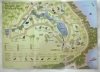
Currumbin Wildlife Sanctuary is a fairly large zoo, what I would consider medium sized, and I spent around five hours there for a slow, relaxed visit. The zoo has over 100 species, and a list can be seen here. Although there is nothing that is really super rare like at David Fleay, there are a few unusual species and many that were new for me. The entrance area to the zoo isn’t so impressive with a huge area taken up by the ‘photo with a koala’ area that had a large area for people to queue up and lots of rather typical plain enclosures holding the koalas. Before I continue with my review, here is the zoo map, which may be helpful when following my review.
The zoo is divided in half by a road with a tunnel going under it, the entrance to the zoo is in the smaller section on one side of the road, however when I visited I decided to explore this section last and I headed to the other side of the road. On the way though I passed through a rather nice ‘forest fringes’ aviary with a mixture of unusual species.

The tunnel under the road has paintings all along the walls of various Australian landscapes filled with animals, including a Thylacine hidden in the painting. The tunnel is also shared by the train that goes around the zoo. The other side of the zoo has several large enclosures as well as numerous smaller ones spread out fairly randomly around. There is also a large lake with numerous wild birds and many eels which I think are also wild and are fed as a regular feeding by the zoo. There are also several pockets of native vegetation with ponds and streams around the zoo with large numbers of wild Eastern Water Dragons all around including in many enclosures, and a few of the ponds also had wild Snake-necked Turtles. I also saw quite a few nice birds in a large area of forest with their ‘forest walk’ however I did this at the end of my visit so I will discuss that then.
After passing a playground area, aboriginal dance show area (I didn’t see the show), and a wild Brush Turkey kicking the leaf litter across a path to its mound, the first animal enclosure I saw was a fairly standard, though perfectly good, Tasmanian Devil enclosure (one of several throughout the zoo) though with a less than good sign. I then continued to one of the larger enclosures in this part of the zoo, the walkthrough kangaroo enclosure which was divided into three sections, the largest being for Eastern Grey Kangaroos but also with a section for Red Kangaroos and Emus, and a very nice wallaby walkthrough with a mixture of Swamp, Tammar, and Red-necked Wallabies and Brush-tailed Rock wallaby.

There was a volunteer in here who located a hiding rock-wallaby for me, pointed out a swamp wallaby joey, and also pointed out that the fake rockwork was made up of cars and containers covered in concrete. Quite effective actually and a rather attractive exhibit compared to the kangaroo sections.
Also going through the Grey Kangaroo walkthrough was a smallish stream with some rocks and this had a large number of Water Dragons of varying ages. Also around this side of the zoo were the freshwater and saltwater crocodile enclosures, the tree kangaroo enclosures, and a temporary enclosure for Southern Cassowary. If it wasn’t for the fact that it was just temporary I would be criticising the cassowary enclosure much more, being little more than a small paddock, but the area where it usually is was being redeveloped. This area is also supposed to have a very large aviary and it’s a shame I didn’t get to see it but it looks like it will be an interesting new development (more information in the picture of the sign) and the Goodfellow’s Tree Kangaroo area was still on show with several tree kangaroos spread over several enclosures.

(Tree Kangaroo area, with enclosures on the left)
Continuing on from this side of the zoo I then passed through a forested area which is where the ‘Tree Top Challenge’ is which is a climbing course in the trees though it seemed to be closed that day with no one on it. Also leading off from here was the ‘forest walk’ mentioned above, which I did at the end of my visit. In this area though were two aviaries, one with Grass Owls, and a larger one containing Grey-headed Flying Fox, Koala, Bush Stone-curlew and Tawny Frogmouths. On the other side of this forest area were many more enclosures and I first passed through the area with fewer, larger enclosures including Dingoes, Wombats, Echidnas, Quokkas, more Koalas, Merino Sheep and sheep show stage, as well as a mixed walk-through aviary with various parrots and cockatoos. Also in here was a very tame hand-raised Bar-shouldered Dove which flew up and sat on my head and just stayed there happily. A volunteer had to entice it off my head before leaving the enclosure.
Also around this part of the zoo were various small enclosures including two rows of aviaries with various unusual birds (see the species list)

(one of the two rows of aviaries)
and an aviary with Glossy Black-cockatoos. Other avian highlights from this part of the zoo included an enclosure with Black-necked Storks, as well as a keeper showing a Rufous Owl which wasn’t on permanent exhibit. This part of the zoo also contained the wildlife hospital with various displays about the hospital’s work, and also an area with many small echidna enclosures for their echidna research. There were large windows looking into the hospital where a Swamp Wallaby was being sedated and it was quite interesting to look inside. Near to this area was also where the animal shows took place. One was taking a picture with a Golden Brushtail Possum (which I didn’t do and just went past) and the other was the bird show which I did look at where the highlight was probably a Black-breasted Buzzard display breaking into an Emu egg. The final thing that I would like to mention from this part of the zoo is the frog breeding area which is just a large shed-like building but with little viewing windows in it to see various tanks with some individuals of the frog species that they are breeding. Viewing wasn’t great, though I did manage to see all three species that they were breeding there: White-lipped Tree-frog, Liem’s Tinker Frog, and Spotted Tree Frog.
After lunch and some more looks at the bird aviaries in that section of the zoo, I went back through the tunnel under the road and to the other section. As well as the photo with a Koala area that I saw when I first went to the zoo, and the rather nice small walkthrough aviary also mentioned above, there were some Kangaroos, Tamar Wallabies, and Tasmanian Devils, all species in exhibits with better viewing in the other part of the zoo, though the main thing here was an exhibit called ‘Blinky Bill’s Home Tree’ (apparently in the past called the ‘Green Cauldron’). This exhibit is themed around a cartoon character called ‘Blinky Bill’ who is an Australian cartoon koala and the zoo has a large model tree with a model of a little bedroom, etc. with a staircase up the middle of the tree and various walkways around the tree, hence the name ‘Blinky Bill’s Home Tree’.

(View from the upper area looking down at part of the lower area)
At the bottom is an enclosed area with a variety of enclosures for large aquatic reptiles (turtles, Freshwater Crocodile, Merten’s Water Monitor, Eastern Water Dragon) as well as a few fish and within this area there is an indoor area with reptile enclosures which leads on to the nocturnal house.

(View of the bottom area, the dark bit on the left towards the back is the entrance to the reptile area that leads to the nocturnal area)
Also dotted around the raised walkways are a few other herp enclosures and another little nocturnal room which contained an enclosure for Bilbies and Ghost Bats. These would be quite easy to miss so I’m pleased I explored thoroughly despite it seeming to just be themed with the cartoon koala. Most of the enclosures in this exhibit are ok, though some were a bit small particularly for the larger reptiles including the crocodile and a Perentie that they held there (would be better in an outdoor enclosure given their climate, in my opinion). A few of the animals here were quite unusual including the Water Rat (though a species I had already seen multiple times in Europe) and Yellow-bellied Glider which I was pleased to see after not seeing the species at David Fleay Wildlife Park.
After I had seen the last of the zoo I still had over an hour before the taxi was due, so I headed over to the ‘forest walk’ to see if I could find any wild birds. I was actually pleasantly surprised that I managed to add a few very nice species in addition to the common ones that I had already seen. These were both Scaly-breasted and Little Lorikeets, a Bar-shouldered Dove, and a Brown Cuckoo-dove sitting high in one of their many tall trees. There may have been more, though they were moving too quickly too high in the trees, and not being familiar with the bird calls of Eastern Australia I couldn’t use that to help. Though I was rather pleased with my four new birds.
Before exiting the zoo though, I passed the wild lorikeet feeding area which is kind of half way in and half way out of the zoo (it is past the exit but in an enclosed area before going through the gift shop to be out of the zoo proper) and is an area where what I think is just sugar water is left in trays for wild lorikeets and there were literally hundreds there (all Rainbow Lorikeets) and it was of course incredibly noisy and rather manic with lorikeets everywhere.
So overall I did very much like Currumbin Wildlife Sanctuary. It didn't quite have the charm of David Fleay but is certainly a good zoo with mostly good exhibits and a few unusual species.
-----
We got back to the accommodation just around sunset, though in the taxi ride on the way back I saw a flock of Sulphur-crested Cockatoos and just outside the hotel there was a Pied Butcherbird, along with the common Noisy Miners, Pied Currawong, and Crested Pigeons. After a quick shop in a 7-Eleven (one open 24 hours a day, oddly enough) we had an early, relaxed evening before bed.
New birds seen:
Scaly-breasted Lorikeet
Brown Cuckoo-dove
Little Lorikeet
Bar-shouldered Dove
Pied Butcherbird
Sulphur-crested Cockatoo
Eastern Australian Purple Swamphen
New reptile:
Snake-necked Turtle
Post from the day: http://www.zoochat.com/24/trip-australia-june-july-2016-a-449389/index3.html#post965709
After a slightly late get up (9-ish) and breakfast in the hotel room to save money (eating out in Gold Coast is shockingly expensive) we were met by the same taxi driver as the previous day to take us to Currumbin Wildlife Sanctuary.
Currumbin Wildlife Sanctuary Review
Currumbin Wildlife Sanctuary is a fairly large zoo, what I would consider medium sized, and I spent around five hours there for a slow, relaxed visit. The zoo has over 100 species, and a list can be seen here. Although there is nothing that is really super rare like at David Fleay, there are a few unusual species and many that were new for me. The entrance area to the zoo isn’t so impressive with a huge area taken up by the ‘photo with a koala’ area that had a large area for people to queue up and lots of rather typical plain enclosures holding the koalas. Before I continue with my review, here is the zoo map, which may be helpful when following my review.
The zoo is divided in half by a road with a tunnel going under it, the entrance to the zoo is in the smaller section on one side of the road, however when I visited I decided to explore this section last and I headed to the other side of the road. On the way though I passed through a rather nice ‘forest fringes’ aviary with a mixture of unusual species.
The tunnel under the road has paintings all along the walls of various Australian landscapes filled with animals, including a Thylacine hidden in the painting. The tunnel is also shared by the train that goes around the zoo. The other side of the zoo has several large enclosures as well as numerous smaller ones spread out fairly randomly around. There is also a large lake with numerous wild birds and many eels which I think are also wild and are fed as a regular feeding by the zoo. There are also several pockets of native vegetation with ponds and streams around the zoo with large numbers of wild Eastern Water Dragons all around including in many enclosures, and a few of the ponds also had wild Snake-necked Turtles. I also saw quite a few nice birds in a large area of forest with their ‘forest walk’ however I did this at the end of my visit so I will discuss that then.
After passing a playground area, aboriginal dance show area (I didn’t see the show), and a wild Brush Turkey kicking the leaf litter across a path to its mound, the first animal enclosure I saw was a fairly standard, though perfectly good, Tasmanian Devil enclosure (one of several throughout the zoo) though with a less than good sign. I then continued to one of the larger enclosures in this part of the zoo, the walkthrough kangaroo enclosure which was divided into three sections, the largest being for Eastern Grey Kangaroos but also with a section for Red Kangaroos and Emus, and a very nice wallaby walkthrough with a mixture of Swamp, Tammar, and Red-necked Wallabies and Brush-tailed Rock wallaby.
There was a volunteer in here who located a hiding rock-wallaby for me, pointed out a swamp wallaby joey, and also pointed out that the fake rockwork was made up of cars and containers covered in concrete. Quite effective actually and a rather attractive exhibit compared to the kangaroo sections.
Also going through the Grey Kangaroo walkthrough was a smallish stream with some rocks and this had a large number of Water Dragons of varying ages. Also around this side of the zoo were the freshwater and saltwater crocodile enclosures, the tree kangaroo enclosures, and a temporary enclosure for Southern Cassowary. If it wasn’t for the fact that it was just temporary I would be criticising the cassowary enclosure much more, being little more than a small paddock, but the area where it usually is was being redeveloped. This area is also supposed to have a very large aviary and it’s a shame I didn’t get to see it but it looks like it will be an interesting new development (more information in the picture of the sign) and the Goodfellow’s Tree Kangaroo area was still on show with several tree kangaroos spread over several enclosures.
(Tree Kangaroo area, with enclosures on the left)
Continuing on from this side of the zoo I then passed through a forested area which is where the ‘Tree Top Challenge’ is which is a climbing course in the trees though it seemed to be closed that day with no one on it. Also leading off from here was the ‘forest walk’ mentioned above, which I did at the end of my visit. In this area though were two aviaries, one with Grass Owls, and a larger one containing Grey-headed Flying Fox, Koala, Bush Stone-curlew and Tawny Frogmouths. On the other side of this forest area were many more enclosures and I first passed through the area with fewer, larger enclosures including Dingoes, Wombats, Echidnas, Quokkas, more Koalas, Merino Sheep and sheep show stage, as well as a mixed walk-through aviary with various parrots and cockatoos. Also in here was a very tame hand-raised Bar-shouldered Dove which flew up and sat on my head and just stayed there happily. A volunteer had to entice it off my head before leaving the enclosure.
Also around this part of the zoo were various small enclosures including two rows of aviaries with various unusual birds (see the species list)
(one of the two rows of aviaries)
and an aviary with Glossy Black-cockatoos. Other avian highlights from this part of the zoo included an enclosure with Black-necked Storks, as well as a keeper showing a Rufous Owl which wasn’t on permanent exhibit. This part of the zoo also contained the wildlife hospital with various displays about the hospital’s work, and also an area with many small echidna enclosures for their echidna research. There were large windows looking into the hospital where a Swamp Wallaby was being sedated and it was quite interesting to look inside. Near to this area was also where the animal shows took place. One was taking a picture with a Golden Brushtail Possum (which I didn’t do and just went past) and the other was the bird show which I did look at where the highlight was probably a Black-breasted Buzzard display breaking into an Emu egg. The final thing that I would like to mention from this part of the zoo is the frog breeding area which is just a large shed-like building but with little viewing windows in it to see various tanks with some individuals of the frog species that they are breeding. Viewing wasn’t great, though I did manage to see all three species that they were breeding there: White-lipped Tree-frog, Liem’s Tinker Frog, and Spotted Tree Frog.
After lunch and some more looks at the bird aviaries in that section of the zoo, I went back through the tunnel under the road and to the other section. As well as the photo with a Koala area that I saw when I first went to the zoo, and the rather nice small walkthrough aviary also mentioned above, there were some Kangaroos, Tamar Wallabies, and Tasmanian Devils, all species in exhibits with better viewing in the other part of the zoo, though the main thing here was an exhibit called ‘Blinky Bill’s Home Tree’ (apparently in the past called the ‘Green Cauldron’). This exhibit is themed around a cartoon character called ‘Blinky Bill’ who is an Australian cartoon koala and the zoo has a large model tree with a model of a little bedroom, etc. with a staircase up the middle of the tree and various walkways around the tree, hence the name ‘Blinky Bill’s Home Tree’.
(View from the upper area looking down at part of the lower area)
At the bottom is an enclosed area with a variety of enclosures for large aquatic reptiles (turtles, Freshwater Crocodile, Merten’s Water Monitor, Eastern Water Dragon) as well as a few fish and within this area there is an indoor area with reptile enclosures which leads on to the nocturnal house.
(View of the bottom area, the dark bit on the left towards the back is the entrance to the reptile area that leads to the nocturnal area)
Also dotted around the raised walkways are a few other herp enclosures and another little nocturnal room which contained an enclosure for Bilbies and Ghost Bats. These would be quite easy to miss so I’m pleased I explored thoroughly despite it seeming to just be themed with the cartoon koala. Most of the enclosures in this exhibit are ok, though some were a bit small particularly for the larger reptiles including the crocodile and a Perentie that they held there (would be better in an outdoor enclosure given their climate, in my opinion). A few of the animals here were quite unusual including the Water Rat (though a species I had already seen multiple times in Europe) and Yellow-bellied Glider which I was pleased to see after not seeing the species at David Fleay Wildlife Park.
After I had seen the last of the zoo I still had over an hour before the taxi was due, so I headed over to the ‘forest walk’ to see if I could find any wild birds. I was actually pleasantly surprised that I managed to add a few very nice species in addition to the common ones that I had already seen. These were both Scaly-breasted and Little Lorikeets, a Bar-shouldered Dove, and a Brown Cuckoo-dove sitting high in one of their many tall trees. There may have been more, though they were moving too quickly too high in the trees, and not being familiar with the bird calls of Eastern Australia I couldn’t use that to help. Though I was rather pleased with my four new birds.
Before exiting the zoo though, I passed the wild lorikeet feeding area which is kind of half way in and half way out of the zoo (it is past the exit but in an enclosed area before going through the gift shop to be out of the zoo proper) and is an area where what I think is just sugar water is left in trays for wild lorikeets and there were literally hundreds there (all Rainbow Lorikeets) and it was of course incredibly noisy and rather manic with lorikeets everywhere.
So overall I did very much like Currumbin Wildlife Sanctuary. It didn't quite have the charm of David Fleay but is certainly a good zoo with mostly good exhibits and a few unusual species.
-----
We got back to the accommodation just around sunset, though in the taxi ride on the way back I saw a flock of Sulphur-crested Cockatoos and just outside the hotel there was a Pied Butcherbird, along with the common Noisy Miners, Pied Currawong, and Crested Pigeons. After a quick shop in a 7-Eleven (one open 24 hours a day, oddly enough) we had an early, relaxed evening before bed.
New birds seen:
Scaly-breasted Lorikeet
Brown Cuckoo-dove
Little Lorikeet
Bar-shouldered Dove
Pied Butcherbird
Sulphur-crested Cockatoo
Eastern Australian Purple Swamphen
New reptile:
Snake-necked Turtle
Post from the day: http://www.zoochat.com/24/trip-australia-june-july-2016-a-449389/index3.html#post965709
Day 8 – Sea World – 14th of June
For my final day in Gold Coast I was undecided at first what to do, I had found a birding location that I wanted to visit, however my aunt completely refused because she was scared that we would get lost. So instead I had to choose between two half-zoo half-theme park places, either Dream World or Sea World. In the end we went for Sea World.
We had arranged for the same taxi driver to come and pick us up, but he didn’t show up so we got a different taxi driver instead who agreed to charge us the same cheap price. It seems like there are way more taxi drivers around than there is demand for, there were loads just lining up outside the hotel and waiting despite there being no one arriving while we waited there (and also on a long wait the next day which I will cover then).
As we drove to Sea World I was able to add one species of bird, a pair of Masked Lapwings on a verge, and in the car park when we arrived there was a Kelp Gull in the car park amongst the many Silver Gulls, though of course it flew away by the time I had taken my camera out of my bag. The taxi driver gave us his number and told us to call him half an hour before we wanted to be picked up, I’m not sure how much other business he had that day because, unusually for a taxi driver, he was there to pick us up early. Anyway, there was a surprisingly short queue to enter Sea World (I was expecting a much longer one, and they had the space for lots more people to be queuing up) and buy the (expensive) tickets. Upon entering, the view was rather impressive

with a huge area of water for their Jet Ski shows, though of course my main reason for visiting was to see the animals. The first animal exhibit we came to was their main penguin exhibit containing King and Gentoo Penguins, Penguin Encounter. From outside this was a white cube and it had signs about being a quarantine facility. Inside it was a fairly standard indoor penguin exhibit, though, as with all indoor penguin exhibits that I have seen, I thought it was a bit small.
After that we had a look at their ‘Dolphin Nursery’ which was several pools with several dolphins in each one, and as well as both species of Bottlenosed Dolphin, one of the pools had the main species that I wanted to see at Sea World, the Australian Humpback Dolphin.

What a cool looking animal. After a little while watching it, we decided to head to the dolphin show area via a slightly roundabout route. Whether you like animal shows of this kind or (as in my case) generally don’t, when you visit a place like this you’ve got to see the main attraction, the dolphin show. We had a little while before the show so we wandered around a bit on the way, passing some rather cool large models of various (extinct and extant) sea animals, and went through and around the bit with rides which is in the middle of Sea World. The place wasn’t so busy since it wasn’t school holidays and the weather was perfect, which is good.
We got to the ‘Affinity Dolphin Show’ a little before it started in time to buy a horrendously unhealthy drink and to have a good look at the dolphin pools.

The show stand overlooked the main pool which was very large and seemed to be fairly deep though I couldn’t really tell (the Sea World website says eight metres) and behind were several off-display pools also housing dolphins which could be connected by gates. They seemed to have a lot of dolphins. The show itself was fairly good, not demeaning for the dolphins with an overall education and conservation message given accompanied by jumps and stuff like that with dolphins.
After the show, we explored the other parts of ‘Dolphin Beach’ which was several more pools with even more dolphins. The Sea World website describes it as a “large natural sandy bottom lagoon system for dolphins” and it’s not bad.

I suppose their location allows them to keep dolphins in good enclosures very easily. Also in this area is the rather un-noteworthy enclosure for Little Blue Penguins as well as their sea lion and fur seal exhibit, ‘Seal Harbour’. This rather nice exhibit is an extension of the ‘sandy bottom lagoon’ that is partly inhabited by dolphins by the seal section has various boardwalks and partitions separating it up for New Zealand and Subantarctic Fur Seals and Australian and Californian Sea Lions.

After some time enjoying the dolphins and sea lions, we went to ‘Stingray Bay’ which is, as you would guess, their stingray enclosure. It is just a fairly large touch tank with lots of stingrays swimming around. Though I don’t know the species as there is no signage. Next to ‘Stingray Bay’ are ‘Polar Bear Shores’ and 'Shark Bay’. The Polar Bear exhibit is fairly good with a sign giving the layout of the different off show areas, etc. though I only saw one of their Polar Bears. After that I went to ‘Shark Bay’ which was an awesome exhibit. It starts with a touch pool with various sea cucumbers and starfish (though I’m not sure about the ethics of touch pools) which is actually connected to the main shark pool. There is a path going around the shark pool and various fish and sharks are visible from the top, however there is also underwater viewing looking into the tank through huge windows which is really nice with loads of different fish, sharks, and turtles. I didn’t spend too long here though because we went for lunch in one of the restaurants within Sea World, though we went back to have another look there later.
We then walked around a bit looking at the sightseeing helicopter coming in to land and wishing we had the $300 dollars to do a ride in it (as if!) and having another look at some of the animal exhibits. We also had a look in the ‘Creatures of the Deep’ exhibition which is a museum display with various models and some interactive displays which was small but really cool. After that we had one more animal thing to see (a Seabird Rehabilitation Centre with pelicans is mentioned on their website but there was no sign of this there. I don’t think I missed it) which was the sea lion show. The promotional material talked about overfishing and stuff but the show was really silly and childish. I suppose the name ‘Fish Detectives Sea Lion Show’ sounds a bit silly but I hoped it would be at least a bit educational. A ridiculous show.

(show area)
Anyway after a look at the stingray feeding and another look at the awesome shark tank, we left Sea World at around three. Despite having my reservations beforehand, I did really enjoy Sea World. It was really interesting to visit a zoo that is totally different to anything I had been to before.
Since we had a bit of time before sunset when we got back to the accommodation, we did the short walk down to the beach just to have a look. There were lots of Noisy Miners of course, as well as Pied Currawongs and Silver Gulls too and as I was looking out to sea I spotted three brown seabirds swooping around over the sea. They flew back and forth for a long while and I was able to get looks at them with binoculars several times to be able to identify them as Wedge-tailed Shearwaters. A nice, unexpected addition to the end of the day. While walking back to the hotel I also saw a Pied Butcherbird in a position allowing photography.
Although we had already confirmed the time and place where we would catch the coach we had booked to Lamington National Park, and printed off our receipts which prominently said ‘confirmed’ on them, we called the coach company just to be sure. It’s very good that we did though because the person said that the coach had been cancelled! Apparently they only run if they have at least four people and there weren’t enough people so they had cancelled without telling us at all. We actually got sent a message the next morning at the time we were due to get the coach! Anyway they told us that a company called Mountain Coach might be able to take us and gave us their number. They phoned and said they could take us, but it would be a private transfer (just the two of us and the driver in a 4x4) and the price they quoted us was considerably more. We didn’t have much choice though so we had to go with it. They also wouldn’t be able to take us to Brisbane on the way back as they only did Gold Coast to Lamington and we had booked Gold Coast to Lamington one way and Lamington to Brisbane the other way with the other coach company so we had the added cost and hassle of a train in addition to the more expensive transfer. Of course we were refunded the money by the coach company that couldn’t take us, but we were still out of pocket paying for the more expensive one. Oh well, at least it was sorted in the end.
New birds seen:
Masked Lapwing
Kelp Gull
Wedge-tailed Shearwater
Post from the day: http://www.zoochat.com/24/trip-australia-june-july-2016-a-449389/index4.html#post965921
For my final day in Gold Coast I was undecided at first what to do, I had found a birding location that I wanted to visit, however my aunt completely refused because she was scared that we would get lost. So instead I had to choose between two half-zoo half-theme park places, either Dream World or Sea World. In the end we went for Sea World.
We had arranged for the same taxi driver to come and pick us up, but he didn’t show up so we got a different taxi driver instead who agreed to charge us the same cheap price. It seems like there are way more taxi drivers around than there is demand for, there were loads just lining up outside the hotel and waiting despite there being no one arriving while we waited there (and also on a long wait the next day which I will cover then).
As we drove to Sea World I was able to add one species of bird, a pair of Masked Lapwings on a verge, and in the car park when we arrived there was a Kelp Gull in the car park amongst the many Silver Gulls, though of course it flew away by the time I had taken my camera out of my bag. The taxi driver gave us his number and told us to call him half an hour before we wanted to be picked up, I’m not sure how much other business he had that day because, unusually for a taxi driver, he was there to pick us up early. Anyway, there was a surprisingly short queue to enter Sea World (I was expecting a much longer one, and they had the space for lots more people to be queuing up) and buy the (expensive) tickets. Upon entering, the view was rather impressive
with a huge area of water for their Jet Ski shows, though of course my main reason for visiting was to see the animals. The first animal exhibit we came to was their main penguin exhibit containing King and Gentoo Penguins, Penguin Encounter. From outside this was a white cube and it had signs about being a quarantine facility. Inside it was a fairly standard indoor penguin exhibit, though, as with all indoor penguin exhibits that I have seen, I thought it was a bit small.
After that we had a look at their ‘Dolphin Nursery’ which was several pools with several dolphins in each one, and as well as both species of Bottlenosed Dolphin, one of the pools had the main species that I wanted to see at Sea World, the Australian Humpback Dolphin.
What a cool looking animal. After a little while watching it, we decided to head to the dolphin show area via a slightly roundabout route. Whether you like animal shows of this kind or (as in my case) generally don’t, when you visit a place like this you’ve got to see the main attraction, the dolphin show. We had a little while before the show so we wandered around a bit on the way, passing some rather cool large models of various (extinct and extant) sea animals, and went through and around the bit with rides which is in the middle of Sea World. The place wasn’t so busy since it wasn’t school holidays and the weather was perfect, which is good.
We got to the ‘Affinity Dolphin Show’ a little before it started in time to buy a horrendously unhealthy drink and to have a good look at the dolphin pools.
The show stand overlooked the main pool which was very large and seemed to be fairly deep though I couldn’t really tell (the Sea World website says eight metres) and behind were several off-display pools also housing dolphins which could be connected by gates. They seemed to have a lot of dolphins. The show itself was fairly good, not demeaning for the dolphins with an overall education and conservation message given accompanied by jumps and stuff like that with dolphins.
After the show, we explored the other parts of ‘Dolphin Beach’ which was several more pools with even more dolphins. The Sea World website describes it as a “large natural sandy bottom lagoon system for dolphins” and it’s not bad.
I suppose their location allows them to keep dolphins in good enclosures very easily. Also in this area is the rather un-noteworthy enclosure for Little Blue Penguins as well as their sea lion and fur seal exhibit, ‘Seal Harbour’. This rather nice exhibit is an extension of the ‘sandy bottom lagoon’ that is partly inhabited by dolphins by the seal section has various boardwalks and partitions separating it up for New Zealand and Subantarctic Fur Seals and Australian and Californian Sea Lions.
After some time enjoying the dolphins and sea lions, we went to ‘Stingray Bay’ which is, as you would guess, their stingray enclosure. It is just a fairly large touch tank with lots of stingrays swimming around. Though I don’t know the species as there is no signage. Next to ‘Stingray Bay’ are ‘Polar Bear Shores’ and 'Shark Bay’. The Polar Bear exhibit is fairly good with a sign giving the layout of the different off show areas, etc. though I only saw one of their Polar Bears. After that I went to ‘Shark Bay’ which was an awesome exhibit. It starts with a touch pool with various sea cucumbers and starfish (though I’m not sure about the ethics of touch pools) which is actually connected to the main shark pool. There is a path going around the shark pool and various fish and sharks are visible from the top, however there is also underwater viewing looking into the tank through huge windows which is really nice with loads of different fish, sharks, and turtles. I didn’t spend too long here though because we went for lunch in one of the restaurants within Sea World, though we went back to have another look there later.
We then walked around a bit looking at the sightseeing helicopter coming in to land and wishing we had the $300 dollars to do a ride in it (as if!) and having another look at some of the animal exhibits. We also had a look in the ‘Creatures of the Deep’ exhibition which is a museum display with various models and some interactive displays which was small but really cool. After that we had one more animal thing to see (a Seabird Rehabilitation Centre with pelicans is mentioned on their website but there was no sign of this there. I don’t think I missed it) which was the sea lion show. The promotional material talked about overfishing and stuff but the show was really silly and childish. I suppose the name ‘Fish Detectives Sea Lion Show’ sounds a bit silly but I hoped it would be at least a bit educational. A ridiculous show.
(show area)
Anyway after a look at the stingray feeding and another look at the awesome shark tank, we left Sea World at around three. Despite having my reservations beforehand, I did really enjoy Sea World. It was really interesting to visit a zoo that is totally different to anything I had been to before.
Since we had a bit of time before sunset when we got back to the accommodation, we did the short walk down to the beach just to have a look. There were lots of Noisy Miners of course, as well as Pied Currawongs and Silver Gulls too and as I was looking out to sea I spotted three brown seabirds swooping around over the sea. They flew back and forth for a long while and I was able to get looks at them with binoculars several times to be able to identify them as Wedge-tailed Shearwaters. A nice, unexpected addition to the end of the day. While walking back to the hotel I also saw a Pied Butcherbird in a position allowing photography.
Although we had already confirmed the time and place where we would catch the coach we had booked to Lamington National Park, and printed off our receipts which prominently said ‘confirmed’ on them, we called the coach company just to be sure. It’s very good that we did though because the person said that the coach had been cancelled! Apparently they only run if they have at least four people and there weren’t enough people so they had cancelled without telling us at all. We actually got sent a message the next morning at the time we were due to get the coach! Anyway they told us that a company called Mountain Coach might be able to take us and gave us their number. They phoned and said they could take us, but it would be a private transfer (just the two of us and the driver in a 4x4) and the price they quoted us was considerably more. We didn’t have much choice though so we had to go with it. They also wouldn’t be able to take us to Brisbane on the way back as they only did Gold Coast to Lamington and we had booked Gold Coast to Lamington one way and Lamington to Brisbane the other way with the other coach company so we had the added cost and hassle of a train in addition to the more expensive transfer. Of course we were refunded the money by the coach company that couldn’t take us, but we were still out of pocket paying for the more expensive one. Oh well, at least it was sorted in the end.
New birds seen:
Masked Lapwing
Kelp Gull
Wedge-tailed Shearwater
Post from the day: http://www.zoochat.com/24/trip-australia-june-july-2016-a-449389/index4.html#post965921
I should have the first Lamington National Park post up a bit later today, but I just thought I'd give a quick update of what I'm doing currently. Since my last 'current post' where I talked about recent visits to Cohunu Koala Park and Armadale Reptile Centre, I have done lots of birding in my local area and on some more distant trips and of course lots of time spent with extended family which is really the main reason for the trip. If I didn't have family in Perth we wouldn't have visited Australia at all so all the stuff I've talked about in this thread is a bonus!
Anyway, I have two more days planned with stuff that I wanted to do. Peel Zoo is planned for tomorrow, and we have just booked tickets to Rottnest Island on Sunday. I had tried to persuade my parents to allow an overnight stay, but I only managed to get a day trip there. There will also be a bit of birding here and there, and hopefully I will add a few more species before I fly back to Warsaw next Friday late (one week tomorrow).
Anyway, I have two more days planned with stuff that I wanted to do. Peel Zoo is planned for tomorrow, and we have just booked tickets to Rottnest Island on Sunday. I had tried to persuade my parents to allow an overnight stay, but I only managed to get a day trip there. There will also be a bit of birding here and there, and hopefully I will add a few more species before I fly back to Warsaw next Friday late (one week tomorrow).
Day 9 – Trip to Lamington and Day One – 15th of June
The morning started with a surprise new bird just ten minutes before we were about to leave the hotel room, a Blue-faced Honeyeater flew up and landed on our balcony before flying away again a couple of seconds later. An excellent start. The new transport that we had arranged to get us to Lamington National Park would pick us up from outside the hotel so we waited there, starting 15 minutes early just to be sure we would get it. About ten minutes after it was due to arrive but still hadn’t, we gave the coach company a call and they said that it would be coming but it was running late due to traffic. 45 minutes late, it arrived, and a very nice car it was too - a very new and fancy 4x4, and I enjoyed the drive sitting in the front which gave a very nice vantage point to look for birds. There were many Masked Lapwings in gardens and fields by the side of the road and I saw several Spangled Drongos on lamp posts. We also passed a field with a huge number of Magpie Geese in it which made me wonder whether a small group I had seen on the main lake in Currumbin Wildlife Sanctuary may have been wild. There were also loads of Sulphur-crested Cockatoos flying around and many other birds too though, they couldn’t be identified as we drove past. I also really enjoyed the scenery as that went by, leaving the Gold Coast suburbs and driving into the bush. We also drove through a military area which was interesting, though there was no live shooting that day. We soon started to drive up into the mountains on a winding, narrow road which was rather fun with really nice views as we went too. Our driver also told us about the history of the area we were driving through and I was able to identify both Eastern Yellow Robins and Red-browed finches from the car. Not species I had any difficulty seeing in the national park, but nice to see.
We soon arrived in Lamington National Park, specifically O’Reilly’s Rainforest Retreat which was the accommodation that we stayed at and is in the rainforest section of the national park known as the Green Mountains. As we drove in it was drizzling but this soon cleared to a very nice day. We had booked the cheapest room there with a money saving deal, which was still the most expensive accommodation of the whole trip but the room was very nice with a view over the mountains. We checked in and went to our room and I stood on the balcony and looked out. The first thing I saw was a White-headed Pigeon perched on a railing a few metres away. I was a little overwhelmed with the stuff around me though because a tree a little further away was filled with King Parrots and Crimson Rosellas, and in the bush right below the window was an Eastern Spinebill. Both parrots were ridiculously common on guesthouse grounds and I saw several spinebills here and there, but this was the only time in my three days that I saw the White-headed Pigeon! How lucky was that?

After a quick unpack and a snack lunch we were ready for our first afternoon in Lamington National Park. We had a look at the activity list of things we could do. There was a very early morning bird walk every morning which we decided to do all three mornings we were there, we also saw that there were two displays featuring captive animals, Wildlife Encounters (with a picture of some people looking at a Quoll) and a Bird of Prey Display. We had already missed the Wildlife Encounters for that day and were doing full day birding the next two days so we couldn’t go to that, but the Bird of Prey Display was only an hour from then so we decided to go to that. First though we had a look around the guesthouse grounds and very nearby forest. On one of their large pines I spotted a male Regent Bowerbird sitting prominently, though it flew off too quickly to get a picture, and also around were many Lewin’s Honeyeaters with their prominent ‘machine gun’ calls. There were also loads of Brush Turkeys wandering around and we also looked at a little area set aside as a bird feeding area where seed was available to feed the King Parrots and Crimson Rosellas. Before we could feed the birds ourselves, it was time for the Bird of Prey show so we went down to watch it.
There were only half a dozen people at the show so it was a more personalised experience than in most zoo bird shows and the person doing the show was very passionate about everything he said. The show had the following species: Barn Owl, Barking Owl, Black Kite, Brown Falcon, and Wedge-tailed Eagle and lasted for around 40 minutes.

(Wedge-tailed Eagle)
After the show we decided to feed the wild birds in the designated bird feeding area. Although not really a good idea to feed wild birds, O’Reilly’s had a permit from the National Park, they also only allowed the feeding in one specific area of the guesthouse, and only with their seed that is sterilised to prevent germination and appropriate to be fed to birds. Most of the birds were King Parrots which were not shy to land on shoulders, heads, and hands to grab seeds as well as several Crimson Rosellas which were not scared of people but were a bit scared of the King Parrots.

Also on the floor beneath the bird feeding area were several brush turkeys and a flock of Red-browed Finches picking up spilt seed.

After feeding the birds we went for an afternoon walk. We started by doing the short boardwalk that is located near to the guesthouse and just goes through some nearby bits of rainforest. The forest itself is really cool with vines and epiphytes and all that sort of cool rainforest-y vegetation stuff. There were also many birds to be seen, the first were many Eastern Yellow Robins perching on the sides of tree trunks and vines looking down. They were such cool birds, and everywhere in the forest, though their lack of staying still and the very dark environment of the rainforest made getting sharp pictures impossible (for me). The next bird we saw was even more amazing. I thought they were some sort of little mammal at first running around and foraging in the leaf litter, but they turned out to be Logrunners. Through drab looking at first, on closer inspection with binoculars they are really pretty with a weird behaviour of kicking the leaf litter to the side rather than behind or in front. There was a pair of them, and I saw several pairs on each day of our time in Lamington. The cool birds continued with several White-browed Scrubwrens flitting about around the boardwalk but what I really wanted to see was the bird that was making the most noise in the surrounding trees, there were loads of extremely loud penetrating ‘whip crack’ sounds which were the male Eastern Whipbirds, and these were then followed by the replies of the female. I was looking up into the canopy to see them but I soon realised that was stupid of me because they were hopping about on the ground and low bushes. I had, however, been told that I would get much better views of them on the morning bird walk.
We continued down this track until we reached a tree top walk which was pretty cool. The canopy is very high and it was nice to get a slightly different perspective. There were lots of cool vines and orchids and stuff like that but no birds or other animals could be seen from here. I thought we had now seen everything that we could on this track, the most used of all the rainforest tracks and too close to O’Reilly’s so we headed back. On the way though I saw the first mammal of Lamington National Park, a Red-necked Pademelon in the undergrowth. A very cute little thing. When we got back we decided to ask the bird guides about what routes are recommended. Next to the lobby of O’Reilly’s Rainforest retreat is a room with a mini museum with some skulls and butterflies and things like that as well as a live Carpet Python and Blue-tongue Skink but the important thing here is that this is the office for the bird/wildlife guides that are employed by O’Reilly’s and were very useful in helping me find stuff, I believe there are three permanent guides as well as one other person who is there on certain days. After speaking to them a bit, I decided to try the ‘Python Rock’ track. Partly because the name sounds cool, but mostly because of the possible birds that I could see. We walked down to the start of the track past the rest of the guesthouse grounds and the campsite. We also stopped at the national parks office on the way down which was unmanned, but there were several maps that we picked up of the trails. Just after the start of the track I saw several different birds in the understory in some dense shrubbery. It took a long time to get views of them, but they turned out to be one Golden Whistler, and several of each of Large-billed Scrubwrens, Brown Gerygones, and Brown Thornbills. Also while I was looking at those a fourth species turned up and joined the group of birds, at least one White-throated Treecreeper though the forest was too dense to see if there were more. We continued along the track for a while hearing loads of whipbirds and seeing Eastern Yellow Robins and White-browed Scrubwrens as well as lots of little brown jobbies that I didn’t manage to see properly to identify. The canopy was really high up so it was difficult to see what was up there but in one tree I managed to spot something largish moving about. After a while staring straight up and rather hurting my neck, the bird came sufficiently into view to be identified as a Green Catbird which I was rather pleased about since it was one of my target species there. We also passed a small group being taken on a tour by one of the bird guides (getting advice from them is free, and there is also a free morning birdwalk, however other guided walks have to be paid for which we decided wasn’t worth the money) who said they had heard lots of lyrebirds further up the track but they didn’t spot any. He also did an imitation and description of the call so I knew what I was listening out for. A little later I spotted a pair of Logrunners moving swiftly through the undergrowth and soon I heard the call of the lyrebirds, I think there were at least three coming from different directions, but one was much closer. I waited a while to see if I could spot anything and I saw something moving around in the undergrowth probably about fifty metres away through dense vegetation. Through the binoculars I managed to get enough of a view to count it as a sighting but not really as good as I had hoped. Soon after that sighting we had to turn back though, not quite making it to the end of the track (and a lookout), because we wanted to be back before dark. There were no new birds as we walked back through the forest, though one new mammal – a Red-legged Pademelon which unlike the Red-necked that were all over the open grassy areas, were more retiring and stayed in the dense forest.
After finishing the trail with a little time before sunset, we stopped at the campsite on the way back to the room to have a look. There were loads of Red-necked Pademelons with some young ones grazing on the grass which weren’t too shy

and there were also several yellow robins sitting on posts. Also around the campsite’s toilet was a Russet-tailed Thrush which obligingly sat around long enough for me to identify it and separate it from the Bassian Thrush that also occurs in the area.
After dinner and a short rest in the room, we went out spotlighting. We started by going down the boardwalk a bit and looking in the treetop walk that we had been to during the day, but there was nothing around at all apart from spider eyeshine. A little disappointed we headed back down the boardwalk and did find something on the ground by the boardwalk, a Long-nosed Bandicoot foraging not too far away. Once we got back after the boardwalk I didn’t want to give up yet so went down along the road looking into the trees on the sides hoping the more open area would be better. As well as loads of Red-necked Pademelons on the lawns, there were many Common Ringtail Possums in the trees and even running along the ground. These were very cool looking with a nice golden colour and a white-tipped tail.

(picture actually not taken using the flash, but instead just using the torch light while my aunt held the torch. I did use the flash a couple of times on the trip, but I preferred to avoid that).
We also saw and actually heard a bat flying over, and I was told that the only bat possible in Lamington that is audible is a White-striped Freetail Bat. So we had a successful night walk in the end, and a very successful first day in Lamington National Park!
New birds seen:
Blue-faced Honeyeater
Magpie Goose
Spangled Drongo
Red-browed Finch
Eastern Yellow Robin
White-headed Pigeon
King Parrot
Crimson Rosella
Eastern Spinebill
Regent Bowerbird
Logrunner
Eastern Whipbird
White-browed Scrubwren
Brown Thornbill
Large-billed Scrubwren
Brown Gerygone
White-throated Treecreeper
Green Catbird
Albert's Lyrebird
Russet-tailed Thrush
New mammals seen:
Red-necked Pademelon
Red-legged Pademelon
Common Ringtail Possum
Long-nosed Bandicoot
White-striped Freetail Bat
Note about linked pictures: although in some cases I have pictures of species taken on later days, I have decided to only link pictures taken on that day. As with all the posts, I haven’t linked every single picture from the day and there are more in the galleries.
The morning started with a surprise new bird just ten minutes before we were about to leave the hotel room, a Blue-faced Honeyeater flew up and landed on our balcony before flying away again a couple of seconds later. An excellent start. The new transport that we had arranged to get us to Lamington National Park would pick us up from outside the hotel so we waited there, starting 15 minutes early just to be sure we would get it. About ten minutes after it was due to arrive but still hadn’t, we gave the coach company a call and they said that it would be coming but it was running late due to traffic. 45 minutes late, it arrived, and a very nice car it was too - a very new and fancy 4x4, and I enjoyed the drive sitting in the front which gave a very nice vantage point to look for birds. There were many Masked Lapwings in gardens and fields by the side of the road and I saw several Spangled Drongos on lamp posts. We also passed a field with a huge number of Magpie Geese in it which made me wonder whether a small group I had seen on the main lake in Currumbin Wildlife Sanctuary may have been wild. There were also loads of Sulphur-crested Cockatoos flying around and many other birds too though, they couldn’t be identified as we drove past. I also really enjoyed the scenery as that went by, leaving the Gold Coast suburbs and driving into the bush. We also drove through a military area which was interesting, though there was no live shooting that day. We soon started to drive up into the mountains on a winding, narrow road which was rather fun with really nice views as we went too. Our driver also told us about the history of the area we were driving through and I was able to identify both Eastern Yellow Robins and Red-browed finches from the car. Not species I had any difficulty seeing in the national park, but nice to see.
We soon arrived in Lamington National Park, specifically O’Reilly’s Rainforest Retreat which was the accommodation that we stayed at and is in the rainforest section of the national park known as the Green Mountains. As we drove in it was drizzling but this soon cleared to a very nice day. We had booked the cheapest room there with a money saving deal, which was still the most expensive accommodation of the whole trip but the room was very nice with a view over the mountains. We checked in and went to our room and I stood on the balcony and looked out. The first thing I saw was a White-headed Pigeon perched on a railing a few metres away. I was a little overwhelmed with the stuff around me though because a tree a little further away was filled with King Parrots and Crimson Rosellas, and in the bush right below the window was an Eastern Spinebill. Both parrots were ridiculously common on guesthouse grounds and I saw several spinebills here and there, but this was the only time in my three days that I saw the White-headed Pigeon! How lucky was that?
After a quick unpack and a snack lunch we were ready for our first afternoon in Lamington National Park. We had a look at the activity list of things we could do. There was a very early morning bird walk every morning which we decided to do all three mornings we were there, we also saw that there were two displays featuring captive animals, Wildlife Encounters (with a picture of some people looking at a Quoll) and a Bird of Prey Display. We had already missed the Wildlife Encounters for that day and were doing full day birding the next two days so we couldn’t go to that, but the Bird of Prey Display was only an hour from then so we decided to go to that. First though we had a look around the guesthouse grounds and very nearby forest. On one of their large pines I spotted a male Regent Bowerbird sitting prominently, though it flew off too quickly to get a picture, and also around were many Lewin’s Honeyeaters with their prominent ‘machine gun’ calls. There were also loads of Brush Turkeys wandering around and we also looked at a little area set aside as a bird feeding area where seed was available to feed the King Parrots and Crimson Rosellas. Before we could feed the birds ourselves, it was time for the Bird of Prey show so we went down to watch it.
There were only half a dozen people at the show so it was a more personalised experience than in most zoo bird shows and the person doing the show was very passionate about everything he said. The show had the following species: Barn Owl, Barking Owl, Black Kite, Brown Falcon, and Wedge-tailed Eagle and lasted for around 40 minutes.
(Wedge-tailed Eagle)
After the show we decided to feed the wild birds in the designated bird feeding area. Although not really a good idea to feed wild birds, O’Reilly’s had a permit from the National Park, they also only allowed the feeding in one specific area of the guesthouse, and only with their seed that is sterilised to prevent germination and appropriate to be fed to birds. Most of the birds were King Parrots which were not shy to land on shoulders, heads, and hands to grab seeds as well as several Crimson Rosellas which were not scared of people but were a bit scared of the King Parrots.
Also on the floor beneath the bird feeding area were several brush turkeys and a flock of Red-browed Finches picking up spilt seed.
After feeding the birds we went for an afternoon walk. We started by doing the short boardwalk that is located near to the guesthouse and just goes through some nearby bits of rainforest. The forest itself is really cool with vines and epiphytes and all that sort of cool rainforest-y vegetation stuff. There were also many birds to be seen, the first were many Eastern Yellow Robins perching on the sides of tree trunks and vines looking down. They were such cool birds, and everywhere in the forest, though their lack of staying still and the very dark environment of the rainforest made getting sharp pictures impossible (for me). The next bird we saw was even more amazing. I thought they were some sort of little mammal at first running around and foraging in the leaf litter, but they turned out to be Logrunners. Through drab looking at first, on closer inspection with binoculars they are really pretty with a weird behaviour of kicking the leaf litter to the side rather than behind or in front. There was a pair of them, and I saw several pairs on each day of our time in Lamington. The cool birds continued with several White-browed Scrubwrens flitting about around the boardwalk but what I really wanted to see was the bird that was making the most noise in the surrounding trees, there were loads of extremely loud penetrating ‘whip crack’ sounds which were the male Eastern Whipbirds, and these were then followed by the replies of the female. I was looking up into the canopy to see them but I soon realised that was stupid of me because they were hopping about on the ground and low bushes. I had, however, been told that I would get much better views of them on the morning bird walk.
We continued down this track until we reached a tree top walk which was pretty cool. The canopy is very high and it was nice to get a slightly different perspective. There were lots of cool vines and orchids and stuff like that but no birds or other animals could be seen from here. I thought we had now seen everything that we could on this track, the most used of all the rainforest tracks and too close to O’Reilly’s so we headed back. On the way though I saw the first mammal of Lamington National Park, a Red-necked Pademelon in the undergrowth. A very cute little thing. When we got back we decided to ask the bird guides about what routes are recommended. Next to the lobby of O’Reilly’s Rainforest retreat is a room with a mini museum with some skulls and butterflies and things like that as well as a live Carpet Python and Blue-tongue Skink but the important thing here is that this is the office for the bird/wildlife guides that are employed by O’Reilly’s and were very useful in helping me find stuff, I believe there are three permanent guides as well as one other person who is there on certain days. After speaking to them a bit, I decided to try the ‘Python Rock’ track. Partly because the name sounds cool, but mostly because of the possible birds that I could see. We walked down to the start of the track past the rest of the guesthouse grounds and the campsite. We also stopped at the national parks office on the way down which was unmanned, but there were several maps that we picked up of the trails. Just after the start of the track I saw several different birds in the understory in some dense shrubbery. It took a long time to get views of them, but they turned out to be one Golden Whistler, and several of each of Large-billed Scrubwrens, Brown Gerygones, and Brown Thornbills. Also while I was looking at those a fourth species turned up and joined the group of birds, at least one White-throated Treecreeper though the forest was too dense to see if there were more. We continued along the track for a while hearing loads of whipbirds and seeing Eastern Yellow Robins and White-browed Scrubwrens as well as lots of little brown jobbies that I didn’t manage to see properly to identify. The canopy was really high up so it was difficult to see what was up there but in one tree I managed to spot something largish moving about. After a while staring straight up and rather hurting my neck, the bird came sufficiently into view to be identified as a Green Catbird which I was rather pleased about since it was one of my target species there. We also passed a small group being taken on a tour by one of the bird guides (getting advice from them is free, and there is also a free morning birdwalk, however other guided walks have to be paid for which we decided wasn’t worth the money) who said they had heard lots of lyrebirds further up the track but they didn’t spot any. He also did an imitation and description of the call so I knew what I was listening out for. A little later I spotted a pair of Logrunners moving swiftly through the undergrowth and soon I heard the call of the lyrebirds, I think there were at least three coming from different directions, but one was much closer. I waited a while to see if I could spot anything and I saw something moving around in the undergrowth probably about fifty metres away through dense vegetation. Through the binoculars I managed to get enough of a view to count it as a sighting but not really as good as I had hoped. Soon after that sighting we had to turn back though, not quite making it to the end of the track (and a lookout), because we wanted to be back before dark. There were no new birds as we walked back through the forest, though one new mammal – a Red-legged Pademelon which unlike the Red-necked that were all over the open grassy areas, were more retiring and stayed in the dense forest.
After finishing the trail with a little time before sunset, we stopped at the campsite on the way back to the room to have a look. There were loads of Red-necked Pademelons with some young ones grazing on the grass which weren’t too shy
and there were also several yellow robins sitting on posts. Also around the campsite’s toilet was a Russet-tailed Thrush which obligingly sat around long enough for me to identify it and separate it from the Bassian Thrush that also occurs in the area.
After dinner and a short rest in the room, we went out spotlighting. We started by going down the boardwalk a bit and looking in the treetop walk that we had been to during the day, but there was nothing around at all apart from spider eyeshine. A little disappointed we headed back down the boardwalk and did find something on the ground by the boardwalk, a Long-nosed Bandicoot foraging not too far away. Once we got back after the boardwalk I didn’t want to give up yet so went down along the road looking into the trees on the sides hoping the more open area would be better. As well as loads of Red-necked Pademelons on the lawns, there were many Common Ringtail Possums in the trees and even running along the ground. These were very cool looking with a nice golden colour and a white-tipped tail.
(picture actually not taken using the flash, but instead just using the torch light while my aunt held the torch. I did use the flash a couple of times on the trip, but I preferred to avoid that).
We also saw and actually heard a bat flying over, and I was told that the only bat possible in Lamington that is audible is a White-striped Freetail Bat. So we had a successful night walk in the end, and a very successful first day in Lamington National Park!
New birds seen:
Blue-faced Honeyeater
Magpie Goose
Spangled Drongo
Red-browed Finch
Eastern Yellow Robin
White-headed Pigeon
King Parrot
Crimson Rosella
Eastern Spinebill
Regent Bowerbird
Logrunner
Eastern Whipbird
White-browed Scrubwren
Brown Thornbill
Large-billed Scrubwren
Brown Gerygone
White-throated Treecreeper
Green Catbird
Albert's Lyrebird
Russet-tailed Thrush
New mammals seen:
Red-necked Pademelon
Red-legged Pademelon
Common Ringtail Possum
Long-nosed Bandicoot
White-striped Freetail Bat
Note about linked pictures: although in some cases I have pictures of species taken on later days, I have decided to only link pictures taken on that day. As with all the posts, I haven’t linked every single picture from the day and there are more in the galleries.

sooty mangabey
Well-Known Member
This continues to be a really interesting (and grammatically impressive!) thread.
One question, Laughing Dove. Your various aunts and family-members are frequent supporting actors in your travelogue. Do they all share your interest, or are they reluctant naturalists? If the latter, they deserve medals; if the former, you are very fortunate!
One question, Laughing Dove. Your various aunts and family-members are frequent supporting actors in your travelogue. Do they all share your interest, or are they reluctant naturalists? If the latter, they deserve medals; if the former, you are very fortunate!
I have decided to attach some pictures of things that would not be interesting elsewhere on ZooChat but I think would add to the posts on this thread.
They are: the view from the balcony of my room at O'Reilly's Rainforest Retreat, a view of the boardwalk, part of the treetop walk (taken from another part of the treetop walk), a view of the 'Python Rock' track, and the campsite where I saw a lot of Pademelons and other stuff.
These pictures are all from the first day in Lamington National Park from the post above.
They are: the view from the balcony of my room at O'Reilly's Rainforest Retreat, a view of the boardwalk, part of the treetop walk (taken from another part of the treetop walk), a view of the 'Python Rock' track, and the campsite where I saw a lot of Pademelons and other stuff.
These pictures are all from the first day in Lamington National Park from the post above.
Attachments
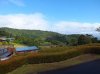
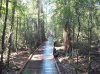
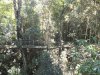
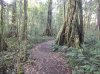
This continues to be a really interesting (and grammatically impressive!) thread.
One question, Laughing Dove. Your various aunts and family-members are frequent supporting actors in your travelogue. Do they all share your interest, or are they reluctant naturalists? If the latter, they deserve medals; if the former, you are very fortunate!
Thanks!

I think of the two options, deserving of medals is closer.
I do have one aunt who shares my interest, though not quite to the same degree as me. However this was the person who I spent two nights with in Perth near the start of the trip, and not the person who went to Queensland with me. The aunt who went to Queensland with me doesn't really share my interests that much and at the start of the trip knew next to nothing about birds or other animals. I managed to change that though! Her main interest, however, is plants which usually fits in well with my birding, though her main thing is the gardening side rather than nature.
I think of the two options, deserving of medals is closer.
I got that feeling too.

Isn't it Lamington where they have those 'white' Possums?

the white Lemuroid Possum? They are on the Carbine Tableland, well north of Lamington (up by the Daintree).Isn't it Lamington where they have those 'white' Possums?
I got that feeling too.
Isn't it Lamington where they have those 'white' Possums?
I don't think there are white possums at Lamington, however black possums will feature in the next post.
Another current post:
I went to Peel Zoo today which I quite liked, lots of positive and a few negatives. I would have liked it if there weren't so many parrot mutations and the signage really annoyed me. Rather than having a sign on each enclosure like a normal zoo, each enclosure was numbered which corresponded to a list given out on entry which just gave the common name of the animal and in some cases individual animal names as well but not even a scientific name or any information at all. I will post a review and upload pictures eventually, but they had three species of quoll which was nice. I like quolls
Also on the drive back we stopped at Serpentine National Park which I really liked and it was full of black cockatoos and Red-capped Parrots, but the two new species that I got were seen in the car. A Wedge-tailed Eagle soaring overhead seen on the drive down to Peel, and a Western Brush Wallaby seen on the edge of the forest in a paddock just as we joined the main road leaving the national park.
I went to Peel Zoo today which I quite liked, lots of positive and a few negatives. I would have liked it if there weren't so many parrot mutations and the signage really annoyed me. Rather than having a sign on each enclosure like a normal zoo, each enclosure was numbered which corresponded to a list given out on entry which just gave the common name of the animal and in some cases individual animal names as well but not even a scientific name or any information at all. I will post a review and upload pictures eventually, but they had three species of quoll which was nice. I like quolls
Also on the drive back we stopped at Serpentine National Park which I really liked and it was full of black cockatoos and Red-capped Parrots, but the two new species that I got were seen in the car. A Wedge-tailed Eagle soaring overhead seen on the drive down to Peel, and a Western Brush Wallaby seen on the edge of the forest in a paddock just as we joined the main road leaving the national park.
Day 10 – In Search of a Riflebird, Lamington Day Two - 16th of June
To do the morning bird walk which we definitely wanted to do, we had to be up early. Five o’clock to be specific, to allow time to get ready for the day before going out for the walk. I was there a few minutes early to look around outside and I saw two new birds, the first was seen hopping around on the tarmac right in front of the doorway and was a Yellow-throated Scrubwren, and there was also a Grey Shrike-thrush in a tree nearby. Soon the guide for the bird walk arrived, this wasn’t one of the usual guides, but a different guy called Glen and apparently they only let him to do the morning bird walks twice a week, at other times he drove the bus, or so he said, so we were lucky to get him on one of our mornings. He was very experienced and had been doing film making and photography in Lamington National Park for decades so he knew everything you asked him about. The bird walk started right outside with Glen yelling “LOUIS!” and having a Lewin’s Honeyeater fly down onto the fence right in front of us. It turned out that he had spent years working with the birds in the forest outside O’Reilly’s and had tamed several. He also threw some sultanas into the air for Louis the honeyeater to catch in flight. Also gathered in the trees were many Pied Currawongs, King Parrots and Crimson Rosellas, as well as lots of Brush Turkeys on the ground, however those weren’t the main things we were waiting for because also in the trees were Regent and Satin Bowerbirds. These flew down onto the fence and onto Glen’s hand to get sultanas

though the other birds also had the same idea and had to be shooed off. Once we had finished with the bowerbirds we headed down the boardwalk to be met by many White-browed and Yellow-throated Scrubwrens coming in for food. As we continued along, Glen started called for another of his birds, Mrs Peggy (or Piggy, I’m not sure) who was an Eastern Yellow Robin. He explained that Mrs Peggy was actually a Mr Peggy despite what he first though when naming him and he and his family would come down every morning for a bit of food and stayed there very prominently not shy in the slightest.

We were followed by the Peggys as we walked down the boardwalk and the next of Glen’s birds to be called was Mr Whippy. It took a few shouts of ‘Whippeeee!’ before he came down but soon Mr, Mrs, and Master Whippy showed up for breakfast. As you may guess these were Eastern Whipbirds, and they did not live up to their reputation of being shy and difficult to see because this family of whipbirds was tame enough to fly onto Glen’s hand!
Followed by our entourage of birds now consisting of two species of scrubwrens, yellow robins, and whipbirds we continued down the boardwalk passing some non-tame Pademelons and Logrunners and I asked about the best place to find some of the birds I was looking for. Of course Glen knew where and how I could find absolutely anything though one of the species I really wanted would be quite difficult. I had been rather obsessed with birds of paradise for years and after seeing my first ones in captivity in Germany last year I wanted to step it up and find one in the wild, so of course I wanted to find a Paradise Riflebird. Apparently they are relatively easy to find in breeding season when they call, but at this time of year they just fly about in the canopy in near-silence with only the occasional contact call. Glen suggested a route to try and find them and I decided that would be my mission for the day, though I was rather disheartened to hear that one of the other bird guides who just started two and a half weeks ago was yet to see a riflebird!
Anyway we soon reached the final destination of the bird walk, a Satin Bowerbird's Bower. This had an intact bower and lots of blue bits of plastic and stuff around though Glen said he hadn’t seen the owner of the bower for a couple of weeks and was rather worried about him. Anyway he told us lots of stuff about that bower and bowerbirds and Sir David Attenborough coming to film there and interesting things like that and the whipbirds and scrubwrens that had followed us down were hopping about in the bower (the robins had left a few metres further back).

Also in and around the bower were Brush Turkeys, and Glen had no time for those and threw sticks and rocks and things at them to try and get rid of them.
We then headed back to the guesthouse with a slightly different route passing what Glen described as the biggest and ugliest tree and I named Telstra vulgaris (Telstra is an Australian mobile network provider), the Common Vulgar Telephone Signal Tower. Also around here was a Brush Turkey that Glen was unusually friendly with called Hoppy who had an injured leg. Hoppy was given some food while other turkeys were being shooed away. The thought did cross my mind that the cause of Hoppy’s hopping may have been an overzealous bird guide throwing sticks! We soon got back to O’Reilly’s (we hadn’t actually gone very far) where I got some more information off Glen and we popped back to the room very briefly before going out for the day. Before starting on the walk though, I wanted to check out a hedge that was around the back of my room where apparently Superb Fairy-wrens liked to hang out and there they were, though unfortunately no coloured males and none posed very well for pictures.
We then started our walk for the day which started by going down the same boardwalk and then continuing beyond the end. We also passed the tree top walk again and looked at a little garden thing which had a few planted orchids and stuff like that. All very interesting but no birds worth noting, however there was a nice view of a Red-legged Pademelon nearby.

We then continued on the track to look for the riflebirds which was a little track to a waterfall called Elabana Falls and them some tracks in the forest around there which Glen thought gave me my best chance for the riflebird as well as a few other things that I really wanted. For the first hour or so there were no new birds for me, but several pairs of Logrunners were cool, that's a species that you can never get tired of, and I even managed to get some acceptable quality video of them. And there were all the common birds like the various little brown ones seen the previous day, and scrubwrens, and yellow robins. I was looking out a lot for doves and pigeons in the canopy of which there were several species that I wanted to see as well as listening out for a lyrebird and looking for various other things as well. I did eventually manage to see one of the key birds that I was looking for around here though, a Rufous Scrub-bird not too far away lurking in the dark depths of the undergrowth before disappearing off. I had heard that they were extremely difficult to find so to be honest I had expected to need to put in more effort to find one if I really wanted to. Just lucky I guess.
In the afternoon we reached Elabana Falls (people who have been there would know it’s not actually that far away, but we didn’t go straight there and went along a different track first to look for stuff) which was really cool with palms and tree ferns and all that sort of rainforesty stuff (I’m not a botanist as you can tell) and the view was nice too. No frogs around though. While we were standing there admiring the view I saw some large grey things fly into a tree on the opposite side of the falls. I was able to track them down through the binoculars where I could determine that they were Topknot Pigeons. Supposedly fairly common but I was very pleased to see them, particularly as I didn’t see them again. Although we had some snacks for lunch to keep us going we wanted to go back for some more proper food so we headed along the track back to O’Reilly’s. Not too far up from the falls, my aunt called out to say that she had seen a black bird with some shiny blue bits on it fly into a tree. The riflebird? Excited I went up to frantically try and find it in the tree. It was moving around a lot and fairly high up, but it definitely was a Paradise Riflebird. A few minutes later I realised it wasn’t just one, but a pair of them. There was a female too! I was so excited! They flew around a bit not stopping for long in any spot before they flew off into the forest and I lost them. After the riflebird there was one new bird seen on the way back, a Fan-tailed Cuckoo in a fairly exposed area sitting still nicely for a few seconds before flying to a nearby tree and repeating the process. All of the pictures were horribly out-of-focus and blurry though. I blame the dark environment of the rainforest, though it’s probably my fault for not focusing properly. The rest of the walk was uneventful with the exception of a fleeting glimpse of a Red-legged Pademelon dashing off but the sound of the various birds and the penetrating whipbird calls, as well as the awesome vegetation made the walk extremely enjoyable and I’m fairly sure I heard a lyrebird too as well as another Scrub-bird.
After a bit of proper food we had the time left in the day for a second walk of a few hours. We decided to head the opposite direction from the morning’s walk to visit another waterfall, Moran Falls largely because apparently this was a good track to try for the lyrebird and also to look for Pale-yellow Robins. Unfortunately, it soon started to drizzle, not proper rain but a light drizzle that just about made it to the forest floor and enough to be a bit unpleasant. I did hear what I am fairly sure were lyrebirds but they were quite far away and I saw many birds that I had already seen which were still cool to see. The robin advice was good though because I found two Pale-yellow Robins near to the falls. As the name would suggest they were like the Eastern Yellow Robins but more boring and unnoticeable in every way. Still nice little birds though. The falls themselves were really awesome, as was the forest of course, and while I was watching the falls a Grey Goshawk flew by and landed in a very far off tree disappearing there. On the way back I found another Fan-tailed Cuckoo (again my camera decided not to focus on it) and we had another look at the Red-necked Pademelons on the campsite before going to dinner. Such cute little things.
At dinner that night I discovered that at one of the windows of the restaurant they left out food for the possums! I wish I had known that yesterday because they apparently get Short-eared Brushtail Possums every night (actually I was told that a hybrid between a black possum and a normal possum came there every night, but this was actually the grey morph of the Short-eared Brushtail Possum). Well that night we waited for a bit, no possums came, we had the food, no possums came, and just as we were about to go and try our luck in the forest, an absolutely stunning solidly jet-black Short-eared Brushtail Possum showed up and just sat there munching away on fruit.

However awesome a possum it is, there is only so much watching a possum eat until it gets boring so we went out into the forest to find a less tame wild possum. The first thing we saw upon stepping out of the building though was a Long-nosed Bandicoot just on the lawn digging little holes in it amongst the dozen or so grazing Pademelons and then we headed onto the boardwalk again. Right at the start of the boardwalk though two eyes shone back at my torch from a tree which turned out to belong to another Short-eared Brushtail Possum, however this was the grey morph with the yellow belly rather than the all black one. This turned out to be the more common of the two. There was nothing apart from spiders seen for a while until an antechinus darted past in the leaves. Although a few species do occur in Lamington National Park, I was told that all the antechinuses ever found anywhere near the guesthouse have been brown, so I was confident enough to call this as a Brown Antechinus.
After the boardwalk we went along the road again. As well as loads of Pademelons I found about half a dozen Common Ringtail Possums, a single grey morph Short-eared Brushtail Possum and somehow seen by my aunt in silhouette from my torch, a Southern Boobook that wasn’t even calling or giving any eyeshine at all from closed eyes.

We also looked in an area near the campsite where a Marbled Frogmouth had been seen, but it wasn’t there (it hadn't been seen at roost around there so I didn't really expect to find it). After quite a while of spotlighting, we were exhausted and went to bed, setting our alarms for another 5 AM get up the next morning. What an awesome day.
New birds seen:
Yellow-throated Scrubwren
Grey Shrike-thrush
Satin Bowerbird
Superb Fairy-wren
Rufous Scrub-bird
Topknot Pigeon
Paradise Riflebird
Fan-tailed Cuckoo
Pale-yellow Robin
Grey Goshawk
Southern Boobook
New mammals:
Short-eared Brushtail Possum
Brown Antechinus
To do the morning bird walk which we definitely wanted to do, we had to be up early. Five o’clock to be specific, to allow time to get ready for the day before going out for the walk. I was there a few minutes early to look around outside and I saw two new birds, the first was seen hopping around on the tarmac right in front of the doorway and was a Yellow-throated Scrubwren, and there was also a Grey Shrike-thrush in a tree nearby. Soon the guide for the bird walk arrived, this wasn’t one of the usual guides, but a different guy called Glen and apparently they only let him to do the morning bird walks twice a week, at other times he drove the bus, or so he said, so we were lucky to get him on one of our mornings. He was very experienced and had been doing film making and photography in Lamington National Park for decades so he knew everything you asked him about. The bird walk started right outside with Glen yelling “LOUIS!” and having a Lewin’s Honeyeater fly down onto the fence right in front of us. It turned out that he had spent years working with the birds in the forest outside O’Reilly’s and had tamed several. He also threw some sultanas into the air for Louis the honeyeater to catch in flight. Also gathered in the trees were many Pied Currawongs, King Parrots and Crimson Rosellas, as well as lots of Brush Turkeys on the ground, however those weren’t the main things we were waiting for because also in the trees were Regent and Satin Bowerbirds. These flew down onto the fence and onto Glen’s hand to get sultanas
though the other birds also had the same idea and had to be shooed off. Once we had finished with the bowerbirds we headed down the boardwalk to be met by many White-browed and Yellow-throated Scrubwrens coming in for food. As we continued along, Glen started called for another of his birds, Mrs Peggy (or Piggy, I’m not sure) who was an Eastern Yellow Robin. He explained that Mrs Peggy was actually a Mr Peggy despite what he first though when naming him and he and his family would come down every morning for a bit of food and stayed there very prominently not shy in the slightest.
We were followed by the Peggys as we walked down the boardwalk and the next of Glen’s birds to be called was Mr Whippy. It took a few shouts of ‘Whippeeee!’ before he came down but soon Mr, Mrs, and Master Whippy showed up for breakfast. As you may guess these were Eastern Whipbirds, and they did not live up to their reputation of being shy and difficult to see because this family of whipbirds was tame enough to fly onto Glen’s hand!
Followed by our entourage of birds now consisting of two species of scrubwrens, yellow robins, and whipbirds we continued down the boardwalk passing some non-tame Pademelons and Logrunners and I asked about the best place to find some of the birds I was looking for. Of course Glen knew where and how I could find absolutely anything though one of the species I really wanted would be quite difficult. I had been rather obsessed with birds of paradise for years and after seeing my first ones in captivity in Germany last year I wanted to step it up and find one in the wild, so of course I wanted to find a Paradise Riflebird. Apparently they are relatively easy to find in breeding season when they call, but at this time of year they just fly about in the canopy in near-silence with only the occasional contact call. Glen suggested a route to try and find them and I decided that would be my mission for the day, though I was rather disheartened to hear that one of the other bird guides who just started two and a half weeks ago was yet to see a riflebird!
Anyway we soon reached the final destination of the bird walk, a Satin Bowerbird's Bower. This had an intact bower and lots of blue bits of plastic and stuff around though Glen said he hadn’t seen the owner of the bower for a couple of weeks and was rather worried about him. Anyway he told us lots of stuff about that bower and bowerbirds and Sir David Attenborough coming to film there and interesting things like that and the whipbirds and scrubwrens that had followed us down were hopping about in the bower (the robins had left a few metres further back).
Also in and around the bower were Brush Turkeys, and Glen had no time for those and threw sticks and rocks and things at them to try and get rid of them.
We then headed back to the guesthouse with a slightly different route passing what Glen described as the biggest and ugliest tree and I named Telstra vulgaris (Telstra is an Australian mobile network provider), the Common Vulgar Telephone Signal Tower. Also around here was a Brush Turkey that Glen was unusually friendly with called Hoppy who had an injured leg. Hoppy was given some food while other turkeys were being shooed away. The thought did cross my mind that the cause of Hoppy’s hopping may have been an overzealous bird guide throwing sticks! We soon got back to O’Reilly’s (we hadn’t actually gone very far) where I got some more information off Glen and we popped back to the room very briefly before going out for the day. Before starting on the walk though, I wanted to check out a hedge that was around the back of my room where apparently Superb Fairy-wrens liked to hang out and there they were, though unfortunately no coloured males and none posed very well for pictures.
We then started our walk for the day which started by going down the same boardwalk and then continuing beyond the end. We also passed the tree top walk again and looked at a little garden thing which had a few planted orchids and stuff like that. All very interesting but no birds worth noting, however there was a nice view of a Red-legged Pademelon nearby.
We then continued on the track to look for the riflebirds which was a little track to a waterfall called Elabana Falls and them some tracks in the forest around there which Glen thought gave me my best chance for the riflebird as well as a few other things that I really wanted. For the first hour or so there were no new birds for me, but several pairs of Logrunners were cool, that's a species that you can never get tired of, and I even managed to get some acceptable quality video of them. And there were all the common birds like the various little brown ones seen the previous day, and scrubwrens, and yellow robins. I was looking out a lot for doves and pigeons in the canopy of which there were several species that I wanted to see as well as listening out for a lyrebird and looking for various other things as well. I did eventually manage to see one of the key birds that I was looking for around here though, a Rufous Scrub-bird not too far away lurking in the dark depths of the undergrowth before disappearing off. I had heard that they were extremely difficult to find so to be honest I had expected to need to put in more effort to find one if I really wanted to. Just lucky I guess.
In the afternoon we reached Elabana Falls (people who have been there would know it’s not actually that far away, but we didn’t go straight there and went along a different track first to look for stuff) which was really cool with palms and tree ferns and all that sort of rainforesty stuff (I’m not a botanist as you can tell) and the view was nice too. No frogs around though. While we were standing there admiring the view I saw some large grey things fly into a tree on the opposite side of the falls. I was able to track them down through the binoculars where I could determine that they were Topknot Pigeons. Supposedly fairly common but I was very pleased to see them, particularly as I didn’t see them again. Although we had some snacks for lunch to keep us going we wanted to go back for some more proper food so we headed along the track back to O’Reilly’s. Not too far up from the falls, my aunt called out to say that she had seen a black bird with some shiny blue bits on it fly into a tree. The riflebird? Excited I went up to frantically try and find it in the tree. It was moving around a lot and fairly high up, but it definitely was a Paradise Riflebird. A few minutes later I realised it wasn’t just one, but a pair of them. There was a female too! I was so excited! They flew around a bit not stopping for long in any spot before they flew off into the forest and I lost them. After the riflebird there was one new bird seen on the way back, a Fan-tailed Cuckoo in a fairly exposed area sitting still nicely for a few seconds before flying to a nearby tree and repeating the process. All of the pictures were horribly out-of-focus and blurry though. I blame the dark environment of the rainforest, though it’s probably my fault for not focusing properly. The rest of the walk was uneventful with the exception of a fleeting glimpse of a Red-legged Pademelon dashing off but the sound of the various birds and the penetrating whipbird calls, as well as the awesome vegetation made the walk extremely enjoyable and I’m fairly sure I heard a lyrebird too as well as another Scrub-bird.
After a bit of proper food we had the time left in the day for a second walk of a few hours. We decided to head the opposite direction from the morning’s walk to visit another waterfall, Moran Falls largely because apparently this was a good track to try for the lyrebird and also to look for Pale-yellow Robins. Unfortunately, it soon started to drizzle, not proper rain but a light drizzle that just about made it to the forest floor and enough to be a bit unpleasant. I did hear what I am fairly sure were lyrebirds but they were quite far away and I saw many birds that I had already seen which were still cool to see. The robin advice was good though because I found two Pale-yellow Robins near to the falls. As the name would suggest they were like the Eastern Yellow Robins but more boring and unnoticeable in every way. Still nice little birds though. The falls themselves were really awesome, as was the forest of course, and while I was watching the falls a Grey Goshawk flew by and landed in a very far off tree disappearing there. On the way back I found another Fan-tailed Cuckoo (again my camera decided not to focus on it) and we had another look at the Red-necked Pademelons on the campsite before going to dinner. Such cute little things.
At dinner that night I discovered that at one of the windows of the restaurant they left out food for the possums! I wish I had known that yesterday because they apparently get Short-eared Brushtail Possums every night (actually I was told that a hybrid between a black possum and a normal possum came there every night, but this was actually the grey morph of the Short-eared Brushtail Possum). Well that night we waited for a bit, no possums came, we had the food, no possums came, and just as we were about to go and try our luck in the forest, an absolutely stunning solidly jet-black Short-eared Brushtail Possum showed up and just sat there munching away on fruit.
However awesome a possum it is, there is only so much watching a possum eat until it gets boring so we went out into the forest to find a less tame wild possum. The first thing we saw upon stepping out of the building though was a Long-nosed Bandicoot just on the lawn digging little holes in it amongst the dozen or so grazing Pademelons and then we headed onto the boardwalk again. Right at the start of the boardwalk though two eyes shone back at my torch from a tree which turned out to belong to another Short-eared Brushtail Possum, however this was the grey morph with the yellow belly rather than the all black one. This turned out to be the more common of the two. There was nothing apart from spiders seen for a while until an antechinus darted past in the leaves. Although a few species do occur in Lamington National Park, I was told that all the antechinuses ever found anywhere near the guesthouse have been brown, so I was confident enough to call this as a Brown Antechinus.
After the boardwalk we went along the road again. As well as loads of Pademelons I found about half a dozen Common Ringtail Possums, a single grey morph Short-eared Brushtail Possum and somehow seen by my aunt in silhouette from my torch, a Southern Boobook that wasn’t even calling or giving any eyeshine at all from closed eyes.
We also looked in an area near the campsite where a Marbled Frogmouth had been seen, but it wasn’t there (it hadn't been seen at roost around there so I didn't really expect to find it). After quite a while of spotlighting, we were exhausted and went to bed, setting our alarms for another 5 AM get up the next morning. What an awesome day.
New birds seen:
Yellow-throated Scrubwren
Grey Shrike-thrush
Satin Bowerbird
Superb Fairy-wren
Rufous Scrub-bird
Topknot Pigeon
Paradise Riflebird
Fan-tailed Cuckoo
Pale-yellow Robin
Grey Goshawk
Southern Boobook
New mammals:
Short-eared Brushtail Possum
Brown Antechinus