Another great viewpoint by Mr Knowles there, and another problem is that zoos just aren't seen as serious places by higher bodies; look in a tourist brochure and you'll often see zoos classed alongside theme parks. Museums, art galleries, they all benefit from government funding as they are seen as serious scientific or beneficial institutions, which when you look at the work that many zoos put into conservation and research, should really put them in the same league.
Well that highlights part of the philosophical debate that perennially is waged here at ZooChat. The opposite being, of course, those of us who feel that how animals are seen and experienced by the public is what is most relevant. If an animal is not in the zoo to educate and inspire the public concerning Nature and conservation, then why is it there?
But laying aside the tendency to slide down the easy road of arguing about money (like any married couple!) there is the separate issue of design and creativity as brought up by @pinkback earlier.
There are zoos whose staff are so creative and ingenious that they fashion wonderful exhibits out of thin air using brains, brawn, art, transplanted vegetation from the grounds, and a deep knowledge of the animals.
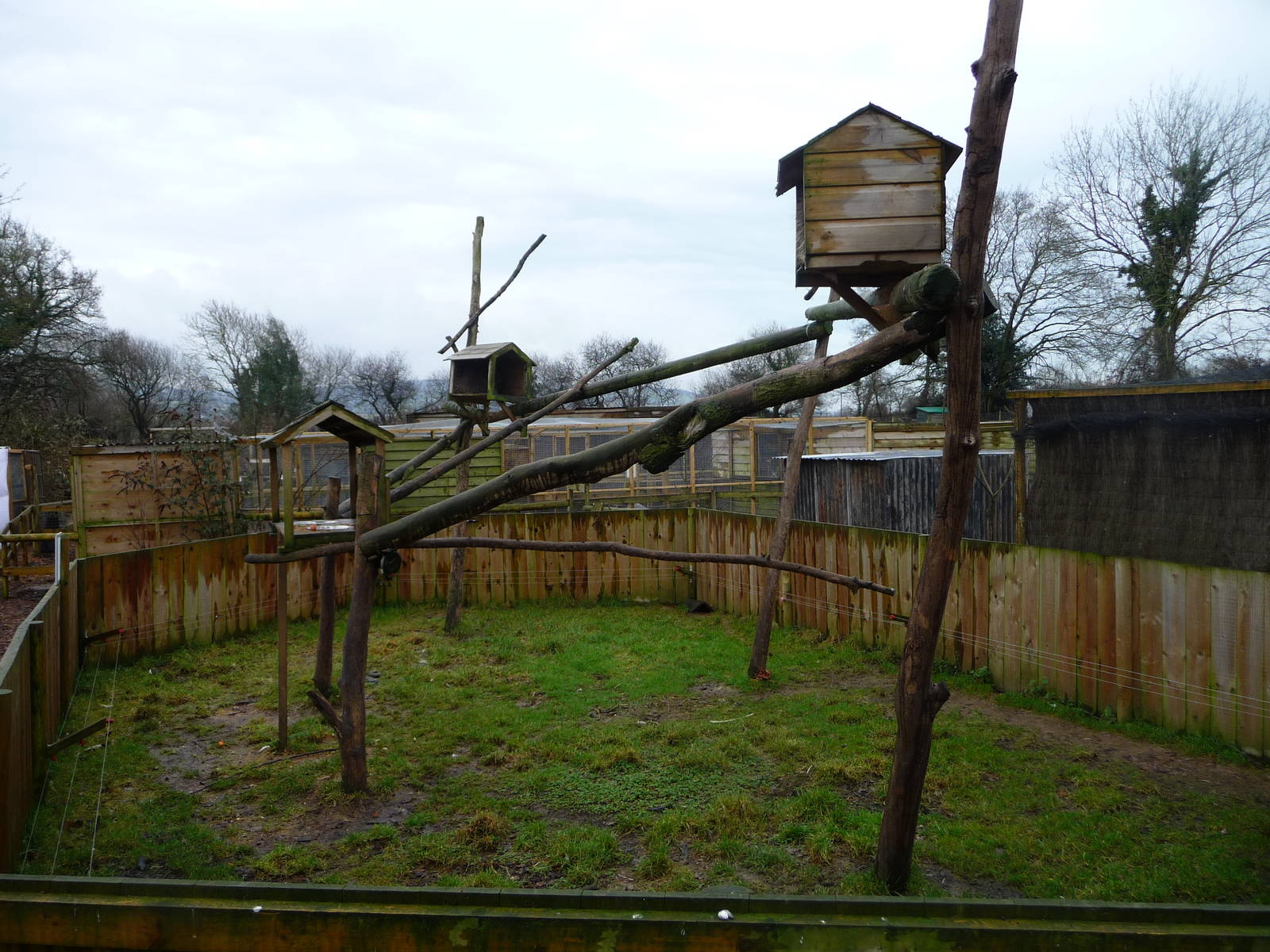
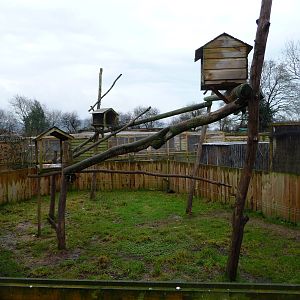
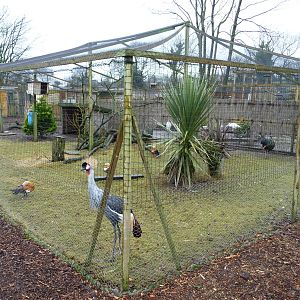
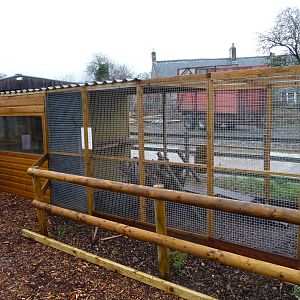
This exhibit is, IMO, a nice big pen...which is far better than a crappy small cage...but it could be much better for all concerned if the will was there...rather than making excuses.
It is not only about money (It almost never is when people argue about money)
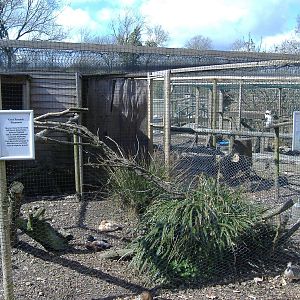
The Blackpool porcupines used to be kept in a cage with a solid brick wall at the back. They had about the same amount of branches and boxes but would often utilise the wire to climb extensively. That, to me, is the main difference between a cage and this exhibit. I do think the boxes are necessary, though, as wild porcupines may be exposed to wind and rain, but most of their range is not such a damp, oceanic climate as the UK, and the option of sheltering from the elements is surely welcome here.
Do they have separate indoor/service quarters?
In the UK, this is what I think should be the standard for this species: