I think the expression "crazy as a loon" (such as used by Brad Pitt in Twelve Monkeys) does come from the bird (specifically it's call) rather than being a contraction of "lunatic". But using "loon" as a name for someone with mental health issues is from "lunatic".
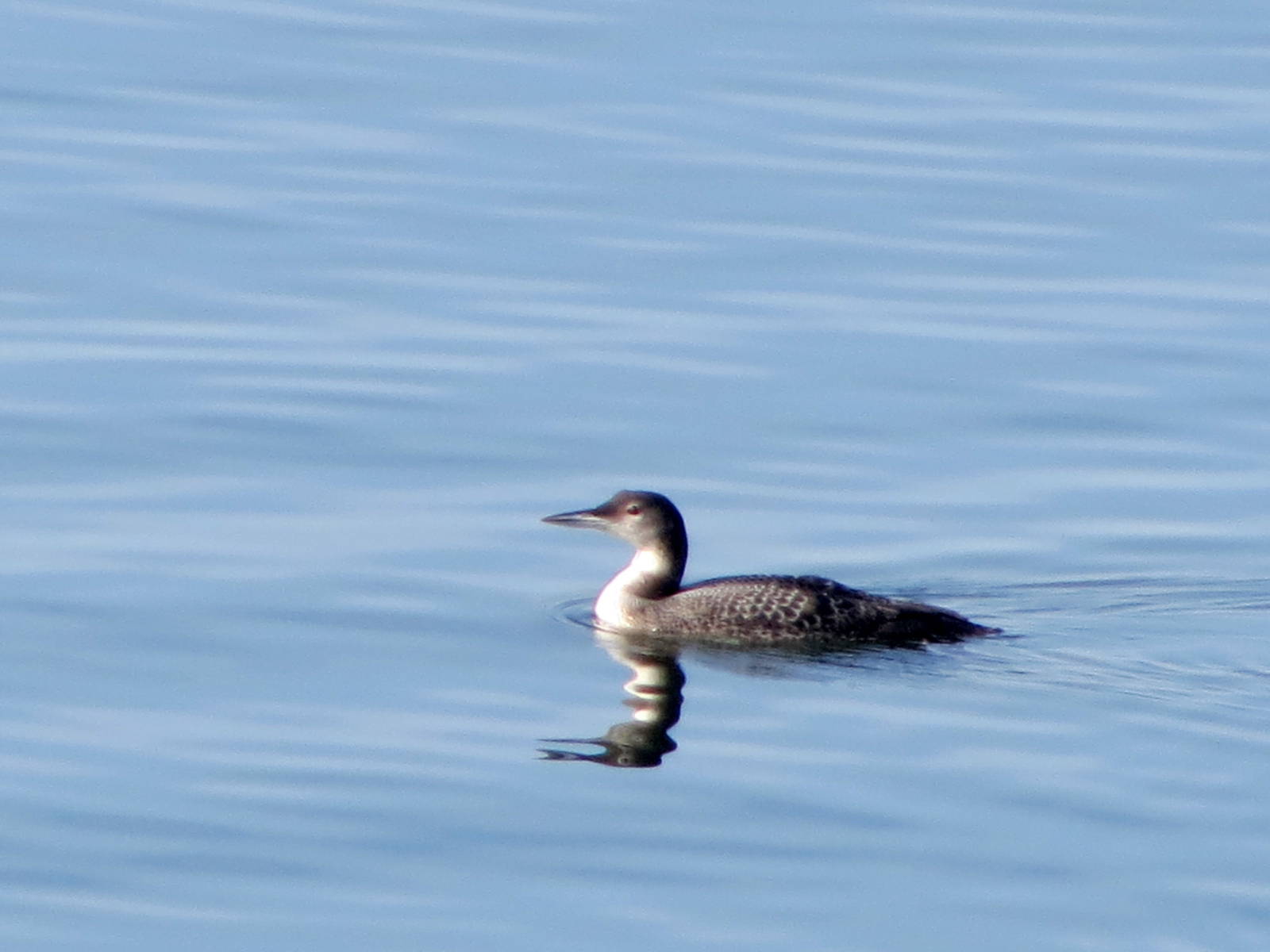
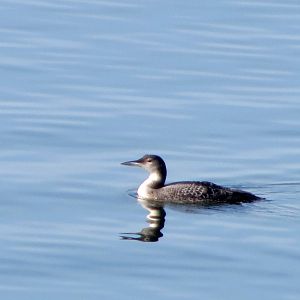
The word loon and lunatic are from completely different etymologies. They are different words. The word Loon, "likely comes from either the Old English word lumme, meaning lummox or awkward person, or the Scandinavian word lum meaning lame or clumsy" referring to the birds inability to appear the least bit graceful on land.
OK, I was wrong about lunatic (I'm no good at etymology, a little better at entomology but I used to be pretty hot at the ornithology of the Dahomey Gap where divers are very rare indeed). Birds Britanica says that the name 'loon' was used in Orkney and Shetland and comes from the Old Norse 'lomr' meaning moaning bird. You pays your money and takes your choice.
OK, I was wrong about lunatic (I'm no good at etymology, a little better at entomology but I used to be pretty hot at the ornithology of the Dahomey Gap where divers are very rare indeed). Birds Britanica says that the name 'loon' was used in Orkney and Shetland and comes from the Old Norse 'lomr' meaning moaning bird. You pays your money and takes your choice.
The commonest member of the Gaviidae in the UK is G.stellata, aka Red-throated Diver/Loon. About 1200 pairs nest in N Scotland and NW Ireland. G. arctica, the Black-throated Diver/Arctic Loon number around 200 pairs in N Scotland. G.immer has been proven to nest once, in 1970. All three can be seen offshore during the winter. The other two species both count as uncommon vagrants.