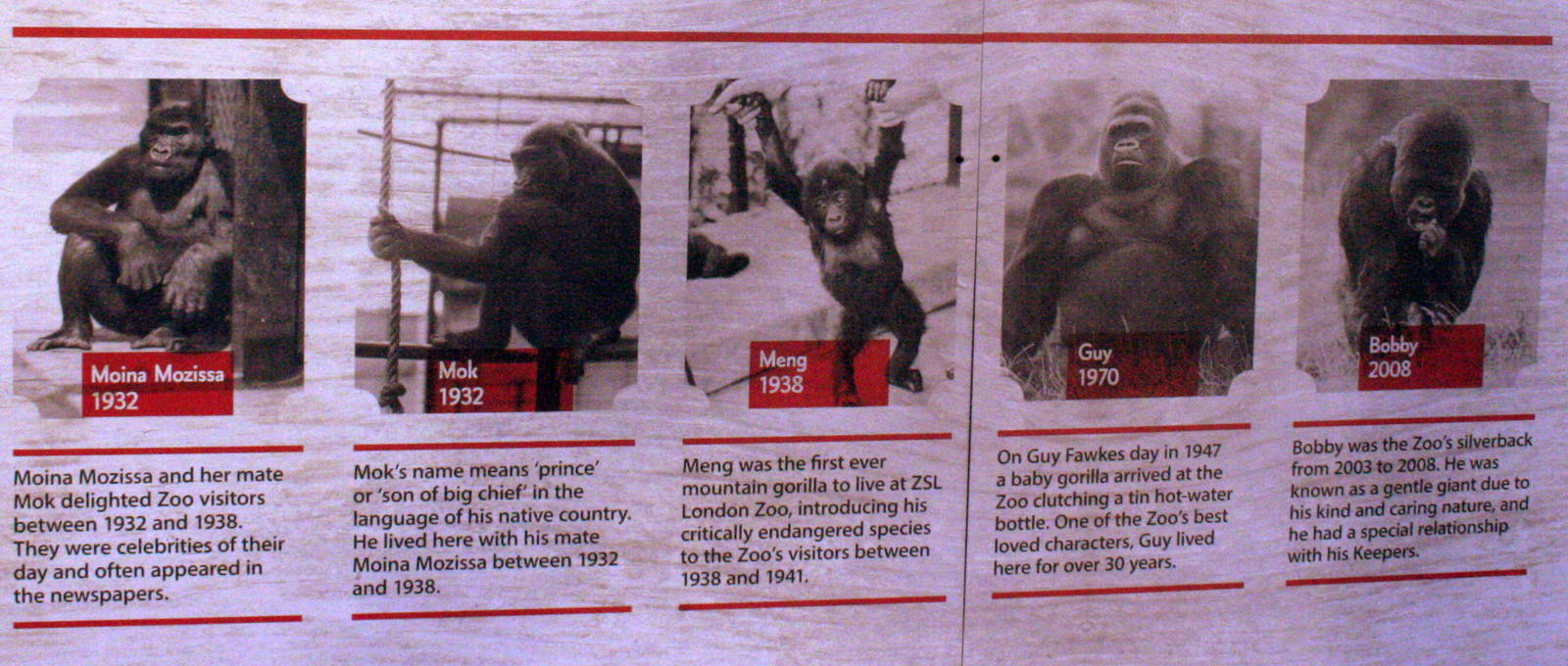
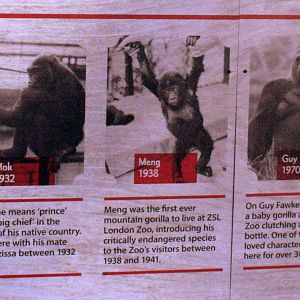
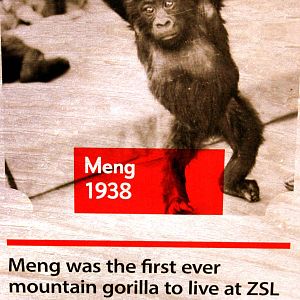
These eastern lowlands gorillas were originally considered mountain gorillas (and are listed as such in the ZSL Annual Report for 1962). The female was acquired specifically as a mate for the genuine mountain gorilla ‘Reuben’; in order to obtain the female the ZSL had to purchase the male too
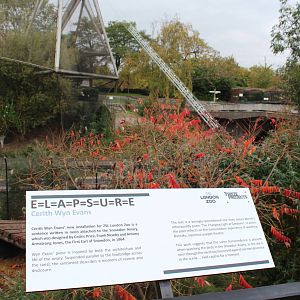
It is to the left hand side as you face the main building on exiting the aviary before the enclosure currently housing spider monkeys. Hope that makes sense. There is new signage throughout Gorilla Kingdom.
Thanks, Tim! London Zoo has approximately 127 years worth of experience with gorilla care then (or were there a lot of gorilla-less years in there?) - more than most zoos on the planet at any rate.
Sadly London Zoo’s early gorillas did not live long and there were a number of years when there were no gorillas in the zoo.
London Zoo’s lack of successful with its early gorillas was, of course, not unusual; a century ago, in 1915, William Hornaday (director of Bronx Zoo) wrote
“There is not the slightest reason to hope that an adult gorilla will ever be seen living in a zoological garden”.
Sadly London Zoo’s early gorillas did not live long and there were a number of years when there were no gorillas in the zoo.
London Zoo’s lack of successful with its early gorillas was, of course, not unusual; a century ago, in 1915, William Hornaday (director of Bronx Zoo) wrote
“There is not the slightest reason to hope that an adult gorilla will ever be seen living in a zoological garden”.
That's an interesting quote and from where they sat in 1915 I guess it was very hard to imagine. I just saw a news story that Colo, the first captive born gorilla, is still alive here in 2015.
The “International Zoo Yearbook” (Volume 14; 1974) contains an article by Don Cousins “Classification of Captive Gorillas”.
According to this article “Meng” was an eastern lowland gorilla not a genuine mountain gorilla; this would mean that “Reuben” was London Zoo’s first (and only) mountain gorilla.