"- N.A. population is 1.3 in US and 3.1 in Canada
- Europe has 3.5 and Japan has 4.4 (Serow Center is closed)
- Can not move animals from Canada to US
- 6 facilities would still like to work with species
- Europe willing to work with us to manage as one population
- Is this practical?
- Should we phase out species and replace with goral or other Caprinae (West or East Caucasian tur or Nilgiri tahr)?
- Serow can be utilized as Flagship for Conservation work with the Endangered southeast Asian serow species."
"- N.A. population is 1.3 in US and 3.1 in Canada
- Europe has 3.5 and Japan has 4.4 (Serow Center is closed)
- Can not move animals from Canada to US
- 6 facilities would still like to work with species
- Europe willing to work with us to manage as one population
- Is this practical?
- Should we phase out species and replace with goral or other Caprinae (West or East Caucasian tur or Nilgiri tahr)?
- Serow can be utilized as Flagship for Conservation work with the Endangered southeast Asian serow species."
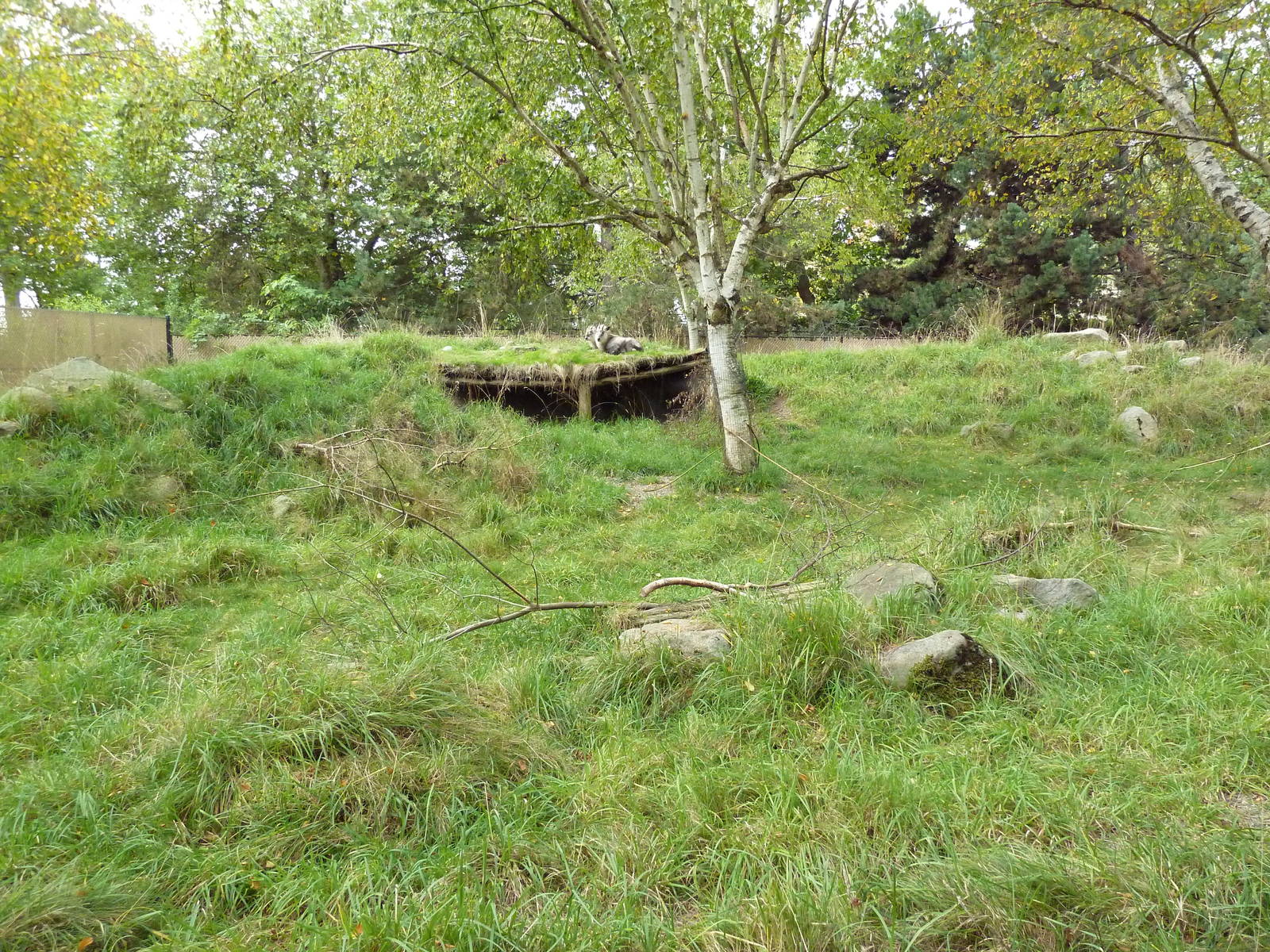
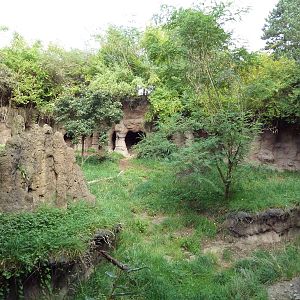
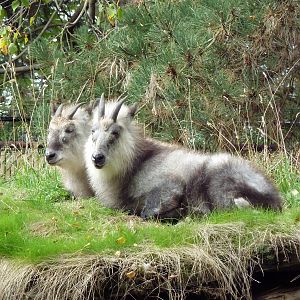
The Los Angeles Zoo has been exchanging Serow with Europe the last several years and has resulted in some breeding success here in LA. The zoo also just recently acquired a pair, but don't know where they came from (Maybe from Seattle?).
The LA Zoo seems to be one zoo that definitely does not want this species phased out, along with the Central Chinese Goral, which the zoo is also successful with.
the Trevor Zoo in Millbrook,Ny has a pair of serows on exhibit. a 12 yr old female and a recently acquired 2 yr old male from either the san diego zoo or the wild animal park. i cant remember what the lady from trevor zoo told me. LA zoo will never phase out serows as there mammal curator is the head guy for all the serows in N.A. Recently Roosevelt Park Zoo in North Dakota acquired a pair of serows, so maybe the woodland park specimens went there.
I guess this is how they are choosing to deal with this issue:
"Look for the cheetahs in the zoo’s newly reinterpreted Wildlife Survival Zone, where you’ll discover other endangered species the zoo is working to save through breeding, research and field work, including red pandas and cranes."