Hopefully that will come to pass Jusko and there will be a healthy population of mountain tapirs, but sometimes master plans include species that aren't even in captivity or likely available that a zoo wants to be ambitious and include. An example is the Sacramento Zoo which had giant otter-shrews in its 1988 master plan.
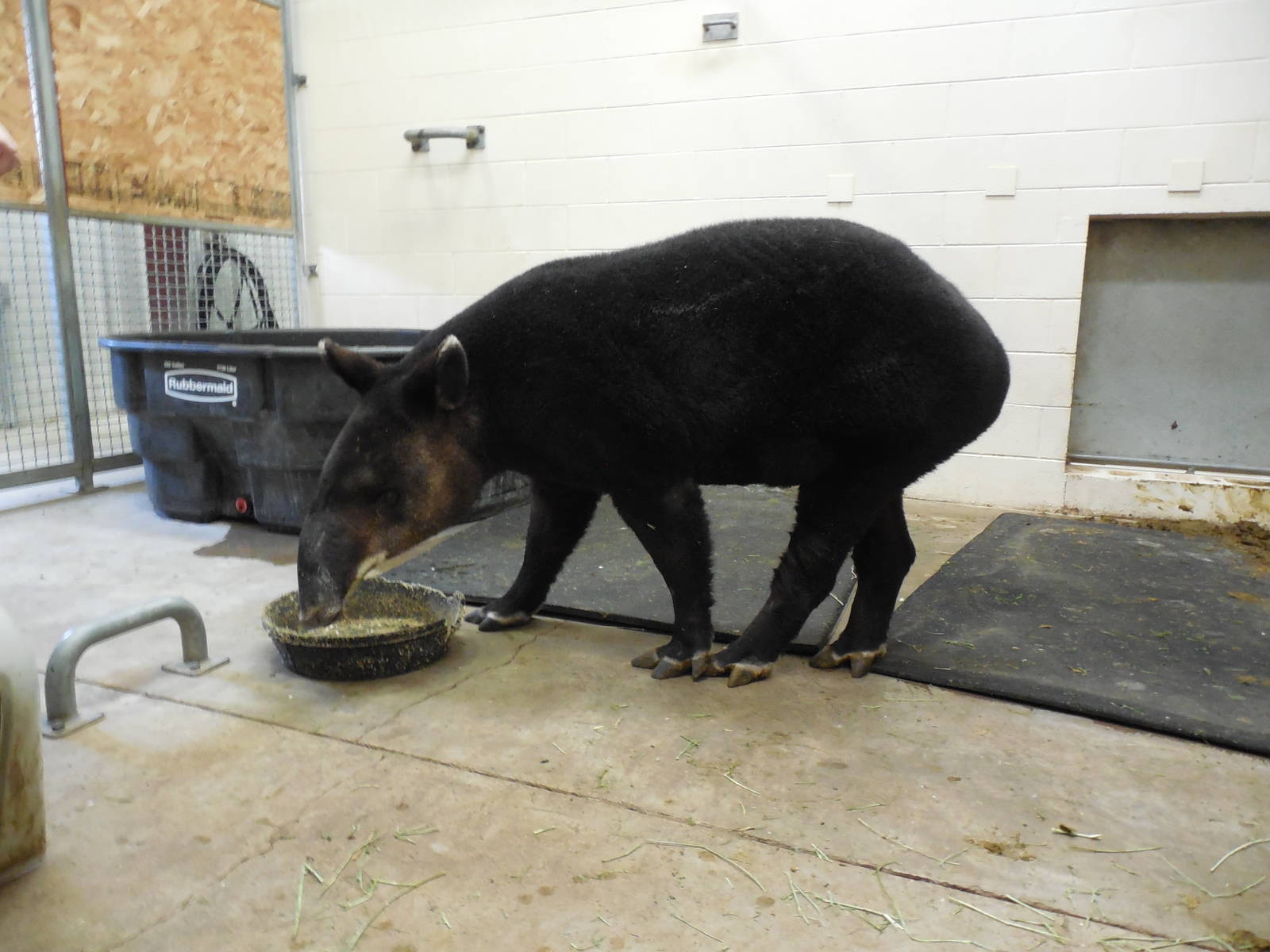
Mountain Tapirs are namely being phase-out because they compete for the same space in zoos as the other tapir species. TAG officials realized that there is not enough space in North American zoos for 4 species of tapir. Therefore they chose to recommend that the lowland tapir (most common in wild) and the mountain tapir (while not common, it had the least possibly chance of future success than the other species in captivity).
The lowland anoa has a very different story. Very few lowland anoa actually exist in North American zoos (maybe 15 ind. max?). The remaining exists in private hands where their numbers are bolstered by the interest on of private facility. For a population originating from a small founder base to become successful. Its important to be able to hold a large amount of individuals.
Unfortunately there really isn't enough space in US zoos for 300 tapirs.
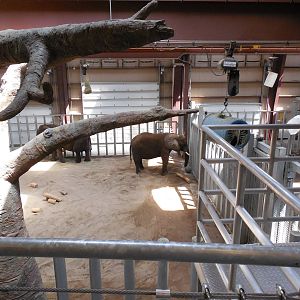
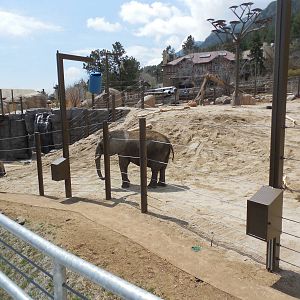
The thought occurs that those zoos (an admittedly diminishing number) that will insist on keeping elephants in inadequate accommodation are taking away potential exhibit space from species like the Mountain Tapir.