I just don't believe a natural looking habitat necessarily makes the animals show natural behaviour whereas deep litter straw shows more of a gorilla's natural behaviour than grass would. But at the end of the day, providing their needs are met then I'm happy and I would hope they are too
Edit: And I repeat myself, if the signage and keeper talks are up to scratch then enough education should be done through that.
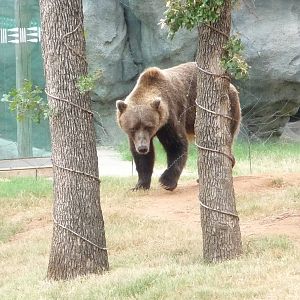
Well this exhibit certainly is natural one, and serves the purpose of the Grizzly Bears. It is 1.5 acres and I can count on my hands the number of bear enclosures of around that size. If guests don't see animals in immersion/outstandingly naturalistic enclosures I think they will be less motivated to want to help wildlife. Seeing a bear in a chain-link exhibit with plastic enrichment items is definitely not as inspiring as seeing one in an exhibit replicating the native North American landscape with natural enrichment incorporated into the enclosure.
I just don't believe a natural looking habitat necessarily makes the animals show natural behaviour whereas deep litter straw shows more of a gorilla's natural behaviour than grass would. But at the end of the day, providing their needs are met then I'm happy and I would hope they are too
Edit: And I repeat myself, if the signage and keeper talks are up to scratch then enough education should be done through that.
I know they don't, but do you think that putting them in an expensive, replication-of-the-wild enclosure will make that much difference? If they want to be educated then they'll make the effort to read the info or talk to keepers. In reality though, most people just go there to see the animals for their own entertainment.
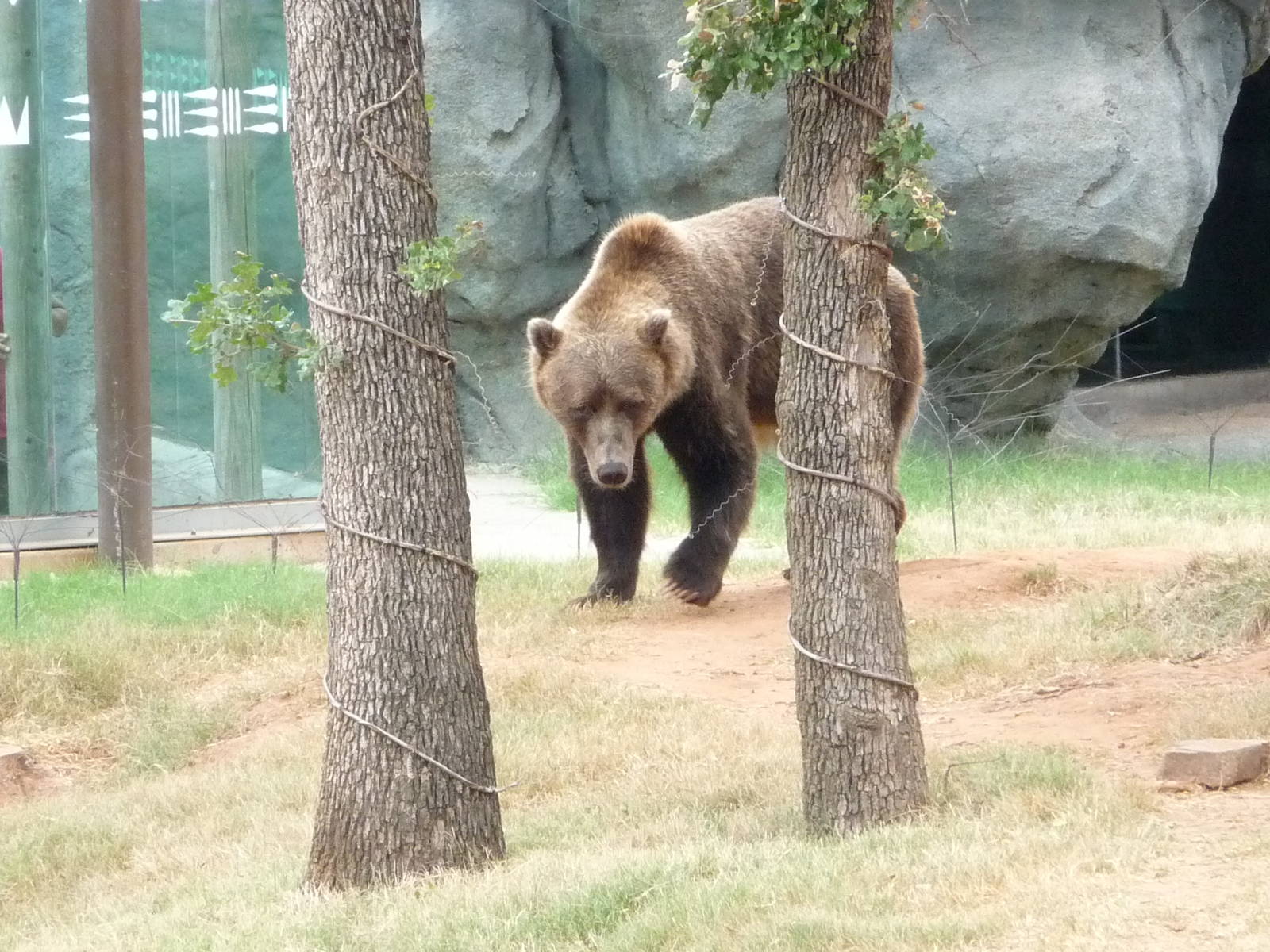
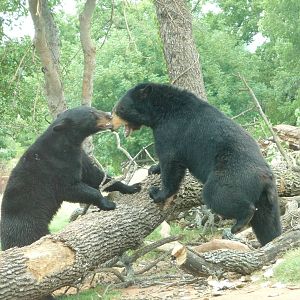
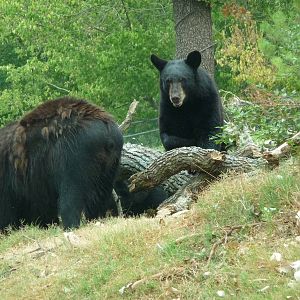
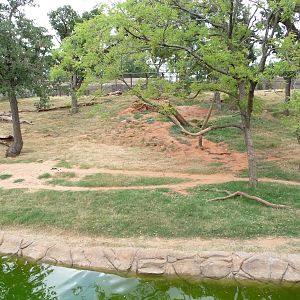
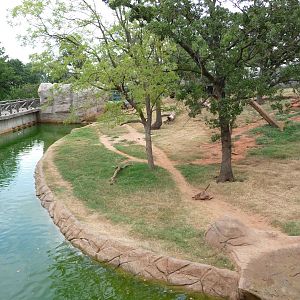
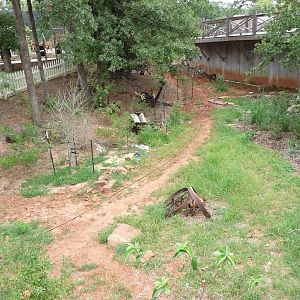
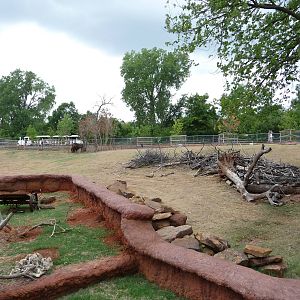
Individuals visiting zoos have a much higher appreciation of the inhabitants after viewing them in naturalistic exhibits. The public is educated on the plight of habitat destruction, the animals can showcase their natural behaviours, and there are no tires, children's slides and other junk that is sometimes seen in crappy zoos. The days of wire and wood cages that are so dominant in many zoos are effectively over in certain countries, and the grizzly bear enclosure at the Oklahoma City Zoo is one of the better exhibits of its kind. There might well be some criticisms of the enclosure in terms of its sheer "openness", but the massive pool, effectively diverse terrain, sloping hillside, shade, food, deadwood, etc, have all combined to create an impressive habitat. The huge bears can be seen roaming their large enclosure, and the multiple viewing angles and pleasant surroundings also makes this a great exhibit for zoo visitors. Compare this enclosure to the tiny sand pit surrounded by steel black bars for the sun bears at the RSCC, or ugly concrete bear grottoes at the Pittsburgh Zoo and there is evidence that it is a top-notch exhibit.
This photo shows perhaps half of the large exhibit:
I didn't say this was bad, I just see "naturalistic" enclosures as a waste of money when bears can be housed cheaply and more naturally in simple fenced in forests, very much like the Scandinavian wildlife park. And how does giving a tiger or a bear a tyre to play with make a zoo crappy? Howletts, Bristol, Paignton, Chester, London, Lympne, Longleat, WMSP, Woburn, Whipsnade and many more all give their tiger's tyres, does that make them bad or any less naturalistic? That's a much better form of enrichment than any hotwired tree. They're obviously not in the wild, so why not give them stuff they'll enjoy?
And I did not doubt this being a top notch exhibit, I only made comment on the hotwire in the first place lol.
I certainly prefer to look at naturalistic enclosures, although ultimately I think the animals needs are what's most important.
And while Ituri is right that most people don't read or get anything from signs, the same can be said about people becoming more educated or apt to support conservation based on an exhibit looking natural.
It likely makes a slight impact, but to ashley's point, it probably doesn't lead to more money being donated to animal conservation than the cost to make all the exhibits naturalistic to reduakari standards.
I think some of the people who hate everything that doesn't look natural use this education reason as something to make it seem like their reasons are much more advanced than it simply looks better and provides better photo opps. Which is a fair enough reason.