animal art
-
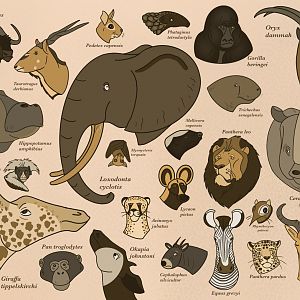
An Assortment of African Mammals
First finished on June 20th, 2025; the following illustration was a side project I made that represents a combination of familiar and obscure mammals from the continent of Africa (made on Procreate).- Austin the Sengi
- Media item
- african animals animal art elephant giraffe gorilla hippo illustration lion rhino sengi
- Comments: 2
- Category: Animal Art & Creative Photography
-
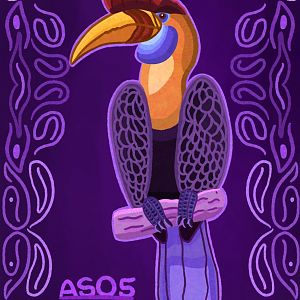
Sulawesi Knobbed Hornbill
Arguably one of the most colorful hornbills in all of Southeast Asia, the magnificent knobbed hornbill can only be found in the evergreen forests of Sulawesi, where the males use their attractive looks to help them earn the female’s love. (Created back in April 2025)- Matt G
- Media item
- animal art art bird digital art hornbill
- Comments: 0
- Category: Animal Art & Creative Photography
-
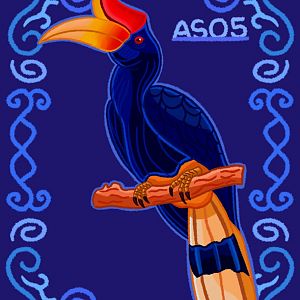
Rhinoceros Hornbill
(Art made back in December 2024) One of Southeast Asia’s largest hornbills, these hornbills are known for their impressive red-orange/yellow casques and large wingspans, and are found in the Southeast Asian rainforests where they mate for life.- Matt G
- Media item
- animal art animal artist art birds digital art digitalartist hornbill wildlife art wildlife artist
- Comments: 0
- Category: Animal Art & Creative Photography
-
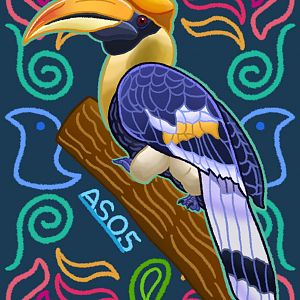
Great Hornbill
(Originally drawn in Thanksgiving 2024) Famous for being the best known hornbill found in Asia, these beautiful hornbills are known for their bright yellow casque and black colors and are found in the dense forests of India and Southeast Asia.- Matt G
- Media item
- animal art animal artist art bird bird art digital art hornbill hornbill art wildlife art wildlife artist
- Comments: 0
- Category: Animal Art & Creative Photography
-
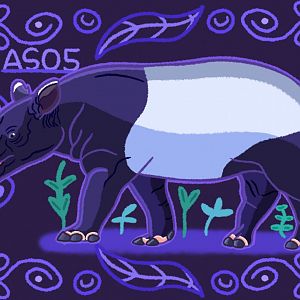
Malayan Tapir
The only tapir species to live in Asia, outside of the Americas, only found in the tropical lowland rainforests of Malaysia to Sumatra in Indonesia. (Art made back in late November 2024)- Matt G
- Media item
- animal art art asian wildlife digital art digital artist tapir
- Comments: 0
- Category: Animal Art & Creative Photography
-
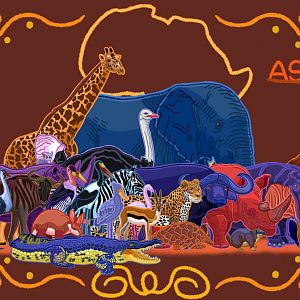
One By One (Remastered 2024)
An artpiece of Africa’s wildlife, mostly from the African savanna altogether in one big herd ready to march forward. (Based on an old art I did two years ago now remastered with updated looks for the animals)- Matt G
- Media item
- african animals african wildlife african wildlife art animal art animal artist digital aritst wildlife art wildlife artist
- Comments: 3
- Category: Animal Art & Creative Photography
-
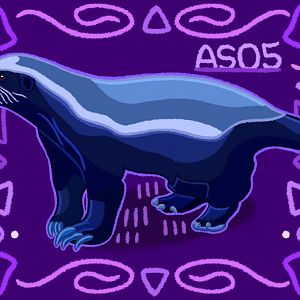
Honey Badger
Famously credited as the world’s most fearless mammal, these members of the weasel family are found in Africa to Asia, to which their fearlessness makes predators no escape who try to hunt them. (Art made back in early November)- Matt G
- Media item
- african wildlife african wildlife art animal art animal artist art digital art digital artist honey badger wildlife art wildlife artist
- Comments: 0
- Category: Animal Art & Creative Photography
-
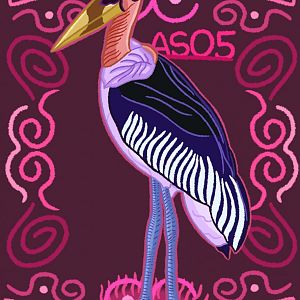
Marabou Stork
A large wading bird found in the wet and arid habitats of Sub-Saharan Africa. Often credited with the largest wingspan of any land birds, these birds love to scavenge on carrion with vultures beside them. (Art made back in early November)- Matt G
- Media item
- african wildlife african wildlife art animal art animal artist art digital art stork wildlife art wildlife artist
- Comments: 0
- Category: Animal Art & Creative Photography
-
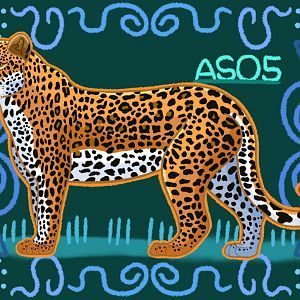
African Leopard
Champion hunters of the savannah and rainforests, these are the most widespread of all big cats in Africa, to which they can carry prey that’s twice their body weight, and are extremely stealthy hunters when stalking their prey. (Art made back in early November)- Matt G
- Media item
- african leopard animal art animal artist art digital art leopard wildlife art wildlife artist
- Comments: 0
- Category: Animal Art & Creative Photography
-
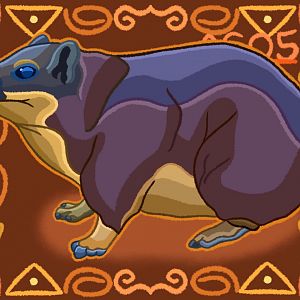
Rock Hyrax
A medium sized terrestrial mammal that resembles a guinea pig or a rabbit, the rock hyrax is actually in fact related to elephants, to which they have two tiny incisor teeth that resemble mini tusks. (Art made back in early November)- Matt G
- Media item
- african wildlife african wildlife art animal art animal artist art hyrax wildlife art wildlife artist
- Comments: 0
- Category: Animal Art & Creative Photography
-
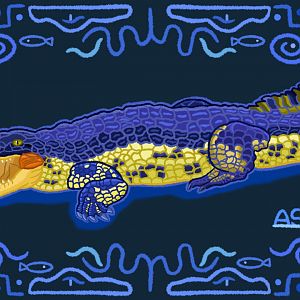
Nile Crocodile
One of Africa’s most iconic and dangerous crocodilians, best known for their powerful bite, sharp conical teeth that sink into the flesh of their prey, and especially their method of ambush to which they attack by surprise. (Art made back in October)- Matt G
- Media item
- african wildlife african wildlife art animal art animal artist art crocodile digital art nile crocodile wildlife art wildlife artist
- Comments: 1
- Category: Animal Art & Creative Photography
-
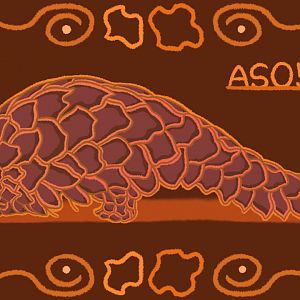
Ground Pangolin
One of Africa’s four pangolins, these scaly anteaters are well known for being the only mammals whose scales cover up from head to tail, and dig burrows and feast on ants and termites in the African savannas and woodlands. (Art made in late October)- Matt G
- Media item
- african wildlife african wildlife art animal art art digital art digital artist pangolin pangolins wildlife art wildlife artist
- Comments: 0
- Category: Animal Art & Creative Photography
-
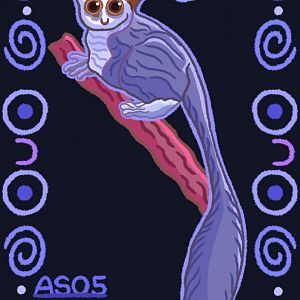
Mohol Bushbaby
A nocturnal primate also known as the galago, these small prosimians are most active at night, popping out of the trees that they sleep during the day and are known for making calls resembling that of a human baby’s cry. (Art made back in October)- Matt G
- Media item
- animal art animal artist art bushbaby digital art nocturnal animal wildlife art wildlife artist
- Comments: 0
- Category: Animal Art & Creative Photography
-
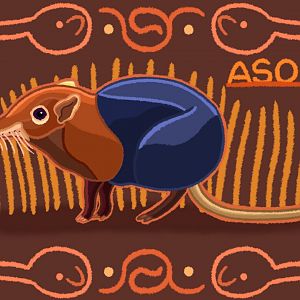
Black and Rufous Sengi
One of the 17 species of sengi, also known as elephant shrews, these small mammals with long proboscises live in the dense woodlands of central and eastern Africa, and are closely related to elephants more than shrews. (Art made back in October)- Matt G
- Media item
- african wildlife african wildlife art animal art art elephant shrew sengi wildlife art wildlife artist
- Comments: 1
- Category: Animal Art & Creative Photography
-
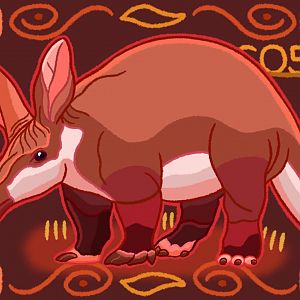
Aardvark
A medium sized burrowing mammal whose name means “earth pig, with a long snout for smell and sharp claws to help dig up termite mounds for food. Once thought to be related to pangolins and armadillos, the aardvark is now known to be related to elephants. (Art drawn back in October)- Matt G
- Media item
- aardvark african wildlife african wildlife art animal art animal artist art wildlife art wildlife artist
- Comments: 0
- Category: Animal Art & Creative Photography
-
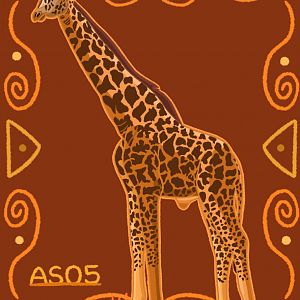
Masai Giraffe
One of the tallest and most recognizable of all giraffes, found across the Masai Mara in Kenya and identified by their irregular star-shaped patterns covered in their body. (Art made back in October)- Matt G
- Media item
- african wildlife african wildlife art animal art art giraffe wildlife art wildlife artist
- Comments: 1
- Category: Animal Art & Creative Photography
-
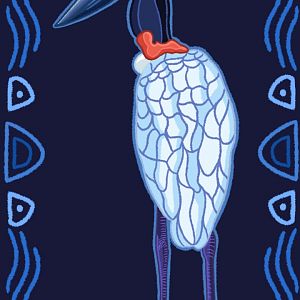
Jabiru Stork
The largest flying stork in the Americas, especially found in Brazil’s Pantanal, these birds build large nests from large branches, and their name means “swollen neck” in the Tupi-Guarani language. (Art made back in mid October)- Matt G
- Media item
- animal art art jabiru south american animals south american wildlife stork wildlife art wildlife artist
- Comments: 0
- Category: Animal Art & Creative Photography
-
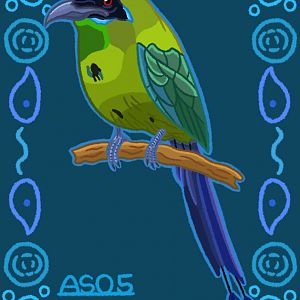
Amazonian Motmot
A medium-sized motmot bird found in the humid rainforests of the Amazon and the forest edges of the Andes, best known for their blue crown colors, green with orange underparts, and black mask. (Art made back in mid October)- Matt G
- Media item
- animal art art bird bird art motmot south american animals south american wildlife wildlife art wildlife artist
- Comments: 0
- Category: Animal Art & Creative Photography
-
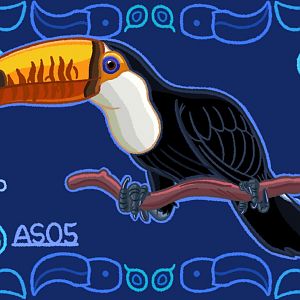
Toco Toucan
The largest and most recognizable of all toucans, as they’re one of the best known Neotropical birds and most represented toucan, known for it’s massive yellow-orange beak with a black base and it’s black body and white throat, and makes frog-like vocalizations. (Art made back in early October)- Matt G
- Media item
- animal art animal artist art digital art toco toucan toucan wildlife art wildlife artist
- Comments: 0
- Category: Animal Art & Creative Photography
-
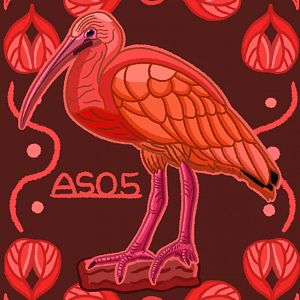
Scarlet Ibis
One of the most colorful of all ibises thanks to their remarkable scarlet red colors, and are the national birds of Trinidad and Tobago, and can be found from tropical South America to the Caribbean. (Art made back in early October)- Matt G
- Media item
- animal art animal artist art bird bird art ibis scarlet ibis south american wildlife wildlife art wildlife artist
- Comments: 0
- Category: Animal Art & Creative Photography