72 Dangerous Animals: North America

ShrikeFan

Member
(Based on the Netflix Original Series.)

CONTESTANTS:

  1. Alligator Snapping Turtle
  2. American Alligator
  3. American Bison
  4. American Dog Tick
  5. Ant Lion Larva
  6. Arizona Bark Scorpion
  7. Bald Eagle
  8. Barn Owl
  9. Black Widow
  10. Bolas Spider
  11. Brown Rat
  12. Brown Recluse
  13. Brown Tree Snake
  14. Bull Shark
  15. Burmese Python
  16. California Condor
  17. California Sea Hare
  18. Camel Spider
  19. Canada Goose
  20. Chinese Mitten Crab
  21. Common Snapping Turtle
  22. Copperhead
  23. Coral Snake
  24. Cottonmouth
  25. Cougar
  26. Cyanide Millipede
  27. Deer Mouse
  28. Domestic Cat
  29. Domestic Dog
  30. Eastern Diamondback
  31. European Honeybee
  32. Femme Fatale Lightning Bug
  33. Fire Ant
  34. Flower Crab Spider
  35. Giant Silkworm Moth Caterpillar
  36. Gila Monster
  37. Golden Eagle
  38. Gray Wolf
  39. Great Gray Shrike
  40. Green-Backed Heron
  41. Grizzly Bear
  42. Maricopa Harvester Ant
  43. Mexican Beaded Lizard
  44. Moose
  45. Mosquito
  46. Mule Deer
  47. Nine-Banded Armadillo
  48. Northern Short-Tailed Shrew
  49. Orca
  50. Oriental Rat Flea
  51. Osprey
  52. Peregrine Falcon
  53. Pirate Perch
  54. Polar Bear
  55. Red Fox
  56. Red Lionfish
  57. Robber Fly
  58. Rosy Wolfsnail
  59. Rough-Skinned Newt
  60. Sidewinder
  61. Snakehead
  62. Stoat
  63. Sweat Bee
  64. Tarantula Hawk
  65. Texas Brown Tarantula
  66. Texas Horned Lizard
  67. Timber Rattlesnake
  68. Trapdoor Spider
  69. Web Burrfish
  70. Western Diamondback Rattlesnake
  71. Wolverine
  72. Yellow Jacket
 
EPISODE 1 - STEALTH ARTISTS

Timber Rattlesnake
2880px-CHorridus.jpg

One of the many venomous rattlesnakes from North America, the Timber Rattlesnake is a worthy contestant for this countdown. It is the only rattlesnake species in the Northeast, meaning it has all the victims to kill. In fact, Timber Rattlesnake bites are one of the most common snakebites that are fatal in North America.

Flower Crab Spider
Misumena_nigromaculata.jpg

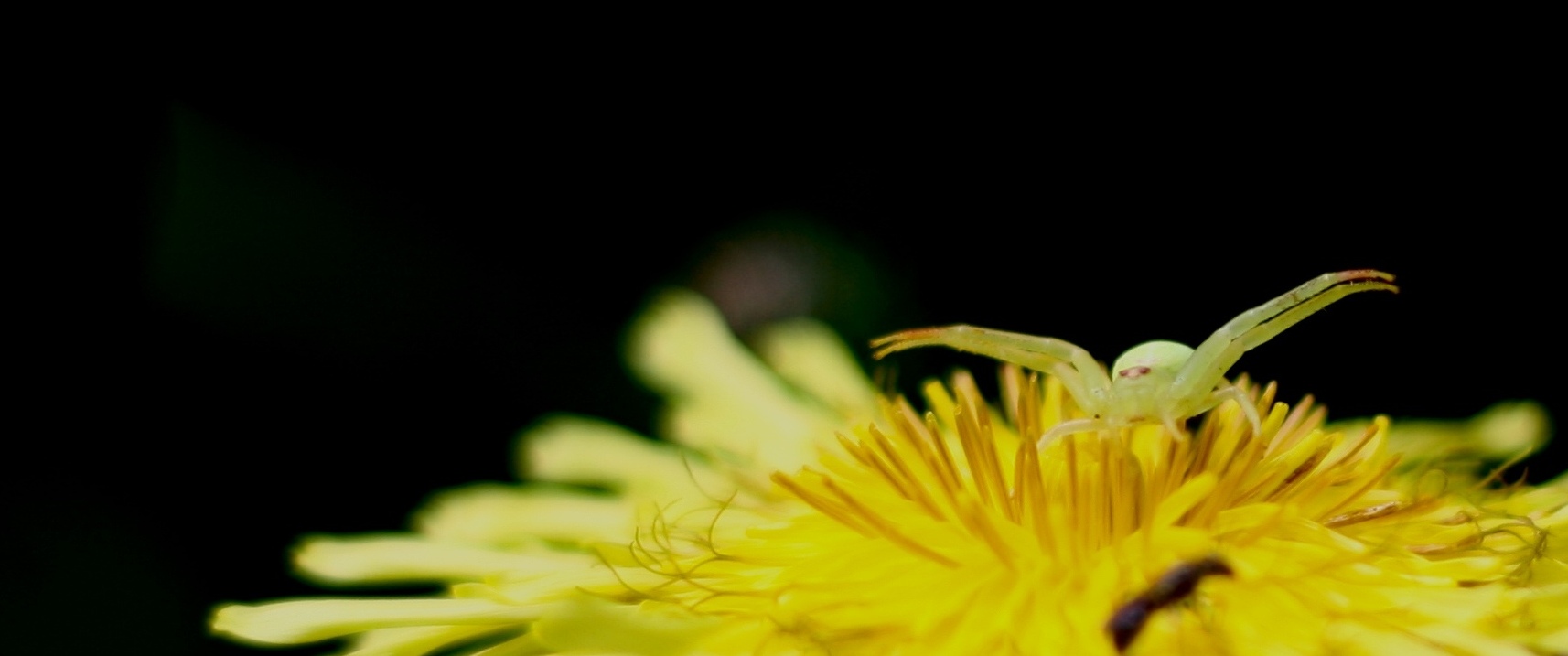
One of the hardest animals to spot in the world is the Flower Crab Spider. Colors vary from yellow to white to even pink. With this camouflage, it doesn't even NEED a web. Most pollinating insects, such as bees and butterflies, fly right into this arachnids maw without even knowing until it is too late...

Alligator Snapping Turtle
Alligator_snapping_turtle.jpg

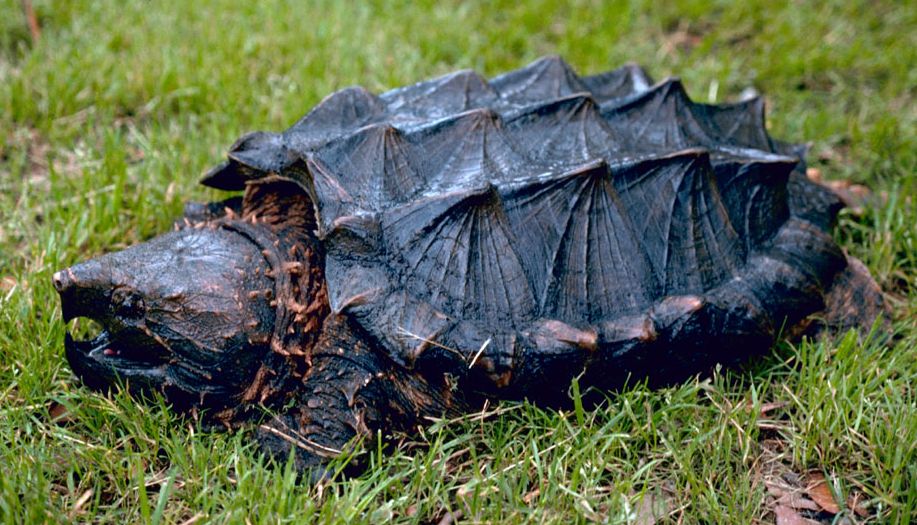
This is one thing you should NEVER get too close to. This behemoth of a turtle prowls around lakes searching for its next victim. One bite from the jaws of this beast can have you lose a finger, potentially even snapping a broom, so imagine what it does to its favorite food; fish? It can hold its breath for at least 30 minutes, and can blend itself into the under grove of the wetlands. This is one turtle you do NOT want to like.

Copperhead
Agkistrodon_contortrix_contortrix_CDC-a.png

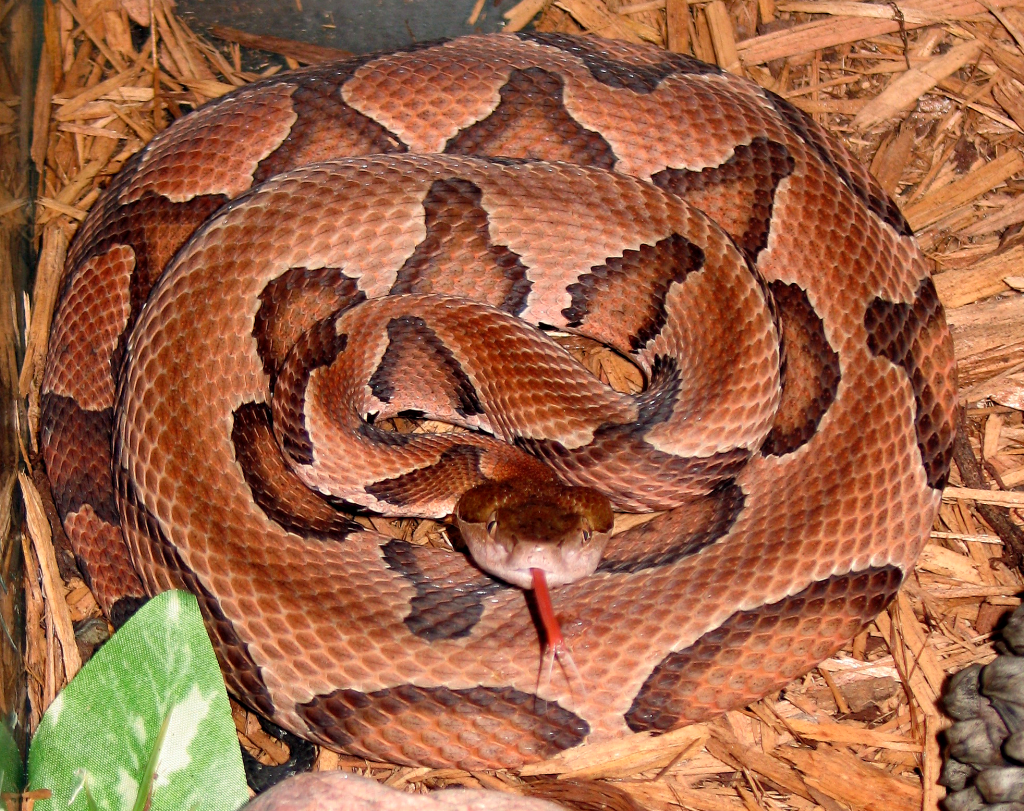
Perhaps one of the most famous North American reptiles, the Copperhead is a master of stealth. It hides in dead leaves and preys upon rodents, lizards, and birds. However, it also is a huge threat to us humans. Their skin is the color of the leaves it hides in, so its very easy to step on one. When threatened, it squiggles its tail around in the leaves, making a brushing sound, in a similar fashion as the equally venomous rattlesnake. However, one you get to close, it's too late...

Cottonmouth
Agkistrodon_piscivorus_piscivorus_CDC.png

Also known as the Water Moccasin, the Cottonmouth is one of the largest snakes in North America. It swims in the swamps of the southern US and can deliver a potentially fatal bite. It seems to just not be a good idea to go into swamps in general. The snapping turtle bites your hand off, and the Water Moccasin finishes the job.

California Sea Hare
Aplysia_californica.jpg

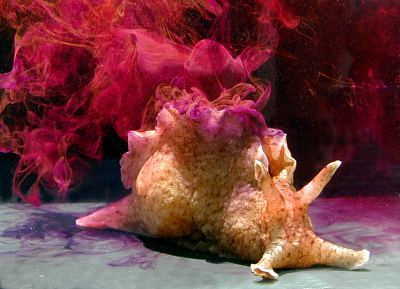
One of the freakiest creatures on the planet is the California Sea Hare, one of the biggest sea slugs in the world! It lives in reefs off the coast of California and, when threatened, releases a fowl fluid into the water, in a very similar fashion to an octopus.

TOP 10:
1 - Copperhead
2 - Cottonmouth
3 - Timber Rattlesnake
4 - Alligator Snapping Turtle
5 - California Sea Hare
6 - Flower Crab Spider
7 - ???
8 - ???
9 - ???
10 - ???

Next episode releasing soon...
 
they're from wikipedia. isn't there a link on wikipedia on who took them?

Yes, but we don't know that as the link doesn't transfer. At the very least credit should be directly given, however copied directly from Zoochat's photo rules;

"4. You should not upload or post any content you do not have permission to upload or publish on the internet. This includes copyrighted material, photos of other people in private locations, photos you did not take yourself, photos of locations not generally accessible to the public (such as behind the scenes at a zoo)."

The general rule around here is either use your own photos or use photos in Zoochat's galleries, with credit given to anyone you use a photo from.

Link to the thread I quoted from, with the full layout of photos and using them here:
Deleting photos and posts
 
EPISODE 2 - SAFETY IN NUMBERS

American Bison
One of the largest land mammals in North America, this tank can take out 10 men at a time - with ease. Their huge, bulky stature can take out anything in their path. Unfortunately, the Bison is not too common, being hunted. However, conservation efforts are helping.

Fire Ant
Big. Bad. Hot. The Fire Ant has one of the most painful stings of any ant species. Upset just one of them and you'll have an entire colony hot on your trail. Literally. Professional Justin Schmidt, creator of the Schmidt Pain Index, describes the sting as "Sharp, sudden, mildly alarming. Like walking across a shag carpet and reaching for the light switch."

Canada Goose
Yes, I know what you're thinking: "A goose? Wow, so scary." Well you wouldn't say that about a bad hombre goose. When angry, these goose can pack a mean bite with their small - but many - teeth.

Gray Wolf
A vicious predator, and the ancestor of man's best friend, the wolf is a ferocious hunter, hunting in packs with up to 36 wolves. Imagine being chased by an entire pack, then getting clawed and bitten, all the while your losing blood. Truly terrifying.

European Honeybee
One of the most helpful creatures on the planet, the humble honeybee can pack a walloping sting. While it hurts, it costs the bee a huge price: its own life. While not particularly dangerous on its own, if you have an entire hive of bees on your trail, you better start running. Fast.

Maricopa Harvester Ant
While they work hard, the Maricopa Harvester Ant also stings hard. It is believed to have the most venomous insect in the world. When threatened, it releases a chemical into the air, similar to how a honeybee does it, and alerts its colony of the danger. They all sting at once, so you might just wanna get out of there before it's too late!

TODAYS RANKING:
1 - Gray Wolf
2 - European Honeybee
3 - Maricopa Harvester Ant
4 - American Bison
5 - Fire Ant
6 - Canada Goose

TOP 10:
1 - Copperhead
2 - Gray Wolf
3 - European Honeybee
4 - Cottonmouth
5 - Timber Rattlesnake
6 - Maricopa Harvester Ant
7 - Alligator Snapping Turtle
8 - American Bison
9 - Fire Ant
10 - California Sea Hare
 
EPISODE 3 - ODD TACTICS

Trapdoor Spider
Spiders; Some are dangerous. Some are ruthless. Some are clever. And some are cowardly. The Trapdoor Spider is too scared to go hunting for food like a Huntsman Spider, so it lays low in a small burrow, waiting for an unsuspecting victim to pass by. Once one does, the Spider grabs it and pulls it away into the darkness.

Ant Lion Larva
Perhaps the most vicious larvae of them all, Ant Lion Larvae hide in small burrows in the sand, similar to the previous Trapdoor Spider, as it waits for a victim - particularly ants - to fall into their burrows. Then, like something from a horror movie, the Larvae drags the victim down into the sand, never to be seen again.

Great Gray Shrike
Small, but dangerous. The Great Gray Shrike fits that description near PERFECTLY. About the size of a House Sparrow, this small songbird has a dark side. It captures prey, ranging from small bees to large rodents, and impales them on a thorn. Once their, the Shrike can feast on them at anytime. We are SO lucky that they aren't the size of normal killer birds.

American Dog Tick
Also small, but dangerous, Ticks vary in size, but don't vary in gross factor. As most of us know, ticks swell up once engulfing tons of blood, so imagine seeing an American Dog Tick on your arm, and them knowing that they carry dangerous parasites? No thanks. Luckily, they normally prey on dogs and cats, but you should still be wary.

Oriental Rat Flea
Very similar to the Dog Tick is the Oriental Rat Flea. Essentially a Tick, but much smaller, and it doesn't prey on dogs and cats, but rats (hey that rhymed). Also similar to Dog Ticks, they carry diseases, so you better watch out!

Pirate Perch
A small fish, the Pirate Perch is very deceiving. Hence the name, they are pirates towards other fish, stealing their food, eating their eggs, doing everything that is inconvenient. Luckily, they are not aggressive towards humans, so you don't have to worry.

TODAYS RANKING:
1 - American Dog Tick
2 - Oriental Rat Flea
3 - Trapdoor Spider
4 - Ant Lion Larvae
5 - Great Gray Shrike
6 - Pirate Perch

TOP 10:
1 - Copperhead
2 - Gray Wolf
3 - European Honeybee
4 - Cottonmouth
5 - Timber Rattlesnake
6 - American Dog Tick
7 - Oriental Rat Flea
8 - Maricopa Harvester Ant
9 - Alligator Snapping Turtle
10 - American Bison
 
Back
Top