A Guidebook Library: TLD's year-long randomised walkthrough of zoo guides

Interesting - I had actually thought the entrance fee had been dropped in the mid-1990s, so I am somewhat surprised to hear it was retained a decade longer than I realised!....

When the additional entrance fee applied, Exotarium was opened much longer than zoo, till 9 pm if I good remember. I wonder how it was watched that after leaving Exotarium, visitors do not hang around the zoo.
First time I visited Frankfurt Zoo in 1994 and for sure there was not extra fee for Exotarium.
 
When I visited Frankfurt Zoo in 1985, I bought a ticket for the Zoo and Exotarium. I walked round the Zoo during the day and I returned in the evening to visit the Exotarium.
 
Went back and read the last couple posts, and the accounts of Berlin and the Frankfurt Zoo’s Exotarium have been particularly wonderful. The map of Berlin’s aquarium is super neat and I would be curious to know how much of it still exists as it was.

I’ve began collecting some guidebooks myself, having acquired eight from Brookfield that range from 1938 to 1971. If you have any of these as part of your own collection, I would absolutely love to see it covered on this thread.
 
I’ve began collecting some guidebooks myself, having acquired eight from Brookfield that range from 1938 to 1971. If you have any of these as part of your own collection, I would absolutely love to see it covered on this thread.

Sounds good - got the guidebooks for the next few posts scanned in, but as I do indeed have several from Brookfield, the next random selection after that will be limited to the ones from that collection. Happy to do requests for particular collections, time periods and so forth for anyone else reading this thread too, as I've noted in the past! :)

Perhaps that might boost interest levels in the thread a little, as judging from the rate at which the view count has been increasing lately, there have been rather fewer people reading the thread of late... one reason I've let the most recent post "breathe" a while before moving onto the next one, in the hope it would give people more time to read and comment without feeling the thread had already moved on - along with the fact I ended up spending the whole of yesterday watching Disney films with my mother!
 
... one reason I've let the most recent post "breathe" a while before moving onto the next one, in the hope it would give people more time to read and comment without feeling the thread had already moved on
Good move. I definitely felt as a bit overwhelmed with the rate the posts were arriving.
 
Day 44: Zoo Praha (2019) - Šípové Žáby / Poison Dart Frogs

full


Page count: 72
Photographs: 54 colour photographs
Illustrations/diagrams: N/A
Layout: General discussion of Poison Frogs, their wild habitat and ecology, and their captive husbandry, followed by photographic guide to the species and morphs within the special exhibit
Map: N/A


An interesting oddity this time - we have looked at many guidebooks pertaining to a given zoo, and quite a few pertaining to a particular exhibit complex within a given zoo; this is, however, the first time we have looked at a guidebook pertaining to a single temporary exhibition within a zoological collection. This item is also one of the most recent to be purchased by myself at the time of publication during a visit to the zoological collection in question, having been obtained in September 2019 when I visited Zoo Praha as part of a larger trip to Czechia and Poland for my 32nd birthday. As chance would have it, at the time of said visit a rather intriguing temporary exhibition had recently gone on-display within the Gočárovy Domy; these comprise a pair of wooden houses which had originally been built by the Czech architect Josef Gočár during the 1920s, and which - subsequent to suffering severe flood damage in 2002 in their previous location at the foot of the zoo - had been reconstructed at the summit of the collection in 2011 and have since been used regularly for temporary exhibitions at the zoo. The exhibit in question was a display of Poison Frogs representing a selection of around 30 different species and colour morphs from the collections of local private breeders, and was accompanied by a guidebook - the item which we find ourselves covering today.

full


Due to the shape and format of the guidebook. obtaining scans without omitting segments of pages has proven somewhat difficult; therefore I have attempted to scan those pages where the partially-complete facing pages still "work" on an aesthetic and informational level to some extent. Although the above contents page is located at the very end of the guidebook, for the purpose of avoiding unnecessary repetition on my part and overall ease of reference I feel it is best to present it at the beginning of this account, in order to best demonstrate the contents of the guidebook as a whole. As can be seen, the guidebook is presented in both Czech and English, which naturally means that my ability to interpret the guidebook and describe the contents is unimpeded by any language barrier, and roughly comprises three distinct segments beyond the introduction; a variety of passages discussing the morphology and ecology of poison frogs; discussion of their captive husbandry; and a photographic overview of the various taxa present within the exhibition itself.

full


Each double-page spread within the first two sections of the guidebook follows the same general format; one page includes several paragraphs of text on a given subject, in both Czech and English, with a full-page colour photograph opposite, generally either comprising a high quality close-up of a given species of Poison Frog, or an image related in some fashion to the subject at hand. The first of these sections - comprising a range of topics relating to Poison Frogs in the wild. including the origin of their toxins, their life cycle, their appearance and conservation concerns - is well-written, succinct whilst still conveying a decent amount of information, and due to the large high-definition photographs illustrating the discussion is also extremely attractive to look at on an aesthetic level.

full


Similarly, the following section comprises a range of subjects relating to the captive husbandry of Poison Frogs - a subject which is far less commonplace in zoo literature, and in popular scientific media in general, and therefore something which I suspect will contain a large quantity of novel information even for many zoo enthusiasts let alone the wider population. This focus on captive husbandry is not all that surprising when one considers that the exhibition which this guidebook was intended to accompany was focused on displaying a variety of captive-bred frogs from the private captive sector - in point of fact, this guidebook was written by Jan Thuma and Martin Dvořák, the two Czech private breeders who organised the exhibition, and whose collections form the source for the animals displayed. For instance, detailed information is given on aspects such as the vegetation, humidity and temperature conditions required, and the best practice for rearing any tadpoles which may result.

full


Beyond here, a double-page colour photograph showing a wild Talamanca Rocket Frog - a species within the Cryptic Poison Frog family which is relatively drab in colouration when compared to many species within the main Poison Frog family - occupies the central pages of the guidebook, and is accompanied by text highlighting the fact that not all species within the wider Dendrobatoidea display aposematism through bright colouration.

After this section, the remainder of the main body of the text comprises a species-by-species photographic guide to the various taxa and morphs displayed within the exhibition; each page includes a high-definition image of the species/morph in question, accompanied by information on their habitat, range, size and taxonomic name in both Czech and English; this is without a shadow of a doubt the most visually-attractive portion of the guidebook as a whole, depicting as it does several species and morphs which are seldom seen in public zoological collections and which demonstrate a wide range of colouration, pattern and body shape. Given the fact that the exhibition has now ended, as noted some of the animals which were present are somewhat unusual in public collections, and it is always possible that some of the region-specific morphs displayed may be recognised as distinct species at some point in the future, it strikes me as appropriate to list the taxa in question here:

  • Blessed Poison Frog (Ranitomeya benedicta)
  • Spotted Poison Frog (Ranitomeya vanzolini)
  • Sira Poison Frog (Ranitomeya sirensis)
  • Mimic Poison Frog "Huallaga" (Ranitomeya imitator)
  • Red-headed Poison Frog "Varadero" (Ranitomeya fantastica)
  • Green-and-Black Poison Frog "Negative" (Dendrobates auratus)
  • Green-and-Black Poison Frog "Campana" (Dendrobates auratus)
  • Green-and-Black Poison Frog "Bronze" (Dendrobates auratus)
  • Green-and-Black Poison Frog "Blue" (Dendrobates auratus)
  • Green-and-Black Poison Frog "Green" (Dendrobates auratus)
  • Green-and-Black Poison Frog "Microspot" (Dendrobates auratus)
  • Green-and-Black Poison Frog "Super-blue" (Dendrobates auratus)
  • Green-and-Black Poison Frog "Peña Blanca" (Dendrobates auratus)
  • Green-and-Black Poison Frog "Ancon Hill" (Dendrobates auratus)
  • Yellow-striped Poison Frog (Dendrobates truncatus)
  • Dyeing Poison Frog "Saul" (Dendrobates tinctorius)
  • Dyeing Poison Frog "Azureus" (Dendrobates tinctorius)
  • Dyeing Poison Frog "Graubeiner" (Dendrobates tinctorius)
  • Dyeing Poison Frog "True Blue Sipawilini" (Dendrobates tinctorius)
  • Dyeing Poison Frog "Surinam Kobalt" (Dendrobates tinctorius)
  • Yellow Headed Poison Frog (Dendrobates leucomelas)
  • Yellow Headed Poison Frog "Banded" (Dendrobates leucomelas)
  • Yellow Headed Poison Frog "Cerro Autana" (Dendrobates leucomelas)
  • Splashback Poison Frog "Blue" (Adelphobates galactorius)
  • Black-legged Poison Frog (Phyllobates bicolor)
  • Golden Poison Frog "Orange" (Phyllobates terribilis)
  • Anthony's Poison Frog "Rio Saladillo" (Epidobates anthonyi)
  • Anthony's Poison Frog "Santa Isabel" (Epidobates anthonyi)
  • Strawberry Poison Frog "Isla Colón" (Oophaga pumilo)
  • Strawberry Poison Frog "Bastimentos" (Oophaga pumilo)

full


This, then, is an unusual and highly-interesting item which was printed in a relatively short print-run (1000 copies, per the copyright information provided after the contents and index) and marks an exhibition which existed for only a few short months at Zoo Praha; as such, despite how recently this guidebook was published, it nonetheless represents an important historical record of a specific point in time at a zoological collection as well as an interesting and informative book in its own right. The exhibition for which it was published was successful enough that another, with a modified species collection and a slightly different educational focus overall, was held a year later; given how excellent *this* guidebook is, I feel it is a distinct pity that although the updated guidebook released to mark the second exhibition is still available on the Zoo Praha web-shop, they do not ship outside of Czechia.... otherwise I most certainly would have already purchased a copy to add to my collection!
 
Last edited:
Hoping to get another proper post up in the next day, as I reckon I've left the previous post long enough to allow for any questions or feedback - in the meantime, the next in my occasional series of filler posts depicting the range of guidebooks issued by Zoo Berlin :) this one depicts the various guidebooks released during the years leading up to WWII, and during the war itself, starting with the first guidebook released after the Nazi rise to power. This represents a fairly good dividing point for more than one reason, as these guidebooks represent a general change in format and style from those which had come beforehand.

full


The precise dating for the pair of editions sharing a chimpanzee cover is somewhat unclear - they are both generally understood to have been released in 1936, but it is possible that the earlier one was published towards the end of 1935, as it refers to the gorilla Bobby in the present tense in the main body of the text, only mentioning his death in the introduction. Other than internal differences such as this, these two editions can be differentiated by slightly-different title colouration on the front cover.
 
Day 45: Brixham Marine Aquarium (1967) - Dogfish

full


Page count: 18 pages (including inner front and back cover)
Photographs: N/A
Illustrations/diagrams: 3 full-page diagrams
Layout: General introduction to collection, followed by discussion of marine life, the local fishing industry, and various invertebrate and fish species which are commonly found at the aquarium
Map: N/A


An interesting little oddity this time; over the decades, there have been many tiny aquariums dotted around the UK coastline, located in fishing towns and more-or-less comprising an ever-changing selection of marine animals brought in by local fishing boats, displayed in a handful of small rooms. These are most certainly something of a dying breed - I have never managed to visit a collection of this sort myself, with a planned visit to the aquarium at Lyme Regis last October having been cancelled at the last minute when I took ill fossil-hunting on the beach that morning, and few others remaining to the best of my knowledge. This particular guidebook represents a publication from one of the longest-lived of these collections, the Brixham Marine Aquarium in Devon, which was open for just over 50 years before ultimately closing in 2007.

full


full


This guidebook can be divided into roughly three segments; the first of these, as can be seen above, comprises a general introduction to the collection and marine life in general. Beyond here, a number of pages discuss the fishing industry across the UK and the relevance it has to the Brixham area in particular. This section concludes with three full-page diagrams - the only illustrations within the guidebook overall - depicting the general anatomy of a fish, and the difference between beam trawling and otter trawling. These sections are quite interesting, if somewhat specialist and only tangentially related to the zoological collection in question; however, they are important for understanding the socio-economic situation within which the aquarium at Brixham was located, and therefore represent a useful historical resource in that regard.

full


The third, and longest, segment of the guidebook comprises a species-by-species description of the various anemones, crustaceans, echinoderms, molluscs and fish which were most commonly displayed at the collection; as noted above, the precise species displayed at Brixham Marine Aquarium was subject to frequent change depending on which taxa were available from the local fishing ships, how long any given arrivals survived in captivity and other such factors. As such, this list can by no means be taken as an accurate inventory of the aquarium at the time of publication - or, most likely, any other time during the half-century it existed. It is, however, remarkably detailed and informative in terms of the content presented,; a rather large amount of high-quality information about the life cycle, biology and habits of the various species under discussion is conveyed here, considering the brevity of the guidebook as a whole and the relative obscurity of the collection to which it pertains.

full


Overall, this guidebook is surprisingly good considering the fact that (for all intents and purposes) it will have been a cheap and mass-produced item aimed at the passing trade which doubtless constituted the vast majority, if not all, of the visitors to the collection in question and therefore had no particular need to be as in-depth or high-quality as it is. Moreover, it represents an interesting and valuable historical record of a zoological collection which - a mere 15 years after it closed - now seems all-but-forgotten; very little information is available online about Brixham Marine Aquarium whatsoever, and even the fact that it has long-since closed down seems to have slipped past notice, with the few references to the collection which do exist online seeming to indicate it still exists. It is even still labelled on Google Maps!

As such, although short of reproducing the guidebook verbatim there is little more that can be said here, I think this is a bit of a hidden gem!
 
January 1st 1975 - total of 1362 species held, c.10,390 individual animals held

Truly an insane number of species for one building. Any idea how that compares to the current collection?

The final image shows the largest - and most ornate - of the houses and stables located within the deer complex at the zoo; I am fairly certain that this particular structure did not survive the war, even as a destroyed shell, as it appears to have completely disappeared from those collection maps released in the years immediately following WWII, although several of the houses within this area not only survived relatively intact but were still present at Zoo Berlin and still in use as deer housing into the last decade.

Shame this one wasn't reproduced post-war; it's a very beautiful building from an architectural standpoint, I think. Makes me wonder what the rationale was behind choosing to recreate some structures while not recreating others (although I can see a deciding factor being whether any part of the building had survived or not).

it is always possible that some of the region-specific morphs displayed may be recognised as distinct species at some point in the future

Is that a strong possibility? I thought the fact they were simply considered color morphs suggested that there really wasn't enough genetic divergence between populations to consider them separate species... otherwise I'd assume they would have already done so! I'm not well-versed in the weeds of that, though.

Day 45: Brixham Marine Aquarium (1967) - Dogfish
there have been many tiny aquariums dotted around the UK coastline, located in fishing towns and more-or-less comprising an ever-changing selection of marine animals brought in by local fishing boats, displayed in a handful of small rooms. These are most certainly something of a dying breed
few others remaining to the best of my knowledge.

This is an interesting one! I like the dogfish on the cover, it's not a species that would normally grace the front of a book. These sound like a very unique and quaint style of aquarium; do you have any guesses as to how many similar aquariums still exist in the UK today?
 
Day 46: Highland Wildlife Park (c.1990) - European Wisent; An Explorer's Guide

full


full


Page count: 34 pages (including inner front and rear covers)
Photographs: c.50
Illustrations/diagrams: c,30
Layout: General introduction, followed by discussion of species held in the drive-through reserve and a range of geological, topographical and botanical features found within, a general overview of the species found in the various sections of the walk-around reserve, and supplementary sections relating to the RZSS and the importance of zoos,
Map: Three maps; double-page map of entire collection, single-page map of walk-around reserve, map, road-map of collection on rear cover.


A pretty significant guidebook today; to wit, the very first guidebook in my collection, purchased by my parents at the time of publication, during my very first visit to a zoo! As such, this particular item holds a lot of sentimental value to me; however, as I intend to demonstrate, it is also an extremely good guidebook in its own right, with a great deal of interesting and informative content. The Highland Wildlife Park which I visited as a small child was a very different collection to the one which exists now, as I have mentioned in a prior post; the species collection was restricted to current and historical native species of Scotland, and many of the exhibits and enclosures were unrecognisable from their current form, where they existed at all; however, it was still a rather good collection - with a few major shortcomings, such as a Brown Bear exhibit which was verging on unacceptable even by the standards of the time - and one which I fondly remembered for over two decades before my return.

The guidebook opens with a general introduction to the collection, as is the case for many of the zoo guides I have covered in this thread thus far; however, it should be noted that this introduction displays one key feature which marks it as rather unusual where English-language zoo guidebooks are concerned, to the point that offhand I cannot recall any other guidebook published by a UK zoological collection having done something of this sort - to wit, the introduction is presented not only in English, but also in French, German and Italian. Several of the guidebooks within my collection published in Germany, Czechia or elsewhere on the continent provide multi-lingual content, whether this is throughout the main body of the text or limited to the introduction, but barring the Welsh-language content in certain guidebooks published there, the same cannot be said for any other UK items in my collection. Beyond here, a section containing a variety of general remarks about the upkeep and management of HWP - discussing matters such as the management structure, the feed schedule and the various key members of zoo staff - is presented prior to the main body of the text.

full


It is worth noting here that due to the large A4 format of the guidebook, this is another occasion where I have found it difficult to satisfactorily scan images, and have therefore also taken digital photographs of those double-page spreads which needed to be presented in their entirety. The first major section of the guidebook comprises several pages discussing the main drive-through reserve at HWP, starting with a double-page spread showing the various species present within the reserve at the time of publication - Soay Sheep, Roe Beer, Red Deer, Highland Cattle, Przewalski Horse and European Wisent - in scale both to one another and a diagram of a human, followed by the above very attractive illustration of the drive-through reserve, and by extension the collection as a whole.

One of the particularly interesting aspects of this map, and something which is replicated throughout this section of the guidebook as I shall relate anon, is the fact that rather than focusing solely on the animals displayed within, it also makes note of various land features within the reserve; some of the most important features are discussed in greater detail elsewhere within this section within three double-page photographs of the reserve, labelled with photographic annotations, with the overall titles of "Glaciation", "Land Use" and "Focus on Trees" as noted on this map. This represents one of the most interesting and unique aspects of this guidebook as a whole; the fact that the main body of the text in this section does not merely restrict itself to discussion of the species held within the collection at the time of publication, and their role in the primeval ecosystems of the Scottish Highlands, but also makes detailed note of the wider geological and botanical context in which these ecosystems existed, along with the effect which humans have had on the landscape.

full


For instance, the above double-page spread discussing the lasting impact which the retreating glaciers left on the Scottish Highlands at the close of the most recent ice age 12,000 years before the present day uses a black-and-white photograph of the main reserve in order to directly point out the various glacial features which can still be seen within Highland Wildlife Park and its environs, such as the bare and denuded rock of the surrounding Cairngorms, and the drumlins and morraines which are scattered throughout the drive-through reserve; having grown up visiting the Scottish Highlands and the Lake District, I have long been interested in the geological and geographical impact of the most recent glacial period on Great Britain, quite apart from my interest in the wildlife which inhabited much of northwestern Europe in the millennia that followed the retreat of the glaciers. As such, these double-page images provide a very interesting and valuable insight into the geographic context of the zoological collection under discussion, of the sort that one rarely finds within a zoo guidebook.

full


Along with these discussions, there is of course substantial material dealing with the various species located within the drive-through reserve, often reaching very high levels of detail; for instance, the double-page spread relating to the Red Deer at Highland Wildlife Park - which, incidentally, have long-since comprised a captive herd occasionally supplemented by wild individuals from the surrounding countryside jumping over fences and barriers in order to join their kin - features a large amount of information on the ecological niche of the species, their behaviour and their annual life cycle, the last of these points illustrated by an excellent annotated diagram showing key points in the year both biologically and behaviourally. Similarly, several of the species displayed within the drive-through reserve are discussed in relation to their status as Ice Age or Neolithic inhabitants of Scotland - or, in the case of the Highland Cattle and Przewalski Horse, their role as a "stand-in" for the extinct aurochs and tarpan respectively. As is the case for the entirety of this guidebook, this section is lushly-illustrated by both photographs and diagrams, helping to enhance the overall impact of the text rather well.

full


The discussion of the species displayed within the drive-through reserve is followed by several sections relating to the central walk-around portion of Highland Wildlife Park; it is this portion of the collection which has perhaps changed the most in terms of the captive husbandry and exhibit standards visible within since the time of publication, incidentally. As the above map shows, this area covers a smaller area than the modern-day walk-around reserve, with several areas which now contain large exhibits remaining untouched, and others containing several exhibits where now only one or two are present. As before, this map is very attractive and conveys a very good impression of the general "feel" and atmosphere of this portion of the collection.

As was the case for the species accounts previously discussed within this guidebook, those sections relating to the various species displayed within the walk-around reserve are rather excellent both in terms of the detailed information presented, how well-illustrated they are, and the way in which the guidebook consistently ties the overall discussion into the larger context of the various natural biomes found within the Scottish Highlands, and Scotland in general. Once again, this latter point includes discussion at several points about those species which have been lost from the British Isles over the millennia, such as Brown Bear, Eurasian Lynx and European Wolf, and the key ecological role which they have left vacant in the modern-day Scottish Highlands. One section which I found particularly interesting, not only for the content presented within but also due to how seldom such information is presented within a zoo guidebook - or indeed educational signposting within a zoo - was a collection of annotated diagrams discussing the behaviour and body language of wolves; for instance how they display submission, aggression, greet one another and so forth.

The various species accounts within this latter half of the guidebook are generally speaking, divided into particular biomes except where a greater level of detail is desired - for instance, in the aforementioned discussion of the European Wolf - or where a wider educational point (such as comparing the ecological roles of reindeer and red deer as prey species, the Eurasian Lynx as a predator species, and the Brown Bear as a generalist) is possible. As such, there are distinct sections for the discussion of those species which occur in wetland habitats, the tundra, moorlands, native broadleaf woodland, and the ancient Caledonian forests, with each of these sections going into detail about the behaviour, ecological niche, and historical status within Scotland of the species in question; the below image showing the aforementioned discussion of those species native to the Caledonian forests gives a fairly good impression of the general format and content found within these species discussions.

full


Interspersed throughout the discussion of the walk-around reserve at Highland Wildlife Park, there are also several sections discussing the Royal Zoological Society of Scotland and its work at both Edinburgh Zoo and HWP, and most interestingly a comprehensive discussion on the important role which zoological collections play in the modern world. This latter segment, despite being over 30 years old, has not aged all that much at all; put quite simply it represents precisely the sort of succinct but detailed argument in favour of zoos, wildlife parks and other such collections which should be made more often in the present day, both in zoo guidebooks, at the collections in question and in the wider media.

full


In conclusion - although the strong sentimental value this guidebook holds both as a souvenir of my first ever visit to a zoological collection and the first such item to enter my personal collection cannot be denied, I feel I have demonstrated rather comprehensively why it is also an extremely good zoo guidebook in its own right; the detail and breadth of the content presented is exceptional, especially for a guidebook published in more modern times. containing not only information on the zoological collection in question but also the context in which it is located, the guidebook is illustrated attractively throughout by a wide selection of photographs and diagrams, and the general format and design of the guidebook makes it feel very accessible and easy-to-read. As such, I think it is safe to say that this is one of the best guidebooks published by a UK collection within my lifetime.
 
Some good questions from @Coelacanth18 - precisely the sort I have been hoping for :) and covering several days worth of guidebooks too!

I hope others reading this thread take this as an indication not to hold back on asking questions, even once a given guidebook is no longer the "current" post :)

Truly an insane number of species for one building. Any idea how that compares to the current collection?

The 2020 Annual Report for Zoo Berlin gives the following details regarding the species held within the Zoo-Aquarium:

Total individuals: c.18,700
Total species: 706

As such, the total number of individual animals has increased rather a lot - due in large part to the fact that the inventory states a total of 7169 cnidarians were held in the collection as of the end of 2019, whilst the 1970s inventory lists only 294 individuals for cnidarians and sponges combined - whilst the total number of species has fallen significantly.

As a general illustration of the latter point, where the 1970s inventory indicates 102 species of amphibian and 306 species of reptile in the Zoo-Aquarium collection, the 2020 inventory indicates these totals have dropped to 44 and 62 respectively.

Shame this one wasn't reproduced post-war; it's a very beautiful building from an architectural standpoint, I think. Makes me wonder what the rationale was behind choosing to recreate some structures while not recreating others (although I can see a deciding factor being whether any part of the building had survived or not).

Well, one never knows what the future holds - after all, the aforementioned historical Elephant House is only *now* being reproduced in some form. However, even if this Deer House had indeed survived or been rebuilt, it would likely no longer exist - the vast majority of that area (including several smaller houses for deer which had stood since the 1800s) was recently demolished and used as the site for the new Giant Panda exhibit.

Is that a strong possibility? I thought the fact they were simply considered color morphs suggested that there really wasn't enough genetic divergence between populations to consider them separate species... otherwise I'd assume they would have already done so! I'm not well-versed in the weeds of that, though.

Well, many may well be "only" colour morphs and not all that genetically distinct; the issue is that amphibians - especially those in South America - are generally little-studied and whole swathes of diversity in form, habitat and range tend to be lumped into massive species complexes, with the exact genetic relationships having not been re-examined for decades. I sometimes suspect that part of this is political - it looks a lot "better" for a population restricted to a single patch of mountainside forest and threatened with extinction to be regarded as a local morph of a more commonplace taxon, rather than something unique requiring active protection - and part of it is due to the subject being too specialist or "fringe" for most conservationists to bother with.

Either way, in the event that future research *does" establish than any given geographically-isolate morph merits taxonomic recognition, I like to make a note of where and when I have seen them - although when it comes to my captive lifelist I generally lump them all into the currently-recognised "parent" taxon.

These sound like a very unique and quaint style of aquarium; do you have any guesses as to how many similar aquariums still exist in the UK today?

Off the top of my head, I only know of four which would fall under this category - Maryport Aquarium, Port Logan Fish Pond, Clacton Pier Seaquarium, and Lyme Regis Marine Aquarium.

However, by their very nature collections such as this are *precisely* the sort whose existence, or indeed loss, may go unnoticed by all but those local to the area; as such I would not be surprised in the slightest if there were a few others dotted here and there.
 
Day 46: Highland Wildlife Park (c.1990) - European Wisent; An Explorer's Guide

full


full


Page count: 34 pages (including inner front and rear covers)
Photographs: c.50
Illustrations/diagrams: c,30
Layout: General introduction, followed by discussion of species held in the drive-through reserve and a range of geological, topographical and botanical features found within, a general overview of the species found in the various sections of the walk-around reserve, and supplementary sections relating to the RZSS and the importance of zoos,
Map: Three maps; double-page map of entire collection, single-page map of walk-around reserve, map, road-map of collection on rear cover.


A pretty significant guidebook today; to wit, the very first guidebook in my collection, purchased by my parents at the time of publication, during my very first visit to a zoo! As such, this particular item holds a lot of sentimental value to me; however, as I intend to demonstrate, it is also an extremely good guidebook in its own right, with a great deal of interesting and informative content. The Highland Wildlife Park which I visited as a small child was a very different collection to the one which exists now, as I have mentioned in a prior post; the species collection was restricted to current and historical native species of Scotland, and many of the exhibits and enclosures were unrecognisable from their current form, where they existed at all; however, it was still a rather good collection - with a few major shortcomings, such as a Brown Bear exhibit which was verging on unacceptable even by the standards of the time - and one which I fondly remembered for over two decades before my return.

The guidebook opens with a general introduction to the collection, as is the case for many of the zoo guides I have covered in this thread thus far; however, it should be noted that this introduction displays one key feature which marks it as rather unusual where English-language zoo guidebooks are concerned, to the point that offhand I cannot recall any other guidebook published by a UK zoological collection having done something of this sort - to wit, the introduction is presented not only in English, but also in French, German and Italian. Several of the guidebooks within my collection published in Germany, Czechia or elsewhere on the continent provide multi-lingual content, whether this is throughout the main body of the text or limited to the introduction, but barring the Welsh-language content in certain guidebooks published there, the same cannot be said for any other UK items in my collection. Beyond here, a section containing a variety of general remarks about the upkeep and management of HWP - discussing matters such as the management structure, the feed schedule and the various key members of zoo staff - is presented prior to the main body of the text.

full


It is worth noting here that due to the large A4 format of the guidebook, this is another occasion where I have found it difficult to satisfactorily scan images, and have therefore also taken digital photographs of those double-page spreads which needed to be presented in their entirety. The first major section of the guidebook comprises several pages discussing the main drive-through reserve at HWP, starting with a double-page spread showing the various species present within the reserve at the time of publication - Soay Sheep, Roe Beer, Red Deer, Highland Cattle, Przewalski Horse and European Wisent - in scale both to one another and a diagram of a human, followed by the above very attractive illustration of the drive-through reserve, and by extension the collection as a whole.

One of the particularly interesting aspects of this map, and something which is replicated throughout this section of the guidebook as I shall relate anon, is the fact that rather than focusing solely on the animals displayed within, it also makes note of various land features within the reserve; some of the most important features are discussed in greater detail elsewhere within this section within three double-page photographs of the reserve, labelled with photographic annotations, with the overall titles of "Glaciation", "Land Use" and "Focus on Trees" as noted on this map. This represents one of the most interesting and unique aspects of this guidebook as a whole; the fact that the main body of the text in this section does not merely restrict itself to discussion of the species held within the collection at the time of publication, and their role in the primeval ecosystems of the Scottish Highlands, but also makes detailed note of the wider geological and botanical context in which these ecosystems existed, along with the effect which humans have had on the landscape.

full


For instance, the above double-page spread discussing the lasting impact which the retreating glaciers left on the Scottish Highlands at the close of the most recent ice age 12,000 years before the present day uses a black-and-white photograph of the main reserve in order to directly point out the various glacial features which can still be seen within Highland Wildlife Park and its environs, such as the bare and denuded rock of the surrounding Cairngorms, and the drumlins and morraines which are scattered throughout the drive-through reserve; having grown up visiting the Scottish Highlands and the Lake District, I have long been interested in the geological and geographical impact of the most recent glacial period on Great Britain, quite apart from my interest in the wildlife which inhabited much of northwestern Europe in the millennia that followed the retreat of the glaciers. As such, these double-page images provide a very interesting and valuable insight into the geographic context of the zoological collection under discussion, of the sort that one rarely finds within a zoo guidebook.

full


Along with these discussions, there is of course substantial material dealing with the various species located within the drive-through reserve, often reaching very high levels of detail; for instance, the double-page spread relating to the Red Deer at Highland Wildlife Park - which, incidentally, have long-since comprised a captive herd occasionally supplemented by wild individuals from the surrounding countryside jumping over fences and barriers in order to join their kin - features a large amount of information on the ecological niche of the species, their behaviour and their annual life cycle, the last of these points illustrated by an excellent annotated diagram showing key points in the year both biologically and behaviourally. Similarly, several of the species displayed within the drive-through reserve are discussed in relation to their status as Ice Age or Neolithic inhabitants of Scotland - or, in the case of the Highland Cattle and Przewalski Horse, their role as a "stand-in" for the extinct aurochs and tarpan respectively. As is the case for the entirety of this guidebook, this section is lushly-illustrated by both photographs and diagrams, helping to enhance the overall impact of the text rather well.

full


The discussion of the species displayed within the drive-through reserve is followed by several sections relating to the central walk-around portion of Highland Wildlife Park; it is this portion of the collection which has perhaps changed the most in terms of the captive husbandry and exhibit standards visible within since the time of publication, incidentally. As the above map shows, this area covers a smaller area than the modern-day walk-around reserve, with several areas which now contain large exhibits remaining untouched, and others containing several exhibits where now only one or two are present. As before, this map is very attractive and conveys a very good impression of the general "feel" and atmosphere of this portion of the collection.

As was the case for the species accounts previously discussed within this guidebook, those sections relating to the various species displayed within the walk-around reserve are rather excellent both in terms of the detailed information presented, how well-illustrated they are, and the way in which the guidebook consistently ties the overall discussion into the larger context of the various natural biomes found within the Scottish Highlands, and Scotland in general. Once again, this latter point includes discussion at several points about those species which have been lost from the British Isles over the millennia, such as Brown Bear, Eurasian Lynx and European Wolf, and the key ecological role which they have left vacant in the modern-day Scottish Highlands. One section which I found particularly interesting, not only for the content presented within but also due to how seldom such information is presented within a zoo guidebook - or indeed educational signposting within a zoo - was a collection of annotated diagrams discussing the behaviour and body language of wolves; for instance how they display submission, aggression, greet one another and so forth.

The various species accounts within this latter half of the guidebook are generally speaking, divided into particular biomes except where a greater level of detail is desired - for instance, in the aforementioned discussion of the European Wolf - or where a wider educational point (such as comparing the ecological roles of reindeer and red deer as prey species, the Eurasian Lynx as a predator species, and the Brown Bear as a generalist) is possible. As such, there are distinct sections for the discussion of those species which occur in wetland habitats, the tundra, moorlands, native broadleaf woodland, and the ancient Caledonian forests, with each of these sections going into detail about the behaviour, ecological niche, and historical status within Scotland of the species in question; the below image showing the aforementioned discussion of those species native to the Caledonian forests gives a fairly good impression of the general format and content found within these species discussions.

full


Interspersed throughout the discussion of the walk-around reserve at Highland Wildlife Park, there are also several sections discussing the Royal Zoological Society of Scotland and its work at both Edinburgh Zoo and HWP, and most interestingly a comprehensive discussion on the important role which zoological collections play in the modern world. This latter segment, despite being over 30 years old, has not aged all that much at all; put quite simply it represents precisely the sort of succinct but detailed argument in favour of zoos, wildlife parks and other such collections which should be made more often in the present day, both in zoo guidebooks, at the collections in question and in the wider media.

full


In conclusion - although the strong sentimental value this guidebook holds both as a souvenir of my first ever visit to a zoological collection and the first such item to enter my personal collection cannot be denied, I feel I have demonstrated rather comprehensively why it is also an extremely good zoo guidebook in its own right; the detail and breadth of the content presented is exceptional, especially for a guidebook published in more modern times. containing not only information on the zoological collection in question but also the context in which it is located, the guidebook is illustrated attractively throughout by a wide selection of photographs and diagrams, and the general format and design of the guidebook makes it feel very accessible and easy-to-read. As such, I think it is safe to say that this is one of the best guidebooks published by a UK collection within my lifetime.

This is possibly the best guidebook I've seen for a smaller collection, wow. It covers everything beautifully! I also love maps, so that cover is :D:D:D:D
 
Day 45: Brixham Marine Aquarium (1967) - Dogfish

full


Page count: 18 pages (including inner front and back cover)
Photographs: N/A
Illustrations/diagrams: 3 full-page diagrams
Layout: General introduction to collection, followed by discussion of marine life, the local fishing industry, and various invertebrate and fish species which are commonly found at the aquarium
Map: N/A


An interesting little oddity this time; over the decades, there have been many tiny aquariums dotted around the UK coastline, located in fishing towns and more-or-less comprising an ever-changing selection of marine animals brought in by local fishing boats, displayed in a handful of small rooms. These are most certainly something of a dying breed - I have never managed to visit a collection of this sort myself, with a planned visit to the aquarium at Lyme Regis last October having been cancelled at the last minute when I took ill fossil-hunting on the beach that morning, and few others remaining to the best of my knowledge. This particular guidebook represents a publication from one of the longest-lived of these collections, the Brixham Marine Aquarium in Devon, which was open for just over 50 years before ultimately closing in 2007.

full


full


This guidebook can be divided into roughly three segments; the first of these, as can be seen above, comprises a general introduction to the collection and marine life in general. Beyond here, a number of pages discuss the fishing industry across the UK and the relevance it has to the Brixham area in particular. This section concludes with three full-page diagrams - the only illustrations within the guidebook overall - depicting the general anatomy of a fish, and the difference between beam trawling and otter trawling. These sections are quite interesting, if somewhat specialist and only tangentially related to the zoological collection in question; however, they are important for understanding the socio-economic situation within which the aquarium at Brixham was located, and therefore represent a useful historical resource in that regard.

full


The third, and longest, segment of the guidebook comprises a species-by-species description of the various anemones, crustaceans, echinoderms, molluscs and fish which were most commonly displayed at the collection; as noted above, the precise species displayed at Brixham Marine Aquarium was subject to frequent change depending on which taxa were available from the local fishing ships, how long any given arrivals survived in captivity and other such factors. As such, this list can by no means be taken as an accurate inventory of the aquarium at the time of publication - or, most likely, any other time during the half-century it existed. It is, however, remarkably detailed and informative in terms of the content presented,; a rather large amount of high-quality information about the life cycle, biology and habits of the various species under discussion is conveyed here, considering the brevity of the guidebook as a whole and the relative obscurity of the collection to which it pertains.

full


Overall, this guidebook is surprisingly good considering the fact that (for all intents and purposes) it will have been a cheap and mass-produced item aimed at the passing trade which doubtless constituted the vast majority, if not all, of the visitors to the collection in question and therefore had no particular need to be as in-depth or high-quality as it is. Moreover, it represents an interesting and valuable historical record of a zoological collection which - a mere 15 years after it closed - now seems all-but-forgotten; very little information is available online about Brixham Marine Aquarium whatsoever, and even the fact that it has long-since closed down seems to have slipped past notice, with the few references to the collection which do exist online seeming to indicate it still exists. It is even still labelled on Google Maps!

As such, although short of reproducing the guidebook verbatim there is little more that can be said here, I think this is a bit of a hidden gem!
I think aquariums of this ilk have fallen victim to social changes. 50 years ago people would go to a seaside resort for two or more weeks, and stay there, as their transport options were limited. On non-beach days they would have made the rounds of the aquarium, the fair, the museum, none of which would have been substantial given the market available. These days people can hop in a car, and be at a major attraction maybe 100km away within an hour. Additionally this type of aquarium would find it hard to compete against the mega-aquariums of today, such as the Sealife chain.

Interestingly I have visited four mini-aquariums in recent years, three in the USA and one in New Zealand. One was owned by local government, the other three were community affairs. Being community aquariums they can get away without slick presentation and are low-cost as they are volunteer run. Maybe that is the way of the future.
 
The HWP guide looks like a prime example of what a guidebook for a specialist/locally-focused facility should be: lots of good info about the local landscape and ecological history of the region, as well as the relationship of the collection to the area and the conservation efforts involved for them. Even without the sentimental value, it's a great piece for your collection.

I'm very much a novice to guidebooks generally, but I find myself agreeing with a lot of your points about what makes some of these guidebooks good @TeaLovingDave. I admit I don't know how much of that is your opinion forming mine :p however, it does seem like a lot of the guidebooks you've shown excel in giving accurate, useful and interesting information. Examples like technical details of husbandry and exhibit infrastructure, or putting the collection in an ecological context come to mind. Some of the ones you've shown put more focus on photos and less on information, making them perhaps more useful as advertising and PR rather than as literature. Nothing wrong with that, but I do see why the increasing rarity of new, book-style guidebooks that go into great detail on the collection is regrettable.

I've really been enjoying the last few examples you've posted - lots of variety and unusual pieces!
 
Day 47: Zoopark Chomutov (2000) - Marbled Polecat (German-language)

full


Page count: c.62 pages
Photographs: c. 90
Illustrations/diagrams: c.70 illustrations
Layout: Introduction, followed by general summary of species held in collection, and discussion of subjects such as local conservation work, extinction and the history of Zoopark Chomutov.
Map: Three maps; fold-out map of collection within inner rear cover, map of drive-through reserve within inner rear cover; map on rear cover showing geographic location of Chomutov and surrounding areas of northwest Czechia and southeast Germany.


A rather nice guidebook this time, with an extremely attractive front cover; it will perhaps not surprise anyone to hear that I specifically sought this particular guidebook out *because* of the cover image, in point of fact! When compared to collections such as Prague, Plzen or even Zlin, Zoopark Chomutov is not one of the most often-discussed Czech zoos, but given its primary focus on the native wildlife of central and eastern Europe and adjacent regions of western Asia - and my fondness for collections displaying native Eurasian taxa - it was a high priority when planning my first trip to Czechia in 2017. This guidebook, needless to say, depicts a somewhat different collection to the one I encountered - and in some regards, a rather more speciose collection - but as I intend to demonstrate it nonetheless does a pretty good job of demonstrating why Chomutov is something of a hidden and forgotten gem. The guidebooks published by the collection tend to come in Czech, German and English editions; this particular edition is German-language, which means that although I am not able to read it anywhere as fluently as I would like, I *am* able to get the general gist of the text to a greater extent than would be the case were the guidebook in Czech.

The guidebook opens with a brief welcome to the zoo, written by the then-current director of Zoopark Chomutov, after which a pair of rather excellent short segments forming the main body of the introduction follow; the first of these comprises an essay on the subject of zoological collections and their ongoing importance, citing their role in education and conservation, species such as Pere David's Deer and European Wisent which owe their continued existence to captive breeding programmes, and the importance of continuing to develop and improve husbandry and enrichment standards. As I noted in my recent discussion relating to a Highland Wildlife Park guidebook which contained a similar segment, I feel this is precisely the sort of content which should be published by more zoological collections. The second portion of the introduction discusses the natural fauna and flora found throughout the woodlands, fields and ponds within the collection, noting for instance the fact that the grove of sweet chestnut trees close to the Brown Bear exhibit within the zoo represents a nationally-significant site, being one of the few areas of Czechia where the species occurred at the time of publication, and that Golden Oriole and Wryneck were breeding species within the grounds of the zoo.

full


Beyond here, the guidebook moves onto a lengthy and rather excellent species-by-species walkthrough of the various mammals, birds and reptiles held within the collection at the time of publication, listed in rough taxonomic order rather than in terms of location within the zoo. A sizeable amount of detailed information is given for the vast majority of the species discussed within, covering such subjects as their historical and current-day presence within Czechia and Europe as a whole, their behaviour, diet and other such factors, the history of their presence at Zoopark Chomutov and details relating to their enclosures within the collection, and where appropriate any relevant conservation/breeding programmes which Chomutov participate in. As the images above and below demonstrate rather well, these passages are illustrated throughout by a large number of high-quality colour photographs showing many of the species discussed within; this certainly enhances the overall quality of this segment, as does the fact that every species mentioned within the text is accompanied by a full taxonomic name.

full


The species accounts are concluded with a series of eight colour plates containing numerous extremely-attractive paintings depicting a wide range of the species present within the collection at the time of publication. These are roughly arranged within taxonomic or ecological categories as follows; snakes, lizards and tortoises; waterbirds such as pelicans, herons and cormorants; ducks and geese; owls and smaller birds of prey; eagles and vultures; mid-sized woodland birds; small passerines; and a variety of mustelid carnivorans. Each plate is accompanied by a numbered key listing the common names of the species illustrated. In my opinion this is the sort of illustrative material which increases the overall charm and appeal of a guidebook immeasurably, and which complements the photographic material present throughout the remainder of the guidebook very well; moreover, as noted, the overall quality of these illustrations is very high, with the Marbled Polecat painting present on the front cover having been selected from the images found within one of the two plates visible below - something which rather demonstrates the level of detail which the paintings found within originally reached before being miniaturised for the purposes of these plates.

full


The final section of the guidebook comprises a variety of loosely-connected discussions about a variety of interesting subjects relating to Zoopark Chomutov, such as the farm located within the collection intended to display and breed various rare Czech and Central European breeds of livestock, the role which the collection plays within the local area as a site for the rescue and rehabilitation of injured or sick wildlife, and a fairly-lengthy account relating the history of the Zoopark and how it had expanded and developed over the decades after first opening in the 1930s. As one can imagine, given how often I have opined on this subject, I am rather taken with this latter segment - however, it is not the most noteworthy or interesting aspect of these closing passages, as I shall now relate. One of the most unusual and unique features of Zoopark Chomutov when I visited in 2017 was a "graveyard" for extinct species, littered with statues and gravestones for a variety of species which had been exterminated by mankind over the centuries - although several zoological collections contain educational material relating to extinction or the work being undertaken to prevent further extinctions from taking place, I can think of few which take it to these lengths. This "graveyard" appears to have been present for some decades at the time of my visit, as it is used as the focus for a wider discussion within this guidebook both of the extinct species depicted within - extending from more obvious species such as the Thylacine and Great Auk to species less-often depicted in statues and artwork such as Caribbean Monk Seal and Carolina Parakeet - and the work being undertaken at Chomutov to prevent further extinction, whether this is on a national basis through the breeding and reintroduction of species which are threatened in Czechia and adjacent regions of Central Europe, or an international basis through participation in EEP captive breeding programmes.

full


The guidebook closes with a series of brief promotional items relating to tourist sites within the city of Chomutov itself and - somewhat strangely - a segment promoting Tierpark Chemnitz across the border in southeast Germany; the presence of this latter item is somewhat less unexpected when one considers the fact that the two cities in question are only around 35 miles apart from one another, a fact made rather explicit by the fact that the rear cover of the guidebook comprises a detailed map of the Czech-German border.

full


This is one of three maps located at the rear of the guidebook, and whilst very interesting and informative on geographic and political grounds is also the least noteworthy in terms of zoological grounds; however, the two maps within the fold-out inner portion of the back cover are much more relevant in this regard. The first of these comprises a map of the drive-through EuroSafari reserve located on one side of Zoopark Chomutov, only visible from semi-regular safari trucks which run several times a day, and which contains the majority of the larger hoofstock species held within the collection - at the time of publication, this included the herd of Saiga which were present until the early 2000s. Unfortunately, due to the fact the safari only operates if a minimum number of participants has been reached, I missed this entire section of the collection in 2017 - something which stung far, far less than if the Saiga had still been held at the time of my visit! The second map - presented here split across two scans and in a slightly-awkward vertical orientation due to the size and format - covers the main body of the collection. Both maps, as can be seen below, are rather attractive in design and appearance, the only real drawbacks being the complete lack of any labels or other explanatory material, and the fairly loose, impressionistic style sometimes making it difficult to fully interpret the contents of the map and the layout of the footpaths through the collection. As such, their primary value as far as I am concerned is their aesthetic appeal and the way they contribute to the overall feel of the guidebook, rather than their educational utility.

full


full

full


In conclusion, this is a very attractive and well-designed guidebook which gives a rather good impression of the appeal and unique nature of the collection to which it pertains, depicting the wide range of interesting and unusual species held within at the time of publication - as is the case now - and the attractive natural setting within which the Zoopark is located. Moreover, the quality and density of information within this guidebook - particularly in terms of the species accounts which comprise the bulk of the text, and their accompanying illustrations - makes it an extremely interesting book in its own right, quite apart from its status as an item intended to promote a zoological collection and serve as a souvenir for those visiting said collection.
 
Day 47: Zoopark Chomutov (2000) - Marbled Polecat (German-language)

full


Page count: c.62 pages
Photographs: c. 90
Illustrations/diagrams: c.70 illustrations
Layout: Introduction, followed by general summary of species held in collection, and discussion of subjects such as local conservation work, extinction and the history of Zoopark Chomutov.
Map: Three maps; fold-out map of collection within inner rear cover, map of drive-through reserve within inner rear cover; map on rear cover showing geographic location of Chomutov and surrounding areas of northwest Czechia and southeast Germany.


A rather nice guidebook this time, with an extremely attractive front cover; it will perhaps not surprise anyone to hear that I specifically sought this particular guidebook out *because* of the cover image, in point of fact! When compared to collections such as Prague, Plzen or even Zlin, Zoopark Chomutov is not one of the most often-discussed Czech zoos, but given its primary focus on the native wildlife of central and eastern Europe and adjacent regions of western Asia - and my fondness for collections displaying native Eurasian taxa - it was a high priority when planning my first trip to Czechia in 2017. This guidebook, needless to say, depicts a somewhat different collection to the one I encountered - and in some regards, a rather more speciose collection - but as I intend to demonstrate it nonetheless does a pretty good job of demonstrating why Chomutov is something of a hidden and forgotten gem. The guidebooks published by the collection tend to come in Czech, German and English editions; this particular edition is German-language, which means that although I am not able to read it anywhere as fluently as I would like, I *am* able to get the general gist of the text to a greater extent than would be the case were the guidebook in Czech.

The guidebook opens with a brief welcome to the zoo, written by the then-current director of Zoopark Chomutov, after which a pair of rather excellent short segments forming the main body of the introduction follow; the first of these comprises an essay on the subject of zoological collections and their ongoing importance, citing their role in education and conservation, species such as Pere David's Deer and European Wisent which owe their continued existence to captive breeding programmes, and the importance of continuing to develop and improve husbandry and enrichment standards. As I noted in my recent discussion relating to a Highland Wildlife Park guidebook which contained a similar segment, I feel this is precisely the sort of content which should be published by more zoological collections. The second portion of the introduction discusses the natural fauna and flora found throughout the woodlands, fields and ponds within the collection, noting for instance the fact that the grove of sweet chestnut trees close to the Brown Bear exhibit within the zoo represents a nationally-significant site, being one of the few areas of Czechia where the species occurred at the time of publication, and that Golden Oriole and Wryneck were breeding species within the grounds of the zoo.

full


Beyond here, the guidebook moves onto a lengthy and rather excellent species-by-species walkthrough of the various mammals, birds and reptiles held within the collection at the time of publication, listed in rough taxonomic order rather than in terms of location within the zoo. A sizeable amount of detailed information is given for the vast majority of the species discussed within, covering such subjects as their historical and current-day presence within Czechia and Europe as a whole, their behaviour, diet and other such factors, the history of their presence at Zoopark Chomutov and details relating to their enclosures within the collection, and where appropriate any relevant conservation/breeding programmes which Chomutov participate in. As the images above and below demonstrate rather well, these passages are illustrated throughout by a large number of high-quality colour photographs showing many of the species discussed within; this certainly enhances the overall quality of this segment, as does the fact that every species mentioned within the text is accompanied by a full taxonomic name.

full


The species accounts are concluded with a series of eight colour plates containing numerous extremely-attractive paintings depicting a wide range of the species present within the collection at the time of publication. These are roughly arranged within taxonomic or ecological categories as follows; snakes, lizards and tortoises; waterbirds such as pelicans, herons and cormorants; ducks and geese; owls and smaller birds of prey; eagles and vultures; mid-sized woodland birds; small passerines; and a variety of mustelid carnivorans. Each plate is accompanied by a numbered key listing the common names of the species illustrated. In my opinion this is the sort of illustrative material which increases the overall charm and appeal of a guidebook immeasurably, and which complements the photographic material present throughout the remainder of the guidebook very well; moreover, as noted, the overall quality of these illustrations is very high, with the Marbled Polecat painting present on the front cover having been selected from the images found within one of the two plates visible below - something which rather demonstrates the level of detail which the paintings found within originally reached before being miniaturised for the purposes of these plates.

full


The final section of the guidebook comprises a variety of loosely-connected discussions about a variety of interesting subjects relating to Zoopark Chomutov, such as the farm located within the collection intended to display and breed various rare Czech and Central European breeds of livestock, the role which the collection plays within the local area as a site for the rescue and rehabilitation of injured or sick wildlife, and a fairly-lengthy account relating the history of the Zoopark and how it had expanded and developed over the decades after first opening in the 1930s. As one can imagine, given how often I have opined on this subject, I am rather taken with this latter segment - however, it is not the most noteworthy or interesting aspect of these closing passages, as I shall now relate. One of the most unusual and unique features of Zoopark Chomutov when I visited in 2017 was a "graveyard" for extinct species, littered with statues and gravestones for a variety of species which had been exterminated by mankind over the centuries - although several zoological collections contain educational material relating to extinction or the work being undertaken to prevent further extinctions from taking place, I can think of few which take it to these lengths. This "graveyard" appears to have been present for some decades at the time of my visit, as it is used as the focus for a wider discussion within this guidebook both of the extinct species depicted within - extending from more obvious species such as the Thylacine and Great Auk to species less-often depicted in statues and artwork such as Caribbean Monk Seal and Carolina Parakeet - and the work being undertaken at Chomutov to prevent further extinction, whether this is on a national basis through the breeding and reintroduction of species which are threatened in Czechia and adjacent regions of Central Europe, or an international basis through participation in EEP captive breeding programmes.

full


The guidebook closes with a series of brief promotional items relating to tourist sites within the city of Chomutov itself and - somewhat strangely - a segment promoting Tierpark Chemnitz across the border in southeast Germany; the presence of this latter item is somewhat less unexpected when one considers the fact that the two cities in question are only around 35 miles apart from one another, a fact made rather explicit by the fact that the rear cover of the guidebook comprises a detailed map of the Czech-German border.

full


This is one of three maps located at the rear of the guidebook, and whilst very interesting and informative on geographic and political grounds is also the least noteworthy in terms of zoological grounds; however, the two maps within the fold-out inner portion of the back cover are much more relevant in this regard. The first of these comprises a map of the drive-through EuroSafari reserve located on one side of Zoopark Chomutov, only visible from semi-regular safari trucks which run several times a day, and which contains the majority of the larger hoofstock species held within the collection - at the time of publication, this included the herd of Saiga which were present until the early 2000s. Unfortunately, due to the fact the safari only operates if a minimum number of participants has been reached, I missed this entire section of the collection in 2017 - something which stung far, far less than if the Saiga had still been held at the time of my visit! The second map - presented here split across two scans and in a slightly-awkward vertical orientation due to the size and format - covers the main body of the collection. Both maps, as can be seen below, are rather attractive in design and appearance, the only real drawbacks being the complete lack of any labels or other explanatory material, and the fairly loose, impressionistic style sometimes making it difficult to fully interpret the contents of the map and the layout of the footpaths through the collection. As such, their primary value as far as I am concerned is their aesthetic appeal and the way they contribute to the overall feel of the guidebook, rather than their educational utility.

full


full

full


In conclusion, this is a very attractive and well-designed guidebook which gives a rather good impression of the appeal and unique nature of the collection to which it pertains, depicting the wide range of interesting and unusual species held within at the time of publication - as is the case now - and the attractive natural setting within which the Zoopark is located. Moreover, the quality and density of information within this guidebook - particularly in terms of the species accounts which comprise the bulk of the text, and their accompanying illustrations - makes it an extremely interesting book in its own right, quite apart from its status as an item intended to promote a zoological collection and serve as a souvenir for those visiting said collection.

AWWWW. Okay I NEED this one. What a great book, and with so many fantastic species! That mustelid sketches page is exactly the sort of thing I've been wanting to hang on the wall, too (because I have so much room for more art...)
 
TLD love marbled polecat? who would have thought!
Nice map design too. sad to see saiga is no more in european zoos. (i know ukrainian reserve but that wasn't really a zoo)
 
On non-beach days they would have made the rounds of the aquarium, the fair, the museum, none of which would have been substantial given the market available. These days people can hop in a car, and be at a major attraction maybe 100km away within an hour. Additionally this type of aquarium would find it hard to compete against the mega-aquariums of today, such as the Sealife chain.

I suspect you are correct; especially given the fact that the scourge of said chain has more or less rendered even larger stand-alone aquariums something of a dying breed here in the UK - although there are a few high-quality holdouts scattered here and there, as I may well highlight at some point in the coming months.

Some of the ones you've shown put more focus on photos and less on information, making them perhaps more useful as advertising and PR rather than as literature. Nothing wrong with that, but I do see why the increasing rarity of new, book-style guidebooks that go into great detail on the collection is regrettable.

Indeed; we haven't come across any guidebooks which reach the worst end of the scale yet - as demonstrated by the fact I think I've managed to find a few positive points for *everything* discussed so far - but I do own two or three guidebooks which are near-worthless as anything other than vapid and disposable PR material, with any zoological information a distant afterthought.

That mustelid sketches page is exactly the sort of thing I've been wanting to hang on the wall, too (because I have so much room for more art...)

I'd definitely go for a full-size poster of the cover for this particular guidebook, if I could track one down :p the same goes for quite a few other guidebooks in my collection, to be honest!
 
TLD love marbled polecat? who would have thought!

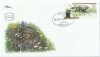
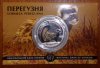
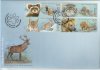
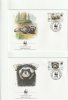
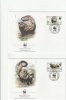
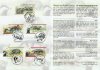
It is indeed a bit of a shock revelation ;) I mean, the avatar certainly didn't give it away, and nor did my collection of stamps, first-day covers and other commemorative material relating to the species......

P1340096.JPG

IMG_20201020_0001.jpg

IMG_20200923_0005.jpg

IMG_20200923_0003.jpg

IMG_20200923_0002.jpg

IMG_20220301_0001.jpg
 

Attachments

  • IMG_20201020_0001.jpg
    IMG_20201020_0001.jpg
    95.8 KB · Views: 55
  • P1340096.JPG
    P1340096.JPG
    160.6 KB · Views: 50
  • IMG_20200923_0005.jpg
    IMG_20200923_0005.jpg
    137 KB · Views: 52
  • IMG_20200923_0003.jpg
    IMG_20200923_0003.jpg
    59.5 KB · Views: 50
  • IMG_20200923_0002.jpg
    IMG_20200923_0002.jpg
    57.6 KB · Views: 49
  • IMG_20220301_0001.jpg
    IMG_20220301_0001.jpg
    210.9 KB · Views: 53
Back
Top