Although I am not a big fan of theme parks and rollercoasters, I recently had the opportunity to visit Dreamworld and decided to write out a walk-through of Dreamworld’s animal collection. I will break this review up into the two main animal sections of Dreamworld; Tiger Island and Corroboree (the area where Dreamworld’s native animals are held).
TIGER ISLAND
Tiger Island currently holds Dreamworld’s large collection of hybrid and Sumatran tigers. In 2016, Tiger Island received a $7 million-dollar renovation and refurbishment which aimed to improve visitor experiences (more enclosures, closer viewing of the tigers) and add new areas for tiger cub viewing. On my visit, I saw nine tigers on display (all hybrids- three of them were cubs).
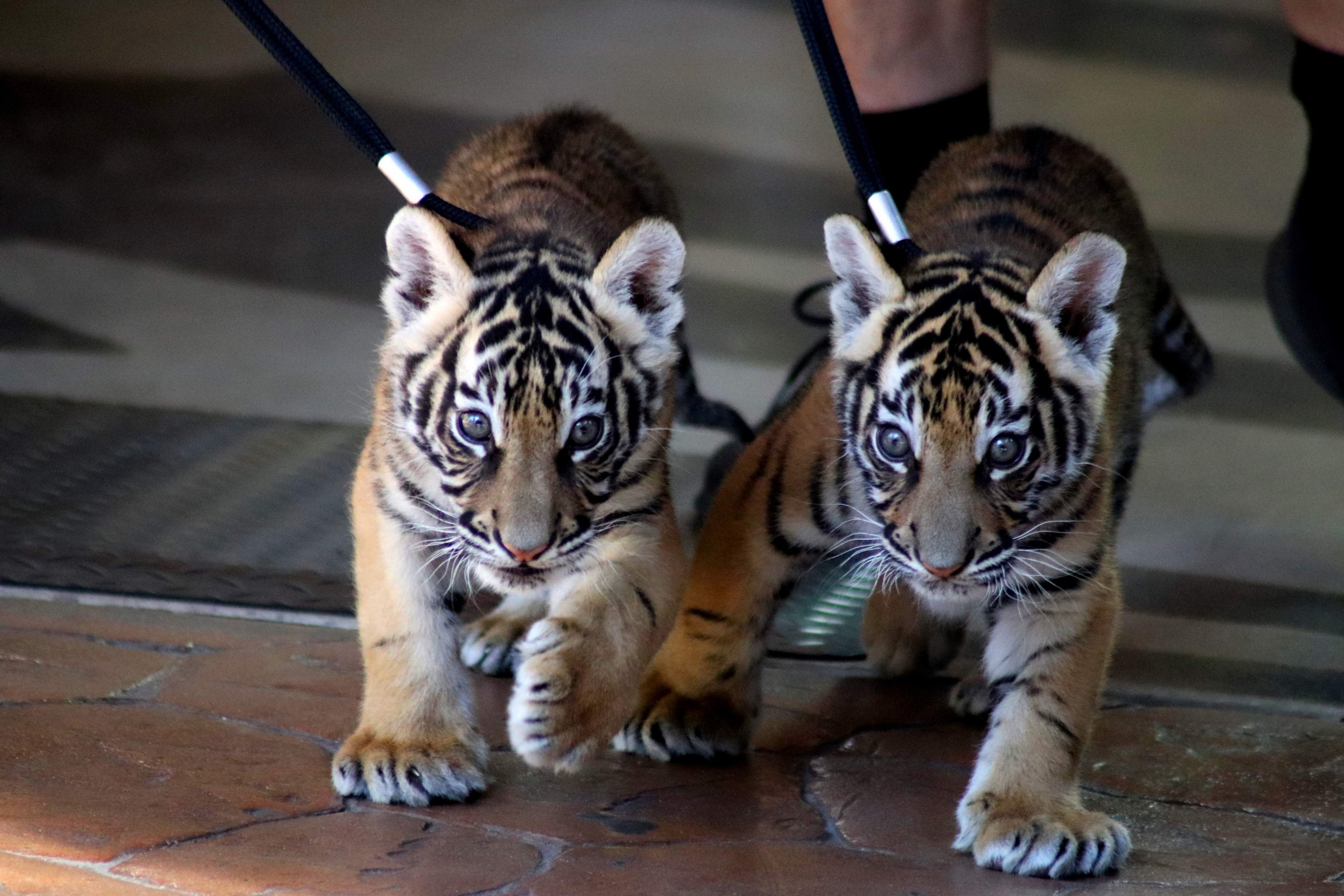
The first enclosure encountered in Tiger Island was, ‘Cub Kindy’ and held Dreamworld’s eight-week old hybrid tiger cubs, ‘Javi’ and ‘Zakari’. Their enclosure was quite simple; glass-fronted with shade and artificial grass. They had access to many toys and their keeper took the cubs for a walk to and from their enclosure. The cubs were very eager to explore their surroundings and appeared to be very inquisitive.
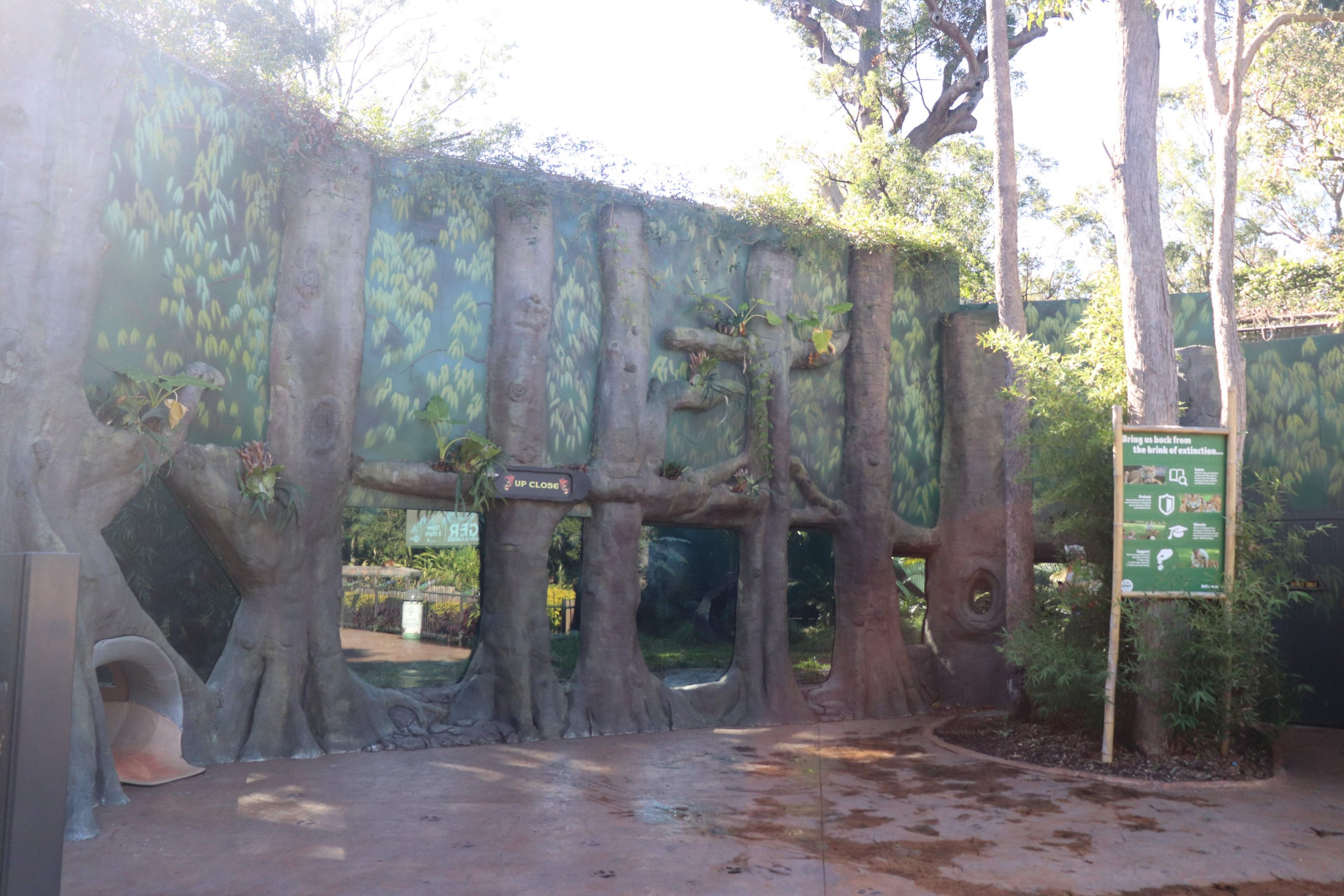
The next enclosure, adjacent to the cubs, was a pretty unattractive cave-like structure with several glass viewing windows. The ‘Up Close’ enclosure allowed visitors to see a tiger up close with close viewing opportunities and a variety of small viewing windows and tunnels set up at different angles. The actual enclosure itself was small yet well-vegetated. At the time of my visit this enclosure held a hybrid male called ‘Kai’.
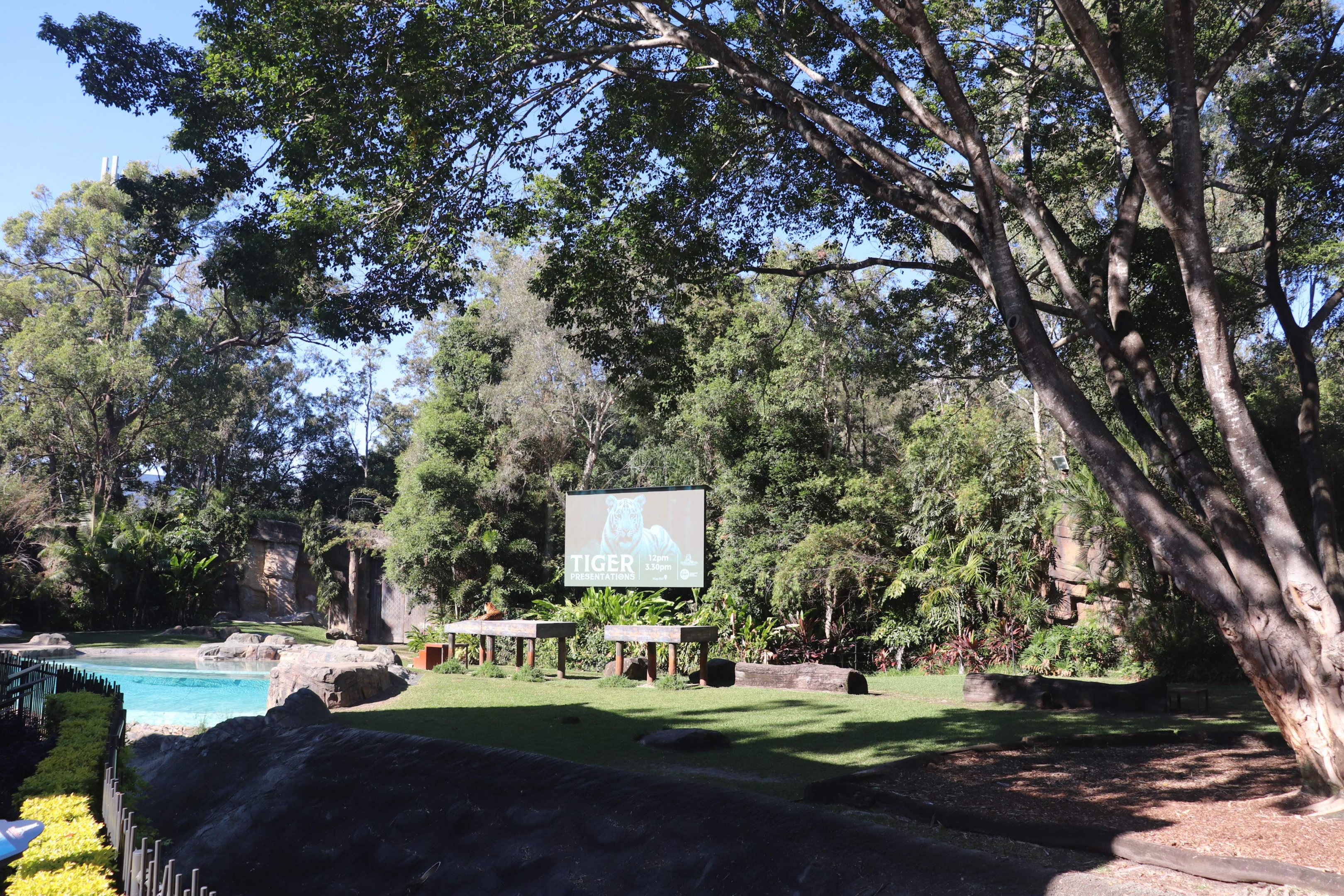
The main dry-moated area of Tiger Island hasn’t changed much over the years. It continues to be very lush and well-shaded. The ‘island’ has several large trees, patches of bamboo, wooden platforms, and a large pool. Adjacent to the main enclosure is the heavily-themed seating area for the tiger shows. The main enclosure held four hybrid females (two orange, two white- the only white tigers in Australia). Past the front of the enclosure, the side of this main area had glass viewing and a mock rock wall. The ‘Lair’ enclosure continues this mock rock theme and holds ‘Nika’, Dreamworld’s main breeding female. The enclosure itself is quite bare in comparison to the other enclosures, but it seemed to provide some opportunity for the tiger to hide from public view. In the past, this enclosure has also temporarily held white lions.
Past the gift shop and signage detailing Dreamworld’s extensive conservation efforts, the final enclosure was the ‘Tiger Nursery’. This enclosure was simple in design and was a corrugated iron building with the glass viewing windows. This building contained a layer of blankets and toys for an unnamed male tiger cub, who is a month younger than the other cubs at Dreamworld.
Overall, Dreamworld holds a significant number of tigers on and off display. It’s a shame that the majority of tigers are not Sumatran, however Dreamworld does generate significant public awareness and funding for meaningful conservation efforts. Tiger Island does a good job in showcasing and highlighting such a charismatic and popular species.
Part Two of this review will feature Dreamworld’s Corroboree area and their solid collection of native animals.
TIGER ISLAND
Tiger Island currently holds Dreamworld’s large collection of hybrid and Sumatran tigers. In 2016, Tiger Island received a $7 million-dollar renovation and refurbishment which aimed to improve visitor experiences (more enclosures, closer viewing of the tigers) and add new areas for tiger cub viewing. On my visit, I saw nine tigers on display (all hybrids- three of them were cubs).
The first enclosure encountered in Tiger Island was, ‘Cub Kindy’ and held Dreamworld’s eight-week old hybrid tiger cubs, ‘Javi’ and ‘Zakari’. Their enclosure was quite simple; glass-fronted with shade and artificial grass. They had access to many toys and their keeper took the cubs for a walk to and from their enclosure. The cubs were very eager to explore their surroundings and appeared to be very inquisitive.
The next enclosure, adjacent to the cubs, was a pretty unattractive cave-like structure with several glass viewing windows. The ‘Up Close’ enclosure allowed visitors to see a tiger up close with close viewing opportunities and a variety of small viewing windows and tunnels set up at different angles. The actual enclosure itself was small yet well-vegetated. At the time of my visit this enclosure held a hybrid male called ‘Kai’.
The main dry-moated area of Tiger Island hasn’t changed much over the years. It continues to be very lush and well-shaded. The ‘island’ has several large trees, patches of bamboo, wooden platforms, and a large pool. Adjacent to the main enclosure is the heavily-themed seating area for the tiger shows. The main enclosure held four hybrid females (two orange, two white- the only white tigers in Australia). Past the front of the enclosure, the side of this main area had glass viewing and a mock rock wall. The ‘Lair’ enclosure continues this mock rock theme and holds ‘Nika’, Dreamworld’s main breeding female. The enclosure itself is quite bare in comparison to the other enclosures, but it seemed to provide some opportunity for the tiger to hide from public view. In the past, this enclosure has also temporarily held white lions.
Past the gift shop and signage detailing Dreamworld’s extensive conservation efforts, the final enclosure was the ‘Tiger Nursery’. This enclosure was simple in design and was a corrugated iron building with the glass viewing windows. This building contained a layer of blankets and toys for an unnamed male tiger cub, who is a month younger than the other cubs at Dreamworld.
Overall, Dreamworld holds a significant number of tigers on and off display. It’s a shame that the majority of tigers are not Sumatran, however Dreamworld does generate significant public awareness and funding for meaningful conservation efforts. Tiger Island does a good job in showcasing and highlighting such a charismatic and popular species.
Part Two of this review will feature Dreamworld’s Corroboree area and their solid collection of native animals.
Last edited: