(2) Drusillas Park - Adventure
To quote a dearly missed ZooChat contributor, SootyMangabey, “Drusillas is not inexpensive”. But as mentioned in my last post, the high ticket prices are clearly paying off, as they have been able to invest £500,000 into a new colobus enclosure. Drusillas is a family zoo through and through, aimed towards younger children with its heavy theming and activities. So, keep that in mind when reading my review and looking at the photos I have shared. This is not a zoo trying to cater to us nerds, an entirely unique demographic that few zoos even consider.
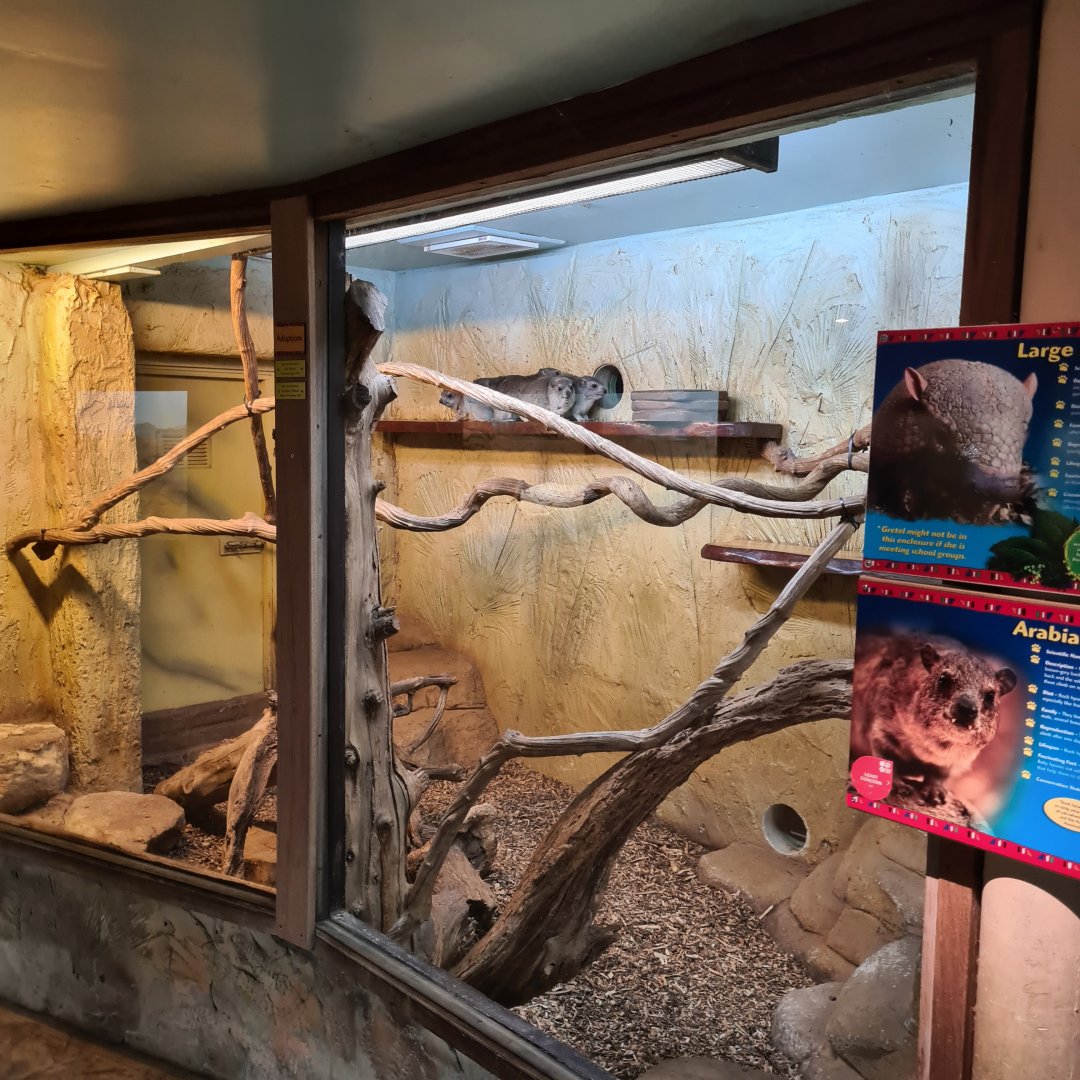
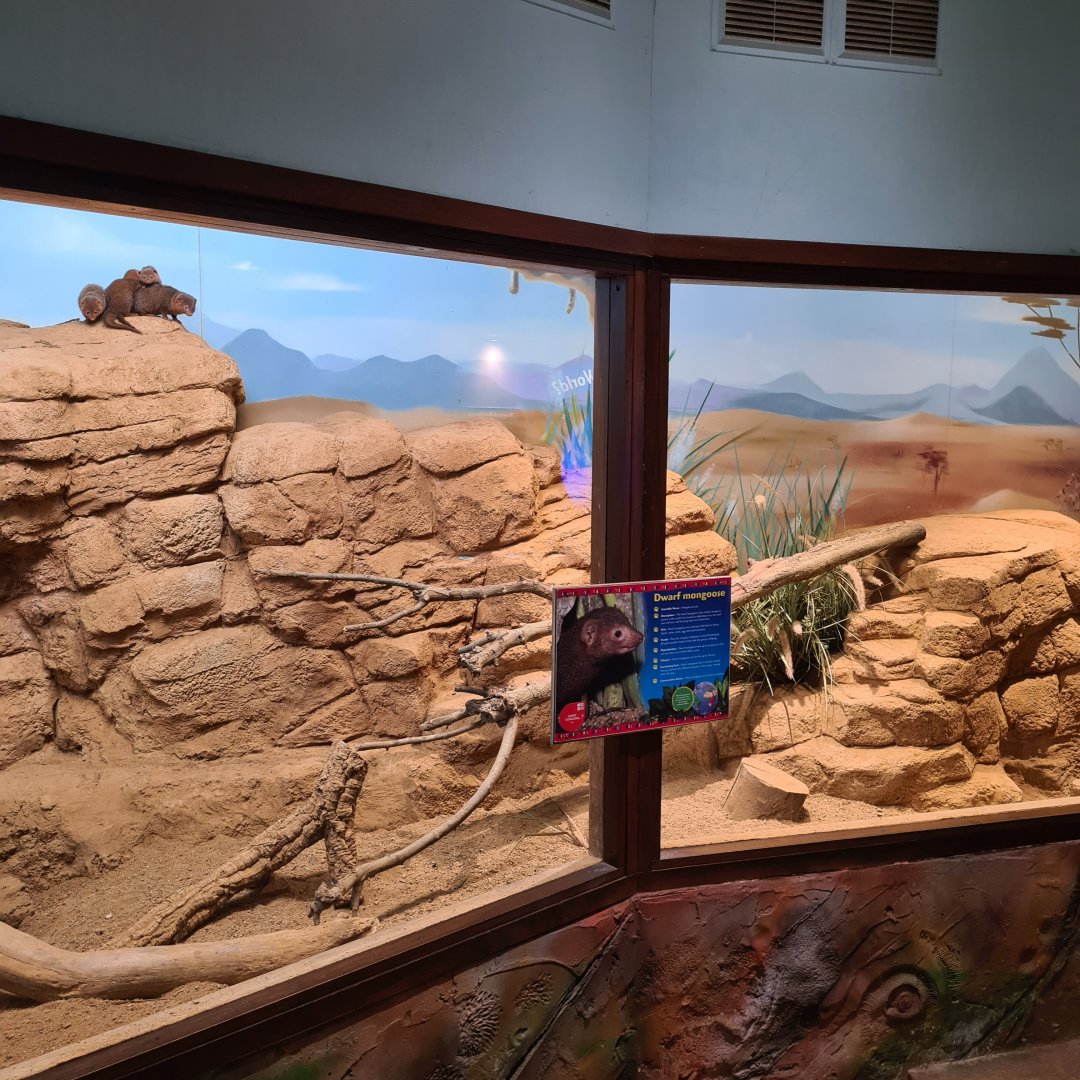
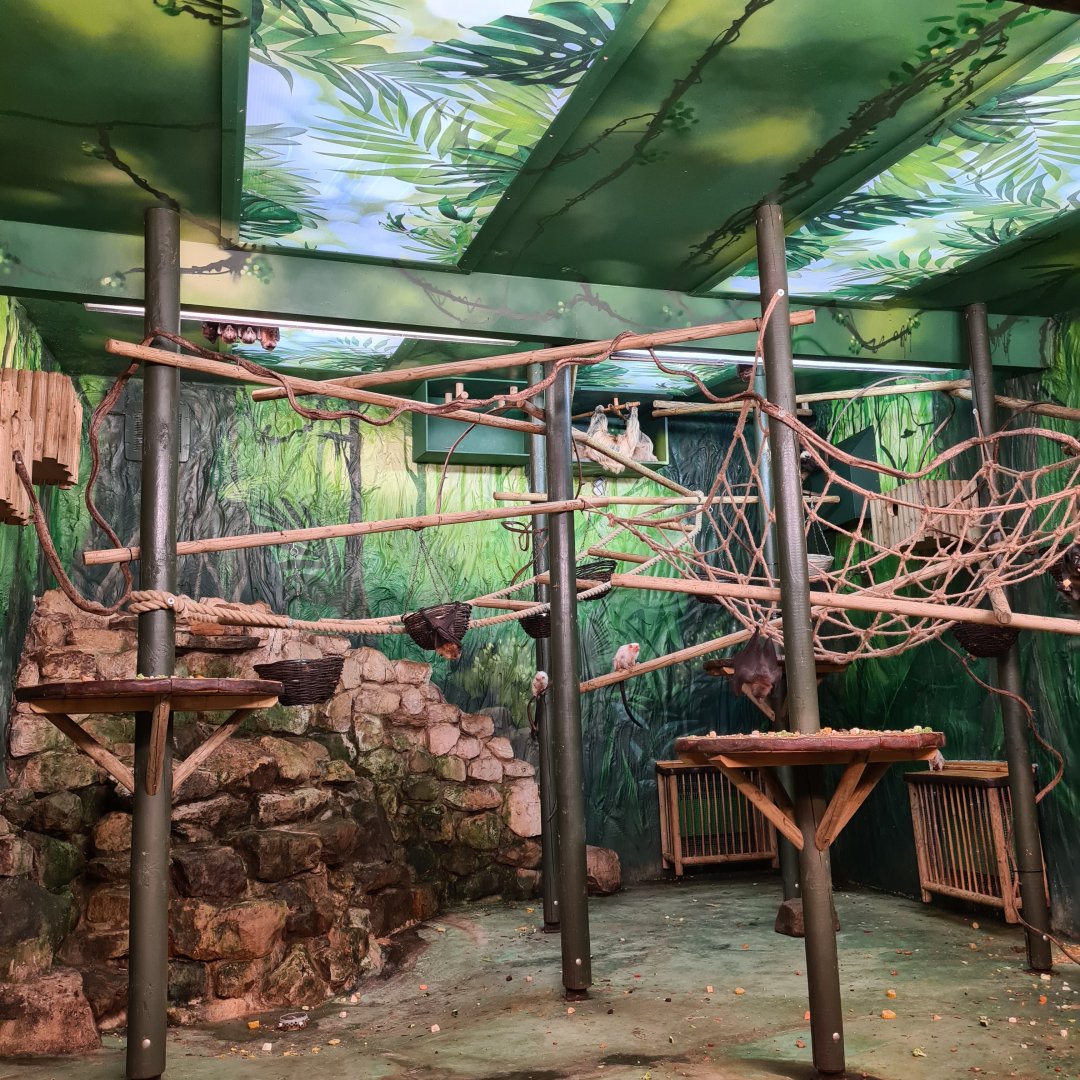
The park is primate heavy, so many in fact that I don’t recall seeing all the species listed on their website or zootierliste. Many of these primates (callitrichids), including a large group of silvery marmosets, are kept in the first room you will enter when visiting which is filled with small yet well perched enclosures and overhead tunnels. At first, it seemed as though none of the primates had outdoor access, but upon further inspection some of the enclosure sections had mesh covered open-air cut-outs in the roof. This was a relief, knowing the importance of UV light in primate health and wellbeing. Also housed in this building were a pair of linne’s two-toed sloth, Arabian rock hyrax, large-hairy armadillo and dwarf mongoose. The mongoose were in quite an attractive mock-rock enclosure, though it would have been nice to see them and the other non-primates with some outdoor access.
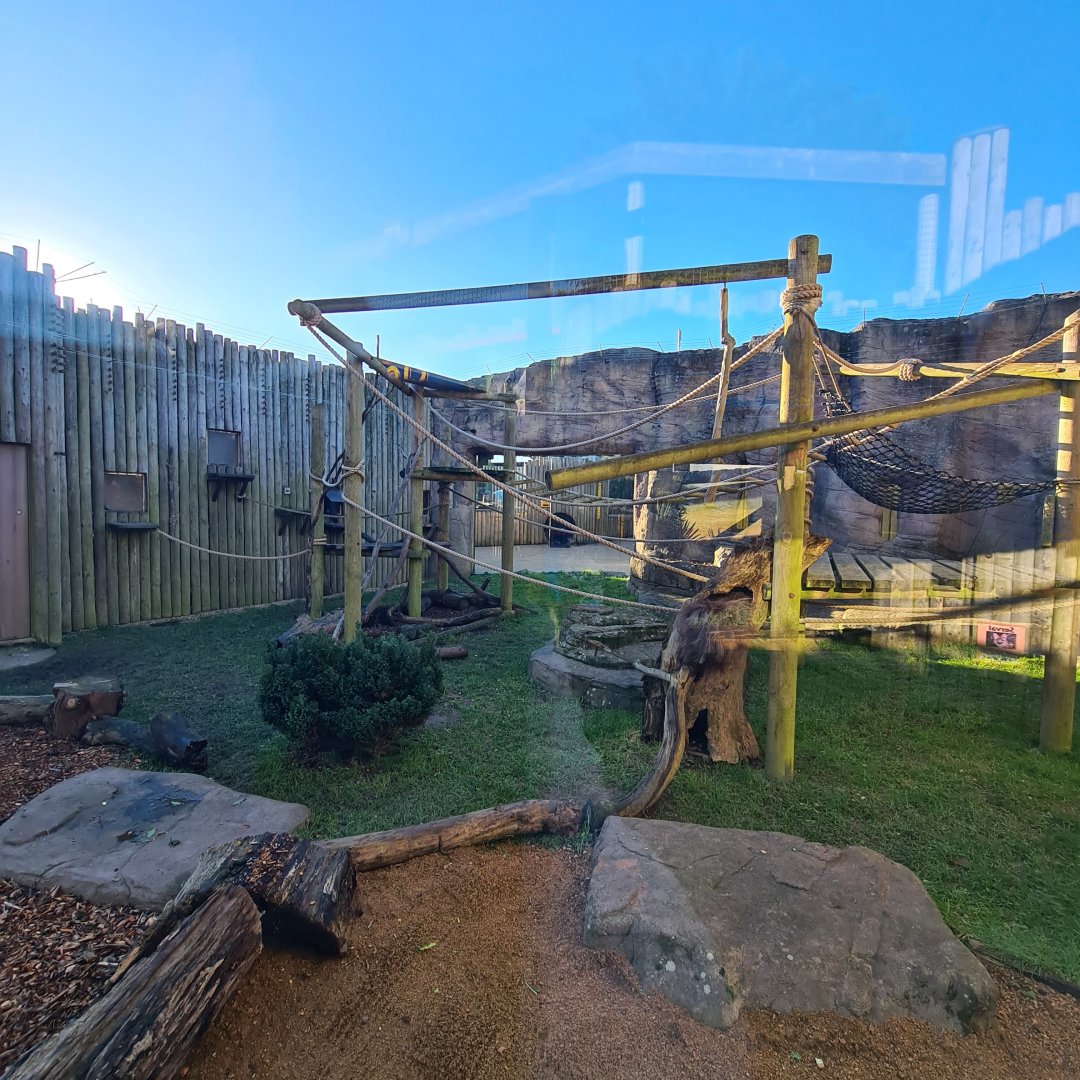
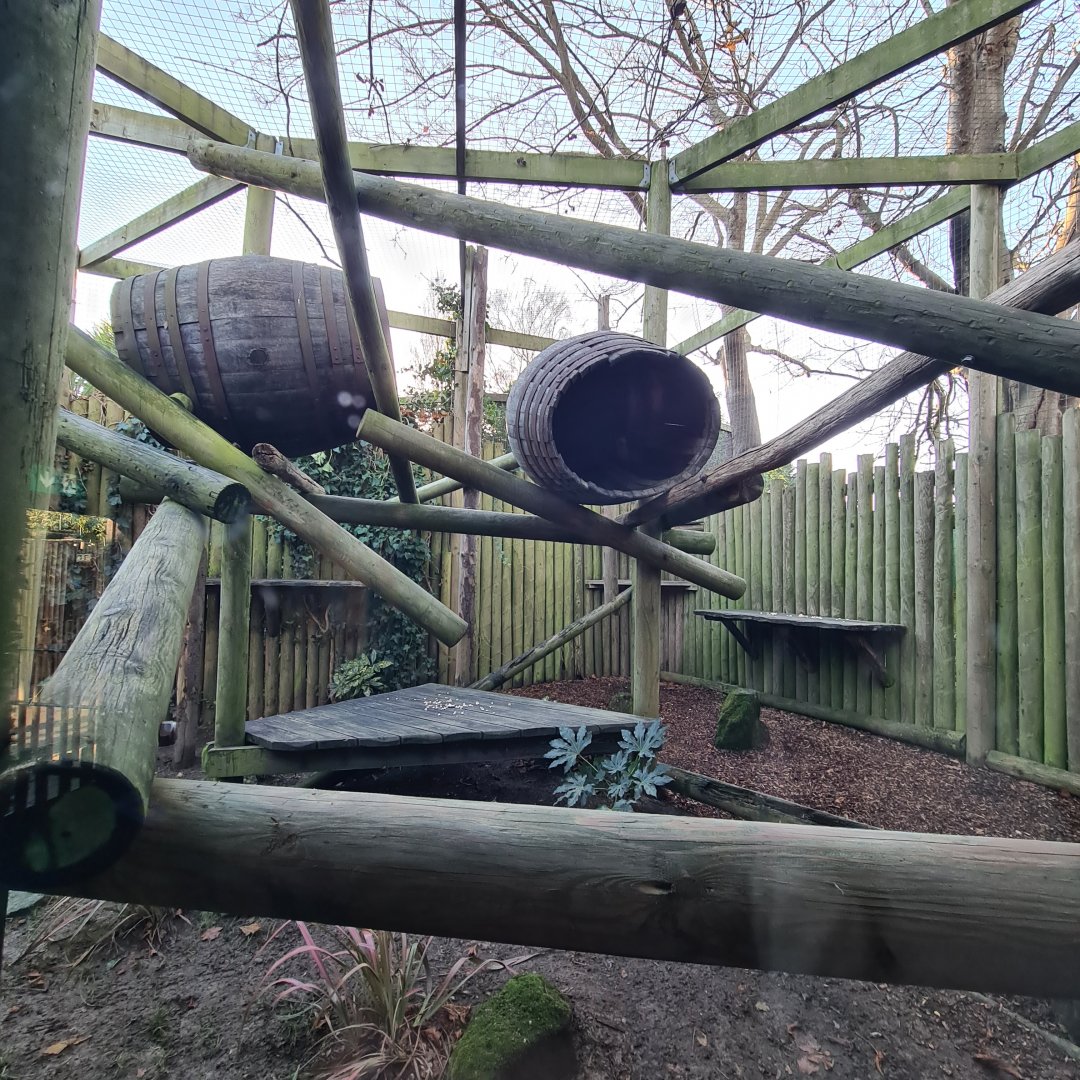
Just outdoors is a small enclosure for capuchins, and the remnants of the old colobus enclosure. Nearby are very well planted enclosures for more callitrichids and one of the zoos two meerkat enclosures. Sulawesi macaques and serval are both held in similarly sized enclosures, though on the smaller side than usually seen for both species. The macaques would benefit from a netted enclosure, allowing better use of the space than the open-topped enclosure currently allows. That said, neither enclosure is bad.
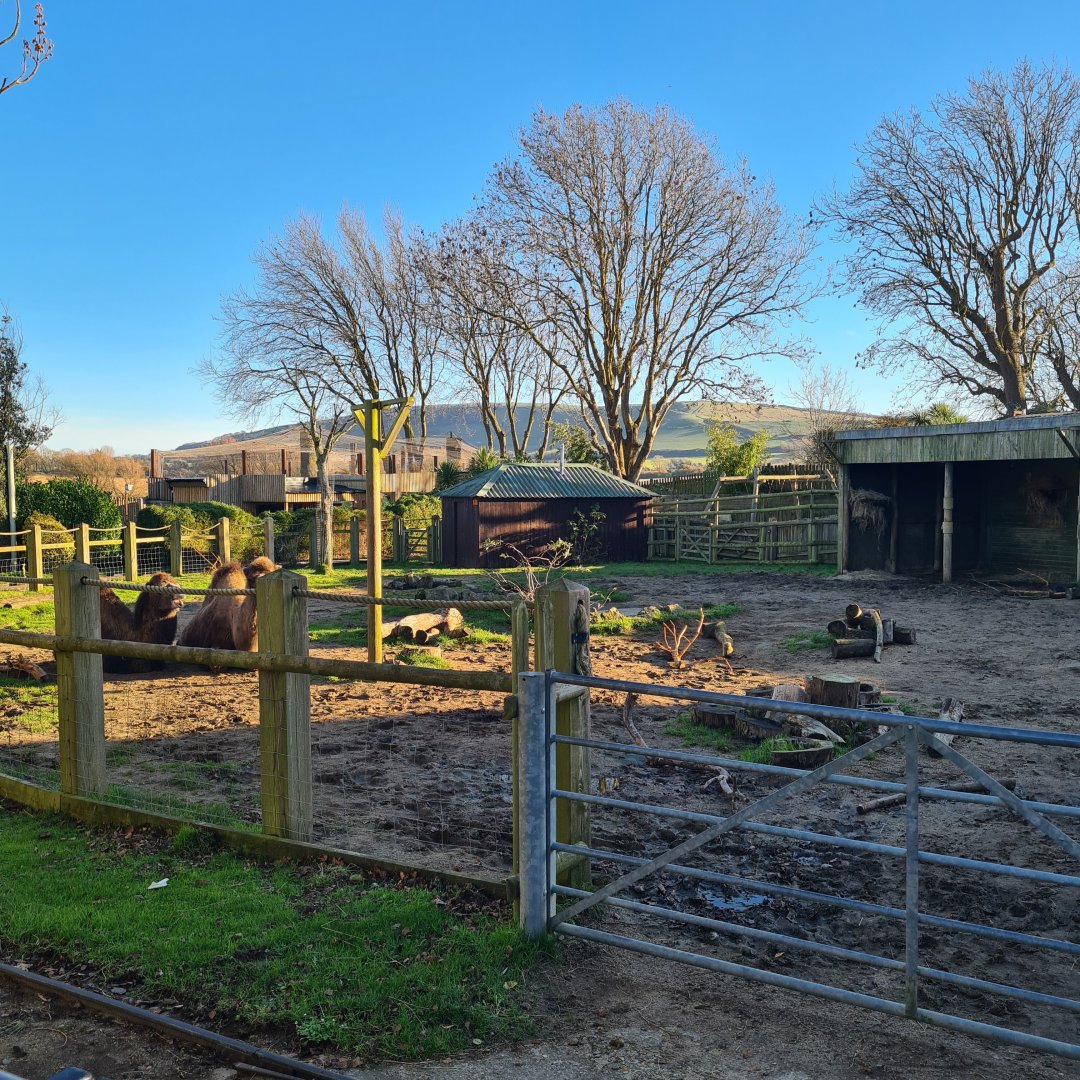
Two mixed species exhibits follow, with one for Azaras agouti and squirrel monkeys, and another for cape porcupine and banded mongoose. Both are nicely sized, and you can pass through the latter enclosure on a raised walkway. Passing some smaller themed areas, there is an outdoor enclosure for an active six banded armadillo and a small paddock for two Bactrain camels, which reminded me of the one found at Hertfordshire Zoo. Whilst it’s nice to see a large mammal at the zoo, I’d prefer to see the space dedicated to a smaller species like red river hogs; they’d certainly make a more engaging exhibit.
The most enjoyable mixed species exhibit houses a trio of linne’s two-toed sloth, white-faced saki monkeys, more silvery marmosets, and Rodrugues fruit bat. This time of year, they are restricted inside, but throughout the warmer month have access to a more naturalistic outdoor walkthrough enclosure. Originally built for a pair of yellow-throated marten which were sent to Exmoor Zoo, is a large wooden enclosure for coati, followed by a typical looking enclosure for Humboldt penguins.
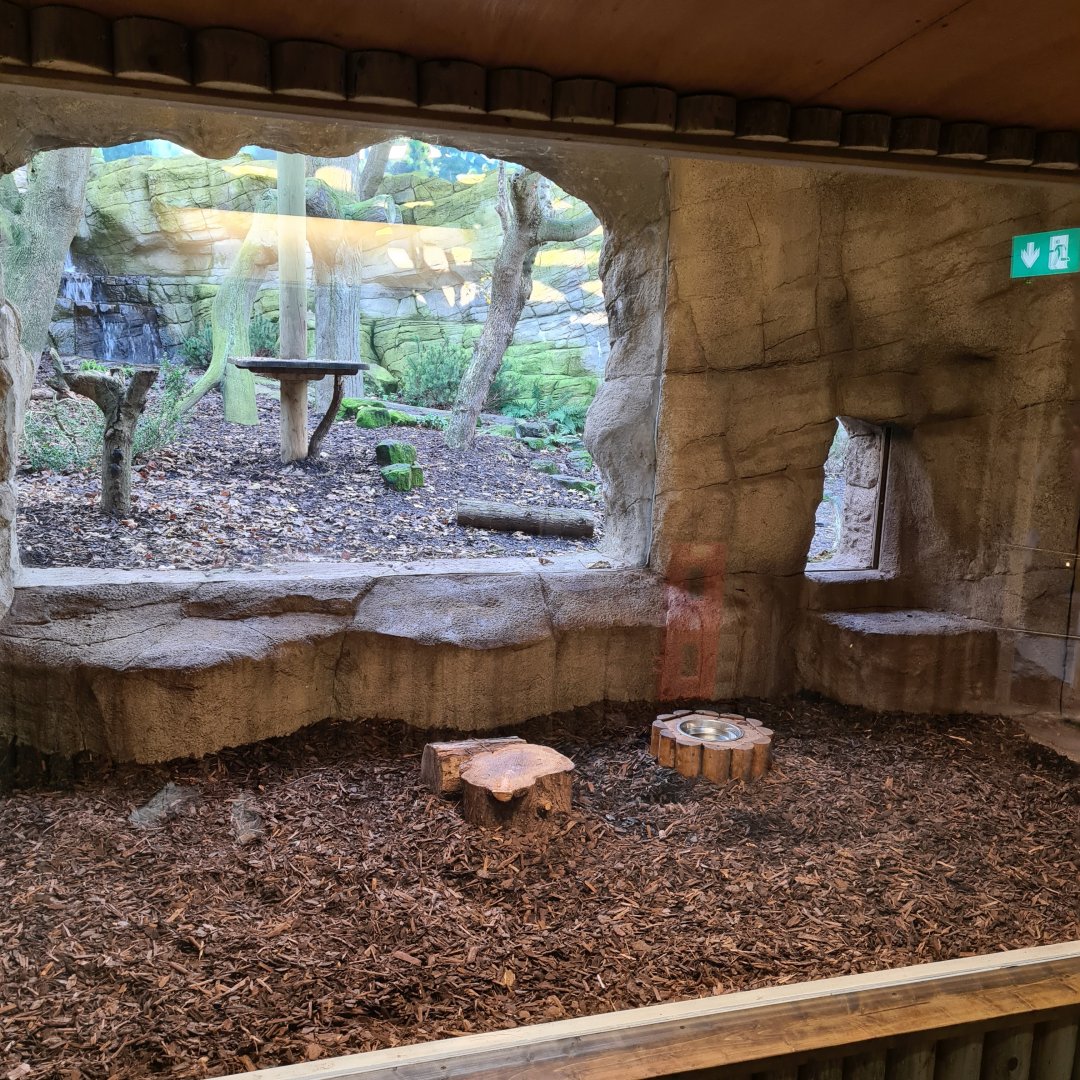
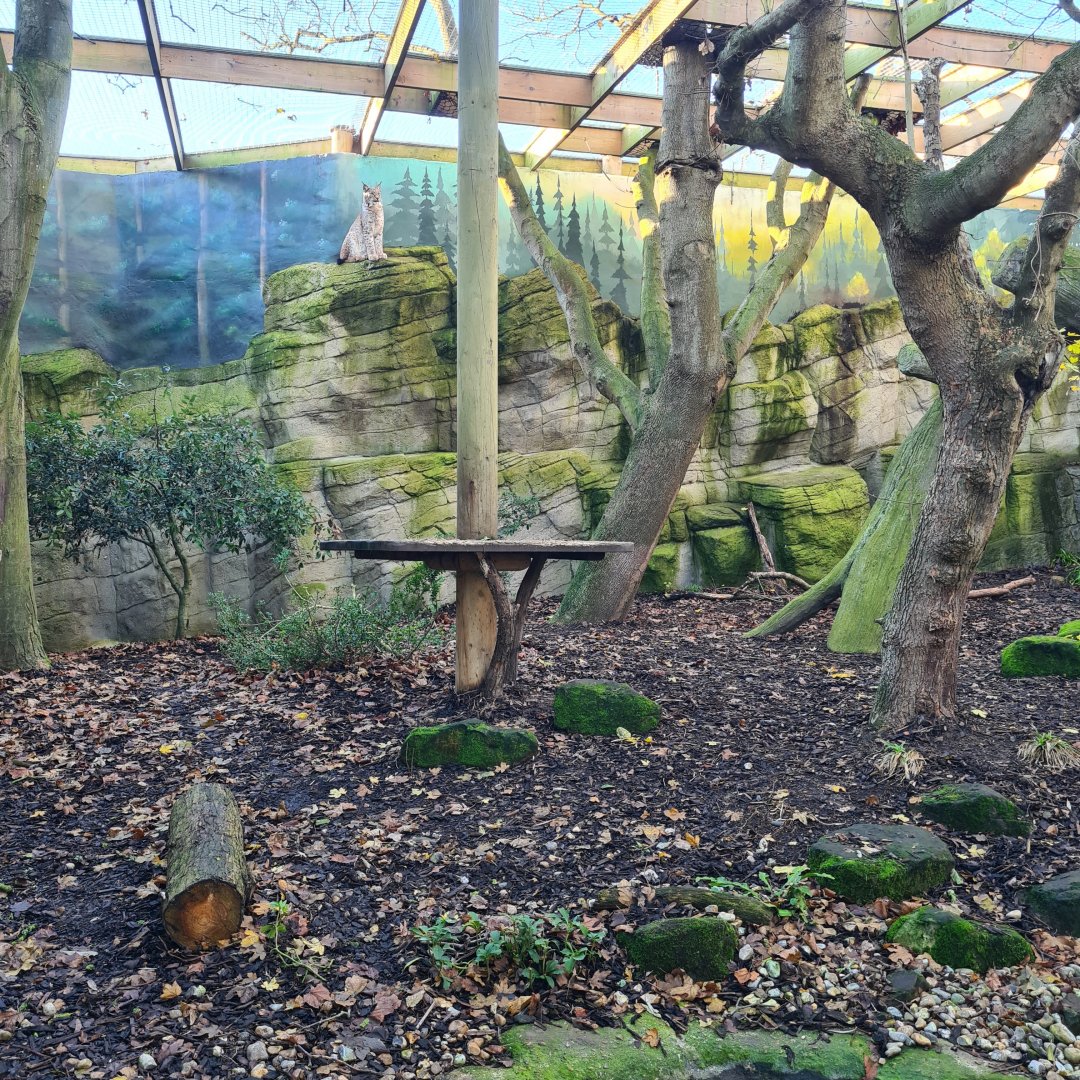
Several aviaries and mesh enclosures house generic binturong, eagle owl and ibis. Azaras agouti are seen for the second time, but now mixed with a pair of giant anteater in one of the zoos larger enclosures. A newly refurbished enclosure with nice mock rock and indoor housing is home to a pair of Eurasian lynx, both of which made good use of the vertical space on offer. Next door is a similarly tall lar gibbon exhibit.
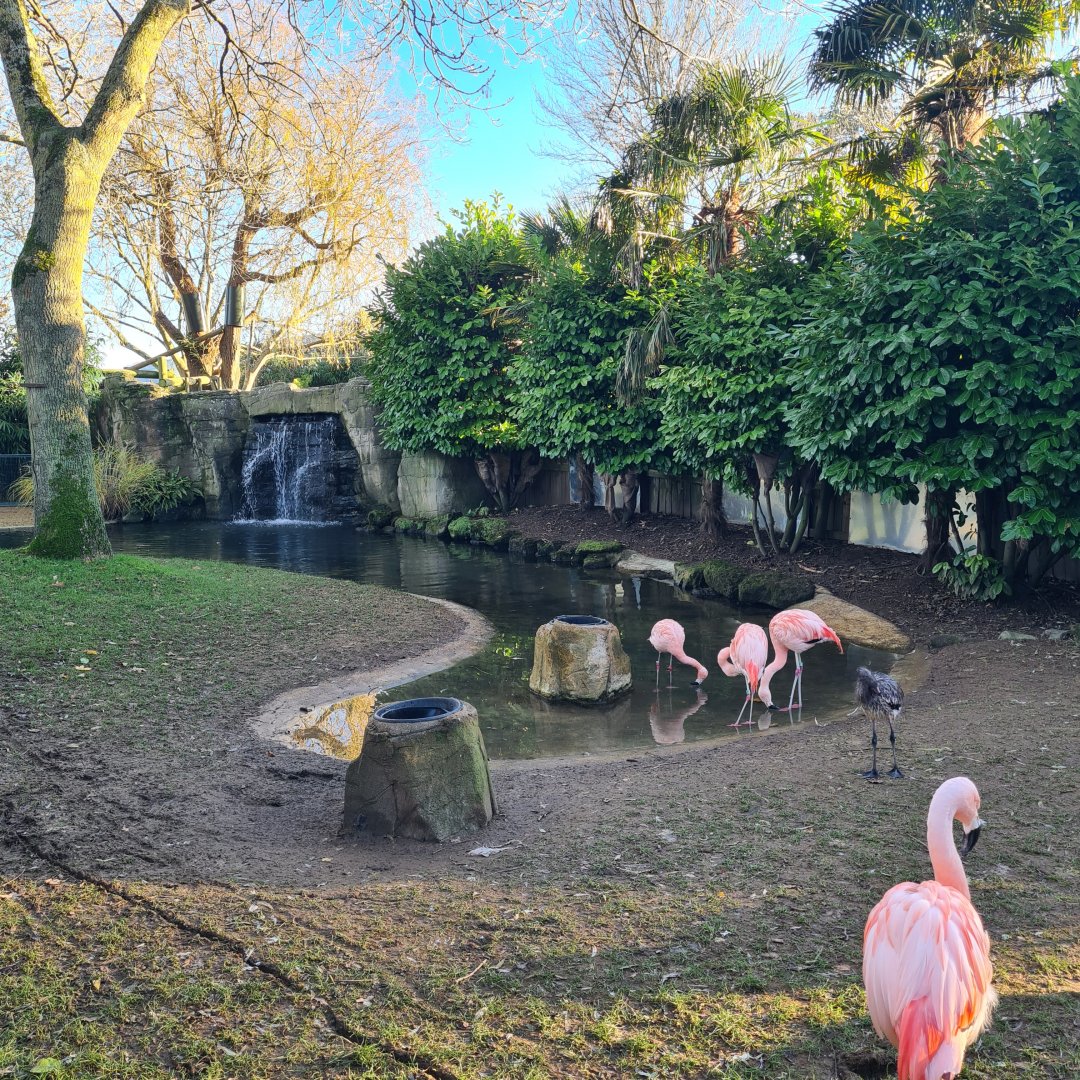
A basic yet attractive exhibit houses a small group of Chilean flamingos with four chicks, and is opposite the star enclosure, housing to capybara and American Beaver. Recipient of a 1987 UFAW exhibit award, the mixed species enclosure has held up over the years following several extensions and refurbishments. The capybara group breed regularly and the beavers last bred in 2013 but are now limited to an all-male group of a father and two sons (3.0). Towards the end of the day the beavers were incredibly active and two were seen swimming (not something I have seen before).
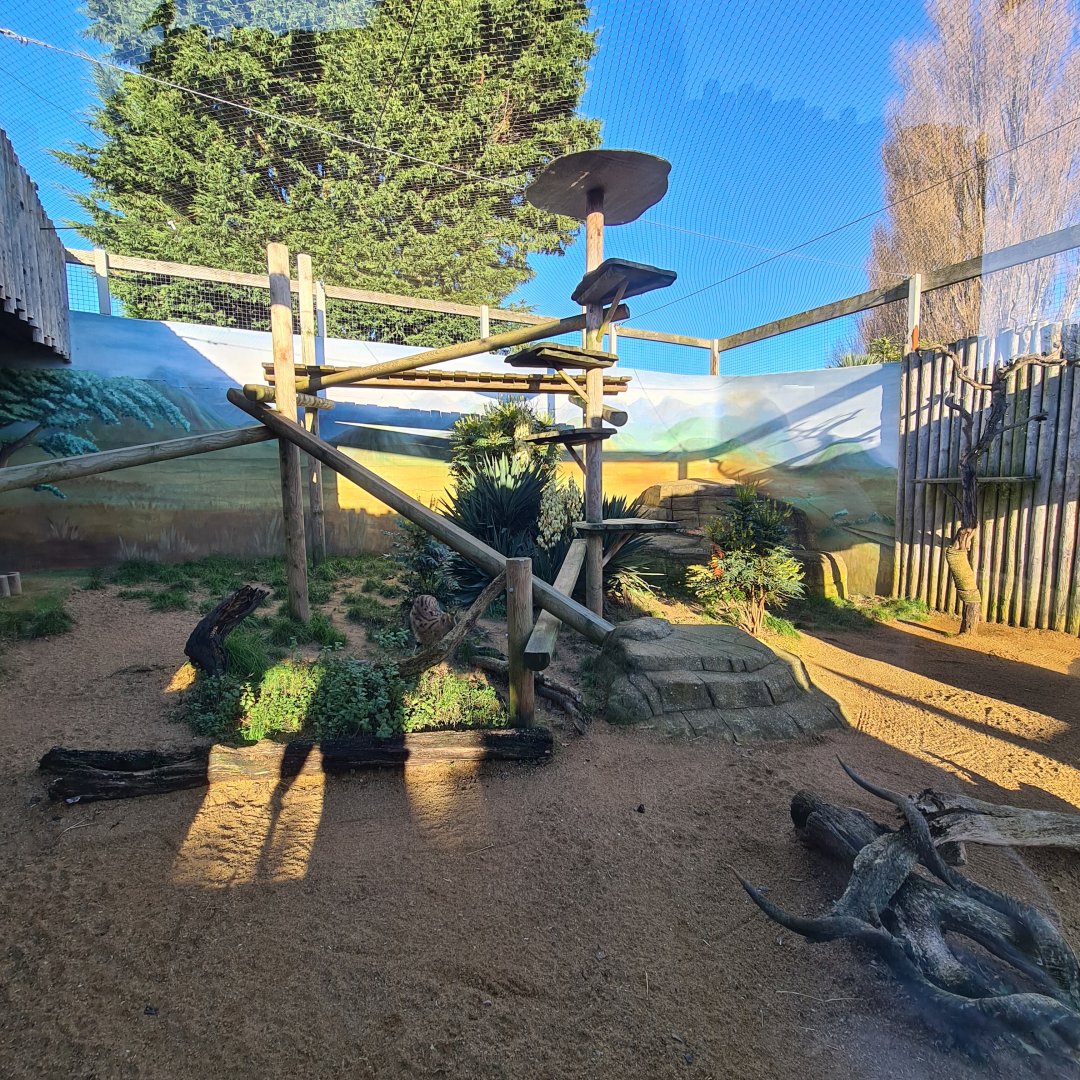
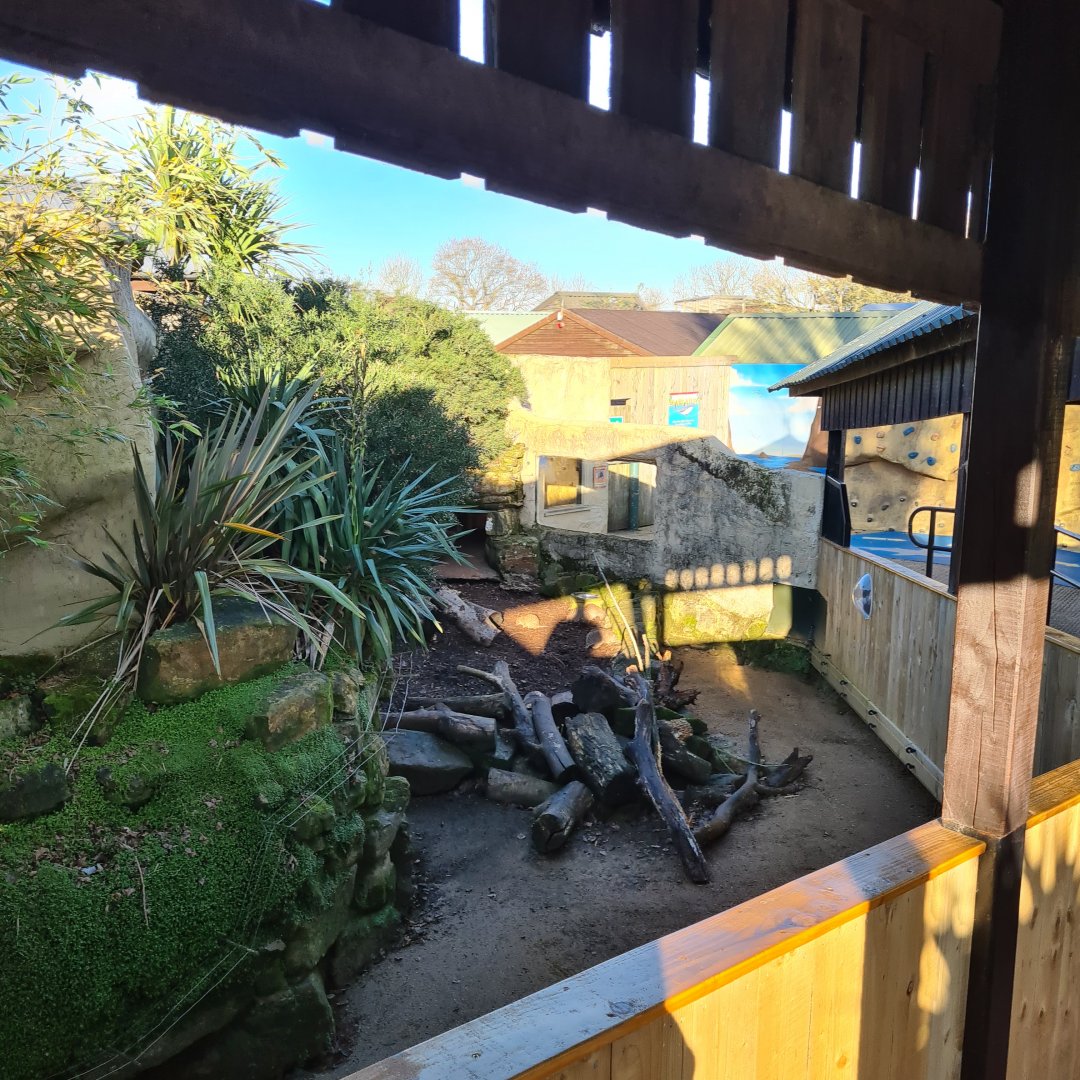
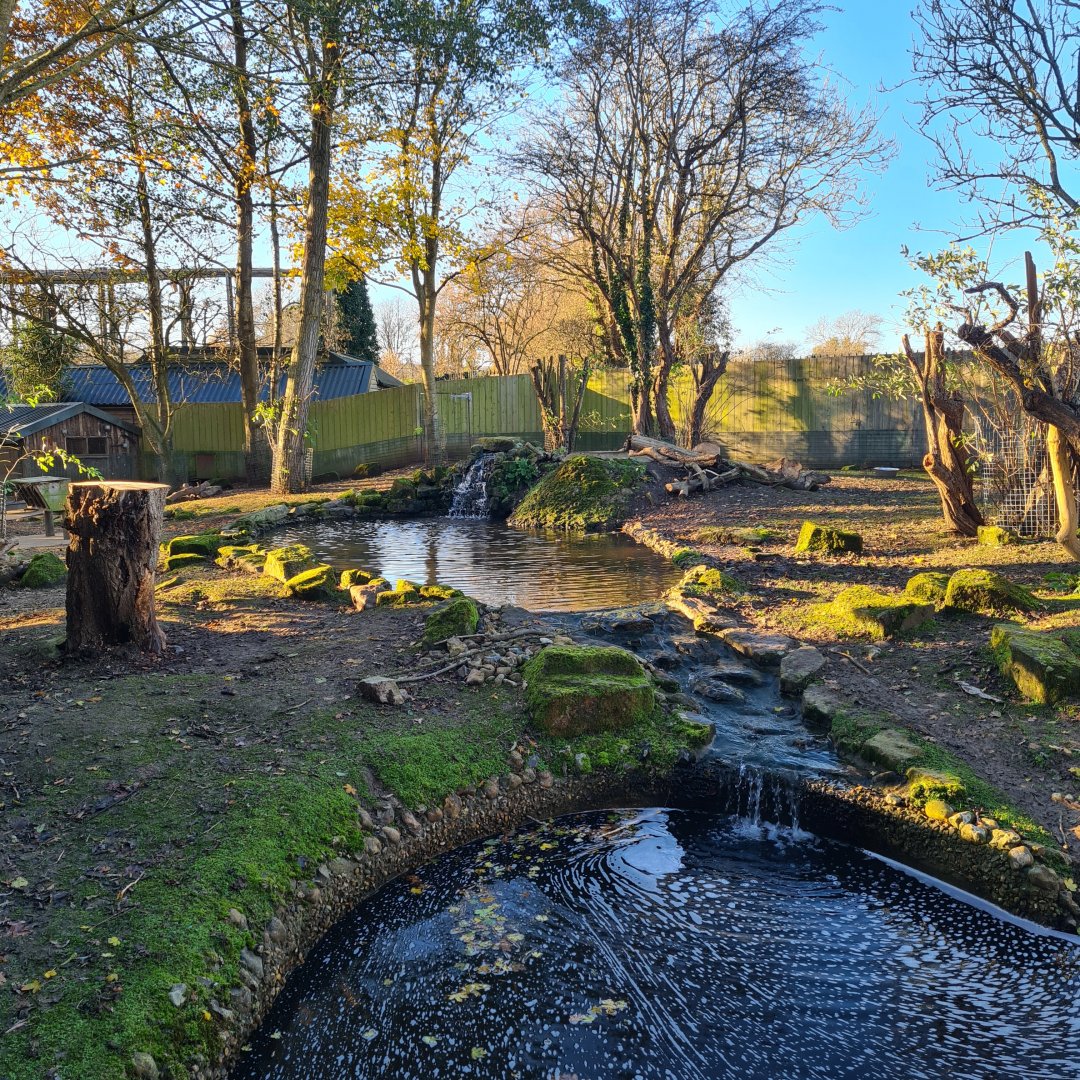
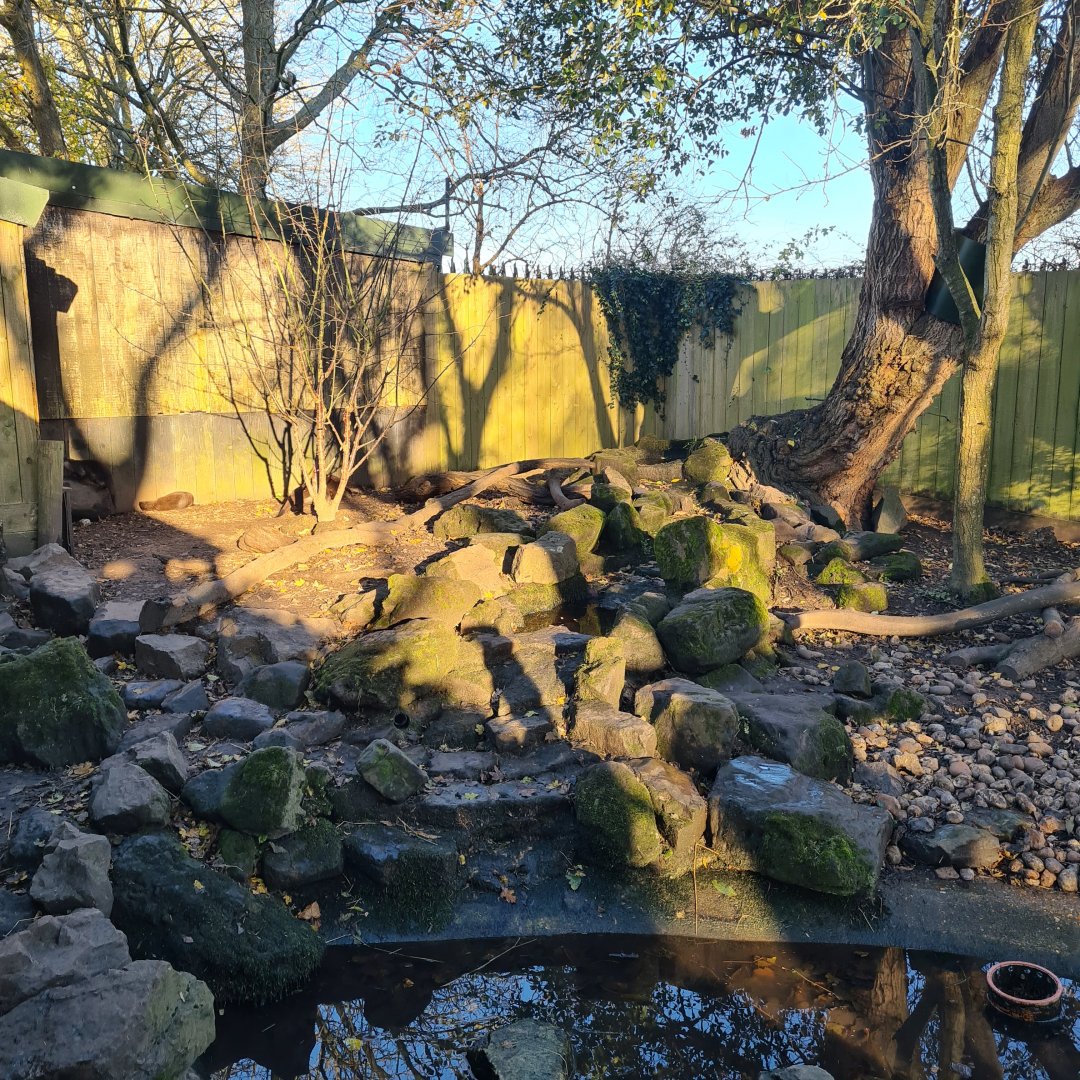
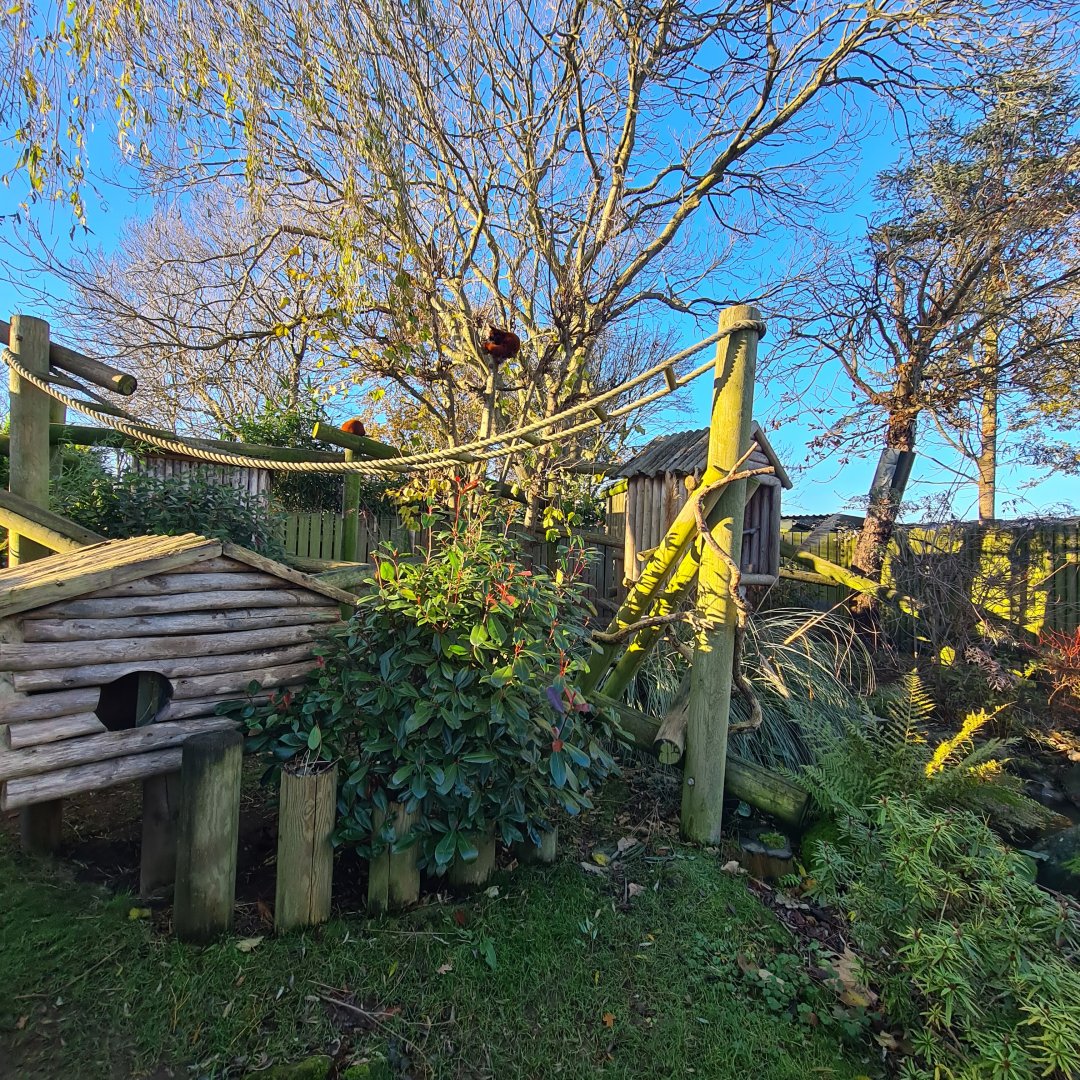
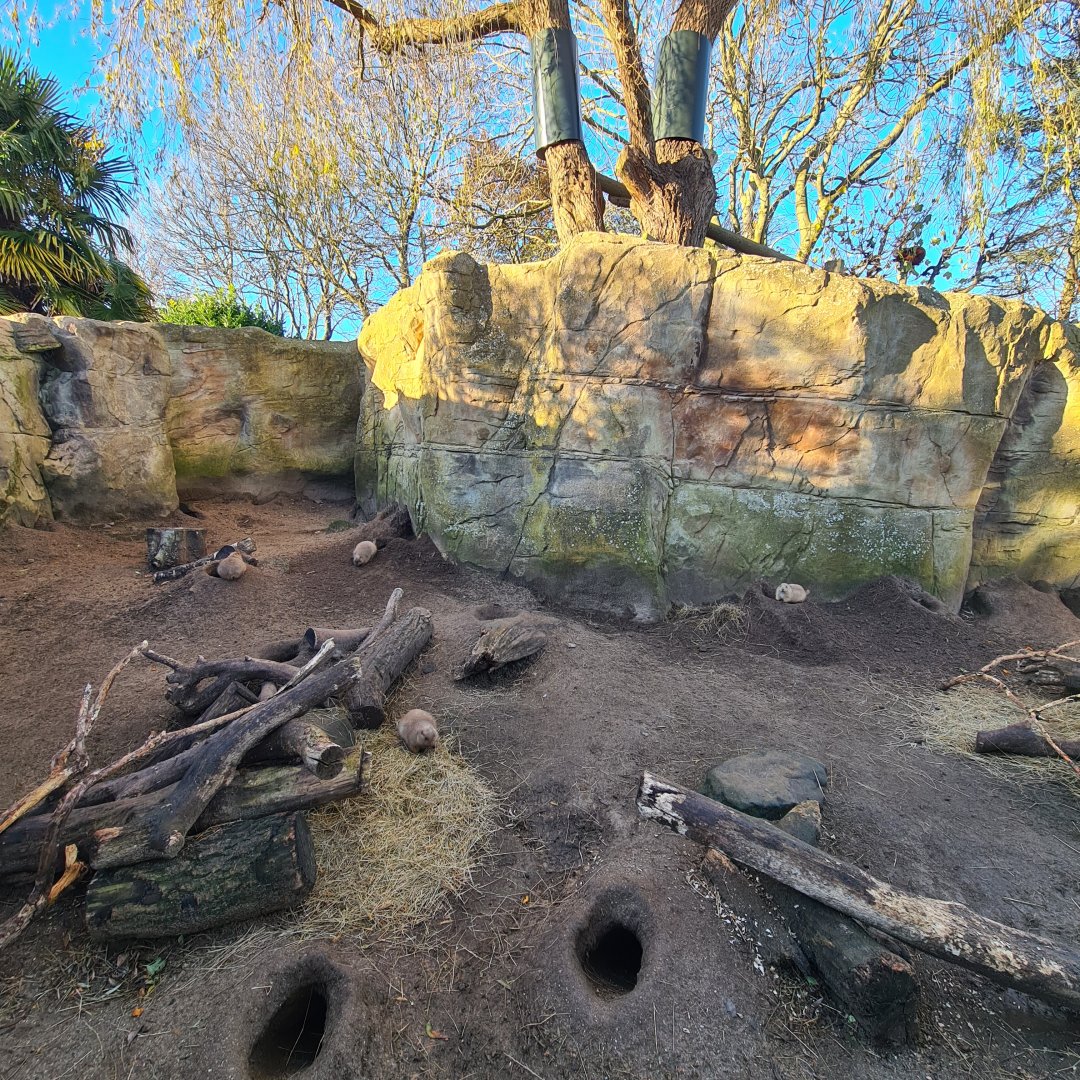
A family group of Asian small clawed otters and a pair of red panda are kept opposite one another, both in well furnished enclosures. A pair of enclosures houses black-tailed prairie dogs and meerkats, though fennec foxes are identified on the map as previously being held the latter.
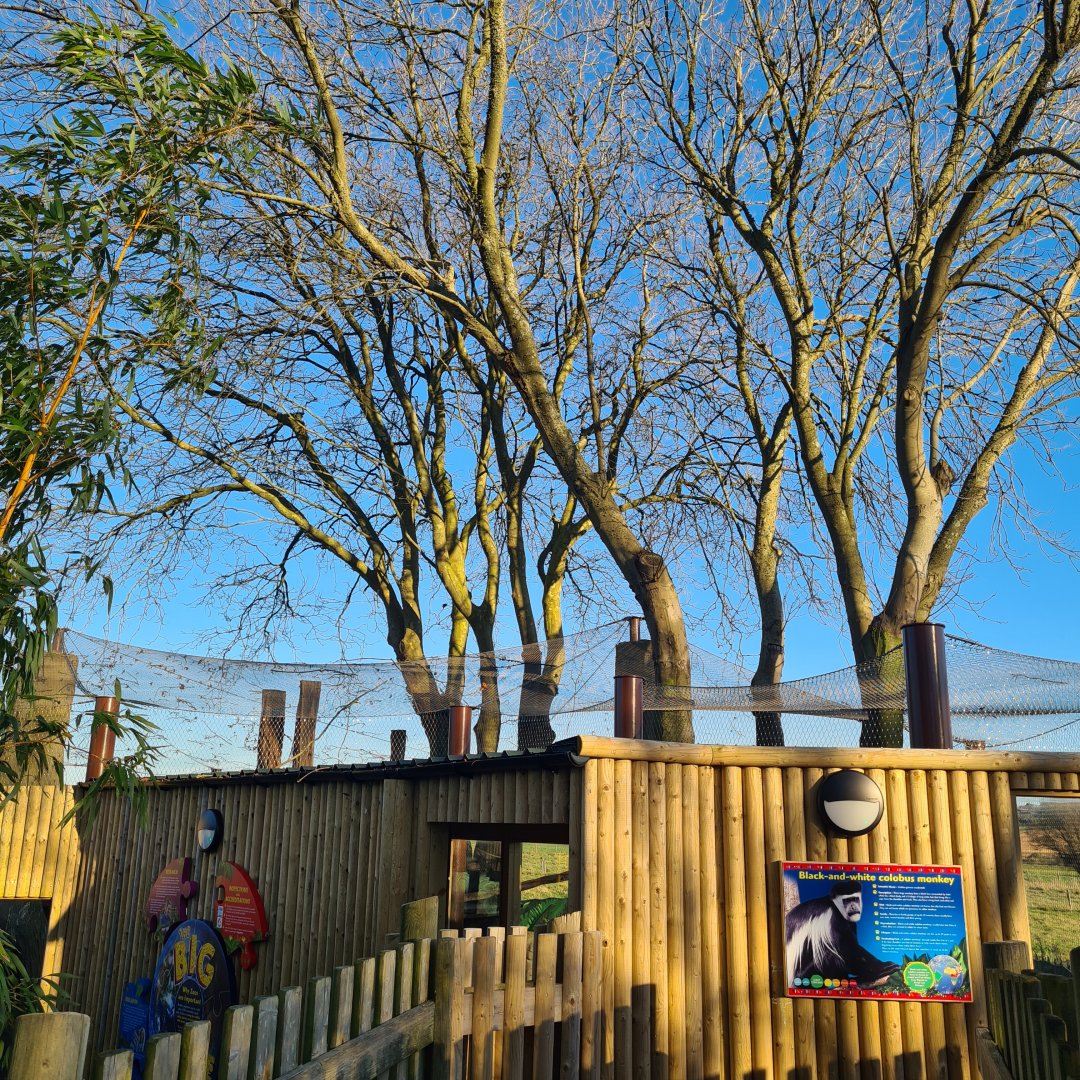
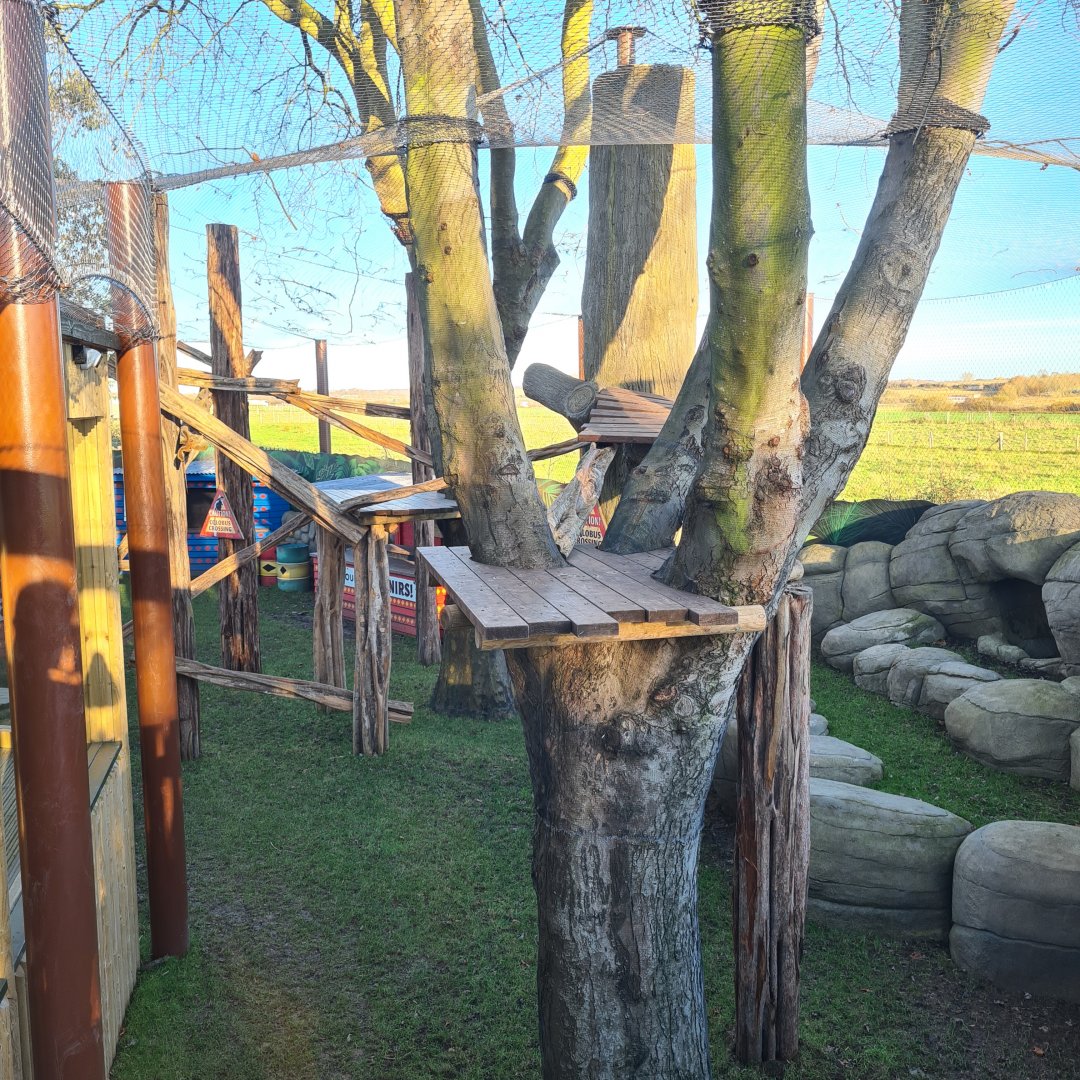
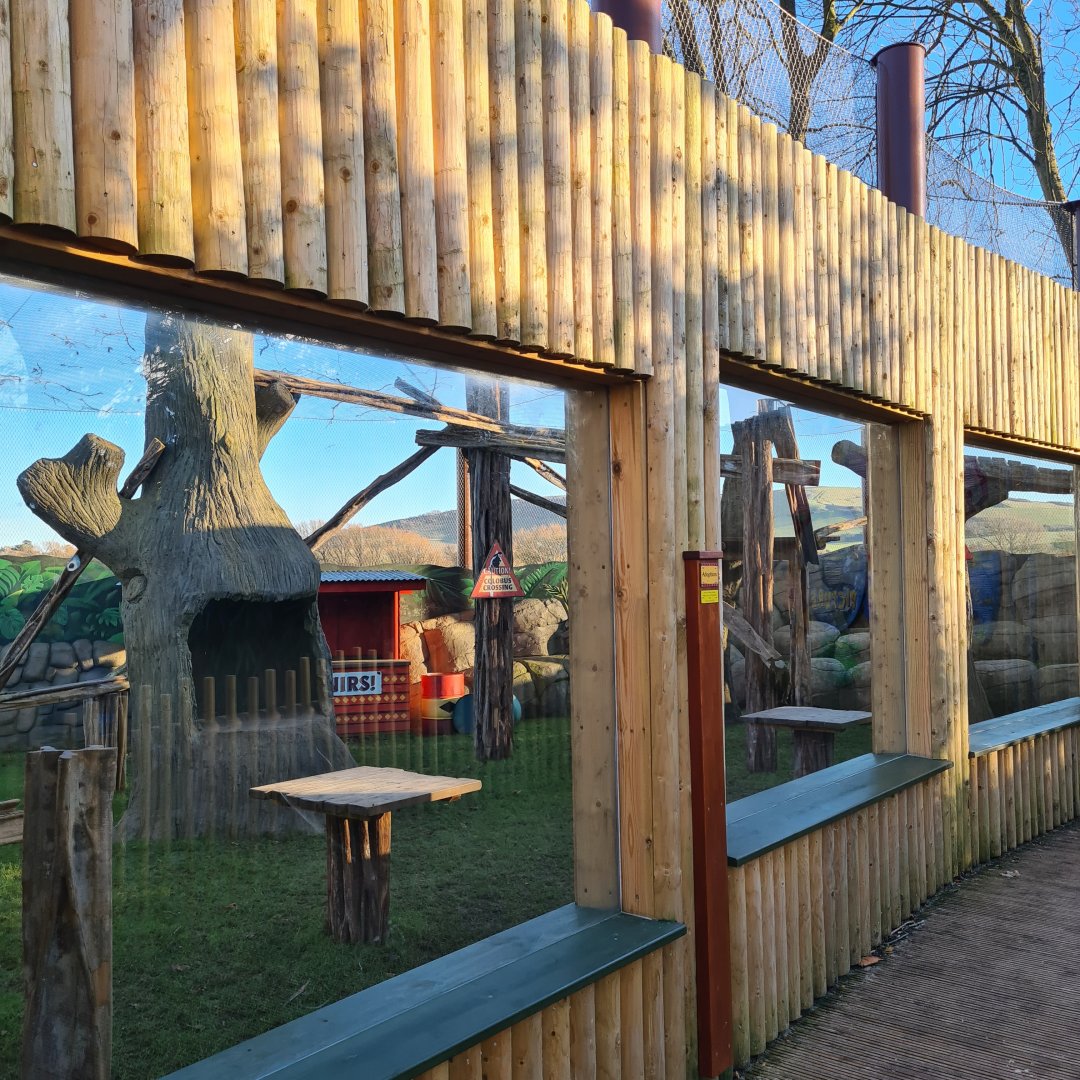
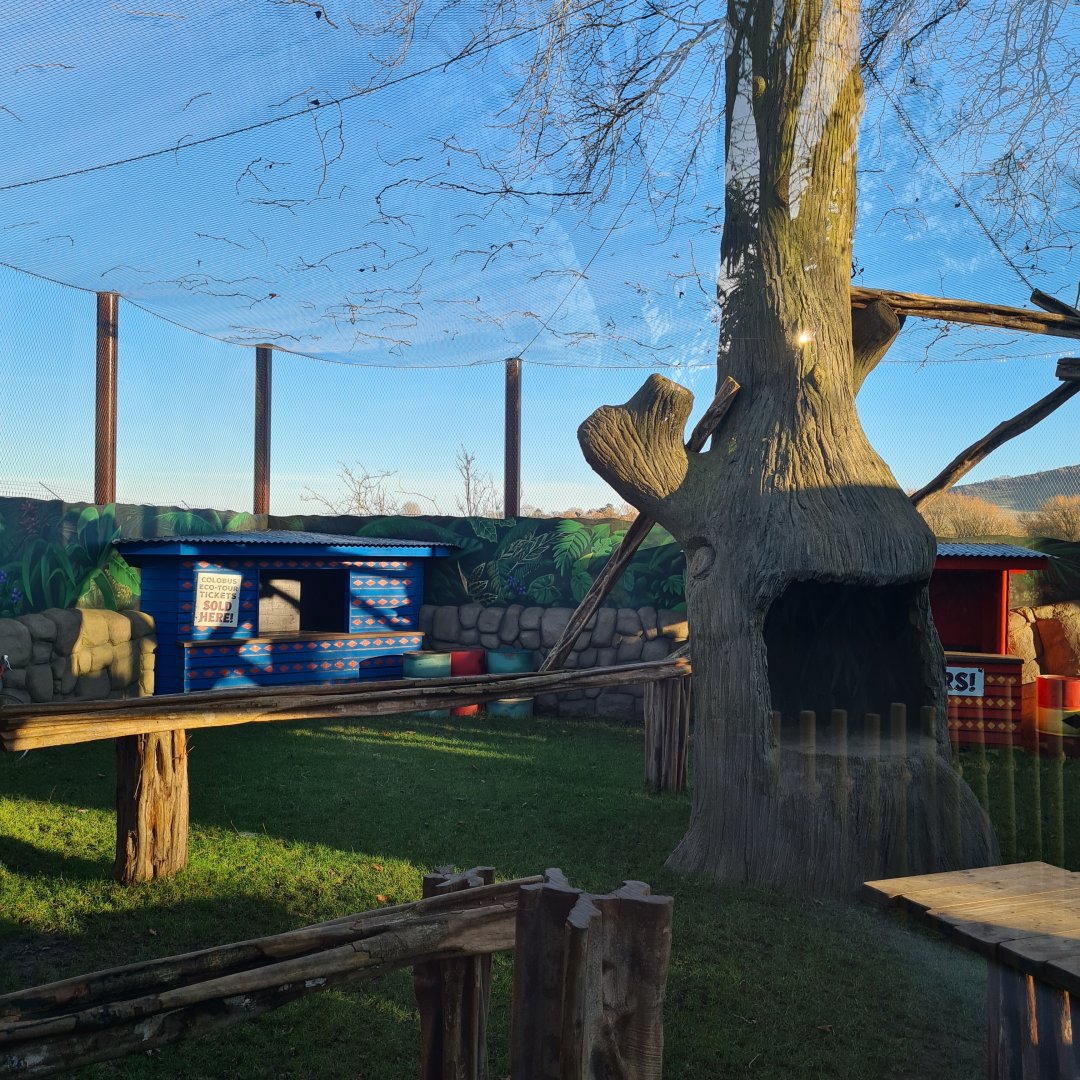
Separate walkthroughs house lorikeets and ring-tailed lemurs, with the lemur walkthrough offering a moated viewing area for when access is not permitted. This leads onto the zoos latest enclosure development which made a stir when announced online, the aforementioned £500,000 colobus enclosure.
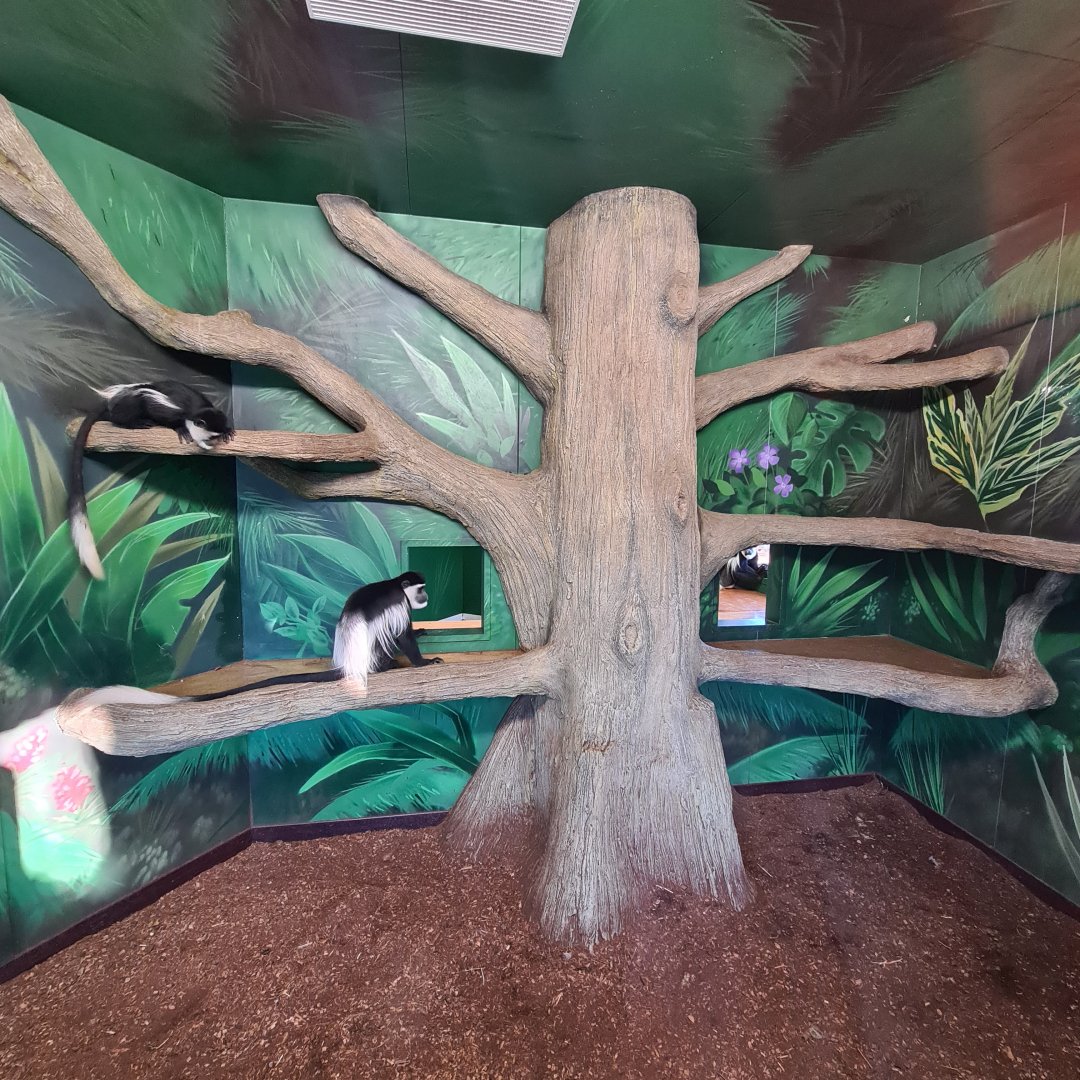
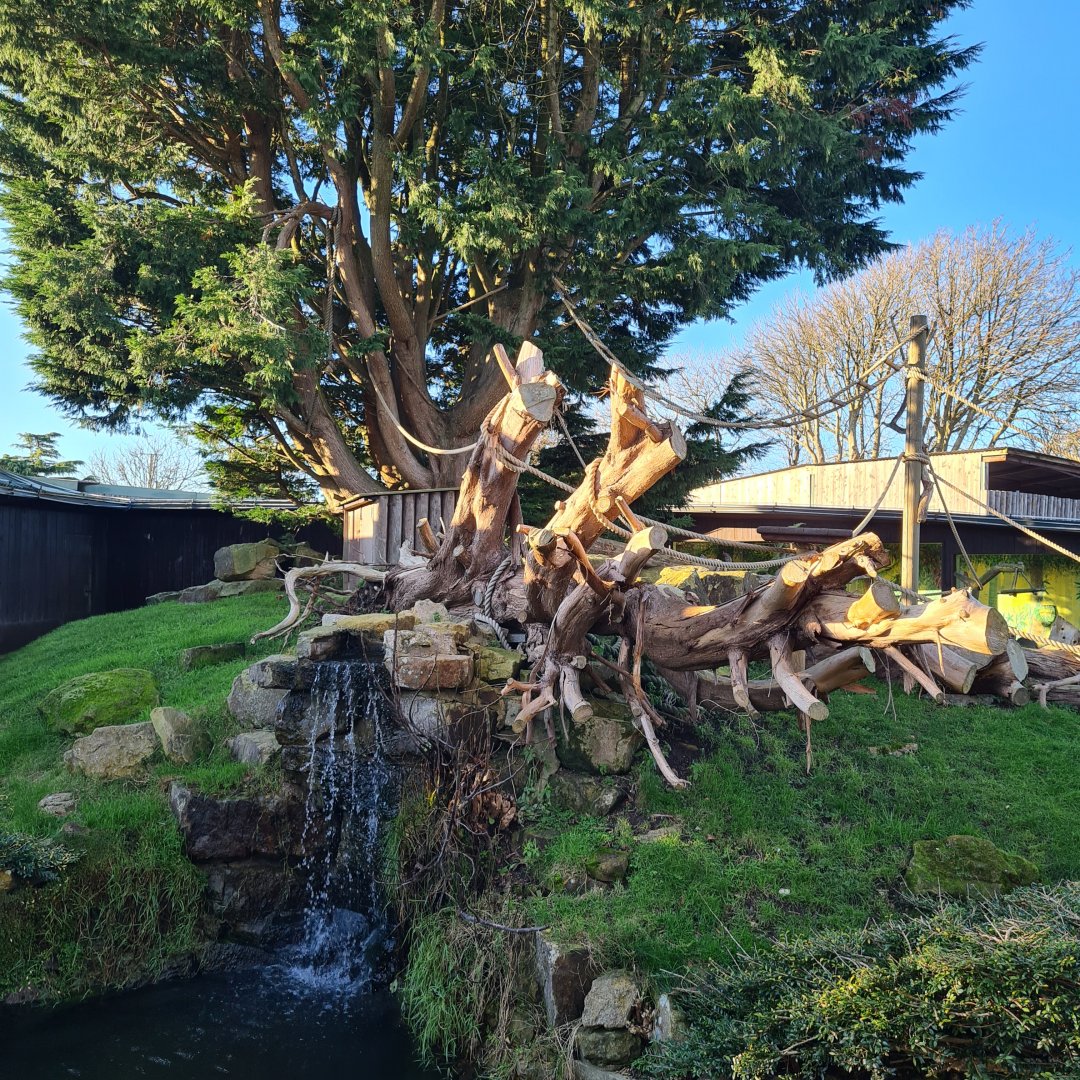
Do I think the enclosure is bad? No, not at all. But do I think that more could have been done to meet the needs of the colobus for £500,000, absolutely. I would have preferred to see a taller and better filled house, with dynamic branching and visual barriers. Whilst the outdoors is of a great size, and the mesh and mock trees good quality, more climbing structures could have been made available. The enclosure seems very static, lacking anything dynamic or movable other than the mesh, and the theming is somewhat cheesy. That said, I understand why it has been themed in this way, it’s a park targeting young families after all.
Like Arundel, I wouldn’t say Drusilla’s a destination zoo for most zoo nerds. Most species can be seen elsewhere and there’s no ground breaking exhibitory on offer (not that any is bad, and some is quite good). That said, it offers a good few hours of zoo time and is certainly worth the trip if you’re in the area… just remember to save some pennies to do so! My thoughts on Bede's Zoo and Knockhatch Adventure Park will be posted next week.
If you're in the UK and are situated in storm Darraghs path, stay safe!







 Just getting down to Sussex on the other hand