Questionable animal images are nothing new, but AI has brought it a whole new level. Unfortunately it's easy to do and sometimes looks convincing til you look harder. Recently I've seen an increasing number of what I suspect or know were AI images used in headlines, some not particularly convincing, others could easily be overlooked.
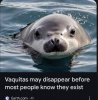
Example #1, the seal-quita

It looks like a seal and a porpoise got squished together - given the amount of whiskers and obvious snout why would anyone think it's a suitable image for an article about dolphins? And what is going on with the extra nose holes?
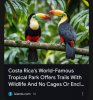
Example #2, the not quite Keel-bills

I'm not quite sure if this is AI, but its giving me that impression. It looks innocent enough at a glance, but no real Keel-billed Toucan has a red belly and that bill pattern. The feet also raise questions to me.
Other examples include everything from viral giant axolotls to men using brooms to push weirdly formed barnacles off oversized Belugas. So far it's mostly been more out there sites using such media, but I've seen it popping up more and more lately.
A few questions I'd like to pose as this ugly content continues making its way across the internet:
What happened to the respect for good photography, or just photos in general that we're turning to this garbage to headline articles? Surely it cannot be that hard to find a cheap stock photo of the animal you want? There's free sites for goodness sake. Are people that adverse to giving credit for photos these days?
What kind of impressions is this giving people about animals? That seal-quita is a disgrace to the plight of the Vaquita, it could have at least been a harbor porpoise or something. I've seen thumbnails for videos where there's obvious (to me anyway) AI animals interacting with humans, and it gives so many false impressions.
Also, what do you all feel can be done? Personally I don't click on articles or especially videos featuring such content, as I don't care to contribute to their traffic. It concerns me however that the general public often may not realize what they're looking at is not the real deal, giving false impressions of a species or the world in general and potentially contributing to animal misinformation. I realize it's a bit of a drop in the bucket given the loads of color edited photos of birds and fish out there, but weird AI creations should not be headlining any nature article.
Example #1, the seal-quita
It looks like a seal and a porpoise got squished together - given the amount of whiskers and obvious snout why would anyone think it's a suitable image for an article about dolphins? And what is going on with the extra nose holes?
Example #2, the not quite Keel-bills
I'm not quite sure if this is AI, but its giving me that impression. It looks innocent enough at a glance, but no real Keel-billed Toucan has a red belly and that bill pattern. The feet also raise questions to me.
Other examples include everything from viral giant axolotls to men using brooms to push weirdly formed barnacles off oversized Belugas. So far it's mostly been more out there sites using such media, but I've seen it popping up more and more lately.
A few questions I'd like to pose as this ugly content continues making its way across the internet:
What happened to the respect for good photography, or just photos in general that we're turning to this garbage to headline articles? Surely it cannot be that hard to find a cheap stock photo of the animal you want? There's free sites for goodness sake. Are people that adverse to giving credit for photos these days?
What kind of impressions is this giving people about animals? That seal-quita is a disgrace to the plight of the Vaquita, it could have at least been a harbor porpoise or something. I've seen thumbnails for videos where there's obvious (to me anyway) AI animals interacting with humans, and it gives so many false impressions.
Also, what do you all feel can be done? Personally I don't click on articles or especially videos featuring such content, as I don't care to contribute to their traffic. It concerns me however that the general public often may not realize what they're looking at is not the real deal, giving false impressions of a species or the world in general and potentially contributing to animal misinformation. I realize it's a bit of a drop in the bucket given the loads of color edited photos of birds and fish out there, but weird AI creations should not be headlining any nature article.