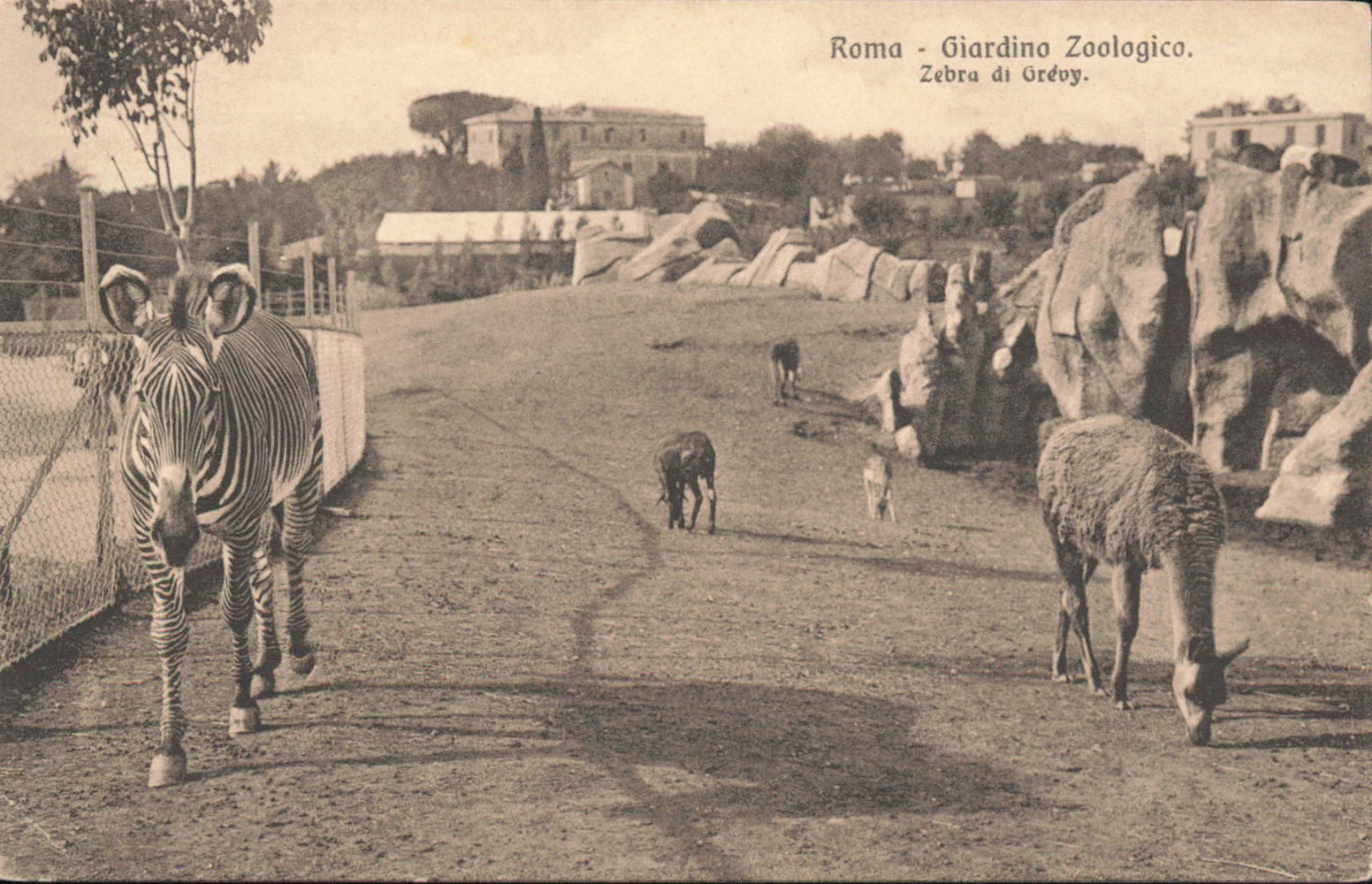
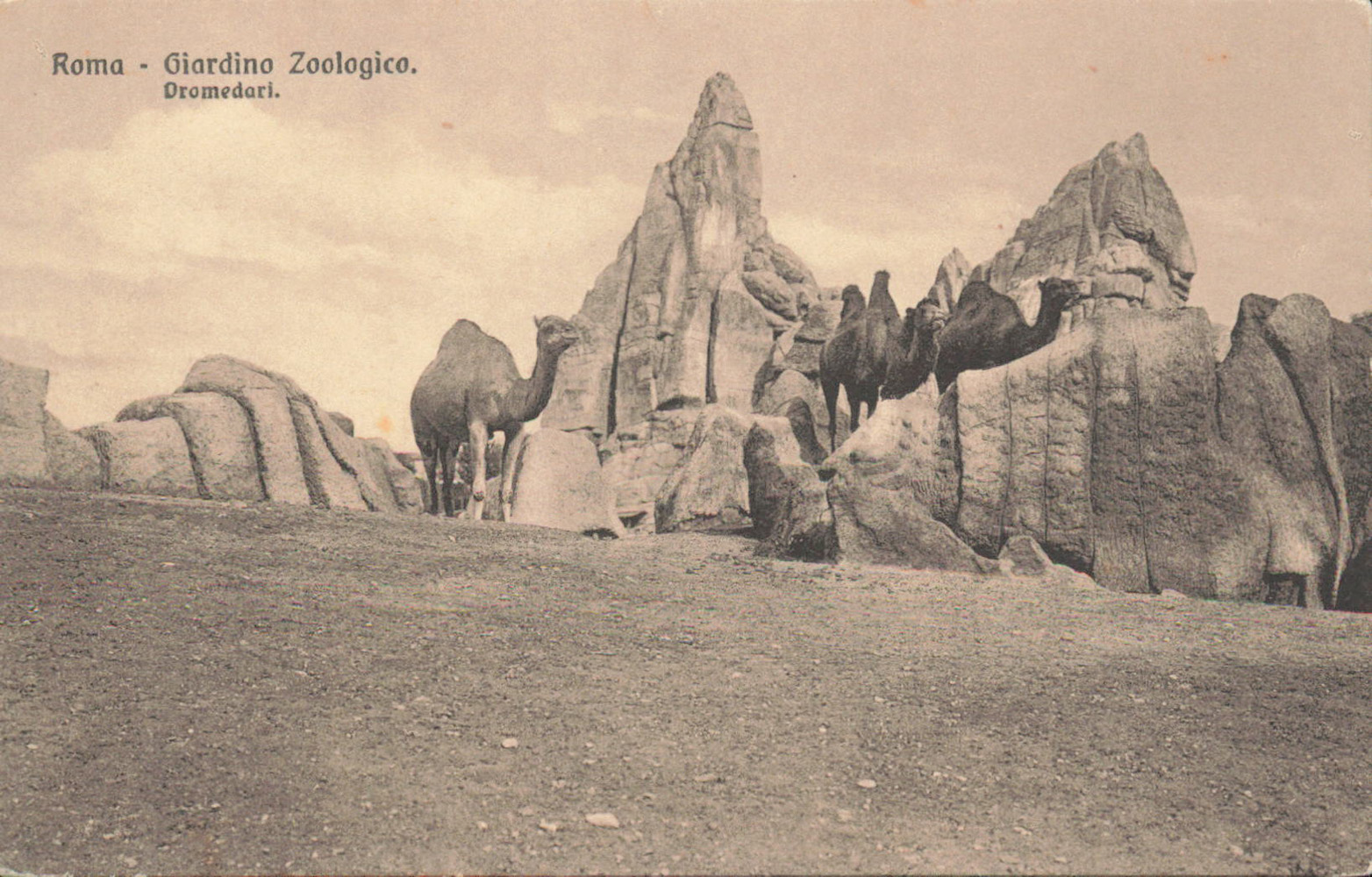
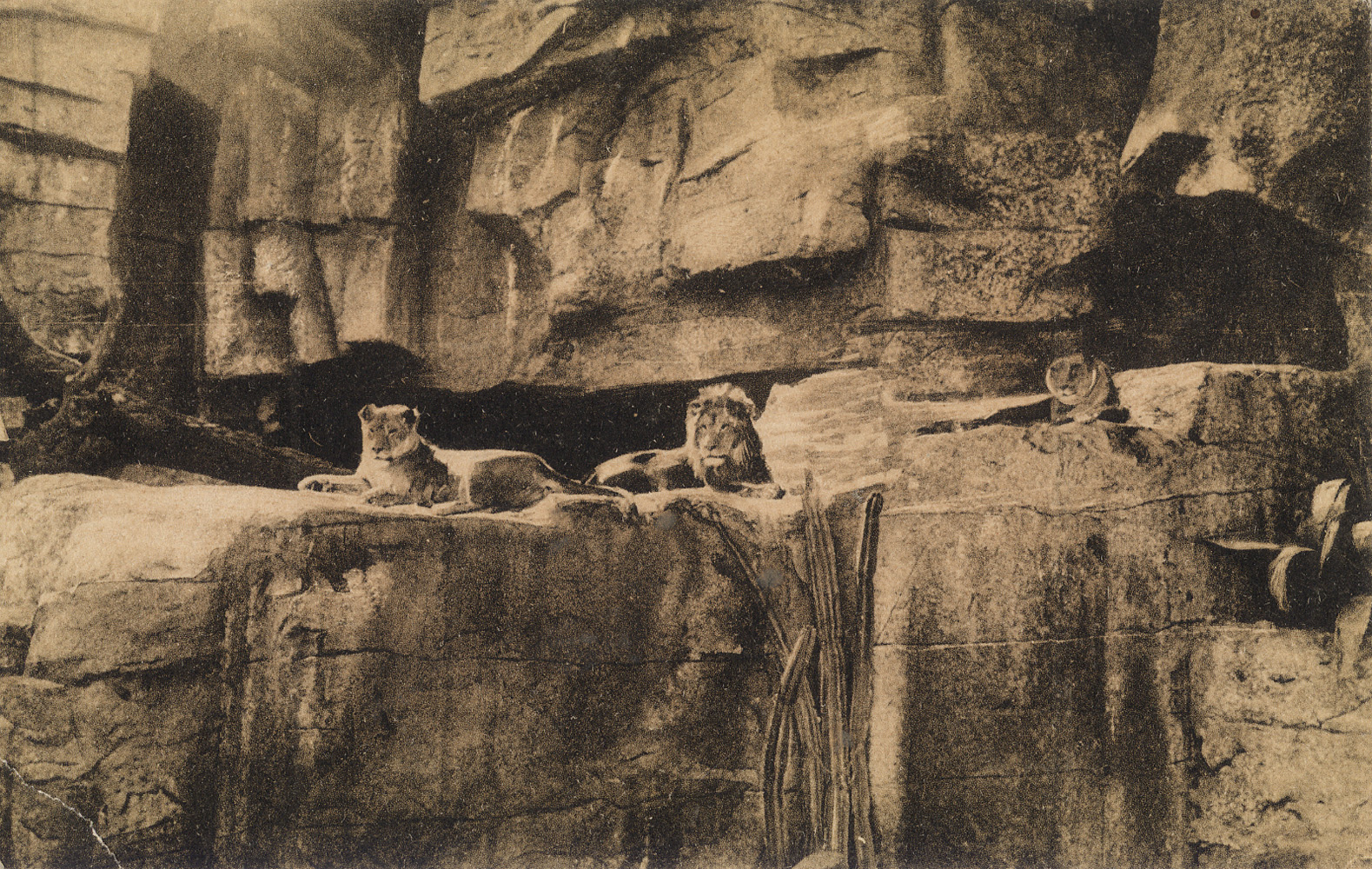
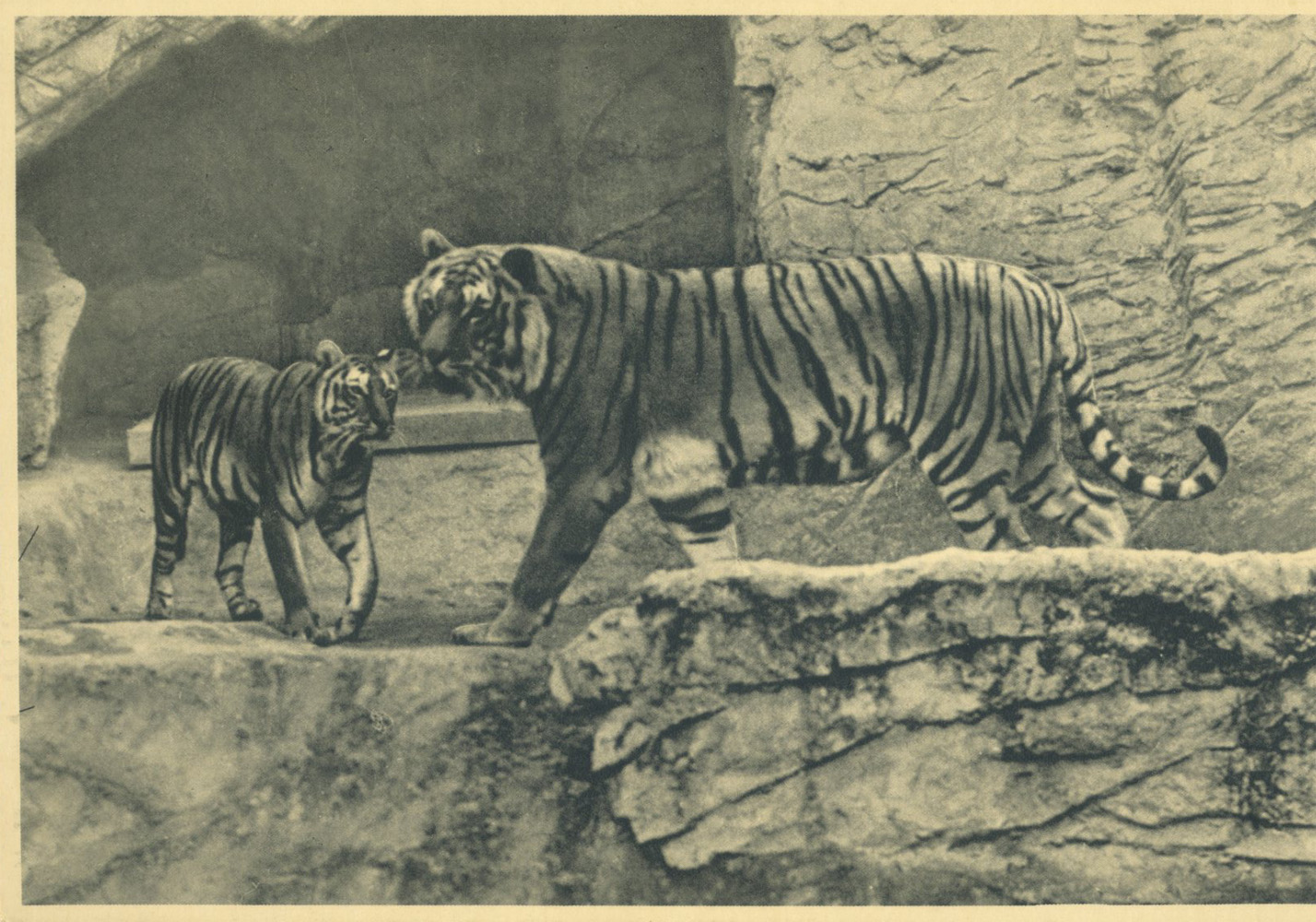
I created this thread to showcase and explain the history and evolution of the collection of the 'Caput Mundi' zoo (partially inspired by @Tiger 's thread about the Antwerpen Zoo) that despite initial plans after few more than 110 years does not stand out to other Capitals' zoos if not for how bad and seemingly mediocre it is.
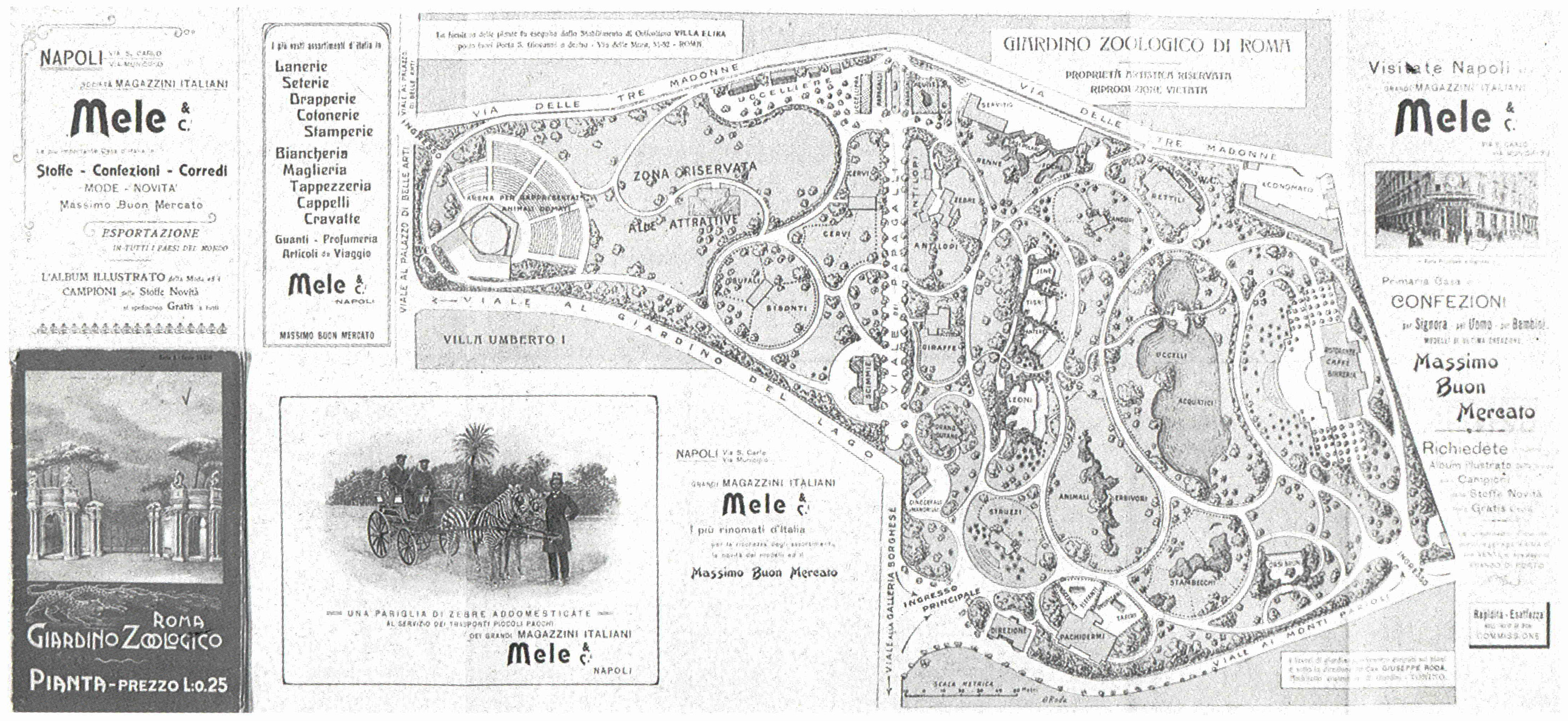
I'll start with the general history of the zoo from its foundation to the first years of the 21st century and in the following posts I'll showcase the different maps explaining how the collection evolved, what important events took place and a bit of speculation for the parts that are not crystal-clear.
The sources I'll use for both media and facts are the Zoochat gallery for this zoo, Google Maps, Les Zoos dans le Monde website ( Les Zoos dans le Monde - Bioparco di Roma ), the zoo's website, the website of Spartaco Gippoliti (a famous figure orbiting this structure since he was little) about the zoo ( Giardino zoologico di roma, gli animali e la storia dello zoo di roma ), his ResearchGate profile ( https://www.researchgate.net/profile/Gippoliti-Spartaco ) and my two visits in recent years (I have tons of photos but cannot access and thus post them in the gallery unfortunately).
The Zoological Garden is born under an association called 'Società Anonima per il Giardino Zoologico' (Anonymous Society for the Zoological Garden), chaired first by the Baron Giorgio Sonnino and subsequently by the Prince Francesco Chigi. The society gets Carl Hagenbeck, whom revolutionized zoo architecture in 1907 (as some of us know), to collaborate with them.
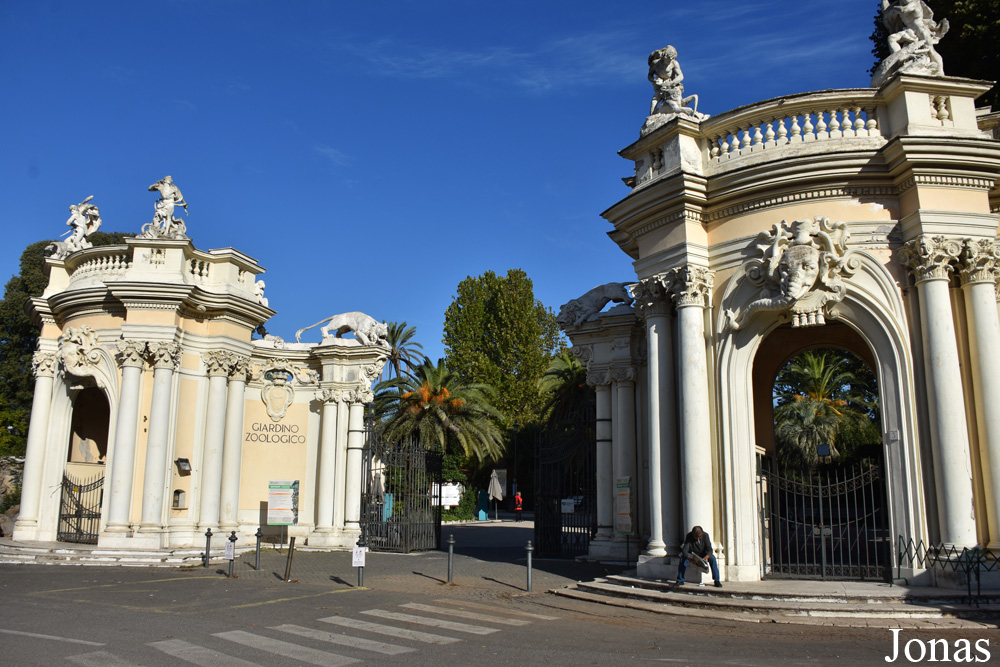
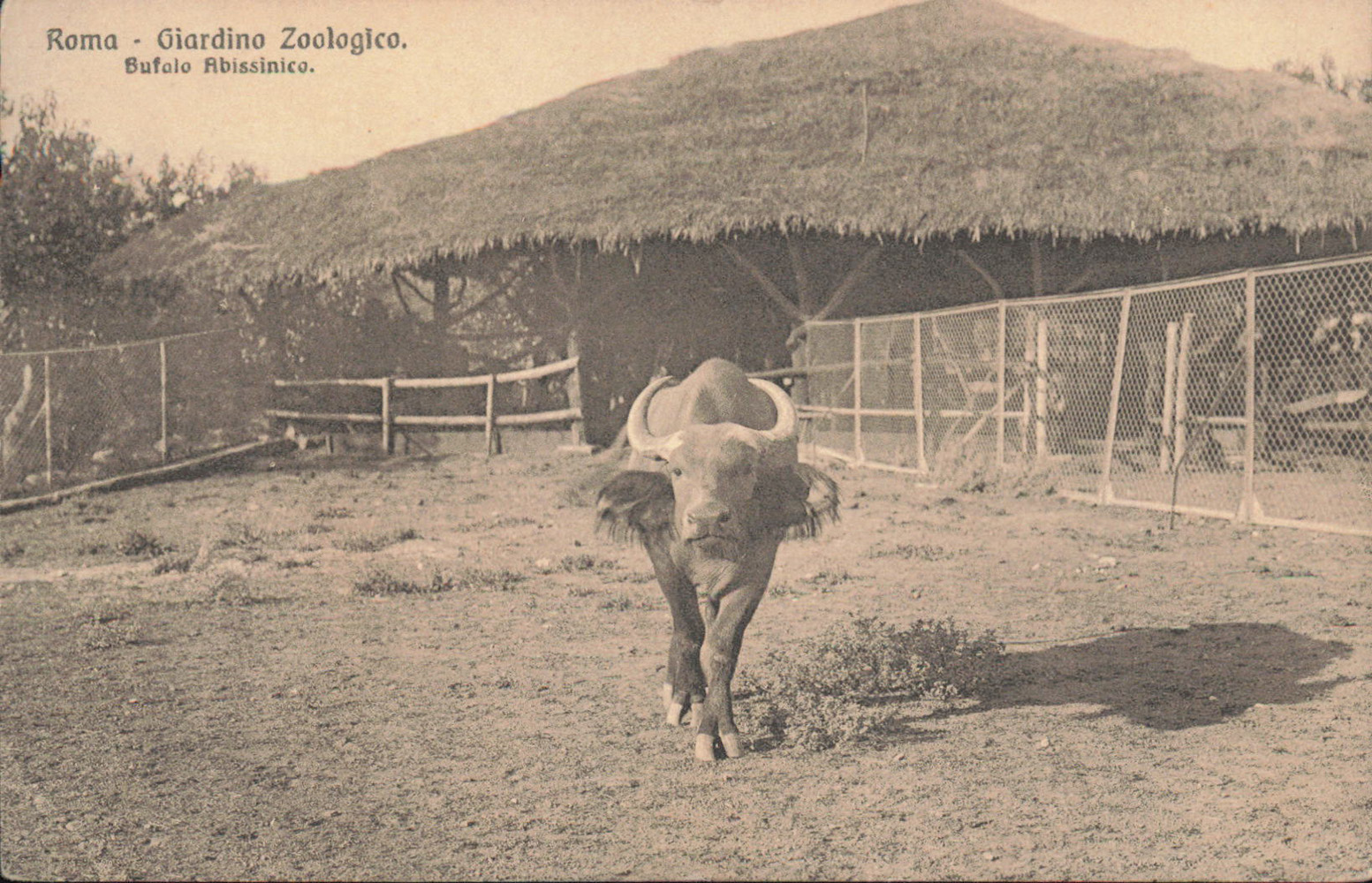
The Zoological Garden was inaugurated under the presence of the mayor Ernesto Nathan on January 5th 1911. The first director was german zoologist Knottnerus-Meyer.
The zoo covered a total of 11 hectares and occupied the northern part of Villa Borghese. The first years of life are rather difficult given the absence of public transport to link the rest of the city with the gardens and the conflicts involving Italy, the Italo-Turkish war and WW1. The facility declared bankruptcy in 1915, so the Town Hall came in to rescue this unique italian facility.
Only during 1924 the governor could create an Autonomous Agency (in the italian legal system this is an organisation that despite being part of the State or under a public entity has characteristics that allow it to be somewhat independent, such as the railway agency) that could secure the economic flexibility of this peculiar structure. Lamberto Crudi became the new director with Marquis Professor Giuseppe Lepri being the scentific advisor. Amongst the projects realized by the Autonomous Agency top the Civic Museum of Zoology (adjacent to the zoo and incorporated into the zoo grounds for the longest time, now divided by a metal fence) and the expansion of the zoo under the project of Raffaele de Vico.
WW2 will block other projects, such as the pachyderm house and the aquarium (the latter will never be constructed), due to the Universal Exposition of 1942. The following years the Zoological Garden (not anymore an Autonomous Agency since 1936) will suffer from a chronic lack of founds. After the death of Crudi in 1953 Ermanno Bronzi will take his role (he was the zoo's biologist since 1937).
Under his leadership particular attention will be directed towards scientific research in collaboration with many universities. Many new exhibits will be built and many more will be refurbished in occasion of the Olympic Games of 1960. To celebrate its 50th anniversary the zoo launches its own zoologic magazine called 'Giardino Zoologico'. From now on the political pressure of the direction will interfere with the organisation and development of the zoo.
Between tons of difficulties the new pachyderm house (1969) and the monkeys' village (1977) will be built anyway. Bronzini leaves the director position in 1978 and after a few years the biologist Francesco Baschieri Salvadori will take this position and continue the modernization of the exhibitions. From 1983 the direction is left to many and short-lasting administrative managers that will prevent the zoo from fullfilling its educational, scientific and animal conservation duties during an era of vital transformations for modern zoological collections.
After 1993 the capital administration promotes the transformation of the zoological garden towards an economically self-sustaining center of enviornamental education. In 1997 the Gilman Foundation proposes a partial recovery project of the zoo and in 1998 will found the Bioparco S.p.a. which will be in charge of the complex until 2004, when the failure of the economic goals set will force the Town Hall to create the Bioparc Foundation, which stands and directs the zoo to this day.
I'll start with the general history of the zoo from its foundation to the first years of the 21st century and in the following posts I'll showcase the different maps explaining how the collection evolved, what important events took place and a bit of speculation for the parts that are not crystal-clear.
The sources I'll use for both media and facts are the Zoochat gallery for this zoo, Google Maps, Les Zoos dans le Monde website ( Les Zoos dans le Monde - Bioparco di Roma ), the zoo's website, the website of Spartaco Gippoliti (a famous figure orbiting this structure since he was little) about the zoo ( Giardino zoologico di roma, gli animali e la storia dello zoo di roma ), his ResearchGate profile ( https://www.researchgate.net/profile/Gippoliti-Spartaco ) and my two visits in recent years (I have tons of photos but cannot access and thus post them in the gallery unfortunately).
The Zoological Garden is born under an association called 'Società Anonima per il Giardino Zoologico' (Anonymous Society for the Zoological Garden), chaired first by the Baron Giorgio Sonnino and subsequently by the Prince Francesco Chigi. The society gets Carl Hagenbeck, whom revolutionized zoo architecture in 1907 (as some of us know), to collaborate with them.
The Zoological Garden was inaugurated under the presence of the mayor Ernesto Nathan on January 5th 1911. The first director was german zoologist Knottnerus-Meyer.
The zoo covered a total of 11 hectares and occupied the northern part of Villa Borghese. The first years of life are rather difficult given the absence of public transport to link the rest of the city with the gardens and the conflicts involving Italy, the Italo-Turkish war and WW1. The facility declared bankruptcy in 1915, so the Town Hall came in to rescue this unique italian facility.
Only during 1924 the governor could create an Autonomous Agency (in the italian legal system this is an organisation that despite being part of the State or under a public entity has characteristics that allow it to be somewhat independent, such as the railway agency) that could secure the economic flexibility of this peculiar structure. Lamberto Crudi became the new director with Marquis Professor Giuseppe Lepri being the scentific advisor. Amongst the projects realized by the Autonomous Agency top the Civic Museum of Zoology (adjacent to the zoo and incorporated into the zoo grounds for the longest time, now divided by a metal fence) and the expansion of the zoo under the project of Raffaele de Vico.
WW2 will block other projects, such as the pachyderm house and the aquarium (the latter will never be constructed), due to the Universal Exposition of 1942. The following years the Zoological Garden (not anymore an Autonomous Agency since 1936) will suffer from a chronic lack of founds. After the death of Crudi in 1953 Ermanno Bronzi will take his role (he was the zoo's biologist since 1937).
Under his leadership particular attention will be directed towards scientific research in collaboration with many universities. Many new exhibits will be built and many more will be refurbished in occasion of the Olympic Games of 1960. To celebrate its 50th anniversary the zoo launches its own zoologic magazine called 'Giardino Zoologico'. From now on the political pressure of the direction will interfere with the organisation and development of the zoo.
Between tons of difficulties the new pachyderm house (1969) and the monkeys' village (1977) will be built anyway. Bronzini leaves the director position in 1978 and after a few years the biologist Francesco Baschieri Salvadori will take this position and continue the modernization of the exhibitions. From 1983 the direction is left to many and short-lasting administrative managers that will prevent the zoo from fullfilling its educational, scientific and animal conservation duties during an era of vital transformations for modern zoological collections.
After 1993 the capital administration promotes the transformation of the zoological garden towards an economically self-sustaining center of enviornamental education. In 1997 the Gilman Foundation proposes a partial recovery project of the zoo and in 1998 will found the Bioparco S.p.a. which will be in charge of the complex until 2004, when the failure of the economic goals set will force the Town Hall to create the Bioparc Foundation, which stands and directs the zoo to this day.

 .
.