AquaZoo Leeuwarden Aqua zoo news

Nice hatching achievement with the threatened Madagascan panchax!

The new Amur area looks quite nice ..., I am sure with age and given the start of spring green will spruce up the exhibits even further. I also quite excited to go see the new Amur tiger area ... sometime soon!
 
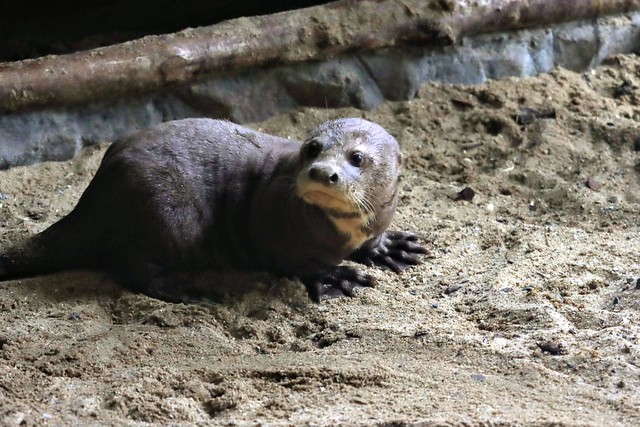
A giant otter has been born for the first time at AquaZoo! In fact, it is the first time a giant otter has been born in the Netherlands!

For both parents, this is their first litter. The animals regularly lie down with the three of them in the specially built nesting area. This is equipped with two cameras, so the keepers can follow the animals closely without disturbing them.

The first weeks are crucial for the young giant otters, which still spend a lot of time in the nesting area. With a bit of luck, visitors can sometimes already catch a glimpse of the little one.

Source: Facebook AquaZoo Leeuwarden
 
Some updates from my visit last thursday:

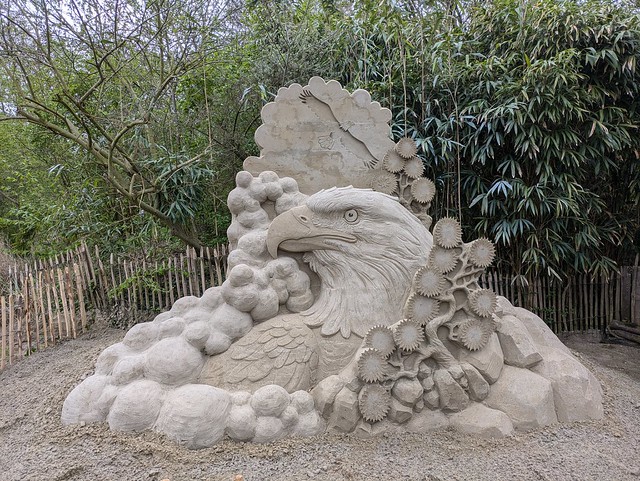
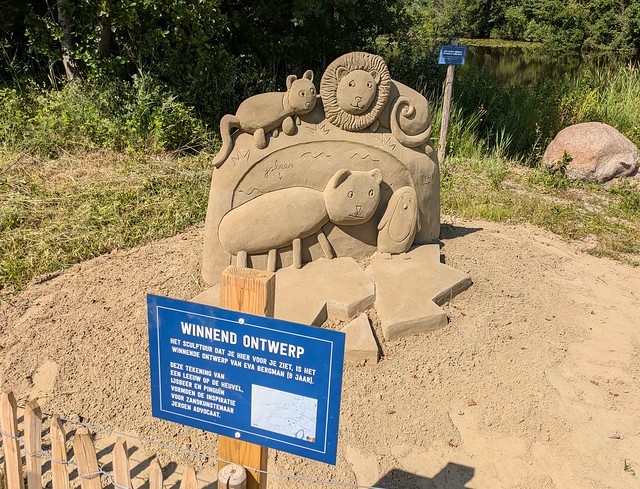
- The evening of my visit saw the special opening for season ticket holders of the new event Sand & Zoo. There are sand sculptures at three different locations in the zoo, each with its own theme. The themes are animals of the air, animals of the water and animals of the land. The event will last until the end of August. If it is a success, it may become a recurring event.
54458614814_c3df6df2b6_z.jpg

One of the sculptures

- In March, AquaZoo organised a photo competition. The 12 winners have since been chosen and the photos are now on display in the zoo's entrance hall and restaurant (including one of mine! :D). They will remain there for one year. The winning photos can also be found on the website: Fotowedstrijd | AquaZoo Leeuwarden

- There is only one axolotl now. The other two have died.

- In AquaZoo's Wadden area, sea trout eggs have hatched for the first time. Some 2,500 fish were already swimming in the four rearing tanks and now several thousand more have hatched. Recently, some of those original 2,500 were also released into the wild. These fish will migrate to the Wadden Sea after one to two years and will continue to grow. After an average of one to three years at sea, they instinctively try to return to the stream where they were once released, where they reproduce.

To make this possible, organisations such as the Waddenvereniging and Sportvisserij Nederland have restored migration routes and improved the habitat with rearing and spawning areas. Visitors to AquaZoo can learn more about this special project via interactive education boards in the Wadden area.
54458685673_dbfa9c7af4_z.jpg

The interactive education boards

- There have been some changes with the small-clawed otters, so they are no longer housed in two different locations at the zoo. The enclosure opposite the giant otters is empty and the indoor enclosure there has also been removed (I don't know what else they plan to do with it). There were two males in one enclosure and a father and daughter in the other. But after some moves, there should now be a pair again in the old red panda enclosure.

- There are at least two swamp wallabies with a young in their pouch.

- Last year's Père David's deer calf moved to Natuurpark Lelystad early this month. A few days later, a calf was born again at AquaZoo.

- Both red pandas have now been moved to the new enclosure.

- For the first time, I saw a pair of Dalmatian pelicans building a nest in the pelican aviary. The black-crowned night herons and little egrets were also busy building nests.
 
Some updates from my visit yesterday:

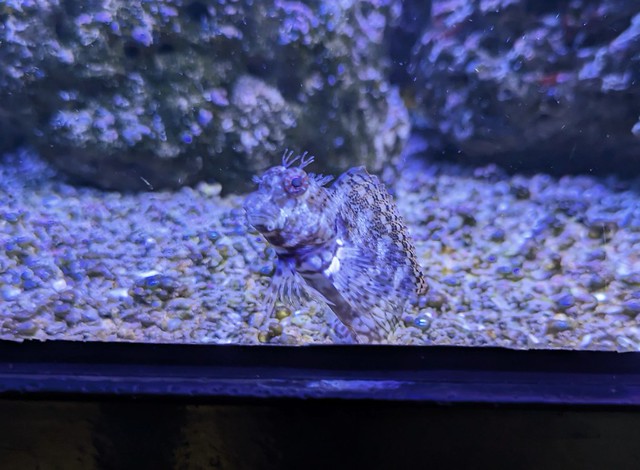
- Spotted a new species in the seahorse aquarium. It is a jewelled blenny (Salarias fasciatus).
54502587797_77eb20a995_z.jpg

A very active little guy

- The Red Madagascar Panchax (Pachypanchax sakaramyi) are back in their old aquarium. Which means the middle aquarium is now empty again.

- In the sea aquarium of the Wadden area, I saw some snails that I had not seen there before, most likely common periwinkles. A bit strange as these are signed in the tidal aquarium, but I have never seen them there....

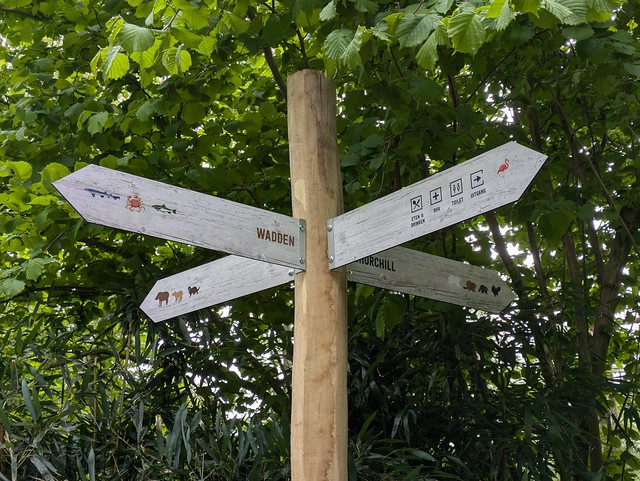
- They were installing new direction signs. Quite an improvement over the previous outdated signs. Those sometimes still pointed to the fur seals, which have been out of the collection for three years...
54503717653_b0d293bdae_z.jpg

The new signs
- After moving the last animal, AquaZoo was without capybaras for several weeks. Now, two new animals have recently arrived. They are slowly getting used to the enclosure but cannot yet be seen together with the tapirs and agoutis. If I have understood correctly, they are two males.

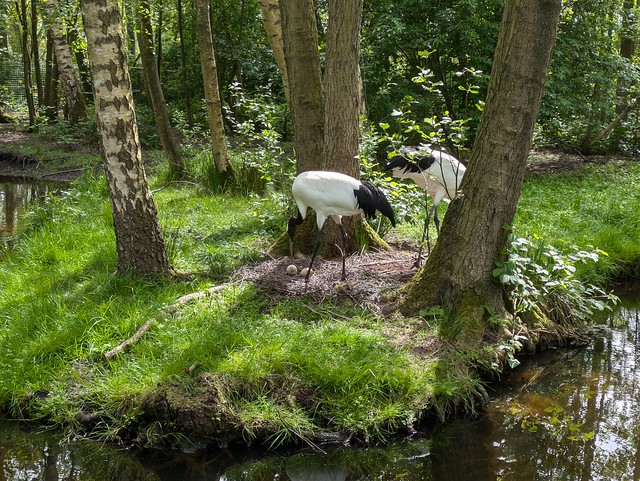
- The pair of red-crowned cranes is currently sitting on two eggs.
54502587982_ccbb722b83_z.jpg

The parents when they swapped

- I saw some Humboldt penguins in the nest boxes, but couldn't see if there were eggs and/or chicks.
 
Some updates from my visit last tuesday:

- The axolotl aquarium has had a little maintanance. A lot of algae/moss has been removed and some new plants have been added.

- Finally saw a periwinkle in the tidal aquarium at last! Took me almost 2 years o_O. Also spotted the shore crab which I hadn't seen for a while.
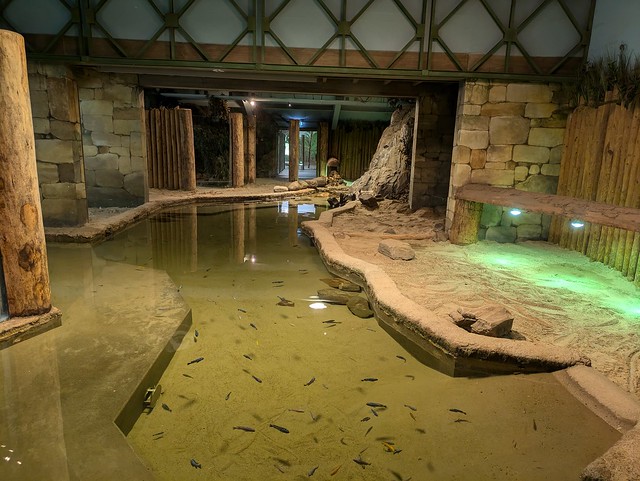
- Now that the weather is getting warmer, the fish in the beaver enclosure are also well visible again. Several rainbow trout swim in front of the underwater view and a large Atlantic sturgeon also passes by every now and then. I have yet to see the American paddlefish....

- The new capybaras have now joined the tapirs and agoutis. They are still getting used to each other because when a tapir came close to one of the capybaras, the latter immediately jumped into the water.

- There is a second red kangaroo joey.
 
Some updates from my visits last Sunday (spontaneous visit with family) and Thursday (planned visit because of the young giant otter):

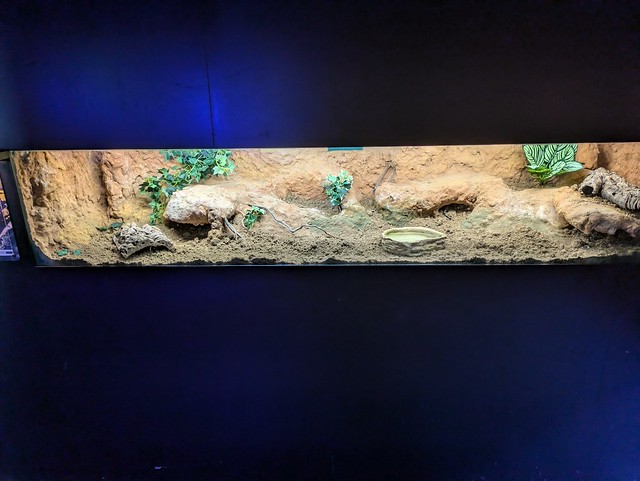
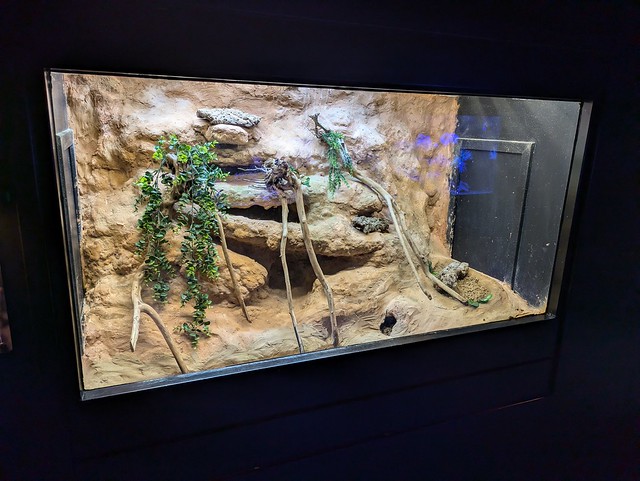
- Some fake plants have been added to the terrariums of the Portuguese fire salamanders (Salamandra salamandra gallaica) and Majorcan midwife toads (Alytes muletensis).
54560686309_440ea14eb5_z.jpg

The fire salamander terrarium

54569323289_d305b3cd0f_z.jpg

The Majorcan midwife toad terrarium

- The giant otter (Pteronura brasiliensis) cub is a male. And yesterday, I finally saw him for the first time! He spent almost the entire day in the indoor enclosure. Of course, he often rested in the hut, but he was also active on a regular basis. From playing with his father to swimming lessons from his mother.
54568269057_6638271dc4_z.jpg

A quick/simple edited photo from my camera. More photos will probably follow later in the gallery.

- Outside the Churchill Observation Den, some decorations have been removed and a pump installation has been put in place, which is still being decorated. Maybe they're trying to make the water clearer so you can get a better view underwater?

- A red-crowned crane (Grus japonensis) has hatched.

- Now that the mandatory confinement of poultry (due to bird flu) in the Netherlands has been lifted, the Humboldt penguin (Spheniscus humboldti) walk-through enclosure is once again open to visitors.
 
Some updates from my visit last saturday:

- The North American beavers have four young.

- The filtration unit next to the Churchill Observation Den has been decorated.
54605967621_1460e7b63d_z.jpg

- A harbour seal was born on June 14.

- The young giant otter has recently been allowed outside.

- The last sand sculpture has now been unveiled. This is the winning design from the design competition.
54605967611_58c4142ae4_z.jpg
 
Some updates from my visit yesterday:

- The Red Madagascar Panchax have yet again switched to the other aquarium. I have honestly no idea why this happens so often...

- New/additional lamps have been installed above the Nile crocodile enclosure. It was always a bit dark in there, but this makes it a lot brighter!
54644385803_c14ec73f61_z.jpg

- During low tide in the tidal aquarium, I saw several small starfish in the shallow pools. They look like a type of brittle star.
54644463495_f8030430a2_z.jpg

- The young red kangaroo has now left its mother's pouch. This young also appears to have a redder coat and is therefore probably a male.

- The two-year-old Amur tiger male Amazar moved to Wilhelma Stuttgart about two weeks ago.

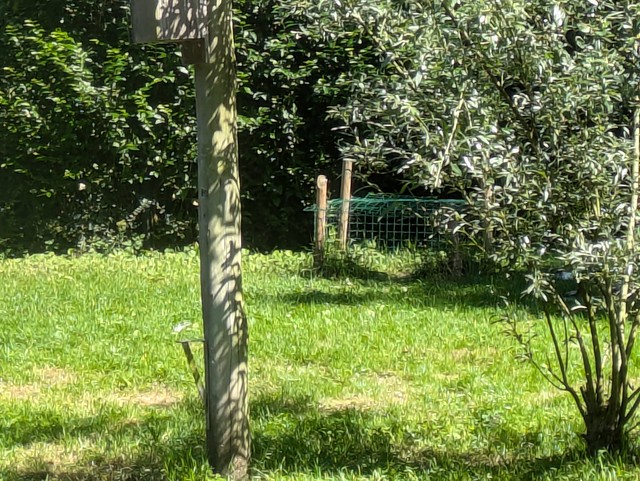
- A kind of frame has been placed in the pelican aviary. I think it is to protect a nest, although I did not see anything inside it.
54644373044_03411e5445_z.jpg
 
There hasn't been much news to report in recent months, so here is a collection of updates from my recent visits:

- The “Sand in Zoo” event has come to an end and all the sand sculptures have been dismantled. However, the next event will start soon. From the 11th of September, the dinosaur event will be back.

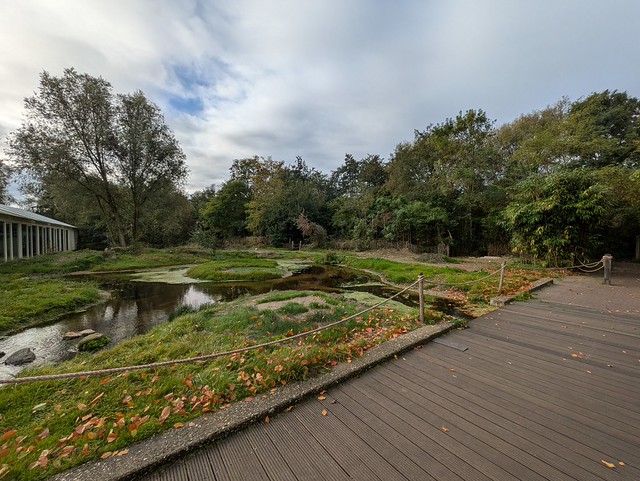
- Now that the sand sculptures are gone, construction of the new Wadden Aviary can begin. However, there is not much to see yet at the site where it will be built.
54769363933_eae4da9fc5_z.jpg

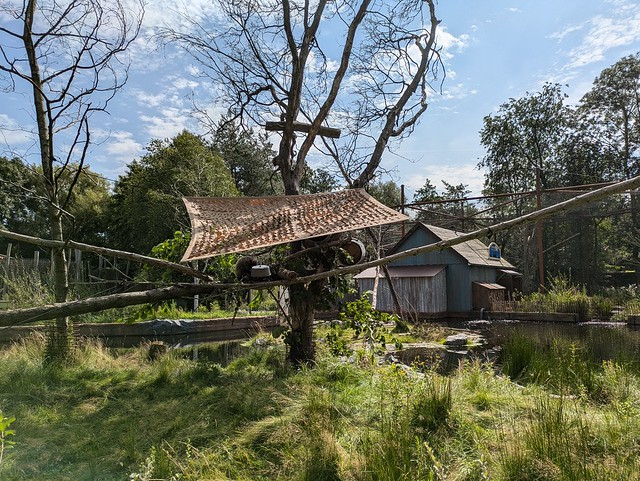
- During the hot summer months, shade cloths were hung in a number of enclosures, including those of the North American porcupines and red pandas.
54709918580_dfd906d928_z.jpg

- One of the adult red-crowned cranes is not visible in the enclosure. The animal is believed to be behind the scenes for medical treatment.
 
Nine European hedgehogs that had been rescued and cared for by wildlife rescue centre “De Fûgelhelling” over the past few months were recently released at AquaZoo. The animals had been brought to the rescue centre injured or weakened. Now that they have recovered, they have been released into the natural environment of AquaZoo.

The collaboration between the wildlife rescue centre and AquaZoo has been in place for several years. De Fûgelhelling is financially supported by Stichting Wildlife, which is also operating in AquaZoo, and the zoo itself serves as a release location. Over the years, more than thirty hedgehogs and various species of waterfowl have been released in AquaZoo. From there, the animals can reacclimatise to life in the wild and head out further into nature.

The collaboration is also shown to visitors through a sign listing all animal releases and information about the collaboration. Both organisations want to further intensify the collaboration in the coming years.

Source: AquaZoo Leeuwarden
 
Last edited:
Some updates from my visit yesterday:

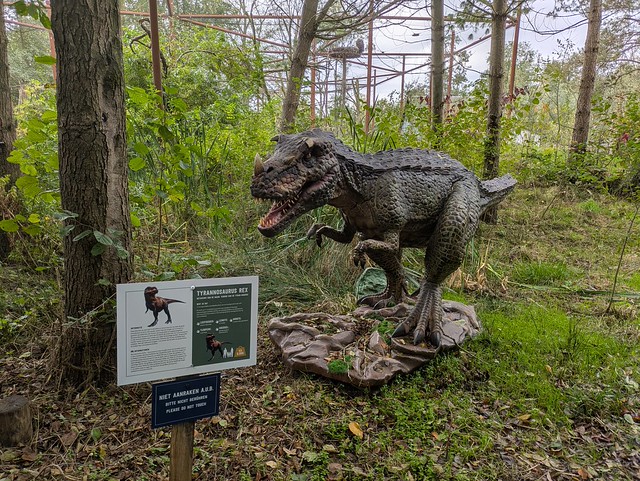
- Normally, I walk right past the dinosaur animatronics during the dino event. I'm just not really interested in them. But after Mr. Gharial's posts about the inaccurate dinosaurs from the company that makes these dinosaurs, I paid a little more attention to them. I don't know anything about dinosaurs, so I have no idea how accurate they really are. But some of them do have some differences between the sign and the actual animatronic. For those who are interested, here is a list of the dinosaurs at the event:

3x Tyrannosaurus rex
1x Carnotaurus
1x Indominus rex
1x Kosmoceratops
3x Triceratops
1x Irritator
1x Iguanodon
2x Velociraptor
1x Procompsognathus
1x Omeisaurus
1x Dongyangosaurus
1x Allosaurus
1x Phytosaurus
1x Pachycephalosaurus
1x Postosuchus
1x Gallimimus
1x Parasaurolophus

54859031791_439498a624_z.jpg

One of the dinosaur animatronics.

- I spotted a new fish in both the current and former aquarium of the red Madagascar panchax (Pachypanchax sakaramyi). It is a type of armoured catfish, but I am not yet entirely sure which species. There was also a baby fish swimming in the former aquarium of the red Madagascar panchax, which I think is a youngster of that species.
54859288578_09837a32b4_z.jpg

One of the yet-to-be identified armoured catfish.

- The black pacus (Colossoma macropomum) were being moved to another park.

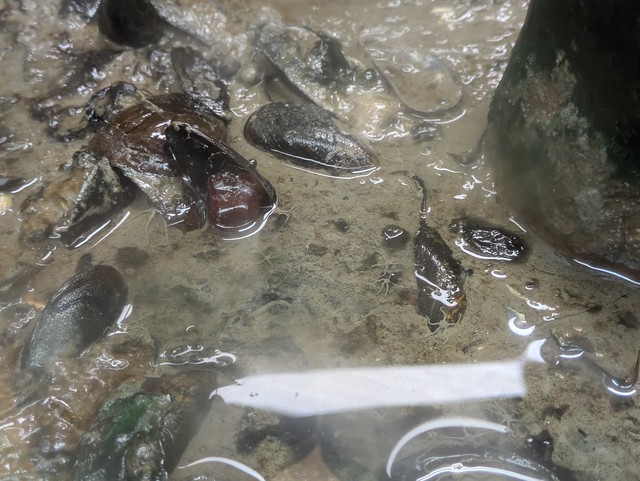
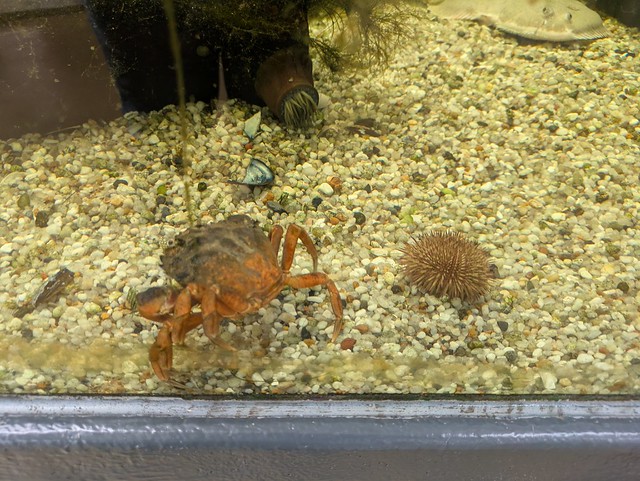
- New animals have been added to both aquariums in the Wadden area, including a new species. Many new shore crabs (Carcinus maenas) have been added to the tidal aquarium; I counted about 10 of them. A shore crab has also been added to the sea aquarium, and sea urchins can now be seen here. The separate aquarium with the small-spotted catshark (Scyliorhinus canicula) eggs has been removed.
54859288728_2cd277395a_z.jpg

Shore crab and sea urchin.

- Two new lesser flamingos (Phoeniconaias minor) have arrived from a Center Parcs location. The group now consists of eleven birds.

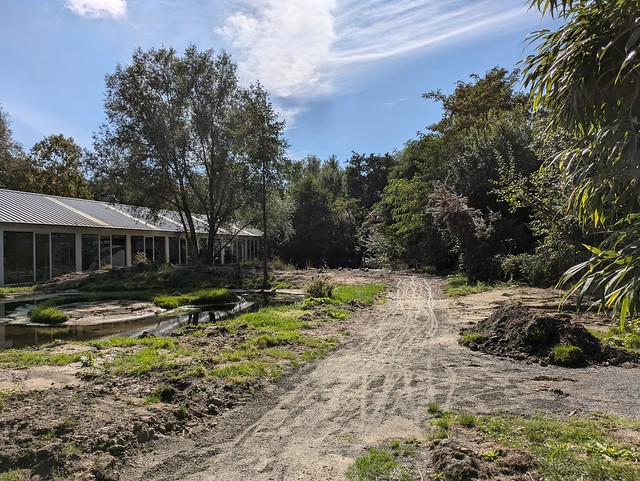
- The former indoor enclosure for the African penguins has been demolished in preparation for the construction of the Wadden Aviary.
54859282844_8daff8ba78_z.jpg

The site of the future Wadden Aviary.

- The male of the red-crowned crane (Grus japonensis) pair has died after an illness.

- One of the two white-belted black-and-white ruffed lemur (V. v. subcincta) has recently died.
 
Back
Top