Auckland Zoo Auckland Zoo History

Leopard Escape 1925

News article from the NZ Herald about the leopard that escaped from Auckland Zoo in 1925. This story was also mentioned in 'Tiger by the Tail.'

The H Files: The leopard on the loose in Auckland - city on edge for almost a month

Just three days after she had arrived at the Auckland Zoo in Western Springs, a large, female predator was noticed to be missing from her enclosure.

Unseen, the stealthy leopard from India had seemingly slipped through the bars covering her enclosure and out of the zoo.

Late workers took taxis home, windows were closed, mothers feared for their babies - the city was on edge for weeks after the animal's escape in September 1925.

This was less than three years after the Auckland City Council-owned zoo had opened and just one year since the escape - and recapture - of a young sealion.

Newspaper readers' fears had been primed by an Indian report of a man-eating leopard being killed, but only after - so the story went - it had done away with 125 people in seven years, often having entered its victims' homes at night, carrying them off into the jungle.

Auckland's new leopard measured 1.85m long, including her tail, and she was said to have a "nasty temper", unlike the "extremely tame" male leopard at the zoo.

The first news report of her escape, in the Auckland Star on September 17 - three days after her absence was first noted by zoo staff - emphasised that humans need not be alarmed, although a hungry leopard might pose a threat to local dogs, cats and poultry.

Such assurances fell on deaf ears.

A Herald correspondent signing herself as "Mother" said the mothers and children of "the Ranges" - presumably the Waitakere Ranges - were afflicted by a "reign of terror".

"Children of a timid temperament will no longer go to bed alone, will not have their windows or their doors open. Children no longer may sleep on verandahs or sleeping porches.

"One mother has a slasher always at hand; another carries an axe; yet another has a loaded gun."

Men armed with guns and clubs repeatedly searched in the vicinity of the zoo and the wider area. The strongest evidence of the leopard's presence was at a tannery - an animal-hide processing plant - near the zoo. It appeared the leopard had fallen into a vat of toxic tanning liquid and left footmarks leading through the building and out to the surrounding vegetation.

Claims were soon made of a series of sightings of the leopard and her footprints, and a usually-present cat and seven hens were said to be missing.

These reports were from properties about 2km from the tannery, in the northeastern quarter of Mt Albert: Malvern Rd, St Luke's church and vicarage, the property opposite on New North Rd, the Baptist chapel, and Salisbury (now Sainsbury) Rd.

Herald agent J. Delugar was leaving "Rhodesia", the house of J. Ferriday opposite the church, when from a distance of about 10m he spied the leopard. Virtually hidden, she was eyeing him up from the long grass.

Delugar stood for a moment, then took a step towards her. The animal moved off in a leisurely fashion towards a hedge and vanished without moving a twig.

That afternoon, R. Williams, a coal carrier, spotted the leopard crossing Salisbury Rd, 6m in front of his vehicle, before she headed towards a nearby quarry and disappeared.

"It moved like lightning, crossing the street in about five bounding leaps," Williams said.

Under pressure to recapture the potentially dangerous animal, the council posted a reward for her return: £20 ($2424 today) alive, £10 dead.

However, it was not until October 11 - 27 days after she was last seen - that the leopard was found, floating and drowned, about 50m off Karaka Bay beach in Glendowie.

Four young St Heliers men had found her while they were fishing from a boat. A large crowd formed when they landed her at their home beach.

The zoo's curator, L. T. Griffin, believed the leopard became stuck in the mud of Motions Creek at the back of the tannery, got caught in the rising tide and was washed out into the Waitemata Harbour.

Under threat of losing the zoo's leopard licence, the council said it had thoroughly investigated the escape. The outer cage's bars were mostly 11.4cm apart, including overhead where they met the back wall, the town clerk said in a report to Internal Affairs.

"There is, however, one small place where the bars meet the wall and where the width of the bars expands to 5-in [12.7cm]. This is the only place it is considered the animal could possibly have forced its way through, but this is very much doubted. Steps are now being taken to have the top portion of the cage lined with heavy netting."

Other zoo escapes:

• 1917 - A lion cub ventured out of the Royal Oak Zoo in Onehunga. Chased by a cow, it took shelter in a hedge and was lassoed and returned.

• 1924 - A young sealion fled Auckland Zoo. Recaptured in Whau Creek.

• 1967 - Two tigers escaped from Wellington Zoo after their enclosure's door was not closed properly. Both were shot dead.

• 2004 - An Auckland Zoo elephant, Burma, dropped a log on to an electric fence and walked into neighbouring Western Springs park. Staff walked her back to the zoo 25 minutes later.

• 2006 - Jin the otter was free for 26 days after escaping from Auckland Zoo.

• 2014 - A cheetah cub at Orana Wildlife Park in Christchurch swam a moat and entered a public area after an electric fence was turned off because of flooding. Staff quickly returned the animal to its cage.


Other high profile escapes at Auckland Zoo include a polar bear (1928), six wolves (1964), a hippopotamus (1977) and an orangutan (1994) -@Zoofan15


It sounds like the press whipped everyone up into a frenzy with the leopard escape (though I know it is a potentially very dangerous animal, there were real and present risks and those were different times).

But I know that this kind of sensationalist reporting isn't a thing from the roaring 20's or the past either and is very much still the beating heart of tabloid journalism.
 
Last edited:
It sounds like the press whipped everyone up into a frenzy with the leopard escape (though I know it is a potentially very dangerous animal, there were real and present risks and those were different times).

But I know that this kind of sensationalist reporting isn't a thing from the roaring 20's or the past either and is very much still the beating heart of tabloid journalism.

Agreed, if this is anything to go by:

"One mother has a slasher always at hand; another carries an axe; yet another has a loaded gun."

Men armed with guns and clubs repeatedly searched in the vicinity of the zoo and the wider area


There was a second leopard escape about a decade later, but the leopard didn’t stray far from the zoo and was shot.

These days, it would be handled very differently; with the public more likely to be indignant rather than relieved if an animal met it’s demise due to an escape.
 
I’ve come across a couple of interesting videos from Auckland Zoo’s history:

The first is from 1956:


And the second is from 1973;


Highlights of the second video include:

0.25: Indian elephants in the zoo’s elephant pool

1.15: Grant’s zebra

1.44 Indian elephants in the adjoining yard of the elephant house

1.55: African lion cages (at rear of pit); Puma, leopard and Jaguar cages

The two young elephants are Ma Schwe (1964-1982) and Kashin (1968-2009). Kashin had those inner ear tufts even as a five year old!
 
I’ve come across a couple of interesting videos from Auckland Zoo’s history:

The first is from 1956:


And the second is from 1973;


Highlights of the second video include:

0.25: Indian elephants in the zoo’s elephant pool

1.15: Grant’s zebra

1.44 Indian elephants in the adjoining yard of the elephant house

1.55: African lion cages (at rear of pit); Puma, leopard and Jaguar cages

The two young elephants are Ma Schwe (1964-1982) and Kashin (1968-2009). Kashin had those inner ear tufts even as a five year old!

Brilliant discovery of those historic videos of one of my favourite Zoos.

@Zoofan15 do you know why Ma Schwe died so early?

At 0:45- a very thin Polar Bear.

And I was suprised to see the amazing Jamuna appear, giving an elephant ride at 3:05. Kassala also appears briefly in the background I believe.
 
Last edited:
Brilliant discovery of those historic videos of one of my favourite Zoos.

@Zoofan15 do you know why Ma Schwe died so early?

At 0:45- a very thin Polar Bear.

And I was suprised to see the amazing Jamuna appear, giving an elephant ride at 3:05. Kassala also appears briefly in the background I believe.

Thank you. There’s already a lot of Auckland Zoo historical videos on here, but this was the first time I’d seen those two. The second one is my favourite as it offers clearer shots of the exhibits (rather than just the animals).

Ma Schwe dropped dead while being walked around the zoo. She suffered serious deterioration of major blood vessels and died of acute heart failure. It’s sad as she was only 18 years of age.

Ma Schwe was only four years older than Kashin. This was unusual for Auckland Zoo, as aside from Jamuna and Rajah (both born 1917); all elephant pairs had an age gap of at least a decade: Jamuna and Kassala was 28 years; Jamuna and Malini was 36 years; Malini and Ma Schwe was 11 years; Kashin and Burma was 14 years; and Burma and Anjalee is 24 years.
 
Auckland Zoo - Features of Historical Significance (1920’s)

Recently Demolished

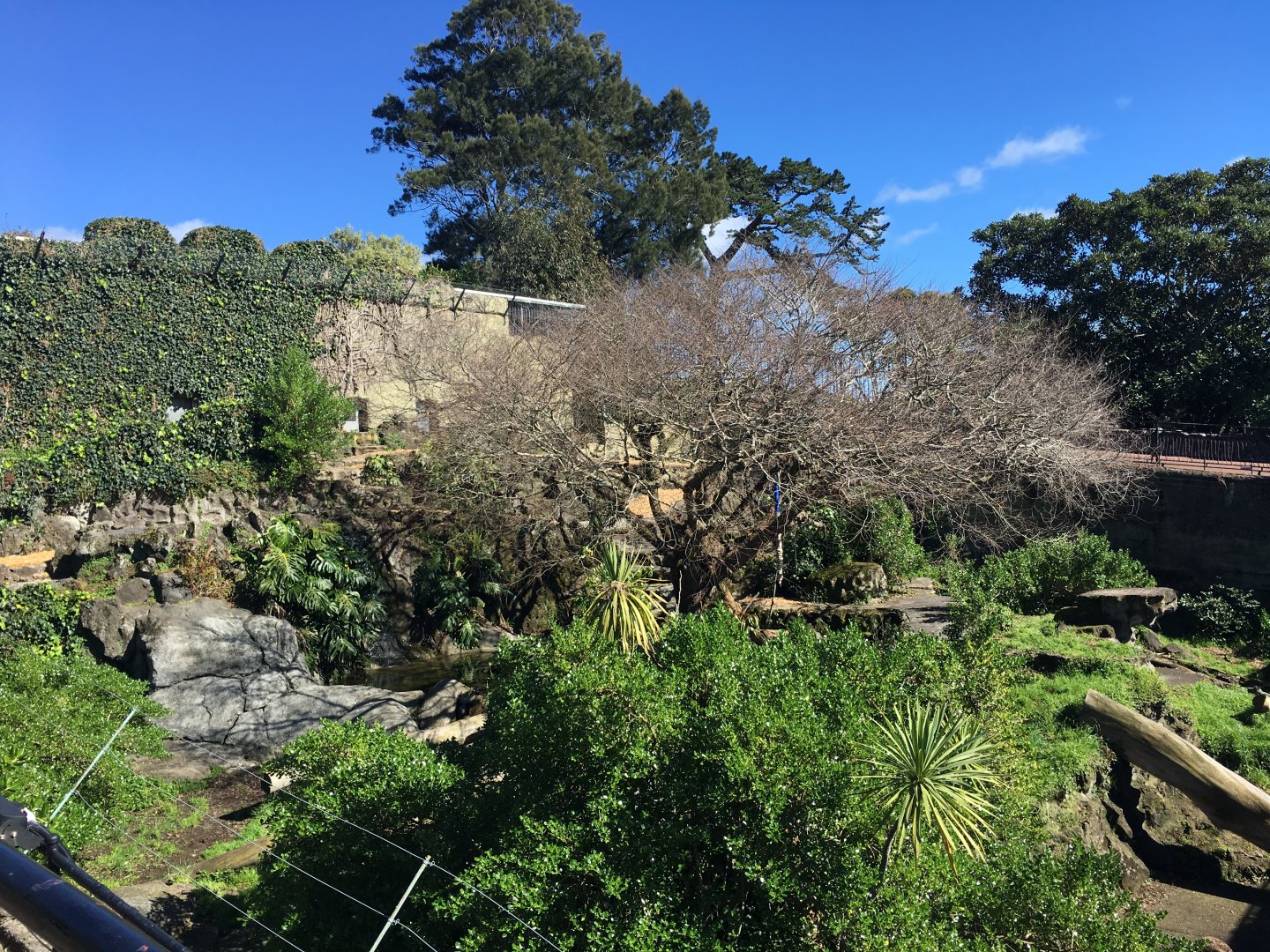
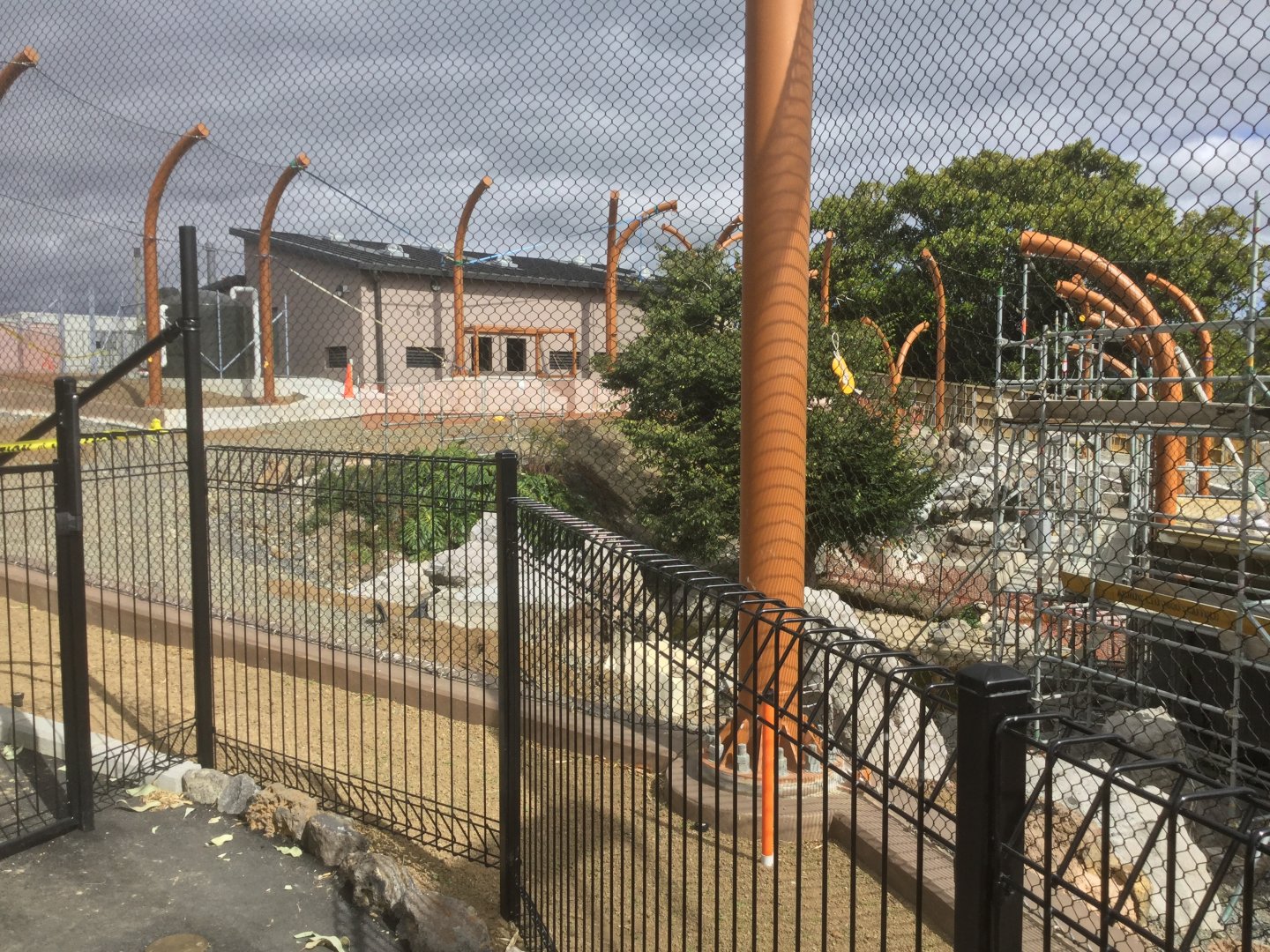
1. Lion Pit (1922) Housed lions from 1922-1998; then Sumatran tigers for two decades (demolished 2018). A new Sumatran tiger exhibit is being built on site.


2. Sea Lion Pond (1922) Housed New Zealand fur seals; then California sea lions until 2001; it was then a water fowl pond for 10 years (demolished 2010).

Sea Lion Exhibit - early 1920's - ZooChat

sealion pool, Auckland Zoo - ZooChat

3. Bear Pit (1922) Housed American black bears; remodelled to house Slender-tailed meerkat from 1991-2017 (demolished 2017).

4. Aviary (1922) Housed Blue and gold macaws in recent times (demolished 2019).

Aviary for small doves, finch and quail - 1990 - ZooChat

Auckland Zoo - ZooChat

Still Remaining

1. Bear Pit (1922) Historically housed Brown bears (and was possibly a second holding exhibit for Polar bears?). Currently an off display Nepalese red panda exhibit.


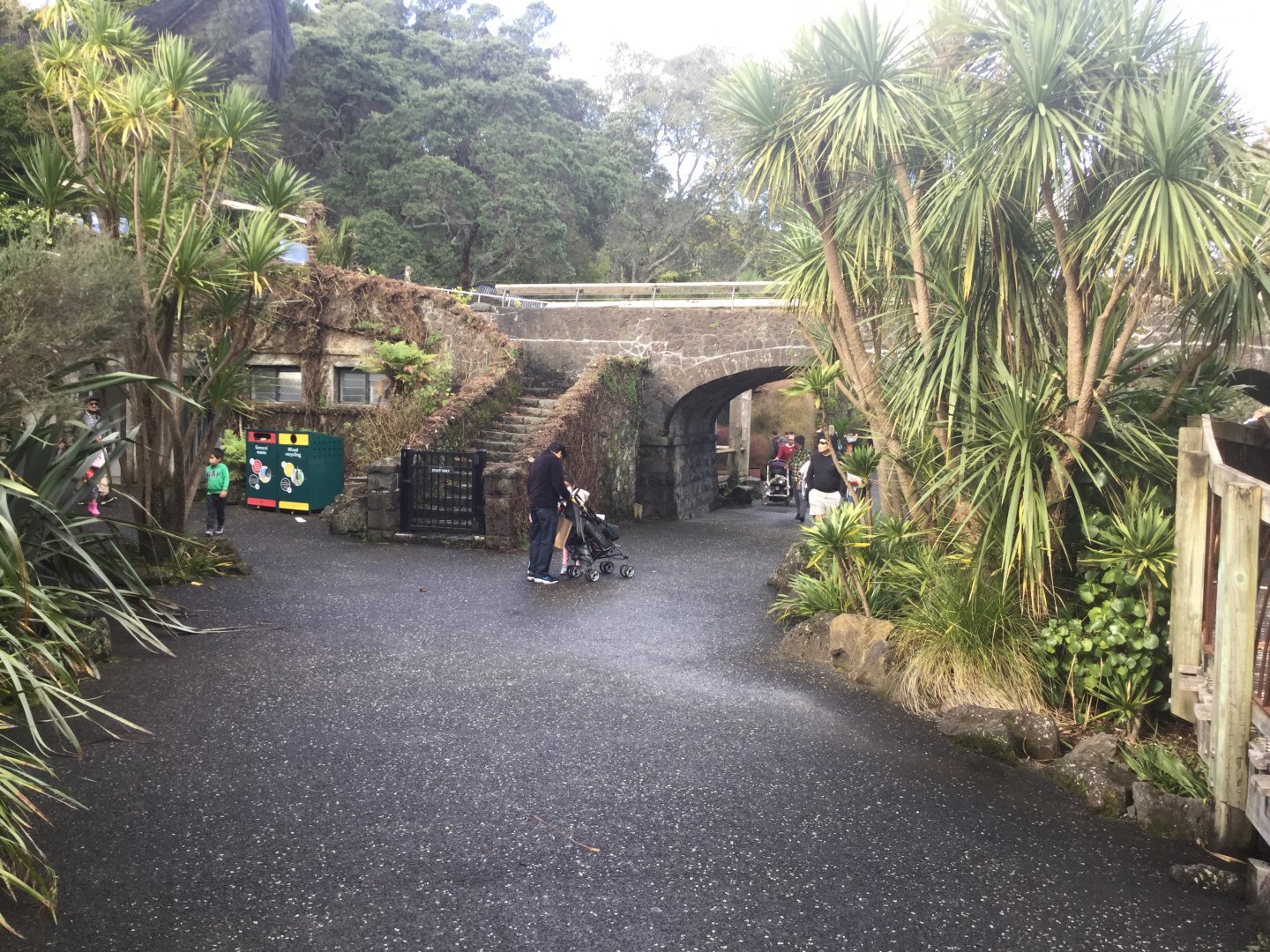
2. Historic Bridge (1922) Part of the Te Wao Nui complex.


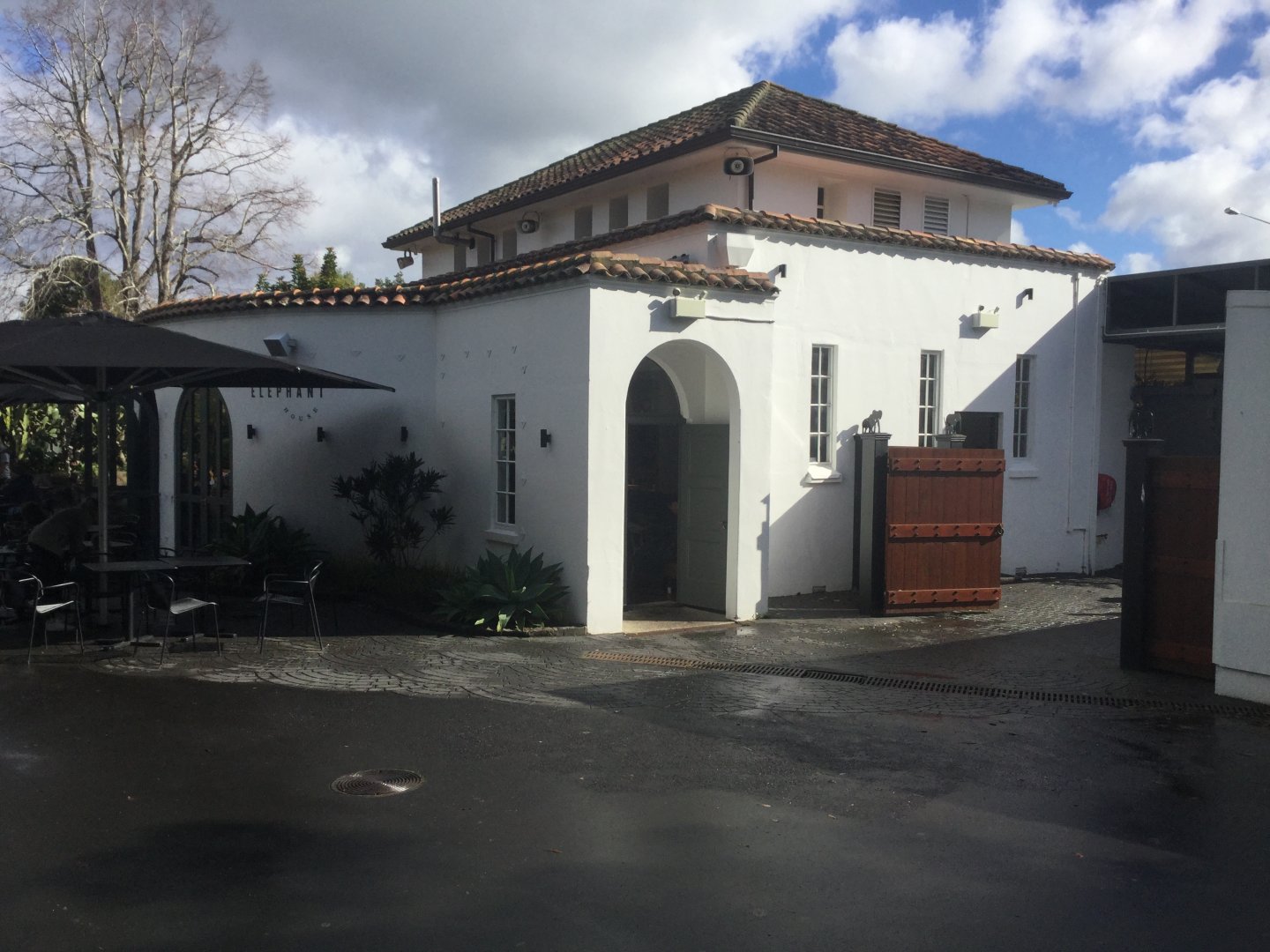
3. Elephant House (1923) Currently a restaurant.


4. Elephant Pool (1923) Remodelled into moat for spider monkey exhibit.


5. Giraffe House (1925) Currently houses tarantulas.

 
Website to celebrate the zoo’s centenary:

For those interested in Auckland Zoo’s history, the zoo have launched a website to celebrate their centenary next year. It will be updated with stories, photos and a timeline: Auckland Zoo

There’s already some great photos on there!
 
Historic photos:

Two months on from the launch of the website, several photos have been uploaded by the zoo and members of the public through the decades.

Due to forum rules re. copyright, I won’t be reposting any of them here, but click the link to view them yourself: Our stories

Some highlights:

1960’s - Piwi the Polar bear cub. There was a story on ZooChat about how after her death, she was stuffed and put on display near the bear pits. This is substantiated in photos.

1980’s - Photos of the Giant panda indoor exhibit.

1980’s - A young Kashin being walked past the bear pits.

1990’s - Photo of Larry the Dromedary camel as a calf. The photo notes he was handraised after being rejected by his mother, Sesame.

Photos across multiple decades of the sea lion, hippopotamus and bear pits.

Tagging people some people who have an interest in the zoo’s history: @Zorro, @Jambo, @Nisha, @Patrick Keegan, @steveroberts, @WhistlingKite24, @Matt_C, @CarLarchameleon
 
Great Photos !. Does anybody know if Auckland Zoo has plans to release a book to celebrate the centenary ?

I’ve really been enjoying the photos and we’re only two months in. They’ll be lots more to come - just hopefully less of that damn dragon.

I’m not aware of any plans to release a book - especially with the focus on online content these days, which has also replaced their long running TV show.
 
Auckland Zoo Video (1996)

I’ve come across this comprehensive video taken by visitors to Auckland Zoo, which I’ve identified as being filmed in 1996 for various reasons:


Overview:

Start: Japanese Garden
1.41: Old Aviary (1922)
2.02: Scuttles the California sea lion
3.26 Sinka and Sinbad the California sea lions
3.46 Freeflight Aviary
4.46: Dromedary camel exhibit
4.55: Faith, Fudge and Snorkel (separated by bars)
5.13: Barbary sheep
6.14: Grant’s zebra
6.27 Mandla the Southern white rhinoceros (in 1980 exhibit)
7.02: Kashin the Indian elephant
7.31: Burma the Indian elephant (14 years old)
8.17: Giraffes
8.38: Giraffe House
8.48: Mara
8.54: Gemsbok
9.05: Galapagos giant tortoises
10.00: Old wallaby exhibit (sea lion shores was later built here)
10.33: American alligators
10.41: Common chimpanzee (including three year old Luka)
11.19: African lions in 1922 lion pit
 
1930’s

Auckland Zoo have created a timeline on their website, which they update every fortnight.

I’ll provide a summary of the updated information every two weeks, as well as other notable events not mentioned; but you can click on the link for more details: Timeline

Key Events:

1930’s: Great Depression takes hold
1935: Curator Louis T. Griffin dies
1936: Curator Lt Col. E.R. Sawer is appointed
1937: Animal mortality decreases from 35% to 9%
1938: Keeper W.A. Hawke is attacked by an American black bear
1938: Application to exhibit kiwi is denied
1939: Ginger Rodgers (Sumatran orangutan) arrives
1950: Zoo closes for the first time ever (death of Prime Minister)

Not Mentioned but Notable Events:

1930: Rajah (Indian elephant) arrives
1936: Rajah (Indian elephant) is shot after becoming unmanageable
1939: Nada (Common hippopotamus) arrives
 
Great video posted here and it is awesome to see the Japanese Garden again, along with all of the long departed animals and exhibits.

It is also interesting to see the original layout of the Qantas Aviary, and the Elephant enclosure.
 
Great video posted here and it is awesome to see the Japanese Garden again, along with all of the long departed animals and exhibits.

It is also interesting to see the original layout of the Qantas Aviary, and the Elephant enclosure.

Cheers. I was surprised how comprehensive the video was. They covered almost every exhibit in the zoo. It was interesting to see some of the lesser known phase outs (Gerenuk, Patagonian mara and Barbary sheep). The high profile phase outs (Polar bears etc). are well known, but I had no idea Auckland Zoo had Barbary sheep as recently as 1996.

The charisma of the California sea lions really came across in this video. They used to have such a vibrant colony. By 1999, when we introduced to them via The Zoo, the colony had been reduced to 1.4 (Scuttles, Sinka, Kline, Keel and Kipper); with only the youngest three making the move to the new exhibit in 2001.
 
1940’s

Auckland Zoo have created a timeline on their website, which they update every fortnight.

I’ll provide a summary of the updated information every two weeks, as well as other notable events not mentioned; but you can click on the link for more details: Timeline

Key Events:

1940’s: WWIi continues, cancelling animal imports
1942: Improvements to diets see the zoo's monkey population increase
1948: A Polio outbreak sees the zoo ban children, reducing admissions
1949: The zoo's first Kiwi is exhibited
1949: Curator Lt Col. E.R. Sawer retires; Robert W. Roach is appointed

Not Mentioned but Notable Events:

1941: Twin lion cubs are born, noted to be the 19th and 20th offspring of their parents.

1943: Ginger Rodgers (Sumatran orangutan) dies. The zoo won't hold orangutans again for 13 years.

1944: En Zed (first second generation hippo) is born to Dimazulu and Nada.

1946: Dimazulu (Common hippopotamus) dies after choking to death on a rubber ball thrown by a visitor.

1946: The eighth Common hippopotamus calf is born at Auckland Zoo, which the director believes is a world record.

1948: Pairs of Kea are sent to San Diego Zoo in exchange for North American animals.

1949: 2.1 young Polar bears (Brutus, Natuk and Natasha) arrive via an animal dealer.
 
Auckland Zoo (1950’s)

The fortnightly timeline has been updated with events of the 1950’s. They missed out several high profile events, so I’ve researched a few additional events worthy of mention in addition to the one’s included here: Timeline

Key Events:

1959 - 2.2 Common chimpanzees arrive (Nick, Charlie, Sissy and Little Jane).

1959 - Snorkle the Common hippopotamus is born.

1958 - Robert W. Roach resigns as curator; George Dean is appointed as acting curator.

1958 - Dr Colwyn Smith is appointed as veterinarian.

1957 - Piwi the Polar bear is accidentally drowned by her mother at 11 weeks.

1957 - Twin Polar bear cubs are born to Natasha (surviving cub named Piwi).

1957 - Kassala the Indian elephant is sold to Bullens Circus.

1956 - 1.1 Sumatran orangutans arrive (Topsy and Turvey).

1956 - 1.3 Common chimpanzees arrive (Janie, Minnie, Josie and Bobby).

1956 - 45 crocodiles are imported from Singapore and Belgium.

1956 - The zoo states it’s intention to import gorillas (which sadly never happens).

1954 - Leopard triplets are born (including one melanistic cub).

1954 - Jamuna the elephant accidentally kills a keeper.

1954 - Bella the Common hippopotamus dies following a fight with another hippo.

1952 - An American black bear escapes, but is safely recaptured after being herded into a vacant hyena cage.

1952 - Kassala the Indian elephant arrives.

1951 - 2.1 Polar bears arrive (Brunus, Natuk and Natasha).*

1950 - Khama the Common hippopotamus is born.

1950 - A leopard is shot after it escapes it cage.

*These bears were incorrectly reported as arriving in 1949 in my previous post.
 
Auckland Zoo - Timeline Update

Auckland Zoo have updated their timeline with information from the 1960’s and 1970’s: Timeline

Significant events include (most not mentioned on the timeline :rolleyes:):

1960’s:

1960 - New Director (Derek Wood from Chester Zoo)
1960 - Arrival of John the giraffe (first giraffe since the 1920’s)
1960 - Birth of Chimo the Polar bear
1961 - Arrival of Malini the Indian elephant
1962 - Death of Natasha the Polar bear
1963 - Arrival of Anita the giraffe (first female giraffe)
1963 - Chimpanzee tea parties end
1964 - Joachim and Lisbeth the Polar bears arrive
1964 - Death of Jamuna the Indian elephant
1964 - Suzie the Common chimpanzee is born
1965 - Birth of Peter the giraffe (zoo’s first calf)
1966 - Bonnie the Common hippopotamus arrives
1968 - Arrival of Ma Schwe the Indian elephant

1970’s:

1970 - Sally the Common chimpanzee is born
1971 - Death of Malini the Indian elephant
1971 - Kiwi House opens
1972 - Kashin the Indian elephant arrives
1972 - Zoo celebrates 50th anniversary
1973 - Western Springs expansion is completed
1975 - Faith the Common hippopotamus is born
1975 - Kahiroa the giraffe is born (zoo’s first surviving calf)
1977 - Faith the Common hippopotamus escapes
1979 - Chimo the Polar bear dies
 
It really highlights the value of socialising this species at the juvenile stage.

I recently rewatched an early season of The Zoo, where Auckland Zoo welcomed red panda triplets in December 2002. Their primary keeper (Trent) would take the cubs out the nest box daily and by the time they were ready to emerge, they were confident around both him and the public. It didn’t hinder the mother/cub bond; and it certainly didn’t impair the social development of the cubs with their own species - as evidenced by one of the males siring four litters of his own at Hamilton Zoo. I recall him as a particularly charismatic red panda, who was completely unphased by visitors.

I believe I have seen some of these clips too. The NZ On Screen site has full episodes available of the season of Best of The Zoo, from 2004: Episodes | The Best of The Zoo | Television | NZ On Screen

It covers some of the most significant events at Auckland Zoo from 1999-2004, including the death of Josie the chimpanzee, the arrival of Kura's 2001 litter of cubs and the hand-rearing of Iwani the siamang following his rejection by his mother. While Iwani's human carers were dedicated, it's sadly evident in the footage how humanised he was, eventually resulting in his euthanasia due to diminished quality of life.
 
I believe I have seen some of these clips too. The NZ On Screen site has full episodes available of the season of Best of The Zoo, from 2004: Episodes | The Best of The Zoo | Television | NZ On Screen

It covers some of the most significant events at Auckland Zoo from 1999-2004, including the death of Josie the chimpanzee, the arrival of Kura's 2001 litter of cubs and the hand-rearing of Iwani the siamang following his rejection by his mother. While Iwani's human carers were dedicated, it's sadly evident in the footage how humanised he was, eventually resulting in his euthanasia due to diminished quality of life.

Thank you for sharing @Abbey. Aside from the nostalgia of watching these episodes, it’s fascinating to see so many exhibits that have long since been demolished including the upper red panda exhibit, the lion/tiger pit (including BOH cages), the original sea lion pool, the chimpanzee exhibits (cage block and open air exhibit) and the original meerkat exhibit.

Iwani’s story was indeed very tragic. His twin was euthanised on the rationale having one leg would have impaired her ability to live a natural life; but having seen how much Siamang (an aboreal species) use their arms for brachiation, I can’t help but feel it was worth a shot allowing her to live her life. It would have at least given Iwani greater socialisation with his own species during the formative years, which may in turn have allowed him to develop into a socially sufficient ape.
 
Back
Top