I wonder if Australians are familiar with the name?
No. However I do know that a very old name (pre-dating me) was bullfinch.
I wonder if Australians are familiar with the name?
Hate that mobile autocorrect: barley bird.Famously? I have never heard that name before.
I googled it and it seems like every website using it is just copying Wikipedia's text.
I wonder if Australians are familiar with the name?

It is "famously known" as the Barley Bird? That's another name I'd bet is at most a very regional colloquialism.Hate that mobile autocorrect: barley bird.
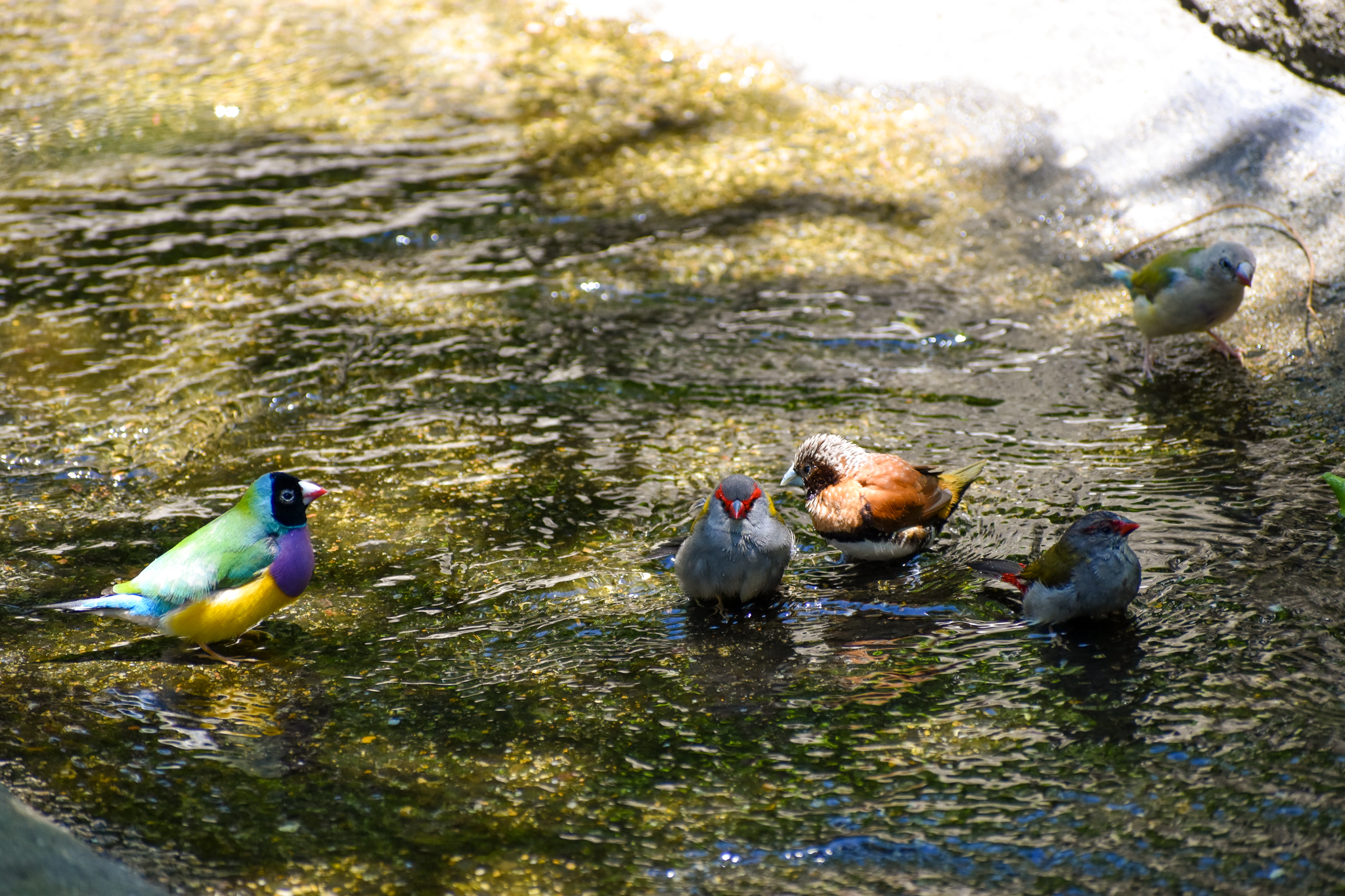
Link: The Chestnut Breasted Mannikin - Lonchura castaneothorax
AgreedIt is "famously known" as the Barley Bird? That's another name I'd bet is at most a very regional colloquialism.

So I take it theres no mention of this on their Website or Facebook sites?According to an Instagram post post on darth frogs might be on display at Australia zoo
https://www.instagram.com/p/CI6sw9HAUdP/?igshid=q686xwiwki83

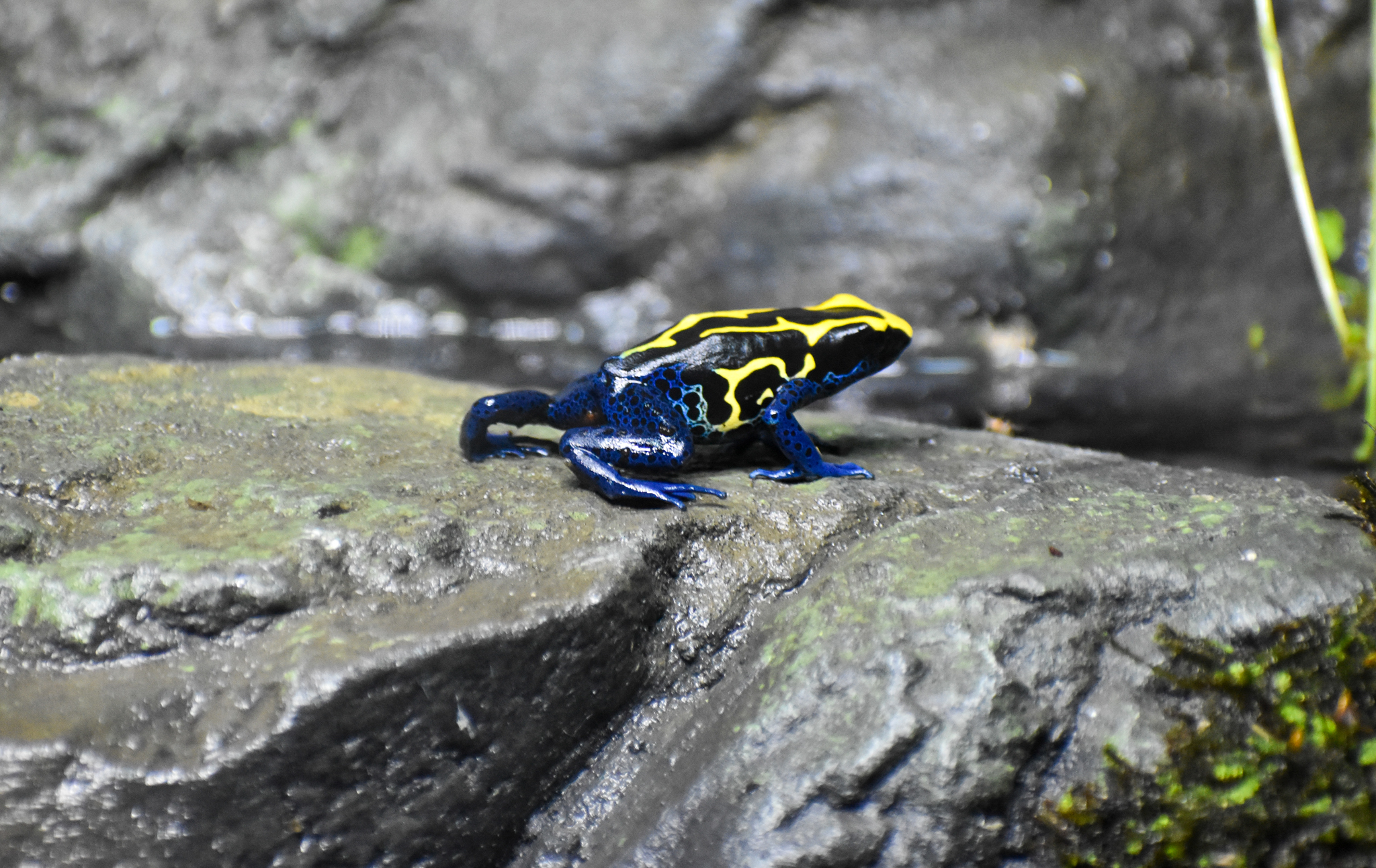
That was quick! The builders only started the exhibit renovation around late November where the Eastern Tiger Snake used to be housed in the reptile house. This is very good news to finally see poison-dart frogs go on display in a south-east Queensland zoo and I look forward to seeing them in due course. The photo attached shows a Dyeing Poison Dart Frog (Dendrobates tinctorius) but the zoo should also have Blue (D. t. "azureus") and Splash-backed (Adelphobates galactonotus) as well. It will be interesting to see if they placed a variety of poison-dart frogs on display or just the Dyeings.According to an Instagram post post on darth frogs might be on display at Australia zoo
https://www.instagram.com/p/CI6sw9HAUdP/?igshid=q686xwiwki83
There is no mention of them on their website nor their Facebook page. Looking at their recent magazine publication though they do mention that a bachelor group of dart frogs is now on-display.
Speaking of announcing it on social media, Australia Zoo have just officially announced that the poison dart frogs are on-display. From photos, it seems like both Blue and Dyeing Poison Dart Frogs are in the exhibit. The new terrarium can be seen via this link (it looks like a fantastic display):Log into Facebook | Facebook@WhistlingKite24
One would tend to believe that the zoo would inform the public to generate visitor interest.
They have been reading my comments againSpeaking of announcing it on social media, Australia Zoo have just officially announced that the poison dart frogs are on-display. From photos, it seems like both Blue and Dyeing Poison Dart Frogs are in the exhibit. The new terrarium can be seen via this link (it looks like a fantastic display):Log into Facebook | Facebook


They have been reading my comments again
I think you would be flogging a dead horse with that oneWell in that case, could you make a comment about their choice of names for the animals? DJ, Mango and Winston the rhinos, Reggie the tiger, Fatboy the Komodo dragon, Talbert the giraffe. What’s next? Photocopier the Frilled-neck lizard? Lamination the lemur?


Well in that case, could you make a comment about their choice of names for the animals? DJ, Mango and Winston the rhinos, Reggie the tiger, Fatboy the Komodo dragon, Talbert the giraffe. What’s next? Photocopier the Frilled-neck lizard? Lamination the lemur?
I don't really understand how your "what's next" names correlate with the zoo's names, or what your problem is with their names in general?
It’d probably be simpler for you to explain what you like about them.
They're perfectly normal names.
And a synonym for normal is ordinary. I could pull better names out of the phone book.
Most zoos in Australasia choose names for their animals that reflect their heritage, which forge a greater association in the visitor’s mind of that animal in relation to it’s country of origin; as opposing to choosing names that range from anthropomorphic to degrading.
And those names can get really boring, when you're on your tenth cheetah named Duma.
Names in general are anthropomorphic, none is more than another. Names like these are more memorable and help visitors relate to the animals, becoming more attached to their stories.