
Today I went to the Blue Hills Trailside Museum in Milton, Massachusetts. The museum is essentially a small nature center with indoor and outdoor animal exhibits, located on the 7000-acre Blue Hills reservation. The museum’s collection is made almost entirely of rescued native wildlife, but they are not AZA accredited. While small, the museum is still nice not only because of its focus on local conservation, but also because it has a great location near many nature trails that can take you throughout the vast Blue Hills area if you have time for a hike.
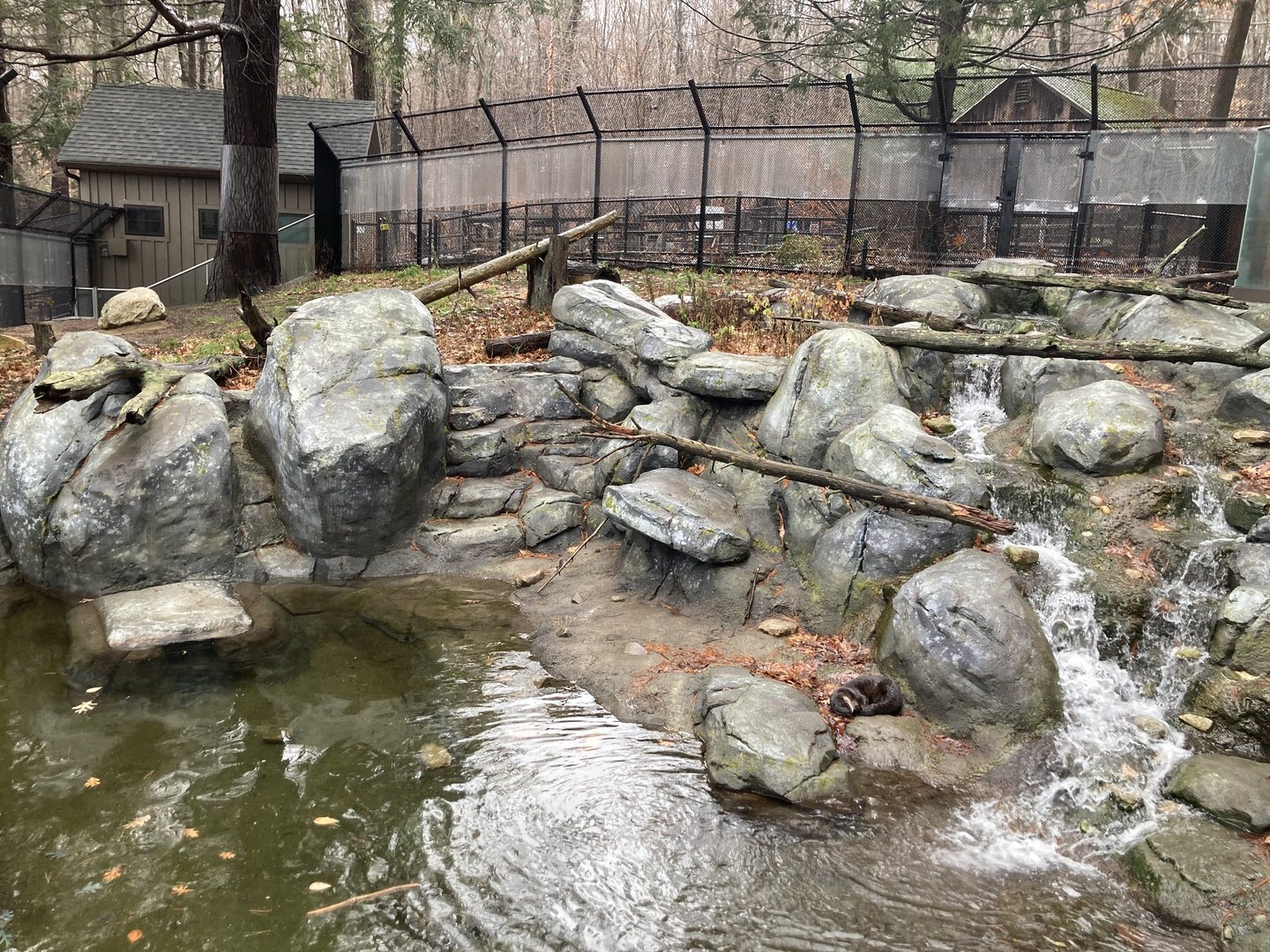
The first part of the museum is the outdoor section, which is free to the public. At the start of the outdoor area is a pair of exhibits that make up a small wetland area for native turtle species and North American river otters. These enclosures are the newest additions to the museum, and were both opened in 2021 for a budget of $2.3 million to replace older ones from the 60s. The otter exhibit was very spacious for the one otter, giving it a nice amount of shade, land, and water to swim in. There was a mix of glass, opaque, and chain-link barriers, with no underwater viewing. The turtle exhibit also seemed good, although the turtles were off-exhibit due to the cold weather.
Beyond the wetlands exhibits are several exhibits for North American birds of prey. These took the form of several chain-link aviaries. It seemed many of the birds were flighted, and I saw a snowy owl fly across its exhibit several times between different perches. Most of these exhibits also had small water features in them, which I thought was a simple but nice touch.
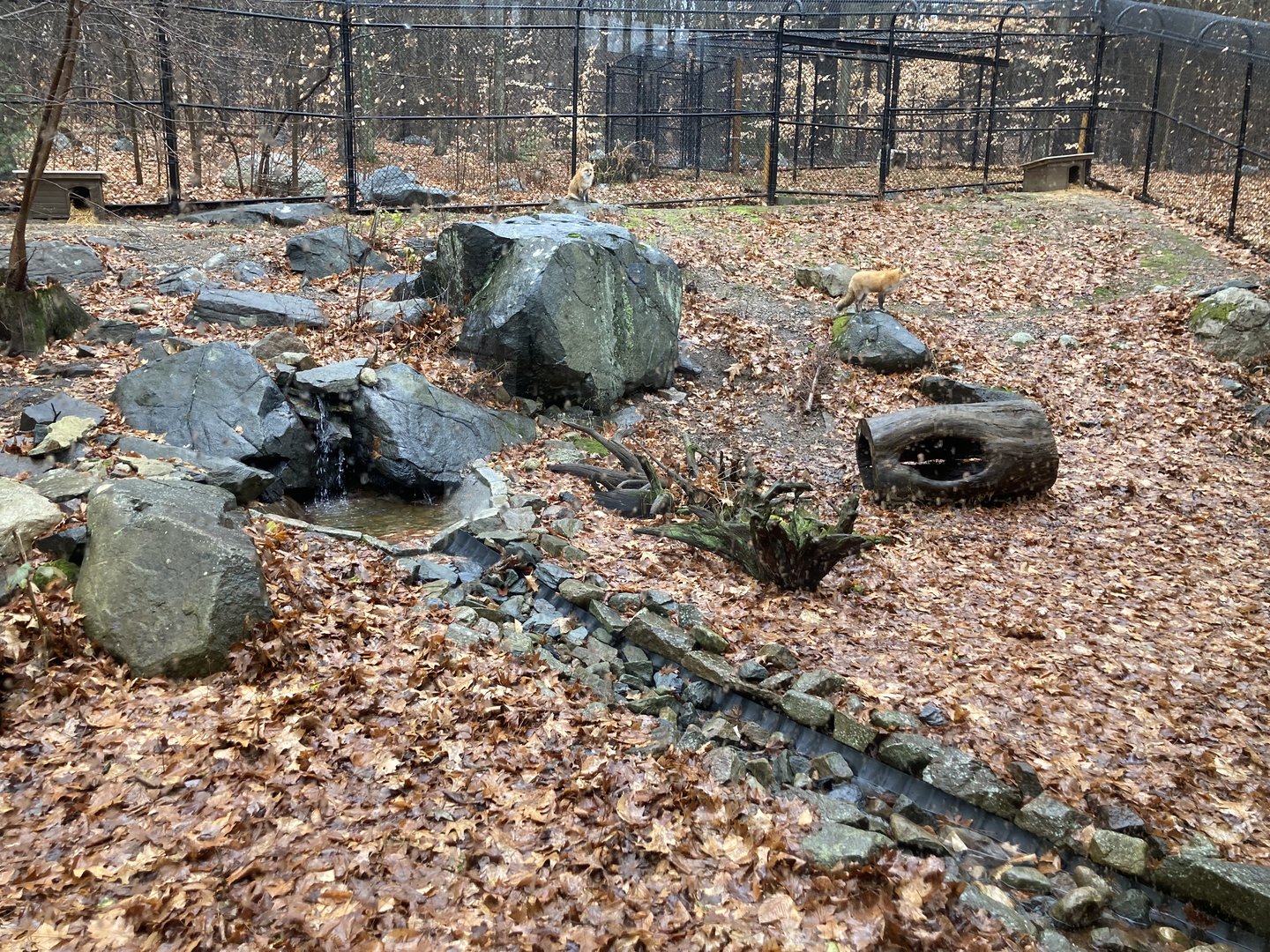
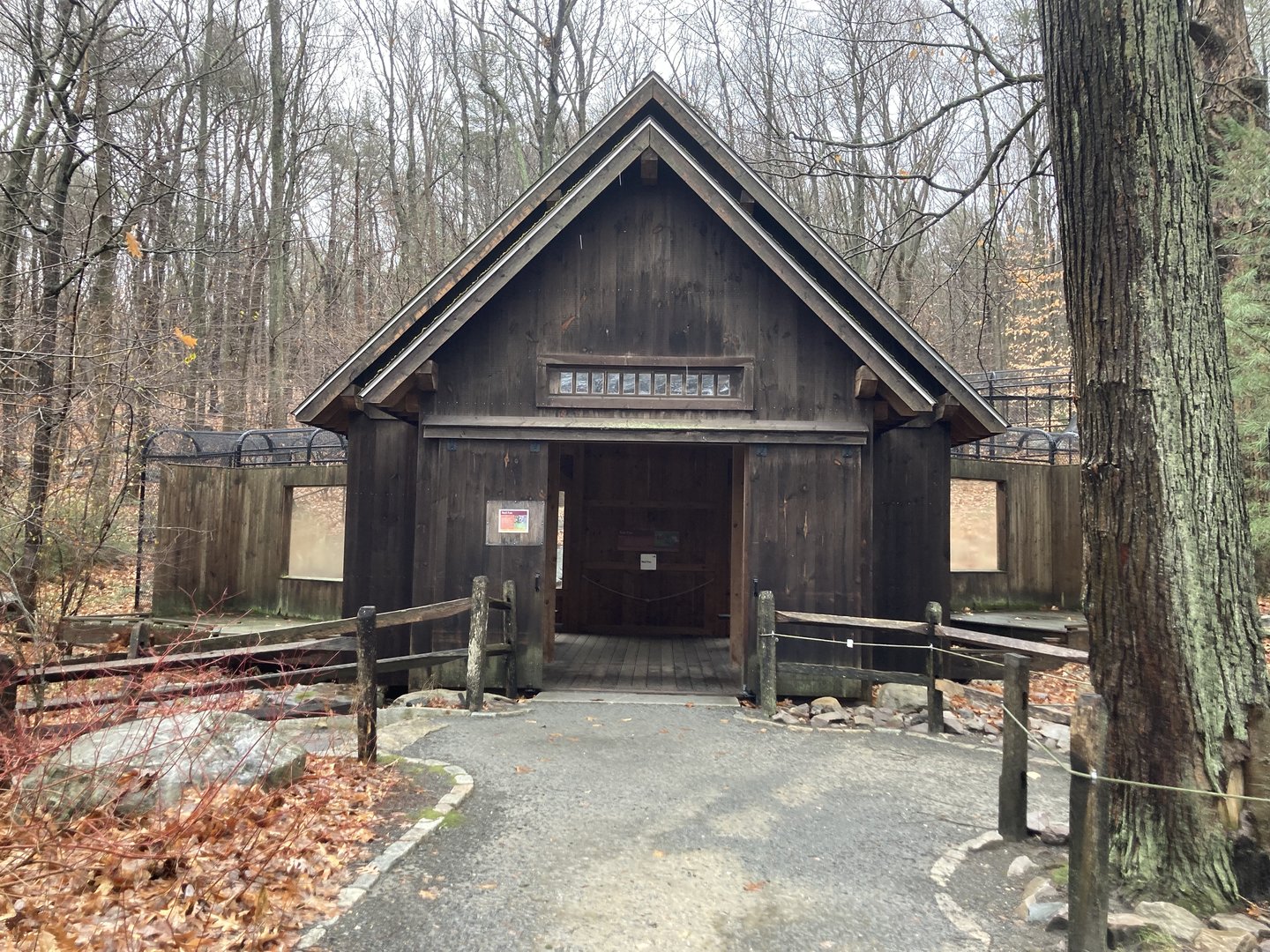
After the birds of prey, the last two outdoor exhibits are for white-tailed deer and red foxes. The deer exhibit was a simple chain-link paddock with a wooden shelter for them to hide in, but the fox exhibit was slightly more complex with a stream running down the center. The visitor area around the fox exhibit also had a large wooden shelter with big glass viewing windows, which was nice since most of the other exhibits at the museum had more obstructive chain-link barriers.
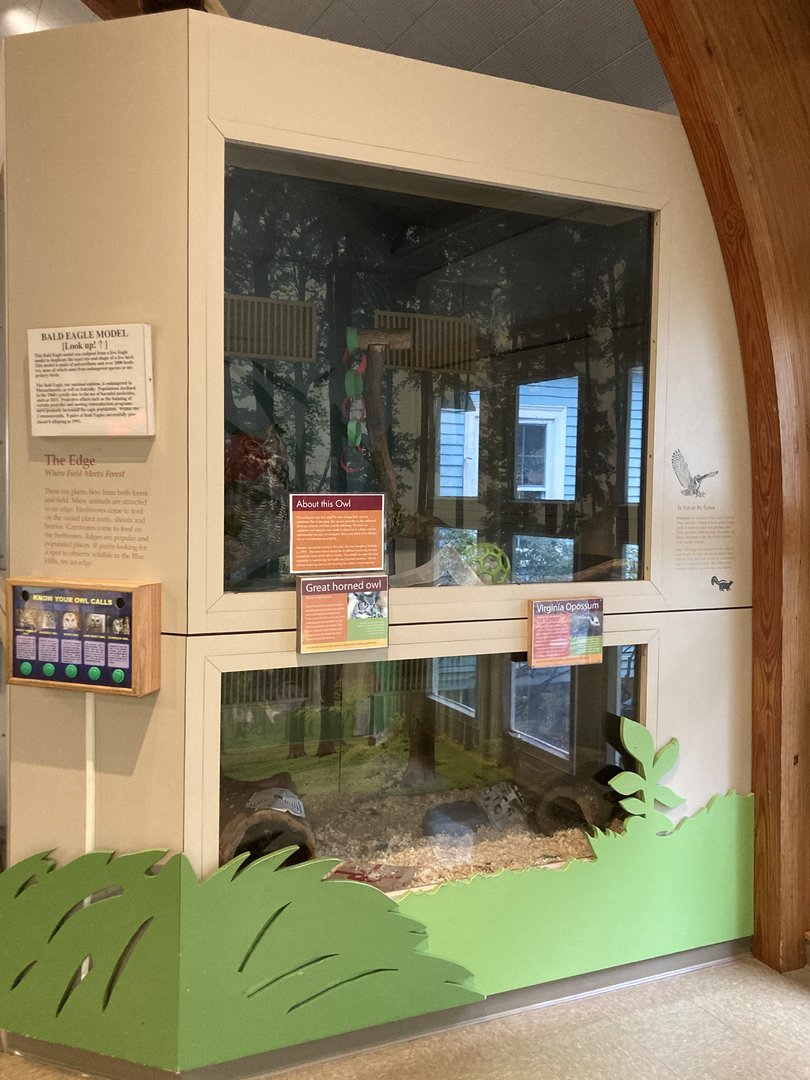
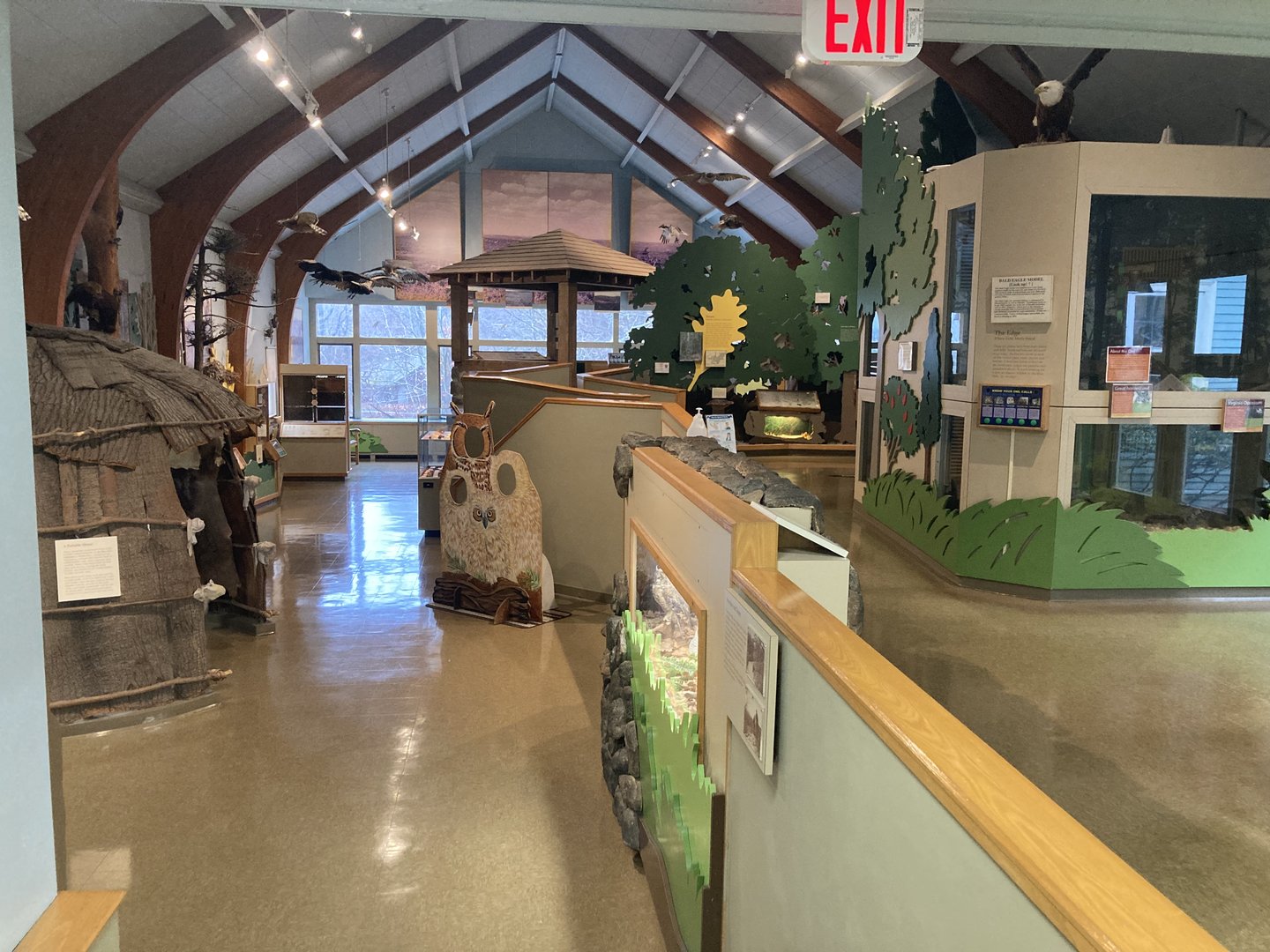
After checking out the outdoor section, I went to see what the interior of the museum was like. This part of the museum requires guests to pay for a $5 ticket. Inside there are some glass-fronted exhibits for smaller animals like various rodents and venomous snakes. There was also a small indoor exhibit for a great horned owl. The exhibit looked far too small for an owl of its size, but a sign explained that the animal was orphaned at a young age and blind in one eye. Apparently she was previously kept in a larger outdoor exhibit by the other birds of prey, but she got very stressed and kept injuring herself in larger open space, and so this smaller exhibit counterintuitively ended up being the best option for her quality of life. I really appreciated this, because I think it is so important to acknowledge that not every individual animal of a given species should be cared for in the same way. Different individuals of the same species will have different needs based on psychological factors, disabilities, and their different personal preferences, and while some great horned owls may do better in larger exhibits, this is not the case for every member of the species as a whole.
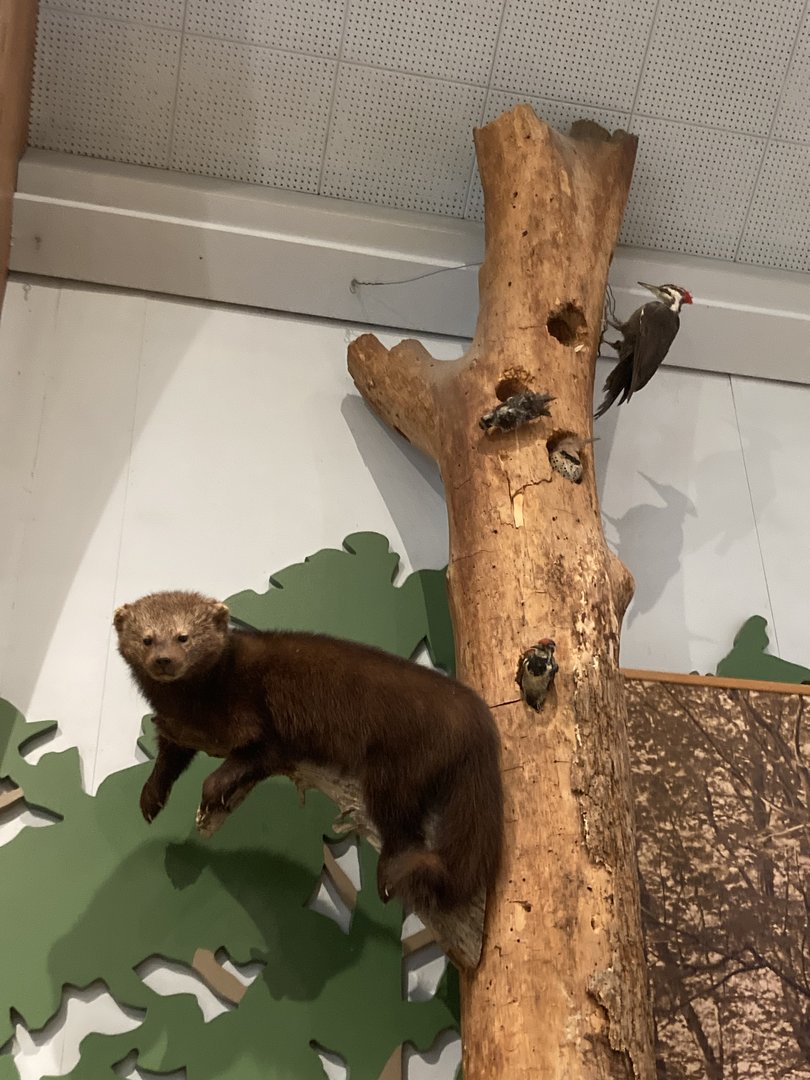
Other than the live indoor exhibits, the museum also had a small taxidermy collection, with animals including a fisher, two black bears, and various birds like woodpeckers and more birds of prey. There were also some educational opportunities for kids, with areas to learn about things like bird wingspan size, how skulls can teach about animal adaptations, and some basic areas to learn about animal tracking and how to look for signs of activity in the forest.
Overall, I enjoyed my visit to the museum. I went through the whole place in 45 minutes and had never been there before, but I thought trying out a “zoo” that focuses on native species would be a good choice on a winter day when tropical animals are more likely to be off exhibit and I was right. It seems like no other zoochatters have been here, so I added a bunch of additional photos to the gallery for documentation purposes. I found the museum to be somewhat like the Ecotarium in Worcester MA-- another zoo-museum-hybrid that focuses on exhibiting native wildlife. I would say the Ecotarium's animal collection and museum exhibits are probably more extensive and higher quality than Blue Hills', but the Trailside Museum is in a better location and I still enjoyed both facilities.
After I left, I also did some digging and found the museum's 2008 masterplan, which called for more immersive exhibitry, the new otter and turtle area, and adding brand new habitats for animals like black bears, coyotes, and bobcats. By now the MP is around 15 years old so it is unclear if any more of it will come to fruition, but I found it fascinating to read regardless. Here’s the link to the document if anyone is interested: https://www.mass.gov/doc/02executive-summarypdf/download
The first part of the museum is the outdoor section, which is free to the public. At the start of the outdoor area is a pair of exhibits that make up a small wetland area for native turtle species and North American river otters. These enclosures are the newest additions to the museum, and were both opened in 2021 for a budget of $2.3 million to replace older ones from the 60s. The otter exhibit was very spacious for the one otter, giving it a nice amount of shade, land, and water to swim in. There was a mix of glass, opaque, and chain-link barriers, with no underwater viewing. The turtle exhibit also seemed good, although the turtles were off-exhibit due to the cold weather.
Beyond the wetlands exhibits are several exhibits for North American birds of prey. These took the form of several chain-link aviaries. It seemed many of the birds were flighted, and I saw a snowy owl fly across its exhibit several times between different perches. Most of these exhibits also had small water features in them, which I thought was a simple but nice touch.
After the birds of prey, the last two outdoor exhibits are for white-tailed deer and red foxes. The deer exhibit was a simple chain-link paddock with a wooden shelter for them to hide in, but the fox exhibit was slightly more complex with a stream running down the center. The visitor area around the fox exhibit also had a large wooden shelter with big glass viewing windows, which was nice since most of the other exhibits at the museum had more obstructive chain-link barriers.
Red Fox Exhibit
Two foxes are visible in this picture
Red Fox Lookout Shelter
Inside the building are large windows to look into the Fox enclosure.
After checking out the outdoor section, I went to see what the interior of the museum was like. This part of the museum requires guests to pay for a $5 ticket. Inside there are some glass-fronted exhibits for smaller animals like various rodents and venomous snakes. There was also a small indoor exhibit for a great horned owl. The exhibit looked far too small for an owl of its size, but a sign explained that the animal was orphaned at a young age and blind in one eye. Apparently she was previously kept in a larger outdoor exhibit by the other birds of prey, but she got very stressed and kept injuring herself in larger open space, and so this smaller exhibit counterintuitively ended up being the best option for her quality of life. I really appreciated this, because I think it is so important to acknowledge that not every individual animal of a given species should be cared for in the same way. Different individuals of the same species will have different needs based on psychological factors, disabilities, and their different personal preferences, and while some great horned owls may do better in larger exhibits, this is not the case for every member of the species as a whole.
Other than the live indoor exhibits, the museum also had a small taxidermy collection, with animals including a fisher, two black bears, and various birds like woodpeckers and more birds of prey. There were also some educational opportunities for kids, with areas to learn about things like bird wingspan size, how skulls can teach about animal adaptations, and some basic areas to learn about animal tracking and how to look for signs of activity in the forest.
Overall, I enjoyed my visit to the museum. I went through the whole place in 45 minutes and had never been there before, but I thought trying out a “zoo” that focuses on native species would be a good choice on a winter day when tropical animals are more likely to be off exhibit and I was right. It seems like no other zoochatters have been here, so I added a bunch of additional photos to the gallery for documentation purposes. I found the museum to be somewhat like the Ecotarium in Worcester MA-- another zoo-museum-hybrid that focuses on exhibiting native wildlife. I would say the Ecotarium's animal collection and museum exhibits are probably more extensive and higher quality than Blue Hills', but the Trailside Museum is in a better location and I still enjoyed both facilities.
After I left, I also did some digging and found the museum's 2008 masterplan, which called for more immersive exhibitry, the new otter and turtle area, and adding brand new habitats for animals like black bears, coyotes, and bobcats. By now the MP is around 15 years old so it is unclear if any more of it will come to fruition, but I found it fascinating to read regardless. Here’s the link to the document if anyone is interested: https://www.mass.gov/doc/02executive-summarypdf/download

 I wasn't sure how much walking it was to see the animals (to make another comparison to Ecotarium, there's a lot of space between exhibits there and the layout is confusing).