Botanical Elements of Zoos

RandomConservationist

Well-Known Member
Hi again, something I've come to look for more and more in zoological institutions as I myself have grown as a hobbyist and horticulturist is the botanical side of zoos and aquariums. I think it's something a lot of institutions pass over or get wrong, and as my growth as a personal keeper has advanced I also realize how crucial plants are to maintaining both proper habitats for the specimens in a collection and the natural environment of these species home range. Also, I hold the personal opinion that so many endangered plant species are passed over entirely in favor of flashy and eye-catching fauna, so I wanted to see; 1. What zoos and aquariums do zoochatters think get the flora part of flora and fauna right, 2. What zoos if any do you know of, if any that you know of that actively participate in the propagation of threatened plants, and 3. Your personal opinion on the place of zoological institutions as plant conservatories alongside their animal counterparts.
 
Many zoos have conservatory areas with lots of exotic plants, sometimes these areas also exhibit animals and occasionally the animals are the main focus (like in a rainforest house).

However, I think the far more interesting botanical side of zoos is the outdoor landscaping. I am a huge advocate for native plants in landscaping. I think all outdoor landscaping around the world should be all or mostly native plants, as this would significantly increase wildlife habitat in developed areas. So the zoos I like best botanically are ones which use all or mostly native plants in their landscaping. Without a doubt the best example I have seen of this is the Arizona-Sonora Desert Museum.
 
Last edited:
Many zoos have conservatory areas with lots of exotic plants, sometimes these areas also exhibit animals and occasionally the animals are the main focus (like in a rainforest house).

However, I think the far more interesting botanical side of zoos is the outdoor landscaping. I am a huge advocate for native plants in landscaping. I think all outdoor landscaping around the world should be all or mostly native plants, as this would significantly increase habitat potential for developed areas. So the zoos I like best botanically are ones which use all or mostly native plants in their landscaping. Without a doubt the best example I have seen of this is the Arizona-Sonora Desert Museum.

I agree alot of institutions have alot of exotic plants, but many times their not range coordinated with the species in exhibit, appropriately planted in a natural location within the exhibit etc. I largely agree with you about the native plants used in outdoor landscaping, and also the fact more zoos need to use plant barriers and structured landscaping strategically for better flow throughout the paths and buildings. Thanks for the response
 
Hi again, something I've come to look for more and more in zoological institutions as I myself have grown as a hobbyist and horticulturist is the botanical side of zoos and aquariums. I think it's something a lot of institutions pass over or get wrong, and as my growth as a personal keeper has advanced I also realize how crucial plants are to maintaining both proper habitats for the specimens in a collection and the natural environment of these species home range. Also, I hold the personal opinion that so many endangered plant species are passed over entirely in favor of flashy and eye-catching fauna, so I wanted to see; 1. What zoos and aquariums do zoochatters think get the flora part of flora and fauna right, 2. What zoos if any do you know of, if any that you know of that actively participate in the propagation of threatened plants, and 3. Your personal opinion on the place of zoological institutions as plant conservatories alongside their animal counterparts.
I think you should visit Zoo Plzen, if you haven't already. ;)
 
I agree alot of institutions have alot of exotic plants, but many times their not range coordinated with the species in exhibit, appropriately planted in a natural location within the exhibit etc. I largely agree with you about the native plants used in outdoor landscaping, and also the fact more zoos need to use plant barriers and structured landscaping strategically for better flow throughout the paths and buildings. Thanks for the response
Zoo horticulture has far more restrictions and considerations than botanic gardens or your own backyard designs: Zoos have to watch out for toxic plants and invasive plants. Plants native to a region being exhibited may not be the plants most likely to survive the predations of the animals. Also there is a limit on what plants are available in the trade, especially at sizes large enough to be useful in exhibits.
I won't get into the debate about the supremacy of native plants but simply say that it is indeed debatable on several levels and adds yet another challenge to the zoo horticulturist.

You might be interested in joining the Association Of Zoo Horticulture www.azh.org
Sadly most zoos value horticulture less than other divisions and when there are lay-offs they hit the horticulture department hard. That is not conducive to developing and maintaining a botanical collection. Still, there are zoos that do highly value horticulture including
Chester (as already mentioned)
Any number of German and Dutch zoos
Singapore
Cincinnati Zoo & Botanical Garden'
San Diego
Indianapolis
Woodland Park
Nashville
St. Louis
and others.
 
In my country (Belgium) are 2 zoos that also have a botanical garden function:
The first one is Zoo Antwerpen with very large lawns, which are still completely identical like when they were laid out, and that's about 150 years ago, although over some time, some lawns have disappeared. There is also a cactus garden and several streams and ponds are scattered around the zoo, as are statues. The zoo puts a lot of energy into taking care of the plants and selects the best plant species for each season. Because the subsoil of the zoo was becoming increasingly dry due to the many roads, concrete and gutters of the city Antwerp and therefore the water could not seep further than 50 cm into the ground, an irrigation system was installed in 1982, which allowed all the trees to be watered, because they are hunderds of years old.
Pairi Daiza is another Belgian zoo with a lot of plants so the park is sometimes also classified as a botanical garden. Especially in the Cambron Abbey area, where most of the remains of the former abbey where Pairi Daiza is in located, there are many colorful flowers and also many lawns. Also in other parts of the zoo there are many trees, plants and decoration that are found in the proposed continent, such as in The Kingdom of Ganesha, with its many Asian temples and buildings and of course streams and Buddha statues and many lawns and plants. The same is in The Middle Kingdom, the Chinese area, although the plants do not show up as well here. Although Pairi Daiza is also considered a botanical garden, I think the botanical aspect is more present in Zoo Antwerpen (Antwerp Zoo).
 
Hi again, something I've come to look for more and more in zoological institutions as I myself have grown as a hobbyist and horticulturist is the botanical side of zoos and aquariums. I think it's something a lot of institutions pass over or get wrong, and as my growth as a personal keeper has advanced I also realize how crucial plants are to maintaining both proper habitats for the specimens in a collection and the natural environment of these species home range. Also, I hold the personal opinion that so many endangered plant species are passed over entirely in favor of flashy and eye-catching fauna, so I wanted to see; 1. What zoos and aquariums do zoochatters think get the flora part of flora and fauna right, 2. What zoos if any do you know of, if any that you know of that actively participate in the propagation of threatened plants, and 3. Your personal opinion on the place of zoological institutions as plant conservatories alongside their animal counterparts.

One of the best flora placements I’ve seen was a Sausage tree adjacent to the Hamadryas baboon exhibit at Perth Zoo. The tree was well suited to Perth’s climate and laden with it’s famous fruit.

Both Auckland Zoo have several lushly planted exhibits, with Auckland Zoo also having large trees featuring in their big cat exhibits.

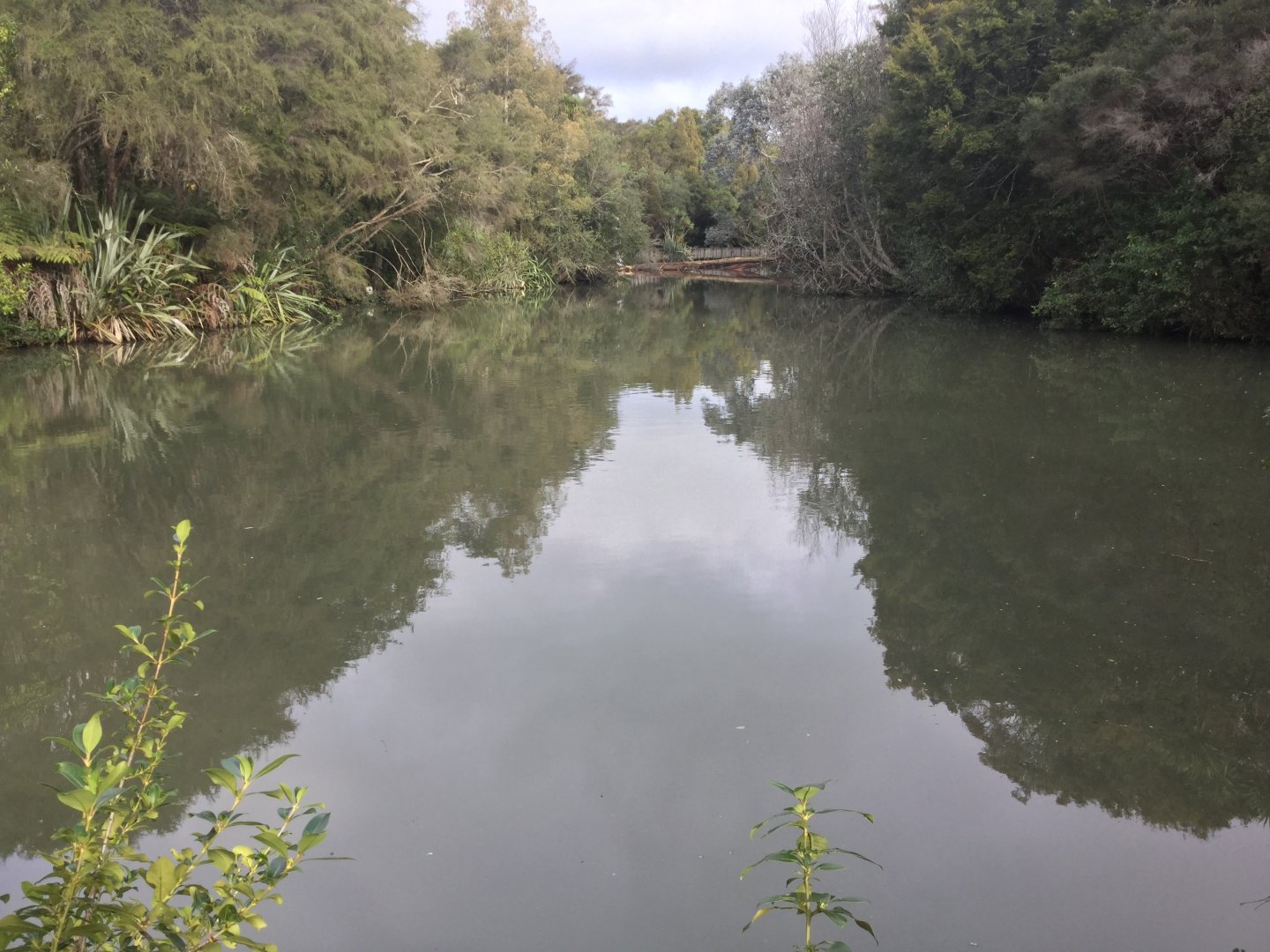
This is a photo of Hamilton Zoo’s wetlands exhibit (which you can walk around):

 
Back
Top