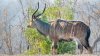
This is so great, hope the Giraffe, Hippo and overseas Parrot IRA's are full steam ahead very very soon. Out of interest which of the approved Bovidae species do you guys think would cohabitate well together across several exhibits?

In my opinion Red lechwe, and Sitatunga can live together, Greater Kudu, Scimitar-horned Oryx, Waterbuck, Grant's Gazelle, Nyala can all live togetherThis is so great, hope the Giraffe, Hippo and overseas Parrot IRA's are full steam ahead very very soon. Out of interest which of the approved Bovidae species do you guys think would cohabitate well together across several exhibits?

This is so great, hope the Giraffe, Hippo and overseas Parrot IRA's are full steam ahead very very soon. Out of interest which of the approved Bovidae species do you guys think would cohabitate well together across several exhibits?

Just be aware that kudu, sitatunga, nyala along with bongo are all Tragelaphus and can interbreed.In my opinion Red lechwe, and Sitatunga can live together, Greater Kudu, Scimitar-horned Oryx, Waterbuck, Grant's Gazelle, Nyala can all live together
I said that Lechwe and Sitatunga can live together, and I am well aware that they can interbreedJust be aware that kudu, sitatunga, nyala along with bongo are all Tragelaphus and can interbreed.

you also saidI said that Lechwe and Sitatunga can live together, and I am well aware that they can interbreed
I'd be scared of the idea of seeing a kudu-nyala hybrid.Greater Kudu, Scimitar-horned Oryx, Waterbuck, Grant's Gazelle, Nyala can all live together
I'd be scared of the idea of seeing a kudu-nyala hybrid.

bummer, I was scared because such a beautiful creature will probably have to be eliminated fro the field.It’s still 10 days, but Happy Halloween!
View attachment 513442
Photo credit: IvW of: Huntable non-indigenous, introduced species in RSA or Namibia?
So ideally Tragelaphus would be better off in separate paddocks sharing with different hoofstock.Just be aware that kudu, sitatunga, nyala along with bongo are all Tragelaphus and can interbreed.
Not real sure as to why the non endangered Nyala where the flavor of the month when the Endangered Bongo which were already here within the region and in bad need of new bloodlines were not given priority!Just be aware that kudu, sitatunga, nyala along with bongo are all Tragelaphus and can interbreed.

Not real sure as to why the non endangered Nyala where the flavor of the month when the Endangered Bongo which were already here within the region and in bad need of new bloodlines were not given priority!
@Zorro So true, Bongo are such an amazing antelope and endangered so why they were given up on is insane
I remember seeing a Gnu at Taronga in 1977@Zoofan15 Yeah thats a good idea
Come to think of it with Taronga's Africa area during the 90s/00s/10s prior to the new one they had a very mixed habitat and regional collection of hoofstock and (mainly) mammals in general with the Giraffe & Zebras as the consistent savannah species, with Ostriches and a Black Rhino from Dubbo for (a) short period(s), the Bongo(s) and Pygmy Hippos being rainforest dwelling, the Barbary Sheeps, Dromedary(s) and Scimitar' Oryx(s) from the deserts (well Barbarys from desert mountains/rocky terrain) ; the Meerkats and Fennec Foxes moved in much later and of course there were the Indian Rhinos, Brazilian Tapir, Sun Bears, Dholes and crossbred-Asian Lions for temporary periods that were nice to have at the zoo but obviously misplaced in theme. I guess with the mixed African habitats theme over the decades when the Bongo(s) came in '95/'96 they weren't out of place. Had no idea until someone uploaded a 1990 map of the zoo on here that the antelope I saw in 1994 would have been the Sitatunga(s) as they occupied the exhibit before the Bongo(s) came. I could be wrong but to me it seemed in comparison to a lot of city zoos during the last 30 years Taronga had an above average species number in their collection of bovidae (unfortunately a past tense now but am very impressed with the country/open-range zoos collections currently and it seems will get better and better with this import review).

@Zorro that's awesome, do you remember if it was a Blue or Black?
As @Zoofan15 mentioned White bearded, What I do recall is it was the only one by its self also I never saw any signage on the enclosure!
Could it be possible for Wildebeest to be welcomed back into the region (I would love to see Monarto, Western plains ,and Werribee Park house either Black ,Blue, and White Bearded)According to @Ara they had four females around the start of the 70’s. I assume they at one stage had a bull and possibly bred them prior to their phase out in 1977.
The Adelaide pair (Black wildebeest) produced a calf, but had to be seperated due to aggression from the bull.

Unfortunately it’s not possible. See the first page of this thread:Could it be possible for Wildebeest to be welcomed back into the region (I would love to see Monarto, Western plains ,and Werribee Park house either Black ,Blue, and White Bearded)