Brookfield Zoo Chicago - Next Century Plan Fantasy Concepts

pachyderm pro

Well-Known Member
5+ year member
With the recent announcement of Brookfield Zoo's master plan, much of the zoo community was left shocked and delighted with the ambitious future that was outlined. However, nothing is ever perfect and I'm sure everyone familiar with the zoo has at least one thing they would've done differently. This is not a thread meant for genuine questions and speculation (there is already one), but rather personal ideas and concepts that you would have implemented to change the master plan, no matter how big or small they may be. I have a few ideas I will share, here is the first:

Southeast Quadrant: Bear Grottos, Wild Encounters and Play Zoo

I have intently mixed feelings regarding the bear grotto redevelopment. Utilizing the historic rock faces as a backdrop to naturalistic enclosures is a terrific idea and the planned species would make excellent additions, however I feel there is a lack of focus and the enclosures would be pretty small for these species. Here's what I would do: Consolidate the planned five habitats into three and remove sun bear and wolverine. This leaves two enclosures for already planned sloth bear and red panda, plus a third for another species I’ve selected: yellow-throated marten. They continue with the loose theme of medium-sized Asian carnivores and are a rare and active species that would utilize the space well year-round. There is only one holder in the US currently, but if interest is there imports are realistically possible.

While the bear grottos would still act as an indirect expansion of Wild Encounters, I also see potential to redevelop a portion of the existing Wild Encounters space. From my experience the llama and reindeer enclosures don’t have very high visitor retention and with caribou slated to eventually be exhibited elsewhere, it makes sense to redevelop this portion of the area. My idea is to replace both of these yards with glass-fronted exhibits for wolverine and fisher. This would add two fun and engaging species in this children ceterned portion of the zoo. As a bonus, it would give zoo nerds an incentive to actually visit this area.

Then there’s the play zoo. I do see additional potential here for some future upgrades:

-Once the koalas move out, I hope that the changes they’ve made will give the lemurs an expanded enclosure when they move back. Removing the glass partitions in both the indoor and outdoor enclosures would effectively double the space the lemurs had previously. Throw down a layer of substrate and place additional climbing structures and you have a substantial upgrade.

-Move the toucans and seriemas to a new aviary in one of the future South American exhibits. I’m glad they are here, but they would fit better in a themed area. In their place, my idea is to create a mixed-species animal ambassador habitat with prehensile-tailed porcupine, tamandua and two-toed sloth. All of these species are already at the zoo and the first two have been displayed at the play zoo off and on in the past. It would be more appropriate to see them here and would make for a dynamic exhibit. While plans for an indoor toucan/sereima exhibit have seemingly been abandoned, it would be wise to add one here replacing the kitchen space and adjacent nook.

-Restore the former domestics room at the back of the building. They could either bring back all of the pets like guinea pigs, hamsters, corn snakes, geckos, etc, or they could turn it into something totally different like a mini insectarium.

-With the chicken coop being added soon, it would be excellent to further revitalize the outdoor play zoo spaces with additional enclosures and interactive areas. They seem rather forgotten in recent years. Maybe a small Illinois farm could be created with the chickens, plus ducks, rabbits, pigs, etc.

It remains unclear when or if the planned eagle owl aviary will be added North of the play zoo. It isn't explicitly discussed anywhere in the master plan, but is marked on the map. Hopefully an aviary will be added to the space to bring an additional enclosure to the area, but instead of owls I have something different in mind: a pheasantry. One or two species of pheasants (potentially alongside smaller birds) could be exhibited in the space, loosely connected to the Asian species exhibited at the grottos and would shine the spotlight on a bird that’s recognizable but seldom highlighted in zoos.

Overall, these changes would lead to a more dynamic children’s experience in this part of the campus with an emphasis on interactive exhibits, animal ambassadors, and “cute” small/medium sized mammal species. That’s already the direction they’re heading, but these tweaks would really tie everything together nicely. Here’s a visual I put together (I forget to swap out the owl label for pheasant):

FantasyWildEncounters.jpg
 

Attachments

  • FantasyWildEncounters.jpg
    FantasyWildEncounters.jpg
    161.8 KB · Views: 167
I love this idea personally. Active, small carnivores are always an underrated choice for children's spaces, and wolverine fit the bill perfectly. I've loved viewing them at Henson Robinson and Whipsnade and I bet they'd make a great addition here and add a lot of life to that space. Marten and Fisher sound like fun choices as well. I also think adding a small farm is a great idea, and the lemurs really, really need a refresh when they move back. Bringing back the domestics room is also smart.

I love the idea of using the toucan-sereima exhibit for those three animal ambassadors. One of the reasons I had mixed thoughts when the toucan/sereima addition was first added was that I felt like they were a bit of an odd fit for a children's space (yes, I know, cereal) and not great species for what was still an upcharge attraction at the time, and really would have rather seen them in a South America exhibit. The ambassador species feel like a better fit both in terms of having a little 'star' power, being a mixed space, and that they fit the historic Small Mammal House vibe a little, too. Even if it were only two of the three I think it would be a smart choice.

I have some ideas to toy with the master plan I might post in the near future but I love what you're doing here.
 
I
With the recent announcement of Brookfield Zoo's master plan, much of the zoo community was left shocked and delighted with the ambitious future that was outlined. However, nothing is ever perfect and I'm sure everyone familiar with the zoo has at least one thing they would've done differently. This is not a thread meant for genuine questions and speculation (there is already one), but rather personal ideas and concepts that you would have implemented to change the master plan, no matter how big or small they may be. I have a few ideas I will share, here is the first:

Southeast Quadrant: Bear Grottos, Wild Encounters and Play Zoo

I have intently mixed feelings regarding the bear grotto redevelopment. Utilizing the historic rock faces as a backdrop to naturalistic enclosures is a terrific idea and the planned species would make excellent additions, however I feel there is a lack of focus and the enclosures would be pretty small for these species. Here's what I would do: Consolidate the planned five habitats into three and remove sun bear and wolverine. This leaves two enclosures for already planned sloth bear and red panda, plus a third for another species I’ve selected: yellow-throated marten. They continue with the loose theme of medium-sized Asian carnivores and are a rare and active species that would utilize the space well year-round. There is only one holder in the US currently, but if interest is there imports are realistically possible.

While the bear grottos would still act as an indirect expansion of Wild Encounters, I also see potential to redevelop a portion of the existing Wild Encounters space. From my experience the llama and reindeer enclosures don’t have very high visitor retention and with caribou slated to eventually be exhibited elsewhere, it makes sense to redevelop this portion of the area. My idea is to replace both of these yards with glass-fronted exhibits for wolverine and fisher. This would add two fun and engaging species in this children ceterned portion of the zoo. As a bonus, it would give zoo nerds an incentive to actually visit this area.

Then there’s the play zoo. I do see additional potential here for some future upgrades:

-Once the koalas move out, I hope that the changes they’ve made will give the lemurs an expanded enclosure when they move back. Removing the glass partitions in both the indoor and outdoor enclosures would effectively double the space the lemurs had previously. Throw down a layer of substrate and place additional climbing structures and you have a substantial upgrade.

-Move the toucans and seriemas to a new aviary in one of the future South American exhibits. I’m glad they are here, but they would fit better in a themed area. In their place, my idea is to create a mixed-species animal ambassador habitat with prehensile-tailed porcupine, tamandua and two-toed sloth. All of these species are already at the zoo and the first two have been displayed at the play zoo off and on in the past. It would be more appropriate to see them here and would make for a dynamic exhibit. While plans for an indoor toucan/sereima exhibit have seemingly been abandoned, it would be wise to add one here replacing the kitchen space and adjacent nook.

-Restore the former domestics room at the back of the building. They could either bring back all of the pets like guinea pigs, hamsters, corn snakes, geckos, etc, or they could turn it into something totally different like a mini insectarium.

-With the chicken coop being added soon, it would be excellent to further revitalize the outdoor play zoo spaces with additional enclosures and interactive areas. They seem rather forgotten in recent years. Maybe a small Illinois farm could be created with the chickens, plus ducks, rabbits, pigs, etc.

It remains unclear when or if the planned eagle owl aviary will be added North of the play zoo. It isn't explicitly discussed anywhere in the master plan, but is marked on the map. Hopefully an aviary will be added to the space to bring an additional enclosure to the area, but instead of owls I have something different in mind: a pheasantry. One or two species of pheasants (potentially alongside smaller birds) could be exhibited in the space, loosely connected to the Asian species exhibited at the grottos and would shine the spotlight on a bird that’s recognizable but seldom highlighted in zoos.

Overall, these changes would lead to a more dynamic children’s experience in this part of the campus with an emphasis on interactive exhibits, animal ambassadors, and “cute” small/medium sized mammal species. That’s already the direction they’re heading, but these tweaks would really tie everything together nicely. Here’s a visual I put together (I forget to swap out the owl label for pheasant):
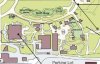
View attachment 720785
l like that idea a lot but if I ran the zoo besides wolverines and fisher I would add in the Mink, sable, the European pine marten and the European polecat and the pine marten and polecat are known for being notoriously difficult to spot however In the case of the polecat the hybrids are easy to spot however a pure polecat is very rare to spot and that’s why I would add the polecat and pine martens.
 
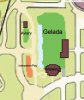
Here’s another idea I worked on recently. Gateway to Africa is shaping up to be one of the biggest zoo exhibits ever taken on and may be Brookfield’s magnum opus. Consisting of four separate eco-regions, this will be one of the most holistic African exhibits out there, but I still see potential for a fifth: African Highlands.

-This would be an approximately 0.9 acre exhibit area built between the Pachyderm house and North mall – an empty lawn currently planned for a prairie dog exhibit and another currently housing the nature stage (an existing pathway in the mall would also be removed for better symmetry). Prairie dogs would be theoretically exhibited at the future North American Grasslands exhibit and the nature stage would be made redundant by the new amphitheater.

-It would center around a large gelada enclosure with rocky outcroppings and sloped terrain. The main trail would be partially encased in large boulders and rock formations separating the exhibit from the adjacent areas and would provide open views of the exhibit across from a shallow moat.

-Along the trail would be a small aviary with several African birds and rock hyrax. It would be built into large rock formations, something similar to Omaha’s kopje aviary. An interpretive and play area would also be built abutting the trail with climbable boulders and gelada statues.

-At the end of the trail, the path branches off with one route exiting the area, and the other leading to a pavilion with glass viewing windows looking into the gelada exhibit. There would be additional interpretive material here, as well as a large terrarium for Ethiopian mountain adder

This addition would further add to what’s already going to be an incredibly complete collection of African animals and environments. Bringing a baboon type animal back to the zoo would also be extremely welcome and would fill the void left by the loss of baboon island. Geladas are a charismatic, hardy species that can be kept in large numbers in an exhibit of this size, although this enclosure probably wouldn't be large enough to include an additional species like ibex or klipspringer like others have done. This fantasy plan would also move the prairie dogs to a more appropriate and utilizes additional space that isn't being developed otherwise.

Here is a visual I put together by editing the master plan map:
FantasyEthiopianHighlands.jpg
 

Attachments

  • FantasyEthiopianHighlands.jpg
    FantasyEthiopianHighlands.jpg
    55.5 KB · Views: 140
I've been an enthusiastic advocate of African Highlands (and Deserts) biome expansions (though often more ambitious than is probably compatible with the current master plan) and this is a great proposal to fill one of the lost species niches that hasn't already been filled, adding another active and exciting species to the zoo that is relatively accessible and would be visible near entrance areas... love the idea of an aviary nearby, too. Great concept!
 
You have some great ideas here! I'm excited to read more of them.

I have intently mixed feelings regarding the bear grotto redevelopment. Utilizing the historic rock faces as a backdrop to naturalistic enclosures is a terrific idea and the planned species would make excellent additions, however I feel there is a lack of focus and the enclosures would be pretty small for these species. Here's what I would do: Consolidate the planned five habitats into three and remove sun bear and wolverine. This leaves two enclosures for already planned sloth bear and red panda, plus a third for another species I’ve selected: yellow-throated marten. They continue with the loose theme of medium-sized Asian carnivores and are a rare and active species that would utilize the space well year-round. There is only one holder in the US currently, but if interest is there imports are realistically possible.
I can see a few American zoos participating in the EEP for sun bears, potentially acting as a home for surplus individuals or a breeding pair whose cubs would be sent to Europe.

Red pandas seem like a better candidate for the Asian Highlands area in the master plan than the bear grottos. The yellow-throated martens at the Nashville Zoo are apparently the Javanese subspecies so they might not be cold-tolerant but either way they would be a great addition.

Here’s another idea I worked on recently. Gateway to Africa is shaping up to be one of the biggest zoo exhibits ever taken on and may be Brookfield’s magnum opus. Consisting of four separate eco-regions, this will be one of the most holistic African exhibits out there, but I still see potential for a fifth: African Highlands.

-This would be an approximately 0.9 acre exhibit area built between the Pachyderm house and North mall – an empty lawn currently planned for a prairie dog exhibit and another currently housing the nature stage (an existing pathway in the mall would also be removed for better symmetry). Prairie dogs would be theoretically exhibited at the future North American Grasslands exhibit and the nature stage would be made redundant by the new amphitheater.

-It would center around a large gelada enclosure with rocky outcroppings and sloped terrain. The main trail would be partially encased in large boulders and rock formations separating the exhibit from the adjacent areas and would provide open views of the exhibit across from a shallow moat.

-Along the trail would be a small aviary with several African birds and rock hyrax. It would be built into large rock formations, something similar to Omaha’s kopje aviary. An interpretive and play area would also be built abutting the trail with climbable boulders and gelada statues.

-At the end of the trail, the path branches off with one route exiting the area, and the other leading to a pavilion with glass viewing windows looking into the gelada exhibit. There would be additional interpretive material here, as well as a large terrarium for Ethiopian mountain adder

This addition would further add to what’s already going to be an incredibly complete collection of African animals and environments. Bringing a baboon type animal back to the zoo would also be extremely welcome and would fill the void left by the loss of baboon island. Geladas are a charismatic, hardy species that can be kept in large numbers in an exhibit of this size, although this enclosure probably wouldn't be large enough to include an additional species like ibex or klipspringer like others have done. This fantasy plan would also move the prairie dogs to a more appropriate and utilizes additional space that isn't being developed otherwise.

Here is a visual I put together by editing the master plan map:
View attachment 721516
Since I saw the current gorilla's enclosure, I've thought the best taxon to replace them would be baboons, whether they be geladas or another species. Unlike other African monkey species that might be considered, baboons can be managed in group sizes that would effectively use the space.
 
Back
Top