Brookfield Zoo Brookfield Zoo: Ideas, Dreams, Hopes

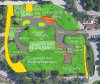
Ok, here is another plan of mine. This time I tackled the Australia House, a nice building that has shown signs of wear and tear. This plan would see a major expansion of the area that would take up the existing camel yards. This would also be done to help separate this area from the hypothetical elephant complex that was discussed earlier.

Kangaroo/Wallaby/Emu Exhibits: The existing kangaroo/wallaby/emus yards are oversized and understocked. Good exhibits, but I would propose demolishing them and building two new ones on the buildings north side. This is very similar to the zoos 2006 master plan, because don't fix it if it aint broke. I'm not sure what would need to be done with these yards other than just smaller versions of what already exists. Also relocate the existing viewing deck that was added many years back to the new roo yard.
Walkthrough Aviary: A walkthrough aviary for the zoos collection of Australian finches and parrots that used to be in the existing aviary would be added. I would propose a design very similar to what San Diego has recently built with their hummingbird bird aviary. A quick loop. I would also like to see this aviary be outdoors, but will glass panels that can come down in the winter and enclosure the structure so the birds can remain on display in the colder months.
Koala Center: A small building disconnected from the main Australia House that serves as a dedicated koala breeding center. It would be pretty simple, two small yards packed with climbing structures and small trees. The main center would include a sun roof to allow the koalas to get proper sunlight even in the winter. There would be three interior exhibits in a similar set up to San Diegos new Komodo dragon exhibit (yes, back to San Diego again) where there would be large glass windows looking into well planted exhibits - something different than the usual glass boxes they are found in at most zoos.
Nocturnal Hall: The existing Australia house would be completely gutted on the inside and be converted into a brand new nocturnal house. Wombats and echidnas would of course stay, alongside new additions such as Tasmanian devils, quolls, tawny frogmouth and kiwi, and yes, platypus. The exhibits for the wombats, echidnas and evils would all be open topped and be some of the largest nocturnal exhibits ever seen in a zoo, with sand floors and burrowing opportunities. The wombats and devils would also have outdoor exhibits directly before entering the building
DayLight Expansion:
A brand new expansion of the building would see a large glass dome like structure added on. This would focus on Australia during the day. Picture a smaller scale version of the national aquariums in Baltimore's Wild Extremes: Australia exhibit. Open topped fish tanks, plus a wide variety of reptiles, amphibians and invertebrate. The stars of the show would be a large exhibit for saltwater crocodiles with underwater viewing. Also include an indoor exhibit for tree kangaroos, which brings us to the final structure.
New Guinea: Directly exiting the daylight hall brings you to a New Guinea section featuring a smaller outdoor exhibit for tree kangaroos and a larger well furnished yard for cassowary. There would also be a small play area for kids and small interpretive area about the islands connection to mainland Australia.
Misc: Other features of this exhibit would include a small gift shop with views into the nearby kangaroo and koala exhibits, a Eucalyptus green house south of the koala center to show how the zoo prepares the koalas diet, and a main plaza with some thematic designs and statues such as the existing kangaroo one that people like thats currently in the empty field west of the buildings existing exit. Also note that the yellow paths on the diagram are service roads.

Brookfield Zoo Australia Plan.jpg
 

Attachments

  • Brookfield Zoo Australia Plan.jpg
    Brookfield Zoo Australia Plan.jpg
    239.5 KB · Views: 140
Ok, here is another plan of mine. This time I tackled the Australia House, a nice building that has shown signs of wear and tear. This plan would see a major expansion of the area that would take up the existing camel yards. This would also be done to help separate this area from the hypothetical elephant complex that was discussed earlier.

Kangaroo/Wallaby/Emu Exhibits: The existing kangaroo/wallaby/emus yards are oversized and understocked. Good exhibits, but I would propose demolishing them and building two new ones on the buildings north side. This is very similar to the zoos 2006 master plan, because don't fix it if it aint broke. I'm not sure what would need to be done with these yards other than just smaller versions of what already exists. Also relocate the existing viewing deck that was added many years back to the new roo yard.
Walkthrough Aviary: A walkthrough aviary for the zoos collection of Australian finches and parrots that used to be in the existing aviary would be added. I would propose a design very similar to what San Diego has recently built with their hummingbird bird aviary. A quick loop. I would also like to see this aviary be outdoors, but will glass panels that can come down in the winter and enclosure the structure so the birds can remain on display in the colder months.
Koala Center: A small building disconnected from the main Australia House that serves as a dedicated koala breeding center. It would be pretty simple, two small yards packed with climbing structures and small trees. The main center would include a sun roof to allow the koalas to get proper sunlight even in the winter. There would be three interior exhibits in a similar set up to San Diegos new Komodo dragon exhibit (yes, back to San Diego again) where there would be large glass windows looking into well planted exhibits - something different than the usual glass boxes they are found in at most zoos.
Nocturnal Hall: The existing Australia house would be completely gutted on the inside and be converted into a brand new nocturnal house. Wombats and echidnas would of course stay, alongside new additions such as Tasmanian devils, quolls, tawny frogmouth and kiwi, and yes, platypus. The exhibits for the wombats, echidnas and evils would all be open topped and be some of the largest nocturnal exhibits ever seen in a zoo, with sand floors and burrowing opportunities. The wombats and devils would also have outdoor exhibits directly before entering the building
DayLight Expansion: A brand new expansion of the building would see a large glass dome like structure added on. This would focus on Australia during the day. Picture a smaller scale version of the national aquariums in Baltimore's Wild Extremes: Australia exhibit. Open topped fish tanks, plus a wide variety of reptiles, amphibians and invertebrate. The stars of the show would be a large exhibit for saltwater crocodiles with underwater viewing. Also include an indoor exhibit for tree kangaroos, which brings us to the final structure.
New Guinea: Directly exiting the daylight hall brings you to a New Guinea section featuring a smaller outdoor exhibit for tree kangaroos and a larger well furnished yard for cassowary. There would also be a small play area for kids and small interpretive area about the islands connection to mainland Australia.
Misc: Other features of this exhibit would include a small gift shop with views into the nearby kangaroo and koala exhibits, a Eucalyptus green house south of the koala center to show how the zoo prepares the koalas diet, and a main plaza with some thematic designs and statues such as the existing kangaroo one that people like thats currently in the empty field west of the buildings existing exit. Also note that the yellow paths on the diagram are service roads.

View attachment 491368

Yes! I love this! The Australia section has not gotten any love since it opened aside from a repaint a while ago and the addition of the terrarium for the White's Tree Frogs and the assorted killifish in the first room. An overhaul/expansion would be very much welcome one of these days as a lot of my favorite species come from Oceania.
 
Since we are talking about hopes and dreams here, I actually had a dream last night that I thought would be amazing if it actually happened. In the dream, they cleared out and reorganized some space by The Living Coast. They essentially slimmed down the splash pad and added an exhibit building next to it (I realize in reality it would be a little too tight there possibly, hence why I can only deduce my dream brain did a lot of restructuring with that part of the zoo). This exhibit was simply entitled, "The Galapagos." The exterior of the building simulated some rocky shores with waves crashing against the lava rocks along the side, sending a nice mist over guests on a hot summer's day. Near the entrance to the exhibit was a pool for American Flamingo. Entering the building you would immediately be plunged beneath the waves and are in a walkthrough tunnel for Whitetip Reef Sharks, Spotted Eagle Rays, Razor Surgeon Fish and King Angelfish. This would be the ocean and reefs around the islands. Upon exiting the tunnel you would be on the rocky shores of the islands and see wading Great Egrets and Striated Herons. This would also be the display area during the winter for the American Flamingos. There would also be exhibits for Ghost Crabs and Red Rock Crabs. Also, one wall was netted and contained a Peregrine Falcon. A couple times a day a keeper would come out and proceed with falconry training of the bird and letting it fly over people's heads to grab treats on the other side of the large room. Speaking of the large room, the centerpiece of this exhibit was, of course, the Galapagos Tortoises. It was a walkthrough exhibit and keepers and docents were there to discuss the tortoises and the other animals they share the islands with and to supervise petting and feeding of the tortoises. Along the back wall was a huge, dynamic display with pictures and video of the species endemic to the Galapagos that you'll never see in a zoo and the issues they are facing.

Like I said, this was literally just a dream I had last night, but I love this idea and think that if they could get rid of some of those playgrounds we could possibly get a rather interesting Galapagos exhibit that isn't really done often, if at all. Not that I am aware of anyway. I know there are a lot of endemic species, but they aren't really available to zoos. There are species found elsewhere that also call those islands home and I included them in the exhibit. I think it would tie nicely into the South American Plaza and the Living Coast and the Andean Condor exhibits.

Anyway, that was my dream and now it is a hope.
 
Since we are talking about hopes and dreams here, I actually had a dream last night that I thought would be amazing if it actually happened. In the dream, they cleared out and reorganized some space by The Living Coast. They essentially slimmed down the splash pad and added an exhibit building next to it (I realize in reality it would be a little too tight there possibly, hence why I can only deduce my dream brain did a lot of restructuring with that part of the zoo). This exhibit was simply entitled, "The Galapagos." The exterior of the building simulated some rocky shores with waves crashing against the lava rocks along the side, sending a nice mist over guests on a hot summer's day. Near the entrance to the exhibit was a pool for American Flamingo. Entering the building you would immediately be plunged beneath the waves and are in a walkthrough tunnel for Whitetip Reef Sharks, Spotted Eagle Rays, Razor Surgeon Fish and King Angelfish. This would be the ocean and reefs around the islands. Upon exiting the tunnel you would be on the rocky shores of the islands and see wading Great Egrets and Striated Herons. This would also be the display area during the winter for the American Flamingos. There would also be exhibits for Ghost Crabs and Red Rock Crabs. Also, one wall was netted and contained a Peregrine Falcon. A couple times a day a keeper would come out and proceed with falconry training of the bird and letting it fly over people's heads to grab treats on the other side of the large room. Speaking of the large room, the centerpiece of this exhibit was, of course, the Galapagos Tortoises. It was a walkthrough exhibit and keepers and docents were there to discuss the tortoises and the other animals they share the islands with and to supervise petting and feeding of the tortoises. Along the back wall was a huge, dynamic display with pictures and video of the species endemic to the Galapagos that you'll never see in a zoo and the issues they are facing.

Like I said, this was literally just a dream I had last night, but I love this idea and think that if they could get rid of some of those playgrounds we could possibly get a rather interesting Galapagos exhibit that isn't really done often, if at all. Not that I am aware of anyway. I know there are a lot of endemic species, but they aren't really available to zoos. There are species found elsewhere that also call those islands home and I included them in the exhibit. I think it would tie nicely into the South American Plaza and the Living Coast and the Andean Condor exhibits.

Anyway, that was my dream and now it is a hope.
Now I know I’m the only one that has “zoo dreams”. I say completely get rid of the splash pad altogether although, I know it’s popular in the warmer months. I like the South American theme of the Living Coast and I think preserving it would be nice. Maybe update the Condor exhibit too. In the space where the splash pad used to be there could be space for some sort of South/Central American cat. Like a Mountain Lion or Something. The building could also revive some renovations to help bring back the South American Theme with new species. I thought about fitting in a outdoor penguin area but I’m not sure that would be possible unless space was made.
 
Now I know I’m the only one that has “zoo dreams”. I say completely get rid of the splash pad altogether although, I know it’s popular in the warmer months. I like the South American theme of the Living Coast and I think preserving it would be nice. Maybe update the Condor exhibit too. In the space where the splash pad used to be there could be space for some sort of South/Central American cat. Like a Mountain Lion or Something. The building could also revive some renovations to help bring back the South American Theme with new species. I thought about fitting in a outdoor penguin area but I’m not sure that would be possible unless space was made.

Honestly, aside from the Penguin Encounters room, the whole back portion of the Living Coast is never being utilized. At least not every time I have been there. It was a good idea to try to bring it all home, but the location of the house set was out of the way and people generally just walked by it. If they could cut into that it would make a nice little outdoor space for the Humboldt Penguins. With underwater viewing as well since the end of the Living Coast exits on top of the stairs as opposed to the entrance. It would be a welcome addition to have something to liven up that area, as during some months it is just a dead zone or there is no one there but the cart vendors.

A small South American cat would be very cool. They could easily move the Ocelot out of Desert's Edge and build a nice little place for it over there. Possibly for a more interactive area a South American wetland species, such as the Capybara, could be set up over there in an interactive exhibit.
 
Honestly, aside from the Penguin Encounters room, the whole back portion of the Living Coast is never being utilized. At least not every time I have been there. It was a good idea to try to bring it all home, but the location of the house set was out of the way and people generally just walked by it. If they could cut into that it would make a nice little outdoor space for the Humboldt Penguins. With underwater viewing as well since the end of the Living Coast exits on top of the stairs as opposed to the entrance. It would be a welcome addition to have something to liven up that area, as during some months it is just a dead zone or there is no one there but the cart vendors.

A small South American cat would be very cool. They could easily move the Ocelot out of Desert's Edge and build a nice little place for it over there. Possibly for a more interactive area a South American wetland species, such as the Capybara, could be set up over there in an interactive exhibit.

The only problem, there is not much outdoor space in the plaza.
 
The only problem, there is not much outdoor space in the plaza.

True. But if we are just doing a smaller species the footprint of the splashpad is fairly large. Even a walkthrough with some iguana species would be interesting during the time of year where the weather would cooperate.

The other idea I had for the Galapagos exhibit would have been the old Baboon Island, which is now the Nature Pavilion. I've never seen that area being utilized now that it is there, so I am unsure how popular it is. With some restructuring of that area it could make a really great spot for the Galapagos exhibit.

And like I said, I am a big proponent of turning that part of the zoo into a South American section. When they got the Orinoco Crocodiles in The Swamp they switched out all the animals with species predominantly from South and Central America. It worked SO well and there were so many interesting species displayed in there. Now it is a hodgepodge again, just like the Living Coast.

So, I guess a real hope and dream of mine would be to expand the Australia section. Pachyderm Pro had a fantastic layout for how to do so earlier in this thread. Expand Africa into the Hoofstock Yards and get rid of the Pachyderm House, making way for future elephants and expanded rhino areas. Hey. Bring back a hippo.

Expand Great Bear Wilderness into more of a North American section with the addition of a small animal house to exhibit some of the smaller species native to the land and adding the mountain for the mountain goats over the entrance into that section like they planned. Also, the simple addition of the Raven to where they had the signage for it would be nice.

Expand the South American section. I like the idea of eliminating the splash pad and/or taking out the playground nearby. There is a severe playground redundancy at the zoo. Add in a small animal exhibit where it was. Change the species within The Living Coast back to what it was originally supposed to be with the South American coasts. Restructure the Nature Pavilion into a Galapagos exhibit that really makes the tortoises they had the star of the attraction and add some nice wow factor. I recently saw that another zoo is doing something like this, but using species that have nothing to do with the Galapagos as placeholders, which I think is silly. There are many species that call the Galapagos home that are also native to other areas. Change the Swamp back to South American species mainly. I also think that, since it is on the table, adding outdoor space on that side of Tropic World for the South American primate species would be wonderful.

Gut Hamill Family Play Zoo. Turn it into an amazing Madagascar exhibit. If you want to upcharge for something, make it something worthwhile that the entire family can enjoy. Also, at the same time, don't upcharge us for the Madagascar exhibit. lol

With the expansion of the other areas, move the Lions into the Africa section and turn the Big Cats area into an Asian area by keeping the Asian species. Amur Leopard, Amur Tiger, Sloth Bears and Snow Leopards can all stay. Clouded Leopard Rainforest is already themed to an Asian rainforest. Expand into the mall and add exhibits for Takin, Bactrian Camel, P Horses. On the other side, net off the old bear grotto mountain and make it an aviary for Asian bird species native to the mountain ranges there. Preferably more cold-tolerant species so that they can be exhibited for most of the year. I would only have to change Desert's Edge to house Asian desert species instead. The footprint of that exhibit is actually really small and the African desert animals within could easily have a small exhibit built for them in the Africa section. The coati and ocelot would need to be moved. Maybe making one of the bird aviaries in The Swamp and area for the ocelot. The Coati could have that nice exhibit by the splashpad by The Living Coast and perhaps have some sort of "bridge and tunnel" system like they do for those primate trails where they climb overhead via those tunnels.

Boom. There's my complete thoughts. All of the groundwork is there at the zoo already. It's just a matter of expanding on their concepts and seeing them to fruition to make them truly as amazing as they can be.
 
As I remember the existing Australia House use to be an Australian Nocturnal House. Main feature was the wombats, and fruit bats. Nice concept of expansion beyond the typical australian exhibits given around zoo's today. Love to see an actual functional avairy for first foremost bird species ( honeyeaters, cocktails, finches, eastern rosella, shelducks, lapwings). Seeing to many cheesy avairies built that are to small just to show species, an avairy built for the birds and not solely for the human species. It's like why bother building something so small at all. That is to say that an avairy must be built enormously like those at San Diego Zoo. I would include species in Australia House to expand with species of water monitors, lace monitor, snake-necked turtles, (ready python lovers) White-lipped Python, Green Tree Python, Diamond Python, Australian Water Python, Woma, and the lovely Children's Python (which additional offspring would be included for educational experiences!). DANGER< DANGER<DANGER (where did we hear that saying from kids?) "LOOK" also display the INLAND TAIPAN! They have them at Toledo Zoo and also at Reptile Gardens. LETS GO CREEPY!!
South America expansion anywhere. Well South America theme is lacking in collections heavy African, Asian. So it's time to get lost. In the LOST JUNGLE. Somewhere out there we come across the Giant Tortoises of yesterday TODAY. Look there's an enormous Black spiny-tailed Iguana exhibit, there huge. There they are those beautiful red-footed tortoises, an green iguana (remember when you could readily buy one at pet shop?). Cool let's hang in avairy canopy. Toucans, Toucans, Toucans ( come on zoos just do it). Boat-billed Heron how fun. Smaller toucanet species avairies. Brazilian cardinals. And my personal favorite: BLACK CAIMAN. Lets get off this kick of species with no display value non sense already! Black Caiman is majorly under represented in captivity. It certainly captured my interest to lifelong interest in wildlife that has have incredible results, and educating others of importance of wildlife. Reptiles are not lazy, rather we as human can learn alot of how to regulate our bodies in diet and environment on how reptiles gauge their lifestyles. Hope I got your taste buds drooling with expanded nuggets of species suggetions. And I didn't even touch felines species yet. More maybe later?
 
Back again with yet another new draft of a master plan for Brookfield. I spent the past few weeks off and on crafting ideas and plans for the zoo. Note that the concepts for elephant and Australian exhibits are the same as the ones I previously mentioned in this thread, so feel free to ignore those. Besides that, I tried to get ambitious but stay plausible as well with the rest of the new additions. I don't really have anything else to add so... here you go I guess.

Habitat Africa: Elephants
  • On the site of the pachyderm house, nature stage, and an empty field immediately north of the nature stage, create a brand new state of the art elephant complex capable of housing a breeding herd. There would be two grassy yards with live trees - protected of course - adding up to roughly three acres featuring large pools, misters, enrichment opportunities, and hidden feeders. They would be connected via an overhead bridge then goes above the heads of visitors. Guests can take the path underneath the bridge to get a view of both exhibits on either side of them and that path leads to what will be North America's largest elephant house, coming in at about an acre in size. It will feature a large dayroom with sand floors, enrichment trees, an indoor pool and shower triggered by pulling on a lever. Large windows that line the back of the building similar to Oregon zoos forest hall provide plenty of natural light and can be opened to allow for fresh air on cool summer nights. Plus several off exhibit stalls for state of the art management, making this one of the biggest and best elephant complexes in the midwest.

Habitat Africa: The Savannah

  • General: Habitat Africa: The Savannah is a popular complex but one that has yet to tap into its true potential. This plan would use land currently occupied by the pachyderm house (Elephant Complex) and misc. Hoofstock paddocks surrounding the area.
  • Exhibits for giraffes and painted dogs can stay mostly the same as they are now. Remove the brick wall in the painted dog exhibit and replace it with simulated riverbanks.
  • In the Kopje, fill the floors of the klipspringer exhibits with sand. If possible, introduce rock hyrax in the aviary room to coexist with the klipspringer and birds. Cover the off exhibit giraffe yard for expanded indoor space during the winter.
  • Renovate the kiplinger/gerenuk outdoor exhibit by removing the chainlink, adding glass viewing windows, large kopje boulders in the back, and netting the exhibits over. Potentially allow gerenuk to access the giraffe exhibit.
  • Renovate the nyala and crowned crane exhibit by adding natural barriers, taller grasses and a larger pool. Move the grevy’s zebras to this habitat. Expand the yard into the current dik-dik yard and off exhibit yard behind the dik-dik habitat, which will allow for a closer view and more space which would decrease the chance of agitation between the zebras and other species. Destroy the old hoofstock barn (and the remains of the aardvark house) and build a new expanded holding barn in its place.
  • Add a new black rhino/hoofstock complex replacing the various paddocks for addax and preswalkies horses. Two large yards with a barn in the middle. Similar to the elephant barn, this would be one of the only naturalistic indoor rhino habitats out there with natural light, sand floors, various plants and enrichment devices and a comprehensive off exhibit area. Outdoor habitats could be mixed with common waterbuck or another larger antelope.
  • Pave over the plaza between the painted dog, nyala, and giraffe exhibits and add a small restaurant, seating area and gift shop as the 2006 master plan suggests.

Habitat Africa: The Forest

  • Combine both the okapi and yellow-backed duiker exhibits on each side of the building into two big mixed species yards, expanding the space for both.
  • Replace the west african dwarf crocodile with a habitat for african turtles.
  • Add mulch substrate to indoor okapi and red-flanked duiker exhibits.
  • Bring pangolins back to their former exhibit.

Habitat Africa: The Wetlands
  • A brand new area of Habitat Africa, dedicated to the wetland swamps and rivers of Africa. Taking up empty space north of Habitat Africa the Forest as well as the existing zebra paddocks, a two acre exhibit complex with hippos, crocodiles, hoofstock and birds as the stars.
  • Nile hippos will get a large half acre exhibit that would finally see a hippo exhibit that features both underwater viewing and a substantial land/grazing area. An exhibit big enough to house a small breeding herd - at least five to eight animals. An underwater viewing area could be themed after a fishing village and feature large windows.
  • A separate large paddock of similar size would also be added and would feature sitatunga, blue cranes and various wading birds. A swampy marsh habitat that would have a large watering hole.
  • Add a sizable aviary with shoebill storks. It would be setup similar to the Prague zoo, in it would be one big aviary half indoors half outdoors, that can be divided so only the indoor half is available in the winter time. Ideally, Brookfiled would be able to breed this species and increase their numbers in zoos
  • The wetlands building itself would feature indoor habitats for the hippos, which would take a more traditional riverbank design with a sandy beach, but still a sizable space for a herd. Underwater viewing would again be featured. Additional herps and fish are also included with Nile crocodiles as the stars in an exhibit that also had underwater viewing, as well as the previously mentioned indoor/outdoor aviary.

Tropic World

  • General: Across all exhibits scatter natural substrates such as wood chips and soil on the forest floor. Repaint all of the large mock trees a darker brown color, repaint and/or redo all of the rockwork, remove all of the fake plants and introduce some real ones native to the continent the exhibit is based on. Try to evoke a rainforest atmosphere as much as possible.
  • For South America, add capybara, agouti, capuchins, and white faced sakis to the main exhibit.
  • For Asia, give the orangutans access to the entire exhibit area. Considering the territorial nature of gibbons, don’t introduce any other primates to this exhibit.
  • For Africa, reintroduce mandrills to the main exhibit, as well as adding nile softshell turtles. The former gorilla side enclosure can be heavily planted and repurposed for a medium sized bird species or small primate.
  • Outdoor ape habitats are necessary. Continue you with the plan to give Orangutans an exhibit in the nature plaza. It would have to feature great climbing opportunities to keep the apes off the ground. Gibbons can also be given access. Taking up the west half of the west mall, create a new subsection dedicated to gorillas. Picture a smaller scale version of Congo Gorilla Forest with some inspiration from Como zoo's Gorilla Forest. A long, winding, densely planted habitat viewed via a tunnel. The exhibit would lead up to the “Gorilla Conservation Center” a large building with educational displays and floor to ceiling windows that look out into a clearing in the forest habitat. Tropic World would be used to create a large canopy to cast a shadow of the forest habitat.

Australia:
  • The existing kangaroo/wallaby/emus yards are oversized and understocked. Good exhibits, but I would propose demolishing them and building two new ones on the buildings north side. This is very similar to the zoos 2006 master plan, because don't fix it if it aint broke. I'm not sure what would need to be done with these yards other than just smaller versions of what already exists. Also relocate the existing viewing deck that was added many years back to the new roo yard.
  • A walkthrough aviary for the zoos collection of Australian finches and parrots that used to be in the existing aviary would be added. I would propose a design very similar to what San Diego has recently built with their hummingbird bird aviary. A quick loop. I would also like to see this aviary be outdoors, but will glass panels that can come down in the winter and enclosure the structure so the birds can remain on display in the colder months.
  • A small building disconnected from the main Australia House that serves as a dedicated koala breeding center. It would be pretty simple, two small yards packed with climbing structures and small trees. The main center would include a sun roof to allow the koalas to get proper sunlight even in the winter. There would be three interior exhibits in a similar set up to San Diegos new Komodo dragon exhibit (yes, back to San Diego again) where there would be large glass windows looking into well planted exhibits - something different than the usual glass boxes they are found in at most zoos.
  • The existing Australia house would be completely gutted on the inside and be converted into a brand new nocturnal house. Wombats and echidnas would of course stay, alongside new additions such as Tasmanian devils, quolls, tawny frogmouth and kiwi, and yes, platypus. The exhibits for the wombats, echidnas and evils would all be open topped and be some of the largest nocturnal exhibits ever seen in a zoo, with sand floors and burrowing opportunities. The wombats and devils would also have outdoor exhibits directly before entering the building
  • A brand new expansion of the building would see a large glass dome like structure added on. This would focus on Australia during the day. Picture a smaller scale version of the national aquariums in Baltimore's Wild Extremes: Australia exhibit. Open topped fish tanks, plus a wide variety of reptiles, amphibians and invertebrate. The stars of the show would be a large exhibit for saltwater crocodiles with underwater viewing. Also include an indoor exhibit for tree kangaroos, which brings us to the final structure.
  • Directly exiting the daylight hall brings you to a New Guinea section featuring a smaller outdoor exhibit for tree kangaroos and a larger well furnished yard for cassowary. There would also be a small play area for kids and small interpretive area about the islands connection to mainland Australia.
  • Other features of this exhibit would include a small gift shop with views into the nearby kangaroo and koala exhibits, a Eucalyptus green house south of the koala center to show how the zoo prepares the koalas diet, and a main plaza with some thematic designs and statues such as the existing kangaroo one that people like thats currently in the empty field west of the buildings existing exit. Also note that the yellow paths on the diagram are service roads.

Bird House:

Revamp of Feathers and Scales into a dedicated avian complex. Add a new tropical habitat for ambassador macaws on the south wall of the building where the current memorial is to George Rabb - the zoo's former director - which can be located elsewhere. It would basically be one exhibit that can be divided down the middle. Replace reptile displays with bird play and education area. Replace all of the metal fencing with a small fenceless barrier similar to the desert display. Also replace the cage like enclosures with nicer looking mesh, again like the desert exhibit. Replace electronic signage with proper signs. Add capuchin birds to the south american aviary, because those birds are just really neat. Also bring South american flamingos back to the formal pool. This would require a new holding area to be constructed somewhere in the zoo. Lastly, bring back the bird show where it once was.

Reptile House:

Turn the Reptiles and Birds building into a dedicated reptile house. In general I want to see things touched up, as its an old building that has definitely has a dated feel in some places. Many of the interior terrariums can be maintained, while the exterior is also preserved for historical purposes. Add large tortoise exhibits on both sides of the building for galapagos tortoises. This would again compliment the other nearby south american exhibits (living coast, rainforest aviary, flamingos). Utilize the existing overhead arches as shade structures. Convert the current walk in the aviary into an exhibit for komodo dragons. Rebrand the area as “The Dragons Kingdom” or something fun like that. Redirect the entrance back to the center of the building by the arches. Turn the current entrances/exits on either side of the building into glass windows looking out at the tortoise yards. Like the bird house, replace all of the electric signage with proper signs.

Gir Forest Exhibit:

  • Replacing the big cat grottos and the open land across from them, The Gir Forest: Land of Lions Tigers and Bears! Based on the national park in India, I think this would be way more unique than yet another generic asian exhibit. After visiting the Minnesota Zoo and seeing Russia’s Grizzly Coast, I want to see more zoos tackle specific underrepresented regions of the world and the Gir Forest is a region full of interesting wildlife and has not yet seen a dedicated exhibit complex in a zoo. There are a plethora of interesting possibilities.
  • The exhibit opens with a mixed species habitat for sloth bears and golden jackals. Viewed through a large cave with glass windows. Could be a very powerful display showing two predators coexisting. Could also feature a training panel for sloth bear presentations. Amur tigers can get a new breeding complex with two exhibits viewed through glass. I know they aren't exactly super common in the Gir Forest region, but the habitat is suitable for them and they have crossed paths with the other species in the wild before. The climax of the exhibit complex, the lions. It would be fantastic to bring asiatic lions back to the states, but if not african lions will do just fine filling in for their asian relatives. An expansive, half-acre forest habitat would be viewed through a large interpretive center with floor to ceiling glass windows. Other species can be featured to complement the big predators. Wild boar can be brought in and featured in a similar exhibit as Minnesota. A small hut could feature an in depth indian cobra exhibit as well as other small species. Various small bird species could be added in an aviary. Lastly, honey badgers are another charismatic species that would fit nicely. I really think an exhibit like this is full of potential and would brung great popularity and attention to a place that many have never heard of.

Himalayan Highlands Exhibit:


This idea has been brought up many times in the past and with the hypothetical Gir Forest exhibit replacing the cat grottos, new homes are needed for the leopards, so it seems like the perfect fit. This 1.5 acre site could feature a state of the art leopard breeding compound. A trio of rotational outdoor habitats for amur leopards and snow leopards. Red pandas can also be moved here in a new exhibit and bird species like Himalayan monal, Temminck's tragopan and white-naped cranes can be added in aviaries. Pallas cats would also be a neat new addition and could have a pair of smaller exhibits adjacent to the leopards. The complex would be designed to have the leopards and red pandas viewed through glass windows in a long, winding cave-like tunnel. Also include a plaza area with educational and cultural displays and such.


Mangrove Exhibit:

Convert the seven Seas dolphin arena into a state of the art mangrove habitat. Phase out dolphins and gut the building's interior completely. Manatees would be the stars and be featured in a large pool similar to the dolphins currently. The existing pool would be destroyed however and a new pool would be built that would feature underwater viewing in the same space as the stadium, not the existing dolphin underwater viewing. I apologize if that sounds confusing, see Burger's or Beauval to get a better understanding what I mean. Various fish can also be mixed with the manatees. Free ranging birds and sloths would also be featured and can freely traverse the mangroves. The existing gift shop will be converted into an education and research center that could feature smaller herp and fish displays that serve as a precursor before the main habitat.


Pinniped Point:

Pinniped Point would be extensively renovated. Basically all of the existing exhibits would be demolished and rebuilt. The rebuilt exhibits would feature improved rockword similar to Omaha's new exhibit and be modeled after the pacfic northwest. Wave machines and pupping beaches could be included in all of the exhibits. Combine the first two exhibits into one. Keep the third one the same. Completely demolish the last one and build a new exhibit that surrounds visitors by the pinnipeds by utilizing space taken up by the service road. The first exhibit would have harbor seals and california sea lions. The second exhibit could have a rarer species like northern fur seals, and the last exhibit could be, well, anything really. Walruses would be great, but they don’t make much sense considering how limited the population is, unless the zoo wants to breed walruses. In that case it would be awesome if that happened. Hypothetically, all three exhibits could hold any species and be rotated between the three groups. Also renovate the holding building.


Great Bear Wilderness:

For some short term additions, Introduce pronghorn to the bison exhibit. I would like to see a renovation of the Wild Burger restaurant. Extend the building out to feature an indoor seating area with a view into the bison/pronghorn exhibit via glass windows. Relocate the playground behind the grill to the open southeast corner between Wild Encounters and BZ Red Hots, and in its place make a new outdoor seating area. Also add an aviary adjacent to the eagles for another bird of prey.


Deserts Edge:
  • Add sand substrate to most if not all exhibits.
  • Renovate the coati and ocelot exhibits to be more appropriate for the species at hand. More climbing opportunities and some plants would make a big difference
  • Repurpose the old amur leopard habitat as an outdoor exhibit for ocelot.
  • Fill the final two large terrariums in the building with a few species of rattlesnakes (move the chuckwalla and blue spiny lizards to the reptile house).

Clouded Leopard Rainforest:
  • Construct an outdoor clouded leopard enclosure directly south attached to the building, taking up a small portion of the existing snow leopard habitat.
  • I’m not sure what herps are in there these days, but make sure all of them are native to Borneo.

The Living Coast:
  • Reopen the vampire bat cave.
  • Move some of the non peruvian animals (bass, catfish, texas salamanders) to The Swamp.

Hamill Family Wild Encounters:
  • Convert the former red panda exhibit into a rotational animal ambassador exhibit. You will never know what will be in the enclosure at any given time. Servals, porcupines, sloths, binturong, tamanduas, parrots or a bird of prey could all rotate.

North Entrance

  • After guests walk through the underground tunnel, I think a stronger first impression is needed. Replace the existing ticketing stations with a new entrance with a sleek, modern design. This would include new ticketing stations, a new guest services and membership section, and a map kiosk. The existing gift shop would be maintained and repainted to better blend in. Picture something similar to Lincoln Park’s new main entrance.
  • Add a large new restaurant that connects to the Discovery Center. The wheelchair rental area would be demolished and replaced with an outdoor eating area.
  • Move the butterfly exhibit next to the Discovery Center.
  • Move the memorial to George Rabb to the Discovery Center. While we're at it, add some more historical pictures and information to this building as well, having it act as a sort of museum that pays tribute to the zoo's history.
  • Create a new “Travel Station'' essentially a new building for tram rides and a gondola ride on the site of the butterfly walkthrough. The tram ride would be similar to the current one and the gondola would take you from the North Entrance to The Living Coast - directly across from the condors.

Other:
  • Replace the old and cracked pathways with new pavement.
  • Revitalize the Roosevlet Fountain at the zoo's center. Replace the pathways, replant the area, and add displays about the history .
  • Repave and clean up the north and south lots.
  • Replant the Hamil Family Nature Plaza, Hamill Family Play Zoo, Roosevelt Fountain and Formal Pool with all native plants. Also invest in more green roofs and rooftop gardens.
  • During the summer, extend the zoo's hours to 9 Am to 8 PM. Keep buildings open until 7, close restaurants around 6.
 
This is almost certainly impossible space-wise, but many of us are posting elaborate dreams here after all.

I have often thought of a rework of Tropic World with new outdoor habitats on both sides of the building - the south portion would feature outdoor areas for gorillas, chimpanzees, mandrills, orangutans, and gibbons. This area would function as an unofficial Primate House, much like the indoor area currently does. The exhibits would hopefully be rotatable between species as well, though still roughly Africa and Asia sections.

The north portion would feature outdoor yards for pygmy hippos, giant anteaters, tapirs, and I was unsure for the last species. I considered giant river otters, since asian otters have two buildings and wouldn't look as impressive outdoors as a smaller species, but I also thought a lot about the lack of predators in this area, and considered that a jaguar or clouded leopard (Jaguar preferred, but if space is an issue) and maybe a small komodo dragon tank, could be a smart addition to drive a lot of traffic there.

The indoor area would be renovated to offer indoor housing for all of these species, with the hippos, anteaters, tapirs, gorillas, orangutans, gibbons having access to their current/former exhibits there. There would also be new terrariums across the walls for additional small rainforest species - possibly moving some from the other rainforest buildings and the out of place desert/swamp critters, too, like the ocelot. Maybe a new exhibit for the pangolins, too?

There would also be the addition of significant substrate, of course, and an effort to naturalize the indoor areas. I see @paychyderm-pro suggested using wood chips alongside soil which I hadn't considered, I would definitely considering repainting the exhibit significantly, making waterways darker and artifical trees darker. It would be wonderful to introduce real plants if feasible.

He also suggested capybara, agouti, capuchins, and white faced sakis to South America, which I would love to see.

Tropic World is a glorified primate house and I'd like to see it become the dedicated rainforest complex it claims to be.
 
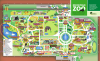
This is my current master plan. I mostly used copy/paste, trying to ensure no species habitat size was downscaled from current.

I did do some drawing here and there alongside the copy/pasting to represent small changes (eg one new building, new outdoor habitats) and added one all-new species alongside some familiar faces... but I wasn't ambitious enough to draw the whole new complex, so please accept a big grassy square for that!

Major goal was to re-invest in the eastern side of the zoo.
 

Attachments

  • mybrookfieldzoo.png
    mybrookfieldzoo.png
    759.8 KB · Views: 17
This is my current master plan. I mostly used copy/paste, trying to ensure no species habitat size was downscaled from current.

I did do some drawing here and there alongside the copy/pasting to represent small changes (eg one new building, new outdoor habitats) and added one all-new species alongside some familiar faces... but I wasn't ambitious enough to draw the whole new complex, so please accept a big grassy square for that!

Major goal was to re-invest in the eastern side of the zoo.
I do not like this. The Australia House would be a huge loss (and that's a declining exhibit type in North America).
 
I do not like this. The Australia House would be a huge loss (and that's a declining exhibit type in North America).
There is an Australia House in the bottom right with additional outdoor enclosures for Koala and Cassowary and in my intention no interior species are lost. If anything I would want an expanded interior! It is my favorite building in the zoo.

If you mean to suggest it is not realistic for the current Australia House to be suitably replaced without losses, well, I'm not the only one in this thread taking that risk.

Edit: I'll post more details later to explain my ideas better :)
 
Last edited:
There is an Australia House in the bottom right with additional outdoor enclosures for Koala and Cassowary and in my intention no interior species are lost. If anything I would want an expanded interior! It is my favorite building in the zoo.

If you mean to suggest it is not realistic for the current Australia House to be suitably replaced without losses, well, I'm not the only one in this thread taking that risk.
That's fair.
 
  • Like
Reactions: JVM
I have updated my previous master plan, although the broad strokes remain alike. I think the majority of it is relatively realistic besides the restoration of some previously phased out species that I concede aren't likely.

I have attached a new edited version of the master plan map corresponding to these plans; though some of it is hasty, especially the desert, I did try to add new animal silhouettes, modify buildings and add enclosures in many areas to give an idea how it would look.

Goals
- To fully establish clear biogeographic theming for each quadrant of the zoo, as has been the intention for many years. This lead to some difficult decisions, particularly breaking apart Tropic World.
- To invest in the eastern side of the zoo, which has always been lacking in animal attractions since the zoo opened but has suffered especially in the last decade with the closure of bear grottos and the ridge.
- To avoid downsizing the collection and when possible restoring previous species, including the return of the much requested elephants.
- To ensure no animals end up in exhibits smaller than their current holding.

Overview
It would be ideal to add more substrate to indoor exhibits, clean paths, and replant trees, all throughout the zoo. I think these are all a 'given' that nobody here would argue against.

North Gate
The main entrance to the zoo is not particularly impressive to a new visitor and could use some improvement - we need guests to feel excited as soon as they enter the zoo. The existing North Gate Shop and the outdoor North Shop will be fully renovated into a single larger shop building with a wider array of merchandise, with the 'Stuffed Animal Kingdom' branding returning for the section of the store with stuffed animals. Beans, Sprouts and Cones will be expanded to include an indoor restaurant as well, overlooking a nearby exhibit. (see Northwest)

Ahead of the carousel, Butterflies, and Discovery Center, which will remain, it would be ideal to feature an interesting smaller animal exhibit here to 'welcome' guests to the zoo, as is common in many facilities. I think one of the perfect candidates is an exhibit for otters. There are currently two species present at the zoo, neither of which has outdoor access, and both of which may be threatened by biogeographic theming mentioned below, which will renovate Tropic World and possibly the Swamp.

The new entrance exhibit will focus on Asian Small-Clawed Otters, tying into the northwestern region's Asia theming, in a brand-new outdoor habitat, including both land and underwater viewing from multiple angles and heights between eye level and ground level.

Asia (Northeast)
The northeastern section of the zoo will be themed around the Asian continent, which is well-represented at the zoo in terms of species but not so much in themed exhibtry.

At Big Cats/Fragile Hunters, the lions will be removed and the existing outdoor habitats will be renovated into four habitats instead, featuring more substrate, less rock work, and more viewing opportunities. Amur Tiger, Amur Leopards, Sloth Bears and Snow Leopard will remain featured animals here.

Across the mall from those grottos and a rebuilt path, new enclosures will be constructed for Asian Hoofstock -- Przwalaski's Wild Horses, Bactrian Camels, Siberian Ibex, and hopefully as a new species, Sichuan Takin, with allowance for the species to be rotated between multiple grassy yards and steeper spaces; they will be similar in size to the current hoofstock yards. The paths will be themed to emphasize the diversity of habitats on the continent.

(I gave some consideration to narrowing focus on Siberian/Himalayan animals only, but I felt camels, wild horses and sloth bears were too important to discard.)

Clouded Leopard Rainforest will be renovated significantly and expanded into Desert's Edge (those animals will remain; see Northwest) to include new holdings for the existing species, such as binturong, clouded leopard, fishing cat, prevost's squirrel, and new exhibits for slow loris, birds and reptiles. The building will also link to outdoor habitats for orangutans and gibbons as well as a langur exhibit, with all three primates rotating through two yards and indoors. New signage will emphasize the role these rare primates play in Borneo's ecosystem.

There will be an additional exhibit for Red Panda, if possible and if space allows.

Seven Seas and Pinniped Point will, for these plans, remain untouched. As aquatic exhibits, they are not continent-specific in my mind, even if the relevant pinnipeds do not live on Asian coasts; switching to a more 'relevant' species would be very difficult in the current climate. If bringing back walrus and fur seals became an option, it would be done immediately, since they are slightly more relevant than the sea lions.

The space for the Castaway Grill will remain between Asia and Islands. BZ Red Hots will also undergo renovation, returning to the 'Safari Grill' branding and adding new meal options and a new version of the historical mural of the animals on the continents, focusing on animals from the zoo. New picnic seating will be added near both nearby exhibits so guests can enjoy their food in view of the animals. I would love to add an exhibit to this space but I don't want to compromise the restaurant too much.


Islands (Southeast)
The southeastern section of the zoo will be focused on Island ecosystems, but primarily on Oceania and Madagascar to utilize the existing space and habitats.

The former bear grottos will be knocked down immediately and replaced by a new, expanded Australia House, preserving everything cool about the current building while advancing considerably. The outdoor habitats include a mixed exhibit for Gray Kangaroo/Emu and separate enclosures for Bennett's Wallaby, Wombat, Cassowary, Barren Goose, and Tasmanian Devils. There will be a small new barn for viewing Koala in an outdoor/indoor enclosure.

The interior to the expanded building will include an initial area with indoor viewing for kookaburra and skink, as well as viewing for kangaroo, emu, and wallaby, as well as a window to the koala, followed by an updated nocturnal room with echnida and wombat, the walkthrough bat exhibit, a new interior habitat for Tasmanian devils and kangaroo rats, and a final main room focused on New Guinea, with Matchie's Tree Kangaroo and Kea, with a small side room for viewing Kiwi. Signage will direct visitors to the Koala barn or to Wild Encounters' walkabout area.

Hamill Family Play Zoo and Hamill Family Wild Encounters will remain much the same, though some small animal species will be moved to other parts of the zoo such as raven, kestrel and Red Panda. I am unsure what species to replace these with at this time, but I am thinking a raccoon would be a strong replacement for the panda exhibit, and fit better with caribou, llama, and goat as a more 'native' animal. The former raccoon enclosure in the Children's Zoo was popular.

There would also be a new, small exhibit between the Hamill exhibits, near the former beer garden, dedicated to Madagascar and primarily carnivores, with small terrariums for hissing cockroaches and Malagasay ground boa, with two exhibits on each side for Malagasay Giant Rat and Fossa, and then a nocturnal room for Aye-Aye. Signage would highlight the presence of nearby lemurs in the zoo as well. It would be cool if this building could include at least one species of lemur (besides aye-aye) as well but I am hesitant to suggest too many species in such a small space.


South Gate

In an intentional and direct mirror to the new front gate, a new exhibit will be constructed near the south gate as well to welcome visitors with an animal attraction.

I recommend the construction of a new lemur exhibit with a species not currently held at the zoo (I am not up to date on which ones were or are held in the Play Zoo) allowing at least the existing and iconic ring-tailed lemurs to remain unique to the Play Zoo while also ensuring there are lemurs all guests can enjoy without additional payment and allowing the suggestion of a greater Madagascar theme, alongside the Fossa exhibit and Play Zoo.

In the event there is space to include lemur in the small proposed Madagascar exhibit mentioned above, replace this idea with a holding for a species native to an island not otherwise covered here.

(The omission of the Galapogos from the Islands section bothers me here, but Galapogos tortoises would not fit as a welcome attraction if they would need to be moved part of the year to a building, I feel. There are no other Galapogoes species who are within institutions right now to my knowledge, otherwise I would love to feature them here.)


Americas (Southwest)

The southwest will be themed to North and South America, though this was the most challenging area of the zoo to keep any illusion of theming.

Great Bear Wilderness will remain mostly unaffected, of course, being such a recent exhibit, but behind the Bald Eagle aviary a new building will be constructed containing small mammals and birds from North America, including prairie dogs in an innovative system allowing guests to view them in their tunnels, as well as nine-banded armadillo, an owl species, American Kestrel and Raven, with some outdoor access. It is possible the desert free-flight aviary from Feathers and Scales could be moved or reconstructed here. It will be accessible by the entrance to Wolf Woods and can be visited without entering the Great Bear Wilderness loop.

The Living Coast will remain quite similar, although vampire bats and chinchilla will be restored to display and additional changes relating to Peru may be made, as other zoochatters have suggested. In addition, a new outdoor exhibit will be added for the Humboldt penguins to the side of the building, via a path near the above new building and Wolf Woods. The outdoor exhibit will use low fences to include eye-level land viewing and some underwater viewing. The penguins will have access to this habitat as well as their indoor area and the larger tanks.

'Birds and Reptiles' to the south will be expanded significantly, and retitled as 'Reptile House' as no birds will be kept there any longer. The new expansion will more than double the size of the current hall, continuing the terrariums on one side of the building while on the other side featuring larger outdoor habitats that visitors view from safely indoors, though these reptiles will have access to indoor rooms as well. The new exit will include a final exhibit space as well, since reptiles are not as likely to escape as the free flying birds previously held here.

The former free flight area from Perching Bird House will be refurbished into an exhibit for a crocodilian species, possibly the Orinoco crocodiles currently held in the Swamp or a new species, where visitors can view them from above in an open-air area from a safe height. The outdoor exhibits will include a space for another crocodilian species, a new exhibit for Komodo Dragon, and an outdoor exhibit space for Galapagos Tortoise. The tortoise will have an indoor exhibit near the exit wing of the building for winter months as well.

The most ambitious aspect of this plan is to close Tropic World and pretty much completely gut the building. The apes are being moved to other areas of the zoo as discussed elsewhere. The exhibit is out of date, full of ugly concrete, and wildly unpopular. The roof will be completely redone to allow better lighting so real trees and plants can be grown inside the building, with real soil and substrate throughout, while the off-exhibit aviaries and hopefully the artificial waterfall are all that will remain exactly alike. The building will be rethemed to focus solely on the Amazon rainforest, under a new name, and use Tropical Discovery at Denver as a key source of inspiration for theming.

The building will now include a multi-room path for visitors allowing them to view many animals at eye level in terrariums, tanks, and small naturalistic exhibits, while bridges similar to those in the current exhibit will allow them to view a handful of animals from slightly above, such as sloths, tamarins and marmosets, allowing them to climb up to eye level for guests. Some climbing structures from the original building may be preserved as well. Outside the building there will be multiple outdoor habitats for as many species as space allows, with a Jaguar as the definitive new species, visible behind glass inside and over a moat outside.

The interior exhibits will include a variety of birds, including both current Tropic World residents, macaws, golden conure, toco toucan, and a free-flight aviary equivalent to the one currently in Feathers and Scales, for the same species. There will also be a large 60,000-gallon Amazon tank including Arapaiama, cichlids, catfish, Tambaqui, possibly stingrays or Yellow-spotted Amazon River Turtle, and an additional tank for red-bellied pirahna. Some species from the Swamp, such as Orinoco crocodile may be moved here as well.

The exhibit will also include new homes for the Ocelot and Coati currently at Desert's Edge, the Capybara, Giant Anteater and Tapirs (Baird's and/or Brazilian) at Pachyderm House, as well as exhibits for the woolly monkeys, black-handed spider monkeys, squirrel monkeys, golden lion tamarins, marmosets, sloth, and tamandua currently present at the zoo, all of which will have access to outdoor habitats if possible. Possible new species include howler monkeys, capuchins, caiman, and giant river otter, maybe the return of red-faced spider monkey if extremely lucky.

The above species list is probably one of my most ambitious in this post; it is very important to mention the intent is for the majority of the mammals in the building to have outdoor access and to favor current zoo residents before adding new species. Species from the Swamp and Feathers and Scales can remain in their current exhibits if space is not adequate to move them to this building. I assume moving the Asian and African residents elsewhere will hopefully allow for everything described above, but I am aware that 40+ species is a lot to suggest!!

The Hamill Family Nature Plaza will include an outdoor primate habitat relating to the Amazon building, probably for black-handed spider monkeys.

Feathers and Scales has the most uncertain future here; most of the reptiles will be moved to the refurbished Reptile House, and its keystone aviaries may both become part of new buildings as mentioned above; but these elements may remain if space is not adequate to move them. I would really like to add new signage will encourage visitors to think about the connections between birds and reptiles and discuss the evolution of dinosaurs, and possibly focus on this as a theme. I do think if the other animals are moved out, it would be really cool to renovate the outdoor Andean Condor aviary to allow the birds some more space and possibly open them up to being viewed from indoors. I am not opposed to continuing to retheming this exhibit entirely around birds from the appropriate biogeographic region or from around the world.

The Swamp has a similarly uncertain future as again as similarly, I have explored the idea of moving its residents to other buildings. If the orinoco crocodiles are moved to the new Reptile House or the below exhibit, then their old exhibit will return to housing American alligator. Similarly if South American residents leave, the building will be themed more around North American species to compensate. It would be nice to add an outdoor space for North American River Otters but I do not believe the current footprint can be altered.

The Formal Pool could hold flamingo as many have suggested; otherwise, if this is not possible, they would be a great candidate to fill empty space in Feathers and Scales or the Swamp should the other moves prove successful. They are a rather major species for such a large zoo to miss out on!


Africa (Northwest)

The northwestern section of the zoo is already fairly focused on Africa, but there is plenty of room to double down on this and create a more focused African collection.

Habitat Africa! The Forest will be expanded to the north, opening a second loop off the current pathway and three new enclosures, all linked to a new building, which fill function primarily as the new home for the zoo's gorillas, which will have a large outdoor accomodation as well as an indoor exhibit as well. There will also be a mixed exhibit for Angolan colobus, Schmidt’s Red-tailed Guenon and Allen's Swamp Monkey and if space allows, an exhibit for Mandrill. There will also be a new enclosure for pygmy hippopotamus with a large pool and much more grass and plants than the current holding, with an elevated viewing similar to the current one, off the main hoofstock path.

In addition to the above tropical species being moved to the existing African forest area, Congo buffalo will return to the collection, sourced from Europe, with a new enclosure to help restart the captive breeding program here in collaboration with San Diego. They will recieve a new enclosure, with Bongo as a backup plan should buffalo not be possible to acquire.

The former Aardvark House will also be reopened to the public, and nearby a new enclosure will be added for Addax antelope, and a new Desert's Edge building will be added, bringing back caracal, hyrax, black-footed cat, bat-eared fox, meerkat, porcupine and mole rats, with caracal now having outdoor access. A new warthog enclosure will also be added. These two buildings and four outdoor enclosures will function as a new African Desert complex.

Habitat Africa! The Savannah will reintroduce Ostriches to the waterhole habitat alongside a new antelope or gazelle species, and Mountain Zebra will be explored as an alternative for mixed exhibits. The generic giraffe and ostrich will someday be replaced by AZA subspecies. A small exhibit will be constructed for baboons, more naturalistic than their previous island and with an SSP subspecies, south of the Nyala enclosure near the bison. They can be substituted by another Savannah primate.

Pachyderm House, the former Australia House, and the eastern hoofstock yards will all be torn down to allow for a massive, multi-acre pachyderm complex. Two former hoofstock yards acros from the Saannah will be replaced by new exhibits exclusively for use by Black Rhinoceros, which will also be able to rotate through several further exhibits with a river hippopotamus and a breeding herd of African elephants. The pachyderms will all have access to multiple, massive pools of water for keeping cool in the summer as well as enrichment, and a large heated barn for winter. Toyota Elephant Passage from Denver will serve as a partial inspiration here.

An additional hoofstock yard may remain relatively unmodified for Grevy's Zebra, which need to be separated due to their known aggression, until another zebra species can be mixed into the waterhole as discussed above. The remaining hoofstock yard space will be converted into a new exhibit for African Lions, hopefully with enough room for a breeding lion pride and multiple glass viewing opportunities. Should the zebra be phased out from here or additional space be available beyond the lion's needs, I would love to create a rotational exhibit with other African predator species, such as Spotted Hyena or Cheetah, but this is only a stretch goal.
 

Attachments

  • mybrookfieldzoo.png
    mybrookfieldzoo.png
    836.8 KB · Views: 25
Back
Top