Brookfield Zoo Brookfield Zoo News 2024

Brookfield Zoo Chicago Unveils Ambitious Next Century Plan - Brookfield Zoo Chicago Press Room

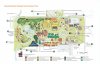
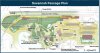
The master plan has finally been unveiled! The plans include the new outdoor primate exhibits and Gorilla Conservation Center, a renovated Australia House with new indoor/outdoor exhibits, completely revamped African Savanna and Forest regions including restoration of the Pachyderm House, coastal exhibits for pinnipeds and seabirds, a dolphin mangrove with outdoor spaces, an expansion of Wild Encounters, an Amazon aquarium building with a flamingo exhibit, retheming Great Bear Wilderness into a Tundra exhibit, a conservation campus, renovations to the Fragile Kingdom, several individual enclosures, and expanding into undeveloped land to create new Asian, North American and South American exhibits.

In addition, there are multiple new guest experiences planned including a complete revamp of the North Entrance plaza and arrival experience, an amphitheater for events and animal presentations, a large restaurant on the Salt Creek Trail, an aerial adventure course, a 4D theater, and a Zip-line.

New Species: African Elephant, Nile Hippo, Takin, Bongo, Congo Buffalo, Elk, Pronghorn, Savanna Hoofstock, Cheetah, Sun Bear, Red Panda, Wolverine, Tasmanian Devil, Prairie Dog, Ostrich, Sandhill Crane, Greater Prairie-Chicken, Eurasian Eagle Owl, Australian Owls, Galah, Nile Crocodile, Anaconda, and more.

Executive Summary: https://www.brookfieldzoo.org/custom.czs/files/81/81f42ebd-4781-40e2-a77d-65738a8ad9a2.pdf
Such an impressive master plan!
 
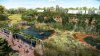
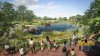
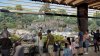
Some of the key renderings from the master plan!
 

Attachments

  • 2df319f1-b49c-4d6d-84f3-21cf0b7f5df0.jpg
    2df319f1-b49c-4d6d-84f3-21cf0b7f5df0.jpg
    177.4 KB · Views: 121
  • b96e5fab-06d3-4820-ac1f-74464605f2b5.jpg
    b96e5fab-06d3-4820-ac1f-74464605f2b5.jpg
    214.3 KB · Views: 26
  • 98166213-a995-4ce3-ab6b-a080c820dfd7.jpg
    98166213-a995-4ce3-ab6b-a080c820dfd7.jpg
    131.6 KB · Views: 125
  • 539b0132-97b2-47a5-a5d2-15377476879a.jpg
    539b0132-97b2-47a5-a5d2-15377476879a.jpg
    191.3 KB · Views: 117
  • 4bd66d06-d699-4a08-a742-f635ca21d80d.jpg
    4bd66d06-d699-4a08-a742-f635ca21d80d.jpg
    198 KB · Views: 119
  • c132a3d7-29c1-4573-bbab-49c8b7d6818b.jpg
    c132a3d7-29c1-4573-bbab-49c8b7d6818b.jpg
    200.7 KB · Views: 126
  • 027595bb-033b-44bb-9527-56f24ac1d95f.jpg
    027595bb-033b-44bb-9527-56f24ac1d95f.jpg
    223.3 KB · Views: 117
  • 18f286ec-361d-4848-adb4-cd5307cdf63d.jpg
    18f286ec-361d-4848-adb4-cd5307cdf63d.jpg
    113.2 KB · Views: 28
  • 46df2929-59af-4f3f-940c-53ad1f79550a.jpg
    46df2929-59af-4f3f-940c-53ad1f79550a.jpg
    142.3 KB · Views: 34
  • Screenshot_20240716_075352_Drive.jpg
    Screenshot_20240716_075352_Drive.jpg
    127.6 KB · Views: 37
Wondering if the plans for Australia are why some parts of Australia have changed, like certain exhibits not being used and the Geese being mixed with the Wallabies, also wondering where the Camels will go, and what will go into the two Wild Encounters enclosures that'll likely be moving to the new exhibits, those being the Reindeer and Wallabies
 
Congo Buffalo returning to the US would be amazing! and a new holder for Tasmanian Devils! Not to mention that new dolphin exhibit might be one of the best and most unique in the country when complete. Also very happy to see Brookfield's commitment to White-Bellied Tree Pangolins
 
New Species: African Elephant, Nile Hippo, Takin, Bongo, Congo Buffalo, Elk, Pronghorn, Savanna Hoofstock, Cheetah, Sun Bear, Red Panda, Wolverine, Tasmanian Devil, Prairie Dog, Ostrich, Sandhill Crane, Greater Prairie-Chicken, Eurasian Eagle Owl, Australian Owls, Galah, Nile Crocodile, Anaconda, and more.

Interesting to see sun bear on the list, those are almost extinct in North America and almost certainly will be by the time their exhibit is constructed. I wonder if the greater prairie chicken means Attwater's Prairie Chicken, I know Houston could use some help with those. Australian Owls would also be very unique for North America, are there even any exhibited outside of Australia? (Other than owls with worldwide distribution, like barn owls.) And if they can successfully keep pronghorn these would be the easternmost pronghorns in the country, typically they're only able to handle the climate out west.
 
Interesting to see sun bear on the list, those are basically extinct in North America. And I wonder if the greater prairie chicken means Attwater's Prairie Chicken, I know Houston could use some help with those. Australian Owls would also be very unique for North America, are there even any exhibited outside of Australia? (Other than owls with worldwide distribution, like barn owls.)
I believe the Australian Boobook Owl is kept in zoos in Europe at least, not sure if there's any in the USA, but would love for more Australian wildlife to come stateside!
 
Brookfield Zoo Chicago Unveils Ambitious Next Century Plan - Brookfield Zoo Chicago Press Room

The master plan has finally been unveiled! The plans include the new outdoor primate exhibits and Gorilla Conservation Center, a renovated Australia House with new indoor/outdoor exhibits, completely revamped African Savanna and Forest regions including restoration of the Pachyderm House, coastal exhibits for pinnipeds and seabirds, a dolphin mangrove with outdoor spaces, an expansion of Wild Encounters, an Amazon aquarium building with a flamingo exhibit, retheming Great Bear Wilderness into a Tundra exhibit, a conservation campus, renovations to the Fragile Kingdom, several individual enclosures, and expanding into undeveloped land to create new Asian, North American and South American exhibits.

In addition, there are multiple new guest experiences planned including a complete revamp of the North Entrance plaza and arrival experience, an amphitheater for events and animal presentations, a large restaurant on the Salt Creek Trail, an aerial adventure course, a 4D theater, and a Zip-line.

New Species: African Elephant, Nile Hippo, Takin, Bongo, Congo Buffalo, Elk, Pronghorn, Savanna Hoofstock, Cheetah, Sun Bear, Red Panda, Wolverine, Tasmanian Devil, Prairie Dog, Ostrich, Sandhill Crane, Greater Prairie-Chicken, Eurasian Eagle Owl, Australian Owls, Galah, Nile Crocodile, Anaconda, and more.

Executive Summary: https://www.brookfieldzoo.org/custom.czs/files/81/81f42ebd-4781-40e2-a77d-65738a8ad9a2.pdf
I literally never thought I’d see the day when Nile Hippos or elephants return to Brookfield, let alone both of them at once! I’m overjoyed to see two of my favorite species of all time return here!
 
Now that I’ve taken some time to process everything announced this morning, this seems like a good time to give some general thoughts on the master plan as a whole -- I may do an individual breakdown of my thoughts on each project in the master plan discussion thread later on. After all of the build up over the last three years from the initial reveal of Tropical Forests, the small-footprint enclosures, and the various teases from Dr. Mike in interviews, my excitement had reached a boiling point. After more than a decade of Brookfield remaining largely stagnant, suffering from decaying infrastructure, empty or underutilized grounds, and general lack of investment, there was finally hope that this once grand zoological park may be restored to its former glory. Suffice to say my expectations were very high, but were they met after all this time? In short, honestly no…

Instead they were absolutely shattered!

Indeed this master plan is brilliant down to the last detail. It blows the old 2006 master plan out of the water in every way and in retrospect I’m glad none of it ever came to fruition. Almost every part of the zoo, even the newer stuff, is being upgraded or rebuilt one way or another. Only Regenstein Wolf Woods and the reptile/bird houses will remain untouched it seems. Everything else is being either renovated, expanded, replaced entirely or getting at least something new. So many amazing looking exhibits and ideas are being presented, many of which I never even realized were possible. So many new and returning species planned for the future, some of which I never would’ve expected to ever see included. I notice that the zoo is largely avoiding thematic elements like mock African villages, ruined temples and totem poles, instead opting for naturalistic animal habitats with sleek, modern viewing areas. I very much prefer this route and all of the renders and concept art provided look outstanding.

Somehow the zoo has found a way to maintain nearly every major ABC species in their existing collection while also managing to fill in countless missing gaps. This includes some major headliners that for a while sounded impossible like elephants, hippos, and recently koalas. How many zoos do you see adding any of these nowadays, let alone all three? There’s also a bunch of really cool and interesting mammals being brought in: Tasmanian devil, wolverine, pronghorn and especially Congo buffalo are terrific surprises -- sun bear as well but I'm extremely doubtful that'll go through. The real icing on the cake is that the zoo will seemingly be expanding upon one of its existing strengths; continuing a focus on small, more unusual bird and herp species alongside the popular megafauna. It appears like that trend will continue with certain areas like the multiple bird aviaries being added along the new Australia trail or having an amazon building with herps and fish leading into a larger pantanal section with tapir, capybara, etc. And the buildings that currently hold most of these smaller oddities (reptile/bird houses, The Swamp, kopje house, forest house, Australia house) will either be staying pretty much untouched or expanded upon. At the public master plan town hall last July I was able to directly express a desire for increased/maintained biodiversity and it seems the zoo will deliver on that front.

Unsurprisingly, the part that has me most hyped is the spectacular looking exhibits on the horizon. This has been discussed at length elsewhere on the forum, but over the last decade it’s begun to feel like many US zoos have lost some creative edge. Many zoos seem perfectly content creating similar looking exhibits for similar species, leading to a lot of facilities feeling all too, well, similar. Not Brookfield though; there are some truly innovative exhibits being presented here that genuinely look to try something new. Blown away with what’s being done with the African area: the massive mixed-species elephant/rhino complex set in the forest, the restoration of the pachyderm house into a savanna viewing gallery, and the wetlands area with hippos and crocodiles all look phenomenal. Relocating the pinnipeds and penguins to a coastal exhibit area could be an excellent showcase of the conservation work the zoo does in the Punta San Juan region and create a more cohesive experience by the entrance. Everything being done west of Salt Creek looks brilliant and building around the existing forest and marsh areas could lead to some of the most immersive exhibits the zoo has ever made. What caught me most off guard was the dolphin mangrove which absolutely knocked my socks off and looks to be the first exhibit in decades that tries to completely rethink cetacean exhibitry. I was skeptical of the zoo continuing their dolphin program even after the recent renovation, but it’s clear they are all in on dolphins and everything about this looks masterful. Creating unique experiences also extends further than just exhibit design. For example, nothing about the exhibitry in the upcoming Australia area is particularly groundbreaking, but the fact it goes so far beyond what the standard is for similar exhibits is enough to make it especially notable. When all is said and done, Brookfield will have some truly distinct features that will be alluring to both the general public and zoo nerds alike.

There are a few minor quibbles here and there. A few key species do appear to be leaving the collection: the painted dogs, camels, klipspringers, dik-diks and saltwater fish will all be missed. However, considering Lincoln Park holds the first three, these aren’t devastating losses. It’s also unfortunate there are no plans for a proper macaw aviary at the moment, although there is still hope they'll come up with something in the future. I also find it strange the zoo just put effort into revitalizing the nature stage last year when there’s a far more elaborate amphitheater coming down the line. Seems like that could’ve been a good area for another smaller individual exhibit such as, oh I don’t know, a proper macaw aviary. Otherwise, there isn't a single thing I’m genuinely disappointed with. For a zoo of this size that is quite an impressive feat.

To summarize: the zoo has managed to find a way to keep nearly all of its existing collection while expanding in both charismatic megafauna and small oddities, design world-class looking exhibit areas of which many look truly innovative, maintain their cherished historical buildings, improve the guest experience, and effectively utilize every bit of land at their disposal. On this site we’ve shared our own visions for an improved Brookfield Zoo countless times over the years, but I don’t think anybody could have anticipated this end result. Yet at the same time, many of the things that we’ve expressed wanting are being directly addressed from maintaining biodiversity, filling in dead spaces, bringing back some large ABCs from the past, livening up the entrances, etc. It’s amazing. And I get it, a master plan is never set in stone. There are an astronomical number of variables at play here which may affect these plans as they become closer to reality from economic woes to changes in upper management. Some exhibits could be scaled back and maybe not everything will come out quite as spectacular as renderings suggest, but chances are it's still going to be pretty great. The fact that there's even a chance I may be able to walk on a path at the zoo with a mixed-species elephant exhibit on one side and forest buffalo on the other is unreal.

It’s perhaps most exciting that we don’t have to wait very long at all to see these projects begin to roll out. The prairie aviary will be open later this month and Tropical Forests is less than a year away. With Gateway to Africa scheduled to break ground in 2026, it's clear the zoo has a jam packed schedule for the near future. As someone who has been visiting the zoo his entire life and had been disappointed with the zoo's lack of progress up until recently, I can’t fully express how amazing that is. These plans make me so happy, seeing how ambitious the team has decided to go and how many cool ideas are being presented. I think that if everything we see here is executed to the fullest extent, we may have a new contender for one of the greatest zoos not just in the US, but worldwide. Call it a bold claim, but when looking at everything in the pipeline, there’s no reason why Brookfield wouldn’t be able to play in the Champions league with the San Diegos, Berlins, Bronxs and Zurichs of the world. Other zoos will continue to grow and improve of course, but I’m not aware of any other facility that has such an ambitious itinerary ahead of itself. This master plan was well worth the wait and I can’t wait to watch it slowly become reality.

GCo68JoXYAA9hdY
 
There are a few minor quibbles here and there. A few key species do appear to be leaving the collection: the painted dogs, camels, klipspringers, dik-diks and saltwater fish will all be missed.
Now I'm wondering if certain animals will still be in the park but relocated, starting to wonder if that small yard near the top of the Africa area is gonna be used for the Dik dik and Klipspringer, Saltwater Fish potentially staying as I'm pretty sure some do live around the continent of South America, and potentially some could fit within other areas of the park, but the Camel and Painted Dog I'm drawing blanks on still, do also wonder what will happen to certain exhibits once some species move, mainly the Reindeer, Wallabies, and Bald Eagle (very confused on the Tundra area and how some areas don't show as much of a layout)
 
Interesting to see sun bear on the list, those are almost extinct in North America and almost certainly will be by the time their exhibit is constructed. I wonder if the greater prairie chicken means Attwater's Prairie Chicken, I know Houston could use some help with those. Australian Owls would also be very unique for North America, are there even any exhibited outside of Australia? (Other than owls with worldwide distribution, like barn owls.) And if they can successfully keep pronghorn these would be the easternmost pronghorns in the country, typically they're only able to handle the climate out west.
I think they’re gone now but worth noting that Columbus successfully kept pronghorn for many years.
 
Now I'm wondering if certain animals will still be in the park but relocated, starting to wonder if that small yard near the top of the Africa area is gonna be used for the Dik dik and Klipspringer, Saltwater Fish potentially staying as I'm pretty sure some do live around the continent of South America, and potentially some could fit within other areas of the park, but the Camel and Painted Dog I'm drawing blanks on still, do also wonder what will happen to certain exhibits once some species move, mainly the Reindeer, Wallabies, and Bald Eagle (very confused on the Tundra area and how some areas don't show as much of a layout)
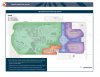
The map shows the eagle aviary remaining as is. Also worth noting that the wallabies in Wild Encounters are a different group than the ones at the Australia house; they will also remain where they are. Regarding the caribou exhibit… guess we will find out in 15 years when they move to the tundra exhibit. ;)

Keep in mind that the phase 3 projects are over a decade away and will go through a number of changes and revisions in that time, especially given that certain areas don’t even have tentative layouts yet. That’s why I’m primarily focused on the phase 1/2 projects: Tropical Forests, Africa, Australia, Pacific Coasts and the North Entrance Revamp.
 
As far as lost species goes, I wouldn't be all that worried about the "saltwater fishes". As many have mentioned, the smaller exhibits for smaller species interspersed among the megafauna has always been a strong suit for Brookfield. With the new coastal area for the sealions and seabirds as well as the mangrove greenhouse for dolphins (boy that is an insanely exciting set of words) on the way, I'd be completely shocked if smaller displays for fishes and inverts are not included.

Additionally, I am extremely excited to see that The Living Coast is not only getting a spiritual successor that returns to a more focused biogeographical theme, but that the OG building also appears to be slated for an amazon basin area. With Shedd's Amazon Rising, Chicago is already a destination city for Amazonian fishes nerds like me. If Brookfield ends up with an Amazonian species list that's a third the size of Shedd's, we're all in for a real treat!

Chicago was already a huge powerhouse zoologically, it looks to me that they're heading in the direction of becoming the top city in the states as far as zoos and aquariums goes.
 
Last edited:
Back
Top