GibbonGuy95
Well-Known Member
The zoo's police K-9 Kirby has passed away

Tigers will get a new habitat in the Central Asian Steppes exhibit. Page 31 of the executive summary document includes additional maps that label the exhibits being built west of salt creek.Ok I may just not be seeing it but I'm not sure where the tigers are going to go
Also, will the zoo be switching to white rhinos, given how one of their goals is a multi-species savanna?
No, I'd assume the dynamic between them would be similar to that of SeaWorld Abu Dhabi.Just adding my two cents here - it looks incredible, innovative (particularly the potentially revolutionary dolphin house, which reminds me of the manatees at Burgers), and would catapult Brookfield into the top of the world-class.
I'm with JVM and others above in being mildly sceptical of it all coming to fruition, I've seen too many zoo master-plans get watered down etc. I would be delighted to be proved wrong and have to book another trip to one of my favourite US cities.
Another question - would dolphins not kill wading birds?
Dolphins have a decent space. I don't know if they desperately need a new one. That's a stretch and a bit exaggerated.Quite frankly there are two things I want to see come to fruition the most out of all of this. Dolphins and elephants. The dolphins desperately need a new space, considering theirs seems to be stuck in the 80s. The elephants would be a massive win for zoos in general, since when was the last time a zoo in North America gained elephants? Skepticism is starting to set in, but I hold out hope for the zoo being able to complete this master plan.
Affirmative, for the moment this SAFE program as in European zoos is to support in situ work with both Andean flamingo species.The AZA's "Andean Highland Flamingo SAFE" works with all three South American flamingo species. I'm pretty certain that when Brookfieldbsays "Andean flamingo", they actually mean Chilean.
Thanks for sharing.

Dolphins have a decent space. I don't know if they desperately need a new one. That's a stretch and a bit exaggerated.
Loving all the announced changes. I do find it somewhat humorous that they're already re-theming Great Bear Wilderness, it's not especially old. Definitely needs it though.
I'm a little surprised - what makes Great Bear Wilderness seem so dated? I'm not to argue it's a flawless complex by any means, but none of the flaws on my mind are addressed by this plan, and I'm surprised by the thought it is the worst part of the zoo to anyone, especially when Tropic World is right there. The biggest flaw/argument for me is that it's pretty strictly based on megafauna, but this won't fix that at all.As they should, considering (IMO) Great Bear Wilderness is the worst part of the zoo.
I agree with @birdsandbats that the Amazon River exhibit is going to be underwhelming with the Shedd Aquarium's Amazon Rising close by.
I'm a little surprised by this sentiment in advance of construction or concept. It's definitely possible the final result may validate this or be underwhelming but the Amazon rainforest is a critical habitat and I imagine there are ways to approach it that without exceeding the Shedd may still be interesting. More aquatic/arboreal mixes for example. Species count definitely isn't everything.Bigger sure, but no way it'll have a higher species count.
This is a great question. Even though the Living Coast will eventually be replaced by Amazon Waters, there may be a gap of some years between that and Coasts of the Americas, so it'd be interesting to know what might happen in the interim. Maybe a different penguin or bird species could take up temporary residence?In regards to Pacific Coasts, wonder what will happen to the Living Coast Penguin exhibit after they build their new exhibit
A completely reasonable argument. I keep falling back erroneously on viewing this as a refresh/extension of Habitat Africa that happens to overlap with the Pachyderm House when maybe I should be viewing it the other way around. I do tend to forget that Pachyderm House's current state of infrastructure is a factor in the renovation plan and not simply that it is an existing building that happens to be in the middle of the designated region slated for development.I can't help but feel this is an overly-pessimistic view of things. You are right that Habitat Africa is already a high quality part of the zoo that isn't in dire need of upgrades, but you know what is? The pachyderm house. It has been a serious concern for the zoo for years -- there's a reason the interior has been closed for over a year and will probably never reopen before renovations are complete. That's the main reason this project is occurring so early, not to mention the outdated row of hoofstock paddocks along 31st street. I want to see something done with the bears grottos as much as the next guy, but the zoo is obligated to address existing exhibits and infrastructure issues before getting to areas that have already been empty for years.
If Gateway to Africa were ready in five years, I would find that a dream and feel much more confident towards the rest of the plan. I fear delays or funding issues a lot during this sensitive stage. Tropical Forests is on schedule, thankfully, but I worry what may happen in the interim.IAnd regarding the timeline, remember that the zoo has already secured $200 million in funding for this first phase of developments. If Gateway to Africa begins construction in 2026 as planned, whether it's done in phases or all at once, it'll probably be fully completed as soon as 2029. That leaves five more years to wrap up the other three phase 2 projects. Also, has it been stated if that $500 million price tag is just for phase 2 or for the entire master plan?
This is similar to my earlier complaint, so I get it. I've been thinking it over and perhaps they won't simply be putting animals in the old grottos but possibly reworking them, similar to Saint Louis, in which case the process of altering the rock work and concrete will probably still take a hefty budget. I think this would have been worth communicating a little more in the plan but recognize it probably wasn't done because it's a 'far off' project.-I wonder why redoing the north entry gate, walkway and plaza and building the new sea lion and penguin habitats is taking priority over resolving the old bear grottos? I don't dislike anything about the actual plans and I think expanding the Wild Encounters into the bear grottos and the species to be exhibited there are all great but it is the phasing I question. It seems much less complicated to execute the plan for the old bear grottos than to redo the north entrance and build the sea lion and penguin habitats especially since their habitats are already in good shape. The old bear grottos however are just a gapping void and blemish currently and according to the master plan will remain so for over another decade. There must be some logic behind this decision but what it is eludes me.
I definitely want to see more space for Asia and I hope by the time phase 3 rolls around the zoo can put some more thought towards that. The placement of the Himalayas exhibit feels really unfortunate in the grand scheme of things since it would basically preclude any future Asian expansion unless the zoo were able to move even further to the west. I'd love to see the Clouded Leopard Rainforest species moved to new quarters especially.I would like to see a little more emphasis placed on Asia, the largest and most diverse continent. The space given to Asia is too small at 3.6 acres not counting some additional areas like the Asia area at Tropical Forests, Clouded Leopards Forest, and the Asian species that will be in the old bear grottos compared to over 25 acres given to Africa. South America gets over 5.2 acres, North America over 16.4 ac, and even Australia gets 3.5 ac. I know I'm biased but would love to see an amazing Amur tiger and leopard habitat complete with some representative prey species and innovative ways to stimulate natural hunting behaviors. This could still happen as the plans evolve more and become more flushed out for phase 3.
Re: your last point, I think one of the smarter ideas of this expansion is having the North American exhibits framing a huge portion of the lake. Bison and grizzlies to the west, polar bears and caribou to the east, wolves a little bit south ties perfectly into the lake being a part of the North America region itself.-I'm surprised how much the zoo is actually planning on building and developing to the west, especially west of Salt Creek. Some of this is in the floodway so compensatory storage and protection for the animals and facilities will need to be taken into account. This certainly does greatly expand the footprint of space the zoo has for active use and takes advantage of natural features the zoo has.
-What will happen to the big cat grottos? I hope they still are used for animal exhibits in some fashion and not just swallowed up by the amphitheater. Outdoor enclosures for the clouded leopards and ocelots for example would be great.
I'd like to see the Clouded Leopard Rainforest animals moved to new outdoor enclosures someday, even if they aren't in the former cat grottos. Maybe Desert's Edge can expand into the space once those animals are moved. It is a bit of a shame the historic cat grottos will have to go though. Maybe some of the rockwork can be kept?The amphitheater will extend into the space. Outdoor Fragile Kingdom exhibits would be great, but having them in such close proximity to a loud amphitheater space would not be conducive to welfare.
The renderings for the Nile hippopotamus exhibit look horrible. There will be a serious lack of grazing space and it will be impossible to hold an appropriately-sized group.
The skepticism is understandable. I've tried to think about the space available.I hope to be pleasantly surprised by a good hippopotamus exhibit, but I'm not holding my breath. There is no real way of knowing the probability of the exhibit having an adequate land area, so we will just have to wait and see.
Everyone seems to be very excited about Tropic World. I'm expecting I will be very disappointed, even though it will definitely be an improvement for the apes. The building itself is going to be even more understocked than it already is and the focus is clearly geared toward primates. I see no reason why a variety of large, terrestrial mammals can't be moved for the exhibit. For example, the Brazilian tapirs could make use of the outdoor South American primates enclosure and the indoor South America room.
I do agree that Tropic World has seemed understocked for some years, although the capuchins acquired recently may go a long way to help Tropic World South America. Interesting to know there will always be orangutans indoors - so Tropic World Asia will probably remain pretty much the same inside, as will Tropic World Africa besides the gorilla exhibit changing, although I do hope they bring back one of the lost species there eventually. The big question would then be Tropic World South America in this situation... the sloths and tamarins will definitely remain inside and the anteater probably for a while.It really won't be all that different. Additional African monkeys will replace the gorillas and three groups of orangutans will rotate between the indoor and outdoor exhibits, so there will always be at least one indoors. There's also a possibility some of the monkeys will split time between the indoor and outdoor exhibits, as I often only see one or two species out together at a time. The zoo is moving away from exhibiting large terrestrial mammals indoors year-round and bringing them back to the building would be a step backward husbandry wise -- it wouldn't surprise me if the anteater moves to the Pantanal/Atlantic Forest exhibit in the future.
The capital investment point is a good one. I think they've had to replace pipes more than once, for example. It probably is costing a ton of money to maintain as it is on a daily basis and keep it a livable space. The off-show area point is also a good one - there's just a corridor between the stalls and outdoor enclosures.Mainly structural issues; the building is just old and maintaining it has eaten up a lot of capital investment in recent years. Most of the inhabitants don't have proper off-show areas either.
Interesting point about the map skipping the Africa houses. Definitely emphasizes how much what's on that map is largely about routes, even if the map brings a lot of focus to diagrams of the new exhibits as well.I wouldn't read too much into that. The other African houses aren't included on that map either, probably because they are slightly out of the way compared to the main trail. It wouldn't make much sense to have a publicly viewable elephant barn if you didn't allow people in during the winter.While the building itself is smaller, the space allocated to elephants will be much greater and there will be two separate barns. I also imagine the final design for the area will include a larger barn in some capacity.
I'm hopeful for the hippo-crocodiles having indoor space and viewing. The elephant barn will definitely be fun and I hope they are creative with the interior. I'm definitely glad they'll be on display in the winter.The elephant will have a publicly viewable barn. While not explicitly mentioned, there is a possibility the hippos and crocodiles will have indoor exhibits within the revamped pachyderm house.
I'm hopeful the zoo is being more thoughtful than this, but the sun bears especially gave me pause.... that said, all three species are possible to acquire if the zoo wants to pursue it, I would say, and this is the facility that did jump some big hoops to import African white-bellied tree pangolin. It's less pie in the sky than douc langur, at least.Is anyone else concluding the proposals for Andean flamingos, sun bears, and African forest buffalo are only there for the master plan itself seem more creative, and that no actual effort will be made to acquire them? Out of those three, sun bears would be easiest to obtain. Malayan sun bears and African forest buffalo are both somewhat common in Europe, but far more regulations for importing ungulates exist compared to carnivores. Getting Andean flamingos would be similarly difficult to getting African forest buffalo, albeit for different reasons.
I was wondering if this may be indicating a desire to build the exhibits in such a way they appear more unified than they are, using hidden moats and such to make it appear they share paddocks they do not.Tigers will get a new habitat in the Central Asian Steppes exhibit. Page 31 of the executive summary document includes additional maps that label the exhibits being built west of salt creek.
The zoo will be maintaining black rhinos. While concept art suggests otherwise, the rhinos and elephants will have enclosures separate from the main savanna habitats. They will likely not be mixed with hoofstock.
I've fully agreed. This has the potential to challenge cetacean exhibitry standards and place them in a much more natural environment than guests are typically used to. It's the most innovative idea Brookfield's included in their plans.The renovations are nice but we all know cetacean holders have been under a lot of scrutiny in recent years. This new habitat serves to give them even more space and enrichment. The more naturalistic setting serves as a better look to visitors than traditional tanks and I don't believe such a setting for dolphin exhibits is being done in the US (outside of straight up sea pens like at the Dolphin Research Center). Perhaps if done well, this future dolphin exhibit will serve as an example for current and possibly future dolphin holders.


I agree. There will be nothing like it. It will be the gold standard for cetacean exhibitry.The renovations are nice but we all know cetacean holders have been under a lot of scrutiny in recent years. This new habitat serves to give them even more space and enrichment. The more naturalistic setting serves as a better look to visitors than traditional tanks and I don't believe such a setting for dolphin exhibits is being done in the US (outside of straight up sea pens like at the Dolphin Research Center). Perhaps if done well, this future dolphin exhibit will serve as an example for current and possibly future dolphin holders.

Brookfield Zoo Chicago Unveils Ambitious Next Century Plan - Brookfield Zoo Chicago Press Room
The master plan has finally been unveiled! The plans include the new outdoor primate exhibits and Gorilla Conservation Center, a renovated Australia House with new indoor/outdoor exhibits, completely revamped African Savanna and Forest regions including restoration of the Pachyderm House, coastal exhibits for pinnipeds and seabirds, a dolphin mangrove with outdoor spaces, an expansion of Wild Encounters, an Amazon aquarium building with a flamingo exhibit, retheming Great Bear Wilderness into a Tundra exhibit, a conservation campus, renovations to the Fragile Kingdom, several individual enclosures, and expanding into undeveloped land to create new Asian, North American and South American exhibits.
In addition, there are multiple new guest experiences planned including a complete revamp of the North Entrance plaza and arrival experience, an amphitheater for events and animal presentations, a large restaurant on the Salt Creek Trail, an aerial adventure course, a 4D theater, and a Zip-line.
New Species: African Elephant, Nile Hippo, Takin, Bongo, Congo Buffalo, Elk, Pronghorn, Savanna Hoofstock, Cheetah, Sun Bear, Red Panda, Wolverine, Tasmanian Devil, Prairie Dog, Ostrich, Sandhill Crane, Greater Prairie-Chicken, Eurasian Eagle Owl, Australian Owls, Galah, Nile Crocodile, Anaconda, and more.
Executive Summary: https://www.brookfieldzoo.org/custom.czs/files/81/81f42ebd-4781-40e2-a77d-65738a8ad9a2.pdf
 I must've read, skimmed, or even relooked at certain parts so many times - it's one of the first master plans I was looking extremely forward to in a while. While I've always enjoyed Brookfield, I did feel and agree that it seemed to lose a little more with each passing year. Thankfully, not only does this plan address that, but it ended up going above and beyond what I was anticipating!
 . The bongo, Congo buffalo, and outdoor pangolin caught me by surprise and will give a solid boost to The Forest section, along with new and improved pygmy hippo habitats.

The skepticism is understandable. I've tried to think about the space available.
The southern side of Pachyderm House currently has enough space for a large pygmy hippopotamus enclosure, empty rhinoceros enclosures, and the former elephant habitat. The building itself is 260 feet in length and someone estimated previously the overall Pachyderm House plot is 165,000 square feet. I wish I had better statistics for this.
So I'm looking at it that if there's 300 feet or so around (the outdoor exhibits extend past the entrance and exit to the 260ft building, probably further than that) the hippos could have around 150 feet of room if we assume they and the crocodiles are divided equally, which may very well end up favoring the hippos instead of the crocodiles. Cincinnati's exhibit has around 65ft of glass viewing and Milwaukee has 85ft of glass viewing... so if the underwater viewing window is similar to the size of those examples, then there would still be 65-85ft of land area left, which would still probably be ahead of Saint Louis or Milwaukee's smaller beaches, and the former has four hippos living in the exhibit, so Brookfield could possibly exceed that population.
I think it's possible they could pull off a great hippopotamus exhibit based on those numbers. It's possible they could give the hippos greater space than the crocodiles or end up using more water area than guests can view or use even longer windows, all of that's definitely possible and some of it could result in a worse exhibit, but they have the opportunity to do more than that.


As a member of Brookfield Zoo Chicago, you're hearing the big news first: our North American Prairie Aviary is now open!
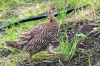
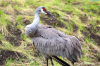
This new 3,000-square-foot habitat is home to sandhill cranes and greater prairie-chickens (a large bird in the grouse family). Located on the north side of Hamill Family Nature Plaza, the habitat’s natural landscape features a pool to entice the 4-foot-tall regal-looking cranes to demonstrate their beak-probing behavior, and the lush vegetation serves as a haven for foraging and nesting for the prairie chickens.
The aviary is free with Zoo membership or admission. We hope to see you there! Thank you for your continued support of Brookfield Zoo Chicago.