Great review - I'm really enjoying reading this and looking forward to the next chapters!
You are using an out of date browser. It may not display this or other websites correctly.
You should upgrade or use an alternative browser.
You should upgrade or use an alternative browser.
Bull Sharks, Bongos and Booroolong Frogs, Oh My!: WhistlingKite24 tours Sydney’s zoos
- Thread starter WhistlingKite24
- Start date

Bengal Tiger
Well-Known Member
They mentioned that it was closed during their visit.Did you not visit the Blue Mountains Bushwalk aviary?

Day 1, Part 4: Taronga Zoo - Farewell to the Reptile House:
Taronga Zoo’s current reptile house sits neatly in a corner of the zoo close to the chimpanzees and views of the savannah. It can be divided into multiple sections with an undulating path that travels through indoor tanks and outdoor enclosures for a diverse range of native and exotic reptiles and amphibians. The exhibits cohesively meld together into a very satisfying experience with a grand total of around 50 individual exhibits – basically as speciose as a reptile house gets in an Australian zoo. As such, I was saddened to hear that this reptile house will soon be replaced with the Reptile and Amphibian Conservation Centre that is set to open in late 2023 further in the middle of the zoo. The current reptile house will be demolished for the new wildlife hospital. I remain tentative about what the final result will be and how well this new development will pay homage to the current diversity of herpetofauna at Taronga. It is planned to be a three-storey building with a green wall, built on a site with sloping topography. The exhibition space will be on levels one and two – level one with contain most of the enclosures and level two would contain four animal enclosures accessed through a ramp.
There were some key clues around the construction site that provide greater insight into the species that will likely be displayed based on how prominently they were featured. Banners for Taronga’s flagship species like Bellinger River Turtle and corroboree frogs and other natives like Green Tree Python, Red-eyed Tree-Frog, Red-bellied Black Snake and Boyd’s Forest Dragon covered the boundaries of construction. I was quietly optimistic that exotic reptiles were also signposted with Tuatara, Plumed Basilisk – a species that is only just starting to grow in numbers again following Melbourne Zoo’s importation from Singapore - and Gila Monster as well. Also, I know for a fact an exhibit for Golden Coin Turtle will be included as I specifically emailed the department about this species as they aren’t on-show currently – a male with go on-display next year in the new building. Philippine Crocodiles – a species not currently at the zoo - has also been mentioned in passing on a few plans but time will tell if that eventuates.

Construction of new amphibian and reptile conservation centre

Basilisk banner
Well this walkthrough of Taronga’s reptile house will be my second and most likely final time visiting in its current state with perhaps in part with rose-tinted glasses. Yes, it was looking tired and dated at times (cracks in the glass, broken signs etc.). And yes, it does get quite congested with visitors due to its layout but there is a lovely weight of history and dedication here to all these cold-blooded creatures – many of which are down to single figures in the region among the region's zoos. A last-chance opportunity to catch glimpse of ‘what was’ before ‘what will be’ arrives. The reptile house begins with an outdoor open-topped enclosure that used to house their male Komodo Dragon they imported from Los Angeles for many years until he moved to Adelaide Zoo this year for breeding purposes. The exhibit sits empty for most of the day unless you happen to stumble upon a pair of keepers giving a talk about the zoo’s latest additions to a packed crowd like I did - a pair of Dingo pups for the new Australian area. As a returning species to the collection, these dingoes will get their own new exhibit when it officially opens in 2023. It’s interesting to observe this trend with Australian major zoos – Adelaide, Melbourne and Adelaide zoos have all acquired dingoes in the past year or so after many years of not having them at all. There is also an outdoor exhibit for Freshwater Crocodile nearby as well.

Dingo pup
Inside the first stretch of exhibits was a small dark enclosure for two younger Rhinoceros Iguanas followed by a row of frogs in lush little tanks with a good amount of vertical space – the Australian version of Red-eyed Tree-Frog, White-lipped Tree Frog and the miniscule Eastern Dwarf Tree Frog. I did watch the frogs for a while and most of the general public did seem to enjoy trying to find the dwarf tree frogs especially – they are really such tiny frogs but are still usually visible. The former chameleon enclosure now has a Boyd’s Forest Dragon and it’s next to a Golden-tailed Gecko. These geckos are really such striking little lizards and are heavily patterned with black, white and gold. The gecko was next to a tank for Yellow-spotted Bell Frogs; a species once believed to be extinct until it was rediscovered in 2009 on the Southern Tablelands with a captive breeding population quickly being established with the collection of adults and eggs. The wild population that was discovered quickly died out with extreme flooding events unfortunately but the frogs bred at Taronga producing hundreds of tadpoles. The first releases occurred in 2018 at several locations. It’s a true survivor and it’s excellent to have this species on-show.

Frog enclosures

Yellow-spotted Bell Frog
The next species was really surprising. I knew Taronga had Scheltopusik but didn’t fully realise one had recently gone on-show! I’d never seen one of these legless lizards before and they are incredible creatures; I’m glad New Zealand zoos have adopted them as a good snake substitute and hope they start spreading in Australian zoos as a unique and fascinating species. The individual was out early in the morning but remained hidden on my second lap of the reptile house. The next two enclosures had a Bellinger River Turtle which is a privilege to see and an unsigned Saw-shelled Turtle in the former box turtle exhibit. I wasn’t as lucky as I was with the scheltopusik as with the neighbouring Tuatara that was imported from Chester Zoo this year through the Australian Reptile Park. Zoo volunteers and visitors alike were unsuccessful in spotting the new addition. The exhibit has lots of great and complex hiding spots. The final row of the first part of the reptile house had a large exhibit for a massive Reticulated Python followed by a mix for Elongated Tortoise and Boa Constrictor. The Philippine Sailfin Dragon that used to live with the tortoises is gone as this species is no longer part of Taronga’s collection. The tortoises and boa constrictors have access to natural sunlight with small parts of the roof cut out – a running feature across a few of the larger exhibits. Also, the water portion of their exhibit was home to three Eastern River Cooters – a species only housed at Taronga among Australian zoos. As a species that was not on-show when I visited in 2019, the critically endangered Booroolong Frogs are another special threatened native Taronga works with. They are stream-dwelling cryptic frogs that were hard to find in their exhibit but eventually I found at least three right under my nose and were well worth the search. Plus they have a cool name!

Scheltopusik

Booroolong Frog
There were then some of the more deadly snakes – a single bright yellow Eyelash Viper which is approaching extinction in Australian zoos, Coastal Taipan, Monocled Cobra with access to natural light and a mix for Eastern Diamondback Rattlesnake and Corn Snake. In the morning, the nearby Gila Monster was laying an egg and I tried to find a keeper to let them know to get it out. On my second lap it was too late and the lizard was consuming its own egg. It was probably infertile anyway as I could only see one individual and it was interesting to watch it devour it quickly as a usually pretty sluggish species. The nearby Broad-headed Snakes have an interesting feature to their exhibit with tall sandstone-like crevices and ledges. An exhibit that’s pleasing to the eye. The nearby Indian Star Tortoises add the second tortoise for the reptile house in a good-looking arid exhibit. The first major portion of the complex is finished with a Common Death Adder where a Land Mullet once lived.

Star Tortoise enclosure

Monocled Cobra
The next portion of exhibits are all rather symmetrically done with a particularly good theme of mainly arboreal reptiles in similarly-sized exhibits with good light and height. The main exception is an aquatic enclosure for a Green Anaconda. The neighbouring former enclosure for Australia’s last Fijian Banded Iguana now has Boyd’s Forest Dragon. I was very happy to see at least two juvenile Plumed Basilisks on display, presumably some of the offspring that have been bred at Melbourne Zoo recently. My favourite exotic lizards that are in Australian zoos. There were similar exhibits for a large Australian Scrub Python that used to be mixed with the forest dragons and an exhibit for Green Tree Python that was formerly mixed with tree frogs. A pair of Fijian Crested Iguana was up next in a large beach-themed enclosure with lots of climbing opportunities. There are no more Green Iguanas at Taronga so they have been replaced with a Merten’s Water Monitor in the final indoor exhibit. This part was not as good as it once was but still solid in its final months.

Plumed Basilisk

Tropical reptile enclosures
After all the indoor enclosures, there is a small outdoor portion with two empty exhibits one being the former outdoor area for the green iguanas. Continuing onwards is a quiet pond for Eastern Long-necked Turtles, a well-vegetated enclosure for Red-bellied Black Snake, a second sandy enclosure for Rhinoceros Iguana and a shady mixed exhibit for Eastern Bluetongue Lizard, Cunningham’s Skink and Land Mullet. It’s always good to see reptiles being housed outdoors where possible and all of these exhibits were good examples of this. One of the gaps I noticed on my last visit was the lack of native varanids so I was pleased that when entering the second half of the indoor exhibits I spotted a lovely little Rusty Desert Monitor.

Rusty Desert Monitor

Desert reptile enclosures
Now these desert-themed enclosures are among my favourite as the rows of the exhibits could really be thought to be one large combined space with a similar backdrop and theming if it weren’t for the glass panels that separate them. Along with the monitor were some more interesting species like Stimson’s Python, Eastern Pilbara Spiny-tailed Skink, Central Netted Dragon and Hosmer’s Skink. There is also a tank with Eastern Bluetongue Lizard and a huge Frilled Dragon that finished this first row that sort of spoils the central/western Australian theme thus far. There is a nearby mixed exhibit for a large Olive Python and a Macquarie Turtle along with a second mixed exhibit comprising of Centralian Python with Central Netted Dragons. One of the few enclosures in the reptile house that is probably a tad too small is the neighbouring Black-headed Python where the snake would struggle to stretch its full length of its body in most directions however the Inland Taipan next door has a good amount of room. The final home stretch of the reptile house finishes with some of the smaller lesser-known species like Pygmy Python, Red-barred Dragon including what seemed to be a gravid female, Goldfield’s Crevice-Skink and the wonderful Giant Cave Gecko. The cave gecko makes for a particularly good display animal as it’s almost always stuck to glass in full view. I should also mention there are two converted shipping containers that sit outside for their Northern and Southern Corroboree Frogs; there are glass viewing windows for each species with a designated display tank. I’ve had much more luck spotting these frogs in the rows of the breeding tanks behind the glass further in as there is always bound to be at least one frog visible. Very cool to compare both species close by to each other.

Olive python enclosure onwards

Red-barred Dragon
Overall, I like the organic, serpentine-like fashion the exhibits flowed into one another – a unique point of difference from traditional rows of box-like tanks. Space is not wasted here by any means and the visitor is fully immersed into the journey with a sense of envelopment that grows around every turn. There are no bells and whistles in the current reptile house; simply a meandering path centred around the animals that are organised in a sensible manner, capturing a good balance between exotic and native species. It will be missed.

Final reptile enclosures
Day 1, Part 5 with discuss the zoo’s afternoon free-flight bird show and my overall concluding thoughts on Taronga. Then it’s onto Featherdale!
Taronga Zoo’s current reptile house sits neatly in a corner of the zoo close to the chimpanzees and views of the savannah. It can be divided into multiple sections with an undulating path that travels through indoor tanks and outdoor enclosures for a diverse range of native and exotic reptiles and amphibians. The exhibits cohesively meld together into a very satisfying experience with a grand total of around 50 individual exhibits – basically as speciose as a reptile house gets in an Australian zoo. As such, I was saddened to hear that this reptile house will soon be replaced with the Reptile and Amphibian Conservation Centre that is set to open in late 2023 further in the middle of the zoo. The current reptile house will be demolished for the new wildlife hospital. I remain tentative about what the final result will be and how well this new development will pay homage to the current diversity of herpetofauna at Taronga. It is planned to be a three-storey building with a green wall, built on a site with sloping topography. The exhibition space will be on levels one and two – level one with contain most of the enclosures and level two would contain four animal enclosures accessed through a ramp.
There were some key clues around the construction site that provide greater insight into the species that will likely be displayed based on how prominently they were featured. Banners for Taronga’s flagship species like Bellinger River Turtle and corroboree frogs and other natives like Green Tree Python, Red-eyed Tree-Frog, Red-bellied Black Snake and Boyd’s Forest Dragon covered the boundaries of construction. I was quietly optimistic that exotic reptiles were also signposted with Tuatara, Plumed Basilisk – a species that is only just starting to grow in numbers again following Melbourne Zoo’s importation from Singapore - and Gila Monster as well. Also, I know for a fact an exhibit for Golden Coin Turtle will be included as I specifically emailed the department about this species as they aren’t on-show currently – a male with go on-display next year in the new building. Philippine Crocodiles – a species not currently at the zoo - has also been mentioned in passing on a few plans but time will tell if that eventuates.
Construction of new amphibian and reptile conservation centre
Basilisk banner
Well this walkthrough of Taronga’s reptile house will be my second and most likely final time visiting in its current state with perhaps in part with rose-tinted glasses. Yes, it was looking tired and dated at times (cracks in the glass, broken signs etc.). And yes, it does get quite congested with visitors due to its layout but there is a lovely weight of history and dedication here to all these cold-blooded creatures – many of which are down to single figures in the region among the region's zoos. A last-chance opportunity to catch glimpse of ‘what was’ before ‘what will be’ arrives. The reptile house begins with an outdoor open-topped enclosure that used to house their male Komodo Dragon they imported from Los Angeles for many years until he moved to Adelaide Zoo this year for breeding purposes. The exhibit sits empty for most of the day unless you happen to stumble upon a pair of keepers giving a talk about the zoo’s latest additions to a packed crowd like I did - a pair of Dingo pups for the new Australian area. As a returning species to the collection, these dingoes will get their own new exhibit when it officially opens in 2023. It’s interesting to observe this trend with Australian major zoos – Adelaide, Melbourne and Adelaide zoos have all acquired dingoes in the past year or so after many years of not having them at all. There is also an outdoor exhibit for Freshwater Crocodile nearby as well.
Dingo pup
Inside the first stretch of exhibits was a small dark enclosure for two younger Rhinoceros Iguanas followed by a row of frogs in lush little tanks with a good amount of vertical space – the Australian version of Red-eyed Tree-Frog, White-lipped Tree Frog and the miniscule Eastern Dwarf Tree Frog. I did watch the frogs for a while and most of the general public did seem to enjoy trying to find the dwarf tree frogs especially – they are really such tiny frogs but are still usually visible. The former chameleon enclosure now has a Boyd’s Forest Dragon and it’s next to a Golden-tailed Gecko. These geckos are really such striking little lizards and are heavily patterned with black, white and gold. The gecko was next to a tank for Yellow-spotted Bell Frogs; a species once believed to be extinct until it was rediscovered in 2009 on the Southern Tablelands with a captive breeding population quickly being established with the collection of adults and eggs. The wild population that was discovered quickly died out with extreme flooding events unfortunately but the frogs bred at Taronga producing hundreds of tadpoles. The first releases occurred in 2018 at several locations. It’s a true survivor and it’s excellent to have this species on-show.
Frog enclosures
Yellow-spotted Bell Frog
The next species was really surprising. I knew Taronga had Scheltopusik but didn’t fully realise one had recently gone on-show! I’d never seen one of these legless lizards before and they are incredible creatures; I’m glad New Zealand zoos have adopted them as a good snake substitute and hope they start spreading in Australian zoos as a unique and fascinating species. The individual was out early in the morning but remained hidden on my second lap of the reptile house. The next two enclosures had a Bellinger River Turtle which is a privilege to see and an unsigned Saw-shelled Turtle in the former box turtle exhibit. I wasn’t as lucky as I was with the scheltopusik as with the neighbouring Tuatara that was imported from Chester Zoo this year through the Australian Reptile Park. Zoo volunteers and visitors alike were unsuccessful in spotting the new addition. The exhibit has lots of great and complex hiding spots. The final row of the first part of the reptile house had a large exhibit for a massive Reticulated Python followed by a mix for Elongated Tortoise and Boa Constrictor. The Philippine Sailfin Dragon that used to live with the tortoises is gone as this species is no longer part of Taronga’s collection. The tortoises and boa constrictors have access to natural sunlight with small parts of the roof cut out – a running feature across a few of the larger exhibits. Also, the water portion of their exhibit was home to three Eastern River Cooters – a species only housed at Taronga among Australian zoos. As a species that was not on-show when I visited in 2019, the critically endangered Booroolong Frogs are another special threatened native Taronga works with. They are stream-dwelling cryptic frogs that were hard to find in their exhibit but eventually I found at least three right under my nose and were well worth the search. Plus they have a cool name!
Scheltopusik
Booroolong Frog
There were then some of the more deadly snakes – a single bright yellow Eyelash Viper which is approaching extinction in Australian zoos, Coastal Taipan, Monocled Cobra with access to natural light and a mix for Eastern Diamondback Rattlesnake and Corn Snake. In the morning, the nearby Gila Monster was laying an egg and I tried to find a keeper to let them know to get it out. On my second lap it was too late and the lizard was consuming its own egg. It was probably infertile anyway as I could only see one individual and it was interesting to watch it devour it quickly as a usually pretty sluggish species. The nearby Broad-headed Snakes have an interesting feature to their exhibit with tall sandstone-like crevices and ledges. An exhibit that’s pleasing to the eye. The nearby Indian Star Tortoises add the second tortoise for the reptile house in a good-looking arid exhibit. The first major portion of the complex is finished with a Common Death Adder where a Land Mullet once lived.
Star Tortoise enclosure
Monocled Cobra
The next portion of exhibits are all rather symmetrically done with a particularly good theme of mainly arboreal reptiles in similarly-sized exhibits with good light and height. The main exception is an aquatic enclosure for a Green Anaconda. The neighbouring former enclosure for Australia’s last Fijian Banded Iguana now has Boyd’s Forest Dragon. I was very happy to see at least two juvenile Plumed Basilisks on display, presumably some of the offspring that have been bred at Melbourne Zoo recently. My favourite exotic lizards that are in Australian zoos. There were similar exhibits for a large Australian Scrub Python that used to be mixed with the forest dragons and an exhibit for Green Tree Python that was formerly mixed with tree frogs. A pair of Fijian Crested Iguana was up next in a large beach-themed enclosure with lots of climbing opportunities. There are no more Green Iguanas at Taronga so they have been replaced with a Merten’s Water Monitor in the final indoor exhibit. This part was not as good as it once was but still solid in its final months.
Plumed Basilisk
Tropical reptile enclosures
After all the indoor enclosures, there is a small outdoor portion with two empty exhibits one being the former outdoor area for the green iguanas. Continuing onwards is a quiet pond for Eastern Long-necked Turtles, a well-vegetated enclosure for Red-bellied Black Snake, a second sandy enclosure for Rhinoceros Iguana and a shady mixed exhibit for Eastern Bluetongue Lizard, Cunningham’s Skink and Land Mullet. It’s always good to see reptiles being housed outdoors where possible and all of these exhibits were good examples of this. One of the gaps I noticed on my last visit was the lack of native varanids so I was pleased that when entering the second half of the indoor exhibits I spotted a lovely little Rusty Desert Monitor.
Rusty Desert Monitor
Desert reptile enclosures
Now these desert-themed enclosures are among my favourite as the rows of the exhibits could really be thought to be one large combined space with a similar backdrop and theming if it weren’t for the glass panels that separate them. Along with the monitor were some more interesting species like Stimson’s Python, Eastern Pilbara Spiny-tailed Skink, Central Netted Dragon and Hosmer’s Skink. There is also a tank with Eastern Bluetongue Lizard and a huge Frilled Dragon that finished this first row that sort of spoils the central/western Australian theme thus far. There is a nearby mixed exhibit for a large Olive Python and a Macquarie Turtle along with a second mixed exhibit comprising of Centralian Python with Central Netted Dragons. One of the few enclosures in the reptile house that is probably a tad too small is the neighbouring Black-headed Python where the snake would struggle to stretch its full length of its body in most directions however the Inland Taipan next door has a good amount of room. The final home stretch of the reptile house finishes with some of the smaller lesser-known species like Pygmy Python, Red-barred Dragon including what seemed to be a gravid female, Goldfield’s Crevice-Skink and the wonderful Giant Cave Gecko. The cave gecko makes for a particularly good display animal as it’s almost always stuck to glass in full view. I should also mention there are two converted shipping containers that sit outside for their Northern and Southern Corroboree Frogs; there are glass viewing windows for each species with a designated display tank. I’ve had much more luck spotting these frogs in the rows of the breeding tanks behind the glass further in as there is always bound to be at least one frog visible. Very cool to compare both species close by to each other.
Olive python enclosure onwards
Red-barred Dragon
Overall, I like the organic, serpentine-like fashion the exhibits flowed into one another – a unique point of difference from traditional rows of box-like tanks. Space is not wasted here by any means and the visitor is fully immersed into the journey with a sense of envelopment that grows around every turn. There are no bells and whistles in the current reptile house; simply a meandering path centred around the animals that are organised in a sensible manner, capturing a good balance between exotic and native species. It will be missed.
Final reptile enclosures
Day 1, Part 5 with discuss the zoo’s afternoon free-flight bird show and my overall concluding thoughts on Taronga. Then it’s onto Featherdale!

It will be very interesting to see how the new Reptile House turns out at Taronga. I'd be surprised if it had the 50 exhibits that are to be found in the current building, but larger terrariums with mixed-species habitats would be fantastic if indeed that is the way forward for the zoo's cold-blooded collection. Some of the reptile exhibits at Taronga are a bit tight on space, and I can only imagine the off-show area is probably looking its age as well.
It would be interesting, when you sum up your views on Sydney's premier zoo, if you prefer it to Melbourne as you visited that establishment in 2018 and posted a detailed review on ZooChat a while after your visit. Would Taronga come out on top if you were to choose your favourite?
Lastly, out of curiosity, do keepers go in with dingoes at many Australian zoos? I know that there are some facilities where it is relatively common for keepers to enter enclosures that contain dingoes, but I wonder if that's a regular occurrence or a rarity.
It would be interesting, when you sum up your views on Sydney's premier zoo, if you prefer it to Melbourne as you visited that establishment in 2018 and posted a detailed review on ZooChat a while after your visit. Would Taronga come out on top if you were to choose your favourite?
Lastly, out of curiosity, do keepers go in with dingoes at many Australian zoos? I know that there are some facilities where it is relatively common for keepers to enter enclosures that contain dingoes, but I wonder if that's a regular occurrence or a rarity.

Lastly, out of curiosity, do keepers go in with dingoes at many Australian zoos? I know that there are some facilities where it is relatively common for keepers to enter enclosures that contain dingoes, but I wonder if that's a regular occurrence or a rarity.
Yes, it’s extremely common in Australian and New Zealand zoos (Wellington Zoo have Dingo) and has benefits to all involved.
From the visitor perspective, there’s a chance to get close to the Dingo through encounters or seeing them walked through the zoo; while the Dingo benefit from the social interaction with the keepers and being able to explore outside their exhibit.
It also allows the health of the Dingo to be easily monitored versus a protected contact animal, which would have to be anaesthetised for a thorough check up.

I hadn't heard of some of those Australian herps before! Thanks for showcasing the building before it closes 
I really like this idea of choosing species for an aviary based on what it adds to the experience, like color or sound or flocking activity. Oftentimes it seems to me like aviaries are stocked with random assortments of birds, but it'd be cool if your description here is something that curatorial staff actually have in mind when choosing lineups.
Why exactly are they closing and replacing the Reptile House? It looks like a very good building to me based on the photos.
Whoa, didn't know they did that that tidbit will make it into an upcoming thread of mine for sure!
The wetlands aviary also has a few other species like sizeable flocks of Wandering Whistling-Ducks and Torresian Imperial-Pigeons that add the movement in the water and trees, Eastern Whipbird for sound, Lady Amherst’s Pheasant for colour in the understorey and Java Sparrow to provide the engaging flocks of small birds.
I really like this idea of choosing species for an aviary based on what it adds to the experience, like color or sound or flocking activity. Oftentimes it seems to me like aviaries are stocked with random assortments of birds, but it'd be cool if your description here is something that curatorial staff actually have in mind when choosing lineups.
The exhibits cohesively meld together into a very satisfying experience with a grand total of around 50 individual exhibits – basically as speciose as a reptile house gets in an Australian zoo. As such, I was saddened to hear that this reptile house will soon be replaced with the Reptile and Amphibian Conservation Centre that is set to open in late 2023 further in the middle of the zoo. The current reptile house will be demolished for the new wildlife hospital.
Why exactly are they closing and replacing the Reptile House? It looks like a very good building to me based on the photos.
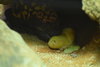
In the morning, the nearby Gila Monster was laying an egg and I tried to find a keeper to let them know to get it out. On my second lap it was too late and the lizard was consuming its own egg. It was probably infertile anyway as I could only see one individual and it was interesting to watch it devour it quickly as a usually pretty sluggish species.
Whoa, didn't know they did that
that tidbit will make it into an upcoming thread of mine for sure!
Why exactly are they closing and replacing the Reptile House? It looks like a very good building to me based on the photos.
It’s quite small though, and is around 25 years old so they’re building a much bigger and upgraded one in another part of the zoo.
Why exactly are they closing and replacing the Reptile House? It looks like a very good building to me based on the photos.
It’s quite small though, and is around 25 years old so they’re building a much bigger and upgraded one in another part of the zoo.
Closure of Serpentaria:
This is explanation given in the planning document:
https://majorprojects.planningportal.nsw.gov.au/prweb/PRRestService/mp/01/getContent?AttachRef=SSD-17483577%2120210714T010121.996%20GM
The current Reptile World, known as the Serpentaria at the Taronga Zoo Sydney site has reached the end of its useful life and a new facility is required.
The RACC project will provide a world-class reptile and amphibian exhibition and animal care facility, achieving operational efficiencies and safety improvements.
The relocation of the Serpentaria will also ensure that the Zoo can increase and improve the current Wildlife Hospital facilities on site. This will form part of a separate SSDA to be lodged shortly with DPIE.
Here is an image of the Gila Monster consuming its egg.Whoa, didn't know they did that

Attachments
It’s quite small though, and is around 25 years old so they’re building a much bigger and upgraded one in another part of the zoo.
The RACC project will provide a world-class reptile and amphibian exhibition and animal care facility, achieving operational efficiencies and safety improvements.
I wondered if it had to do with structural or logistical aspects of the building, as I know those can become outdated as care and complexity increases over the years - even if the exhibits themselves look pretty good. And @WhistlingKite24 did note that it can get congested, which I think is (or should be) an important factor for zoos nowadays; rising attendance numbers and the omnipresent threat of coronavirus outbreaks makes crowd control a priority for sure.
25 years doesn't seem that old for a building to need wholesale replacing, though; it's interesting they've decided it was beneficial or necessary. That's not a judgement or skepticism of their decision, I just find it a little surprising I guess.
Your quite right 25 years is not old for a building, when this reptile building was opened was stated to be state of the art for reptiles so I don't believe its because of the buildingI wondered if it had to do with structural or logistical aspects of the building, as I know those can become outdated as care and complexity increases over the years - even if the exhibits themselves look pretty good. And @WhistlingKite24 did note that it can get congested, which I think is (or should be) an important factor for zoos nowadays; rising attendance numbers and the omnipresent threat of coronavirus outbreaks makes crowd control a priority for sure.
25 years doesn't seem that old for a building to need wholesale replacing, though; it's interesting they've decided it was beneficial or necessary. That's not a judgement or skepticism of their decision, I just find it a little surprising I guess.
Your quite right 25 years is not old for a building, when this reptile building was opened was stated to be state of the art for reptiles so I don't believe its because of the building
My interpretation is the old building is no longer equipped to fully meet the needs of the staff. Husbandry methods would have progressed immensely in the quarter of a century since this building was opened and what was once state of the art, is now no longer so.
It’s clear in the design of new complexes across the region how much input the staff on the ground have in their design compared to previous decades. Practicality and being fit for purpose comes before aesthetics.
A wealth of experience will be leading the design of a world class complex that will hopefully have a reasonable longevity due to commonsense planning, innovation and lessons learned from the past and present.

Here's some changes since my visit in July. Mainly the species which were or weren't there during my visit.
Australian Rainforest Aviary
also had: Black-Breasted Button-Quail, Eastern Whipbird, Silvereye & White-Browed Scrubwren
didn't have: Black-Faced Monarch
Australian Finches
also had: Spinifex Pigeon
didn't have: Little Lorikeet
Backyard to Bush
also had: Emu (exhibit after second kangaroo exhibit), King Quail (mixed in Budgerigar aviary) & Swamp Wallaby (mixed in second kangaroo exhibit)
Great Southern Oceans
also had: California Sea-Lion (third seal/sea-lion exhibit)
Rainforest Trail
also had: Aldabra Giant-Tortoise & Andean Condor (before Palm Aviary)
Wetland Aviary
also had: Australian Reed-Warbler, Mandarin Duck & Pheasant Coucal
Palm Aviary
also had: Eastern Whipbird
Reptile World
also had: Common Blue-Tongue Skink (outdoor exhibit at the end of Reptile House), Murray River-Turtle (exhibit next to old Green Iguana outdoor exhibit) & Night Skink (mixed with Bredl's Carpet-Python & Central Netted-Dragon)
Other
also had: Indian Peafowl & Red Junglefowl (free-range)
Australian Rainforest Aviary
also had: Black-Breasted Button-Quail, Eastern Whipbird, Silvereye & White-Browed Scrubwren
didn't have: Black-Faced Monarch
Australian Finches
also had: Spinifex Pigeon
didn't have: Little Lorikeet
Backyard to Bush
also had: Emu (exhibit after second kangaroo exhibit), King Quail (mixed in Budgerigar aviary) & Swamp Wallaby (mixed in second kangaroo exhibit)
Great Southern Oceans
also had: California Sea-Lion (third seal/sea-lion exhibit)
Rainforest Trail
also had: Aldabra Giant-Tortoise & Andean Condor (before Palm Aviary)
Wetland Aviary
also had: Australian Reed-Warbler, Mandarin Duck & Pheasant Coucal
Palm Aviary
also had: Eastern Whipbird
Reptile World
also had: Common Blue-Tongue Skink (outdoor exhibit at the end of Reptile House), Murray River-Turtle (exhibit next to old Green Iguana outdoor exhibit) & Night Skink (mixed with Bredl's Carpet-Python & Central Netted-Dragon)
Other
also had: Indian Peafowl & Red Junglefowl (free-range)
Day 1, Part 5: Taronga Zoo - Bird Show with a View:
The zoo’s free-flight bird show runs twice a day and is located at what is a very scenic location overlooking Sydney Harbour with a sweeping panorama of the city. The birds in the show often do laps in the sky over the city making for a really unique context to watch the birds. The show use a wide variety of birds – cockatoos and raptors mainly – with a consistent rotation of species. The demonstration only lasted about 15 minutes and the 3 o'clock show seems to be shorter than the earlier one with no Andean Condor involved unfortunately. Luckily, one female condor was on-display in the rather simple aviary next to a pair of Aldabra Giant Tortoises in a muddy exhibit.

View from bird show

Andean Condor
The following species were involved in the bird show – these images can sum up the experience better than words. There were also some domestic pigeons at the end along with a few cockatoos to conclude the presentation. I was really happy to see the buzzard especially as it was a first for me but I would soon realise I would get much better view of three Black-breasted Buzzards the following day at Featherdale. What a happy coincidence as well that a Whistling Kite was the first bird of the show.

Whistling Kite over Sydney Opera House

Black-breasted Buzzard

Barking Owl

Barking Owl in flight

Eastern Barn Owl

Red Junglefowl
Concluding Thoughts:
Taronga is undergoing a marked period of development and change – something that is hard to miss with all the construction there at the moment. These next couple of years will reveal the future direction of the zoo more so than previous years simply due to the impact of so many projects occurring in a very short time frame. In the next two years the developments like the new Australian precinct that will greet visitors right at the front with platypus, macropods, dingoes, koala and a revamped nocturnal house, the new reptile and amphibian house smack bang in the heart of the zoo, a new wildlife hospital and the Congo Rainforest to tie in the African Savannah. A lot of questions to be answered here but some promise definitely and some caution as well.
If I’m to engage with @snowleopard's question about Melbourne versus Taronga I find these comparisons difficult as what one person’s sees as ‘superior’ would be different to how another interprets it. What I value in a zoo as someone who likes a bit of everything from mammals to inverts might be different to all the Australasian exotic mammal devotees who seek better management of certain species for example. Both Taronga and Melbourne have good reptile houses currently, there is a far better collection of birds at Taronga but Melbourne has a more diverse range of exotic mammals. However, Taronga has more native mammals. In terms of exhibits, both are pretty solid with Taronga presenting well-established complexes like Great Southern Oceans yet Melbourne’s older parts are particularly memorable and I do like the trail-based system Melbourne possesses with clear, well-defined areas contrasting Taronga’s often jumbled layout. If pushed I’d say Taronga would nudge ahead overall. As always, these are my own thoughts and I encourage others to visit Sydney and review these places if you can. A few quick points to finish Taronga.
Favourite Individual Exhibit: Australian Rainforest Aviary – a fifty-year-old masterpiece that maintains its charm and richness in diversity. A fantastic exhibit to peacefully meander through whilst observing about two dozen species of native birds found in Australia’s rainforests and wet forests. Loved it.
Favourite Overall Complex: Great Southern Oceans remains a triumph of a marine complex with spacious underwater viewing, naturalistic coastal exhibits and a strong thematic flavour geared towards seabirds and pinnipeds. While the now absent Leopard Seals might lose its extra special touch for the precinct, the Fiordland Penguins add that bit of Taronga magic.
Best Moment: I did enjoy going through the reptile house a few times; wondering what will become of many of the species and just relishing the opportunity to see it once more before it closes for good.
Best View of Sydney Harbour: Bird show or African savannah with the giraffes but it’s hard to be in a place in Taronga without the harbour nearby.
New Species (i.e., personally never seen before in wild or zoo): White-rumped Shama, Black-breasted Buzzard, Scheltopusik, Rusty Desert Monitor, Booroolong Frog, Northern Corroboree Frog, Violet-winged Stick Insect, Margined-winged Stick-Insect
Day 2, Part 1 will see us travel into the depths of Featherdale Wildlife Park – a humble little place that is a powerhouse for diversity with well over 200 Australian species on-show.
The zoo’s free-flight bird show runs twice a day and is located at what is a very scenic location overlooking Sydney Harbour with a sweeping panorama of the city. The birds in the show often do laps in the sky over the city making for a really unique context to watch the birds. The show use a wide variety of birds – cockatoos and raptors mainly – with a consistent rotation of species. The demonstration only lasted about 15 minutes and the 3 o'clock show seems to be shorter than the earlier one with no Andean Condor involved unfortunately. Luckily, one female condor was on-display in the rather simple aviary next to a pair of Aldabra Giant Tortoises in a muddy exhibit.
View from bird show
Andean Condor
The following species were involved in the bird show – these images can sum up the experience better than words. There were also some domestic pigeons at the end along with a few cockatoos to conclude the presentation. I was really happy to see the buzzard especially as it was a first for me but I would soon realise I would get much better view of three Black-breasted Buzzards the following day at Featherdale. What a happy coincidence as well that a Whistling Kite was the first bird of the show.
Whistling Kite over Sydney Opera House
Black-breasted Buzzard
Barking Owl
Barking Owl in flight
Eastern Barn Owl
Red Junglefowl
Concluding Thoughts:
Taronga is undergoing a marked period of development and change – something that is hard to miss with all the construction there at the moment. These next couple of years will reveal the future direction of the zoo more so than previous years simply due to the impact of so many projects occurring in a very short time frame. In the next two years the developments like the new Australian precinct that will greet visitors right at the front with platypus, macropods, dingoes, koala and a revamped nocturnal house, the new reptile and amphibian house smack bang in the heart of the zoo, a new wildlife hospital and the Congo Rainforest to tie in the African Savannah. A lot of questions to be answered here but some promise definitely and some caution as well.
If I’m to engage with @snowleopard's question about Melbourne versus Taronga I find these comparisons difficult as what one person’s sees as ‘superior’ would be different to how another interprets it. What I value in a zoo as someone who likes a bit of everything from mammals to inverts might be different to all the Australasian exotic mammal devotees who seek better management of certain species for example. Both Taronga and Melbourne have good reptile houses currently, there is a far better collection of birds at Taronga but Melbourne has a more diverse range of exotic mammals. However, Taronga has more native mammals. In terms of exhibits, both are pretty solid with Taronga presenting well-established complexes like Great Southern Oceans yet Melbourne’s older parts are particularly memorable and I do like the trail-based system Melbourne possesses with clear, well-defined areas contrasting Taronga’s often jumbled layout. If pushed I’d say Taronga would nudge ahead overall. As always, these are my own thoughts and I encourage others to visit Sydney and review these places if you can. A few quick points to finish Taronga.
Favourite Individual Exhibit: Australian Rainforest Aviary – a fifty-year-old masterpiece that maintains its charm and richness in diversity. A fantastic exhibit to peacefully meander through whilst observing about two dozen species of native birds found in Australia’s rainforests and wet forests. Loved it.
Favourite Overall Complex: Great Southern Oceans remains a triumph of a marine complex with spacious underwater viewing, naturalistic coastal exhibits and a strong thematic flavour geared towards seabirds and pinnipeds. While the now absent Leopard Seals might lose its extra special touch for the precinct, the Fiordland Penguins add that bit of Taronga magic.
Best Moment: I did enjoy going through the reptile house a few times; wondering what will become of many of the species and just relishing the opportunity to see it once more before it closes for good.
Best View of Sydney Harbour: Bird show or African savannah with the giraffes but it’s hard to be in a place in Taronga without the harbour nearby.
New Species (i.e., personally never seen before in wild or zoo): White-rumped Shama, Black-breasted Buzzard, Scheltopusik, Rusty Desert Monitor, Booroolong Frog, Northern Corroboree Frog, Violet-winged Stick Insect, Margined-winged Stick-Insect
Day 2, Part 1 will see us travel into the depths of Featherdale Wildlife Park – a humble little place that is a powerhouse for diversity with well over 200 Australian species on-show.

Now that was phenomenal review! An enlightening one too, as while Taronga has always been the Australian zoo I've been most intrigued by, I can't say I was super familiar with it's layout or recent history. Based on your review and the photos that have been uploaded, it looks like some of the enclosures for the larger mammals are pretty small. The entire elephant complex is apparently only an acre or so in size which is shockingly tiny by modern standards. The African Savanna also looks a bit puny by itself, but that backdrop with the Sydney harbor looks amazing. I also love the viewing deck that lacks any visible barriers besides some tall grasses - I'm not sure the lawyers would let an American zoo get away with something that that.
Reports like these make me realize just how much us Westerners take certain species for granted. Pygmy hippo and fennec fox aren't exactly a dime a dozen, but hearing them be described as uncommon or hearing about how the population is dire sounds absurd to me. On the other side of the coin however, I've heard complaints from some Aussie' zoo nerds about how prevalent certain native species are in Australian collections, ones that would be incredibly exciting to a foreigner like myself (I distinctly remember @CGSwans calling Tasmanian devils the Australian equivalent to meerkats, or something along those lines). With that said, is it really necessary to have three exhibits (two existing, one upcoming) for red kangaroo?
Regarding the okapi, wasn't the zoo supposed to receive either an individual or pair from San Diego in exchange for the platypus? I believe that was the plan at one point, but that was before covid so perhaps that arrangement broke down. It would fantastic to see the species introduced to the region and I sincerely hope the future Congo exhibit turns out be great. Is there an available site plan for this complex or is still mostly conceptual?
Reports like these make me realize just how much us Westerners take certain species for granted. Pygmy hippo and fennec fox aren't exactly a dime a dozen, but hearing them be described as uncommon or hearing about how the population is dire sounds absurd to me. On the other side of the coin however, I've heard complaints from some Aussie' zoo nerds about how prevalent certain native species are in Australian collections, ones that would be incredibly exciting to a foreigner like myself (I distinctly remember @CGSwans calling Tasmanian devils the Australian equivalent to meerkats, or something along those lines). With that said, is it really necessary to have three exhibits (two existing, one upcoming) for red kangaroo?
Regarding the okapi, wasn't the zoo supposed to receive either an individual or pair from San Diego in exchange for the platypus? I believe that was the plan at one point, but that was before covid so perhaps that arrangement broke down. It would fantastic to see the species introduced to the region and I sincerely hope the future Congo exhibit turns out be great. Is there an available site plan for this complex or is still mostly conceptual?

Great job. I love your style of review.
Side Note: When I was a child I had my birthday party at a local pet store. They had a fennec fox they would being out for the parties and I was lucky to pet it. It’s so strange to think that this species could be considered rare.
Side Note: When I was a child I had my birthday party at a local pet store. They had a fennec fox they would being out for the parties and I was lucky to pet it. It’s so strange to think that this species could be considered rare.
Thank you both for your kind words. @pachyderm pro see here for the plans for the Congo Rainforest: https://majorprojects.planningportal.nsw.gov.au/prweb/PRRestService/mp/01/getContent?AttachRef=SSD-8008!20190228T003458.929 GMT
Regarding the okapi, wasn't the zoo supposed to receive either an individual or pair from San Diego in exchange for the platypus?
Yeah that’s right. It’s possible this still may occur (the Congo precinct is still a few years away) so fingers are crossed.
Regarding the okapi, wasn't the zoo supposed to receive either an individual or pair from San Diego in exchange for the platypus? I believe that was the plan at one point, but that was before covid so perhaps that arrangement broke down. It would fantastic to see the species introduced to the region and I sincerely hope the future Congo exhibit turns out be great.
Yeah that’s right. It’s possible this still may occur (the Congo precinct is still a few years away) so fingers are crossed.
When I last contacted Taronga regarding their Okapi import plans, it was still on the table; but they stressed the Western lowland gorilla would be the main attraction of the precinct.
Australia is currently without an IRA to import Okapi - though I’m hopeful this will be resolved within the next year or two.
New Zealand’s Giraffe and Okapi IRA was completed this year, so even if Australia is unable to get their IRA completed by the time the Congo precinct opens, they could potentially use New Zealand as a gateway like they did previously with Eastern bongo.