
You are using an out of date browser. It may not display this or other websites correctly.
You should upgrade or use an alternative browser.
You should upgrade or use an alternative browser.
Burgers' Zoo Burgers' Zoo news 2024
- Thread starter lintworm
- Start date
- Status
- Not open for further replies.

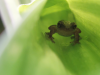
@lintworm That's amazing, congratulations on your achievement. You must be one of a selected few to have seen them all.
Did you have help from the staff with the frog or did you find it by yourself?
Thanks
 . I found the frog by myself (and have seen several since). While they normally call at night, they sometimes call during the day, if you are lucky enough to have one calling from a low point, it is sometimes possible to find them with a bit of luck & patience, but they tend to call from a secluded spot
I find it quite strange they are so hard to find in the Bush, as the same species is kept in the Utrecht botanical gardens (which is where the Burgers' frogs come from) and in their greenhouses it was hard not to see them, they were even crossing the paths during the day.

Are there any other species cohabiting with them in Utrecht? Because I really suspect predation pressure would play a role in that shift in behaviouranoles and many 'insectivorous' birds snack on Eleuths in the Caribbean
No birds or lizards IIRC, so that might well be it. Predation pressure in the Bush is quite high with 1000+ anoles and plenty of birds that like a snack, for starters, there are over 20 fairy bluebirds in the hall...
Some small updates from today:
- The cinereous vultures have a chick again whose head can now be seen. This the first chick in a few years time, but apparently the old pair can still do it
- There is also a very fresh argus pheasant chick in the pheasantry and there was also a hog deer birth in the reindeer enclosure. In the Mangrove I spotted a few fledglings that very much look like indigo buntings, which would be a first for the Mangrove (and direct success of the addition of 6 new birds earlier this year).
- There are Merriam's kangaroo rats on show in one enclosure in the tunnel. The other 2 are still being redeveloped.
- Construction on the elephant indoor enclosure seems to be very nearly finished. Just in time, as the zoo has also confirmed it will receive 2 new cows (from Belfast) soon.
According to the latest Ziezoo the new Kuhl's stingray came from Haus des Meeres, Vienna and it is hoped the pair will breed.
2 new female Victoria crowned pigeon were also added and it is hoped they will form pairs with the 2 male offspring from last year.
The last northern cardinals have now left the collection, this species was already taken offshow in 2023.
- The cinereous vultures have a chick again whose head can now be seen. This the first chick in a few years time, but apparently the old pair can still do it
- There is also a very fresh argus pheasant chick in the pheasantry and there was also a hog deer birth in the reindeer enclosure. In the Mangrove I spotted a few fledglings that very much look like indigo buntings, which would be a first for the Mangrove (and direct success of the addition of 6 new birds earlier this year).
- There are Merriam's kangaroo rats on show in one enclosure in the tunnel. The other 2 are still being redeveloped.
- Construction on the elephant indoor enclosure seems to be very nearly finished. Just in time, as the zoo has also confirmed it will receive 2 new cows (from Belfast) soon.
According to the latest Ziezoo the new Kuhl's stingray came from Haus des Meeres, Vienna and it is hoped the pair will breed.
2 new female Victoria crowned pigeon were also added and it is hoped they will form pairs with the 2 male offspring from last year.
The last northern cardinals have now left the collection, this species was already taken offshow in 2023.
I briefly visited the zoo yesterday to see the new elephant stables. While the stables themselves haven't changed much at first glance, the visitor area is completely new. The stables consist of 5 boxes, that can be connected, 4 of which have a sand floor, the 5th is concrete. The novelty for the elephants is that they can now choose 24/7 whether they want to be inside or outside, if weather allows it. But as the elephant stables were usually closed and the visitor area was very barren, this got a pretty big upgrade, so that they are now always accessible for guests.
The stables themselves are pretty average and will be full with 4 cows, the visitor area has been done very nicely. The design is rather simple, but very effective and attractive imo.
This is the new pathway towards the stables from the main route:

Entrance to the stables:

You enter in a new hallway which has big educational pictures on the right and the wooden constructions on the left already give a glimpse towards the elephant accommodation:


The stables themselves are now separated by glas from the visitor area (noise reduction & safety...)


It is not mind blowing, but this investment ensures that the zoo can remain functioning as an elephant retirement home for the medium long-term.
Some other snippets:
- The milk snake terrarium in the Desert tunnel is also inhabited again, the final touches on the second Merriam's kangaroo rat enclosure were also being done, so this enclosure will probably be inhabited again very soon.
- I spotted a recently fledged chestnut-bellied seedcracker with his/her mother in the Bush. These rarely kept birds only started breeding successfully in 2023, but it appears the seed has been cracked.
This week the zoo also published its first guidebooks since 2019:

The Parkgids (park guide) with the montezuma quail on the cover is a 75 page walkthrough of the collection with a fold-out map and 2 separate leaflets with an overview free-ranging birds of the Bush, a selection of plants of the Bush, an overview of the butterfly species in the Mangrove and an overview of some notable fish species of the Ocean.
De wereld(en) van Burgers' Zoo (the world(s) of Burgers' Zoo) is a 125 page booklet, which is a more in depth discussion of what it entails to run a zoo, and specifically Burgers' Zoo. It contains a lot of information on a wide range of topics including the history of the zoo, contributions to in situ and ex situ conservation, zoo design, the values of Burgers' Zoo and a day in the life of the zoo keeper. This is a pretty good overview of zoo management and it doesn't sugarcoat it. They state for example that a breed-and-cull strategy is currently the only way to build up a sustainable Eld's deer population in European zoos (and that the remains are fed to the carnivores) and they also acknowledge that most bony fish are still wild caught. But they do put this in a bit of perspective.
For now both booklets are only available in Dutch (for a price of 7.50 euros for the 2 combined), but I wouldn't be surprised if a German version is in the works, the author of both booklets is originally from Austria.
The park guide includes 2 snippets that might be interesting, as the booklet is very up-to-date in general:
- It talks about a single caiman being present in the Bush (species not indicated), so it means there will probably one be added in the near future.
- The old pheasantry and vulture aviary aren't mentioned in the guidebook anymore, the only current enclosures to be omitted. But the swamp wallaby are still mentioned. With this area undergoing major renovations from this autumn onwards it could well be an indication that the wallaby will remain around, either as a separate exhibit or even as part of the new ecodisplay. I already noticed that the wallabies had gotten new signage (including a new drawing) recently. This is all speculation, but it might hint in a certain direction, but we will find out in the coming months.
The stables themselves are pretty average and will be full with 4 cows, the visitor area has been done very nicely. The design is rather simple, but very effective and attractive imo.
This is the new pathway towards the stables from the main route:
Entrance to the stables:
You enter in a new hallway which has big educational pictures on the right and the wooden constructions on the left already give a glimpse towards the elephant accommodation:
The stables themselves are now separated by glas from the visitor area (noise reduction & safety...)
It is not mind blowing, but this investment ensures that the zoo can remain functioning as an elephant retirement home for the medium long-term.
Some other snippets:
- The milk snake terrarium in the Desert tunnel is also inhabited again, the final touches on the second Merriam's kangaroo rat enclosure were also being done, so this enclosure will probably be inhabited again very soon.
- I spotted a recently fledged chestnut-bellied seedcracker with his/her mother in the Bush. These rarely kept birds only started breeding successfully in 2023, but it appears the seed has been cracked.
This week the zoo also published its first guidebooks since 2019:
The Parkgids (park guide) with the montezuma quail on the cover is a 75 page walkthrough of the collection with a fold-out map and 2 separate leaflets with an overview free-ranging birds of the Bush, a selection of plants of the Bush, an overview of the butterfly species in the Mangrove and an overview of some notable fish species of the Ocean.
De wereld(en) van Burgers' Zoo (the world(s) of Burgers' Zoo) is a 125 page booklet, which is a more in depth discussion of what it entails to run a zoo, and specifically Burgers' Zoo. It contains a lot of information on a wide range of topics including the history of the zoo, contributions to in situ and ex situ conservation, zoo design, the values of Burgers' Zoo and a day in the life of the zoo keeper. This is a pretty good overview of zoo management and it doesn't sugarcoat it. They state for example that a breed-and-cull strategy is currently the only way to build up a sustainable Eld's deer population in European zoos (and that the remains are fed to the carnivores) and they also acknowledge that most bony fish are still wild caught. But they do put this in a bit of perspective.
For now both booklets are only available in Dutch (for a price of 7.50 euros for the 2 combined), but I wouldn't be surprised if a German version is in the works, the author of both booklets is originally from Austria
.The park guide includes 2 snippets that might be interesting, as the booklet is very up-to-date in general:
- It talks about a single caiman being present in the Bush (species not indicated), so it means there will probably one be added in the near future.
- The old pheasantry and vulture aviary aren't mentioned in the guidebook anymore, the only current enclosures to be omitted. But the swamp wallaby are still mentioned. With this area undergoing major renovations from this autumn onwards it could well be an indication that the wallaby will remain around, either as a separate exhibit or even as part of the new ecodisplay. I already noticed that the wallabies had gotten new signage (including a new drawing) recently. This is all speculation, but it might hint in a certain direction, but we will find out in the coming months
.
De wereld(en) van Burgers' Zoo (the world(s) of Burgers' Zoo) is a 125 page booklet, which is a more in depth discussion of what it entails to run a zoo, and specifically Burgers' Zoo. It contains a lot of information on a wide range of topics including the history of the zoo, contributions to in situ and ex situ conservation, zoo design, the values of Burgers' Zoo and a day in the life of the zoo keeper. This is a pretty good overview of zoo management and it doesn't sugarcoat it. They state for example that a breed-and-cull strategy is currently the only way to build up a sustainable Eld's deer population in European zoos (and that the remains are fed to the carnivores) and they also acknowledge that most bony fish are still wild caught. But they do put this in a bit of perspective.
Burgers' has always been one of the more 'honest' zoos and I can not applaud it enough. Zoos are always very eager to tell the public about the good things zoos do (justifiably so, as they are imporant) but often remain quiet about the means that are needed to do so. Luckily there seems to be a trend in the zoo world where more zoos are willing to showcase 'both sides', but Burgers' has always been a frontrunner in that regard.
Also kudus to Burgers' for being one of the few remaining zoo to still publish paper zoo guides. I miss the times where I could purchase one of those at almost every zoo I went to.
2 Asian elephants left Belfast today and are on their way to Arnhem:
Gerry Creighton
Gerry Creighton
Dhunja (Dunja) and Yhetto were the only elephants at Belfast Zoo. I believe it was for both elephants their second major move. Yhetoo originally arrived at Belfast from Krefeld Zoo (she spent a year at Hannover too) and Dhunja (Dunya) spent her formative years at Hannover Zoo before coming to Belfast before this last move.2 Asian elephants left Belfast today and are on their way to Arnhem:
Gerry Creighton
Burgers' Zoo now holds 4 elderly elephants and the facility is specifically designed and recently upgraded and expanded to deal with the socially more challenging elderly elephants from within the EAZA Asiatic Elephant program.
The 2 Asian elephants from Belfast arrived today and were already visible in the stables. The outdoor enclosure has already been separated for their introduction. They can see the other elephants, but can't have any physical contact.

The new arrivals
In the Desert the first American goldfinches have fledged. There is a nest in the Joshua trees next to the peccary and I saw a fledgling elsewhere. This species only arrived a few months ago. The painted buntings are also raising chicks, which is pretty much business as usual.
The second Merriam's kangaroo rat enclosure is also inhabited again after a refurbishment.
The new arrivals
In the Desert the first American goldfinches have fledged. There is a nest in the Joshua trees next to the peccary and I saw a fledgling elsewhere. This species only arrived a few months ago. The painted buntings are also raising chicks, which is pretty much business as usual.
The second Merriam's kangaroo rat enclosure is also inhabited again after a refurbishment.
Attachments
Some updates from today:
- Satyr tragopan, kea, Gould's amadine and argus pheasant (though latter are still signed) have left the pheasantry. This means only 4 bird species are left. It probably won't be long before this building will be a thing of the past and I am confident this was my final visit to the building.
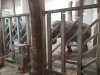
- The outdoor elephant enclosure hasn't been deemed suitable yet for 4 elephants by the relevant authorities, so they still aren't able to go outside together (separated by a electric fence). This also means the animals also haven't been introduced physically to eachother yet.
- According to "De Harpij", a journal, a male spangled cotinga arrived from Avifauna (in exchange for 2.0 Brazilian tanagers), meaning there is a pair in the Bush again. I only saw the female today.
- The young zebra shark, born at the start of the year, is now visible in the shallow lagune at the start of the Ocean. According to the zoo it doesn't have a father but is the result of parthenogenetics.
- The muntjac is finally signed and signage in the Desert was also updated, meaning the goldfinches and ground doves are also signed. The socorro pigeons and grosbeaks in the bird canyon have been joined by American housefinches (which are also still free-ranging).
- A wildlife highlight was a brown hairstreak (Thecla betulae), a rare butterfly in the Netherlands, near the gorillas.
- Satyr tragopan, kea, Gould's amadine and argus pheasant (though latter are still signed) have left the pheasantry. This means only 4 bird species are left. It probably won't be long before this building will be a thing of the past and I am confident this was my final visit to the building.
- The outdoor elephant enclosure hasn't been deemed suitable yet for 4 elephants by the relevant authorities, so they still aren't able to go outside together (separated by a electric fence). This also means the animals also haven't been introduced physically to eachother yet.
- According to "De Harpij", a journal, a male spangled cotinga arrived from Avifauna (in exchange for 2.0 Brazilian tanagers), meaning there is a pair in the Bush again. I only saw the female today.
- The young zebra shark, born at the start of the year, is now visible in the shallow lagune at the start of the Ocean. According to the zoo it doesn't have a father but is the result of parthenogenetics.
- The muntjac is finally signed and signage in the Desert was also updated, meaning the goldfinches and ground doves are also signed. The socorro pigeons and grosbeaks in the bird canyon have been joined by American housefinches (which are also still free-ranging).
- A wildlife highlight was a brown hairstreak (Thecla betulae), a rare butterfly in the Netherlands, near the gorillas.
Last edited:

Why are the muntjac in the desertSome updates from today:
- The muntjac is finally signed and signage in the Desert was also updated.
Last edited by a moderator:

Updates from yesterday's visit:
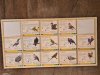
As Lintworm mentioned, the Desert free-roamers signage finally got expanded. This does give us room for two more species to be added in the future.

They also seem to have changed the Dutch name of the Painted bunting. From Purpergors to Mexicaanse nonpareil.
The fish signage in the South American River section of the Bush was removed, so only the Stingray and Catfish are still signed. I really hope this might mean we're getting a new inhabitant here.

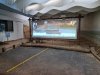
At the exit of the ocean, the dead whale has been replaced by an interactive quiz.

As Lintworm mentioned, the Desert free-roamers signage finally got expanded. This does give us room for two more species to be added in the future.
They also seem to have changed the Dutch name of the Painted bunting. From Purpergors to Mexicaanse nonpareil.
The fish signage in the South American River section of the Bush was removed, so only the Stingray and Catfish are still signed. I really hope this might mean we're getting a new inhabitant here.
At the exit of the ocean, the dead whale has been replaced by an interactive quiz.
Attachments
Last edited:
Burgers' Mangrove has gained its first coral species; a few 'Golfball corals' have been added to the mudflat creek. They arrived recently from Wageninger University.
They also plan to breed this species to be more temperature-resilient to hopefully learn more about protecting corals in the current global warming crisis
They also plan to breed this species to be more temperature-resilient to hopefully learn more about protecting corals in the current global warming crisis
Visited again today
Not much to share except they were busy in the Gila monster enclosure. Just changing up the decor, so nothing major.
The capybara enclosure, on the other hand, was getting a lot more action. The Capybara, as well as all the turtles in the enclosure, have been caught and put behind the scenes. I'm very curious to see as to what will happen here...
Also: I finally saw the American black vultures today, beautiful creatures!
Not much to share except they were busy in the Gila monster enclosure. Just changing up the decor, so nothing major.
The capybara enclosure, on the other hand, was getting a lot more action. The Capybara, as well as all the turtles in the enclosure, have been caught and put behind the scenes. I'm very curious to see as to what will happen here...
Also: I finally saw the American black vultures today, beautiful creatures!
Last edited:
I somehow missed this news before. I am so chuffed that the cinereous vultures have rebred. What are the names of the breeding pair here? When was the last time they reared a chick before this one?Some small updates from today:
- The cinereous vultures have a chick again whose head can now be seen. This the first chick in a few years time, but apparently the old pair can still do it

A female capybara has recently arrived and is currently behind the scenes. The male has also been temporarily placed behind the scenes to begin the introduction process. Lets hope everything goes smoothly, and that within a few weeks, there will be two capybaras together in the Bush.
The capybara enclosure, on the other hand, was getting a lot more action. The Capybara, as well as all the turtles in the enclosure, have been caught and put behind the scenes. I'm very curious to see as to what will happen here...
The turtles are still there.
Some other notes from today:
- The black swans are back with the wallaby after spending years in the vulture aviary due to bird flu. Let's see how long that lasts with winter on it's way...
- The white-bearded gnu group is currently in a separation enclosure, it looks like calving season is coming.
- All giraffes including the calf and new male were together on the big savannah.
- There is now a third moray eel (probably the same species, but I am no expert) in the canyon tank. The giant hermit crab is still in the lionfish tank, saw him again after he was missed by a few people a few weeks ago.
- There is still at least 1 Uca rapax among all the fiddler crabs, despite a zoo employee communicating some time ago they were likely all gone. So happy hunting
And a final note: I really like how the ecodisplays help to showcase natural behaviour that is impossible in a regular zoo enclosure. As winter is approaching all Gambel's quails are now foraging together in the Desert, whereas in spring there are calling males spread out throughout the hall. These seasonal shifts in behaviour are really fascinating as a regular visitor.
- Status
- Not open for further replies.