
Today I visited the Cape Cod Museum of Natural History and Aquarium in Brewster, Massachusetts. This facility is a small, two-floor museum/aquarium combination. The top floor is mostly dedicated to typical museum exhibits, but the bottom floor is an aquarium with around 50 live animal species.
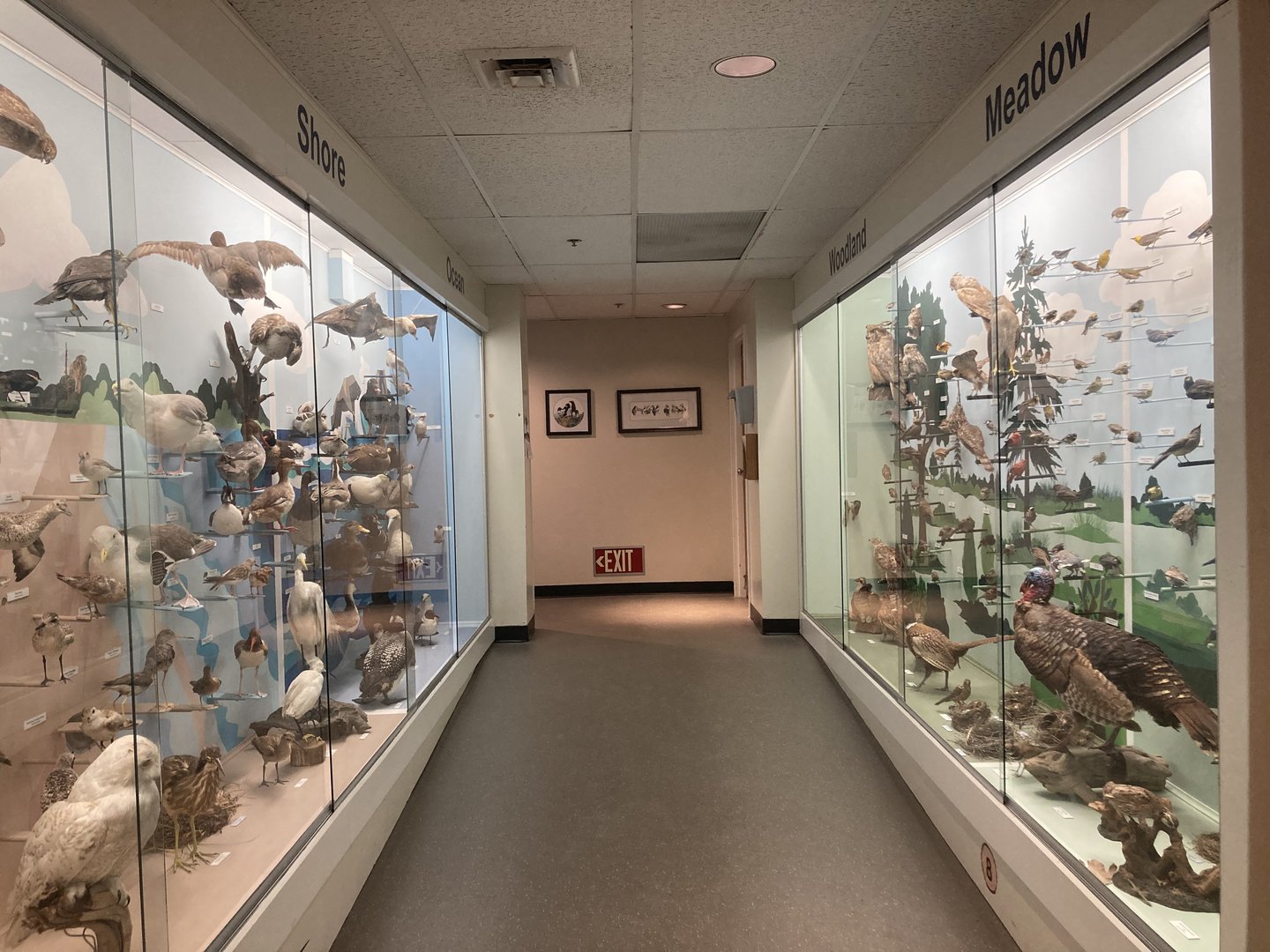
The museum section of the building has exhibits on things like the geological formation of Cape Cod, Native Americans and local archeology, and biomimicry. This area contains a few taxidermy animals and preserved animal body parts, including a hall with over 200 taxidermy birds (which included rare species like Northern Gannets), and they also had Humpback Whale bones and the tusk of a Woolly Mammoth. There were also a few live animals on the first floor, like honeybees, a box turtle, three bullfrogs, and a milk snake.
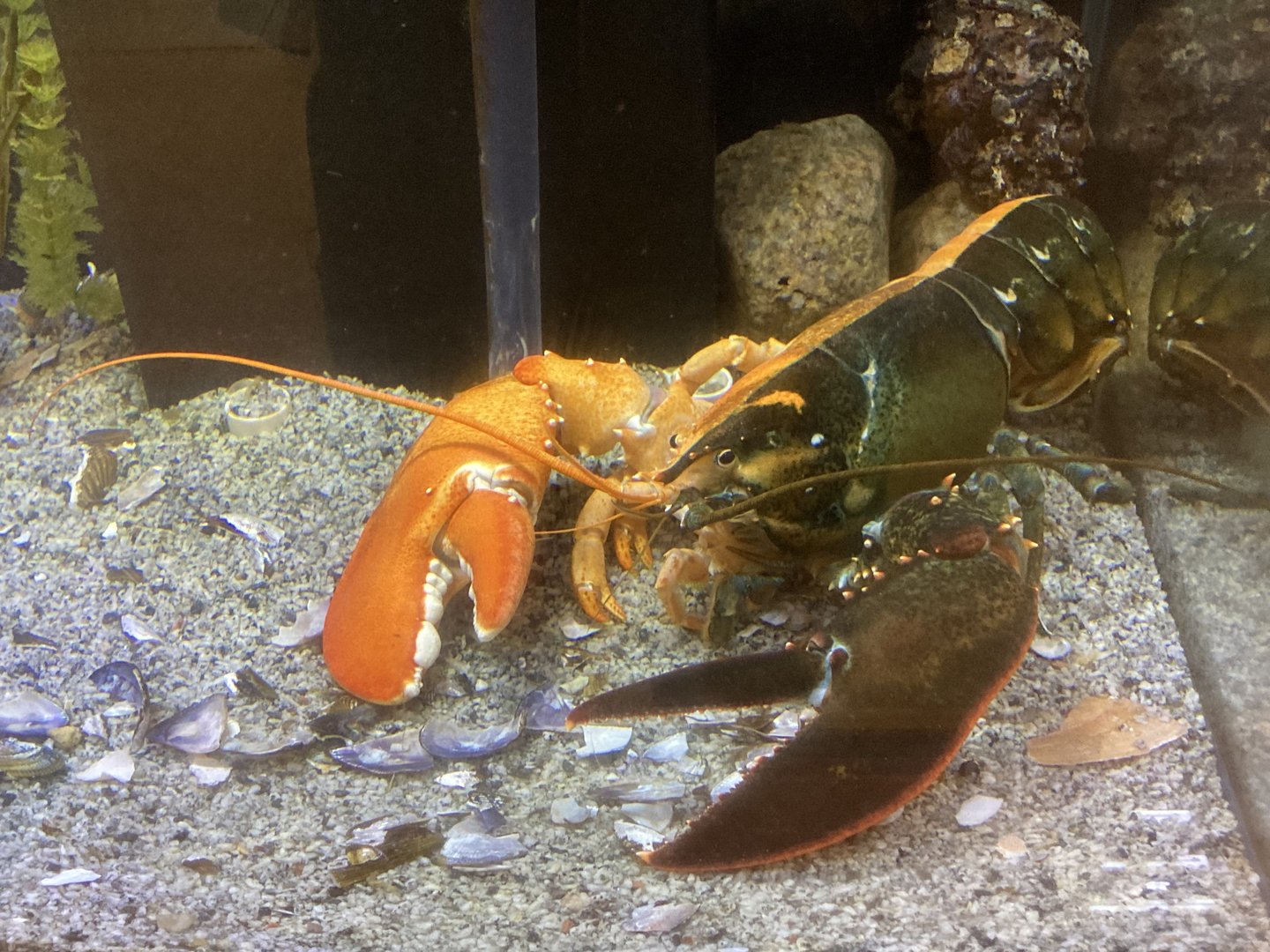
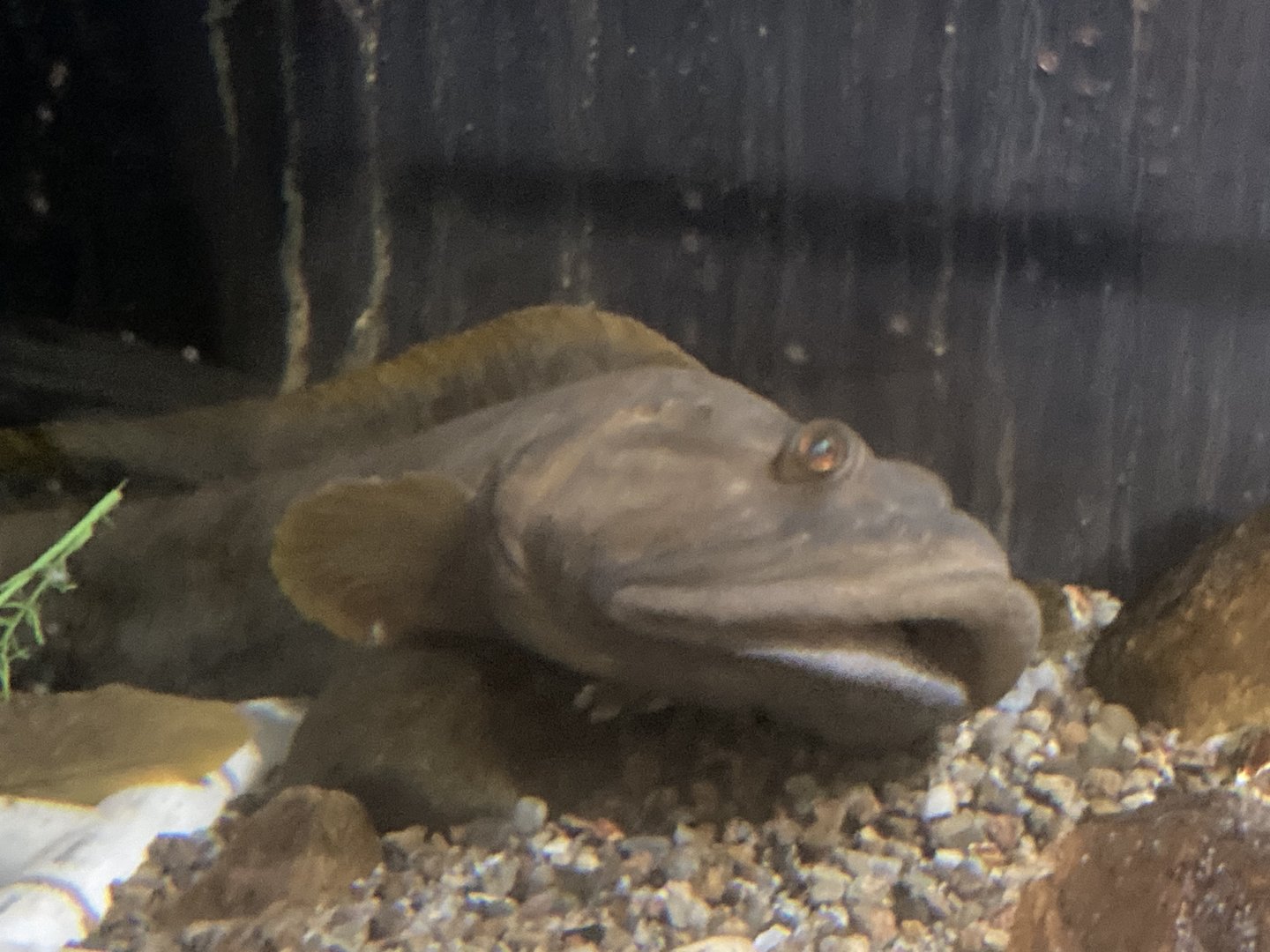
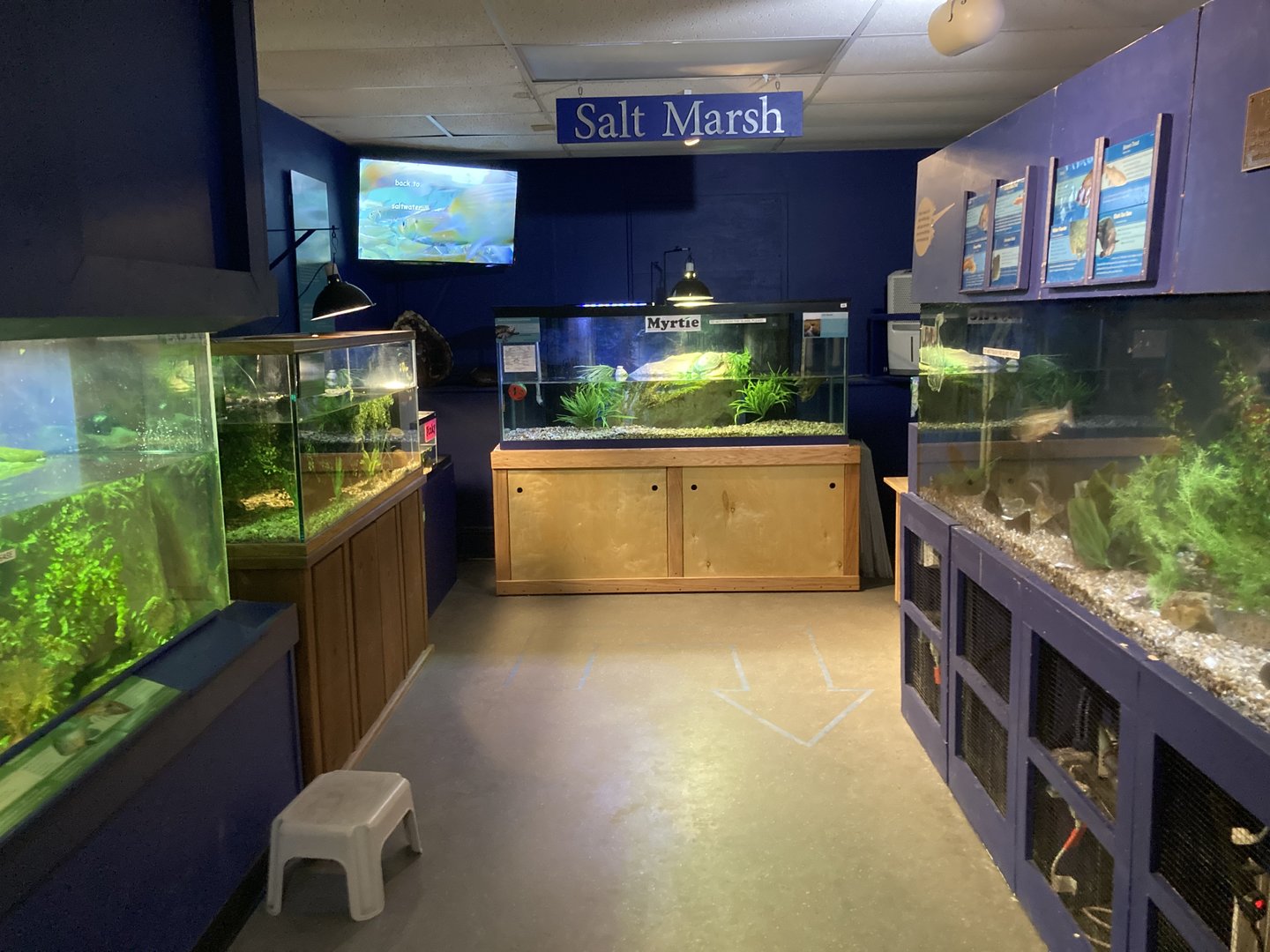
The bottom floor of the building is where the aquarium and the majority of the live animal collection is. Here there were around 45 species of various fish, semi-aquatic reptiles, crustaceans, and other aquatic animals, spread between 20 tanks of varying sizes. Some of my favorite animals I saw were Ocean Pout, Red Hake, and newly hatched Horseshoe Crabs. The aquarium also has 4 hyper-rare Northern Lobster color variants, including: a one in two million blue lobster, a one in four million pumpkin lobster, a one thirty million calico lobster, and a one in fifty million bicolored lobster. These lobsters all owe their colorations to unique genetic mutations, and they were caught by lobster fishermen who brought them to the aquarium due to their unique patterns. It was very cool to see such rare animals in person.
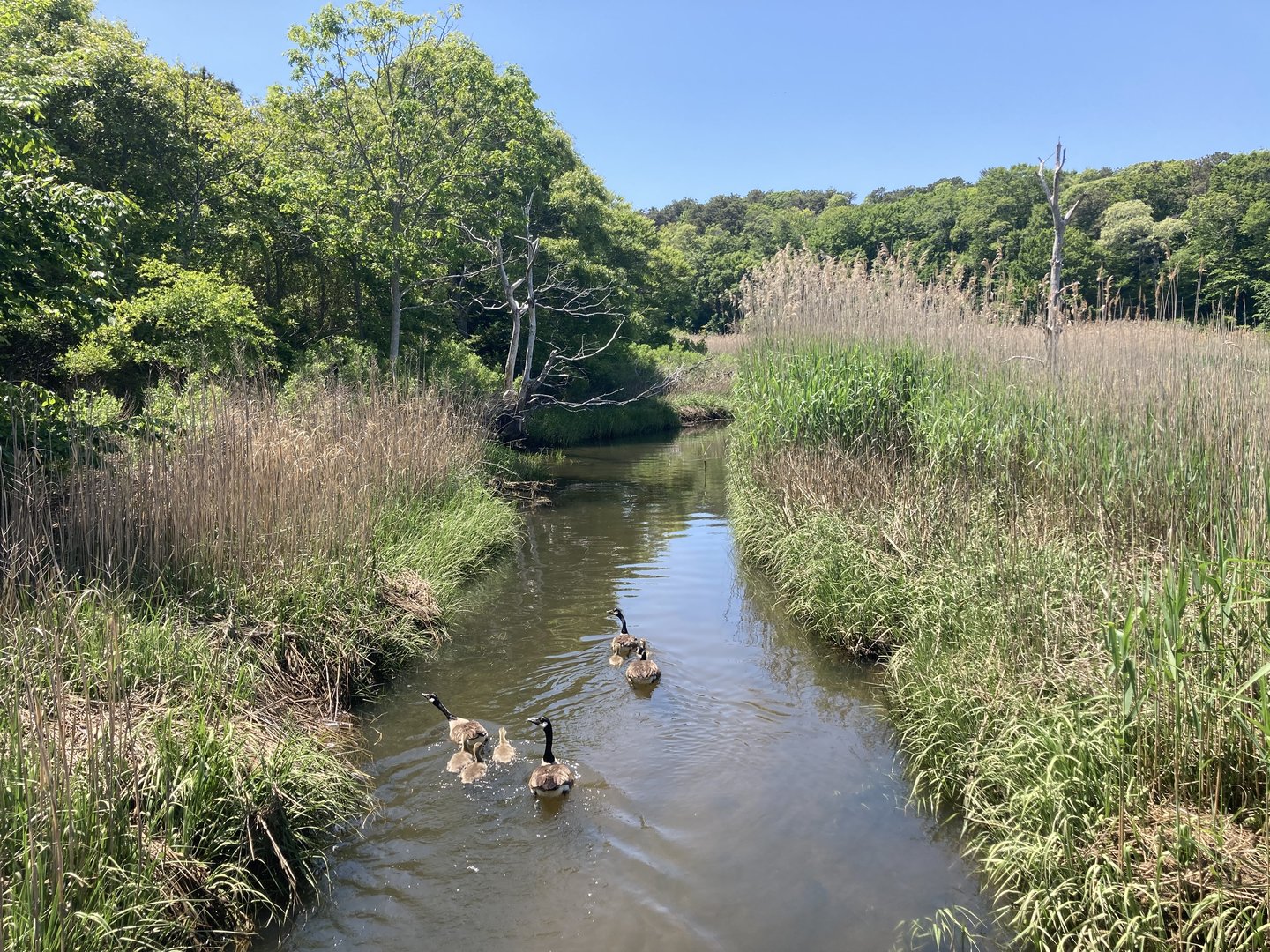
Beyond the aquarium building itself, there were also some features outside the facility, including a small butterfly walkthrough (which I skipped), a pollinator garden, and a few nature trails. One of the trails goes through forests and estuaries all the way to the bay, and passes an osprey nest. There is a camera positioned at the nest, and one room inside the museum has a live feed which allows guests to see what is happening at that osprey nest at any given time. Apparently an egg was recently laid, and people are waiting in anticipation for it to hatch soon, which is exciting. In addition to the osprey trail, there is also another trail which passes a stream where enormous amounts of herring swim through once a year to make their way to spawn. I was a few weeks too late to see the herring pour through the stream below, but I saw some wild shorebirds, cat birds, red winged blackbirds, and geese with goslings, which was still nice.
So, that is my review for the Cape Cod Museum of Natural History. This is probably one of the least well known zoologically-related facilities in Massachusetts, so I wanted to share about it here. It is definitely a small place (there are around 50 captive species, and you can probably see the interior in an hour and finish the nature trails in another hour) but the lobsters and some of the taxidermy birds are definitely highlights of the experience. And if you are into birding, there are great places along the nature trails for that too.
The museum section of the building has exhibits on things like the geological formation of Cape Cod, Native Americans and local archeology, and biomimicry. This area contains a few taxidermy animals and preserved animal body parts, including a hall with over 200 taxidermy birds (which included rare species like Northern Gannets), and they also had Humpback Whale bones and the tusk of a Woolly Mammoth. There were also a few live animals on the first floor, like honeybees, a box turtle, three bullfrogs, and a milk snake.
The bottom floor of the building is where the aquarium and the majority of the live animal collection is. Here there were around 45 species of various fish, semi-aquatic reptiles, crustaceans, and other aquatic animals, spread between 20 tanks of varying sizes. Some of my favorite animals I saw were Ocean Pout, Red Hake, and newly hatched Horseshoe Crabs. The aquarium also has 4 hyper-rare Northern Lobster color variants, including: a one in two million blue lobster, a one in four million pumpkin lobster, a one thirty million calico lobster, and a one in fifty million bicolored lobster. These lobsters all owe their colorations to unique genetic mutations, and they were caught by lobster fishermen who brought them to the aquarium due to their unique patterns. It was very cool to see such rare animals in person.
Beyond the aquarium building itself, there were also some features outside the facility, including a small butterfly walkthrough (which I skipped), a pollinator garden, and a few nature trails. One of the trails goes through forests and estuaries all the way to the bay, and passes an osprey nest. There is a camera positioned at the nest, and one room inside the museum has a live feed which allows guests to see what is happening at that osprey nest at any given time. Apparently an egg was recently laid, and people are waiting in anticipation for it to hatch soon, which is exciting. In addition to the osprey trail, there is also another trail which passes a stream where enormous amounts of herring swim through once a year to make their way to spawn. I was a few weeks too late to see the herring pour through the stream below, but I saw some wild shorebirds, cat birds, red winged blackbirds, and geese with goslings, which was still nice.
So, that is my review for the Cape Cod Museum of Natural History. This is probably one of the least well known zoologically-related facilities in Massachusetts, so I wanted to share about it here. It is definitely a small place (there are around 50 captive species, and you can probably see the interior in an hour and finish the nature trails in another hour) but the lobsters and some of the taxidermy birds are definitely highlights of the experience. And if you are into birding, there are great places along the nature trails for that too.

 The colored lobsters amuse me. They are super rare, but every little aquarium in new england seems to have at least two if not more, so in terms of captive holders they're not rare at all. They just happen to be given them any time a fishing vessel ends up with one. It looks like a nice little place.
 I don't *think* I've seen a bicolor before but I'm not sure. Biomes has calico (along with gold and blue).