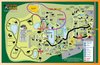
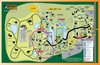
Since I made a species list two years ago (Catoctin Species List and Review, October 2020 [Catoctin Wildlife Preserve and Zoo]), I guess I should post an updated one after my recent visit. I'll be including map photos again with areas circled in purple, though I'm grouping the first couple of areas slightly differently than previously.
Once again, I didn't go on the safari ride, this time because it was closed.

Hot Stuff: Africa's Deadliest Snakes
Cape cobra (pair)
Caastinga lancehead
Collett’s snake
Desert death adder (pair)
Eastern diamondback rattlesnake, rattlesnake hybrid (eastern diamondback x timber)
Eyelash viper
Indonesian pit viper, signed as White-lipped Komodo Island pit viper (pair)
King cobra
Mangshan pit viper
Mangshan pit viper juvenile
Okinawa habu
Puff adder (pair)
Puff adder juveniles, three, born summer 2022
Rinkhals (pair)
Sharp-nosed pit viper
South American bush master
Sri Lankan green pit viper (at least three)
Timber rattlesnake, albino, small
Urutu (pair)
West African Gaboon viper
Mexican fire-leg tarantula

Front Loop
Linneaus's sloth, red-footed tortoise, owl monkey (previously signed as Azara’s, now three-striped)
Eastern box turtle
Macaws (empty due to weather, previously had blue &gold, harlequin, hyacinth, military, red & green, scarlet)
Empty?, unsigned bird exhibit, previously held great horned owl
Pied crow
Booted macaque
Abyssinian ground hornbill (unseen, in old booted macaque exhibit)
Olive baboon
Empty?, unsigned indoor exhibit with small attached yard, previously held Burmese mountain tortoise
Asian small-clawed otter (empty)
Sun bear
Butterfly garden

Madagascar, Australia
Fossa, two exhibits
Empty?, unsigned bird exhibit, previously held greater vasa parrot
Laughing kookaburra
Empty?, unsigned bird exhibit, previously held white-eared pheasant (now in a bigger yard)
Barbary falcon
Tibetan white-eared pheasant, unsigned speckled pigeon (a bunch)
Golden pheasant
Lady Amherst’s pheasant (pair)
Domestic pigeon (several breeds), Mandarin duck (including an albino), Radjah shelduck, ruddy shelduck, Temminck’s tragopan
Cockatiel, budgerigar, possibly others (dark mesh drapes over sides)
Black swan
Dingo
Bennett’s wallaby, red kangaroo, emu
Southern cassowary (unseen)
Lesser yellow-headed vulture
Empty?, unsigned bird exhibit, previously held cockatoo
Herp area:
Speckled hognose snake
Mertens’s water monitor
Jungle carpet python
Burmese python (pair)
Madagascar giant hognose
Black-headed python
Golden thread turtle (pair)

Latin America & surrounding area
Petting area # 1 – Empty (usually holds fallow deer, “Asian sheep”)
Amur Leopard
European white stork
Capybara
Red crowned crane
Koi, goldfish
Mute swans
Giant Reptiles building:
Meerkat
Green Anaconda
Yellow Anaconda (pair)
Argentine Boa
Reticulated Python (three)
Latin America:
Jaguar (black)
Green iguana (off exhibit for winter)
Black-handed spider monkey
Patagonian mara
*Construction going on here
Petting area #2 - Suri alpaca of various ages, several sheep and goat breeds, pair of domestic cattle calves, scimitar oryx pair, addax pair, common eland calf, fallow deer

North America
Eurasian lynx
Great horned owl (pair)
Barn owl (unsigned)
Barred owl (four)
Collared peccary
American Alligator (nine, none fully adult), unsigned large slider turtle
Empty?, unsigned bird exhibit, previously held Marabou stork
Seba's short-tailed bat
Egyptian fruit bat
*This map on their website says 2021, but the coyote and wolf areas still aren't open

Back Area
Dingo
Eurasian eagle-owl
Indian peafowl
African lion (trio of sub-adults, including a white male)
Bongo
Empty exhibit, previously held New Guinea singing dogs
Visayan warty pig
Petting area #3 – goats, you can no longer go inside
Green monkey
Kunekune pigs
Aoudad, ostrich pair
Tortoise yard was empty due to weather, previously held leopard and sulcata
Safari animals that were viewable from the path: common eland (five, including two males), plains zebra, domestic yak, bison (regular and white)
Once again, I didn't go on the safari ride, this time because it was closed.
Hot Stuff: Africa's Deadliest Snakes
Cape cobra (pair)
Caastinga lancehead
Collett’s snake
Desert death adder (pair)
Eastern diamondback rattlesnake, rattlesnake hybrid (eastern diamondback x timber)
Eyelash viper
Indonesian pit viper, signed as White-lipped Komodo Island pit viper (pair)
King cobra
Mangshan pit viper
Mangshan pit viper juvenile
Okinawa habu
Puff adder (pair)
Puff adder juveniles, three, born summer 2022
Rinkhals (pair)
Sharp-nosed pit viper
South American bush master
Sri Lankan green pit viper (at least three)
Timber rattlesnake, albino, small
Urutu (pair)
West African Gaboon viper
Mexican fire-leg tarantula
Front Loop
Linneaus's sloth, red-footed tortoise, owl monkey (previously signed as Azara’s, now three-striped)
Eastern box turtle
Macaws (empty due to weather, previously had blue &gold, harlequin, hyacinth, military, red & green, scarlet)
Empty?, unsigned bird exhibit, previously held great horned owl
Pied crow
Booted macaque
Abyssinian ground hornbill (unseen, in old booted macaque exhibit)
Olive baboon
Empty?, unsigned indoor exhibit with small attached yard, previously held Burmese mountain tortoise
Asian small-clawed otter (empty)
Sun bear
Butterfly garden
Madagascar, Australia
Fossa, two exhibits
Empty?, unsigned bird exhibit, previously held greater vasa parrot
Laughing kookaburra
Empty?, unsigned bird exhibit, previously held white-eared pheasant (now in a bigger yard)
Barbary falcon
Tibetan white-eared pheasant, unsigned speckled pigeon (a bunch)
Golden pheasant
Lady Amherst’s pheasant (pair)
Domestic pigeon (several breeds), Mandarin duck (including an albino), Radjah shelduck, ruddy shelduck, Temminck’s tragopan
Cockatiel, budgerigar, possibly others (dark mesh drapes over sides)
Black swan
Dingo
Bennett’s wallaby, red kangaroo, emu
Southern cassowary (unseen)
Lesser yellow-headed vulture
Empty?, unsigned bird exhibit, previously held cockatoo
Herp area:
Speckled hognose snake
Mertens’s water monitor
Jungle carpet python
Burmese python (pair)
Madagascar giant hognose
Black-headed python
Golden thread turtle (pair)
Latin America & surrounding area
Petting area # 1 – Empty (usually holds fallow deer, “Asian sheep”)
Amur Leopard
European white stork
Capybara
Red crowned crane
Koi, goldfish
Mute swans
Giant Reptiles building:
Meerkat
Green Anaconda
Yellow Anaconda (pair)
Argentine Boa
Reticulated Python (three)
Latin America:
Jaguar (black)
Green iguana (off exhibit for winter)
Black-handed spider monkey
Patagonian mara
*Construction going on here
Petting area #2 - Suri alpaca of various ages, several sheep and goat breeds, pair of domestic cattle calves, scimitar oryx pair, addax pair, common eland calf, fallow deer
North America
Eurasian lynx
Great horned owl (pair)
Barn owl (unsigned)
Barred owl (four)
Collared peccary
American Alligator (nine, none fully adult), unsigned large slider turtle
Empty?, unsigned bird exhibit, previously held Marabou stork
Seba's short-tailed bat
Egyptian fruit bat
*This map on their website says 2021, but the coyote and wolf areas still aren't open
Back Area
Dingo
Eurasian eagle-owl
Indian peafowl
African lion (trio of sub-adults, including a white male)
Bongo
Empty exhibit, previously held New Guinea singing dogs
Visayan warty pig
Petting area #3 – goats, you can no longer go inside
Green monkey
Kunekune pigs
Aoudad, ostrich pair
Tortoise yard was empty due to weather, previously held leopard and sulcata
Safari animals that were viewable from the path: common eland (five, including two males), plains zebra, domestic yak, bison (regular and white)
Attachments
-
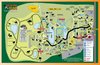 Catoctin Map 2021 - 1 Snakes.jpg180.4 KB · Views: 88
 -
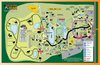 Catoctin Map 2021 - 2 Front loop.jpg180.6 KB · Views: 86
 -
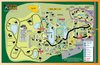 Catoctin Map 2021 - 3 Australia, Madagascar.jpg181.4 KB · Views: 89
 -
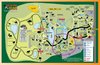 Catoctin Map 2021 - 5 Latin America, etc.jpg182.2 KB · Views: 89
 -
 Catoctin Map 2021 - 6 North America.jpg183.9 KB · Views: 85
 -
 Catoctin Map 2021 - 7 Back.jpg182.8 KB · Views: 93
Last edited by a moderator:


 Huge improvement! Twice I took my friends from overseas specifically to see them in their old quarters, but neither could take decent photos, and were highly disappointed…