Cheyenne Mountain Zoo Cheyenne Mountain Zoo News

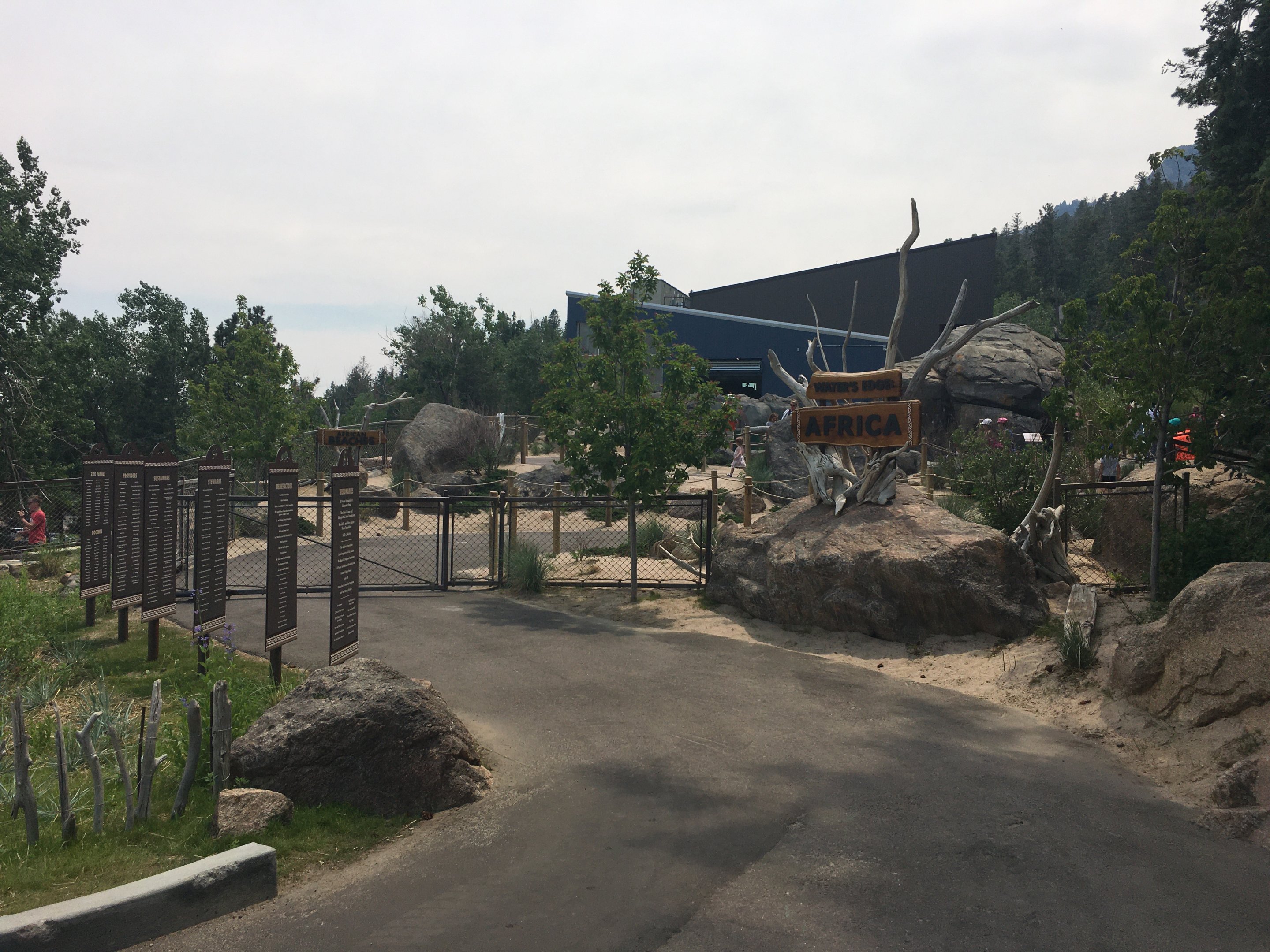
@ThatOneZooGuy: Thank you very much for your report. Having seen the new exhibit only "in progress", I hope I can see it soon in its "running stage" soon (Although Colorado isn't just arround the corner for Swiss).
However: There is one point that disappoint me right yet: GUINEA PIGS in an exhibit called Waters Edge: AFRICA!!!!! I deeply don't hope that the responsible persons of the zoo don't believe that these rodents are from the Dark Continent because of their name....
They are presented as an animal from South America that is used as an eco friendly domesticated food source in Africa.
 
@Echobeast Interesting concept the zoo has.

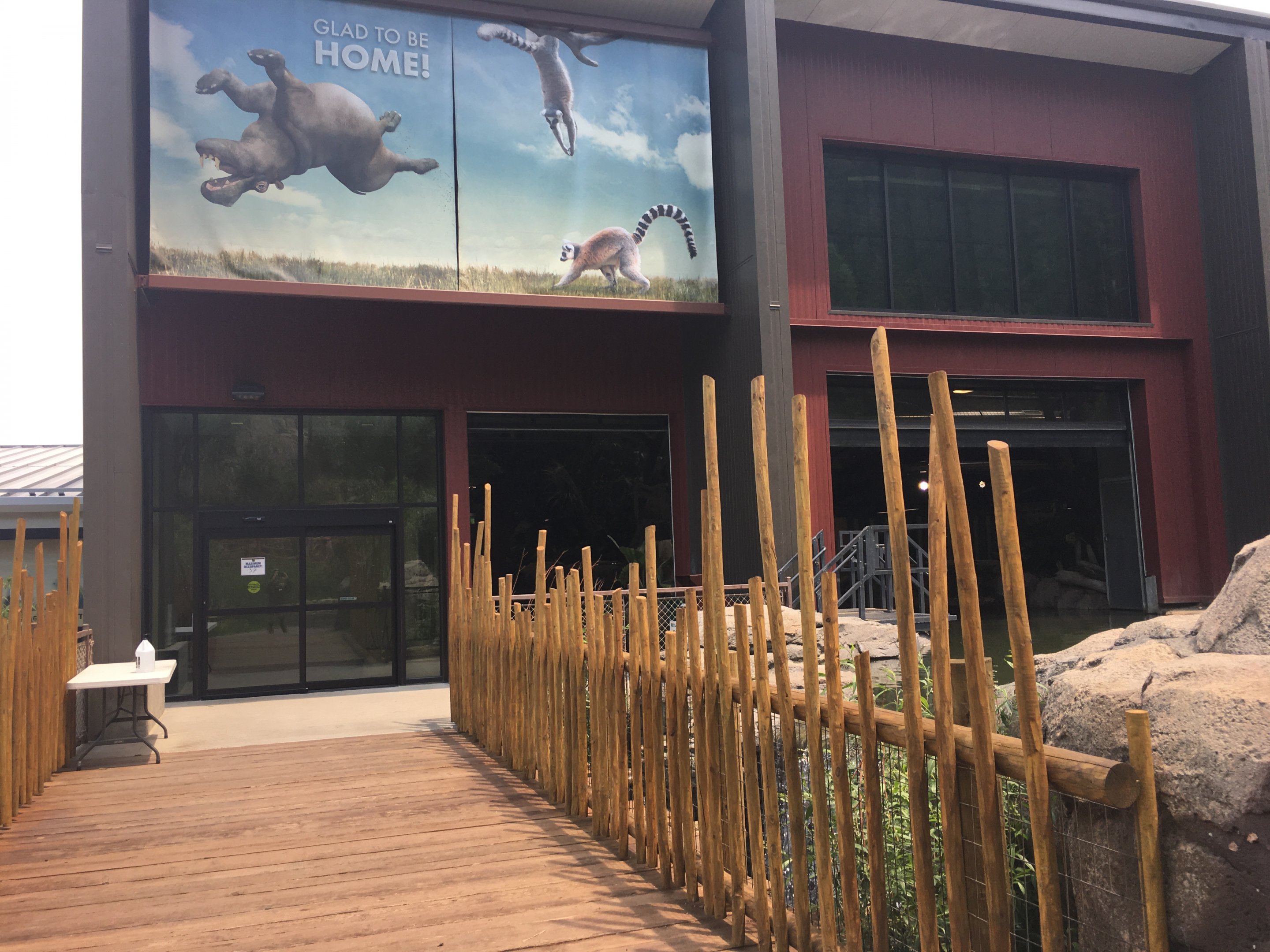
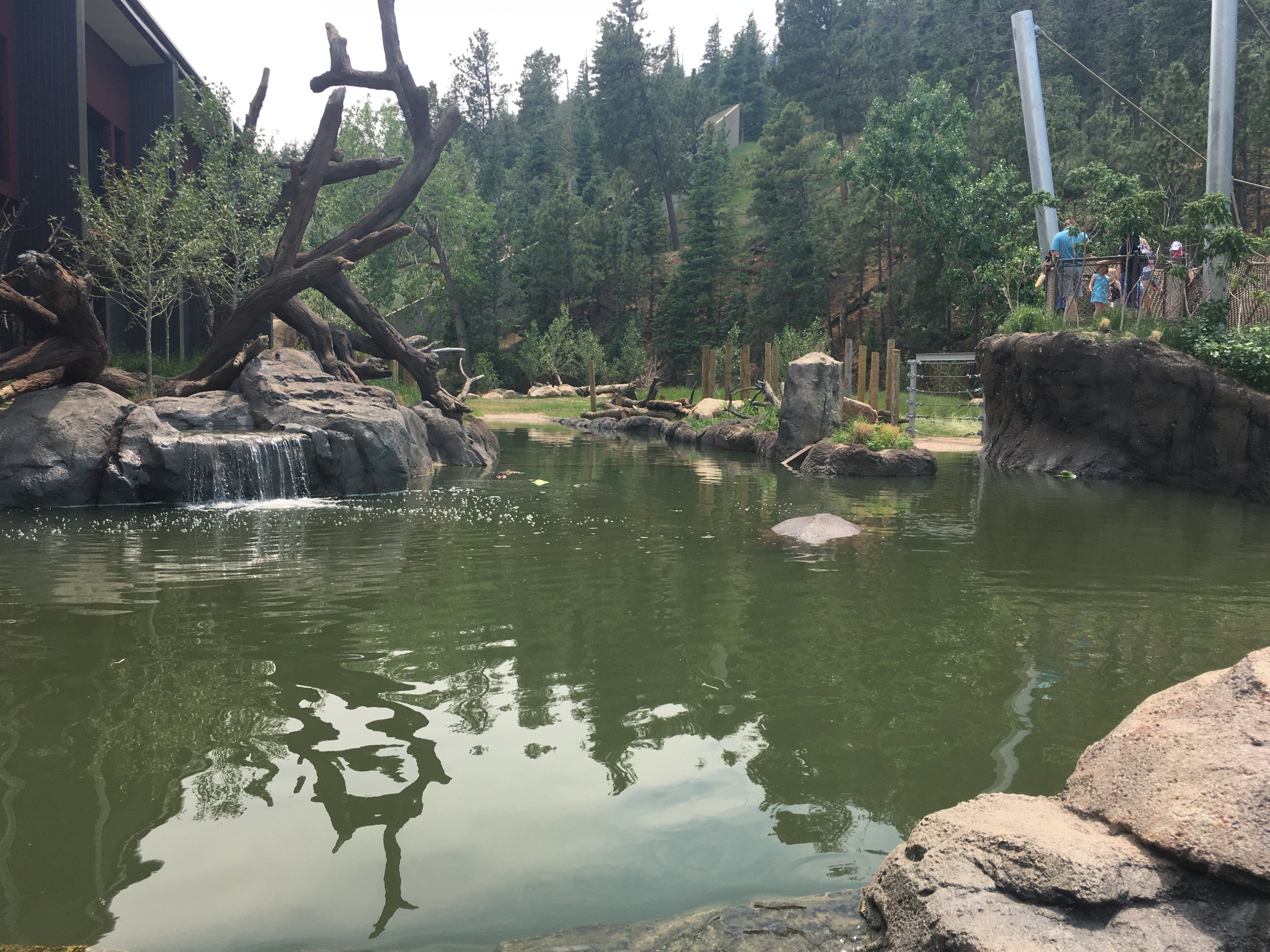
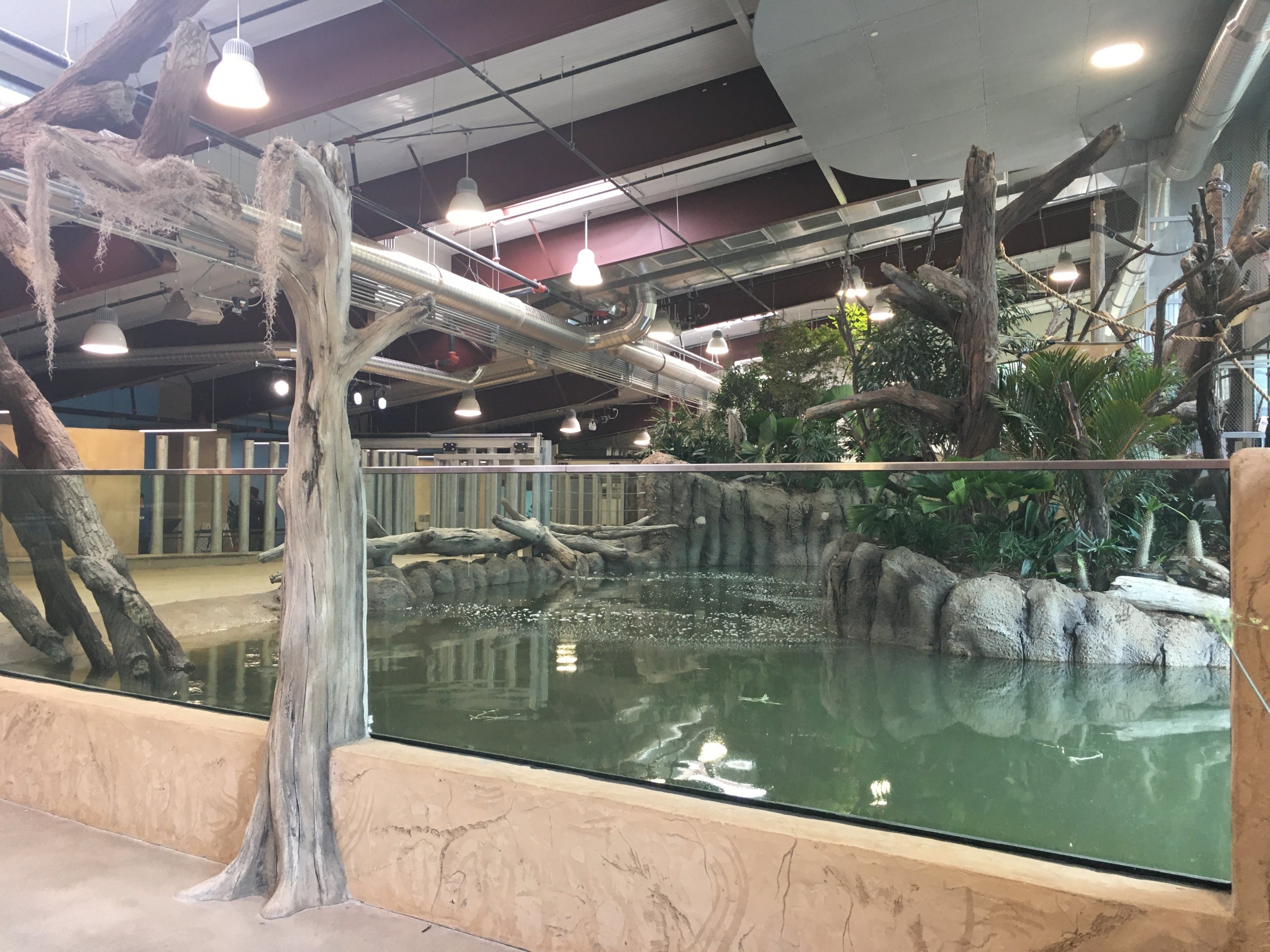
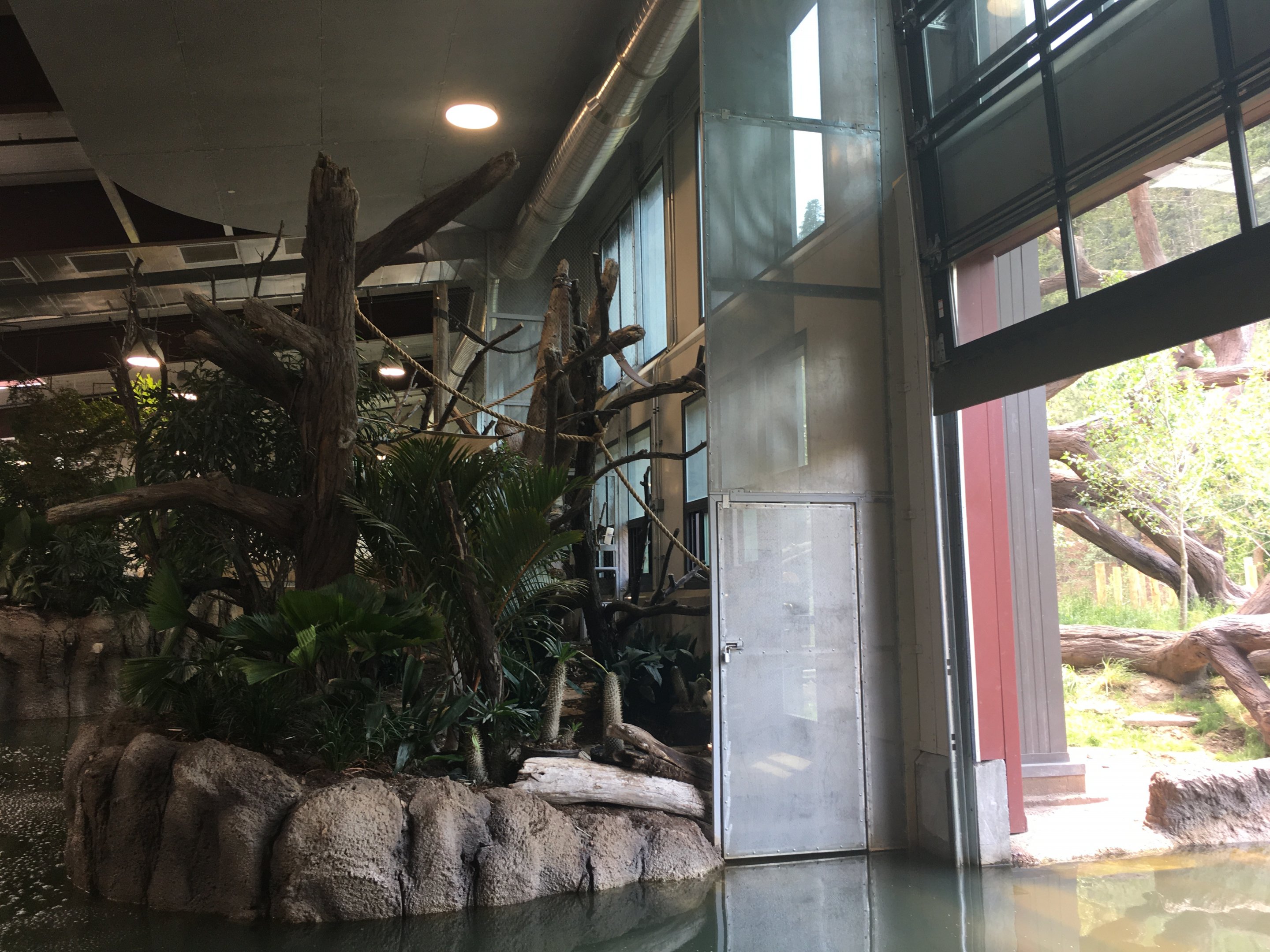
Will photos be uploaded soon?
Unfortunately the only times I’ve visited the exhibit have been when I was working so I haven’t been able to take the time to go around and take the number of photos the exhibit deserves. I’ll take some on my next lunch break when I’m at the zoo.
 
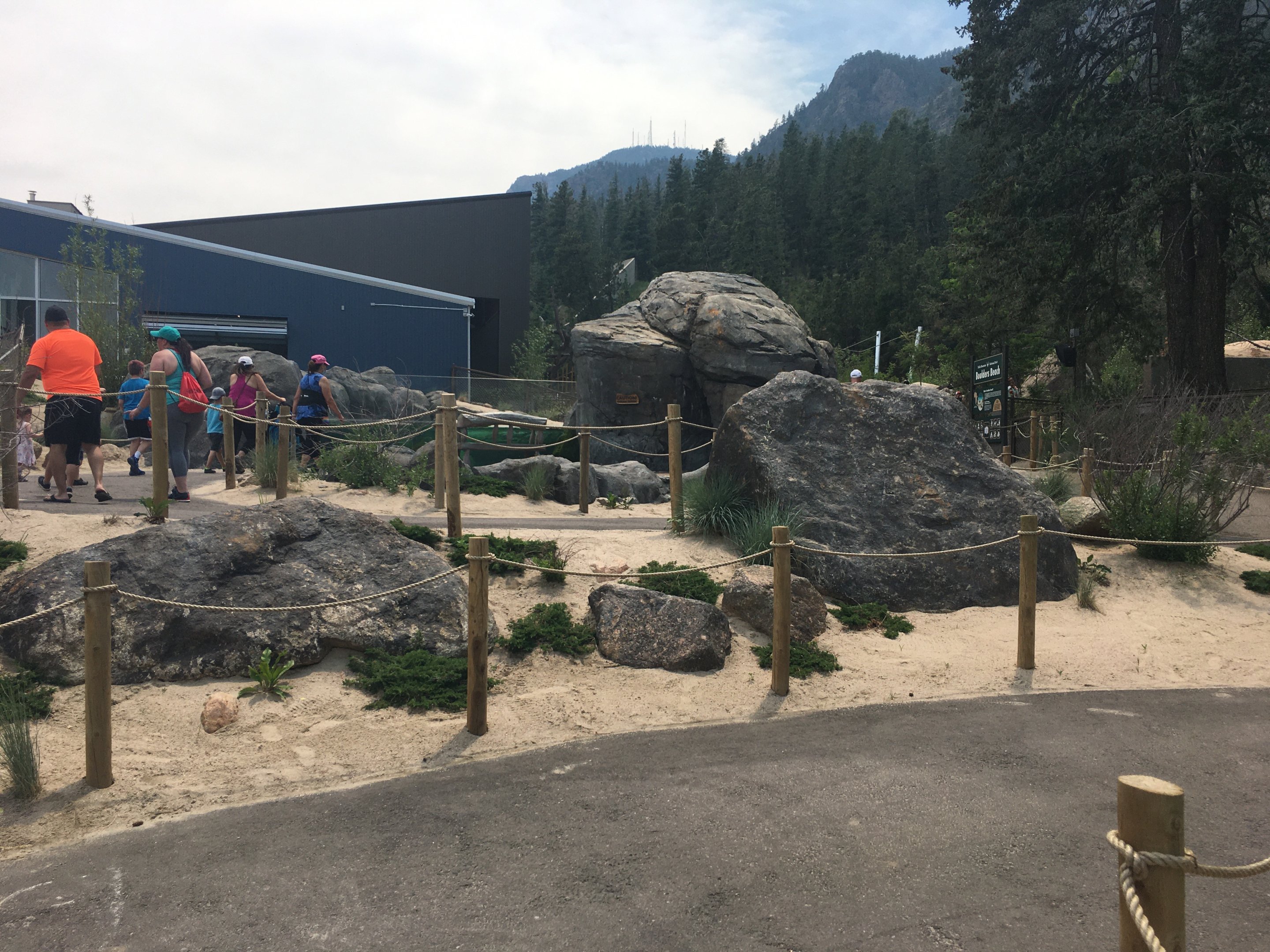
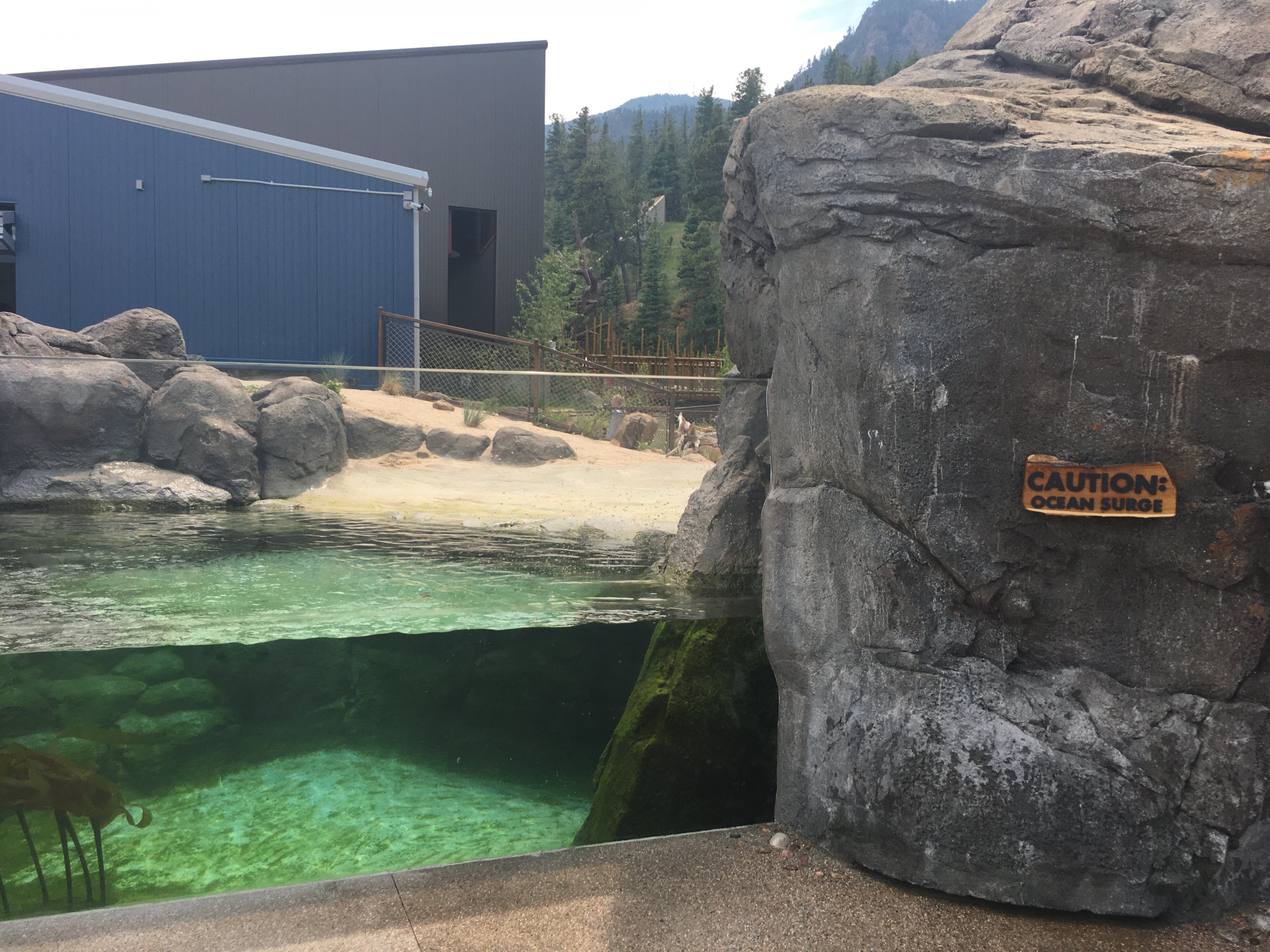
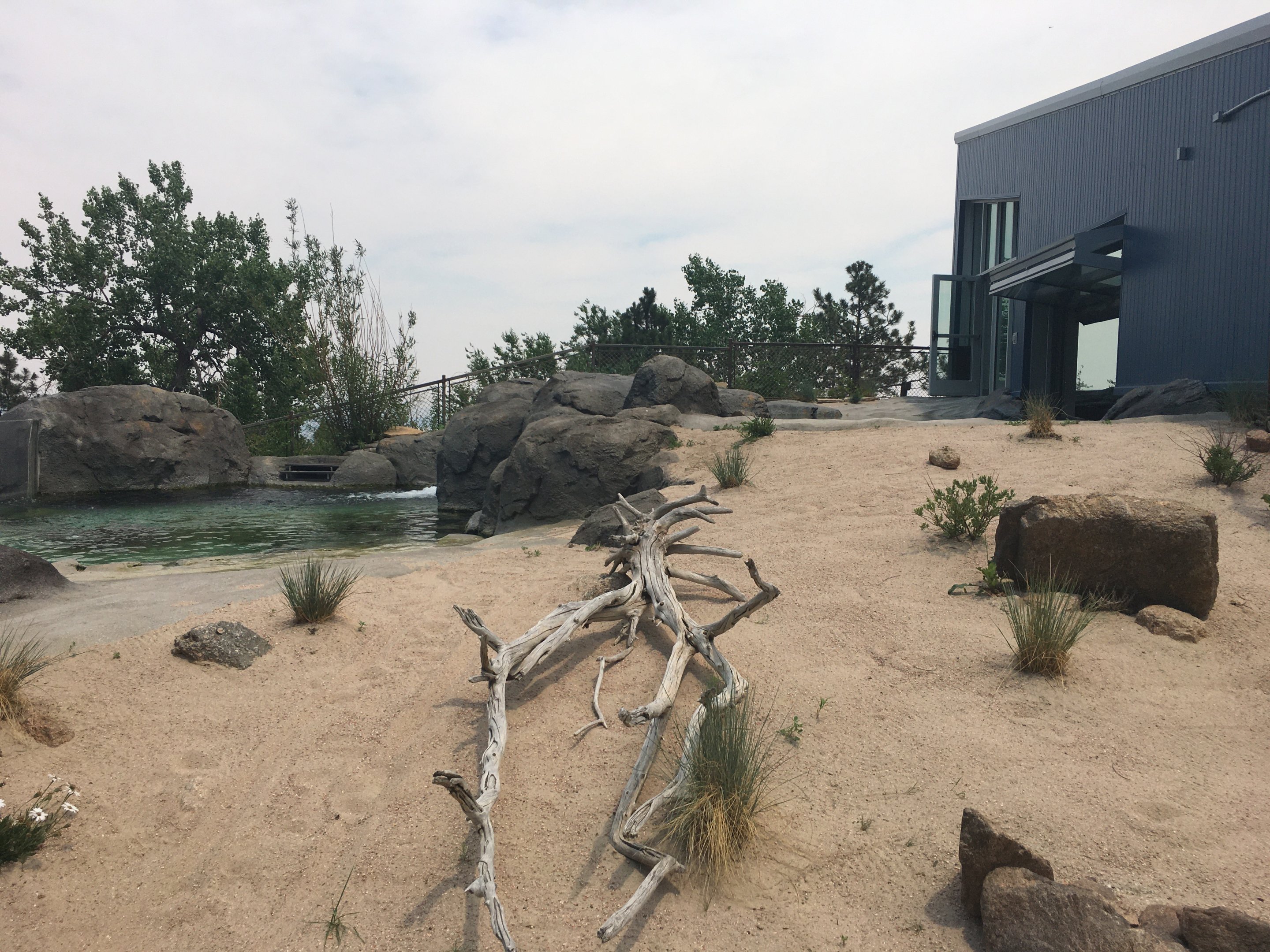
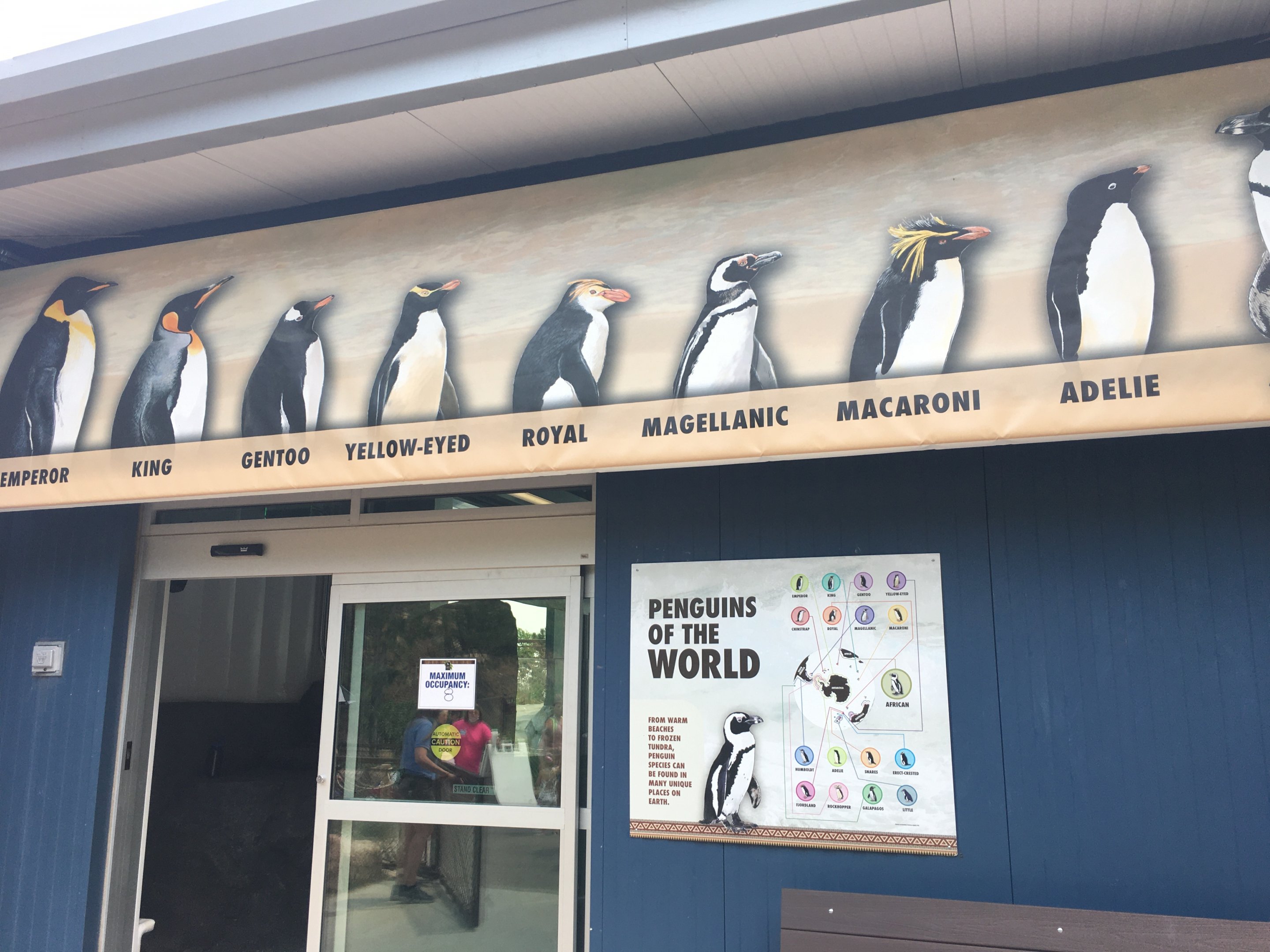
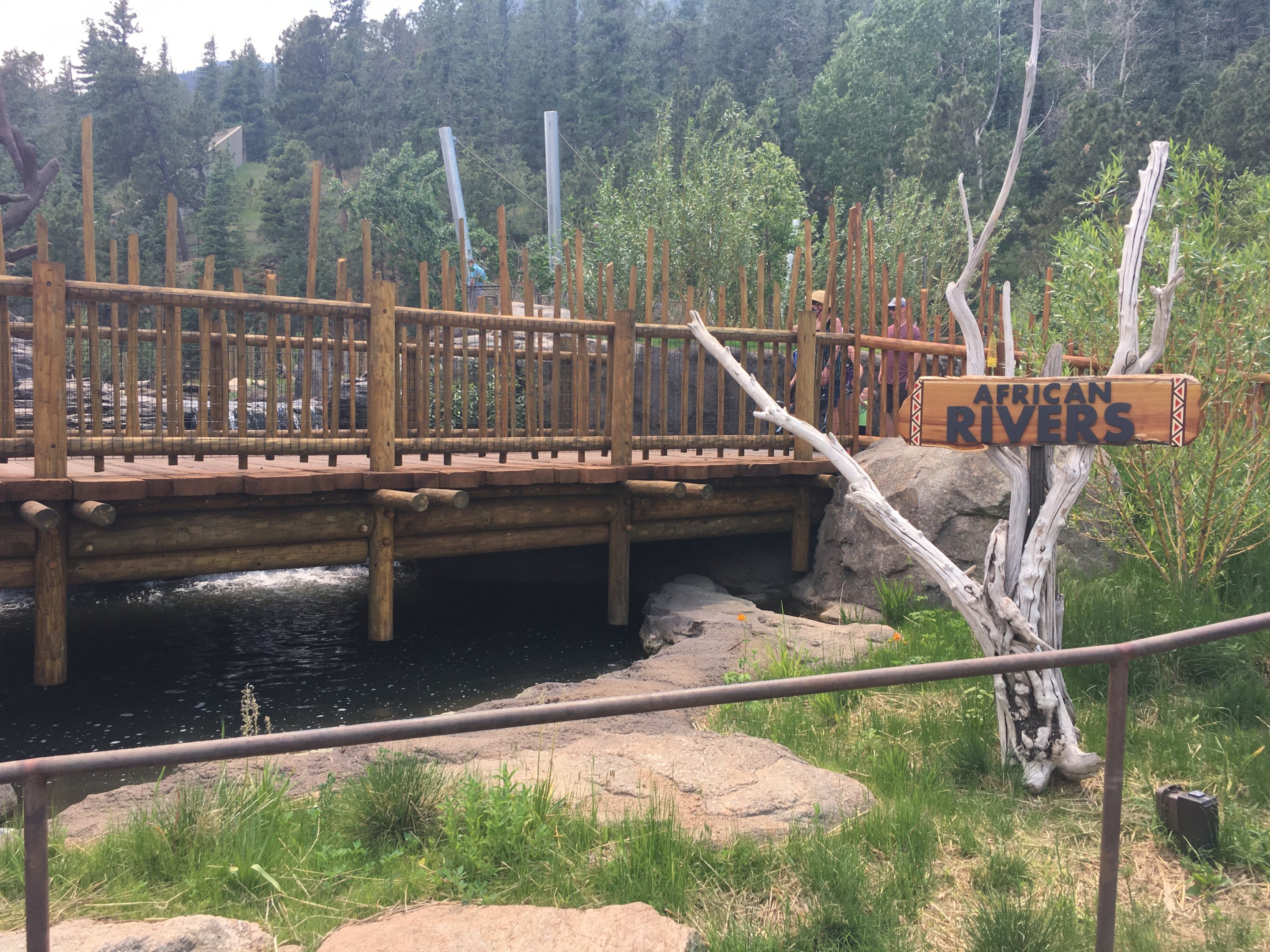
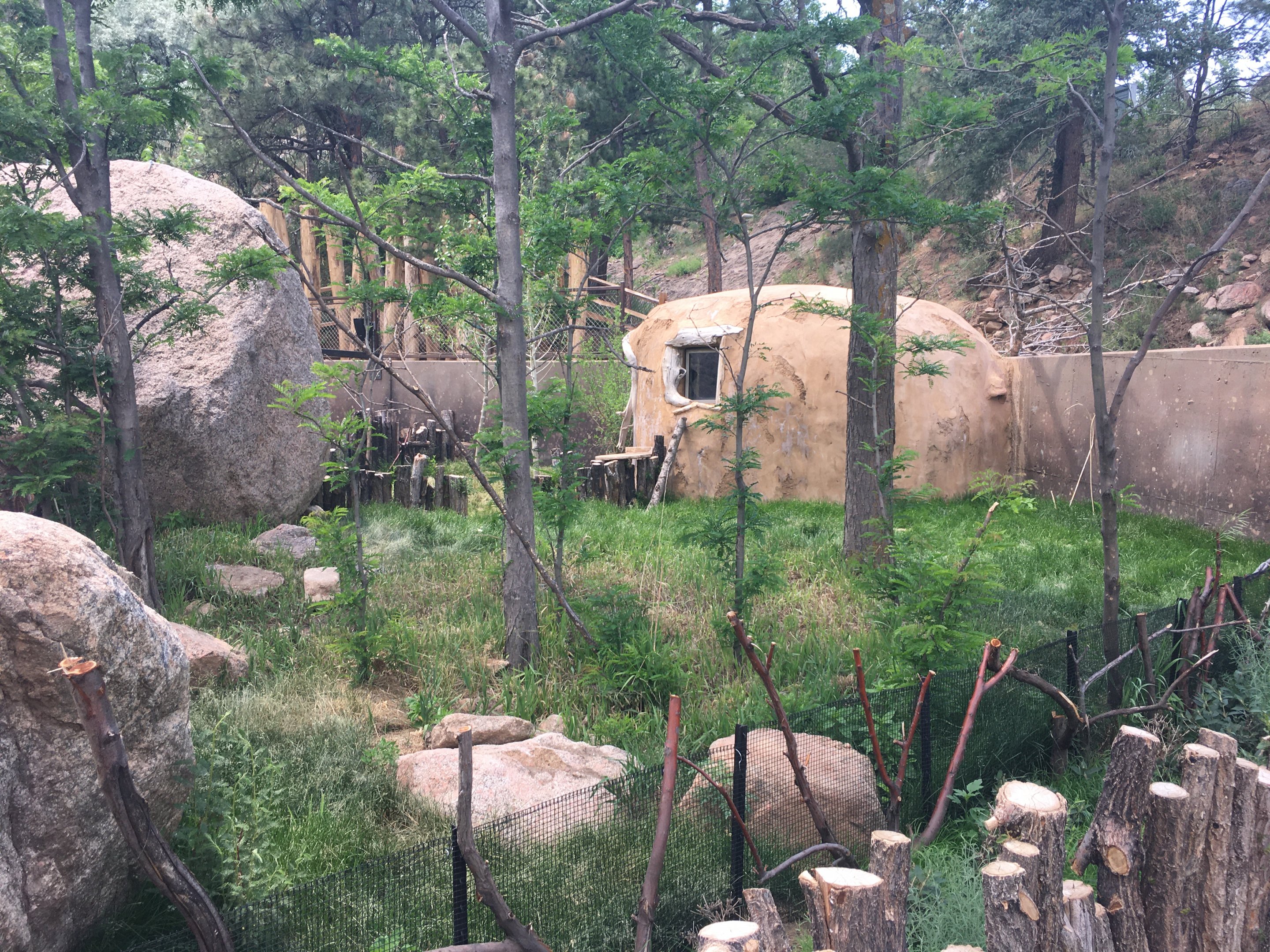
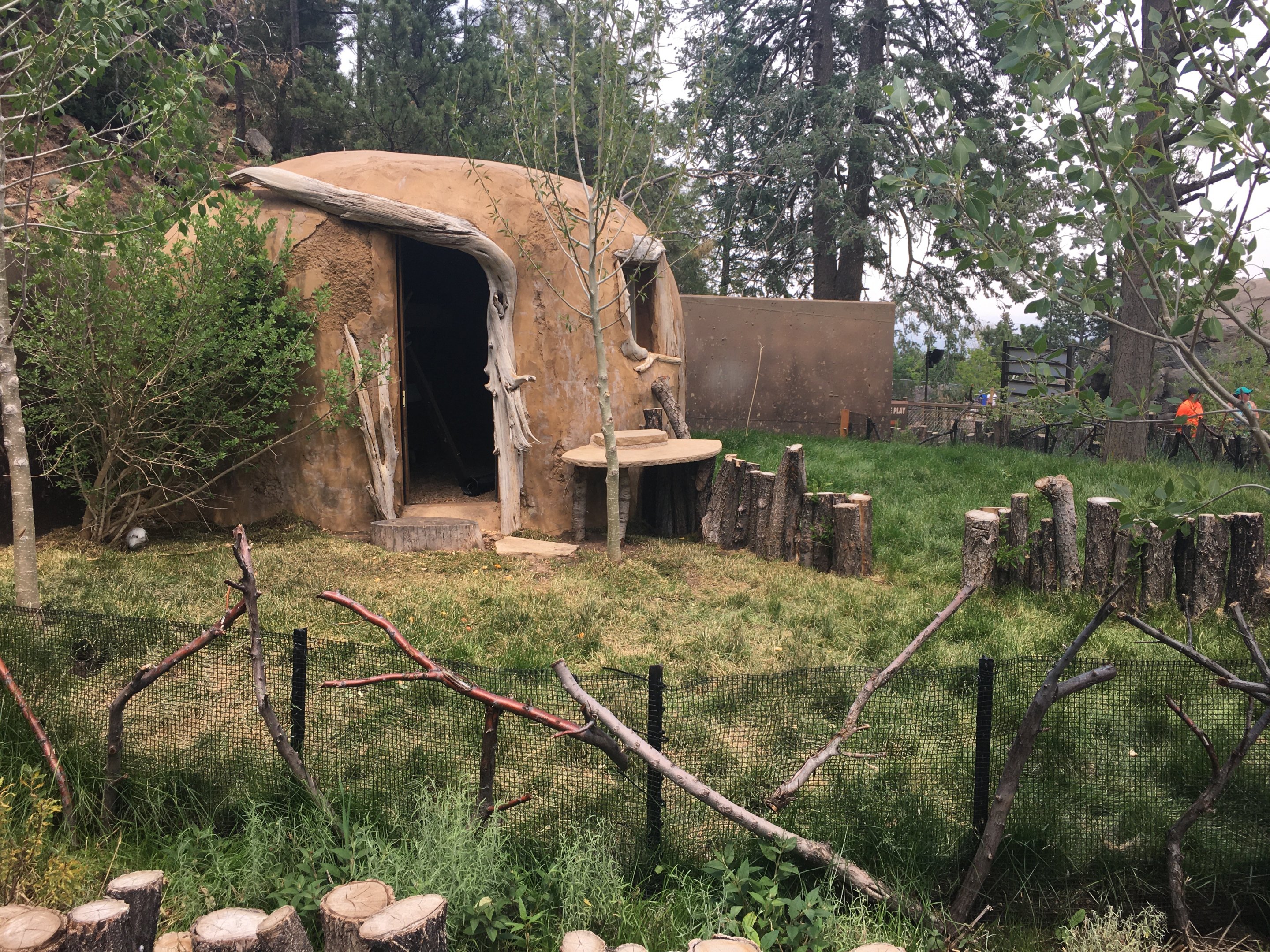
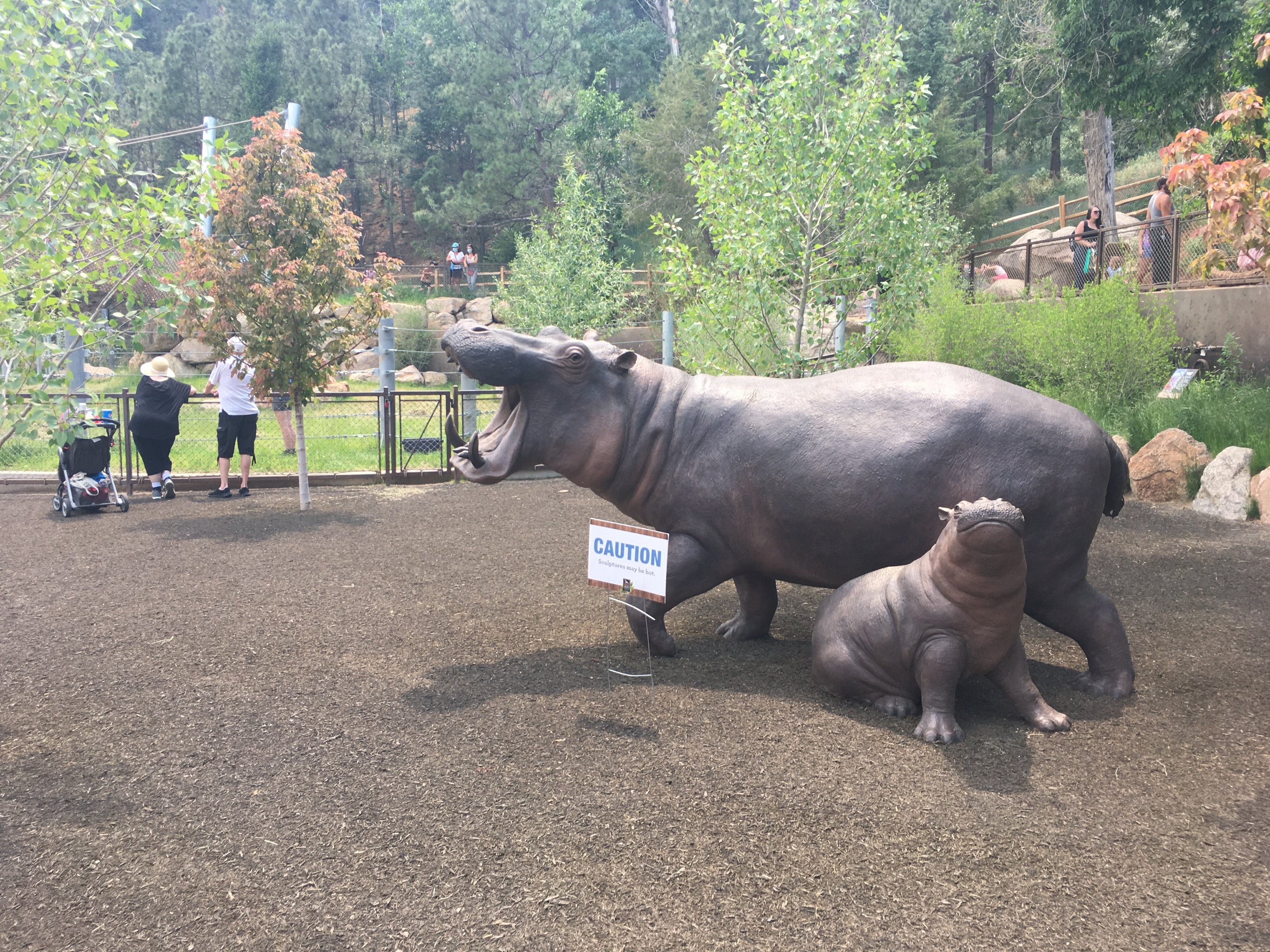
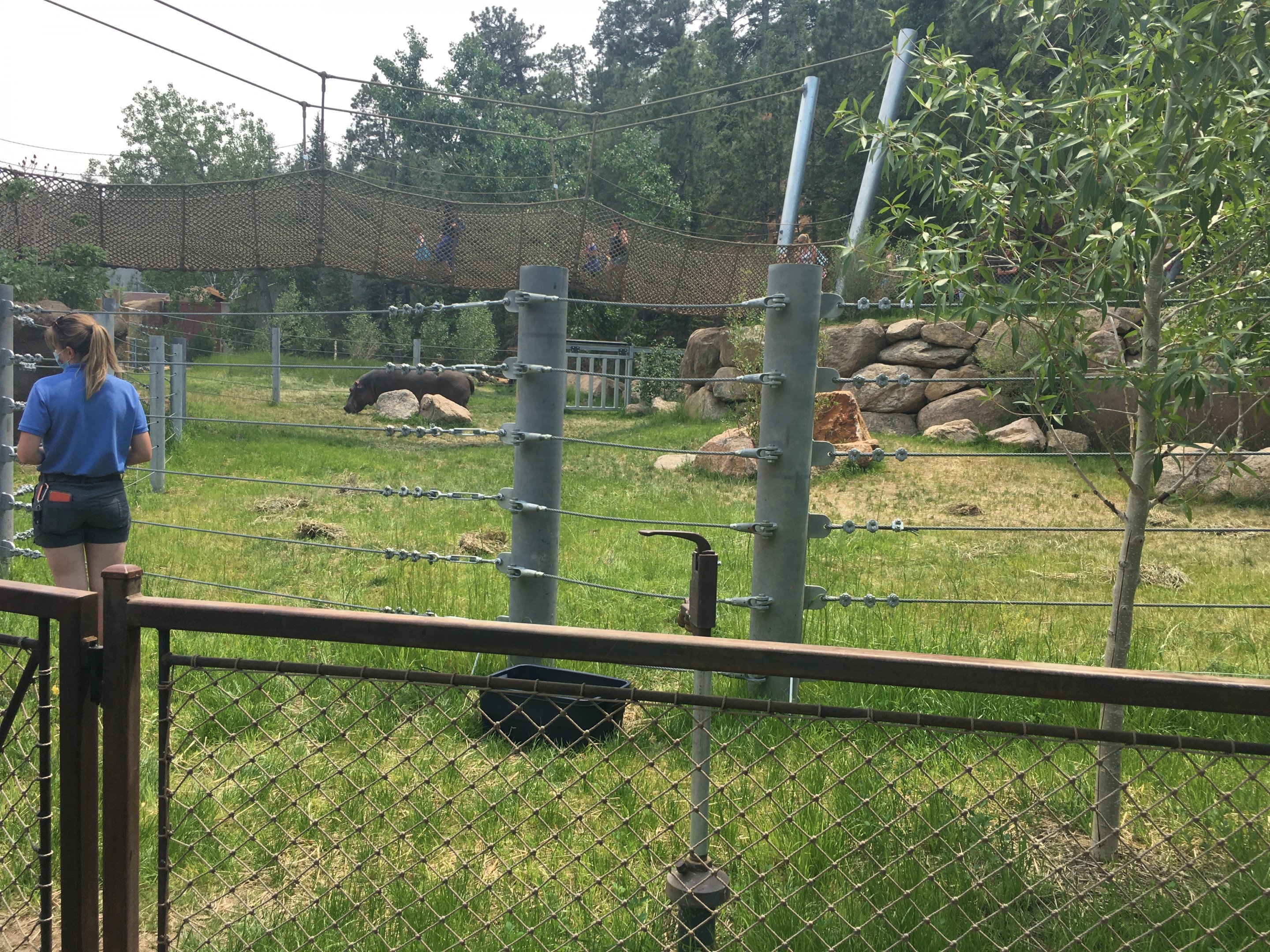
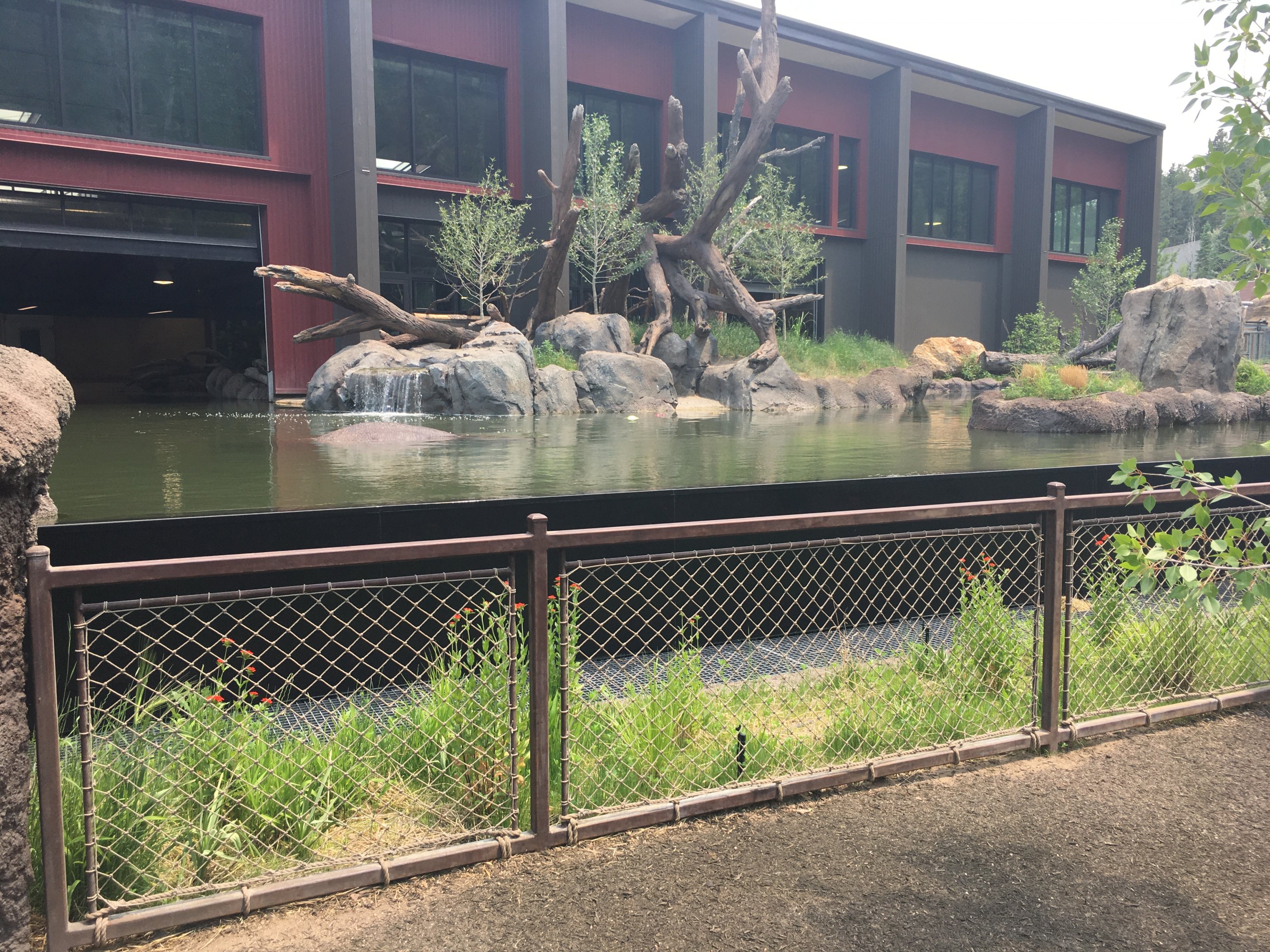
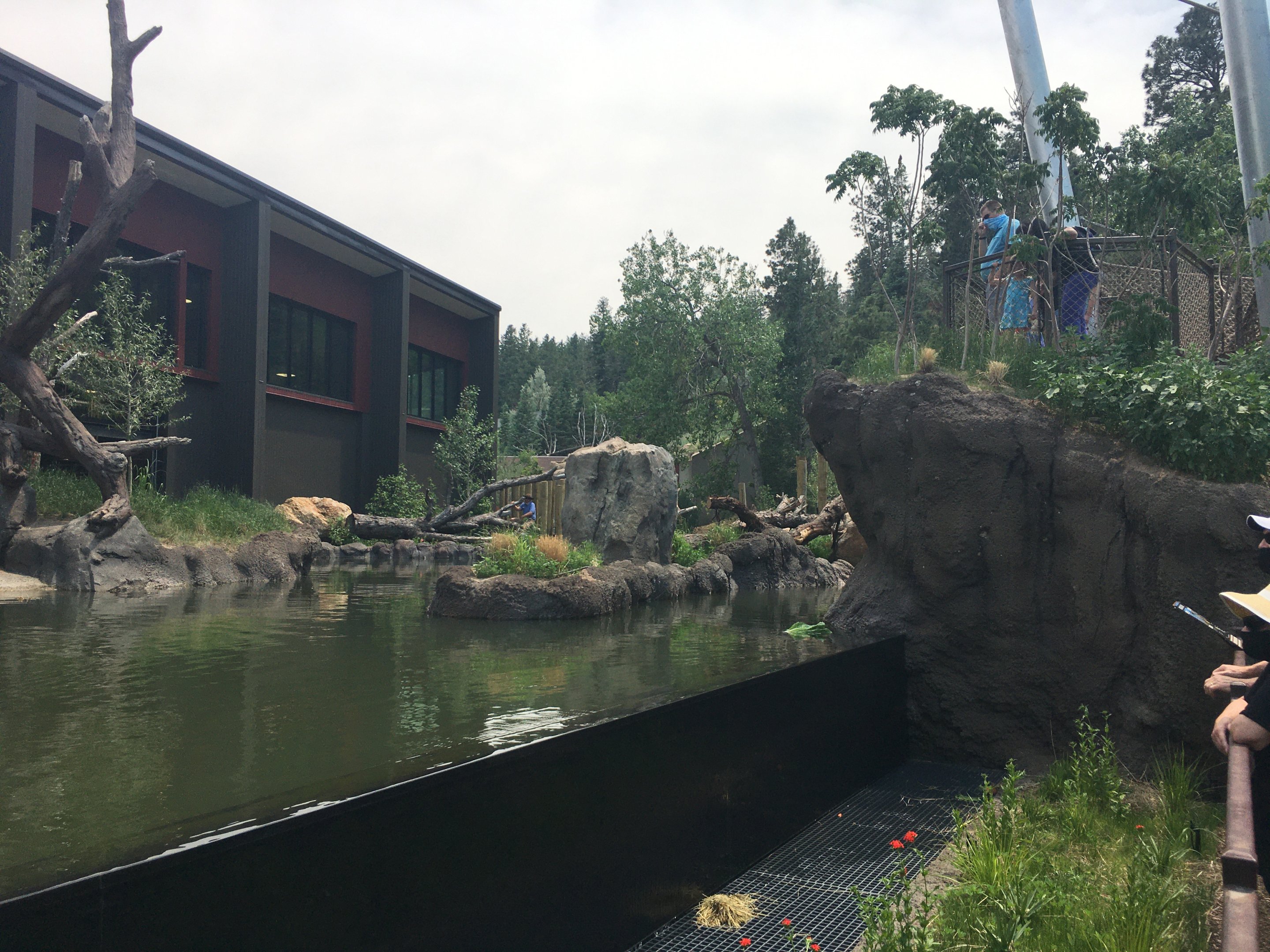
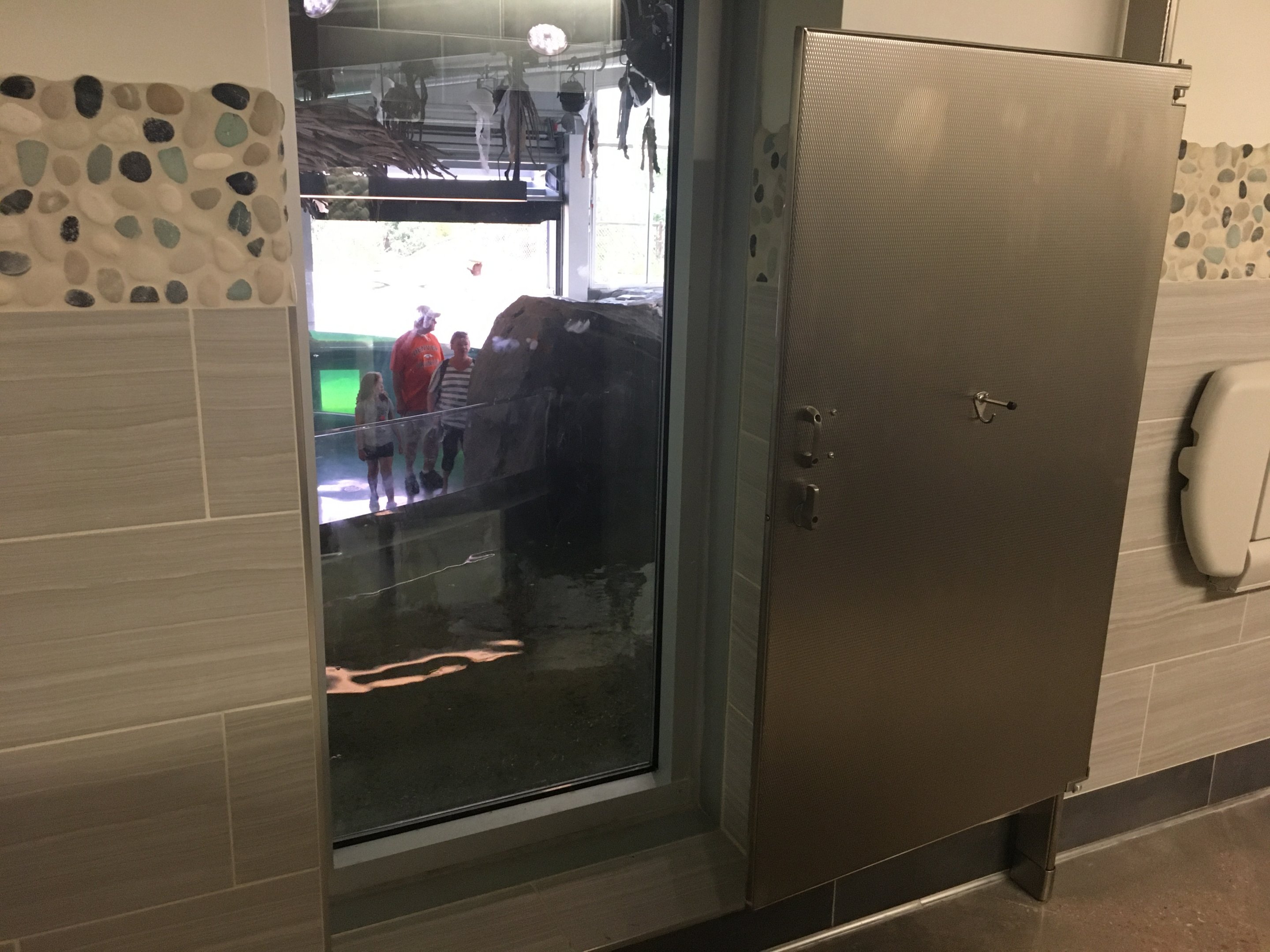
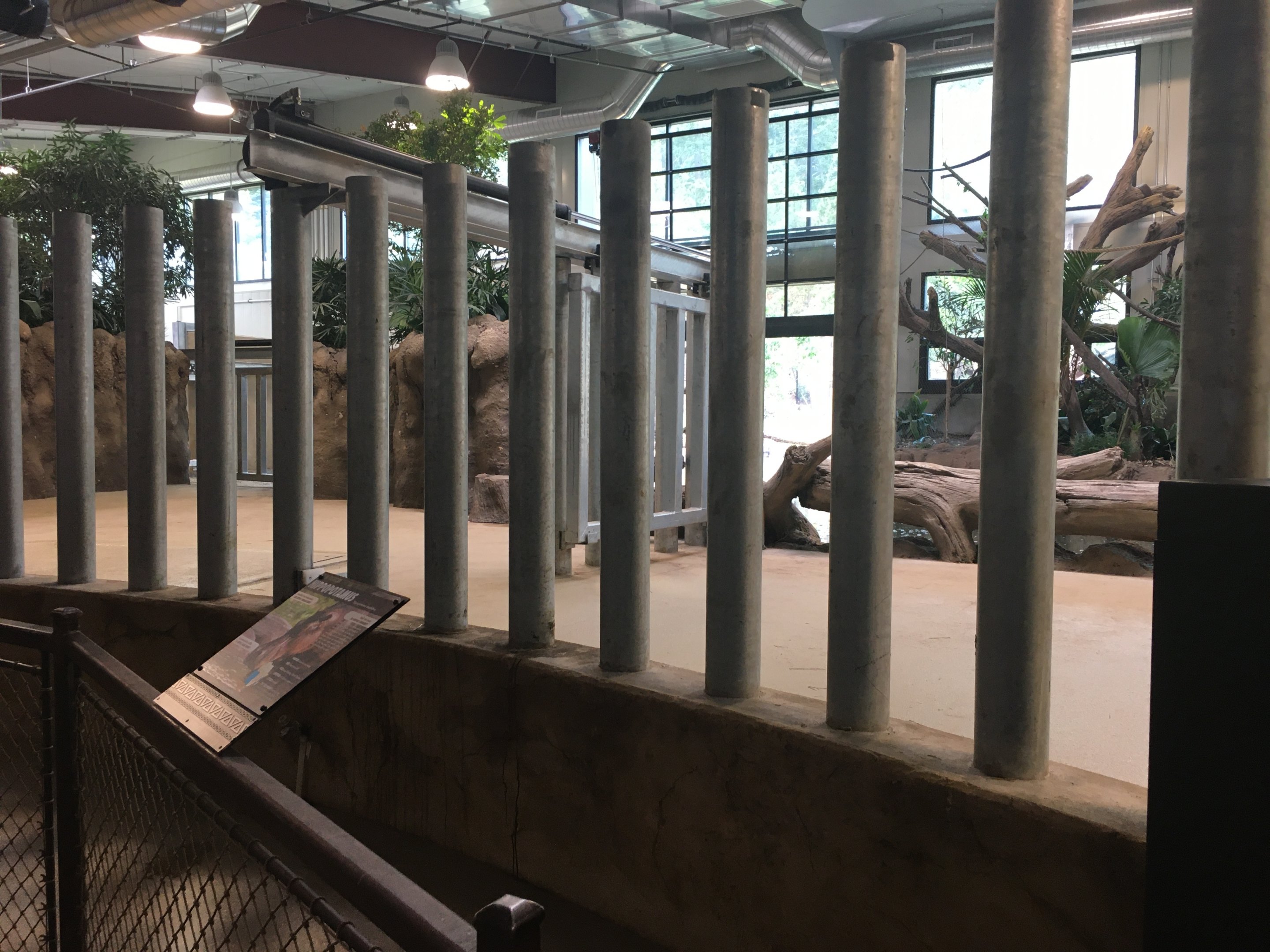
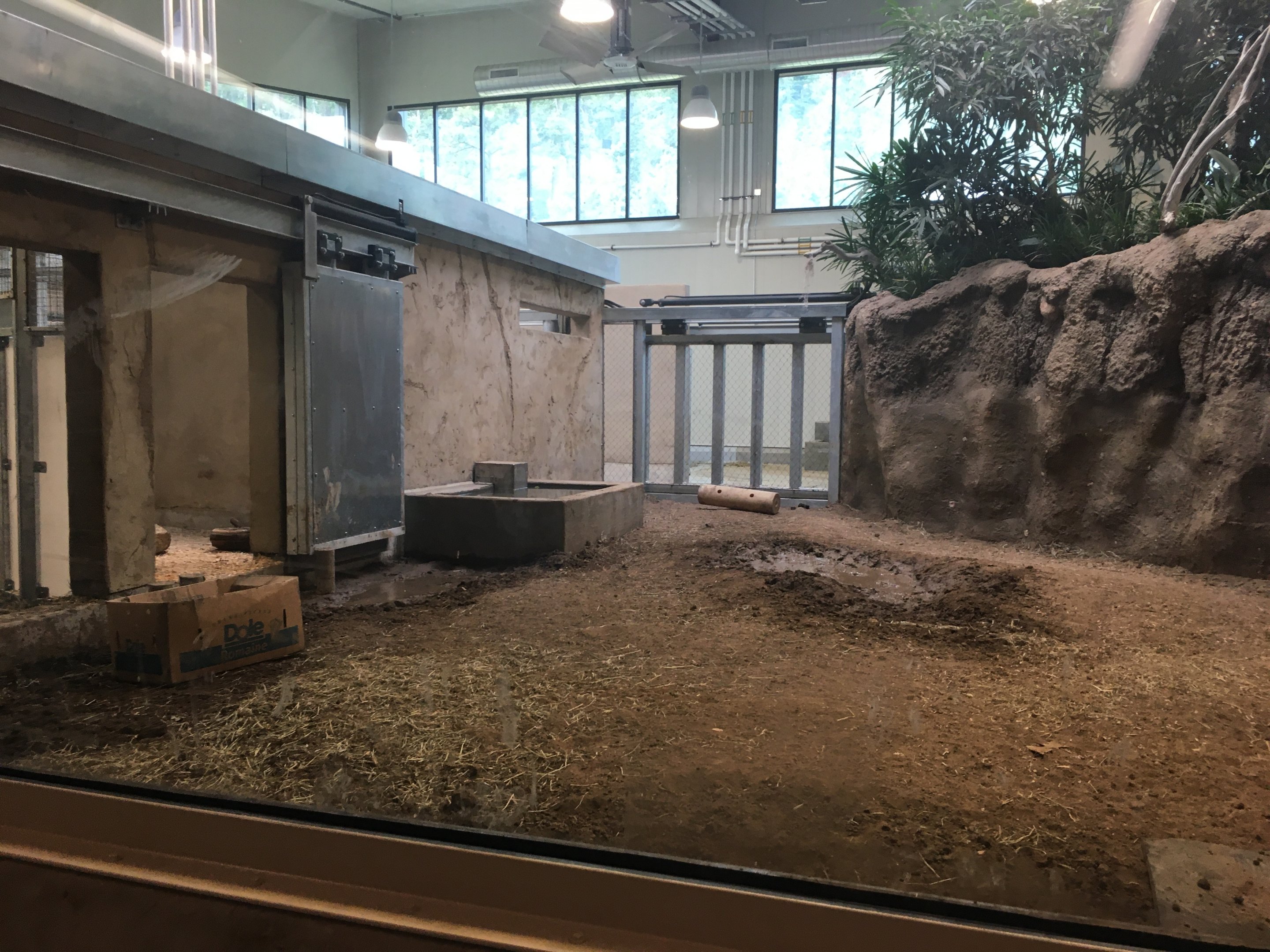
I added a bunch of pics to the media section. I couldn’t get into the penguin indoor viewing as there was a line of guests to get in.

 
Cheyenne Mountain Zoos Monkey Pavilion will be closing at the end of October.
CMZoo Moves Forward with Plan to Close Monkey Pavilion

This is fascinating news, as North American zoos tend to demolish older buildings while European zoos preserve them for different uses. When I first visited Cheyenne Mountain Zoo in 2010 I was a little shocked at the outdated 'Monkey Pavilion', although I've come to realize that my viewpoint was mainly driven by aesthetics as the enclosures were clearly from a different era to what I was used to seeing at many other AZA zoos at that time. When I returned to the zoo in 2014 I did a quick walk-through of the house and I knew then that the building was on its last legs. The exhibits were adequate for marmosets and tamarins, but seeing gibbons in those cages with low ceilings was a bit grim.

The species list in 2010 was the following: White-handed Gibbon, White-cheeked Gibbon, Black Howler Monkey, Black Mangabey, Syke's Guenon, Goeldi's Monkey, Geoffrey's Marmoset, Ring-tailed Lemur, Black and White Ruffed Lemur, Coati and Hoffman's Two-toed Sloth. Back in the 1940s there would be a host of big cats inside!
 
It’s pretty much the end of an era for the zoo. While there is no plan currently for the space, it is still the oldest building in the zoo that has not been renovated. The issue of removing instead of renovating mostly is on the unknowns about the site. The building was built in 1942. Nobody knows what problems could be brewing under the building (the mountain moves more than people think). It will also allow the zoo to rethink the space as to what can be placed there. The building was surprisingly adaptable for the smaller primate species that replaced the big cats. The whole building is connected in a circle so you could move any animal to any space with some clever shifting. This way any species could have outdoor access and rotated through the day. Keepers also adapted the guest space with overhead trails for the caltrichids and the sloths. It’ll be sad to see the building go for me as that’s the building I had my first keeping experience in. That building and the keepers taught me a lot so I’m a bit sad to see it go. Luckily the nearby tapirs and bears won’t be affected by the demolition.
 
The zoo’s three Hoffmann’s two-toed sloths have moved to different buildings now that Monkey Pavilion has closed. Female, Chalupa and male, Bosco have moved to Scutes Family Gallery in the larger atrium room and their offspring from last year, Bean, has moved to the Loft. Unfortunately, due to the county moving to level red for COVID, all zoo buildings are closed for now.

 
Back
Top