Colchester Zoo Colchester Zoo - past, present and future

@DesertRhino150 in regards to African Spoonbill I decided to do a bit of digging.
I found the 2005 report; but what is interesting is that the species isn't mentioned there. So my guess is that if it was at the zoo at all it can't have been there very long.
 
PELICANS, HERONS AND IBISES


Scarlet ibis, Eudocimus ruber

While they may well have been present earlier, the first record I can find is from the 2003 zoo map, which shows them living at the top of the hill in an area now used for the rufous hornbill aviary. At least in 2010, they lived in the old lar gibbon cage by the zoo’s entrance. They were the last of the Pelecaniformes to leave the zoo, with the species leaving in 2017. In this later period, the scarlet ibises lived in the aviary along the Inca Trail now home to the rock hyraxes.


View attachment 688481
The incredible colours of this scarlet ibis are matched by the incredible rate at which the group of birds their species belongs to have vanished from Colchester Zoo.
Just wondering, were the Scarlet Ibis particularly visible during their time at Inca Trail, because I don't recall seeing them there (although I do not doubt that they were there), or ever really acknowledging their enclosure. This is probably because I didn't hold much of an interest in the species at the time, or because of the discreetness of their enclosure. I do wonder and think there is a good chance that some ibis species (maybe Scarlet Ibis) could return in the near future or in the timescale of the masterplan, either in penguin shores (and whatever the developments there turn into, maybe it has a future without penguins?), or potentially the ibis walk next to Vulture Valley could maybe be reopened, and even expanded after the vultures depart their valley, or perhaps more likely in the planned new flamingo aviary.
 
Just wondering, were the Scarlet Ibis particularly visible during their time at Inca Trail, because I don't recall seeing them there (although I do not doubt that they were there), or ever really acknowledging their enclosure. This is probably because I didn't hold much of an interest in the species at the time, or because of the discreetness of their enclosure. I do wonder and think there is a good chance that some ibis species (maybe Scarlet Ibis) could return in the near future or in the timescale of the masterplan, either in penguin shores (and whatever the developments there turn into, maybe it has a future without penguins?), or potentially the ibis walk next to Vulture Valley could maybe be reopened, and even expanded after the vultures depart their valley, or perhaps more likely in the planned new flamingo aviary.

The scarlet ibises seemed to mainly stay up in the trees and on the logs in the Inca Trail aviary, so they were much easier to view from the upper windows that were just along from the Penguin Shores viewing area.

I also definitely hope that ibises, and lots of other birds besides, return to Colchester Zoo in due time. I am very interested in what is to become of the vulture aviary if the masterplan goes ahead, and the new flamingo aviary seems the perfect place to add some new waterbirds as well as flamingos.
 
OWLS

Despite often being inactive by day, the charismatic owls still have lots of fans and are a simple species to house successfully. Colchester Zoo has kept a variety of owl species through its history, but with the loss of many smaller aviaries and the closure of the bird show there is now just one individual of a single species remaining. However, it has been made public that there are plans to source a partner for the recently bereaved owl in the zoo, so these birds should persist for a while yet.

Past holdings:

Barn owl, Tyto alba

Barn owls were kept at Colchester Zoo for a long time – they are mentioned in the guidebook from 1967 to 1968 and often lived in aviaries dotted around the ruins of All Saints Church, with a map from 1984 to 1985 specifically mentioning this species. Once they stopped being an aviary bird, they stayed on in the free-flight bird displays – they are shown as such on the 2003 map, while in 2007 three barn owl chicks hatched at the zoo and joined the displays team. When the flight displays ended in 2019, some barn owls stayed on briefly to be encounter animals but I have seen no indication of them since that year.

Northern white-faced owl, Ptilopsis leucotis

I am not certain when this species arrived at the zoo, or if it was ever displayed in an aviary. They definitely appeared in the bird show, with a photograph from Flickr dating back to 2009, while Zootierliste reported that the species departed in around 2013.

Tawny owl, Strix aluco

Although it is not certain exactly when this species arrived at or left the zoo, was definitely mentioned in the guidebook from 1967 to 1968. They were also certainly part of the collection in 1983. It may have also appeared subsequently in the free flight display.

Brown wood owl, Strix leptogrammica

I cannot find any indication of exactly when the species arrived, but the last individual left in 2019 to Dudley Zoo when the flight displays ended.

Long-eared owl, Asio otus

This species of owl was present at the zoo in 1983. I do not know when it arrived in or left the collection, nor do I know where it was kept.

Great horned owl, Bubo virginianus

A couple of photographs on Flickr, taken in 1973, show a pair of this American owl species. It is not certain when they arrived at or departed from the zoo.


Pharaoh eagle owl, Bubo ascalaphus

This desert-dwelling species of eagle owl may have been kept in an aviary but as far as I am aware was primarily a show bird – the last evidence I can find for this species is a photograph on Flickr dating back to 2015.

Eurasian eagle owl, Bubo bubo

A group of four eagle owls, of unknown species, were recorded as being present at Colchester Zoo when it opened in 1963. A photograph on Flickr from the 1990s shows this species on-display in an aviary, likely one of the birds of prey aviaries near to the ruins of All Saints Church. By 2003, as the zoo map shows, this species had exclusively become a show bird. In 2019, Dudley Zoo reported that they had received a Eurasian eagle owl from Colchester Zoo, after the flight displays ended.

Snowy owl, Bubo scandiacus

In 1976, the zoo put out a listing in July to August edition of International Zoo News stating that they wanted to obtain snowy owls. The species was definitely kept in the zoo’s collection, with a record of them from 1983. I do not know exactly when they arrived or left the collection, and I also do not know where they were kept.

Present holdings:

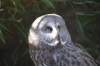
Great grey owl, Strix nebulosa

I cannot find an exact date for this species arrival, but the first record I can find is from the 2003 map – they probably arrived earlier, but the World of Wings section they have always inhabited did not have its species shown on previous maps. They have remained at the zoo since 2003 without interruption – in 2023 the male of the pair died, but the zoo announced that they planned to source a new one in the future.

upload_2024-3-1_11-55-42.png
From a fairly large collection, only a single individual owl remains at Colchester Zoo, although a second bird should be arriving in the future. However, the long-term plans for this species remain uncertain, as their aviary is due to be part of the planned orangutan enclosure.
 

Attachments

  • upload_2024-3-1_11-55-42.png
    upload_2024-3-1_11-55-42.png
    977.8 KB · Views: 91
@DesertRhino150 - just as a general wondering, you mention the International Zoo News quite a bit in the thread but have you thought about looking through the International Zoo Yearbooks if you can get access to them at a (probably University) library?

I don't know about recent copies but for at least the first several decades of the publication they used to list at the back the "rare animals" kept in zoos and also list animals bred at all the zoos in the previous year-period.
 
@DesertRhino150 - just as a general wondering, you mention the International Zoo News quite a bit in the thread but have you thought about looking through the International Zoo Yearbooks if you can get access to them at a (probably University) library?

I don't know about recent copies but for at least the first several decades of the publication they used to list at the back the "rare animals" kept in zoos and also list animals bred at all the zoos in the previous year-period.

Unfortunately, I don't have access any more to a university library where copies were available. The mentions of International Zoo Yearbook I have made so far in the thread either comes from a report from 1986 mentioned elsewhere on ZooChat or from information graciously provided by TeaLovingDave.
 
HORNBILLS

The hornbills have a surprisingly rich history at Colchester Zoo, with at least ten different species kept over the years. Some of the species are very difficult to breed successfully in captivity, which has meant that many did not persist in the collection. Today, Colchester remains a rather special place for hornbills in the UK, as all three species currently living here cannot be seen anywhere else in the country.

Past holdings:

Southern ground hornbill, Bucorvus leadbeateri

While I am sure they were around much earlier, the first confirmed record I can find is from the 1991 zoo map. Between this time and around 1994, they were kept in a small aviary in the Beginning Zone. They were kept for a mostly uninterrupted period after that – in around 2003, they were briefly kept in Edge of Africa mixed with the warthogs, before moving into an aviary on Hornbill Hill. By 2007, there were five birds – four males and a female. The latest record I can find of these birds is from 2013, when two males moved from Colchester to Linton Zoo. Another bird arrived later to appear in the bird displays, but this individual left in 2018.

Great hornbill, Buceros bicornis

I cannot find information about exactly when this species arrived at or left Colchester Zoo, the 1972 guidebook has a photograph of a great hornbill both inside the book itself and on the cover. Later on, the 1986 volume of International Zoo News shows that between January and April of that year a new aviary was constructed for the great hornbill and sometime between May and August a chick was hatched but did not survive.

Rhinoceros hornbill, Buceros rhinoceros

A pair of these birds arrived at Colchester Zoo in 2010, as part of the influx of species from the closure of the Rare Species Conservation Centre. At first, these birds lived indoors in the Rivers Edge building, but later had a purpose-built aviary made for them elsewhere in the section. The last confirmed record I can find is a sighting from a Zoochat trip report made in 2018, although the signage remained up at their aviary until 2020.

Black hornbill, Anthracoceros malayanus

According to Zootierliste, this species arrived at Colchester Zoo in around 2002. They left in 2012, when the aviaries on Hornbill Hill were demolished as part of the sun bear development.

Mindanao wrinkled hornbill, Rhabdotorrhinus leucocephalus

Zootierliste records this species arriving at Colchester Zoo in 1988, but it is not clear when they left the collection or where they lived within the zoo.

Von der Decken’s hornbill, Tockus deckeni

This species of smaller hornbill first arrived at Colchester Zoo in 2007, with a female arriving in the November of that year from Germany. She was followed by a male in January 2018 from Edinburgh Zoo. This species left Colchester Zoo in 2012, when their aviary next to Stanway Hall was demolished as part of the sun bear development.

Crowned hornbill, Lophoceros alboterminatus

The earliest record of this species that I can find is from the 2003 zoo map. They remained at the zoo for at least five years, with the last records I can find being a pair of Flickr photographs dating from 2007.

Present holdings:

Wreathed hornbill, Rhyticeros undulatus

This species arrived at Colchester Zoo in 2020, with a female arriving from Avifauna in the Netherlands on 7th July and a male coming from Artis Zoo on 14th December. They moved into the former rhinoceros hornbill aviary.

Southern rufous hornbill, Buceros mindanensis

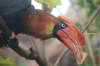
The second species of hornbill to have arrived at Colchester Zoo in 2010 from the Rare Species Conservation Centre; this solitary bird is the male of the pair. When they arrived, it was assumed that the two rufous hornbills were part of a single species. The pair currently live in the Clock of the Mountain aviary, attached to the sun bear housing and roughly on the site of the former aviary for the Von der Decken’s hornbill and several other birds.

Northern rufous hornbill, Buceros hydrocorax

As with above, this species arrived at Colchester Zoo in 2010 from the Rare Species Conservation Centre; this bird is the female of the pair.

upload_2024-3-2_11-57-59.png
Despite the challenges faced with breeding hornbills, Colchester Zoo have persevered – almost all of the zoo’s current avian treasures, including the Northern rufous hornbill, belong to this one bird family.
 

Attachments

  • upload_2024-3-2_11-57-59.png
    upload_2024-3-2_11-57-59.png
    915 KB · Views: 88
Unfortunately, I don't have access any more to a university library where copies were available. The mentions of International Zoo Yearbook I have made so far in the thread either comes from a report from 1986 mentioned elsewhere on ZooChat or from information graciously provided by TeaLovingDave.
The library of the Zoological Society of London has the full set of International Zoo Yearbooks; you would probably find it worthwhile to spend a day in the ZSL Library perusing these volumes. The Library is currently open on Tuesdays and Wednesdays and you'd need to book an appointment in advance.
 
KINGFISHERS

This group of sit-and-wait predatory birds come in many different forms, from kingfishers and motmots to bee-eaters and rollers, but only a single very common species has apparently ever been kept at Colchester Zoo. This group, like almost all the bird groups, has all but vanished with the removal of smaller aviaries from the zoo.

Past holdings:

Laughing kookaburra, Dacelo novaeguineae

Zootierliste reports that this species was recorded at Colchester Zoo in the 1995 BIAZA Bird Inventory. They remained at the zoo until at least 2003 when they were shown on the zoo map living in one of the aviaries in the Beginning Zone, roughly where the Rainforest Walkthrough is now located.
 
TOUCANS

Although they are among the most recognisable of the tropical birds, toucans have long been challenging to breed in captivity. This has not deterred Colchester in the past, who have displayed five different species of toucan at different times in their history. However, like several other bird groups, these birds have been long-absent from the collection and, while I would never say never, I would be very surprised (pleasantly so) if toucans ever returned to Colchester Zoo.

Past holdings:

Toco toucan, Ramphastos toco

The Story of Colchester Zoo records the arrival of a single toco toucan sometime between 1966 and 1968. I am not certain when it left the collection or where it lived.

Chestnut-mandibled toucan, Ramphastos ambiguus swainsonii

This species, named by the alternative name of Swainson’s toucan, is listed as being present in the zoo in the 1967 to 1968 guidebook. I do not know when it arrived at or left the collection, or whereabouts it lived.

Keel-billed toucan, Ramphastos sulfuratus

Zootierliste notes that the 1992 BIAZA Bird Inventory recorded a single female of this species at Colchester. There was a pair of these toucans for a time, with the last record coming from around 2006. These birds lived in an all-indoor display opposite the underwater viewing area for the penguins in Penguin Shores.

White-throated toucan, Ramphastos tucanus

According to Zootierliste, this species first arrived at Colchester Zoo in 1983. The 1986 International Zoo News issue recorded the construction of a new aviary (described as being for red-billed toucans) sometime between January and April of that year. The white-throated toucan left the collection in 1994. I am not certain where they lived in the zoo.

Collared aracari, Pteroglossus torquatus

Zootierliste records a single female of this species living at Colchester Zoo between 1988 to 1989. I cannot find any record of whether it went on display and, if so, where it lived.
 
TOUCANS

Although they are among the most recognisable of the tropical birds, toucans have long been challenging to breed in captivity. This has not deterred Colchester in the past, who have displayed five different species of toucan at different times in their history. However, like several other bird groups, these birds have been long-absent from the collection and, while I would never say never, I would be very surprised (pleasantly so) if toucans ever returned to Colchester Zoo.

Past holdings:

Toco toucan, Ramphastos toco

The Story of Colchester Zoo records the arrival of a single toco toucan sometime between 1966 and 1968. I am not certain when it left the collection or where it lived.

Chestnut-mandibled toucan, Ramphastos ambiguus swainsonii

This species, named by the alternative name of Swainson’s toucan, is listed as being present in the zoo in the 1967 to 1968 guidebook. I do not know when it arrived at or left the collection, or whereabouts it lived.

Keel-billed toucan, Ramphastos sulfuratus

Zootierliste notes that the 1992 BIAZA Bird Inventory recorded a single female of this species at Colchester. There was a pair of these toucans for a time, with the last record coming from around 2006. These birds lived in an all-indoor display opposite the underwater viewing area for the penguins in Penguin Shores.

White-throated toucan, Ramphastos tucanus

According to Zootierliste, this species first arrived at Colchester Zoo in 1983. The 1986 International Zoo News issue recorded the construction of a new aviary (described as being for red-billed toucans) sometime between January and April of that year. The white-throated toucan left the collection in 1994. I am not certain where they lived in the zoo.

Collared aracari, Pteroglossus torquatus

Zootierliste records a single female of this species living at Colchester Zoo between 1988 to 1989. I cannot find any record of whether it went on display and, if so, where it lived.
Looking at 1968 zoo map there are two areas where the Toucans could have been housed Bird cage walk,a series of aviaries adjacent to where the Lion and Tiger were and/or the Tropical bird house opposite the Bird cage walk across the main lawn
 
FALCONS

While they are dashing and impressive birds in the air, falcons often spend much of their time perched. So it is perhaps of little surprise that most of these birds only ever appeared in the free flight displays and, when these ended, the entire family disappeared from the collection. The only way I can see falcons returning to Colchester Zoo is if the free flight displays were ever to resume. One member of the falcon family kept at the zoo that I have been unable to identify to species comes from the 1972 guidebook, which mentions them having a caracara described as being native to Brazil. While this seems most likely to be the crested caracara, there are five species native to Brazil so I cannot be certain.

Past holdings:

Barbary falcon, Falco pelegrinoides

According to Zootierliste, this species of falcon lived at Colchester Zoo at least from 1992 to 1994.

Peregrine falcon, Falco peregrinus

I cannot find much information about this species at Colchester Zoo, although Zootierliste reports that it had left the collection by 2013. There is a photograph of one of these birds, a hand-reared female named Bella, on an archived page of the BBC Essex website.

Lanner falcon, Falco biarmicus

The 2003 map mentions this species of falcon as being part of the bird display, with the last record I can find coming from a photograph taken in 2016.

Common kestrel, Falco tinnunculus

The earliest record I have been able to find is an online photograph from 2007. The last visual record I have found is a photograph from 2016, although if the species remained at the zoo after that it would have definitely left by the end of 2019. The species only appeared in the flight display.

Merlin, Falco columbarius

The only reference I can find for this species is from the 2003 map, where this small falcon is shown as being part of the bird display. I do not know exactly when it arrived at or departed from the zoo.

Striated caracara, Phalcoboenus australis

While I do not know when this species first arrived at the zoo or where it was kept, there were individuals that left the zoo in 2006. In 2016, a female striated caracara arrived from London Zoo to be part of the bird displays. I do not know when it left the zoo, but it was definitely by 2019, when the displays were ended.
 
@DesertRhino150 I think you may have already seen this given you have mentioned a couple of times "a visit report from 2009" (which I guess is this account), but I'll link it anyway just for the interest of other readers.

It is from a 2009 issue of The Avicultural Magazine. The first article on the link is about breeding Crested Pigeons at Exmoor Zoo, the second article is about the visit to Colchester (page 7 of the pdf; page 192 of the magazine page numbers).
https://www.biodiversitylibrary.org/partpdf/314960
 
@DesertRhino150 I think you may have already seen this given you have mentioned a couple of times "a visit report from 2009" (which I guess is this account), but I'll link it anyway just for the interest of other readers.

It is from a 2009 issue of The Avicultural Magazine. The first article on the link is about breeding Crested Pigeons at Exmoor Zoo, the second article is about the visit to Colchester (page 7 of the pdf; page 192 of the magazine page numbers).
https://www.biodiversitylibrary.org/partpdf/314960
I’d forgotten about this article: I wrote it:)
 
PARROTS

No group of birds shows Colchester Zoo’s bird exodus as well as the parrots – in 2022, a review of EAZA zoos showed that the average member zoo kept ten species of parrot. Colchester currently has just one, a Least Concern bird that can only be viewed by entering an indoor walkthrough enclosure. But while the actual decline in parrots is something of a tragedy, especially for such a large zoo as Colchester, it cannot be stated enough that it is a good thing that the former Parrot Rock, an open-topped display for flight-restricted macaws perched on branches, is no longer in existence.

Past holdings:

Kea, Nestor notabilis

While I am not certain exactly when this New Zealand species arrived at Colchester Zoo, the 1997 studbook recorded them as being present in that year. They remained at the zoo until at least 2003, with the zoo map showing them in the row of aviaries in the Beginning Zone where the Rainforest Walkthrough now stands.

Salmon-crested cockatoo, Cacatua moluccensis

While I cannot find any information about when these birds arrived at Colchester Zoo, Zootierliste records three individuals at the zoo in 1992. By 2007, the EAZA studbook for this species recorded one male bird remaining. Photographs from 2016 on Flickr show this species appearing in the bird show. According to Zootierliste, this last bird moved to a private collection in 2020.

Umbrella cockatoo, Cacatua alba

There were a pair of these birds at Colchester Zoo at the end of 1992, according to Zootierliste. It is unknown when the species arrived or departed from the zoo.

Sulphur-crested cockatoo, Cacatua galerita

According to Zootierliste, there was a single bird of the greater subspecies at Colchester Zoo in 1992. It is unknown when this bird arrived, if the species had been kept previously or when they stopped being kept.

Lesser sulphur-crested cockatoo, Cacatua sulphurea

Zootierliste records this species as a former holding at Colchester, but gives no details as to when they arrived at or left the collection.

Major Mitchell’s cockatoo, Lophochroa leadbeateri

A postcard from Colchester Zoo in the 1960s shows a pair of this species of cockatoo. To be more precise, the 1967 to 1968 guidebook also mentions this species, as the Leadbeater’s cockatoo. It is not certain when exactly they arrived at or departed from the collection, or where they lived in the zoo.

Cockatiel, Nymphicus hollandicus

The 1967 to 1968 guidebook mentions this species as being present, and they were definitely still present until at least 1983. I do not know exactly when it arrived at or departed from the collection, nor do I know where in the zoo it lived.

Budgerigar, Melopsittacus undulatus

The map from 1986 lists the budgerigar as one of the species kept at the zoo. Because of the quality of the map image, I cannot identify where they were kept. I also do not know when these birds either arrived at or left the zoo.

Green-naped lorikeet, Trichoglossus haematodus (?)

This is one based on my own memory and seemingly nothing else, but I seem to recall birds described as this variety living in the row of aviaries in the Beginning Zone, where the Rainforest Walkthrough now stands, during the late 1990s or early 2000s.

Chattering lory, Lorius garrulus

I have found a photograph of this a yellow-backed chattering lory at Colchester Zoo on Flickr, dating from 2006. After that, they moved off-show and may have appeared at times in the bird displays, but they last two individuals left in 2014 for Dudley Zoo.

Ring-necked parakeet, Psittacula krameri

This species was definitely present in 1983, but there are also possible references to this species from the 1967 to 1968 guidebook and the 1972 map shows unidentified parakeets as living roughly where the squirrel monkeys are now kept. I do not know exactly when this species arrived at or left the collection.

Rosy-faced lovebird, Agapornis roseicollis

The 1967 to 1968 guidebook mentions this species of small African parrot as being present in the collection, although I do not know exactly where it lived, nor when the species arrived at or departed from the zoo.

Timneh grey parrot, Psittacus timneh

Zootierliste notes that the BIAZA Bird Inventory from 1995 recorded this species of West African parrot being kept at Colchester Zoo.

Orange-winged amazon, Amazona amazonica

While it is not certain when they arrived at or departed from Colchester Zoo, a parrot sanctuary reported receiving a pair of these birds, named Lena and Archie, from the zoo.

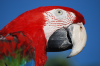
Green-winged macaw, Ara chloropterus

It is not certain when this species arrived, although Zootierliste reports that the EAZA identified two individuals at Colchester in 1992. A pair of these birds may have remained as late as around 2013 or 2014 when Parrot Rock, the zoo’s parrot-on-a-stick display, was closed down.

Scarlet macaw, Ara macao

It is not certain how long this species has been at Colchester Zoo – they are definitely listed in the 1967 to 1968 guidebook. Their last on-show enclosure, Parrot Rock, has existed since 1991. They remained in this enclosure until it closed in around 2013 or 2014. A flightless individual remained at the zoo after this, appearing in the flight display (albeit only appearing on the hand) and after the flight show ended in 2019 it was housed in an off-show aviary connected to the Sensation Station. In 2020 the zoo publicly celebrated the 34th birthday of this bird, named Robin. However, it appears that the species no longer remains at Colchester.

Blue-and-yellow macaw, Ara ararauna

While I cannot determine exactly when this species arrived, with macaws of unidentified species present at Colchester’s opening in 1963, the 1967 to 1968 guidebook confirms the presence of the blue-and-yellow species. According to the 1972 guidebook, they seem to have been based in the Pets Corner near to the ruins of All Saints Church, but are described here as free-flying birds. An EEP tag survey recorded that there were four males and three females of this species present in 1992, with pictures from that time indicating that a number lived on Parrot Rock. The last permanently on-show macaws left Parrot Rock around its closure in 2013 or 2014, but they remained on as show birds – in 2008, a pair of young macaws of this species arrived to be part of the display. The last of these macaws probably left the zoo after the flight show ended in 2019.

Hybrid macaw, Ara chloropterus x macao

For a time, Colchester Zoo kept a ruby macaw, a hybrid between the scarlet and green-winged macaw. It was displayed on Parrot Rock, until it was closed in around 2013 to 2014. After that, it remained on as a display bird – I have at least one photograph of it from 2015, but not much indication of it remaining after that.

Patagonian conure, Cyanoliseus patagonus

This species of parrot was not, to the best of my knowledge, ever kept on open display. A pair were kept for the indoor displays in the Wild Theatre, and they probably left when the theatre was closed in 2014.

Monk parakeet, Myiopsitta monachus

Again, I cannot find anything to suggest this species was ever kept on open display. They are specifically mentioned as one of the birds in the Wild Theatre in a vacancy on Zoo Jobs for a role working with the display animals. Even though Zootierliste records the species leaving in 2022, I cannot find any data to support this recent departure – the theatre closed in 2014 and the parakeet never went on-display subsequently, so I think it would have left closer to this time.

Present holdings:

Rainbow lorikeet, Trichoglossus moluccanus

The first rainbow lorikeets arrived in 2014, prior to the completion of the Australian Rainbows walkthrough enclosure, but lived in the off-show aviaries behind the walkthrough. They have always remained in this building since its opening and have bred very successfully in this space. This species can now only be viewed from the indoor walkthrough, with the off-show aviaries now hidden behind dense hedging.

upload_2024-3-5_11-58-5.png
A range of parrots are probably the most important animals now missing from Colchester Zoo, with the fairly diverse collection of yesteryear now reduced to just a single species.
 

Attachments

  • upload_2024-3-5_11-58-5.png
    upload_2024-3-5_11-58-5.png
    956 KB · Views: 70
PARROTS

No group of birds shows Colchester Zoo’s bird exodus as well as the parrots – in 2022, a review of EAZA zoos showed that the average member zoo kept ten species of parrot. Colchester currently has just one, a Least Concern bird that can only be viewed by entering an indoor walkthrough enclosure. But while the actual decline in parrots is something of a tragedy, especially for such a large zoo as Colchester, it cannot be stated enough that it is a good thing that the former Parrot Rock, an open-topped display for flight-restricted macaws perched on branches, is no longer in existence.

Past holdings:

Kea, Nestor notabilis

While I am not certain exactly when this New Zealand species arrived at Colchester Zoo, the 1997 studbook recorded them as being present in that year. They remained at the zoo until at least 2003, with the zoo map showing them in the row of aviaries in the Beginning Zone where the Rainforest Walkthrough now stands.

Salmon-crested cockatoo, Cacatua moluccensis

While I cannot find any information about when these birds arrived at Colchester Zoo, Zootierliste records three individuals at the zoo in 1992. By 2007, the EAZA studbook for this species recorded one male bird remaining. Photographs from 2016 on Flickr show this species appearing in the bird show. According to Zootierliste, this last bird moved to a private collection in 2020.

Umbrella cockatoo, Cacatua alba

There were a pair of these birds at Colchester Zoo at the end of 1992, according to Zootierliste. It is unknown when the species arrived or departed from the zoo.

Sulphur-crested cockatoo, Cacatua galerita

According to Zootierliste, there was a single bird of the greater subspecies at Colchester Zoo in 1992. It is unknown when this bird arrived, if the species had been kept previously or when they stopped being kept.

Lesser sulphur-crested cockatoo, Cacatua sulphurea

Zootierliste records this species as a former holding at Colchester, but gives no details as to when they arrived at or left the collection.

Major Mitchell’s cockatoo, Lophochroa leadbeateri

A postcard from Colchester Zoo in the 1960s shows a pair of this species of cockatoo. To be more precise, the 1967 to 1968 guidebook also mentions this species, as the Leadbeater’s cockatoo. It is not certain when exactly they arrived at or departed from the collection, or where they lived in the zoo.

Cockatiel, Nymphicus hollandicus

The 1967 to 1968 guidebook mentions this species as being present, and they were definitely still present until at least 1983. I do not know exactly when it arrived at or departed from the collection, nor do I know where in the zoo it lived.

Budgerigar, Melopsittacus undulatus

The map from 1986 lists the budgerigar as one of the species kept at the zoo. Because of the quality of the map image, I cannot identify where they were kept. I also do not know when these birds either arrived at or left the zoo.

Green-naped lorikeet, Trichoglossus haematodus (?)

This is one based on my own memory and seemingly nothing else, but I seem to recall birds described as this variety living in the row of aviaries in the Beginning Zone, where the Rainforest Walkthrough now stands, during the late 1990s or early 2000s.

Chattering lory, Lorius garrulus

I have found a photograph of this a yellow-backed chattering lory at Colchester Zoo on Flickr, dating from 2006. After that, they moved off-show and may have appeared at times in the bird displays, but they last two individuals left in 2014 for Dudley Zoo.

Ring-necked parakeet, Psittacula krameri

This species was definitely present in 1983, but there are also possible references to this species from the 1967 to 1968 guidebook and the 1972 map shows unidentified parakeets as living roughly where the squirrel monkeys are now kept. I do not know exactly when this species arrived at or left the collection.

Rosy-faced lovebird, Agapornis roseicollis

The 1967 to 1968 guidebook mentions this species of small African parrot as being present in the collection, although I do not know exactly where it lived, nor when the species arrived at or departed from the zoo.

Timneh grey parrot, Psittacus timneh

Zootierliste notes that the BIAZA Bird Inventory from 1995 recorded this species of West African parrot being kept at Colchester Zoo.

Orange-winged amazon, Amazona amazonica

While it is not certain when they arrived at or departed from Colchester Zoo, a parrot sanctuary reported receiving a pair of these birds, named Lena and Archie, from the zoo.

Green-winged macaw, Ara chloropterus

It is not certain when this species arrived, although Zootierliste reports that the EAZA identified two individuals at Colchester in 1992. A pair of these birds may have remained as late as around 2013 or 2014 when Parrot Rock, the zoo’s parrot-on-a-stick display, was closed down.

Scarlet macaw, Ara macao

It is not certain how long this species has been at Colchester Zoo – they are definitely listed in the 1967 to 1968 guidebook. Their last on-show enclosure, Parrot Rock, has existed since 1991. They remained in this enclosure until it closed in around 2013 or 2014. A flightless individual remained at the zoo after this, appearing in the flight display (albeit only appearing on the hand) and after the flight show ended in 2019 it was housed in an off-show aviary connected to the Sensation Station. In 2020 the zoo publicly celebrated the 34th birthday of this bird, named Robin. However, it appears that the species no longer remains at Colchester.

Blue-and-yellow macaw, Ara ararauna

While I cannot determine exactly when this species arrived, with macaws of unidentified species present at Colchester’s opening in 1963, the 1967 to 1968 guidebook confirms the presence of the blue-and-yellow species. According to the 1972 guidebook, they seem to have been based in the Pets Corner near to the ruins of All Saints Church, but are described here as free-flying birds. An EEP tag survey recorded that there were four males and three females of this species present in 1992, with pictures from that time indicating that a number lived on Parrot Rock. The last permanently on-show macaws left Parrot Rock around its closure in 2013 or 2014, but they remained on as show birds – in 2008, a pair of young macaws of this species arrived to be part of the display. The last of these macaws probably left the zoo after the flight show ended in 2019.

Hybrid macaw, Ara chloropterus x macao

For a time, Colchester Zoo kept a ruby macaw, a hybrid between the scarlet and green-winged macaw. It was displayed on Parrot Rock, until it was closed in around 2013 to 2014. After that, it remained on as a display bird – I have at least one photograph of it from 2015, but not much indication of it remaining after that.

Patagonian conure, Cyanoliseus patagonus

This species of parrot was not, to the best of my knowledge, ever kept on open display. A pair were kept for the indoor displays in the Wild Theatre, and they probably left when the theatre was closed in 2014.

Monk parakeet, Myiopsitta monachus

Again, I cannot find anything to suggest this species was ever kept on open display. They are specifically mentioned as one of the birds in the Wild Theatre in a vacancy on Zoo Jobs for a role working with the display animals. Even though Zootierliste records the species leaving in 2022, I cannot find any data to support this recent departure – the theatre closed in 2014 and the parakeet never went on-display subsequently, so I think it would have left closer to this time.

Present holdings:

Rainbow lorikeet, Trichoglossus moluccanus

The first rainbow lorikeets arrived in 2014, prior to the completion of the Australian Rainbows walkthrough enclosure, but lived in the off-show aviaries behind the walkthrough. They have always remained in this building since its opening and have bred very successfully in this space. This species can now only be viewed from the indoor walkthrough, with the off-show aviaries now hidden behind dense hedging.

View attachment 689372
A range of parrots are probably the most important animals now missing from Colchester Zoo, with the fairly diverse collection of yesteryear now reduced to just a single species.
I am amazed as to how much the zoo has allowed its bird collection to shrink
 
PASSERINES

Recording the perching bird species kept at Colchester Zoo is challenging because of the very sparse records of exactly what was kept. Colchester has, in the past, had a Tropical Bird House and a large number of aviaries, but the species within have not been frequently listed, at least in places I have found. Sometimes the name of a bird is not sufficient to determine its identity – the 1967 to 1968 guidebook mentions orange weavers, which I have found can be used for either the orange weaverbird or Northern red bishop. The 1972 guidebook mentions small tropical birds, while a 1986 map mentions finches on the species list. Currently this group, which represents around sixty percent of all living birds, has only one species currently kept at Colchester.

Past holdings:

Chestnut-capped babbler, Timalia pileata

According to Zootierliste, a single individual of this species was kept in 2012 on a short-term basis; it was the last individual of this species kept in a European zoo. I am unsure if it ever went on-display.

Purple-throated fruitcrow, Querula purpurata

Again, Zootierliste reports that a single individual of this species was kept in 2012 on a temporary basis on behalf of Wuppertal Zoo, and remained off-show during this time.

Violaceous jay, Cyanocorax violaceus

This species was kept at the zoo during 1986, according to Zootierliste, but it is not certain when they arrived at or departed from Colchester Zoo.

Blue jay, Cyanocitta cristata

The zoo map from 1972 mentions this North American species, in an aviary roughly where the zoo’s bandstand outside the Worlds Apart building is now located.

Red-billed blue magpie, Urocissa erythroryncha

International Zoo News reports that, sometime between September and December 1986, a pair of red-billed blue magpies arrived at Colchester Zoo. The species remained at the zoo until 2010. They lived in several aviaries over that time, including one in the Beginning Zone, mixed with the black hornbills on Hornbill Hill and, lastly, in one of the indoor areas in the Rainforest Walkthrough.

Common green magpie, Cissa chinensis

The 1967 to 1968 guidebook records this species, under the alternative name of hunting cissa, as being present at Colchester. I do not know when the species arrived from or left the collection, nor do I know where it lived in the zoo.

Common raven, Corvus corax

Ravens have been kept multiple times at Colchester Zoo – they are listed on a 1986 map of the zoo, while in 1987 a raven was one the only animal that was directly killed in the great storm of that year. A pair was later kept in the flight show, with the first record from 2013 until the species left in April or May 2019.

Common hill myna, Gracula religiosa

The hill myna is specifically mentioned in the 1967 to 1968 guidebook, while the later 1972 guidebook makes reference to ‘talking myna birds’ that presumably are the same species. I do not know exactly when they arrived at or left the collection, nor do I know where they were kept.

Montserrat oriole, Icterus oberi

This species lived at the zoo between 2006 and 2013. They originally lived in the indoor aviary opposite the Penguin Shores underwater viewing area, but briefly also lived in one of the indoor areas of the Rainforest Walkthrough. They never bred during their time at Colchester.

Red-crested cardinal, Paroaria coronata

The 1967 to 1968 guidebook mentions this species being kept in the collection. I do not know exactly where it lived or when it either arrived at or departed from the zoo.

Vermilion cardinal, Cardinalis phoeniceus

The Story of Colchester Zoo notes that a singleton of this species arrived at Colchester Zoo in 1970. It is not certain where it lived or how long it was at the zoo.

White-eye, Zosterops sp.

In the 1986 edition of IZN, it was reported that two pairs of an unidentified Asian white-eye species arrived at Colchester Zoo sometime between September and December of that year, following a customs seizure. It is not known how long the birds remained at the zoo for, or where they were kept.

White-crested laughingthrush, Garrulax leucolophus

While it is not known exactly when the species arrived at or left Colchester Zoo, they were definitely present during the 1960s.

Java sparrow, Lonchura oryzivora

This species is listed as being present at the zoo in the 1967 to 1968 guidebook, although I do not know when they arrived or left the collection, nor where they were kept.

Zebra finch, Taeniopygia castanotis

This is another species mentioned in the 1967 to 1968 guidebook, and again I do not know where it was kept in the zoo.

Domestic canary, Serinus canaria

The 1967 to 1968 guidebook mentions this domestic bird being kept at the collection, although I do not know when it either arrived or left the zoo, nor where it was kept.

Present holdings:

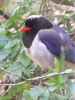
Village weaverbird, Ploceus cucullatus

This species first arrived sometime around 2004, replacing the savannah monitors as the exhibit-mates of the leopard tortoises in the all-indoor display in Kingdom of the Wild. They have remained and continue to freely breed to this day, with eighteen males and forty-three females present in January 2023. If Zootierliste is accurate, then the birds kept here are the sole representatives of the Ugandan bohndorffi subspecies in a European zoo.

upload_2024-3-6_12-1-15.png
Roz The beautiful range of plumage and song of the passerines has now all but vanished from Colchester Zoo.
 

Attachments

  • upload_2024-3-6_12-1-15.png
    upload_2024-3-6_12-1-15.png
    743 KB · Views: 71
PASSERINES

Recording the perching bird species kept at Colchester Zoo is challenging because of the very sparse records of exactly what was kept. Colchester has, in the past, had a Tropical Bird House and a large number of aviaries, but the species within have not been frequently listed, at least in places I have found. Sometimes the name of a bird is not sufficient to determine its identity – the 1967 to 1968 guidebook mentions orange weavers, which I have found can be used for either the orange weaverbird or Northern red bishop. The 1972 guidebook mentions small tropical birds, while a 1986 map mentions finches on the species list. Currently this group, which represents around sixty percent of all living birds, has only one species currently kept at Colchester.

Past holdings:

Chestnut-capped babbler, Timalia pileata

According to Zootierliste, a single individual of this species was kept in 2012 on a short-term basis; it was the last individual of this species kept in a European zoo. I am unsure if it ever went on-display.

Purple-throated fruitcrow, Querula purpurata

Again, Zootierliste reports that a single individual of this species was kept in 2012 on a temporary basis on behalf of Wuppertal Zoo, and remained off-show during this time.

Violaceous jay, Cyanocorax violaceus

This species was kept at the zoo during 1986, according to Zootierliste, but it is not certain when they arrived at or departed from Colchester Zoo.

Blue jay, Cyanocitta cristata

The zoo map from 1972 mentions this North American species, in an aviary roughly where the zoo’s bandstand outside the Worlds Apart building is now located.

Red-billed blue magpie, Urocissa erythroryncha

International Zoo News reports that, sometime between September and December 1986, a pair of red-billed blue magpies arrived at Colchester Zoo. The species remained at the zoo until 2010. They lived in several aviaries over that time, including one in the Beginning Zone, mixed with the black hornbills on Hornbill Hill and, lastly, in one of the indoor areas in the Rainforest Walkthrough.

Common green magpie, Cissa chinensis

The 1967 to 1968 guidebook records this species, under the alternative name of hunting cissa, as being present at Colchester. I do not know when the species arrived from or left the collection, nor do I know where it lived in the zoo.

Common raven, Corvus corax

Ravens have been kept multiple times at Colchester Zoo – they are listed on a 1986 map of the zoo, while in 1987 a raven was one the only animal that was directly killed in the great storm of that year. A pair was later kept in the flight show, with the first record from 2013 until the species left in April or May 2019.

Common hill myna, Gracula religiosa

The hill myna is specifically mentioned in the 1967 to 1968 guidebook, while the later 1972 guidebook makes reference to ‘talking myna birds’ that presumably are the same species. I do not know exactly when they arrived at or left the collection, nor do I know where they were kept.

Montserrat oriole, Icterus oberi

This species lived at the zoo between 2006 and 2013. They originally lived in the indoor aviary opposite the Penguin Shores underwater viewing area, but briefly also lived in one of the indoor areas of the Rainforest Walkthrough. They never bred during their time at Colchester.

Red-crested cardinal, Paroaria coronata

The 1967 to 1968 guidebook mentions this species being kept in the collection. I do not know exactly where it lived or when it either arrived at or departed from the zoo.

Vermilion cardinal, Cardinalis phoeniceus

The Story of Colchester Zoo notes that a singleton of this species arrived at Colchester Zoo in 1970. It is not certain where it lived or how long it was at the zoo.

White-eye, Zosterops sp.

In the 1986 edition of IZN, it was reported that two pairs of an unidentified Asian white-eye species arrived at Colchester Zoo sometime between September and December of that year, following a customs seizure. It is not known how long the birds remained at the zoo for, or where they were kept.

White-crested laughingthrush, Garrulax leucolophus

While it is not known exactly when the species arrived at or left Colchester Zoo, they were definitely present during the 1960s.

Java sparrow, Lonchura oryzivora

This species is listed as being present at the zoo in the 1967 to 1968 guidebook, although I do not know when they arrived or left the collection, nor where they were kept.

Zebra finch, Taeniopygia castanotis

This is another species mentioned in the 1967 to 1968 guidebook, and again I do not know where it was kept in the zoo.

Domestic canary, Serinus canaria

The 1967 to 1968 guidebook mentions this domestic bird being kept at the collection, although I do not know when it either arrived or left the zoo, nor where it was kept.

Present holdings:

Village weaverbird, Ploceus cucullatus

This species first arrived sometime around 2004, replacing the savannah monitors as the exhibit-mates of the leopard tortoises in the all-indoor display in Kingdom of the Wild. They have remained and continue to freely breed to this day, with eighteen males and forty-three females present in January 2023. If Zootierliste is accurate, then the birds kept here are the sole representatives of the Ugandan bohndorffi subspecies in a European zoo.

View attachment 689636
Roz The beautiful range of plumage and song of the passerines has now all but vanished from Colchester Zoo.
Again with this current list of past birds, I would guess that they were housed either in bird cage walk or the Tropical bird house. I still don't understand why the bird collection is so poor
 
Again with this current list of past birds, I would guess that they were housed either in bird cage walk or the Tropical bird house. I still don't understand why the bird collection is so poor

I really don't know why Colchester didn't take on more of the birds from Raymond Sawyer's collection when he passed away - I believe all his animals had their ownership passed to the zoo, but they only kept the koi, the giant tortoises and a small number of cranes and flamingos. Just looking through a small handful of pictures taken at the private collection in 2011 (the year before Raymond Sawyer died) shows some really choice birds - scarlet-headed blackbird, purple honeycreeper, spangled cotinga and European bee-eater just for starters. I definitely feel that a walkthrough bird house would have made a much finer memorial to an aviculturist than the koi house.

It's also a shame that several of the bird enclosures have stood empty for quite a time or just been left - the old Parrot Rock, if netted over, could be a fine aviary for a medium-small bird. And the scarlet ibis aviary was basically abandoned until the hyraxes moved in; again, that could have been excellent for a couple of larger birds, or several species of smaller ones.
 
It's also a shame that several of the bird enclosures have stood empty for quite a time or just been left - the old Parrot Rock, if netted over, could be a fine aviary for a medium-small bird. And the scarlet ibis aviary was basically abandoned until the hyraxes moved in; again, that could have been excellent for a couple of larger birds, or several species of smaller ones.
Do you have any photos of Parrot Rock? I am aware it is near the entrance but don't remember seeing it in action so would be nice to what it it/was like and might help me recognise at least the rock itself.
 
Back
Top