Currumbin Wildlife Sanctuary Currumbin Wildlife Sanctuary News

I visited Currumbin today and thought I’d share some interesting points.

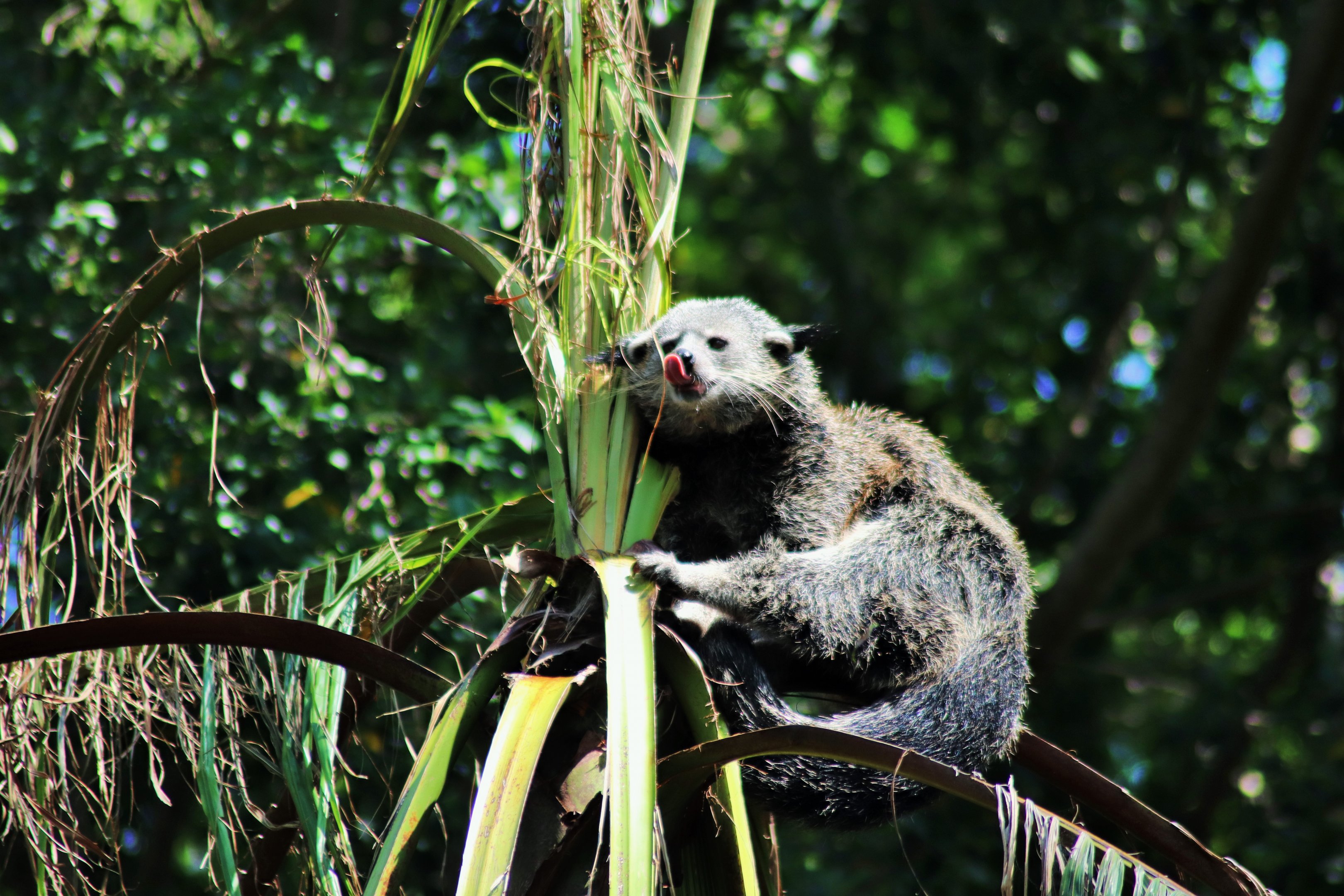
- I was surprised to see that Currumbin now has a binturong on display (I couldn’t find a keeper to ask, so I assume it came from Perth?). It had a wonderful enclosure which is viewed from the boardwalk (the enclosure previously had Goodfellow’s tree kangaroo).

-The ‘Wild Skies’ Free Flight Bird Show is excellent and very informative. The following species were featured in the show today: Black Kite, Australian Magpie, Australian Pelican, Crested Tern, Yellow-tailed Black Cockatoo, Red-tailed Black Cockatoo, a Chicken, Bush Stone Curlew, Golden Brush-tail Possum (came out briefly for a few seconds- first time seeing them:)), Barking Owl, Wedge-tailed Eagle, Green-winged Macaw, Long-billed Corella, Major Mitchell Cockatoo, Galah and King Parrot.

-The water rat enclosure in the nocturnal house is now an empty with pieces of rubbish. Labelled, as the ‘The Plastic Monster’ it aims to educate people about littering. To be honest, it seemed like a waste of space. Also, there was no sign of the Yellow-bellied Glider and there was no signage present for them anymore. The rest of the ground floor nocturnal zone remains the same (Spinifex Hopping Mouse, Feathertail Glider- absolute highlight, Cane Toad, Centralian Knob-tailed Gecko, Squirrel Glider/Long-nosed Potoroo).

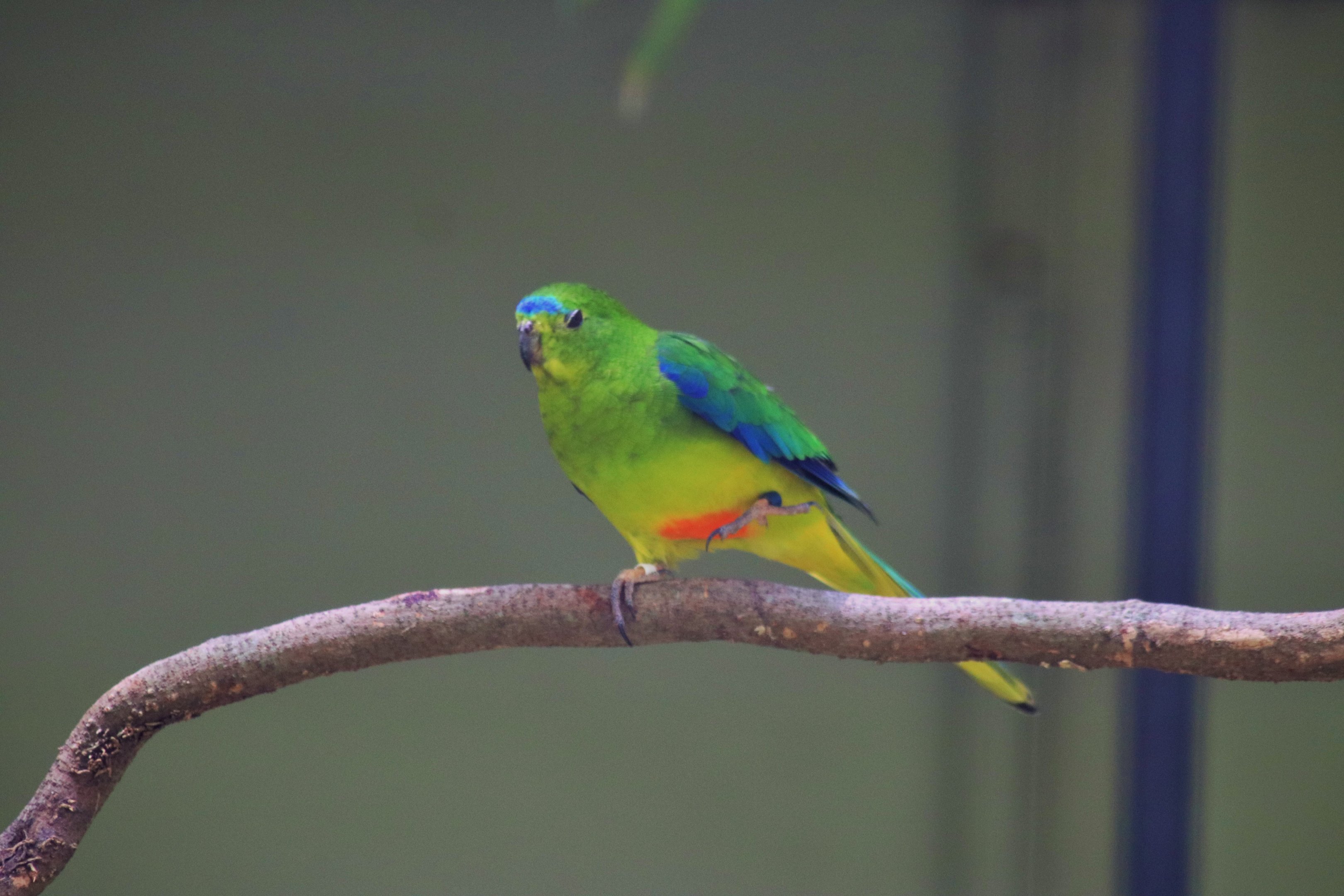
-I didn’t see as many bird species as usual, however Currumbin maintains an excellent collection of pigeons/doves, parrots and softbills. There was no sign of the Chiming Wedgebill or Orange-bellied Parrot in the conservation aviaries. The Forest Fringe Aviary and Lost Valley Walk-through Aviary were very lush and well-vegetated with many birds breeding.
 
Last edited:
I visited Currumbin today and thought I’d share some interesting points.

There was no sign of the Chiming Wedgebill or Orange-bellied Parrot in the conservation aviaries.

The OBP's will have only arrived this week so presumably are still in quarantine (normally 30 days).
 
A few bits and pieces from my visit to Currumbin yesterday:
-Currumbin’s pair of Goodfellow’s Tree Kangaroo have been introduced for breeding. They were in close proximity to each other and had access to both enclosures via a small door. Fingers crossed for a joey!
-The Orange-bellied Parrots (I saw two) are now on-display in the second aviary in the row of Conservation Aviaries. They shared their enclosure with Black-breasted Button Quail, Eastern Whipbird, Hooded Robin and a large flock of Chestnut-breasted Mannikins.


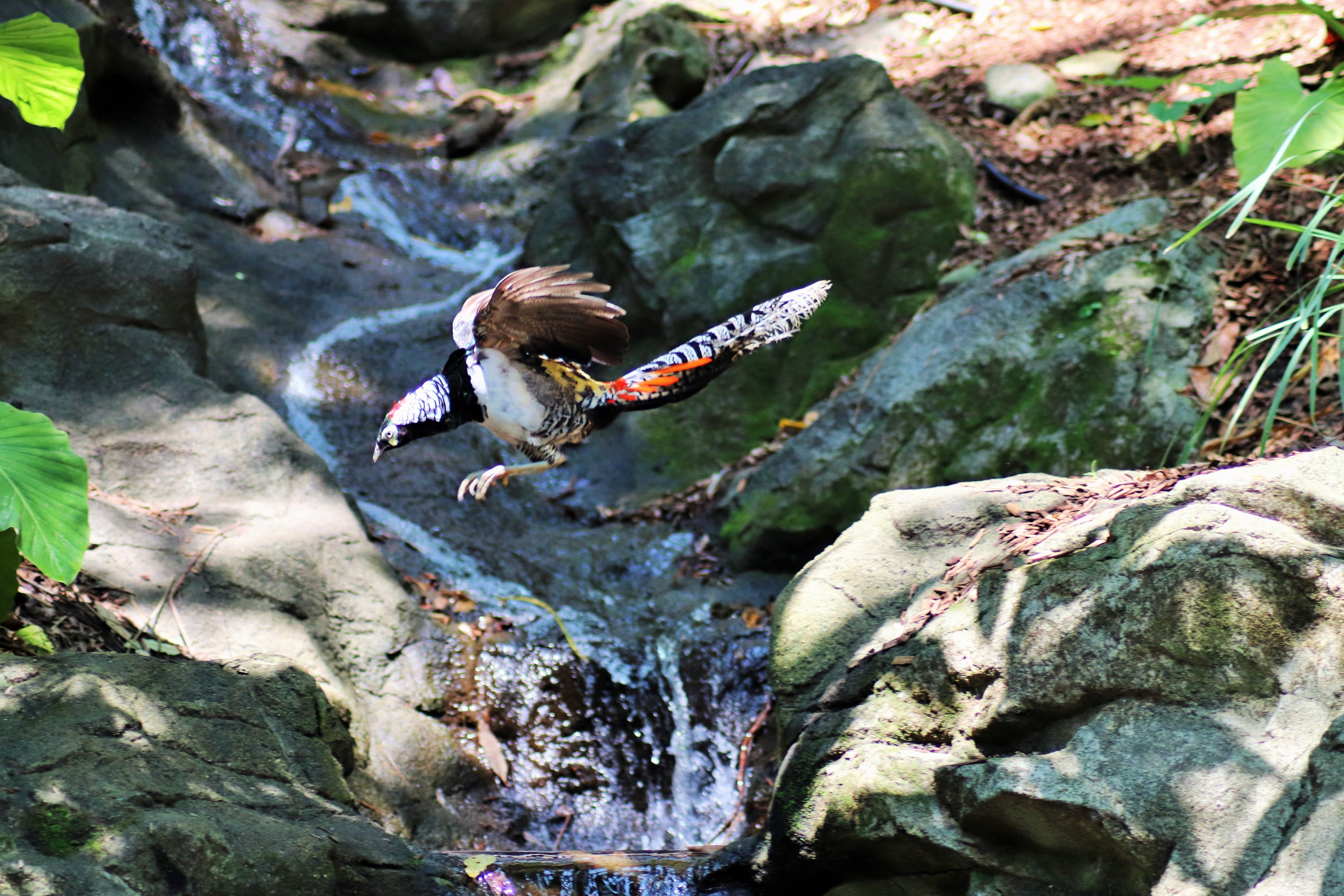
-There are now two Blue and Gold Macaws in the main aviary in the Lost Valley precinct. They were very active birds (one even tried to bite a child’s shoe). Volunteers closely supervised the birds and ensured visitors kept one metre away from them (and the lemurs). Speaking of lemurs, it was the first time I saw all the Ring-tailed Lemurs out and about in the main aviary. Also, there were now Brown Cuckoo Doves in the Lost Valley Aviary (I would love to see some fruit doves move into this aviary). I also saw both species of pheasant and the Eclectus Parrot in the aviary after some thorough searching.


-Both Red Pandas were very active on my visit. The Binturong managed to get to the top of a palm tree (note the tree had a tree guard to prevent the animal from climbing it). She remained there for the duration of my visit.


-The Frill-necked Lizard enclosure (located in the Blinky Bill area) was under renovation. I also saw their Queensland Lungfish for the first time in their enclosure in this area.
 
Currumbin Wildlife Sanctuary will reopen on 26th June. Quote from Facebook:
WE ARE RE-OPENING!

We are so excited to announce the re-opening of Currumbin Wildlife Sanctuary to everyone on 26 June 2020.

Situated directly across from the iconic Currumbin Beach on the Gold Coast, our lush 27-hectare outdoor Sanctuary provides an open-air safe haven for humans and animals alike!

We look forward to welcoming you to our Sanctuary, and will do so in a responsible and controlled way within the guidelines of our COVIDSafe Plan and following advice provided by the Queensland Government.

The safety of our guests, staff, volunteers, members, and wildlife in our care is our main priority.

A visit to the Sanctuary will feel a little different during this time, as we introduce new protocols and procedures to ensure that members and guests continue to enjoy a safe outdoor environment.

Please stay tuned for further updates and information on how to schedule your visit.

We can’t wait to welcome you back and look forward to seeing you soon.

☀️
Currumbin Wildlife Sanctuary
 
Like clockwork, Currumbin's pair of Glossy Black Cockatoos have produced a female chick. This is Currumbin's sixth Glossy Black Cockatoo chick that has been hatched at the park. From their Facebook page:
It’s a girl! Introducing our latest arrival – a Glossy Black-Cockatoo chick! This cutie is the 6th chick that we have bred here at Currumbin Wildlife Sanctuary as part of our Glossy Black-Cockatoo Conservation Program!

We need your help choosing a name for her?! Black cockatoos play an important role in the indigenous culture so with the help of our indigenous officer here at Currumbin Wildlife Sanctuary, we have come up with 4 meaningful names listed below.

Comment which name you like the most below!
Kirra (to live)
Alinta (flame or fire)
☺️ Junee (speak to me)
️ Karie (traveller)

We will randomly select a winner from the comments below and that person will receive two general admission tickets to have the opportunity to visit Currumbin Wildlife Sanctuary for a day and meet one of our Glossy Black-Cockatoos! Competition ends on the 19 July 2020 at 5:00pm.

Unfortunately these guys are currently listed on IUCN red list as vulnerable in Queensland and Endangered in South Australia with the small population of less than 300 individuals restricted to Kangaroo island which was recently affected by the devastating bushfires earlier this year, so the birth of this beautiful chick is a fantastic achievement by our bird staff.

With their future at risk, this is a major accomplishment and without the dedication from our staff and the ongoing support we receive from the public this would not be made possible! You can help by reporting any sightings of wild Glossy black-Cockatoos to the glossy black conservancy website at this this link https://glossyblack.org.au/

Terms and Conditions of the competition can be viewed here >> https://currumbinsanctuary.com.au/Competition

106279182_703813510189893_3034401916474346927_n.jpg
Currumbin Wildlife Sanctuary

Source: Currumbin Wildlife Sanctuary's Facebook page
 
Last edited:
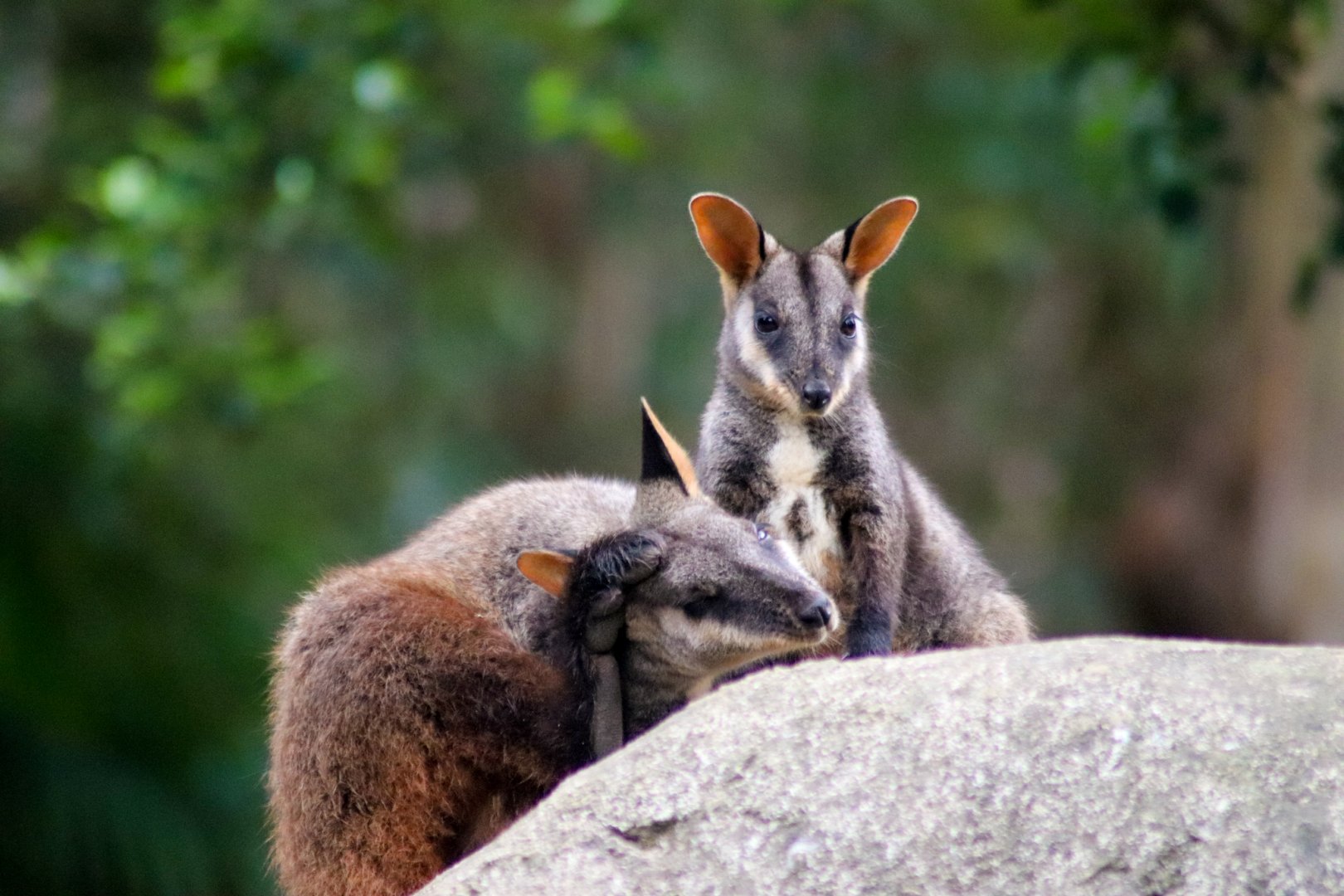
Currumbin Wildlife Sanctuary has announced the birth of a Brush-tailed Rock Wallaby! The joey is just starting to emerge from its mother’s pouch. These rock wallabies are usually very easy to spot in the wallaby walkthrough enclosure. From their Facebook page:
DID SOMEONE SAY JOEY?!?! Watch to be overloaded with CUTENESS! ⚠️ Warning – cuteness overload ahead!! ⚠️

It’s a...Joey!!! Say hello to our latest arrival, a Brush-tailed Rock-wallaby joey!

This little cutie is the latest precious bundle to arrive at Currumbin Wildlife Sanctuary and our keepers are over the moon! They are dedicated to the conservation of the species that is currently listed as vulnerable and work hard to breed and release them back to the wild for future generations to enjoy.

It’s too early to confirm the sex on the tiny joey, but let us know if you think it is a boy or a girl!
Comment your thoughts below and be sure to keep following us for more information on the joey as it grows and prepares to leave it’s Mumma’s pouch!

If you would like to help us continue our vital conservation works please CLICK HERE to donate >> Brush-tailed Rock-wallaby Conservation :: Currumbin Wildlife Sanctuary
Currumbin Wildlife Sanctuary
 
Fantastic news! Currumbin Wildlife Sanctuary have successfully bred the critically endangered Kroombit Tinkerfrog (Taudactylus pleione). This is the first time this species has ever bred in captivity.
INCREDIBLE NEWS!
1f389.png
1f438.png
Currumbin Wildlife Sanctuary have successfully bred the highly endangered Kroombit Tinkerfrog in captivity for the first time!
1f438.png

Since 2018, our staff at have been working in collaboration with Queensland Park and Wildlife Service on breeding the critically endangered Kroombit Tinkerfrog in captivity.
In early 2020, Kroombit Tinkerfrogs housed at our Amphibian Conservation and Research Facility bred successfully in captivity for the first time. In the past few weeks, we have witnessed the first of the tadpoles from this breeding event transform into a tiny froglet, making history for the species.
The Kroombit Tinkerfrog is a highly endangered species restricted to a handful of narrow rainforest gullies within Kroombit Tops National Park, 80 km south-west of Gladstone. Despite many years searching, the spawn and tadpoles of this highly cryptic species have never been found. The successful breeding of animals at Currumbin Wildlife Sanctuary has therefore allowed us to observe eggs and tadpoles of the Kroombit Tinkerfrog for the first time!
Currumbin Wildlife Sanctuary and Queensland Parks and Wildlife Services intend to continue breeding and raising Kroombit Tinkerfrogs for release to the wild, where numbers of this species are now critically low. Captive breeding of Kroombit Tinkerfrogs is one of a number of actions being undertaken to help save this unique and ancient species from extinction
270b.png

Source: 9 News Gold Coast
 
Last edited:
Currumbin's Conservation Plan 2019-2025
I recently found some of Currumbin’s future plans on their website and it provides a relatively detailed outline of the park future ambitions (which have presumably since been impacted/delayed by COVID). Here are some of their key goals:

*upgrade their echidna facility with cameras, video/audio recording equipment and data storage [cost: $500,000] and support a long-beaked echidna project in Papua New Guinea in the long term [cost: $100 000 to $1 000 000]. Interestingly, last year Currumbin housed a total of 25 echidnas and have bred 19 puggles.

*acquire a younger breeding pair of Southern Cassowary and construct a third cassowary enclosure to house three individuals [cost: $30 000]

*build a multi-species avian facility including incubation and hand-rearing rooms to increase their number of bird species. This new area would allow visitors to see the incubation room and access “visitor walk throughs, appropriate interpretation and creative habitat design.” It is intended to combine the space taken up by the conservation and rainforest aviaries. [cost: $750 000]

*expand their Bilby facilities with the construction of new off-display enclosure and nocturnal display facilities [cost: $200 000]. A similar goal for Tasmanian Devils with the construction of new facilities to accommodate more devils for breeding and improved visitor viewing opportunities; “this facility would feature an enclosed air-conditioned walkthrough for visitors to see inside the Tasmanian Devils lairs along with creative interpretation.” [cost: $300 000]

*enclosure modifications to appropriately house a female Red Panda to be paired with their male [cost: $3 000]. Note: Currumbin received another male last year rather than a female so I assume this goal has since changed or will be completed at a later date.

*pair one of their male Cotton-top Tamarins with a female and establish a breeding facility for this species [$200 000]

For full document see here: https://currumbinsanctuary.com.au/a.../5807/JN00131_CWS_ConservationPlan_online.pdf
 
Fantastic news! Currumbin Wildlife Sanctuary have successfully bred the critically endangered Kroombit Tinkerfrog (Taudactylus pleione). This is the first time this species has ever bred in captivity.


Source: 9 News Gold Coast


Another intresting article about the breeding and history of this species at Currumbin :) :

There are only about 200 left, so breeding this tinker frog in captivity is a 'huge success'
 
Currumbin have created a new animal show called Aussie Scales and Tails. The show has reptiles, a dingo and a possum (either their Golden Brushtail Possum or Short-eared Brushtail Possum). I will have to check it out on my next visit.

Link: Aussie Scales & Tails | Currumbin Wildlife Sanctuary
Check out our new show Aussie Scales and Tails.

Get up close to reclusive and nocturnal animals and learn about the importance of conservation and preservation of the habitats they rely on and how they adapt to their environment and threats to their species.

Meet Marrock the dingo, lizards, pythons, a venomous snake and even a possum!
 
Last edited:
Visit to Currumbin Wildlife Sanctuary - 8/12/2020:

I visited Currumbin today after almost a year since my last visit. Here are a few interesting things I noticed:

*in the Forest Fringe Aviary near the front of the park, there is now a Wompoo Fruit Dove on-display which means there are now three aviaries across the zoo that house this magnificent species. The kingfishers were busily attending to their nestbox throughout my visit and the stilts were guarding their nest. The keepers have fenced off a portion of the walkthrough aviary so that visitors don't get too close.


*the row of Conservation Aviaries was a bit sparse in terms of bird species compared to previous visits but the overall diversity is still solid. The fifth aviary along the path has been boarded up for quite a while now - not sure what the plans are for it. The Superb Fairywren and Musk Lorikeets have moved from the aviaries near the hospital to this area since my last visit. The signage for the Black-breasted Button Quail has been taken down and there was no sign of it. Also, the pitta and the pair of Regent Bowerbirds have moved to other aviaries around the park.

*the Black-necked Stork enclosure opposite the wildlife hospital was closed for renovations. The pond has been drained and there were signs of recent construction. I wonder if they have plans to replace them or it’s an exhibit upgrade for them.

*the Frill-necked Lizards are now mixed with the Jungle Carpet Python in the indoor area right before the nocturnal zone. Their former enclosure stands empty. A pair of alligators have replaced the Freshwater Crocodile near this area as well.

*their most recent Brush-tailed Rock Wallaby joey was out and about in the walkthrough enclosure.


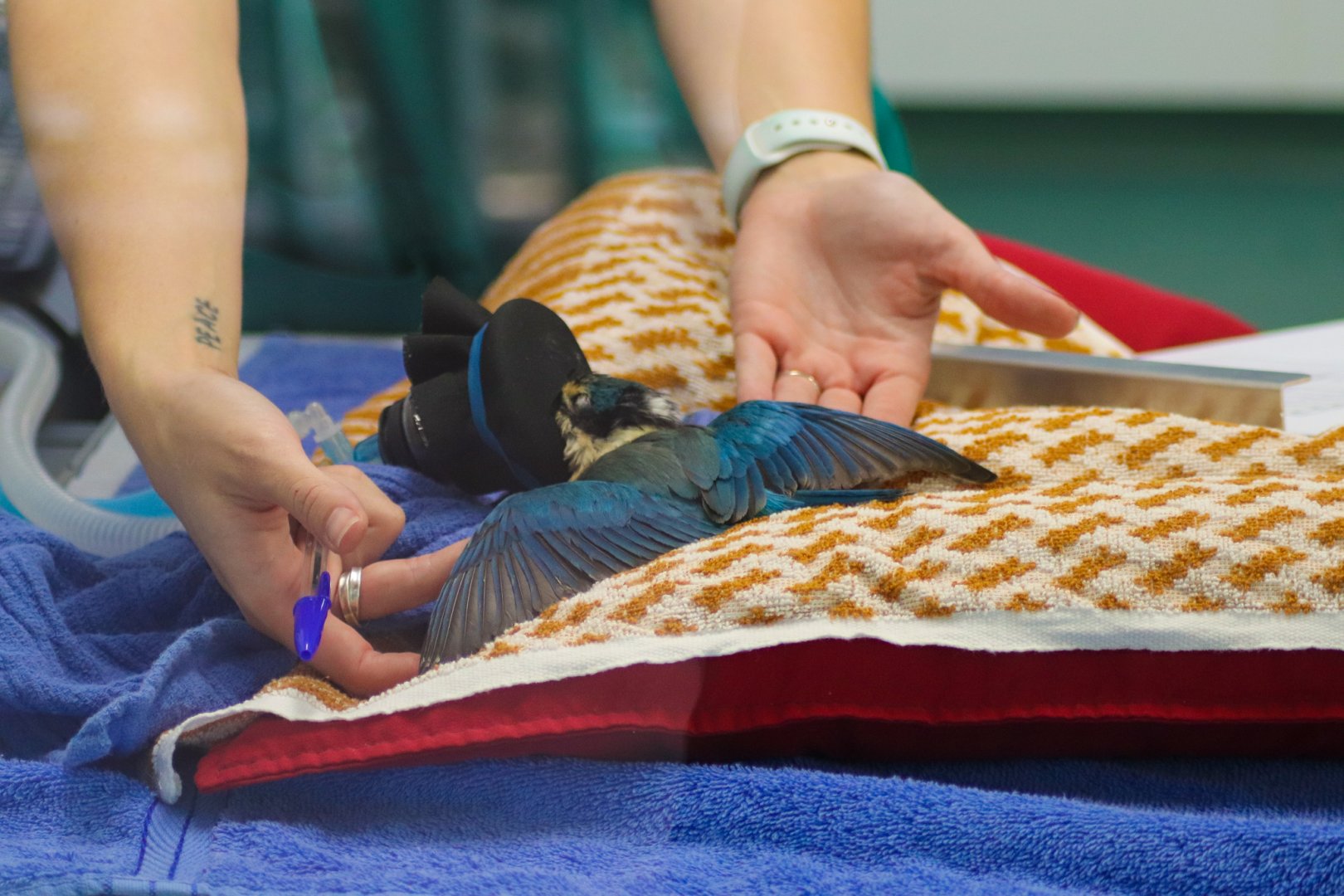
*the wildlife hospital was busier than ever – teams of vets and nurses were treating a Brisbane River Turtle, a Sacred Kingfisher and a small furry mammal that I have emailed them about to find out what it was. I only saw its furry body slightly moving, waking up from the anaesthetic.


More photos of today's visit: Currumbin Wildlife Sanctuary - ZooChat
 
I seem to have missed an update (Dec 2020) Currumbin released about their Eastern Bristlebirds (Dasyornis brachypterus). They are the only zoo to currently house a captive breeding population of this species and a few of their recent young are shown in the video below:
Currumbin Wildlife Sanctuary has also been working to save the northern population of Eastern bristlebird, with numbers less than 40 in the wild. We hold the only captive breeding population in Australia. Every chick is a precious step closer to attaining our goal of breeding enough offspring to release back to the wild and bolster ailing wild populations. Keepers have to lend a hand with the rearing of chicks when female birds are inexperienced. This ensures that each precious chick survives to adulthood to join the breeding stock. Hand rearing is a time-consuming process with young chicks, requiring hand feeding hourly from dawn to late night. It’s certainly a labour of love, but this year it was well worth the effort.

Source: Currumbin Wildlife Sanctuary's Facebook page
 
I seem to have missed an update (Dec 2020) Currumbin released about their Eastern Bristlebirds (Dasyornis brachypterus). They are the only zoo to currently house a captive breeding population of this species
I'm guessing none of their birds are on display?
 
Some updates found via social media:

*Currumbin Wildlife Sanctuary have acquired Radiated Tortoises. They are now one of five Queensland zoos to hold this species (the others being Darling Downs, Hartley's Crocodile, Wildlife HQ and Snakes Downunder). Visitors can do an encounter with them: Scaly Tales | Currumbin Wildlife Sanctuary

*a new Goodfellow's Tree Kangaroo seems to have arrived recently; three-year-old Torembi. The name wasn't familiar to me but after a quick search I found out he was born at Taronga Zoo in September 2017 to the same female (Kwikila) that currently has the joey: Meet A Tree Kangaroo | Currumbin Wildlife Sanctuary
 
Back
Top