This means there is now a robust population of radiated tortoises in Australia that may over time start to breed successfully.
You are using an out of date browser. It may not display this or other websites correctly.
You should upgrade or use an alternative browser.
You should upgrade or use an alternative browser.
Currumbin Wildlife Sanctuary Currumbin Wildlife Sanctuary News
- Thread starter WhistlingKite24
- Start date

A Short-beaked Echidna puggle hatched at Currumbin last year in mid-October.
Source: Currumbin Wildlife Sanctuary's Facebook page
Log into Facebook | Facebook
Source: Currumbin Wildlife Sanctuary's Facebook page
Log into Facebook | Facebook
A Brush-tailed Rock Wallaby joey was born at Currumbin recently: Currumbin Wildlife Sanctuary
A few updates for Currumbin based on their social media and website:
*several male Eclectus Parrots have been introduced into the Land of the Parrots walkthrough aviary. This space was looking a bit sparse on my last visit so they will make an engaging display along with the other species – Gang-gang Cockatoo, Little Corella, Major Mitchell’s Cockatoo, Australian King Parrot, Superb Parrot and various pigeon species.
*Currumbin have closed the ageing Blinky Bill area which contained most of their reptiles and nocturnal zone with gliders, hopping mice, ghost bats and bilbies. The map lists it as, “closed: building a better sanctuary” so I hope they are using it as an opportunity to upgrade the space.
*several male Eclectus Parrots have been introduced into the Land of the Parrots walkthrough aviary. This space was looking a bit sparse on my last visit so they will make an engaging display along with the other species – Gang-gang Cockatoo, Little Corella, Major Mitchell’s Cockatoo, Australian King Parrot, Superb Parrot and various pigeon species.
*Currumbin have closed the ageing Blinky Bill area which contained most of their reptiles and nocturnal zone with gliders, hopping mice, ghost bats and bilbies. The map lists it as, “closed: building a better sanctuary” so I hope they are using it as an opportunity to upgrade the space.
1.0 Yellow-bellied Glider was recently born at Currumbin. This place has some glider collection what with Yellow-bellied, Greater, Squirrel, Mahogany and Feathertail Gliders (not all on display though). From their social media page:
"Meet Howie the Yellow-bellied glider This little guy is 6 months old and was born to parents Mahogany (mum) and Banjo (dad) This video was too cute not to share to celebrate the long weekend here in Queensland Remember we are open as usual tomorrow and cannot wait to welcome you all!"
"Meet Howie the Yellow-bellied glider This little guy is 6 months old and was born to parents Mahogany (mum) and Banjo (dad) This video was too cute not to share to celebrate the long weekend here in Queensland Remember we are open as usual tomorrow and cannot wait to welcome you all!"
A few bits and pieces for Currumbin:
- A second batch of Kroombit Tinkerfrogs have recently started emerging at Currumbin since the first-ever captive breeding in 2020. The first frog to emerge in 2020 was confirmed as a female (seemingly the only survivor) and the first frog that emerged out of this 2021 batch is believed to be a male. He is part of a group of 90 tadpoles which are due to metamorphize soon: https://currumbinsanctuary.com.au/stories/blogs/tinkerfrog-bred-captivity
- Currumbin have also expanded their Eastern Bristlebird housing in a new off-site location in the Currumbin Valley. They hope to create a minimum of 10 breeding pairs to bolster captive numbers being the only place working with them.
- The renovated nocturnal house/reptile area has been completed and renamed the Repturnal Den. I hope to visit soon and report back here with any changes.
Last edited:
I had my annual December visit to Currumbin today and made the most of the unusually mild weather which quickly turned to heavy rain, so I ventured around the zoo in my poncho for most of the day! Below are my notes and for more photos see here [Currumbin Wildlife Sanctuary - ZooChat]:


- the big news is that the Greater Gliders are now on-display at Currumbin!! Magnificent animals and the two I saw were seen easily the three times I passed through the revamped nocturnal house. Almost certainly the only Australian zoo to have this species on-show as David Fleay haven’t had them on-display for a few years now. They share their exhibit with a very active Northern Brown Bandicoot which is another new species for the display collection. Overall, I was mightily impressed with the expanded nocturnal house/reptile exhibits which I felt was a marked improvement from the previous Blinky Bill themed area and lifted the standards of the entire first half of Currumbin. It’s simply presented with no unnecessary theming with a clean modern finish. Attached is a full species list of the updated area with the 17 exhibits and photos are in the gallery now of the new enclosures:
Repturnal Den – 30th December 2021:
1. Australian Scrub Python, Frilled Dragon, Boyd’s Forest Dragon [same usual location]
2. Land Mullet [new enclosure]
3. Broad-headed Snake [new enclosure]
4. Black-headed Python [former home of Rakali]
5. Spinifex Hopping Mouse [same usual location]
6. Cane Toad [same usual location]
7. Centralian Knob-tailed Gecko [same usual location]
8. Bilby, Ghost Bat [former enclosure for Squirrel Glider and Feathertail Glider combined]
9. Greater Glider, Northern Brown Bandicoot [former enclosure for Boa Constrictor]
10. Feathertail Glider [former enclosure for Jungle Carpet Python]
11. Squirrel Glider [located where a row of venomous snakes exhibits were]
12. Magnificent Tree Frog [same usual location]
14. Australian Lungfish, Australian Bass [same usual location]
15. Spiny-tailed Monitor [new enclosure]
16. Collett’s Snake [new enclosure]
17. Spotted/Blue-bellied Black Snake [new enclosure] - the Tammar Wallabies are back in their walkthrough exhibit which had been closed since at least 2019. Their former enclosure near the entrance now just contains a Red-necked Wallaby and Cape Barren Geese.
- Nicobar Pigeons are now in the Lost Valley aviary which is just a textbook addition for such a large exhibit complementing the existing lories, pheasants, Mandarin ducks and other pigeon species. I saw more Nicobars in there than any other bird species. I believe the Glossy Ibis were nesting right at the top of the 30-metre-tall aviary in one of the main trees. The ibis were flying laps of the aviary. A spectacular sight. Also, a Corn Snake (new species) is now in a terrarium opposite the capybara as the Land Mullet moved up to the reptile area near the nocturnal display.
- lots of additional bird observations and moves. Little Lorikeets, a Wompoo-Fruit Dove and an Eastern Whipbird have moved into the dome entrance aviary presumably the former occupants of the three aviaries near the wildlife hospital which have closed for renovations. This means birds like the pitta and fig parrots aren’t currently on-show anywhere at Currumbin.
- news from the main row of conservation aviaries; Regent Honeyeaters are now in three aviaries with some juveniles, the last Hooded Robin is still hanging on but no sign of the Squatter Pigeon now, and finally, the Brush Bronzewing and a pair of Luzon Bleeding-hearts have moved into these aviaries. The fifth aviary which had been blocked off for years has been opened up again – it contained Cockatiels and a lone Common Bronzewing. The Musk Lorikeets and Wompoo Fruit-Dove were tending to nests.
- the Glossy Black Cockatoos are no longer on-show anymore which is a bit of a shame. A pair of Red-tailed Black Cockatoos, Gang-gang Cockatoos and Bush Stone-Curlews have replaced them.
- the Land of the Parrots aviary was a hive of activity with the new male Eclectus Parrots. The Superb Parrots have also increased to five (4.1) individuals. No sign of the Little Corella nor the Princess Parrot. I enjoyed watching a Gang-gang Cockatoo and several King Parrots hang upside from the mesh as the rain entered the exhibit.
- the Forest Fringe aviary doesn’t currently have any stilts but all the other species were present and accounted for. The Wompoo Fruit-Dove that lives in here was particularly showy today and came down into full view.
- the turtles were all over the place as they no longer live near the front of the zoo – Mary River Turtle is in the dome entrance aviary, Eastern Long-necked Turtle in an old alligator enclosure and Saw-shelled Turtle in the Lost Valley aviary.
- there was a transport box in the cassowary enclosure presumably indicating either a new arrival or imminent transfer. The pair of Goodfellow’s Tree-kangaroos were incredibly active today as were both Red Pandas. The female tree-roo almost fell off her branch but she had a good grip of her tree!
Nice review and wonderful picsI had my annual December visit to Currumbin today and made the most of the unusually mild weather which quickly turned to heavy rain, so I ventured around the zoo in my poncho for most of the day! Below are my notes and for more photos see here [Currumbin Wildlife Sanctuary - ZooChat]:
- the big news is that the Greater Gliders are now on-display at Currumbin!! Magnificent animals and the two I saw were seen easily the three times I passed through the revamped nocturnal house. Almost certainly the only Australian zoo to have this species on-show as David Fleay haven’t had them on-display for a few years now. They share their exhibit with a very active Northern Brown Bandicoot which is another new species for the display collection. Overall, I was mightily impressed with the expanded nocturnal house/reptile exhibits which I felt was a marked improvement from the previous Blinky Bill themed area and lifted the standards of the entire first half of Currumbin. It’s simply presented with no unnecessary theming with a clean modern finish. Attached is a full species list of the updated area with the 17 exhibits and photos are in the gallery now of the new enclosures:
Repturnal Den – 30th December 2021:
1. Australian Scrub Python, Frilled Dragon, Boyd’s Forest Dragon [same usual location]
2. Land Mullet [new enclosure]
3. Broad-headed Snake [new enclosure]
4. Black-headed Python [former home of Rakali]
5. Spinifex Hopping Mouse [same usual location]
6. Cane Toad [same usual location]
7. Centralian Knob-tailed Gecko [same usual location]
8. Bilby, Ghost Bat [former enclosure for Squirrel Glider and Feathertail Glider combined]
9. Greater Glider, Northern Brown Bandicoot [former enclosure for Boa Constrictor]
10. Feathertail Glider [former enclosure for Jungle Carpet Python]
11. Squirrel Glider [located where a row of venomous snakes exhibits were]
12. Magnificent Tree Frog [same usual location]
14. Australian Lungfish, Australian Bass [same usual location]
15. Spiny-tailed Monitor [new enclosure]
16. Collett’s Snake [new enclosure]
17. Spotted/Blue-bellied Black Snake [new enclosure]- the Tammar Wallabies are back in their walkthrough exhibit which had been closed since at least 2019. Their former enclosure near the entrance now just contains a Red-necked Wallaby and Cape Barren Geese.
- Nicobar Pigeons are now in the Lost Valley aviary which is just a textbook addition for such a large exhibit complementing the existing lories, pheasants, Mandarin ducks and other pigeon species. I saw more Nicobars in there than any other bird species. I believe the Glossy Ibis were nesting right at the top of the 30-metre-tall aviary in one of the main trees. The ibis were flying laps of the aviary. A spectacular sight. Also, a Corn Snake (new species) is now in a terrarium opposite the capybara as the Land Mullet moved up to the reptile area near the nocturnal display.
- lots of additional bird observations and moves. Little Lorikeets, a Wompoo-Fruit Dove and an Eastern Whipbird have moved into the dome entrance aviary presumably the former occupants of the three aviaries near the wildlife hospital which have closed for renovations. This means birds like the pitta and fig parrots aren’t currently on-show anywhere at Currumbin.
- news from the main row of conservation aviaries; Regent Honeyeaters are now in three aviaries with some juveniles, the last Hooded Robin is still hanging on but no sign of the Squatter Pigeon now, and finally, the Brush Bronzewing and a pair of Luzon Bleeding-hearts have moved into these aviaries. The fifth aviary which had been blocked off for years has been opened up again – it contained Cockatiels and a lone Common Bronzewing. The Musk Lorikeets and Wompoo Fruit-Dove were tending to nests.
- the Glossy Black Cockatoos are no longer on-show anymore which is a bit of a shame. A pair of Red-tailed Black Cockatoos, Gang-gang Cockatoos and Bush Stone-Curlews have replaced them.
- the Land of the Parrots aviary was a hive of activity with the new male Eclectus Parrots. The Superb Parrots have also increased to five (4.1) individuals. No sign of the Little Corella nor the Princess Parrot. I enjoyed watching a Gang-gang Cockatoo and several King Parrots hang upside from the mesh as the rain entered the exhibit.
- the Forest Fringe aviary doesn’t currently have any stilts but all the other species were present and accounted for. The Wompoo Fruit-Dove that lives in here was particularly showy today and came down into full view.
- the turtles were all over the place as they no longer live near the front of the zoo – Mary River Turtle is in the dome entrance aviary, Eastern Long-necked Turtle in an old alligator enclosure and Saw-shelled Turtle in the Lost Valley aviary.
Main highlights from today:
- there was a transport box in the cassowary enclosure presumably indicating either a new arrival or imminent transfer. The pair of Goodfellow’s Tree-kangaroos were incredibly active today as were both Red Pandas. The female tree-roo almost fell off her branch but she had a good grip of her tree!
Currumbin Wildlife Sanctuary have now raised 80 Kroombit Tinkerfrog juveniles and have two new clutches as well. Funding from the government will allow a new facility to be built at the sanctuary in preparation for wild releases. Fantastic to follow this initial success. From ZAA's website [2021 - A year of firsts]:
"Currumbin Wildlife Sanctuary has taken a 'leap forward' in its recovery efforts for the critically endangered Kroombit tinkerfrog, celebrating the emergence of what is believed to be the first male Kroombit tinkerfrog ever bred in captivity. Over the last two years, Currumbin Wildlife Sanctuary has established a successful captive breeding colony. Protocols for successful breeding and husbandry of the Kroombit tinkerfrog have been highly refined including the provision of finely-ground food supplements (fish food pellets, dehydrated albumen and a commercial tadpole pellet) for tadpoles and smaller prey (collembola) for recently-metamorphosed frogs. The eggs, spawn and tadpoles of this species had previously never been observed in the wild, despite intensive searches over many years. These have all now been observed in captivity at Currumbin Wildlife Sanctuary. With over 80 juvenile Kroombit tinkerfrog plus tadpoles from another two freshly-laid clutches on the way, the existing husbandry facilities at the Sanctuary are now close to capacity. Funding from the Australian Government in response to the 2019-20 bushfires will allow the current facilities to be upgraded as well as a new facility built to accommodate the growing number of tadpoles and metamorphs being reared at the Sanctuary for release to the wild."
"Currumbin Wildlife Sanctuary has taken a 'leap forward' in its recovery efforts for the critically endangered Kroombit tinkerfrog, celebrating the emergence of what is believed to be the first male Kroombit tinkerfrog ever bred in captivity. Over the last two years, Currumbin Wildlife Sanctuary has established a successful captive breeding colony. Protocols for successful breeding and husbandry of the Kroombit tinkerfrog have been highly refined including the provision of finely-ground food supplements (fish food pellets, dehydrated albumen and a commercial tadpole pellet) for tadpoles and smaller prey (collembola) for recently-metamorphosed frogs. The eggs, spawn and tadpoles of this species had previously never been observed in the wild, despite intensive searches over many years. These have all now been observed in captivity at Currumbin Wildlife Sanctuary. With over 80 juvenile Kroombit tinkerfrog plus tadpoles from another two freshly-laid clutches on the way, the existing husbandry facilities at the Sanctuary are now close to capacity. Funding from the Australian Government in response to the 2019-20 bushfires will allow the current facilities to be upgraded as well as a new facility built to accommodate the growing number of tadpoles and metamorphs being reared at the Sanctuary for release to the wild."
Considering Currumbin has 70+ species of bird but rarely post public updates on them I contacted the sanctuary seeking any bird-related updates and they kindly provided the following bits and pieces:
- a Wompoo Fruit-Dove recently hatched to their pair continuing their long tradition of successfully breeding this species in captivity.
- the sanctuary currently have a number of their Eastern Bristlebird pairs nesting or with chicks.
- recent new/returning species to Currumbin's collection include a newly-arrived flock of Gouldian Finches and a pair of Spinifex Pigeons. They are now on-display in their conservation aviaries.
A few quick notes from my visit to Currumbin today. I will be posting a species list in the next 24 hours or so to provide a full update. I spent hours in the aviaries with a checklist and clipboard in one hand and camera in the other so hopefully I got most species. Notes are below:
- a Short-beaked Echidna is now mixed with the Squirrel Gliders in the nocturnal house. One of the Greater Gliders showed beautifully today and I love how they house the Greaters right next to the Feathertail Gliders, really showcasing glider diversity.
- new additions in the Forest Fringe Aviary are Common Bronzewing and a Rose-crowned Fruit-Dove. The conservation aviaries looked rejuvenated with new signage and new species like the Spinifex Pigeon and a large engaging flock of Gouldian Finches. Hooded Robin is also still alive and kicking. Green Catbird is now signed in the Alex Griffin Aviary but I was not able to spot it. The aviaries near the hospital have been demolished to create a new ‘frog lab’ for their tinkerfrog breeding programme. As a result, all of their tiny parrots (figbirds, smaller lorikeets) and whipbirds are now in the conservation aviaries. The only species missing from the now demolished aviary row are the Noisy Pitta and Regent Bowerbird which don’t seem to be on-show everywhere now.
- there is a new Brush-tailed Rock-Wallaby joey and I counted four rock wallabies in total now. The Swamp Wallabies also had a joey. The wombats and echidnas were very active in the cool winter sun.
- for a complete species list, I attended both wildlife shows. The highlights were a chocolate-coloured Tasmanian Brushtail Possum in the reptile/mammal show and a Masked Owl in the bird show.
- the Lost Valley aviary is filling out nicely. The Chattering and Black-capped Lories now add character and colour in the canopy with a new feeding station that is hung from the top of the aviary. There was also an almost completely white Buff-banded Rail which was a rather unusual bird. There is also now a new enclosure for Boa Constrictor connected to the Capybaras.
A few updates received via email from a helpful keeper:Green Catbird is now signed in the Alex Griffin Aviary but I was not able to spot it. The only species missing from the now demolished aviary row are the Noisy Pitta and Regent Bowerbird which don’t seem to be on-show everywhere now.
- the sign for the Green Catbird was pre-emptively installed at the enclosure. The male catbird will finish quarantine next week or so and will then go into the aviary. According to the keeper he is a pretty bold individual so from a display perspective it will be good to see him eventually.
- neither Regent Bowerbird nor Noisy Pitta are part of Currumbin's collection anymore. All of the remaining individuals at the zoo received breeding recommendations and had to be moved to other facilities as part of their respective programmes.
- there are plans to add new species to the Lost Valley Aviary but due to limited holding space this can only be a gradual process.
I visited Currumbin today as I was in the area and had a few hours to spare in the morning. Some observations and a few bits of news are below:


- the Green Catbird is now on-display in the Alex Griffiths Aviary right at the front of the zoo. He remained elusive for a while but when he saw me he didn’t leave my sight after that and followed me right against the mesh. This species is a perfect addition for Currumbin and the catbird is mixed with rainforest pigeons and Little Lorikeets.
- the new breeding centre for the Kroombit Tinkerfrogs is almost complete with all the breeding tanks now installed. A bit like Taronga’s setup for corroboree frogs, there are viewing windows (bad glare though unfortunately) that will allow visitors to see both the tadpoles and adults once all the animals move in. About half of the kangaroo walkthrough enclosure is also closed for some major construction. There was no signage indicating what it could be for.
- lots of interesting breeding behaviours among the birds. The Brush Bronzewings and Star Finches were nest building. The Regent Honeyeaters have at least one fledging and I suspect the Little Lorikeets have bred as well with a younger-looking lorikeet that was begging for food. The Orange-bellied Parrots are as glorious as ever and I watched intently as they stood their ground for their perch space against the Musk Lorikeets they are mixed with.
- I counted a total of six Wompoo Fruit-Doves at Currumbin now; a pair in the Forest Fringe aviary, three in the Conservation Aviaries (including a nesting pair) and one in the entrance aviary.
- I walked around the Lost Valley Aviary with a Brown Cuckoo-Dove on my shoulder for about 20 minutes (the joys of walkthrough aviaries sometimes)! The cuckoo-doves are usually very shy but three flew down and this one stayed very close. The aviary is looking good with the Ring-tailed Lemurs using a lot more of the pathway space. The Nicobar Pigeons (counted about six), Black-capped Lories and Chattering Lories were very showy; the Red Lories not so much. A displaying Golden Pheasant drew a crowd and I watched as visitors ignored the lemurs for once to take photos of the pheasant. With the cuckoo-dove still on my shoulder, I also managed to spot some of the more elusive birds like the Satin Bowerbird and Torresian Imperial-Pigeon.
- my recommendation to anyone visiting is to head straight for the nocturnal house as it fills up quickly and there is limited viewing space. I enjoyed good views of the white Greater Glider, the Northern Brown Bandicoot was climbing up some rocks reaching almost eye level, the Short-beaked Echidna was feeding and the Ghost Bats were great as always. The Feathertail Gliders were running on the mesh along the side of their enclosure and bouncing across the front panel of glass. A joy to watch. Also, Woma Python has replaced Black-headed Python in one of the nocturnal displays.
Nice your getting about at the moment are you adding a visit to the DDZto the list?I visited Currumbin today as I was in the area and had a few hours to spare in the morning. Some observations and a few bits of news are below:
- the Green Catbird is now on-display in the Alex Griffiths Aviary right at the front of the zoo. He remained elusive for a while but when he saw me he didn’t leave my sight after that and followed me right against the mesh. This species is a perfect addition for Currumbin and the catbird is mixed with rainforest pigeons and Little Lorikeets.
- the new breeding centre for the Kroombit Tinkerfrogs is almost complete with all the breeding tanks now installed. A bit like Taronga’s setup for corroboree frogs, there are viewing windows (bad glare though unfortunately) that will allow visitors to see both the tadpoles and adults once all the animals move in. About half of the kangaroo walkthrough enclosure is also closed for some major construction. There was no signage indicating what it could be for.
- lots of interesting breeding behaviours among the birds. The Brush Bronzewings and Star Finches were nest building. The Regent Honeyeaters have at least one fledging and I suspect the Little Lorikeets have bred as well with a younger-looking lorikeet that was begging for food. The Orange-bellied Parrots are as glorious as ever and I watched intently as they stood their ground for their perch space against the Musk Lorikeets they are mixed with.
- I counted a total of six Wompoo Fruit-Doves at Currumbin now; a pair in the Forest Fringe aviary, three in the Conservation Aviaries (including a nesting pair) and one in the entrance aviary.
- I walked around the Lost Valley Aviary with a Brown Cuckoo-Dove on my shoulder for about 20 minutes (the joys of walkthrough aviaries sometimes)! The cuckoo-doves are usually very shy but three flew down and this one stayed very close. The aviary is looking good with the Ring-tailed Lemurs using a lot more of the pathway space. The Nicobar Pigeons (counted about six), Black-capped Lories and Chattering Lories were very showy; the Red Lories not so much. A displaying Golden Pheasant drew a crowd and I watched as visitors ignored the lemurs for once to take photos of the pheasant. With the cuckoo-dove still on my shoulder, I also managed to spot some of the more elusive birds like the Satin Bowerbird and Torresian Imperial-Pigeon.
Main highlights (more photos will be posted later this afternoon):
- my recommendation to anyone visiting is to head straight for the nocturnal house as it fills up quickly and there is limited viewing space. I enjoyed good views of the white Greater Glider, the Northern Brown Bandicoot was climbing up some rocks reaching almost eye level, the Short-beaked Echidna was feeding and the Ghost Bats were great as always. The Feathertail Gliders were running on the mesh along the side of their enclosure and bouncing across the front panel of glass. A joy to watch. Also, Woma Python has replaced Black-headed Python in one of the nocturnal displays.

A well-researched and polished documentary covering the plight of the Eastern Bristlebird and Currumbin Wildlife Sanctuary’s involvement to manage a captive breeding programme for the northern population has been released. New genetics have been added through individuals from the central population with the northern birds for genetic rescue purposes. An interview on their social media page also confirms they will soon commence releases of captive-bred birds into the wild.
Source: Natura Pacifica
Source: Natura Pacifica

Here's some notes from my visit to Currumbin today...
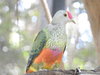
 Rose-Crowned Fruit-Dove

Chiming Wedgebill

Hooded Robin

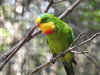
Superb Parrot

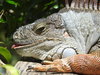
Green Iguana

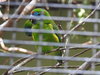
Double-Eyed Fig-Parrot

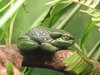
Magnificent Tree-Frog

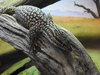
Spiny-Tailed Monitor
- a second group of Spinifex Hopping-Mouse are occupying the former Woma Python exhibit in the Repturnal Den.
- no Luzon Bleeding-Heart Dove weren't seen in the second aviary in the row of Conservation Aviaries or Lost Valley
- a pair of Chiming Wedgebill have moved into the fifth aviary in the row of Conservation Aviaries, alongside a mix of Spinifex Pigeon, Cockatiel & Gouldian Finch. one of the individuals was calling constantly from the back of the aviary
- no Kroombit Tinker-Frog (adults or tadpoles) were seen in the Frog Lab
- an unidentified freshwater turtle sp. (possibly Mary River-Turtle) was seen in the Eastern Long-Necked Turtle exhibit near the Currumbin Wildlife Hospital
- an exhibit below the Dingo exhibit in Bush Country is being fixed up. it's listed for Wallabies on the map & looks like it going to be a wallaby-walkthrough, the only inhabitants seen were a pair of Cape Barren Goose
- an exhibit for rock-wallabies is being built next to the Saltwater Crocodile exhibit in Kangaroo Country. a mock-rock structure has been built in front of an elevated viewing area
- the walkthrough-aviary at Lost Valley was rather quiet today & there doesn't seem to be as many birds as usual. no species of parrot was seen or heard
Rose-Crowned Fruit-Dove Chiming Wedgebill
Hooded Robin
Superb Parrot
Green Iguana
Double-Eyed Fig-Parrot
Magnificent Tree-Frog
Spiny-Tailed Monitor
Attachments
It's excellent news to have Chiming Wedgebill back at Currumbin. I haven't seen one on-show at the sanctuary since at least 2018 so they make a very welcome return and I look to forward to hearing their far-reaching calls once again across the park.a pair of Chiming Wedgebill have moved into the fifth aviary in the row of Conservation Aviaries,
It's excellent news to have Chiming Wedgebill back at Currumbin. I haven't seen one on-show at the sanctuary since at least 2018 so they make a very welcome return and I look to forward to hearing their far-reaching calls once again across the park.
I heard the call way before I saw the birds & definitely did not expect it to be Chiming Wedgebill. The species was apparently kept in the Lost Valley walkthrough-aviary when it first opened, although I didn't see or hear them & their signage disappeared after a few months.
I also didn't manage to see the Northern Brown-Bandicoot either of the times I visited the nocturnal house.
This year's breeding season for the Kroombit Tinkerfrogs has been successful at Currumbin. 180 tadpoles are being reared from three separate mating events so far - reported on the zoo's email publication.
Fantastic news. The first release of captive-bred Kroombit Tinkerfrogs has occured. 24 frogs were released into Kroombit Tops National Park recently with another 29 frogs due to be released later this month. With the total wild population predicted to be less than 150 individuals this is significant work occurring behind the scenes - reported on FB page.
Last edited: