Design a Zoo 2017

Status
Not open for further replies.
I like the app 'pencil and paper'....... Oh wait, that isn't an app but a physical thing.....
Why not try Krita? It's a free drawing program where you can draw, paint, use fotos or art to make a picture/design using different layers. If you can get clever enough at it (I hasten to add that I'm not!) it would look very realistic!
 
Why not try Krita? It's a free drawing program where you can draw, paint, use fotos or art to make a picture/design using different layers. If you can get clever enough at it (I hasten to add that I'm not!) it would look very realistic!

Or you could just use paper, which for many reasons is superior.

Or perhaps some CAD software, but that is very expensive....
 
Newcastle Zoo

Location- Newcastle, NSW, Australia

Prices (AUD)- Adults- $30, Pensioners- $28, Kids (4-16)- $16.50, 0 to 4- Free

Entrance

From the car park there is a large circular building. The words: Newcastle Zoo are Imprinted on the front of it. It is surrounded by a a small man made moat filled with large goldfish. This ‘moat’ will be at the very most 1-1.5 metres deep. It will be easily dug out after the main building is built. Bushes and shrubs cover the small fence surrounding the ‘moat’. A small wooden bridge leads into the centre. On the right is a ticket desk where you can buy tickets for the zoo, animal feed, season passes, etc. The rest of the centre is filled with merchandise as well as toilets up the back left and a small cafe in the back right with seating outside. Outside the centre there is a small playground.
 
Last edited:
Crocodile Kingdom
From the playground a concrete path leads straight up to a small stand surrounding the crocodile enclosure. The stand is about 6 or 7 rows high and a shelter covers it in case of rain or heat. The stand is only on one side of the enclosure. Between the stand and enclosure is a 2 metre wide path. The fence is made of wood planks supported by thick poles about every 1.5 metres. The fence is approximately 1.5 metres high. The top 30 centimetres of the fence though is open for younger kids to see through. Around the wood fence is also a smaller fence with a strings of chain metal connected to poles. This fence is about half a metre away from the proper fence. On the other side of the enclosure is a platform to view the inhabitants of the enclosure from above. A slope on the left of the enclosure leads up onto a concrete platform looking over the clear water pool. Tough glass acts as a fence on the platform. Underneath the platform is a underground viewing area where people can see the crocodile under water. The enclosure itself is a large clear water pool with grassy land in the front right corner of the enclosure which also happens to be where the gate is for zoo keeper access. 1.0 Saltwater Crocodile will inhabit the inclosure. This crocodile will most likely be obtained from a Croc Farm in the Northern Territory or Queensland.
 
Kangaroo Chaos

To the right of of Crocodile Kingdom, a path leads off to the next exhibit: Kangaroo Chaos. the exhibit is approximately 4 100 square metres. It houses 1.4 Eastern Grey Kangaroos (sourced from multiple zoos), and 1.2 Red Necked Wallabies (obtained from multiple locations). Visitors are able to feed the animals with food they can by at the ticket counter. The animals will also have a fenced area where they can go into if the do not want to be fed by the zoo visitors.
 
Kangaroo Chaos

To the right of of Crocodile Kingdom, a path leads off to the next exhibit: Kangaroo Chaos. the exhibit is approximately 4 100 square metres. It houses 1.4 Eastern Grey Kangaroos (sourced from multiple zoos), and 1.2 Red Necked Wallabies (obtained from multiple locations). Visitors are able to feed the animals with food they can by at the ticket counter. The animals will also have a fenced area where they can go into if the do not want to be fed by the zoo visitors.
I marsupial walk through exhibits. I've never seen one where you can feed them, that's a neat idea.
 
Journey through South America
The South American section of the Inland California Zoo is next!

The Journey through South America exhibit contains six different exhibits.

The centerpiece is an Andes Mountains and foothills exhibit. The main part of the exhibit is hilly and rocky. Guanacos inhabit this exhibit. The guanacos are able to roam a large area and can come down to flatter areas near the visitors. In one of these flatter areas, the ground resembles an arid habitat. This is inhabited by Patagonian mara. A large colony of these interesting creatures is present here. They are separated from the guanacos (in order to prevent the guanacos stepping in the burrows and breaking a leg) but the exhibit has the appearance of one area. Underground viewing is present here and there are "bubbles" the visitors an enter, similar to what is seen in most prairie dog exhibits (at least in the USA). The mara are separated by a water feature. This rocky area is inhabited by Magellenic penguins. Visitors are surprised to learn that these birds sometimes inhabit rather arid habitat. The visitor is then able to enter a netted enclosure containing Inca terns. The penguins have access to this aviary through an opening that requires them to swim into. Although they can walk on the same path as the visitors, the visitors are of course not allowed to touch the birds.The netted enclosure has a view into another exhibit containing Chilean flamingos. The guanacos have access to this exhibit as well, and the visitor may see them drinking from the same pools. After stepping out of the aviary, the visitor sees another enclosed aviary they are not allowed to enter. This one contains the massive Andean condor. Finally, the visitor sees a forested enclosure with pools. Andean bears inhabit this enclosure. For safety reasons, the guanacos are of course not able to enter this area. A second, similarly designed exhibit houses Baird’s tapir.

This exhibit is the centerpiece, as is mentioned. It is surrounded by other exhibits. The first one is dedicated to animals from the jungles of the Amazon basin. The first area is a series of open air enclosures. These are dedicated to primates of South America and house golden lion tamarins, Geoffrey’s marmoset, white faced saki, pied tamarin, and squirrel monkey. A series of trails go above the visitors’ heads and the monkeys are rotated throughout the exhibits for enrichment. Four exhibits are on either side of the path and the visitor is able to enter the fifth one. This one has the monkeys separated by a moat. The visitor sees numerous informational graphics illustrated threats to this region and these animals. The last part of this exhibit is a series of aviaries. The first that is entered houses hawk-headed parrots, yellow headed Amazon parrots, and golden conures. These birds fly freely through the exhibit while Brazilian agoutis roam the area. Many signs illustrate the pet trade threat to these birds. The aviary also houses a massive riverbank exhibit. This has a flock of green winged, scarlet, and blue and gold macaws and a simulated clay lick. Treats are hidden in the clay bank. The water below has arapaima, arowana, and electric eels. The exit to this building contains two more aviaries on either side. These big aviaries have king vultures and harpy eagles.

The next aviary is dedicated to wildlife of the Pantanal region. Before entering the aviary is a riverbank exhibit lined with trees. Capybara and southern tamandua inhabit a paddock containing a large pond. Simulated termite mounds dot this exhibit. Adjacent to this exhibit is a simulated riverbank with above and underwater viewing. This is inhabited by giant otters. The entrance to this aviary has signage detailing the seasonal flooding of the Pantanal and the biodiversity present. An aviary is located here that the visitor is not able to enter. This contains hyacinth macaws that have access to the indoor area and an outdoor area. Finally, the visitor enters the main aviary. Burrowing owl, sunbitterns, muscovy ducks, and red legged seriemas freely range in this wetlant and savanna exhibit. One last aviary remains in the Pantanal exhibit. This houses toco toucans. It is similarly planted as the previous one, however, visitors are not able to enter.

The second to last exhibit in the Journey through South America section simulates the Gran Chaco. This one resembles this more arid region. An expansive sandy paddock with sparse trees, rocks, and simulated termite mounds houses Chacoan peccary, greater rhea, and giant anteater. An aviary adjacent to this exhibit contains blue throated and red fronted macaws. A more forested area houses black howler monkeys. These animals have a trail leading to the Andean exhibit across the path.

The last exhibit in this complex, surrounding the Andean area, contains felines and canines native to South America. The feline exhibits are netted whereas the canine exhibits are open. The canine exhibits have three habitats. One is simulated jungle, one is a more arid area similar to the Chaco exhibit, and the other is a more grassy area similar to the Pantana exhibit. Maned wolves, bush dogs, and gray foxes are rotated through these exhibits. The feline exhibit has a similar setup to the canines’ exhibit. Jaguar, ocelot, and mountain lions are rotated here. Even though mountain lions are exhibited in the California area, they are also present here to illustrate how widespread these cats are.
 
Big Cats


Branching off in the opposite direction of the Crocodile Kingdom exhibit is the Big Cats Section. As you enter the area you go through large wooden gates with the words Pango la Simba etched into the wood, which means The Lion’s Den in Swahili. Once you enter through the gates a path leads the visitor on a short 50 metre walk before the first enclosure. This exhibit is about 2 400 metres square, and is inhabited by a pair of male African lions (from the National Zoo in Canberra, Australia, the mother is relocated to either Monarto or Werribee Open Range Zoo). Eventually the zoo will try and find a few females for these males to mate with. The enclosure itself is mainly decorated like a grassy African plain. One tree is located in the back corner of the enclosure. A large log is also balanced in between to rocks, one of the rocks being large enough for the lions to stand on them. On the right side of the enclosure is a glass viewing area. The rest of the enclosure is chain fence except for the back which is a painted wall.


To be continued...
 
The next enclosure is the Bengal Tiger enclosure. While Australian zoos are mostly focused on breeding Sumatran Tigers there are a few Bengal Tigers in the country. This enclosure is split in half and is about 3 200 square metres. The first half is inhabited by 1.2 Bengal Tigers (a sibling trio from Australia Zoo). The second half of the enclosure is inhabited by two brothers from the National Zoo in Canberra. When it is time to breed the two brothers will be slowly introduced to the two females and will hopeful one day breed. The enclosure itself is quite like the lion one, just a few more trees and bushes as well as a large swimming pool for the tigers.

To be continued...
 
I've decided to scrap the Newcastle Zoo design, and start designing a new zoo. It will be called Brisbane Zoological Park and will be located obviously in Brisbane, Australia. I will still probably incorporate some of the enclosures in my previous design into this Zoo.
 
Brisbane Zoological Park

Brisbane Zoological Park is a state of the art Zoo located somewhere in Brisbane, Australia.

The Entrance

The visitors Centre is a large circular building surrounded by a small moat. A small wooden bridge leads to the entrance of the building. A short fence is covered by bushes stops people from accidentally falling into the moat, which is only a approximately 1-1.5 metres deep and is filled with large goldfish. The centre itself has a ticket counter where visitors can buy tickets, food to feed animals and yearly passes. The rest of the Centre is filled with merchandise as well as a small cafe and some toilets up the back. Just outside is a small kids playground.

The Koala Centre

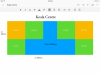
The Koala Centre is a large rectangular building built for the purpose of breeding koalas. It is located to the right of the visitors Centre. Visitors can enter through two doors and view the koalas. The koalas will be obtained from multiple locations throughout Australia. The building itself is made of green corrugated iron. Holes in the roof let some sunlight through.
 

Attachments

  • IMG_0444.PNG
    IMG_0444.PNG
    97.4 KB · Views: 12
Last edited:
The second-last area of Kipling's Jungle, and probably the smallest description-wise due to a limited number of exhibits: The Plains

Once out the temple area, an immediate reduction in the number of trees surrounding the path is obvious. Two large sandstone boulders form an entrance into the new exhibit. Bagheera's co-guide for this section is Shere Khan, voiced by Idris Elba. Predictably, they exchange harsh words and a brief catfight is heard, but the tiger reluctantly agrees to show the guests around his hunting grounds.

The small courtyard looks out over a vast simulated savannah, the biggest single enclosure in the entire complex, a walkway stretches across it with no stairs or steep slopes. At the other side of the bridge two hills stick about above the visitor pathway, and sometimes the inhabitants can be seen from a distance.
The savannah paddock holds Blackbuck, Nilgai, Chital, Sambar, and Indian Rhinoceros (with an offshow paddock if the bull becomes aggressive). Shere Khan asses the tastiness of each species, but laments that they are becoming fewer in number due to increased habitat loss and other manmade threats, which creates problems for the tiger and other predators.

Across the bridge, a netted walkway lies above the visitors' heads, and sometimes they may find an animal looking down at them. Four exhibits in a square shape provides a rotation initiative for four of India's carnivores: Asiatic Lions, Asiatic Cheetahs, Honey Badgers, and Striped Hyenas (I know there are few Gir Lions in America, and barely any Asiatic Cheetahs worldwide, but it's fantasy. And I feel like the rotation would stress the cheetahs out?). Each exhibit is built on a hill and the keeper access is hidden at the back. The enclosures are designed to accommodate the needs of all species.

Shere Khan growls and thinks lowly of the carnivores, but Bagheera reminds him that the lions and cheetahs in particular face similar threats that tigers do, and stresses that are very few left in the wild. Shere Khan reluctantly agrees, and remarks that there is so little food left, he has to consider 'other options'.There is a moments silence and then you hear him 'pounce' upon the guests, but Bagheera intercepts him and tells the guests to 'Run!'. (You can walk to the next area obviously, or stick around, but kids would find it fun)
 
I like the carnivore area. It is fantasy, but if you do want it realistic you could always have African cheetahs and lions as stand ins. Why would rotations stress the cheetahs? Do you envision this entire complex you've designed as having free ranging peafowl or jungle fowl?
 
Northwoods Zoo
This zoo would be located somewhere in a forested area of North America, probably southern Canada or the northern continental states. The zoo would be in a forest setting, and exhibit almost entirely cold-weather animals. This way, there is no need to put animals inside in winter. After entering, there is a three-way fork in the path. You can visit all three areas during one visit, but you must pick one to visit first. The left one leads to these exhibits: Arctic Expedition (themed like the Canadian arctic), North American Wilderness (themed like a North American temperate forest), The Greatest of Plains (themed like the great plains), and The High Plain (themed like the Andean Altiplano). The middle one leads to only one exhibit, The Icy South (themed like subantarctic islands). The right path leads to European Wilderness (themed like a European temperate forest), The Himalayas (bet you can't guess what it is themed like!), Wild China (themed like China), Inner Mongolia (themed like the Gobi Desert), Islands of Japan (themed like Japan), and Australia (themed like an Australian temperate forest).

Arctic Expedition
Arctic Expedition is a trail that, like all the exhibit at the Northwoods Zoo, is in a forested setting, however, to make the the exhibits more natural, the exhibits have little to no trees in them. The first exhibit is a small yard about the size of the average bedroom. It is completely open, with the exception of a few small bushes. This is for Arctic Hare (Lepus arcticus). The next exhibit is more than three times the size of the hare exhibit, but is mostly water. The only land are a few floating simulated ice floes. The exhibit has 360° veiwing, and the back has underwater viewing. This is for Hooded (Cystophora cristata) and Harp Seals (Pagophilus groenlandicus). Next are two large paddocks, both several acres in size. One has a few trees, the other does not. The one with trees is for Musk Ox (Ovibos moschatus), the one with trees is for Caribou (Rangifer tarandus). Next is an exhibit similar to the hare exhibit, but about twice the size. This is for Arctic Fox (Vulpes lagopus). After that is another several acre for Polar Bears (Ursus maritimus). It has a large pool, and very varied terrain (stone, sand, soil). The Polar Bears can freely dig in the soil and and sand parts. After this, you come to large building with the words Hudson Bay over the door. Inside is a tank for a pod of Belugas, a terrarium for Wood Frogs, and a stand that sells lemonde in the summer and hot chocolate in the winter. After exiting the Hudson Bay building, there is an exhbit similar to the seal exhibit earlier, but this one is larger and includes some land. This is for Walrus (Odobenus rosmarus). Next is an aviary for Snowy Owl. That is the end of Arctic Expedition.

Next: North American Wilderness will be next.
 
I was thinking the same thing about the peafowl and junglefowl. I have both species in the jungle aviary, but I think there's too many open-air carnivores for their safety. And aren't cheetahs very high-stress animals already? I would have thought the scent of the lions wouldn't do them any favours, especially with such a high-value species
 
Northwoods Zoo
This zoo would be located somewhere in a forested area of North America, probably southern Canada or the northern continental states. The zoo would be in a forest setting, and exhibit almost entirely cold-weather animals. This way, there is no need to put animals inside in winter. After entering, there is a three-way fork in the path. You can visit all three areas during one visit, but you must pick one to visit first. The left one leads to these exhibits: Arctic Expedition (themed like the Canadian arctic), North American Wilderness (themed like a North American temperate forest), The Greatest of Plains (themed like the great plains), and The High Plain (themed like the Andean Altiplano). The middle one leads to only one exhibit, The Icy South (themed like subantarctic islands). The right path leads to European Wilderness (themed like a European temperate forest), The Himalayas (bet you can't guess what it is themed like!), Wild China (themed like China), Inner Mongolia (themed like the Gobi Desert), Islands of Japan (themed like Japan), and Australia (themed like an Australian temperate forest).

Arctic Expedition
Arctic Expedition is a trail that, like all the exhibit at the Northwoods Zoo, is in a forested setting, however, to make the the exhibits more natural, the exhibits have little to no trees in them. The first exhibit is a small yard about the size of the average bedroom. It is completely open, with the exception of a few small bushes. This is for Arctic Hare (Lepus arcticus). The next exhibit is more than three times the size of the hare exhibit, but is mostly water. The only land are a few floating simulated ice floes. The exhibit has 360° veiwing, and the back has underwater viewing. This is for Hooded (Cystophora cristata) and Harp Seals (Pagophilus groenlandicus). Next are two large paddocks, both several acres in size. One has a few trees, the other does not. The one with trees is for Musk Ox (Ovibos moschatus), the one with trees is for Caribou (Rangifer tarandus). Next is an exhibit similar to the hare exhibit, but about twice the size. This is for Arctic Fox (Vulpes lagopus). After that is another several acre for Polar Bears (Ursus maritimus). It has a large pool, and very varied terrain (stone, sand, soil). The Polar Bears can freely dig in the soil and and sand parts. After this, you come to large building with the words Hudson Bay over the door. Inside is a tank for a pod of Belugas, a terrarium for Wood Frogs, and a stand that sells lemonde in the summer and hot chocolate in the winter. After exiting the Hudson Bay building, there is an exhbit similar to the seal exhibit earlier, but this one is larger and includes some land. This is for Walrus (Odobenus rosmarus). Next is an aviary for Snowy Owl. That is the end of Arctic Expedition.

Next: North American Wilderness will be next.
North American Wilderness
North American Wilderness begins with a forested several acre paddock for American Elk (Cervus canadensis). Across the path from the elk is an aviary for Clark's Nutcracker (Nucifraga columbiana), Black-Backed Woodpecker (Picoides arcticus), and Mountain Chickadee (Poecile gambeli). Next is a Grizzly Bear (Ursus arctos horribilis) exhibit, very similar in size to the Polar Bear habitat in Arctic Expedition. The only big differences are that the pool is slightly smaller, and the Grizzly Bear exhibit has trees. Next is a large forested habitat for Red Wolf (Canis rufus). The next exhibit is smaller than most of the others, and is for Bobcat (Lynx rufus). Like the other habitats in North American Wilderness, it has plenty of trees, and the Bobcat is able to climb all of them. Across the path from the Bobcat is a very similar exhibit for Wolverine. After this, are some more, large, several acre paddocks, these ones for Moose (Alces alces) and Mule Deer (Odocoileus hemionus). Next is an exhibit for American Pika (Ochotona princeps). It is about the size of the average prairie dog exhibit, but instead of being a pit below the exhibit, it is a rock mountain built up. Each pika has a chip embedded in it. This not only allows the zoo to keep track of individuals, but exhibit appears to have no barrier. But at the bottom of the rock mountain, there is an invisible barrier, that when the pika touches it, the chip vibrates. This gives the exhibit the illusion that it has no barriers. Next, there is a pond with a fence around it. This is an exhibit for American Beaver (Castor canadensis). Next is an aviary with two tall trees in the middle. This exhibit holds a pair of Bald Eagles (Haliaeetus leucocephalus). After this, there is an exhibit similar to the Bobcat and Wolverine exhibits for Fishers (Pekania pennanti). After this, there is a large, open paddock for Bighorn Sheep (Ovis canadensis). The exhibit is filled with piles of boulders, and therefor lots of climbing opportunities. After this is an exhibit for Striped Skunk (Mephitis mephitis). Further on the trail, there is a large exhibit for Alpine Chipmunk (Tamias alpinus). Across the path from this is an aviary for Great Gray Owls (Strix nebulosa). That is the end of North American Wilderness

Next: The Greatest of Plains
 
North American Wilderness
North American Wilderness begins with a forested several acre paddock for American Elk (Cervus canadensis). Across the path from the elk is an aviary for Clark's Nutcracker (Nucifraga columbiana), Black-Backed Woodpecker (Picoides arcticus), and Mountain Chickadee (Poecile gambeli). Next is a Grizzly Bear (Ursus arctos horribilis) exhibit, very similar in size to the Polar Bear habitat in Arctic Expedition. The only big differences are that the pool is slightly smaller, and the Grizzly Bear exhibit has trees. Next is a large forested habitat for Red Wolf (Canis rufus). The next exhibit is smaller than most of the others, and is for Bobcat (Lynx rufus). Like the other habitats in North American Wilderness, it has plenty of trees, and the Bobcat is able to climb all of them. Across the path from the Bobcat is a very similar exhibit for Wolverine. After this, are some more, large, several acre paddocks, these ones for Moose (Alces alces) and Mule Deer (Odocoileus hemionus). Next is an exhibit for American Pika (Ochotona princeps). It is about the size of the average prairie dog exhibit, but instead of being a pit below the exhibit, it is a rock mountain built up. Each pika has a chip embedded in it. This not only allows the zoo to keep track of individuals, but exhibit appears to have no barrier. But at the bottom of the rock mountain, there is an invisible barrier, that when the pika touches it, the chip vibrates. This gives the exhibit the illusion that it has no barriers. Next, there is a pond with a fence around it. This is an exhibit for American Beaver (Castor canadensis). Next is an aviary with two tall trees in the middle. This exhibit holds a pair of Bald Eagles (Haliaeetus leucocephalus). After this, there is an exhibit similar to the Bobcat and Wolverine exhibits for Fishers (Pekania pennanti). After this, there is a large, open paddock for Bighorn Sheep (Ovis canadensis). The exhibit is filled with piles of boulders, and therefor lots of climbing opportunities. After this is an exhibit for Striped Skunk (Mephitis mephitis). Further on the trail, there is a large exhibit for Alpine Chipmunk (Tamias alpinus). Across the path from this is an aviary for Great Gray Owls (Strix nebulosa). That is the end of North American Wilderness

Next: The Greatest of Plains

I like your designs. Such a neat approach for cold weather species. Although would red wolves do well in a cold climate? Their natural habitat is the South isn't it?
 
Status
Not open for further replies.
Back
Top