Design a Zoo

Status
Not open for further replies.
Perhaps the Mafuriko Wetlands can be fitted with Southern African species and renamed the Okavango Delta? And any animals in the Mafuriko Wetlands that aren't compatible with the Southern African theme can be put in one of those Great Rift Valley exhibits. And for new animals in the Southern Plains that people will want to see, maybe another pride of lions that demonstrate how lions in the Okavango have to adapt to the wetlands there? Or maybe add animals like meerkats and honey badgers for the Kalahari, as everybody loves those animals!;)

Many times have I thought of doing this... But, as siamang says, it's an imagination-based zoo so maybe I could just put 2 wetland areas?

Oh, and about those badgers and meerkats, did you see post #227? ;)

The exhibit was to be called The Okavango: Tale of Two Lands (cheesy, yes, I know ). Or, I could say (because it is true) that "within the Kalahari Desert, there is the Okavango Delta, which undergoes a drastic transformation as the seasons change." Then the exhibits would follow. There would be another wetland section, with ponds for darters, egrets, and turtles and amphibians, fish, and wet forests exhibiting kudu and other species; I have not yet decided which, however. The dry season area would replicate the Kalahari Desert we're familiar with, a savanna practically turned to a dust bowl. It would include paddocks for gemsbok, outdoor areas for jackals and ratels, a meerkat exhibit, an indoor building with nocturnal exhibits for aardvarks and owls, and possibly aardwolves.

I like how you suggested having 2 prides of lions... however, the adaption thing could be done with a number of African species, so the possibilities are endless! I've tried combining the Mafuriko Wetlands and... THAT'S IT!!!

Friday, March 16th, 2012
7:14 P.M. EST
The idea hits me.
Because the exhibit is called the Mafuriko Wetlands, a Swahili word meaning "flooded", it does not specify on any one area. However, because it is a Swahili name, it must be an African exhibit. So, along with the Ugandan wetlands it was originally designed for, it could be comprised of the Okavango Delta as well, and an additional famous wetland area of Africa! It's GENIOUS! :D

7:16 P.M. EST
The even better idea hits me.
How about this? Yes, I could incorporate the Okavango, Lake Victoria of Uganda, but also major river systems such as the Nile and the Zambezi River! That way I keep my East African species while adding the Southern African ones! It's perfect! :D
 
Sounds good:)! I didn't see the post about the meerkats and honey badgers, but I'm glad you arrived at your solution!
 
Sounds good:)! I didn't see the post about the meerkats and honey badgers, but I'm glad you arrived at your solution!

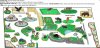
I will definitely be working with that one. I'll be constantly changing it, editing it, and fiddling with ideas here and there. I'll let you know how it goes down the road. :p
 
Here is a new one. It's kind of sloppy but I am working on changing that. Anyways, the animals are cartoons this time.

What happened to the rest of your first zoo? After Elephant Alley, you said you would be posting the rest tomorrow. A week later, you posted a completely new map! :p
 
What happened to the rest of your first zoo? After Elephant Alley, you said you would be posting the rest tomorrow. A week later, you posted a completely new map! :p

Haha, very, very, very sorry about that. I got side-tracked and it was just looking sloppy. The perspectives and the lines were getting off and I just really wanted to start a new map. I promise.... tomorrow.
 
Hallo Anaheim Zoo. I thought you'd be pleased to see today's 'Animal of the Day': Animal of the day - For animal lovers. A special treat for we Ailuropsians.

YYYYYYYYYYYYYYYYEEEEEEEEEEEEEEEEEEEEEEEEEEEEEEEEEEEEEEEEEEEEEEEEEEEEEEEEEEEEEEEEEEEEEEEEEEEEEEEEEEEEEEEEEEEEEESSSSSSSSSSSSSSSSSSSSSSSSSSSSSSSSSSSSSSSS!!!!!!!!!!! :D:p:rolleyes:

Whaddaya know?! :p

I think it's a sign... They must've been reading the thread way back in July! :D

@Moebelle- I thought the first map looked great, honestly, and was expecting more, if that helps. :o
 
Well, while working on the Mafuriko Wetlands a few months ago, I created an educational part of the Nile crocodile exhibit that would show how crocodiles are not mindless man-eaters, but in fact, very good parents and intelligent hunters. There would be dioramas showing a mother croc fighting off a Nile monitor from her nest, and then a crocodile submerged underwater, completely hiding itself as it creeps up on wildebeest at the water's edge.

Then there would be a section showing myths about crocodiles and of how they were thought to be man-eaters and killing machines, etc, etc. The "exhibit's" name is extremely cheesy, but I need help finding alliteration for the second part. It's called Nile Crocodiles: Cunning and Caring or _______ and _______? The last two have been tricky to find; I need synonyms for vicious and heartless. The original was Diabolical and Dispassionate, but that sounded awful. Anyone want to suggest something? Thanks.

:p
 
Erm, I'm not sure, although that is considerably better than Diabolical and Dispassionate. I was thinking something like Cold and Cruel, which sort of mean the same thing. Any words for vicious that start with c? Eh, eventually it'll come to me. :o

And sorry for always asking "what should I do? what should I do?", as this thread is about what you create, your imagination. I guess it might be a bit annoying for me to ask all the time, but I just want some criticism and/or suggestive thoughts about what's good, bad, needs to be changed, etc. So thank you.
 
I accidently deleted my original map but I have been working on other projects. I am not starting the 3D version of my River Adventures Through the Southeast. But it will be extremely hard and take some time. I am also doing, "Sky Adventures Through the Rainforest", which takes you into the 3 main sections of the rainforest. The Floor, the Understory, and the Canopy.
 
So, I have decided to incorporate various water areas from Africa into my Mafuriko Wetlands. Instead of it solely focusing on Ugandan animals and habitats, it will now include the Nile River, the Okavango Delta (and Kalahari Desert, even though its not a wetland/river/lake), the East African Great Lakes, such as Victoria, Tanganyika, Kivu, Malawi, etc, and possibly a few others.

The Sinoe River of Liberia will also be represented as part of the Pygmy Hippos of Sapo National Park exhibit. This exhibit will focus on some of Liberia's unique species, such as rockfowl, slender-snouted crocodiles, guenons, up to five species of duiker, and, of course, pygmy hippos!

I've also got an exhibit called Lechwe Falls. This would be a riparian forest exhibit with Nile lechwes and another ungulate species, the giraffe. However, I'm not sure which would be a better fit: Rothschild's giraffe or Nubian giraffe? Rothschild's giraffes are the most commonly seen in zoos, and you could obviously see the problem in that. Nubians are rarer in captivity, but I'm not sure if they're desert animals, scrub animals or what?
 
AnaheimZoo: I was wondering if you had any type of program on your computer where you would be able to map out your zoos?

Also as I am working on my other two projects I decided to add one more in where you will be able to find a description of it on a Wikipedia page. Anyways I have the animals and exhibits, I just need a good summary for them. Does anyone know if there are zoos that have these certain things.

Exhibit for carnivores
Peccaries
Amphibian house
Primate house
Insectivore exhibits
Parrot attraction
Birds of prey attraction
Ibex/mountain antelope species
Mangrove/wetland exhibit
Hoofed animal attraction
and Rodents
 
My zoo has various different habitats and houses with up close encounters guaranteed for both children and adults. As people pass through the entrance zone with a gift shop attached they will pass by Asian themed ornaments and plants and then they will enter an Asian house

the Asian house has a large indoor enclosure as they first enter with an outdoor area attached for orang utans with ropes and hammocks and climbing frames etc and the indoor exhibit would be made of strengthed glass to allow for easy viewing of the orangs and then visitors could walk on to a balcony for viewing over the outdoor exhibit as well as ground viewing.

On the other side of the building guests would see 2 outdoor exhibits for Asian lions and Asian cheetahs visitors can choose to watch both species from a bridge or from the ground the enclosures would also have off show pens for breeding and quarantine. The cheetahs would also have a heated cave.

then on the upper floor visitors will find an exhibit displaying Chinese pangolins in a forest type exhibit with various burrows in it to encourage natural burrowing for the it will also be a nocturnal exhibit so visitors can see them foraging and hunting for food .

on the same floor visitors will enter a large forest indoor walkthrough exhibit containing various types of squirrels and marmots which visitors can watch foraging and climbing around on fake trees searching for food etc

next guests would see a a bear exhibit with indoor and outdoor enclosures for sloth bears and langurs both would have separate indoor quarters and areas outside that both can escape into for peace and quiet the outdoor exhibit would be enclosed by a moat so visitors can see the bears and monkeys from low fencing which will also be on the ground floor but on the other side of the building to prevent stress .

next to the sloth bear indoor quarters guests would see two big aviaries one for Indian vulture with indoor and outdoor access and another aviary for great Indian hornbill with massive fake trees in it and plenty of flying room again with outdoor access the aviaries will be on the same floor as the pangolins and squirrels and the visitors can walk on a bridge to see the hornbill and vultures.

then we get to the paddock area where guests will first see a hoof stock rotation exhibit for gaur, tapir, babirussa and Asian water buffalo they would all have separate indoor quarters with viewing windows and the outdoor exhibit would have a huge wallow area with pool and underwater viewing the enclosure would also have horse balls to encourage stimulation the hoof stock indoor quarters will be situated below floor in the house so visitors can see it from above.
After guests leave the asian house they will pass by an Indian rhino paddock with a sand yard area as well as hard standing in the yard the yards can be separated for quarantine and isolation areas. The indoor house which can be viewed by the public will have a straw bedding area, hay racks and 3 heated wallows which can be used all day.

South American rainforest

Next guests travel to the rainforest of south America which will be an enormous walkthrough building with plants from south America and high heating levels the walkthrough building will contain free roaming monkeys from south America as well as free flying birds and free roaming iguanas and tortoises at the end of the walkthrough guests can admire a tank of native fish and turtles from south America after guests pass out of the main walkthrough exhibit there will be one large terrarium featuring green anaconda which will have a huge water area with underwater viewing as well as a low level glass barrier so guests can easily photograph them opposite them there be a enclosure for caiman which will have a dirt basking area and a reed lined pond area and a jetty area which guests can stand to better see the caiman .
The South American paddock will be a mixed pampas grass exhibit featuring mara. Capybara, rhea giant anteater and squirrel monkeys with a specially built termite mound to encourage enrichment for the anteaters and a swamp for the capybara with under water viewing.

African savannah

After guests have passed by the south American pampas area they will go through a tribal village with Maori dancers and huts with conservation boards about various African animals next guests come out to a paddock of mixed African animals including white rhino , ostrich , east African crowned crane , common zebra and wildebeest which are all separately housed in one big house which guests can view the animals at close quarters if any are in from above via a viewing window on the second floor built above the cages guests can admire native African invertebrates and reptiles as well as tropical fish and other marine life such as rays . The paddock will also have a water hole for the animals as well as native African flora.
Along the way from the paddock separated by a low barrier will be leopards so they can see the prey but can’t reach them. The leopard exhibit will have two big trees so the leopard can carry out normal behaviours. The leopards can be viewed through a window placed in an African type hut.
Guests can then cross a wooden bridge just over a lagoon which will feature a flock of flamingos with reeds and a nesting area and mirrors then once they cross the bridge guests will see another exhibit featuring dwarf forest buffalo and red river hog with separate areas in case they need space and a mud wallow for the buffalo and hogs to use.

Islands

When guests enter the islands zone they can travel to forgotten places like Indonesia, Galapagos islands and Malaysia. In the Indonesia area guests will see islands with gibbons swinging freely through the trees with turtles and fish in the moat separating the gibbons from the land . after the gibbons guests will see the komodo dragons in a scrubland setting with a fake buffalo carcass and native flora and a water pool for the dragons to cool down in . after Indonesia guests travel to the Galapagos islands where guests can view Galapagos giant tortoises at close quarters with an indoor areas for the winter the outside exhibit will consist of sand based substrate and a hay area . guests can walk through the tortoise enclosure to enter the last island Malaysia where they can encounter Malayan tigers which will have a large pool for swimming and underwater viewing then guests can ascend up a boardwalk ramp to walk over the top of the tigers and see them up close when they are on their platforms then as guests come down the ramp guests can look over into a rainforest exhibit and view Malayan sun bears the sun bear exhibit will contain native flora , bathing pool and logs and rocks to encourage natural behaviours .

The frontier zone

After guests exit the islands zone they travel to north America where they will first encounter a mixed carnivore exhibit featuring American black bears and grey wolves which will have viewing windows and log type shelters after the bears and wolves guests can climb the grand canyon which will exhibit rocky mountain goats and in another separate exhibit mountain lions after guests have climbed the grand canyon they can travel to the prairies and see north American bison as well as mustang horses and a aviary displaying bald eagles which leads on to the Colorado river with beavers and otters exhibited together but with separate areas for space .

Oceans

Guests will end their journey by travelling over the oceans viewing sea lions in a salt water based exhibit with underwater viewing and a naturalistic beach area and jetty then guests can enter a arctic building featuring penguin species a giant naturalistic ice berg and underwater viewing which then leads up to the polar bear viewing area and then exit to see the main polar bear exhibit and the snowy owl and arctic fox exhibit. Then guests can travel to the sea cliffs and view puffins and auks in exhibit which will contain a giant cliff .
 
My zoo has various different habitats and houses with up close encounters guaranteed for both children and adults. As people pass through the entrance zone with a gift shop attached they will pass by Asian themed ornaments and plants and then they will enter an Asian house

the Asian house has a large indoor enclosure as they first enter with an outdoor area attached for orang utans with ropes and hammocks and climbing frames etc and the indoor exhibit would be made of strengthed glass to allow for easy viewing of the orangs and then visitors could walk on to a balcony for viewing over the outdoor exhibit as well as ground viewing.

On the other side of the building guests would see 2 outdoor exhibits for Asian lions and Asian cheetahs visitors can choose to watch both species from a bridge or from the ground the enclosures would also have off show pens for breeding and quarantine. The cheetahs would also have a heated cave.

then on the upper floor visitors will find an exhibit displaying Chinese pangolins in a forest type exhibit with various burrows in it to encourage natural burrowing for the it will also be a nocturnal exhibit so visitors can see them foraging and hunting for food .

on the same floor visitors will enter a large forest indoor walkthrough exhibit containing various types of squirrels and marmots which visitors can watch foraging and climbing around on fake trees searching for food etc

next guests would see a a bear exhibit with indoor and outdoor enclosures for sloth bears and langurs both would have separate indoor quarters and areas outside that both can escape into for peace and quiet the outdoor exhibit would be enclosed by a moat so visitors can see the bears and monkeys from low fencing which will also be on the ground floor but on the other side of the building to prevent stress .

next to the sloth bear indoor quarters guests would see two big aviaries one for Indian vulture with indoor and outdoor access and another aviary for great Indian hornbill with massive fake trees in it and plenty of flying room again with outdoor access the aviaries will be on the same floor as the pangolins and squirrels and the visitors can walk on a bridge to see the hornbill and vultures.

then we get to the paddock area where guests will first see a hoof stock rotation exhibit for gaur, tapir, babirussa and Asian water buffalo they would all have separate indoor quarters with viewing windows and the outdoor exhibit would have a huge wallow area with pool and underwater viewing the enclosure would also have horse balls to encourage stimulation the hoof stock indoor quarters will be situated below floor in the house so visitors can see it from above.
After guests leave the asian house they will pass by an Indian rhino paddock with a sand yard area as well as hard standing in the yard the yards can be separated for quarantine and isolation areas. The indoor house which can be viewed by the public will have a straw bedding area, hay racks and 3 heated wallows which can be used all day.

South American rainforest

Next guests travel to the rainforest of south America which will be an enormous walkthrough building with plants from south America and high heating levels the walkthrough building will contain free roaming monkeys from south America as well as free flying birds and free roaming iguanas and tortoises at the end of the walkthrough guests can admire a tank of native fish and turtles from south America after guests pass out of the main walkthrough exhibit there will be one large terrarium featuring green anaconda which will have a huge water area with underwater viewing as well as a low level glass barrier so guests can easily photograph them opposite them there be a enclosure for caiman which will have a dirt basking area and a reed lined pond area and a jetty area which guests can stand to better see the caiman .
The South American paddock will be a mixed pampas grass exhibit featuring mara. Capybara, rhea giant anteater and squirrel monkeys with a specially built termite mound to encourage enrichment for the anteaters and a swamp for the capybara with under water viewing.

African savannah

After guests have passed by the south American pampas area they will go through a tribal village with Maori dancers and huts with conservation boards about various African animals next guests come out to a paddock of mixed African animals including white rhino , ostrich , east African crowned crane , common zebra and wildebeest which are all separately housed in one big house which guests can view the animals at close quarters if any are in from above via a viewing window on the second floor built above the cages guests can admire native African invertebrates and reptiles as well as tropical fish and other marine life such as rays . The paddock will also have a water hole for the animals as well as native African flora.
Along the way from the paddock separated by a low barrier will be leopards so they can see the prey but can’t reach them. The leopard exhibit will have two big trees so the leopard can carry out normal behaviours. The leopards can be viewed through a window placed in an African type hut.
Guests can then cross a wooden bridge just over a lagoon which will feature a flock of flamingos with reeds and a nesting area and mirrors then once they cross the bridge guests will see another exhibit featuring dwarf forest buffalo and red river hog with separate areas in case they need space and a mud wallow for the buffalo and hogs to use.

Islands

When guests enter the islands zone they can travel to forgotten places like Indonesia, Galapagos islands and Malaysia. In the Indonesia area guests will see islands with gibbons swinging freely through the trees with turtles and fish in the moat separating the gibbons from the land . after the gibbons guests will see the komodo dragons in a scrubland setting with a fake buffalo carcass and native flora and a water pool for the dragons to cool down in . after Indonesia guests travel to the Galapagos islands where guests can view Galapagos giant tortoises at close quarters with an indoor areas for the winter the outside exhibit will consist of sand based substrate and a hay area . guests can walk through the tortoise enclosure to enter the last island Malaysia where they can encounter Malayan tigers which will have a large pool for swimming and underwater viewing then guests can ascend up a boardwalk ramp to walk over the top of the tigers and see them up close when they are on their platforms then as guests come down the ramp guests can look over into a rainforest exhibit and view Malayan sun bears the sun bear exhibit will contain native flora , bathing pool and logs and rocks to encourage natural behaviours .

The frontier zone

After guests exit the islands zone they travel to north America where they will first encounter a mixed carnivore exhibit featuring American black bears and grey wolves which will have viewing windows and log type shelters after the bears and wolves guests can climb the grand canyon which will exhibit rocky mountain goats and in another separate exhibit mountain lions after guests have climbed the grand canyon they can travel to the prairies and see north American bison as well as mustang horses and a aviary displaying bald eagles which leads on to the Colorado river with beavers and otters exhibited together but with separate areas for space .

Oceans

Guests will end their journey by travelling over the oceans viewing sea lions in a salt water based exhibit with underwater viewing and a naturalistic beach area and jetty then guests can enter a arctic building featuring penguin species a giant naturalistic ice berg and underwater viewing which then leads up to the polar bear viewing area and then exit to see the main polar bear exhibit and the snowy owl and arctic fox exhibit. Then guests can travel to the sea cliffs and view puffins and auks in exhibit which will contain a giant cliff .

Great zoo! I think maybe you want Masai villages in the African area. The Maori are from New Zealand. ;)
 
Hi all! Soon I will be posting plans for a realistic zoo that one day I would like to open in Oxford:), it will be of the Hagenback style will late mock rock making up the enclosure :)
 
Status
Not open for further replies.
Back
Top