So it’s been a few weeks since I returned from Lisbon, I’d hoped to write something a little sooner, but hey, life happens. It’s been useful to allow my thoughts to gestate and distil into something, hopefully, interesting, rather than just some poorly considered rambles.
Arriving in Lisbon
After dragging my suitcase up a cripplingly steep hill in 38-degree sunshine, watched all the way from a group of Japanese tourists who’d wisely taken the tram up, I arrived in Bairro Alto soaked in sweat and looking very much like a typical Brit abroad. I’d never been to Portugal before, but even with some advice ringing in my ear reminding me that the vibe of the place only reveals itself in the evening, I wasn’t expecting to find it completely deserted with every shop/bar boarded shut. However, the adverts outside many of the bars loudly shouting about their various drinks deals strongly hinted that this place was going to seriously liven up in the evening, which, spoiler alter, it did.
I sorted myself out and headed off to find a bar to grab a beer and a bite to eat, fortunately it only took 30 mins of wandering to find somewhere which ticked most of my boxes for a bar – outside seating, decent beer and food, and under the shade of an interesting tree (
Ficus elastica). One odd thing that struck me about Lisbon’s parks was the real lack of bird life,
Columba notwithstanding, in and around the parks. Though I did pick up a few interesting species eventually, given the amount of time I ended up spending in parks and wooded areas I’d have thought that I would have picked up more species. Still, I eventually picked up a couple of lifers so I really can’t complain.
Returning to Bairro Alto confirmed my suspicions that the place would perk up after 2000; I’ve never seen such a dramatic transformation between day and night in a city before. Bars were pumping out music and selling cheap drinks to a diverse mixture of locals and tourists from all walks of life as people spilled from the bars to the streets, only to be pushed back again by the occasional car trying to squeeze its way through the narrow passageways. I was very glad when I finally went to bed that the aircon in the bedroom was loud enough to drown out the crowds…
Oceanário de Lisboa
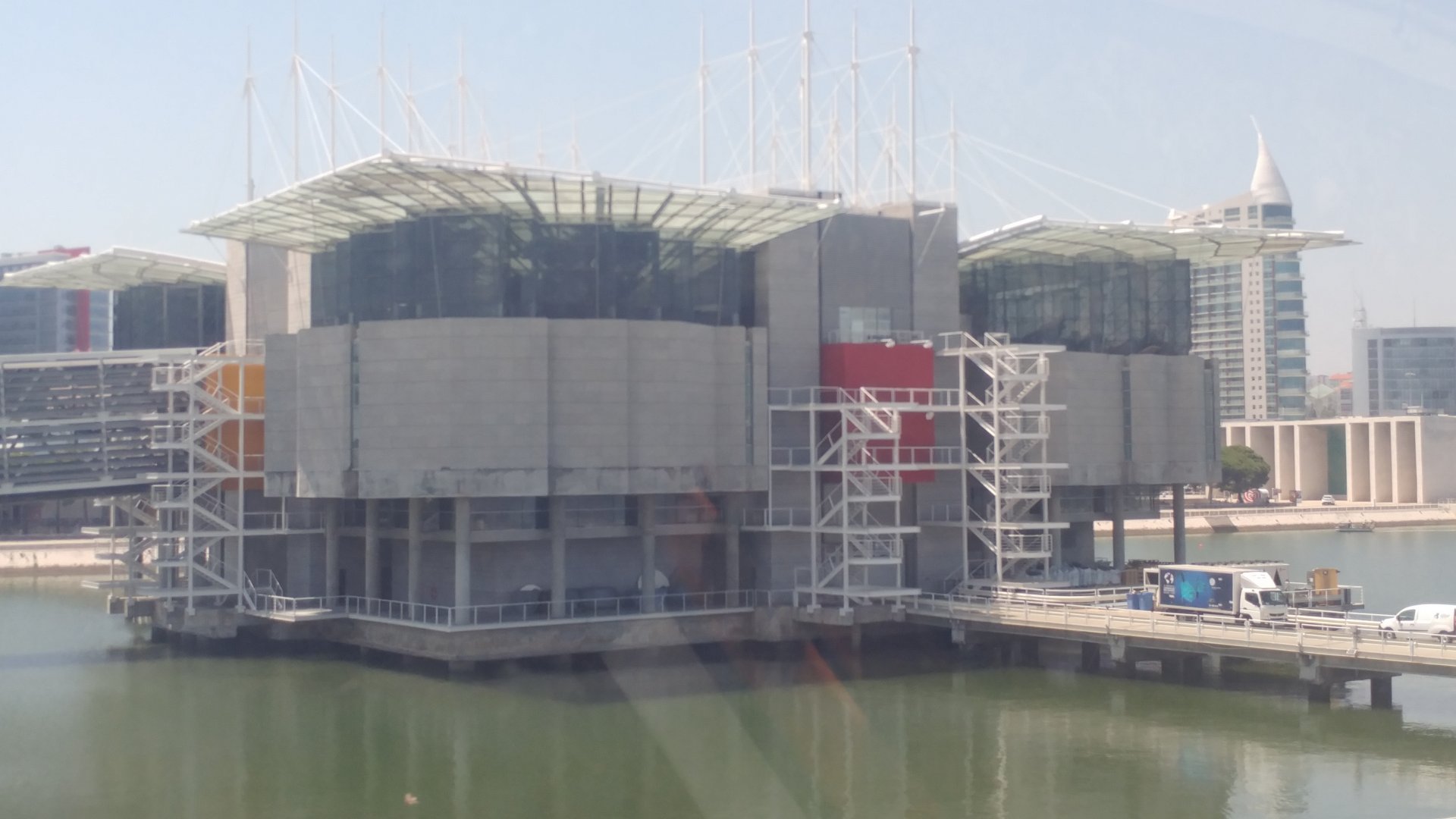
Google Maps isn’t brilliantly optimised for Lisbon, which combined with a very relaxed timetable for buses meant I struggled to wind my way to Oceanário, ending up with me arriving 45 minutes after it opened, stuck behind 3 enormous groups of school children. I couldn’t work out if I needed to go to a booth to pick up a physical ticket for the day (I’d bought it online), or if they could scan the barcode at the entrance to the aquarium itself. My slow trek across Lisbon had put me in a pretty grumpy mood, so I decided just to squeeze past the kids and see if I could sneak ahead – fortunately the .pdf was all I needed, and I managed to get in without any issues. What greeted me was a colossal amount of concrete and a big sign saying that the temporary exhibit was upstairs. I headed up to:
Forests Underwater by Takashi Amano
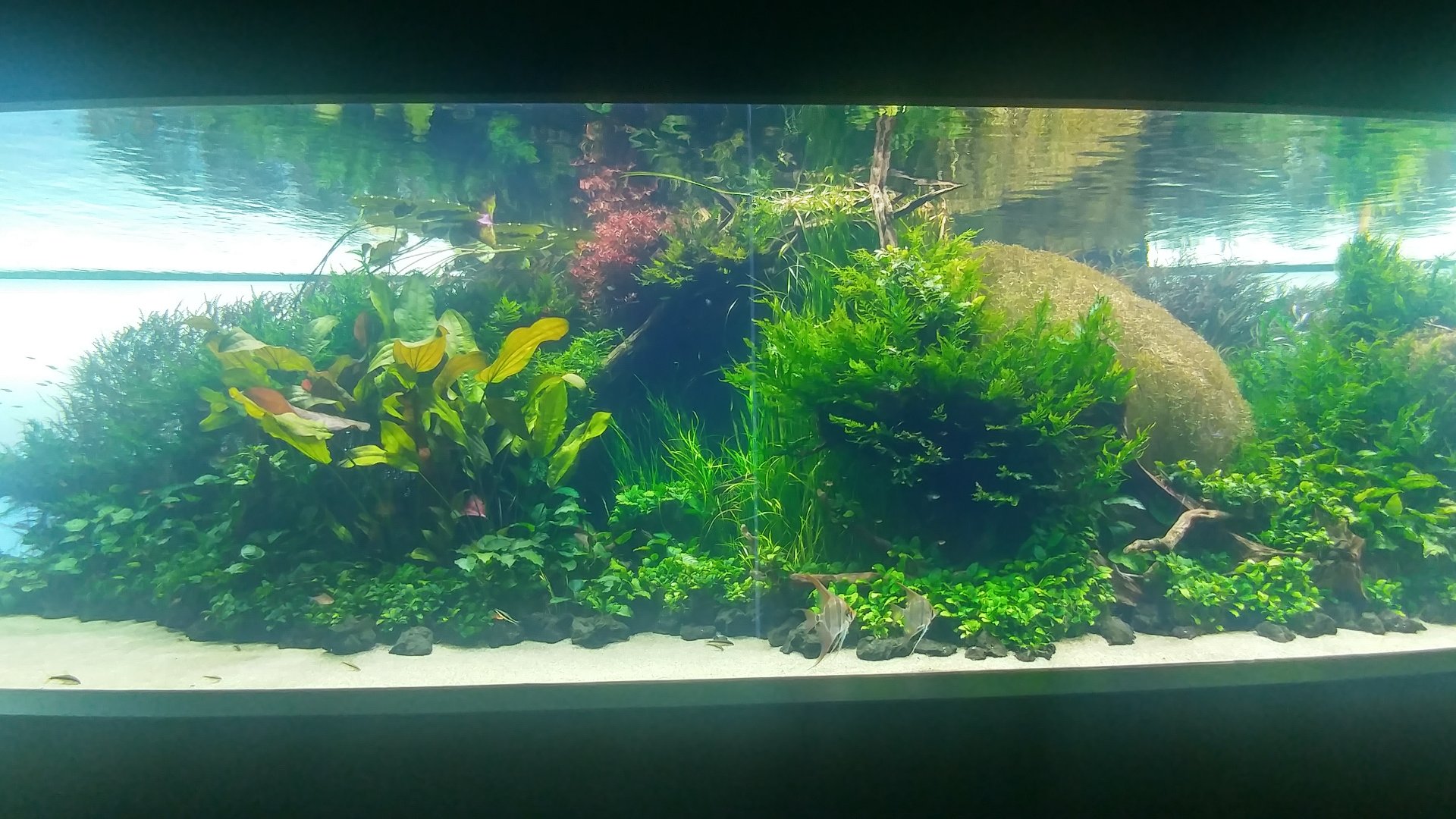
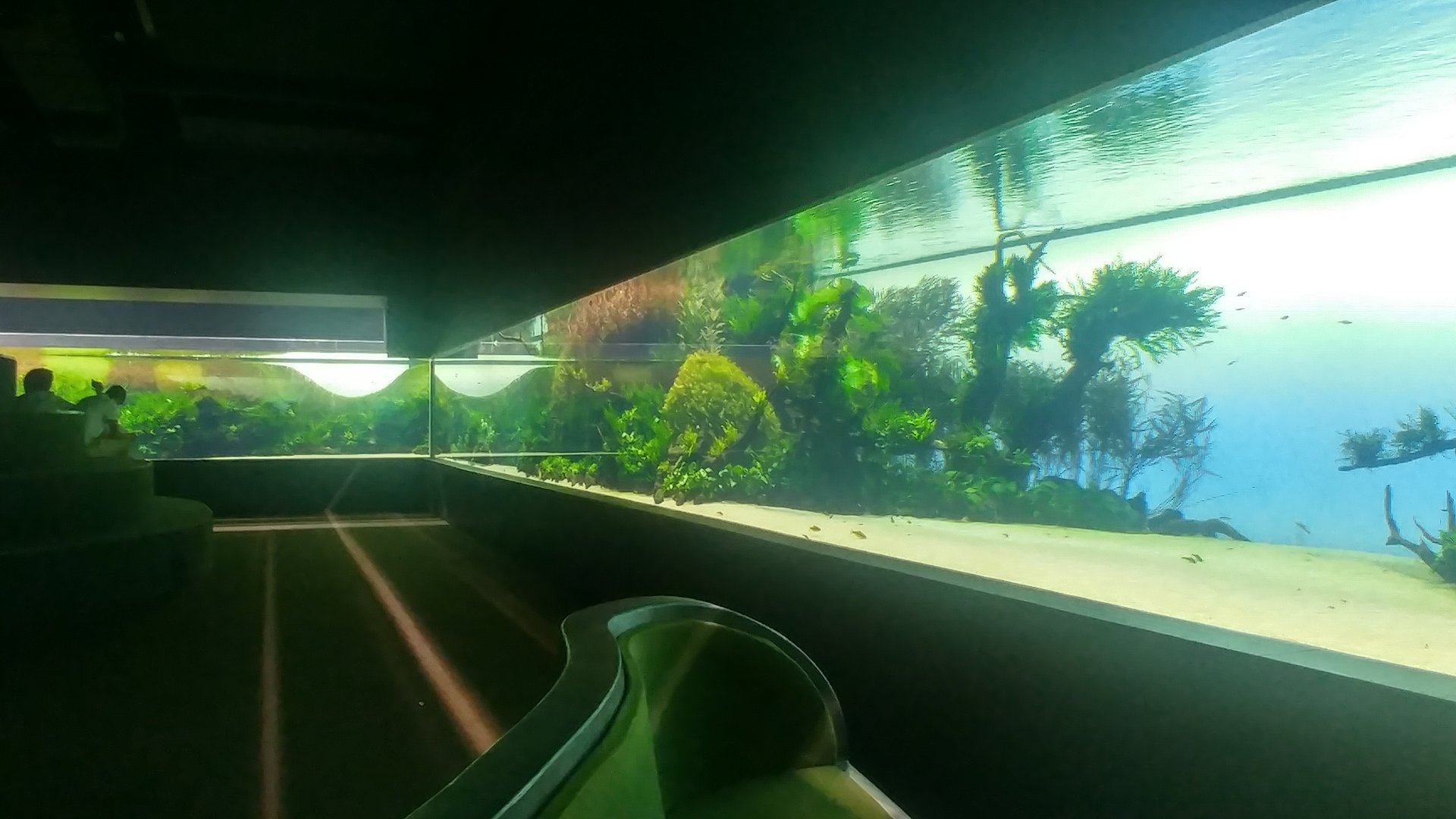
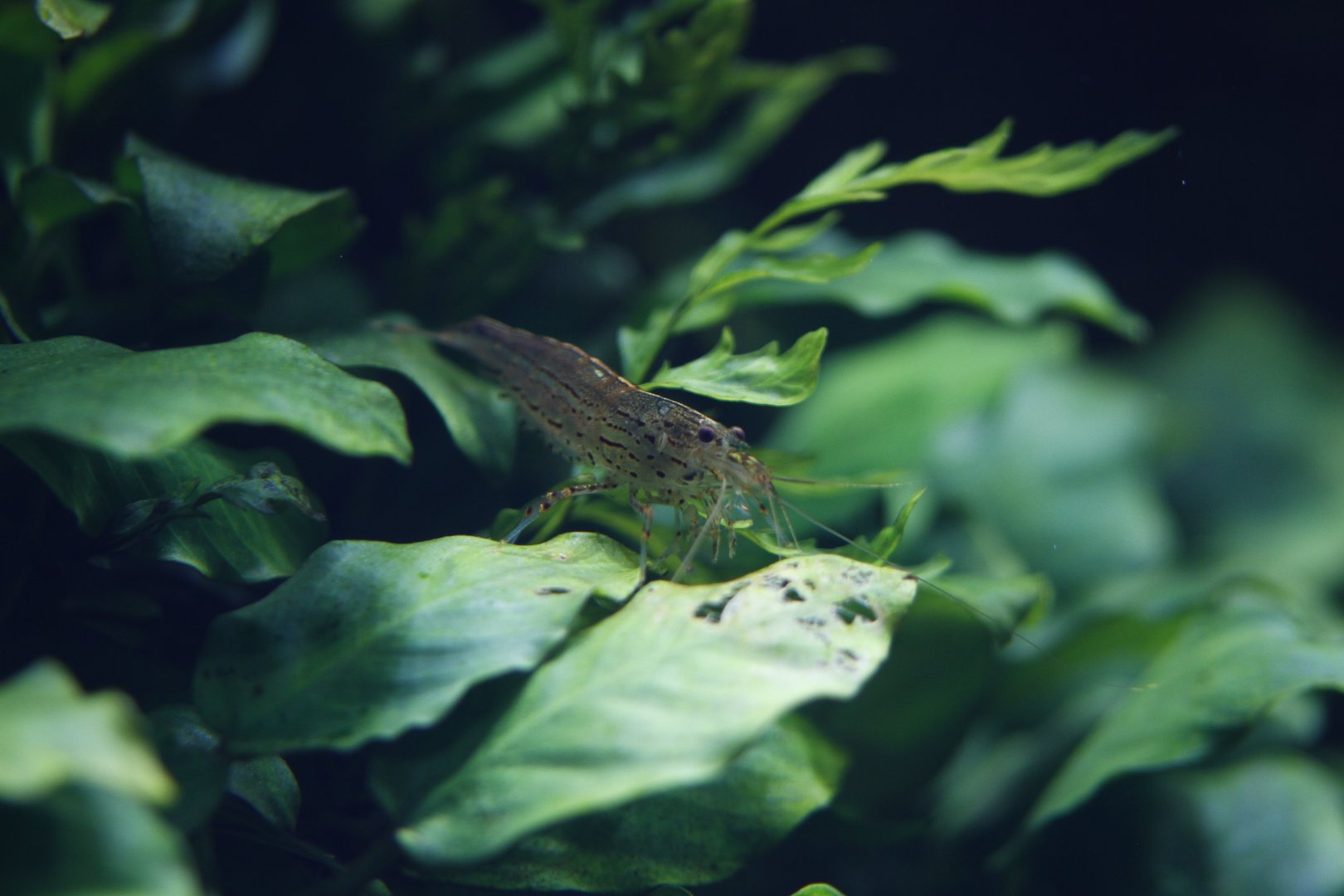
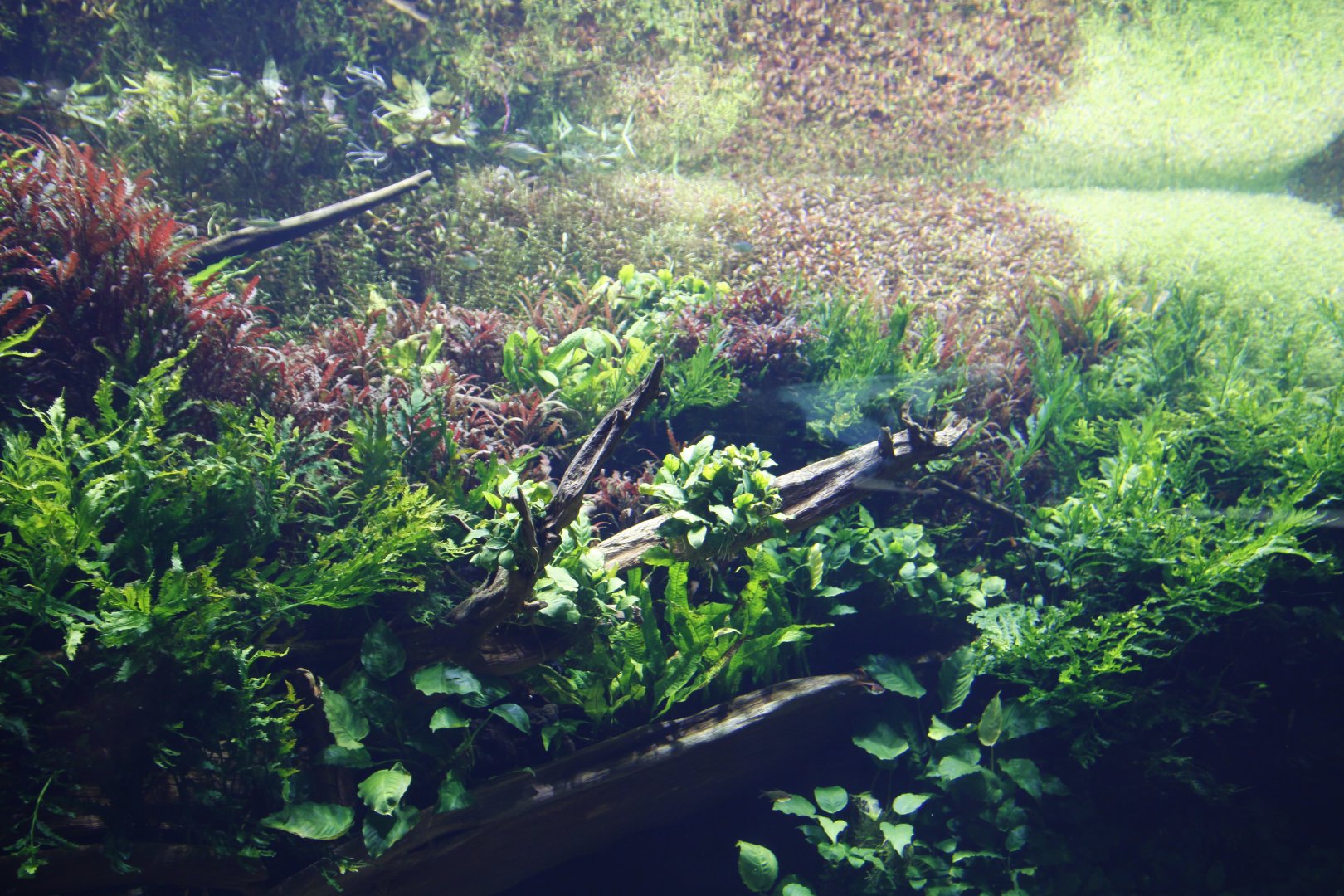
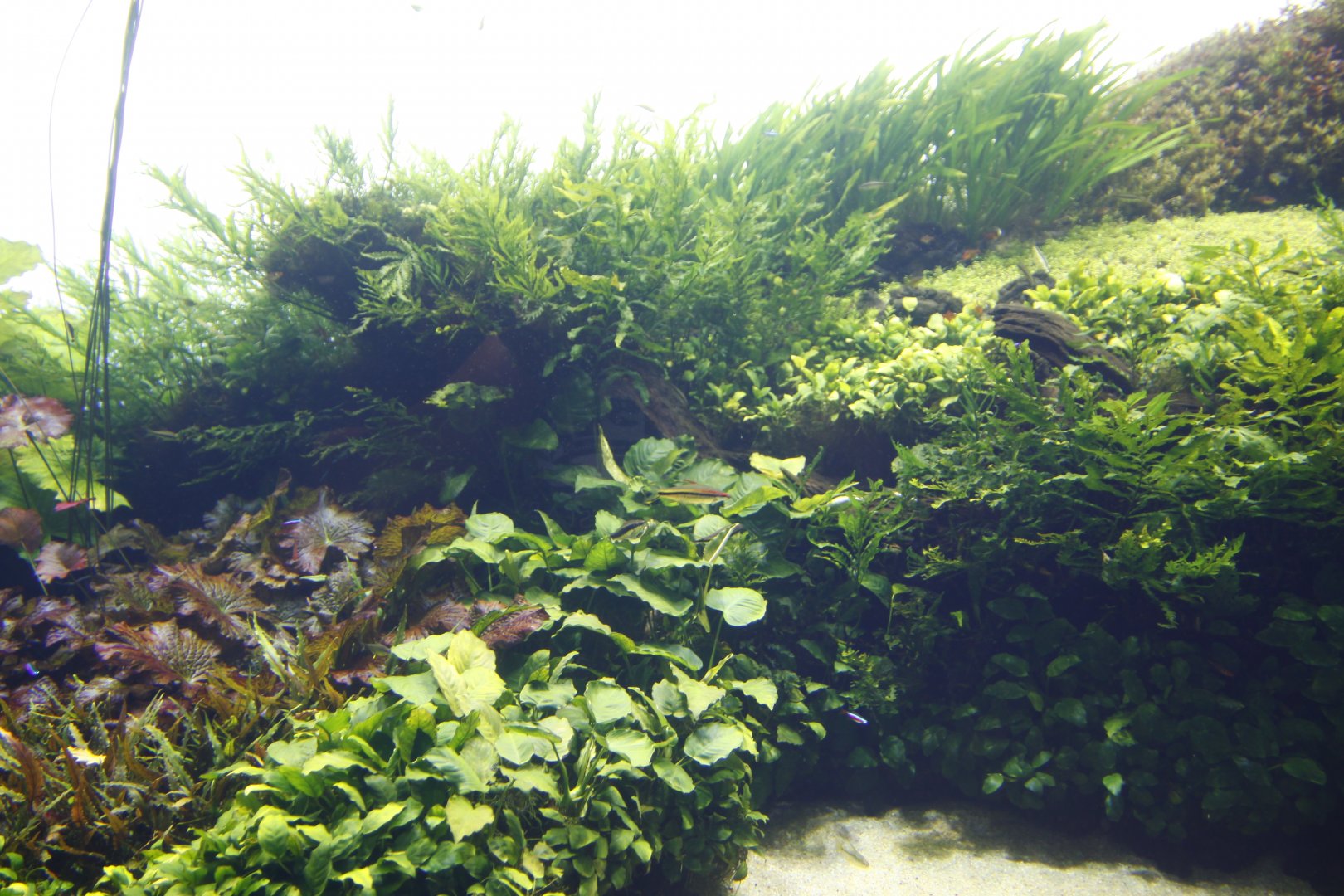
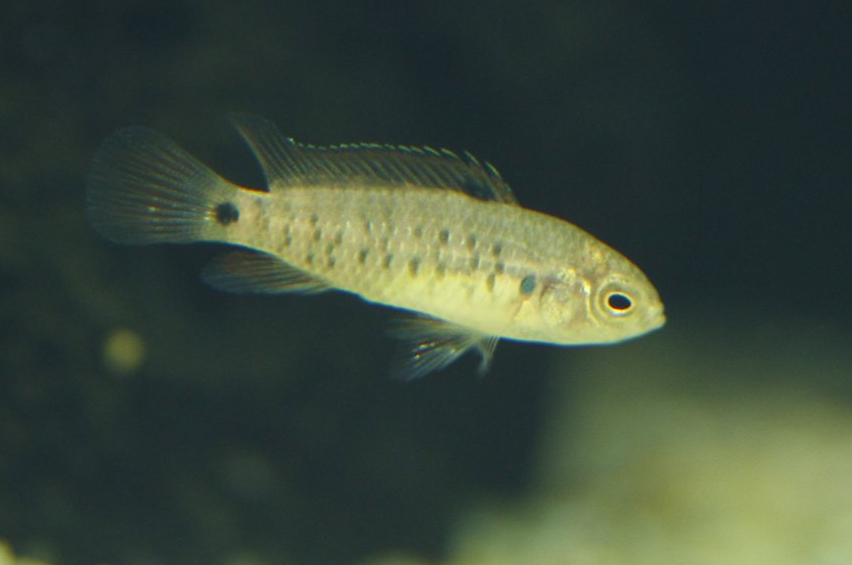
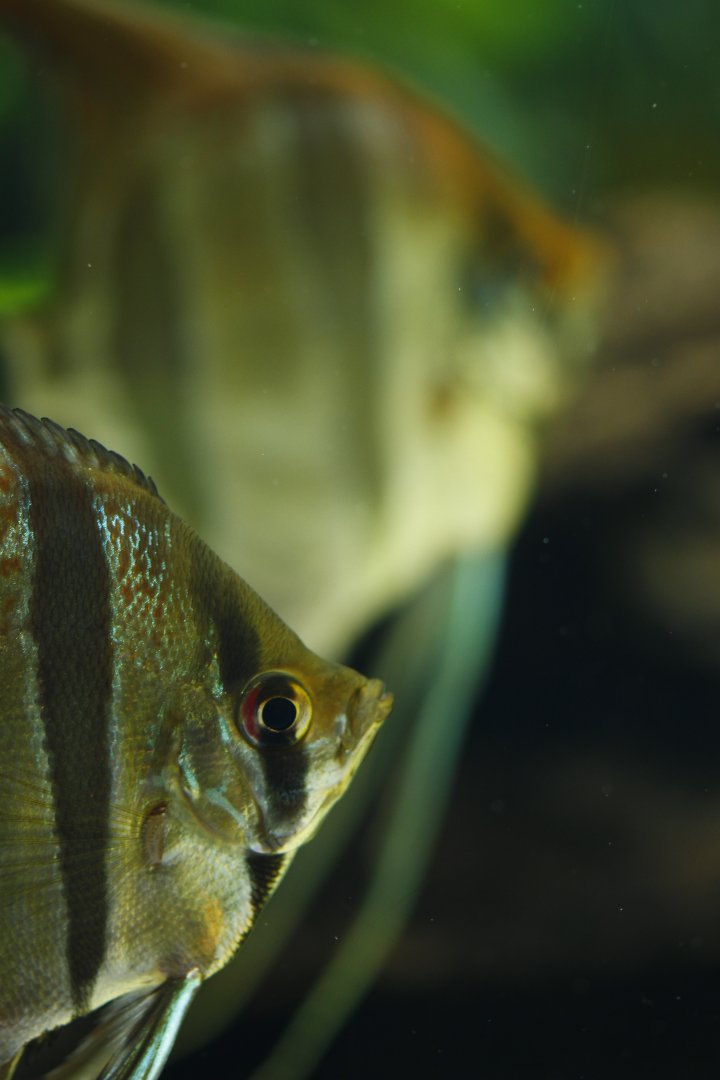
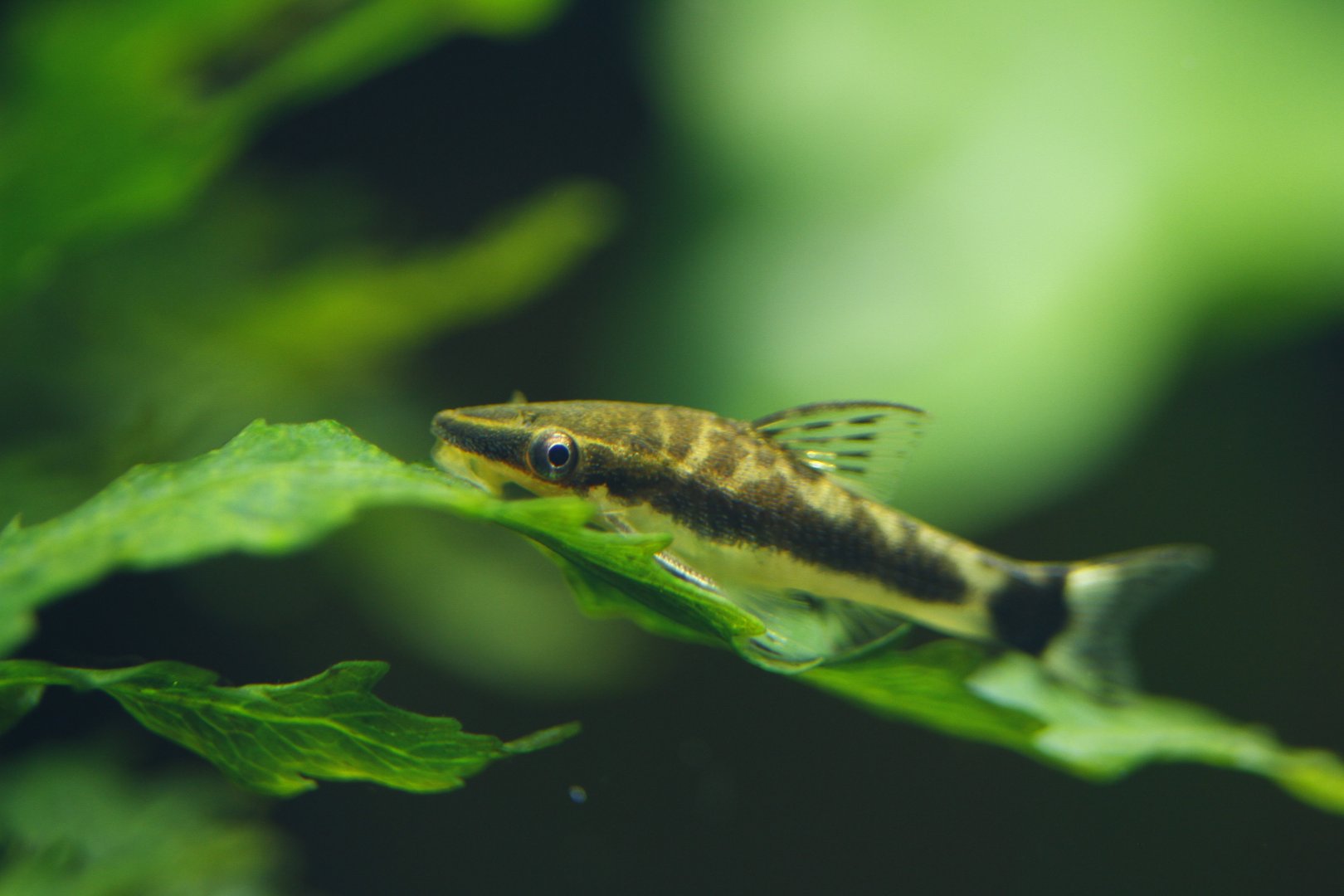
Though I’d seen some incredible pictures of this ridiculous exhibit, I wasn’t quite prepared for the sight that greeted me when I entered the room. I can’t describe it in words, I’m not that eloquent, but Florestas Submersas is simply the most incredible tank I’ve ever seen (including the main marine tank at this very aquarium). Though the plants and animals held within aren’t anything incredible, anyone familiar with Amano’s style will recognise the usual suspects knocking around, the way the whole tank and its islands of plants and bogwood all fits together is awesome. I won’t talk too much about it, the pictures don’t really do it justice either, but the whole experience (including the music by Rodrigo Leão) was a wonderful opportunity for contemplation. Over the day I spent at least 2 hours at gawping at this tank, making the extra couple of euros it cost to enter well worth it. Seeing how different species interacted and hung out in different areas was particularly interesting – there was one very memorable island with a shoal of pearl gouramis (
Trichogaster leeri) hanging out, but I couldn’t find a single one anywhere else in the tank.
Sitting and enjoying the tank gave me time to contemplate the work of art which lay before me and consider the possibly suspect use of the word ‘natural’ in Amano’s erlebnis* aquaria. To my mind, a ‘natural’ exhibit should be a slice of the wild, contained by a boundary of some sort. Florestas Submersas certainly
looks very natural – large shoals of diverse fish species, lush plants forming thick mats, punctuations of bogwood prongs, rocks or showcase plants, and breathing space through neutral, unplanted sections. But there’s nothing inherently natural about the mixture of fish from Africa, South America and Asia. Immersion** can be swiftly broken by an intrusive thought popping up, which depends largely on people’s own, personal experiences.
To digress massively from zoos, but I remember playing Assassin’s Creed: Black Flag a while ago. I was completely surrounded by the feeling of ‘presence’ in the game – everything looked right for the Caribbean, the islands, the water, the ships, and I was essentially dead to the rest of the world. This lasted for a while, without any non-game thoughts intruding on my brain, right up until one point where you make landfall, and are confronted with a
Ravenala – a distinctive tree from Madagascar, and one which has no business being in the Caribbean in the 1500s. Suddenly I found my immersion broken as I began to think about why they put this plant in (“it looks tropical”), but also about why people’s experiences shape their enjoyment of and immersion in certain situations.
There is of course a limit to how ‘natural’ such aquaria can be, and the degree to which anyone viewing the tank will consider it a slice of the wild will vary. Though I can (and will!) moan about the choice of fish in the tank, I can’t moan about the choice of sand in the tank, whereas someone with geological experience or experience of diving in the type of stream/lake Amano is trying to replicate may well have issues with it. Fundamentally, people’s own experiences in life affect how they respond to new experiences.
It’s probably obvious that Florestas Submersas put me into an extremely reflective place, it’s very rare that I sit still and just watch an exhibit for a good while, so I really have to commend the aquarium for building such a tank. It’s well worth making the visit to Lisbon to see it before they decommission finally ready it to be decommissioned.
Anyway, I've written faaaar too much about a single tank, the rest of the posts won't be so wordy!
* I think the best discussion on erlebnis in zoos can be found here, particularly Lintworm’s comments:
Why do we love zoos; a summary in stereotypes
** McMahn’s 2003 book chapter “Immersion, Engagement, and Presence. A method for analyzing 3-D Video Games” may be useful reading. Though it focusses on video games, a lot of the comments within are very much applicable to the way we enjoy zoos. It’s available here:
https://www.phil-fak.uni-duesseldor...us_kulturwissenschaftlicher_Sicht/mcmahan.pdf