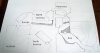
Here's my entry, tried my best, hope you like it. I don't have a map, like the last one had, but I hope it's ok .

So when you entering the children’s Zoo, the first thing you see is the African desert exhibit. Here it’s warm and the exhibit has been designed to look like a desert, with rocks, different desert plants etc. The
Aardvarks live in their exhibit, and you can also look into their indoor area, and the kids can also go under the ground to see the aardvarks from there. In a smaller lake live
Egyptian Plovers and
Zebra Cichlids. In a little desert exhibit lives a group of
Leopard Tortoises. Free-ranging animals in this exhibit are also
African Bullfrogs and
Emperor Scorpions, though, the scorpions have their own exhibit, since their too dangerous to be free-ranging. In this exhibit there’s also a small information centre for kids, where they can learn about African animals in an interesting way.
The next part is the European forest. Here lives only species that are very native to us and the exhibit is like a recreation of a forest in the warmer areas of Europe. In the trees here live
Common Kingfisher,
European Hedgehog,
Grass Snakes,
European Green Toads and
Garden Snails. In a small lake in bottom of the forest lives
European Perchs. There’s also information about the difference between the forests in America and Europe, so the children can learn about how it is in the both forest types.
Next part is the Asian rainforest. This part is the biggest of the parts. You come into the rainforest through glass doors, and when you come into the forest, you hear the noises from the forest, and you can directly see the
Palawan Hornbills, who lives in the trees. At the bottom of the rainforest there’s a lake running through the whole exhibit. Along the lake is the exhibit for
Asian small-clawed Otters, who can be seen from above and under water through big glass windows. In the lake there’s also a group of
Asian Arowanas. Along the paths in the rainforest there’s also a small exhibit for
Giant Leaf Insects. Free-ranging in the rainforest are also
Flying Frogs, although you have to look really closely if you want to find them. Last, in this exhibit also live
Saltwater Crocodiles, who have a big and lush exhibit, where they have lots of space to swim. They can also be seen under water. Before you exit the exhibit, you can also learn about the Asian rainforest, and about its inhabitants.
After the rainforest you continue through new glass doors, and then you realize that you have come to the Antarctica part. This part contains two big glassed enclosures. The first exhibit is for various penguin species. Here lives
King Penguins,
Gentoo Penguins,
Adelie Penguins and
Chinstrap Penguins. They have lots of space to swim and behind the exhibit it looks like midnight sun, to make it more naturally. In the other exhibit lives
Rockhopper Penguins and
Antarctic Giant Petrels.
The next exhibit is the Australian forest. Here it’s warm and very lush and green. It’s also very noisy, mostly because of the big group of
Rainbow Lorikeets who are free-ranging in the forest. In a separate exhibit lives a small group of
Matschie’s Tree-kangaroos. The visitors view the kangaroos through glass windows. On the ground lives a group of
Bearded Dragons and the
Australian Tree Frogs are living free in the rainforest, though they are very hard to see. Also free in the forest are
Bright Copper Butterflies. A big group of these are living in the forest, so they are not so hard to see. The last exhibit is the aquarium for
Queensland Lungfish. The children can also here learn about the animals in a very interesting way for them.
The next part is the North American forest. This exhibit is much like the European forest, only that there are only animals from North America here. The biggest exhibit is the one for
North American porcupines, who have plenty of trees to climb in their exhibit. The
Burrowing Owls have their aviary inspired by the prairie landscape with cactuses and short grass. The terrarium for
Eastern Diamondback rattlesnakes is also located here. Also an exhibit for
Honey Bees is located in the American forest. The children can see the bees in their beehive, where they can come close to the bees. There’s also an aquarium for
Atlantic Salmons here. The
American Toads are free ranging in the forest, but are not dangerous for the visitors.
After the American forest, you pass through some glass doors, and you suddenly come into the last part, which is the South American rainforest. This is a very large exhibit with many animals. You see the
Golden-headed Lion Tamarins, who are free ranging in the rainforest. They also have an off-show exhibit, where the visitors can not see them.
Toco Toucans are flying around in the forest, and can be very hard to see. In the trees you can also try to see the pair of
Green Iguanas, who live high up in the trees. A small aquarium, looking like the Amazon, contains a group of
Red-bellied Piranhas. The visitors can follow the
Leaf-cutter ants in their colony, and their colony have their house along a path, so the visitors can follow them and see what they are doing. Right in the middle of the forest, is the terrarium for
Blue Poison Dart frogs.