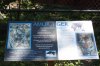
For me, signs have to include:
-Common name
-Scientific name
-Geographic range
-Conservation status
-Pictorial depiction (painting over a photo).
Depending on the size of the exhibit, multiple signs can be very useful. These could talk about the animal's anatomy, behaviour, evolution, and threats to its survival. One thing I would like zoos to provide more information on is the history of that animal in that zoo, e.g. have they bred succesfully, notable individuals, etc. Signage describing other historical features can be interesting too, Vienna Zoo is dotted with signs detailing buildings/enclosures/gardens history (
http://www.zoochat.com/107/rhino-koala-house-historical-signage-300189/). How the zoo is contributing to the conservation of a species is also valuable, as is how I can help.
Other displays, such as replicas or actual skulls, bones, skin, fur, feathers, eggs, nests, hand/foot prints, or animals themselves can also be very interesting and informative (
http://www.zoochat.com/40/anatomically-correct-statue-270285/; http://www.zoochat.com/556/jun-2012-indian-rhinoceros-interactive-sign-282319/). Animal calls can also be effective. Photographic displays showing threats, especially poaching, can be hard-hitting and effective; Singapore Zoo used this to great effect at its Tiger exhibit, while attempting to dispell the myths around tiger-based medicine (
http://www.zoochat.com/40/singapore-zoo-2008-educational-displays-front-133181/).
Interactive features, such as questions on flaps, with the answers underneath are effective at engaing visitors, given our general curiosity. Auckland Zoo used to have a display showing how a lion's claws retract, when you turned a small handle.
Video displays are OK, but have to be short enough to get a clear message across to a visitor who will probably be at the viewing port for less than a minute. Auckland Zoo has a film about the use of dogs in South Africa to protect Cheetahs, its rather long, but gets the message across regularly, so most people understand it. Videos showing off-display areas (dens, nests, etc) are a great to see more intimate behaviour (
http://www.zoochat.com/244/hornbills-display-250870/), and signs next to a live video feed are almost certain to be read by people trying to ascertain what they are seeing. The bus to Helsinki Zoo features a video which describes the zoo's conservation work, which is a great way to educate "captive" visitors.
Electronic displays are prone to technical issues, whenever I have visited a zoo with these there have always been some "out of order". Ones that change so as to display multiple species are frustrating. More interactive, touch-screen signs are probably a good idea, as long as they don't detract from seeing the animal themselves.
Finally, signs that are not directly related to the displayed animal are also very interesting, such as tropical forest or wetland signs near animals from such habitats, or signs about termite mounds near an African savannah exhibit for example. One of the most compelling signs I have seen are those at Auckland Zoo's native exhibit, which list New Zealand species that have become extinct (
http://www.zoochat.com/14/signage-te-wao-nui-auckland-zoo-237433/). An attempt by Phialdelphia Zoo to do they same thing seems to have missed the point entirely however (
http://www.zoochat.com/837/graveyard-244434/).