Exploring What’s on my Doorstep: WhistlingKite24 does South-east Queensland

After managing a successful find of Australasian Shoveler and a bonus Glossy Ibis at Kedron Brook Wetlands Reserve, later in the afternoon, I headed to a very built-up suburban road with a Pink Cockatoo that had been hanging around with a large flock of Sulphur-crested Cockatoos. There are actually quite a few records of Pink Cockatoo across western Brisbane and into Ipswich but most, if not all, are aviary escapees that have settled in with other wild cockatoo flocks and travel with them as wandering nomads for months if not years. This particular bird has been here for a long while in the suburb The Gap, near the southern point of D’Aguilar National Park, with a grey leg ring therefore being clearly a bird of captive origins. The known site for it was opposite a sports club and I waited till around 4pm and just like that a huge flock of cockatoos descended to feed on the grass from suburbia. A red flash of the crest confirmed a beautiful pastel-pink cockatoo and it was fearless of humans (admittedly so where the wild Sulphur-crested cockatoos). Someday I’d love to see real wild Pink Cockatoo out west but for now it was fascinating to see this bird after years of Galahs.

full

Australasian Shoveler

full

full

Pink Cockatoo - long-term aviary escapee in Brisbane
 
After managing a successful find of Australasian Shoveler and a bonus Glossy Ibis at Kedron Brook Wetlands Reserve, later in the afternoon, I headed to a very built-up suburban road with a Pink Cockatoo that had been hanging around with a large flock of Sulphur-crested Cockatoos. There are actually quite a few records of Pink Cockatoo across western Brisbane and into Ipswich but most, if not all, are aviary escapees that have settled in with other wild cockatoo flocks and travel with them as wandering nomads for months if not years. This particular bird has been here for a long while in the suburb The Gap, near the southern point of D’Aguilar National Park, with a grey leg ring therefore being clearly a bird of captive origins. The known site for it was opposite a sports club and I waited till around 4pm and just like that a huge flock of cockatoos descended to feed on the grass from suburbia. A red flash of the crest confirmed a beautiful pastel-pink cockatoo and it was fearless of humans (admittedly so where the wild Sulphur-crested cockatoos). Someday I’d love to see real wild Pink Cockatoo out west but for now it was fascinating to see this bird after years of Galahs.

full

Australasian Shoveler

full

full

Pink Cockatoo - long-term aviary escapee in Brisbane
Do you know if more than the odd one are seen in these flocks?
 
Whales En Masse – Moreton Bay Marine Park, Moreton Bay– 7th July 2025:

Target Species:
Humpback Whale

Today I went whale watching with Brisbane Whale Watching. This boat departs from the Redcliffe Jetty daily at 9am and travels out to Moreton Island, a largely untouched sand island that sits adjacent to Brisbane within Moreton Bay Marine Park. The boat returns around 2:30pm allowing some decent viewing time as it’s only about 40 minutes to reach whale territory. It is currently peak whale migration as the Humpback Whales arrive as part of their northern migration from the Antarctic waters to give birth to their calves in the warmer waters. There are several land-based options in south-east Queensland to see whales without stepping on a boat like Noosa and Mount Coolum in the Sunshine Coast region. However, for close viewing, Moreton Island is an ideal option. A bit of birding before boarding the boat; Redcliffe is a fantastic spot for Pacific Reef-Heron and a pair of dark-morph birds were roosting right next to the jetty among Silver Gulls.

full

Pacific Reef-Heron

I walked along the Redcliffe Jetty where there is a roosting site for birds. Here I spotted Little Black Cormorant, Pied Cormorant, Little Pied Cormorant and Australasian Darter that use this site to also dry off throughout the day. My goal was to see Australasian Gannet - another winter migrant to the region – from the jetty and I successfully managed to find one flying strongly along the horizon. I ventured down to where the boat was moored and spied a Pied Cormorant struggling with a big catch. It eventually got the fish down with some manipulating under the water. Lots of Tree Martins and Welcome Swallows were around as well.

full

Pied Cormorant with catch

Finally reaching 9am, it was boarding time. As they were giving the safety briefing, I heard a big commotion of birds from the cormorant roost site. I had to pick my jaw off the ground as I saw an Eastern Barn Owl out near the ocean being attacked by a Peregrine Falcon that was calling loudly with great alarm. The falcon had one of the owl’s wings in one of its talons at one stage. I wondered if the owl would actually make it but the owl managed to escape across the ocean reaching cover eventually as it pulled down the falcon with its weight. The falcon didn’t pursue the owl much and it focussed its attention on the feral pigeons, completing a few short dives at a few birds before taking off into the distance. I knew about the potential for seeing these falcons at Redcliffe but certainly wasn’t expecting to finally see a wild barn owl today! Thrilling to watch an owl fly in daylight as well. Probably the most dramatic bird sighting I have ever seen.

full

Eastern Barn Owl with Peregrine Falcon

full

Eastern Barn Owl – zoomed in

Already seeing a major highlight before boarding the boat I was keen for what else I could see throughout the day. Australasian Gannets, Crested Terns and Pied Cormorants continued throughout the morning towards Moreton Island. There was a brownish figure moving quickly past the boat. A hammerhead shark! No clear photos were taken but its distinctive head shape was seen very clearly. Not sure what species it would have been but iNaturalist records show Scalloped, Great and Smooth Hammerhead Sharks locally. I won’t count it officially as I can’t identify it but it was amazing to see. The Humpback Whales soon started appearing as we entered their “humpback highway”. At one stage there were eyes on four different pods surfacing. I think I easily saw over 40 different whale sightings throughout the next couple of hours. Most were whales briefly reaching the surface and then travelling on. There were a handful of tail slaps which were very cool to see. I was hoping to see a breaching whale; a full leap out of the water.

full

Australasian Gannet

full

Humpback Whale

While I waited a big healthy turtle surfaced for a good two minutes providing exceptional views. It was a Hawksbill which is a new one for the list. Usually, turtles submerge quickly but this one made for excellent viewing. As we approached Flinders Reef as a known turtle hotspot, we spotted more turtles underneath the surface of the water as they glided past. Finally, I did get my big whale moment towards the end of the trip with an enormous lift and splash, allowing me to fully appreciate the full appearance of such an animal. Well from owls to turtles to whales to hammerhead sharks, today was certainly eventful.

full

Hawksbill Turtle

full

Humpback Whale – big breach!
 
Whales En Masse – Moreton Bay Marine Park, Moreton Bay– 7th July 2025:

Target Species:
Humpback Whale

Today I went whale watching with Brisbane Whale Watching. This boat departs from the Redcliffe Jetty daily at 9am and travels out to Moreton Island, a largely untouched sand island that sits adjacent to Brisbane within Moreton Bay Marine Park. The boat returns around 2:30pm allowing some decent viewing time as it’s only about 40 minutes to reach whale territory. It is currently peak whale migration as the Humpback Whales arrive as part of their northern migration from the Antarctic waters to give birth to their calves in the warmer waters. There are several land-based options in south-east Queensland to see whales without stepping on a boat like Noosa and Mount Coolum in the Sunshine Coast region. However, for close viewing, Moreton Island is an ideal option. A bit of birding before boarding the boat; Redcliffe is a fantastic spot for Pacific Reef-Heron and a pair of dark-morph birds were roosting right next to the jetty among Silver Gulls.

full

Pacific Reef-Heron

I walked along the Redcliffe Jetty where there is a roosting site for birds. Here I spotted Little Black Cormorant, Pied Cormorant, Little Pied Cormorant and Australasian Darter that use this site to also dry off throughout the day. My goal was to see Australasian Gannet - another winter migrant to the region – from the jetty and I successfully managed to find one flying strongly along the horizon. I ventured down to where the boat was moored and spied a Pied Cormorant struggling with a big catch. It eventually got the fish down with some manipulating under the water. Lots of Tree Martins and Welcome Swallows were around as well.

full

Pied Cormorant with catch

Finally reaching 9am, it was boarding time. As they were giving the safety briefing, I heard a big commotion of birds from the cormorant roost site. I had to pick my jaw off the ground as I saw an Eastern Barn Owl out near the ocean being attacked by a Peregrine Falcon that was calling loudly with great alarm. The falcon had one of the owl’s wings in one of its talons at one stage. I wondered if the owl would actually make it but the owl managed to escape across the ocean reaching cover eventually as it pulled down the falcon with its weight. The falcon didn’t pursue the owl much and it focussed its attention on the feral pigeons, completing a few short dives at a few birds before taking off into the distance. I knew about the potential for seeing these falcons at Redcliffe but certainly wasn’t expecting to finally see a wild barn owl today! Thrilling to watch an owl fly in daylight as well. Probably the most dramatic bird sighting I have ever seen.

full

Eastern Barn Owl with Peregrine Falcon

full

Eastern Barn Owl – zoomed in

Already seeing a major highlight before boarding the boat I was keen for what else I could see throughout the day. Australasian Gannets, Crested Terns and Pied Cormorants continued throughout the morning towards Moreton Island. There was a brownish figure moving quickly past the boat. A hammerhead shark! No clear photos were taken but its distinctive head shape was seen very clearly. Not sure what species it would have been but iNaturalist records show Scalloped, Great and Smooth Hammerhead Sharks locally. I won’t count it officially as I can’t identify it but it was amazing to see. The Humpback Whales soon started appearing as we entered their “humpback highway”. At one stage there were eyes on four different pods surfacing. I think I easily saw over 40 different whale sightings throughout the next couple of hours. Most were whales briefly reaching the surface and then travelling on. There were a handful of tail slaps which were very cool to see. I was hoping to see a breaching whale; a full leap out of the water.

full

Australasian Gannet

full

Humpback Whale

While I waited a big healthy turtle surfaced for a good two minutes providing exceptional views. It was a Hawksbill which is a new one for the list. Usually, turtles submerge quickly but this one made for excellent viewing. As we approached Flinders Reef as a known turtle hotspot, we spotted more turtles underneath the surface of the water as they glided past. Finally, I did get my big whale moment towards the end of the trip with an enormous lift and splash, allowing me to fully appreciate the full appearance of such an animal. Well from owls to turtles to whales to hammerhead sharks, today was certainly eventful.

full

Hawksbill Turtle

full

Humpback Whale – big breach!

What a coincidence, I went whale watching today also. No luck from my end though, spent two hours Seawatching but nothing, not even an Albatross.
 
Location 111: Brisbane International Airport, Brisbane - 9th July 2025:

Target Species: Glossy Ibis, Yellow-billed Spoonbill

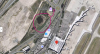
Picture it. You are visiting Brisbane for the first time (surely because I have convinced you how wildlife-rich this city is now) after a long flight and are now wondering where you can start your birding adventure with a quick snapshot. Well, dear reader, the perfect place is a 10-minute walk from the entrance of the Brisbane International Airport, located among distant landing planes and near the passenger pickup area. The main area with decent birding opportunities is located next to the Charles Kingsford Smith Memorial with a large reed-filled wetlands that sits opposite a roundabout along Airport Drive adjacent to a carpark. Here there is a wide range of water and bush birds that can be found.

upload_2025-7-9_17-45-21.png

This place is particularly relevant for international travellers with a wide range of common waterbirds but a few interesting birds generally. For me, the highlight from today was a Yellow-billed Spoonbill in full view. This is the more uncommon species of spoonbill in Australia and is highly nomadic depending on habitat availability and food. There were good numbers of Black-fronted Dotterels, a single Comb-crested Jacana on the mud without a waterlily in sight, an Australian Pelican and a range of more common species like Chestnut Teal, Grey Teal, Little Pied Cormorant, Little Black Cormorant and Australasian Darter. An additional highlight was a bold Australian Reed-Warbler that popped into full view; a rare sighting to see one out of hiding. This is a known site for Nankeen Night-Heron and Latham’s Snipe in the warmer months. A great little place that makes it an ideal place to explore if you ever find yourself with time at the Brisbane Airport.

full

Yellow-billed Spoonbill metres away from the airport's main area

full

Australian Reed-Warbler

I also went to Tinchi Tamba (location #9) which remains as one of Brisbane’s most diverse sites. Today my target was a Wompoo Fruit-Dove that had been drawn to one of the fig trees in the waterfront park here. It was seen eventually among Australasian Figbird feeding. It was so cool to see one in a really open space as the sun hit its emerald wings. It felt huge in a more cultivated setting within parkland compared to crashing about in a rainforest canopy as they are traditionally viewed. Elsewhere there were some great sightings but not a lot of photographic opportunities. Notable birds included Mangrove Gerygone, five Mangrove Honeyeaters, Leaden Flycatcher, a Pale-headed Rosella in the mangroves, Australian Rufous Fantail and hundreds of Little Black Cormorants forming a very large fishing party. The mob of Eastern Grey Kangaroos had a few full pouches with a few joeys as well.

full

Sacred Kingfisher

full

Wompoo Fruit-Dove
 

Attachments

  • upload_2025-7-9_17-45-21.png
    upload_2025-7-9_17-45-21.png
    375.2 KB · Views: 72
@WhistlingKite24

Wow!! love that even right next to Brisbane's big busy noisy aiport, that there is this pocket of nature you found that's still an oasis of multiple birds in terms of species (while the kingfisher and the fruit-dove are the most beautiful in terms of their striking colours, the fruit-dove very clearly obvs'; there is something too quite handsome and captivating about the yellow-billed spoonbill seeing the one in your photo, the warbler is very charismatic and cute also. Brilliant photos again man.
 
Last edited:
Rainforest Ghosts – Mount Glorious, Moreton Bay – 19th July 2025:

Target Species: Greater Sooty Owl, Marbled Frogmouth

Time for some more spotlighting in a different habitat – deep dark tangly rainforest. Last night I searched for two targets around Mount Glorious. I won’t reveal the specific sections of the area to give some degree of protection for the birds but both species can be found at a few locations across the mountain. The first target – Greater Sooty Owl – is a rainforest owl species with a strikingly dark colouration. I have Lesser Sooty Owl seen in the daytime on my list. An unusually pale one in the Atherton Tablelands but I wanted to see the local form (subspecies or species depending on taxonomical followings) which is larger and darker. The search was quick thankfully with the classic ‘falling bomb’ call heard for the species and a male owl was spotted in the open, on a branch above my head. An unusually good view for thick forest. A bandicoot was flushed but I needed a second longer to confirm what it was; most likely Southern Long-nosed which would have been a lifer. I definitely confirmed a Subtropical Antechinus bounding around erratically though.

full

Greater Sooty Owl

I want this year to be the year of the frogmouths. Australia has three species – the widespread Tawny Frogmouth that ventures in suburbia regularly, the large Papuan Frogmouth of the north which I hope to get in September around Cairns or the Daintree and the Marbled Frogmouth. The latter species has two subspecies with a Cape York one and the locally endemic Plumed Frogmouth, P. o. plumiferus, occurring in only the deepest rainforest fragments of south-east Queensland and northern New South Wales. Marbleds have a few key differences to Tawnys; a longer tapered tail, blotches of markings rather than the streaks of a Tawny and a forehead tuft that extends well beyond its bill. Marbled Frogmouths are phantoms that roost high up in the canopy. A daytime sighting would be miraculous. In 2021 when a nest was found at O’Reillys it made the news as a significant breeding record. The search proved to be harder but after hearing some crashing around in the vine thicket (contrasting the swift wing beats of an owl), a frogmouth popped into view allowing me to get better than expected views of this rare frogmouth. Very happy to see both targets after a few long and cold hours. The strange guttural calls of Yellow-bellied Gliders that remained unseen sparked inspiration for the next spotlighting target…next time…

full

full

Marbled Frogmouth
 
Turtle Rescue – Buckley's Hole, Bribie Island - 2nd August 2025:

On the weekend I went to Bribie Island, searching for Double-banded Plovers as they colour up into breeding plumage before they return back to New Zealand. Buckley’s Hole on Bribie Island is quickly becoming one of my favourite beach birding experiences. At low tide this long stretch of beach and mangroves is accessible and is rather untouched. The little plovers and dotterels dart around the beach which I find is such an uncommon sight locally. I remember when I went to Adelaide and saw Red-capped Plovers everywhere on the beaches I was so surprised. It’s just something not seen as often on our busy beaches with so much coastal disturbance I imagine. I enjoyed some glorious views of Red-capped Plovers (both males and females) and a few Black-fronted Dotterels were also seen among them as they fed on the white sand. There were unfortunately no Double-bands; I think I left it too late.

full

Red-capped Plover

As the low tide descended towards the horizon this left all manner of critter exposed for a shorebird feast. I spied a Pied Oystercatcher playing tug of war with something. Sea snake? That would be something! Eel, maybe. It didn’t look like a moray. It was confirmed to be a Halfband Snake-Eel; a sand burrower. The oystercatcher was toying around with the eel, carrying it around as it squirmed. There were times it left it to crawl back into the sand and then pulled it out again. It eventually dispatched it with a swift bite to the mid-body, consuming it in pieces. Fascinating and gruesome at the same time to watch. There is always a lot of coastal raptor action here with a resident pair of Whistling Kites, a Brahminy Kite, an Eastern Osprey and distant White-bellied Sea-Eagle. The soldier crabs were emerging from the ground and swarmed the ground.

full

Pied Oystercatcher with snake-eel

full

Light-blue Soldier Crab

While I was dodging all the soldier crabs, a concerned lady approached me asking if I had a phone to contact wildlife rescue. There was a juvenile Green Turtle that had washed up on the shore. It wasn’t moving nor responding. I was about to write it off as dead but saw that the turtle opened its eyes slowly. It lifted its head momentarily. It might have a chance then I thought. A local wildlife rescuer came quickly and the turtle was transferred to the Australia Zoo Wildlife Hospital for treatment. The turtle is on a course of antibiotics currently and receiving a freshwater treatment to get rid of the barnacles. Its prognosis doesn’t seem great but I am surprised it has survived so far. I will check in with the hospital in a few days to see if it has survived. If the turtle makes it will be transported to Sea Life Sunshine Coast for long-term rehab to then be re-released.

full

Green Turtle – currently at the wildlife hospital
 
Turtle Rescue – Buckley's Hole, Bribie Island - 2nd August 2025:

On the weekend I went to Bribie Island, searching for Double-banded Plovers as they colour up into breeding plumage before they return back to New Zealand. Buckley’s Hole on Bribie Island is quickly becoming one of my favourite beach birding experiences. At low tide this long stretch of beach and mangroves is accessible and is rather untouched. The little plovers and dotterels dart around the beach which I find is such an uncommon sight locally. I remember when I went to Adelaide and saw Red-capped Plovers everywhere on the beaches I was so surprised. It’s just something not seen as often on our busy beaches with so much coastal disturbance I imagine. I enjoyed some glorious views of Red-capped Plovers (both males and females) and a few Black-fronted Dotterels were also seen among them as they fed on the white sand. There were unfortunately no Double-bands; I think I left it too late.

full

Red-capped Plover

As the low tide descended towards the horizon this left all manner of critter exposed for a shorebird feast. I spied a Pied Oystercatcher playing tug of war with something. Sea snake? That would be something! Eel, maybe. It didn’t look like a moray. It was confirmed to be a Halfband Snake-Eel; a sand burrower. The oystercatcher was toying around with the eel, carrying it around as it squirmed. There were times it left it to crawl back into the sand and then pulled it out again. It eventually dispatched it with a swift bite to the mid-body, consuming it in pieces. Fascinating and gruesome at the same time to watch. There is always a lot of coastal raptor action here with a resident pair of Whistling Kites, a Brahminy Kite, an Eastern Osprey and distant White-bellied Sea-Eagle. The soldier crabs were emerging from the ground and swarmed the ground.

full

Pied Oystercatcher with snake-eel

full

Light-blue Soldier Crab

While I was dodging all the soldier crabs, a concerned lady approached me asking if I had a phone to contact wildlife rescue. There was a juvenile Green Turtle that had washed up on the shore. It wasn’t moving nor responding. I was about to write it off as dead but saw that the turtle opened its eyes slowly. It lifted its head momentarily. It might have a chance then I thought. A local wildlife rescuer came quickly and the turtle was transferred to the Australia Zoo Wildlife Hospital for treatment. The turtle is on a course of antibiotics currently and receiving a freshwater treatment to get rid of the barnacles. Its prognosis doesn’t seem great but I am surprised it has survived so far. I will check in with the hospital in a few days to see if it has survived. If the turtle makes it will be transported to Sea Life Sunshine Coast for long-term rehab to then be re-released.

full

Green Turtle – currently at the wildlife hospital

That's a real adventure day! The photo of the Oystercatcher is simply lovely. Catching that behaviour must have been super exciting. How nice to hear too about the turtle rescue.

Shorelines are fascinating places, so much going on when it can just look like endless stones or sand.
 
I remember when I went to Adelaide and saw Red-capped Plovers everywhere on the beaches I was so surprised. It’s just something not seen as often on our busy beaches with so much coastal disturbance I imagine. I enjoyed some glorious views of Red-capped Plovers (both males and females) and a few Black-fronted Dotterels were also seen among them as they fed on the white sand. There were unfortunately no Double-bands; I think I left it too late.
Mission complete. A single Double-banded Plover was seen this morning at Buckley's Hole. It was already in full breeding plumage ready to fly back to New Zealand for breeding within a matter of weeks or even days. It fed with Red-capped Plovers. I'd only seen this species once before at the beginning of their autumnal arrival at King Island.

full

Double-banded Plover
 
A Show of Colour – Kumbartcho Sanctuary, Moreton Bay – 7th September 2025:

Target Species: Powerful Owl

Today I returned to Kumbartcho mainly to search around for Powerful Owls without success despite recent success with three other species of owl locally. During the search I did enjoy a range of wet forest birds. The good thing about Kumbartcho is that the rainforest section offers a good range of smaller species that are often associated with upland forest up winding roads. Large-billed Scrubwrens and Brown Thornbill were bathing in the pools while Australian Rufous Fantails were aggressively defending their territories driving out rivals. There were at least five fantails in view at one stage. They often follow the Australian Brush-Turkeys catching any bugs that the turkeys miss. The Eastern Yellow Robins were very showy and one have a recent fledgling, signifying spring is here.

full

Australian Rufous Fantail

full

Eastern Yellow Robin

Noisy Pitta is generally reliable at Kumbartcho especially around late winter/early spring. And like clockwork it appeared well and even began to preen which I hadn't seen before well among wild birds. I have to say it continually surprises me how well pitta can show at the right time of year in and around Brisbane. The biggest surprise however was on my way out I saw something furry moving among some dense grass along the water’s edge. I saw a flat head and golden fur below. I immediately realised it was a Rakali. It was a pup that had emerged from a den. Rakali have adapted to Brisbane’s urban landscapes and artificial waterways and can even be found in the heart of the city along the Brisbane River, cleaning up scraps in South Bank on ferry terminals. I’d never seen Rakali in captivity largely due to their rarity in Australian facilities as a short-lived species so this first time wild sighting was particularly special. The pup eventually tucked itself back. A fantastic thing to witness.

full

Noisy Pitta

full

Rakali pup
 
Blanket of Heat – Various Locations – 29th November 2025

Target Species: Sahul Brush Cuckoo

The humidity this past week has been particularly present; the air is thick with moisture, and the air almost has texture. The recent regular weekend thunderstorms have been almost predictable, with every weekend for the past month having some degree of rain. This weekend I simply had to get out and about. I was sick of the indoors and registered for a frogging event—one of those free spotlighting events run through the Logan City Council I mentioned a few months back. These are a great way of spotlighting and learning lots from those who are experienced with frogs and mammals in particular. Last night it was based at Greenwood Lakes, a small parkland/wetland combo situated in the northern suburbs of Logan, relatively close to the southern fringes of Brisbane. It was a humble space and therefore provided a humble range of species at night. Before dusk settled, a Dollarbird and Australian King-Parrot were seen well, flying over the nearby houses. The Cane Toad presence was insane; we were literally tripping over them. My main goal was to see one of south-east Queensland’s most common frogs, the lovely little Striped Marsh Frog. Fortunately, these were easy to find here in the mowed patches of lawn, which are apparently crucial for this species to feed out in the open. They were very nimble and quick, so I was lucky to see a couple and photograph one. There were other frogs, but they were all calling and hidden: a Dainty Tree-Frog in the trees and a chorus of Tyler’s Laughing Tree-Frogs, with the loud Great Barred Frog (a new site record) and Ruddy Tree-Frog joining them. None of the frogs showed, as they were calling from private property, which ironically had better frog habitat than the entire larger reserve we were standing in. There weren’t many other critters, but there were some nice big Fraser’s Banded Snails moving around the forest floor and a female Common Brushtail Possum with a joey staring us down. Overall, relatively quiet but still a good opportunity to be among like-minded people and explore a few nocturnal creatures. I will be signing up to another couple of nocturnal events in a couple of months in 2026.

full

Striped Marsh Frog

full

Later correction see below: Figuladra sp.

Today it was forecast to rain, but I didn’t care. I wanted birds, so I made my way to the bayside suburb of Wynnum. I started at Sandy Camp—a classic site where you can get 50 to 60 species with relative ease, especially now in the warmer months. Highlights were two Brown Quail that were feeding out in the open, a Leaden Flycatcher that had recently fledged, lots of Sacred Kingfishers, and Tree Martins. Not a peep from a Sahul Brush-Cuckoo. Wynnum Mangrove Boardwalk is a must combo with Sandy Camp. Mangrove Honeyeaters were calling, but the main stars were at least twenty Mangrove Gerygones which were ‘swarming’ in the lower thickets of scrub. Some were hopping on the ground, and all were calling melodiously. It was a remarkable sight; they were feeding close to the bird hide. There was something even more exciting with them; a Horsfield’s Bronze-Cuckoo. Not the cuckoo I was after, but a really good find. I hadn’t seen one in a couple of years. I kept the momentum going with great views of Superb Fairywren, Tawny Grassbird, and a feeding flock of Lewin’s Honeyeater, Australasian Figbird, Rainbow Lorikeet, and Scaly-breasted Lorikeet in a flowering gum as I headed towards the mangroves. The boardwalk itself was very quiet, with very few walkers about in the thick heat. To start off with, I didn’t see much, and most of the activity came from deeper within the mangrove forest, with the calls of Torresian Kingfisher filling the air; two were seen, but more were heard.

full

Mangrove Gerygone

full

Royal Spoonbill

I reached the low-tide boardwalk viewing platform and immediately saw a hunting White-bellied Sea-Eagle and a Brahminy Kite as well, soaring over the coastline. I could pinpoint the larger waders in the form of Eurasian Whimbrel, Royal Spoonbill, Bar-tailed Godwit, and Eastern Curlew, with Little Heron (formerly Striated Heron), Little Egret, Great Egret, and Black Swan. The mudflats around me were suddenly filled with the incredible Bearded Mudskippers. It still blows my mind Brisbane has mudskippers, and these were the first I have seen at Wynnum. There were some lovely crabs as well, including a new fiddler crab for the list and lots of sentinel crabs that swarmed in the mud. A great few hours before the rain kicked in.

full

Dussumier's Fiddler Crab

full

Bearded Mudskipper
 
Last edited:
Correction. The snails from Greenwood Lakes that I photographed last night are not Fraser's Banded Snails. They are actually an unidentified species of Figuladra that stem from an unknown north Queensland population. They are snails not native to south-east Queensland and have been introduced to area. Experts are yet to determine the specific species.
 
Blanket of Heat – Various Locations – 29th November 2025

Target Species: Sahul Brush Cuckoo

The humidity this past week has been particularly present; the air is thick with moisture, and the air almost has texture. The recent regular weekend thunderstorms have been almost predictable, with every weekend for the past month having some degree of rain. This weekend I simply had to get out and about. I was sick of the indoors and registered for a frogging event—one of those free spotlighting events run through the Logan City Council I mentioned a few months back. These are a great way of spotlighting and learning lots from those who are experienced with frogs and mammals in particular. Last night it was based at Greenwood Lakes, a small parkland/wetland combo situated in the northern suburbs of Logan, relatively close to the southern fringes of Brisbane. It was a humble space and therefore provided a humble range of species at night. Before dusk settled, a Dollarbird and Australian King-Parrot were seen well, flying over the nearby houses. The Cane Toad presence was insane; we were literally tripping over them. My main goal was to see one of south-east Queensland’s most common frogs, the lovely little Striped Marsh Frog. Fortunately, these were easy to find here in the mowed patches of lawn, which are apparently crucial for this species to feed out in the open. They were very nimble and quick, so I was lucky to see a couple and photograph one. There were other frogs, but they were all calling and hidden: a Dainty Tree-Frog in the trees and a chorus of Tyler’s Laughing Tree-Frogs, with the loud Great Barred Frog (a new site record) and Ruddy Tree-Frog joining them. None of the frogs showed, as they were calling from private property, which ironically had better frog habitat than the entire larger reserve we were standing in. There weren’t many other critters, but there were some nice big Fraser’s Banded Snails moving around the forest floor and a female Common Brushtail Possum with a joey staring us down. Overall, relatively quiet but still a good opportunity to be among like-minded people and explore a few nocturnal creatures. I will be signing up to another couple of nocturnal events in a couple of months in 2026.

full

Striped Marsh Frog

full

Later correction see below: Figuladra sp.

Today it was forecast to rain, but I didn’t care. I wanted birds, so I made my way to the bayside suburb of Wynnum. I started at Sandy Camp—a classic site where you can get 50 to 60 species with relative ease, especially now in the warmer months. Highlights were two Brown Quail that were feeding out in the open, a Leaden Flycatcher that had recently fledged, lots of Sacred Kingfishers, and Tree Martins. Not a peep from a Sahul Brush-Cuckoo. Wynnum Mangrove Boardwalk is a must combo with Sandy Camp. Mangrove Honeyeaters were calling, but the main stars were at least twenty Mangrove Gerygones which were ‘swarming’ in the lower thickets of scrub. Some were hopping on the ground, and all were calling melodiously. It was a remarkable sight; they were feeding close to the bird hide. There was something even more exciting with them; a Horsfield’s Bronze-Cuckoo. Not the cuckoo I was after, but a really good find. I hadn’t seen one in a couple of years. I kept the momentum going with great views of Superb Fairywren, Tawny Grassbird, and a feeding flock of Lewin’s Honeyeater, Australasian Figbird, Rainbow Lorikeet, and Scaly-breasted Lorikeet in a flowering gum as I headed towards the mangroves. The boardwalk itself was very quiet, with very few walkers about in the thick heat. To start off with, I didn’t see much, and most of the activity came from deeper within the mangrove forest, with the calls of Torresian Kingfisher filling the air; two were seen, but more were heard.

full

Mangrove Gerygone

full

Royal Spoonbill

I reached the low-tide boardwalk viewing platform and immediately saw a hunting White-bellied Sea-Eagle and a Brahminy Kite as well, soaring over the coastline. I could pinpoint the larger waders in the form of Eurasian Whimbrel, Royal Spoonbill, Bar-tailed Godwit, and Eastern Curlew, with Little Heron (formerly Striated Heron), Little Egret, Great Egret, and Black Swan. The mudflats around me were suddenly filled with the incredible Bearded Mudskippers. It still blows my mind Brisbane has mudskippers, and these were the first I have seen at Wynnum. There were some lovely crabs as well, including a new fiddler crab for the list and lots of sentinel crabs that swarmed in the mud. A great few hours before the rain kicked in.

full

Dussumier's Fiddler Crab

full

Bearded Mudskipper

Another wonderfully varied day! I so love those Spoonbills each time you share them. The disproportionate size of some crab claws in relation to the crab themselves is also fascinating.
 
Back
Top