
A Japanese aquarium had a slender oarfish at one point, but it only lasted a few hours.I want to see an aquarium exhibit Oarfish.
A Japanese aquarium had a slender oarfish at one point, but it only lasted a few hours.I want to see an aquarium exhibit Oarfish.

Hence why I said probably very small juveniles only. But then what do you do once it grows? I don't know.The biggest issue with keeping oarfish (aside from procuring them), I imagine, is the tank. They can grow to over 35 feet long, and they swim vertically, so any exhibit that they’d be comfortable living in would have to be several stories tall. And since they’re deep-sea dwellers, it would also have to be kept very cold and dark, and chilling that much water to that low a temperature is very, very expensive.

They’re found in a few, but the specimens are always very small. I want to see a massive, 7ft-bell, 120ft tentacle individual floating in a 15 million gallon tank someday! The same can be said for beluga sturgeons and white sharks; some aquaria have had them (with limited success), but never anywhere close to their maximum sze. Imagine watching a 21ft great white swim by overhead! One can dream...
I don't think the Beluga Sturgeon is comparable to the Great White Shark because, even if no aquariums keep them at their maximum size, a good number of aquariums do still keep the sturgeon and have been doing so for years, some for nearly a decade or more. The sharks have only ever been kept for very brief periods.
~Thylo


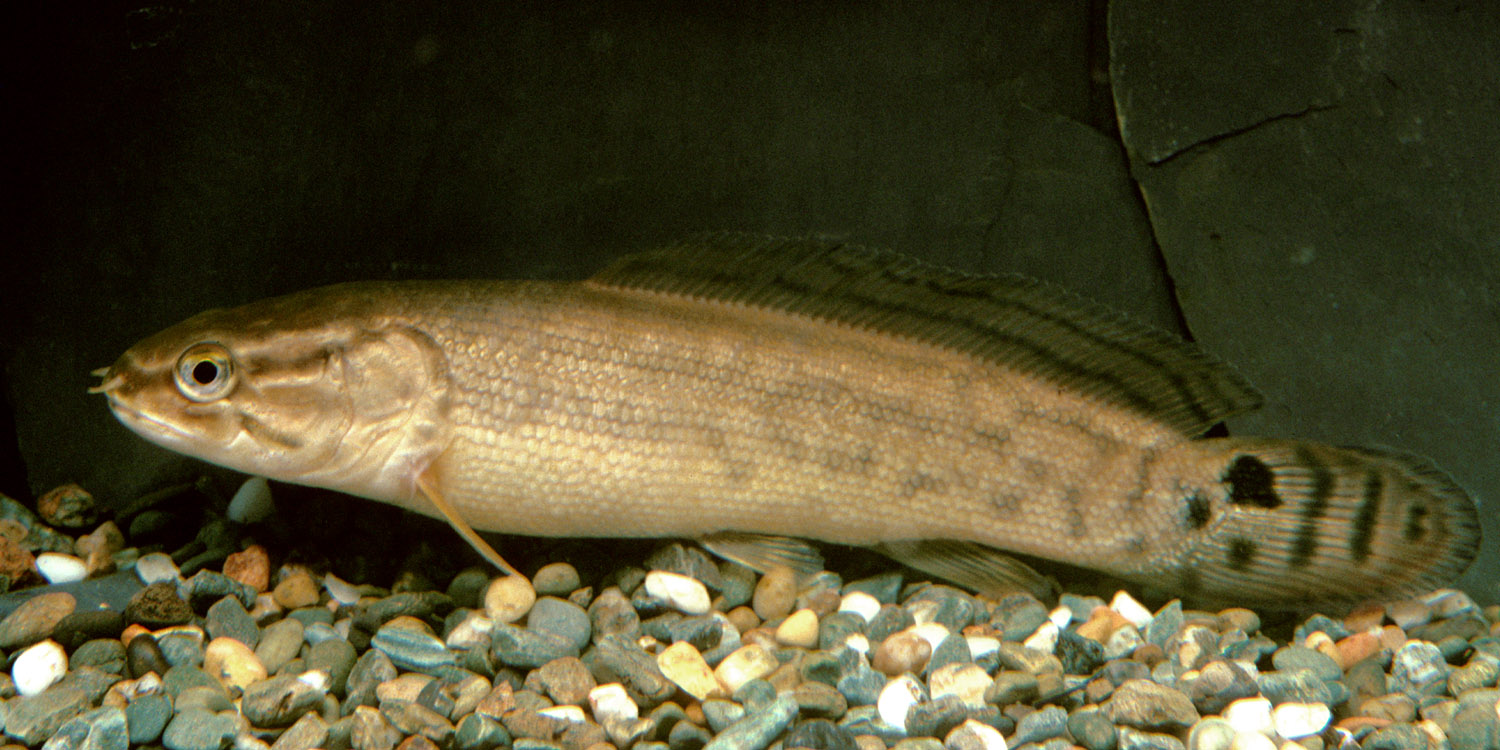
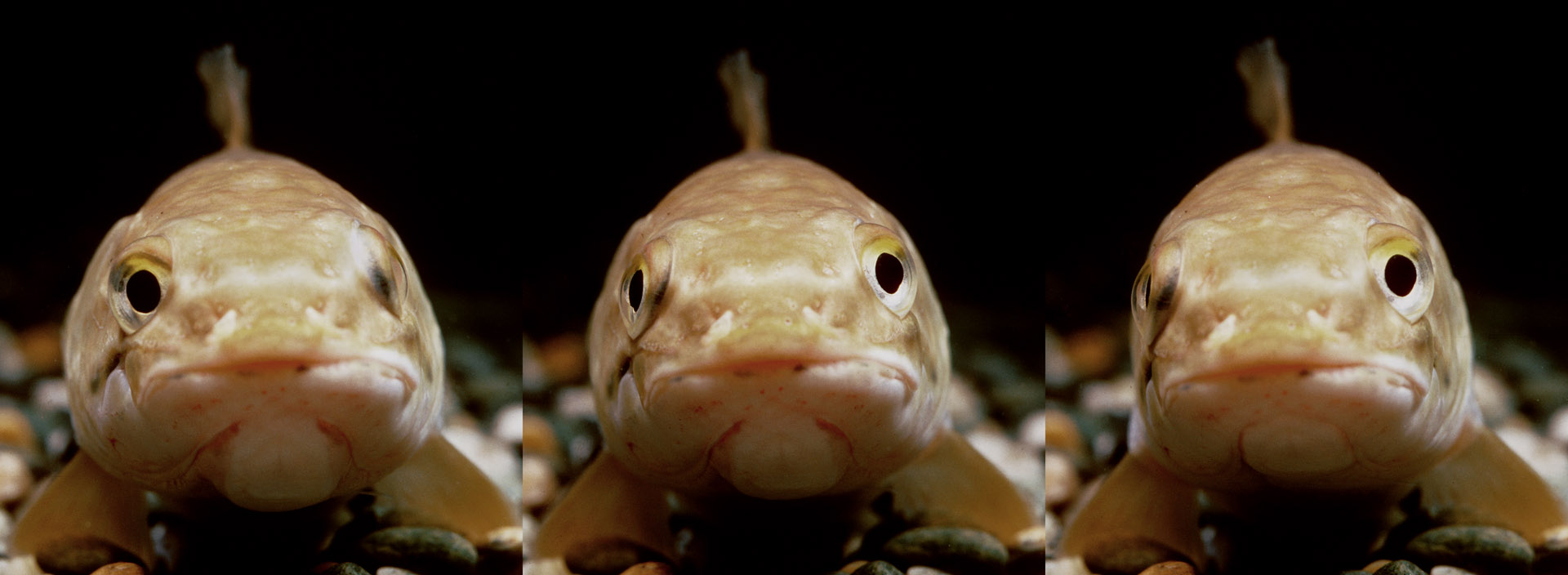

Bowfins are usually signed in most large native fish tanks in the eastern US but I suspect they are not actually there, I have never seen one.Another suggestion for a unique and interesting species - the bowfin, Amia calva. I suspect that it may be fairly common in public aquaria in the eastern USA (its native area), but it is very rarely seen in Europe. It is a hardy, primitive species that does look quite primitive and grows into a husky adult up to a metre long. It has a fairly stiff body and swims with sinuous movements of its dorsal fin, which runs along most of its back, so it is a stealthy predator. Females produce large numbers of eggs and males guard the brood of fry for several weeks, which is fascinating. I have only seen this species once, 24 years ago, when I had the opportunity to photograph a fairly small specimen off-show at the aquarium in Bolton Museum. I have never forgotten the amusing way it looked at me, first with one eye and then with the other

The tandanus catfish/eel-tailed catfish (Tandanus tandanus) is a cool little critter. It's a staple of native freshwater exhibits in Australia, not sure about elsewhere. Glass catfish (although not all that rare in aquaria) are a cool oddball catfish, not only is most of their body transparent and you can see their bones, but they're also one of the few non-bottom dwelling catfish, preferring to swim in the water column.I would definitely like to see more exotic species of catfish. Upside down catfish, or Singapore little warty catfish. Not stuff like redtail catfish.
I would love to see paddlefish one day, unfortunately none are kept in Australia afaik. Are they kept outside of America at all?I'd like to see paddlefish and reedfish again. I saw a reedfish in a fish tank in a Strassbourg youth hostel

The Nile perch has led to the decline of various cichlids. I have seen several cichlids in zoos but I don't think I've seen a Nile perch.

Correct, there are none in Australia. The closest to you would be Singapore (they were at the River Safari - I assume they are still kept). Unlikely as it seems, babies can even be seen for sale in aquarium shops sometimes (although not in Australia, obviously).I would love to see paddlefish one day, unfortunately none are kept in Australia afaik. Are they kept outside of America at all?
Lates niloticus grows to 2 metres long and is plain greyish brown (or brownish grey) with a very big mouth and an appetite to match - not a very appealing species. ZTL lists them in a few collections, including The Blue Planet (close to Chester Zoo). There are a few smaller species of Lates endemic to Lake Tanganyika and I think individuals are sometimes imported by the aquarium trade and I have a vague memory of seeing one, but I have no idea where.The Nile perch has led to the decline of various cichlids. I have seen several cichlids in zoos but I don't think I've seen a Nile perch.
I've heard about those two species, yes. The glass catfish is a favorite of mine. I imagine them being like minnows I've eaten. Taste like potato chips!The tandanus catfish/eel-tailed catfish (Tandanus tandanus) is a cool little critter. It's a staple of native freshwater exhibits in Australia, not sure about elsewhere. Glass catfish (although not all that rare in aquaria) are a cool oddball catfish, not only is most of their body transparent and you can see their bones, but they're also one of the few non-bottom dwelling catfish, preferring to swim in the water column.

Shedd Aquarium has a section devoted to the Great Lakes that showcases both native and invasive species alongside each other.It would be quite interesting visually to see a Nile perch exhibited in an aquarium placed alongside one for cichlid species that it threatens with extinction in the wild.
I wonder if this sort of "invasive species and threatened native" concept of display is actually done at any zoos out there?
It could be quite educational for visitors to see this in some ways.