Auckland Zoo Future Development of Auckland Zoo (Speculation)

It would be great if they could source the numbers to make up their flock to the minimum baseline number for optimum breeding (40 flamingos). This could be achieved with an import of around 15 flamingos.

A second zoo could joint fund the import under the agreement they’d receive Auckland bred chicks, which would likely be bred in reasonable numbers within 3-5 years from the new import; supplemented by additional breeding success at Auckland Zoo.

As mentioned, only a small number of founders have achieved repeated breeding success, with their offspring comprising the majority of the proven breeders. Ultimately, the regional population has the potential to become inbred quite quickly if unrepresented or new founders fail to contribute.
Surely this situation would of been looked into don't you think?. ;)
 
A possible reason no flamingo aviary has been built yet:

If they utilised the whole space, there’d be room to house a flock numbering in the hundreds.

However, I’m wondering if Auckland Zoo are cautious to invest in infrastructure for a species which is vulnerable to avian malaria and other such diseases, which have the potential to wipe out the entire flock. In such a worst case scenario, the zoo would be unable to source more; and would be left with infrastructure dedicated to their housing that would be difficult to repurpose for another species of similar appeal.

Just something I hadn’t considered until now…

I think that's a valid concern, although the more devastating effects on zoo penguins and often is believed that due to stress they were particular susceptible, and the zoo is talking about creating a breeding colony..so i dont think thats the reason they have not made a free flight aviary for the flamingos.

It could indeed be beneficial to have a second flock at Orana Wildlife Park as a contingency if the main flock at Auckland is wiped out.

I think the most productive thing Auckland Zoo can do at this point in time is carry out an assessment of reproductive success of each flamingo. The majority of successful chicks have come from first generation flamingos and a small number of founders (Neil, Cheviot etc), who’ve experienced repeated success.

This means there’s a large number of founders who haven’t bred (and probably never will). Since the flock is achieving slow but incremental breeding success with the current numbers, they could remove underperforming founders and sub in Auckland bred chicks, which have a higher reproductive success - therefore not overcrowding the exhibit.

Relocating the under performing birds to a new exhibit (at Orana) could even stimulate breeding. If they haven’t bred under the current conditions in the two decades they’ve had to do so, they probably never will.

I think the best idea would be to either keep them there, or move the whole flock to another zoo, since they really need the numbers to stimulate breeding, if another flock was to be started it would be best I think to either import a new flock to a new zoo along with Aucklands flock and send Auckland the offspring or send the imports to Auckland, then send the offspring to another zoo to found a new flock.

Just getting these flamingos in an avairy would really help, since pinioned birds often struggle with reproduction compared to fully-flighted birds, and if any potental imported flamingos didnt need to be pinioned, that would really help with breeding
 
I think that's a valid concern, although the more devastating effects on zoo penguins and often is believed that due to stress they were particular susceptible, and the zoo is talking about creating a breeding colony..so i dont think thats the reason they have not made a free flight aviary for the flamingos.


I think the best idea would be to either keep them there, or move the whole flock to another zoo, since they really need the numbers to stimulate breeding, if another flock was to be started it would be best I think to either import a new flock to a new zoo along with Aucklands flock and send Auckland the offspring or send the imports to Auckland, then send the offspring to another zoo to found a new flock.

Just getting these flamingos in an avairy would really help, since pinioned birds often struggle with reproduction compared to fully-flighted birds, and if any potental imported flamingos didnt need to be pinioned, that would really help with breeding

The difference between building up a large breeding colony of Little blue penguin though is that in a worst case scenario, it wouldn't be difficult to rebuild. These birds routinely arrive from the wild, injured and unreleasable.

By comparison, the loss of the entire flamingo flock would be far more devastating and problematic (of not impossible) to replace. Like @Zorro has said, surely the zoo would have looked into it if they felt it was a viable option to import more.

It's unclear if they will (or can) import again, but for the benefit of the flock, I hope the flamgino aviary happens sooner rather than later. I have no doubt breeding success would increase exponentially.
 
The difference between building up a large breeding colony of Little blue penguin though is that in a worst case scenario, it wouldn't be difficult to rebuild. These birds routinely arrive from the wild, injured and unreleasable.

By comparison, the loss of the entire flamingo flock would be far more devastating and problematic (of not impossible) to replace. Like @Zorro has said, surely the zoo would have looked into it if they felt it was a viable option to import more.

It's unclear if they will (or can) import again, but for the benefit of the flock, I hope the flamgino aviary happens sooner rather than later. I have no doubt breeding success would increase exponentially.

The IHS (import health standards) are still considered valid, since they are still on the MPI website, so it seams an import would still be possible, might just be more of a logisitcal issue.
 
The IHS (import health standards) are still considered valid, since they are still on the MPI website, so it seams an import would still be possible, might just be more of a logisitcal issue.

Yes, I believe the most challenging was finding an export facility willing to comply with the stringent export requirements, one of which was the chicks must be hatched and reared in quarantine prior to export. Not to mention the expense.
 
Yes, I believe the most challenging was finding an export facility willing to comply with the stringent export requirements, one of which was the chicks must be hatched and reared in quarantine prior to export. Not to mention the expense.
Its a wonder that the top major zoos can't have their own combined quarantine station run between them and the government
 
I’d be thrilled with that combination.

I think Western lowland gorilla would be their preference from a crowd-pulling perspective - with a breeding troop being an attraction to rival the elephants; but a Mandrill troop could be just as impressive.

If they’re unable to source Okapi from Europe (the US have a limited surplus), then Eastern bongo are the logical substitute.

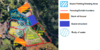
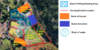
Discussing this topic, this is a quick schematic of how I could see all three exhibits (Pygmy Hippo, Mandrill, and either Okapi/Bongo) fitting into the current area occupied by the elephants.

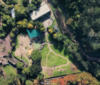
The Asian Elephant exhibit currently -
upload_2022-11-1_17-50-30.png
My little schematic -
upload_2022-11-1_17-51-54.png
  • I thought it would be best to have the Okapi/Bongo tucked away at the back to grant them extra privacy due to both being shy species.
  • It would also be cool to see the Okapi/Bongo through the Pygmy Hippos (if viewed from the west) as it would give the illusion that both share the same exhibit.
  • Additionally, I thought it would be a good idea to convert the current elephant barn into an indoor/outdoor exhibit for a small troop of Mandrill. It gives them a warm refuge during Auckland's winter
  • The guest structure could be an educational center on the African rainforest, a restaurant or even more back-of-house stuff.
Let me know if this is at all realistic, I've never visited Auckland Zoo (I would like to) so have no idea if any of this is realistic. I also might do a little schematic of what the area might look like for just Gorilla and Mandrill.

I thought this would be the most appropriate thread to put this in, as there currently is no 'Auckland Future Speculation' thread
 

Attachments

  • upload_2022-11-1_17-50-30.png
    upload_2022-11-1_17-50-30.png
    594.4 KB · Views: 4
  • upload_2022-11-1_17-51-31.png
    upload_2022-11-1_17-51-31.png
    530.5 KB · Views: 4
  • upload_2022-11-1_17-51-54.png
    upload_2022-11-1_17-51-54.png
    530.5 KB · Views: 43
Discussing this topic, this is a quick schematic of how I could see all three exhibits (Pygmy Hippo, Mandrill, and either Okapi/Bongo) fitting into the current area occupied by the elephants.

The Asian Elephant exhibit currently -
View attachment 584737
My little schematic -
View attachment 584739
  • I thought it would be best to have the Okapi/Bongo tucked away at the back to grant them extra privacy due to both being shy species.
  • It would also be cool to see the Okapi/Bongo through the Pygmy Hippos (if viewed from the west) as it would give the illusion that both share the same exhibit.
  • Additionally, I thought it would be a good idea to convert the current elephant barn into an indoor/outdoor exhibit for a small troop of Mandrill. It gives them a warm refuge during Auckland's winter
  • The guest structure could be an educational center on the African rainforest, a restaurant or even more back-of-house stuff.
Let me know if this is at all realistic, I've never visited Auckland Zoo (I would like to) so have no idea if any of this is realistic. I also might do a little schematic of what the area might look like for just Gorilla and Mandrill.

I thought this would be the most appropriate thread to put this in, as there currently is no 'Auckland Future Speculation' thread
That's an excellent idea. :cool::)
 
Discussing this topic, this is a quick schematic of how I could see all three exhibits (Pygmy Hippo, Mandrill, and either Okapi/Bongo) fitting into the current area occupied by the elephants.

The Asian Elephant exhibit currently -
View attachment 584737
My little schematic -
View attachment 584739
  • I thought it would be best to have the Okapi/Bongo tucked away at the back to grant them extra privacy due to both being shy species.
  • It would also be cool to see the Okapi/Bongo through the Pygmy Hippos (if viewed from the west) as it would give the illusion that both share the same exhibit.
  • Additionally, I thought it would be a good idea to convert the current elephant barn into an indoor/outdoor exhibit for a small troop of Mandrill. It gives them a warm refuge during Auckland's winter
  • The guest structure could be an educational center on the African rainforest, a restaurant or even more back-of-house stuff.
Let me know if this is at all realistic, I've never visited Auckland Zoo (I would like to) so have no idea if any of this is realistic. I also might do a little schematic of what the area might look like for just Gorilla and Mandrill.

I thought this would be the most appropriate thread to put this in, as there currently is no 'Auckland Future Speculation' thread

This is phenomenal. It illustrates really clearly the potential for this space and I’m very much hoping Auckland Zoo will follow something like this.

Auckland Zoo are clearly fans of repurposing structures where possible (a bear pit is a red panda exhibit, the old orangutan walls form part of the Siamang exhibit etc.) so your idea of repurposing the elephant house (opened 1992) as a Mandrill indoor housing exhibit would be a good way to retain this iconic structure. There’s a small viewing window at the front of this building.

The only change I’d probably make is seperate BOH housing for the Okapi and Pygmy hippopotamus, so that the bull Okapi could access the BOH facilities without having to walk through the cow paddock (which would be closed off during the day).

FYI we do as of last month have a thread for the future development of Auckland Zoo: Future Development of Auckland Zoo (Speculation) [Auckland Zoo]
 
Discussing this topic, this is a quick schematic of how I could see all three exhibits (Pygmy Hippo, Mandrill, and either Okapi/Bongo) fitting into the current area occupied by the elephants.

The Asian Elephant exhibit currently -
View attachment 584737
My little schematic -
View attachment 584739
  • I thought it would be best to have the Okapi/Bongo tucked away at the back to grant them extra privacy due to both being shy species.
  • It would also be cool to see the Okapi/Bongo through the Pygmy Hippos (if viewed from the west) as it would give the illusion that both share the same exhibit.
  • Additionally, I thought it would be a good idea to convert the current elephant barn into an indoor/outdoor exhibit for a small troop of Mandrill. It gives them a warm refuge during Auckland's winter
  • The guest structure could be an educational center on the African rainforest, a restaurant or even more back-of-house stuff.
Let me know if this is at all realistic, I've never visited Auckland Zoo (I would like to) so have no idea if any of this is realistic. I also might do a little schematic of what the area might look like for just Gorilla and Mandrill.

I thought this would be the most appropriate thread to put this in, as there currently is no 'Auckland Future Speculation' thread

That’s a nice plan, although space wise, I rather think there’d only be space for Mandrills and Pygmy Hippos or Mandrills and Okapi.

I think an immersing enclosure sounds nice; ie. a Pygmy Hippo enclosure at the front with Mandrills at the back (separated by an invisible moat). That would make for quite a wonderful exhibit, and definitely make up for the elephants which have always been a major draw card of Auckland’s.
 
That’s a nice plan, although space wise, I rather think there’d only be space for Mandrills and Pygmy Hippos or Mandrills and Okapi.

I think an immersing enclosure sounds nice; ie. a Pygmy Hippo enclosure at the front with Mandrills at the back (separated by an invisible moat). That would make for quite a wonderful exhibit, and definitely make up for the elephants which have always been a major draw card of Auckland’s.

I haven't been to Auckland so maybe @Zoofan15 or any other kiwi can clarify but would this space be large enough for both pygmy hippos and gorillas? I think that would be the ultimate combination, the crowd draw of gorillas and the nostalgia of the returning of hippos. Pygmy hippos in reality don't need a lot of space so two small his/her exhibits could realistically fit in the current front portion of the elephant exhibit. Leaving the barn and entire back section for gorillas, even with the hippos this gorilla exhibit would be of similar size to Melbourne's exhibit.

Another more realistic combination would be Gorilla and Black-and-white Colobus, Colobus would require even less space than Mandrill and will be more readily available. It would be a great parallel to have Orangutan and Siamang on one side of the zoo and Gorilla and Colobus on the other.
 
I haven't been to Auckland so maybe @Zoofan15 or any other kiwi can clarify but would this space be large enough for both pygmy hippos and gorillas? I think that would be the ultimate combination, the crowd draw of gorillas and the nostalgia of the returning of hippos. Pygmy hippos in reality don't need a lot of space so two small his/her exhibits could realistically fit in the current front portion of the elephant exhibit. Leaving the barn and entire back section for gorillas, even with the hippos this gorilla exhibit would be of similar size to Melbourne's exhibit.

Another more realistic combination would be Gorilla and Black-and-white Colobus, Colobus would require even less space than Mandrill and will be more readily available. It would be a great parallel to have Orangutan and Siamang on one side of the zoo and Gorilla and Colobus on the other.

Yes, the combined space you’ve identified for Mandrill and Okapi is more than big enough for Western lowland gorilla.

By today’s standards, it’d be considered a spacious exhibit for a small breeding troop of up to 1.3 adults (with 1-2 females breeding) or an adequate size for a larger troop. Auckland Zoo would likely opt for the former.

I like your idea of the Black and white colobus combining with the gorillas to compliment the South East Asian primates. As a city zoo, primates will be a strong focus of Auckland Zoo long term and this is the perfect opportunity to do them justice.
 
I haven't been to Auckland so maybe @Zoofan15 or any other kiwi can clarify but would this space be large enough for both pygmy hippos and gorillas? I think that would be the ultimate combination, the crowd draw of gorillas and the nostalgia of the returning of hippos. Pygmy hippos in reality don't need a lot of space so two small his/her exhibits could realistically fit in the current front portion of the elephant exhibit. Leaving the barn and entire back section for gorillas, even with the hippos this gorilla exhibit would be of similar size to Melbourne's exhibit.

Another more realistic combination would be Gorilla and Black-and-white Colobus, Colobus would require even less space than Mandrill and will be more readily available. It would be a great parallel to have Orangutan and Siamang on one side of the zoo and Gorilla and Colobus on the other.

I’ve visited Auckland multiple times actually:p The elephant enclosure backs right up to the park behind with only a small moat and fence acting as a barrier. It’s a fairly large enclosure though, and would easily be bigger than Melbourne’s if full use of the elephant enclosure was made. It may very well be one of the biggest in the region - but it could suit a small bachelor group if the current elephant enclosure is divided into two; with the other half given to Pygmy Hippos.

I’m not sure though, how Colobus and Gorilla would do together. Melbourne attempted to keep some De Brazzas Monkeys with their gorillas in the early 2000’s, but that ended terribly with one of them being ripped to shreds by Motoba and another being severe injured to at this hands. Unfortunately these smaller monkey species (and I’ve seen it to with Saimangs and Orangutans) - just tend to pester the larger species and it dosen’t really turn out well for them in the end when the Gorillas/Orangutans snap.
 
I’m not sure though, how Colobus and Gorilla would do together. Melbourne attempted to keep some De Brazzas Monkeys with their gorillas in the early 2000’s, but that ended terribly with one of them being ripped to shreds by Motoba and another being severe injured to at this hands. Unfortunately these smaller monkey species (and I’ve seen it to with Saimangs and Orangutans) - just tend to pester the larger species and it dosen’t really turn out well for them in the end when the Gorillas/Orangutans snap.

I definitely wouldn’t attempt housing Western lowland gorilla and Black and white colobus together, but under the above schematic by @Swanson02, they could easily construct a colobus exhibit on 2/3 of the land identified for Pygmy hippopotamus - with the Okapi and Mandrill exhibits combined to house gorillas.

I feel like Auckland Zoo’s preference would be to hold a small breeding troop, which there’s more than enough room to do so. Gone are the days where troops have three females all breeding at natural birth intervals. A combination of artificial birth intervals and non breeding females could easily see a maximum of two or three infants produced by a small troop of 1.2 or 1.3 over a decade or so.
 
I definitely wouldn’t attempt housing Western lowland gorilla and Black and white colobus together, but under the above schematic by @Swanson02, they could easily construct a colobus exhibit on 2/3 of the land identified for Pygmy hippopotamus - with the Okapi and Mandrill exhibits combined to house gorillas.

I feel like Auckland Zoo’s preference would be to hold a small breeding troop, which there’s more than enough room to do so. Gone are the days where troops have three females all breeding at natural birth intervals. A combination of artificial birth intervals and non breeding females could easily see a maximum of two or three infants produced by a small troop of 1.2 or 1.3 over a decade or so.

The only thing would be; whether there’s enough females to form a new breeding group at Auckland, especially with female numbers currently dwindling within the region. Even within the US and Europe, there aren’t an entirety of females available.

A bachelor group would also be more useful for the region; as, in essence every breeding facility needs a bachelor facility in addition, and currently our breeding facilities outnumber our bachelor facilities, three to two - although of course, Taronga will soon hold both a a bachelor group and breeding group.

In saying that, a breeding group is achievable, but I think a group of 1.2 (with only a single female breeding) is probably best to begin with if they wish to go the breeding route.
 
The only thing would be; whether there’s enough females to form a new breeding group at Auckland, especially with female numbers currently dwindling within the region. Even within the US and Europe, there aren’t an entirety of females available.

A bachelor group would also be more useful for the region; as, in essence every breeding facility needs a bachelor facility in addition, and currently our breeding facilities outnumber our bachelor facilities, three to two - although of course, Taronga will soon hold both a a bachelor group and breeding group.

In saying that, a breeding group is achievable, but I think a group of 1.2 (with only a single female breeding) is probably best to begin with if they wish to go the breeding route.

There’s a large surplus of females within the European population. What the chances would be of securing genetically valuable females is the question and indeed the females in our region come from well represented lines, but I’d expect the chances of Auckland Zoo holding a breeding troop to be high.

Orana Wildlife Park was planning to import gorillas to form a breeding troop, but abandoned these plans in part due to the cost involved. With them remaining a bachelor facility, that satisfies that need - which will be further supported by Taronga accomodating the only outlying bachelors in the region within their new complex.
 
Future of The Coast:

In announcing the death of their last Spotted shag, Auckland Zoo have hinted at the intended long term use of The Coast:

The Coast remains a sanctuary to a group of rescued Little blue penguins and could be home to more wonderful wildlife rescues, like shags, in the future.

Auckland Zoo have stated an intention to grow their Little blue penguin colony through breeding; and now intend to take on more rescues like shags. With the penguin colony held in a small exhibit as an offshoot to the main pinniped pool, it’s not hard to imagine they’ll expand into this area upon the passing of the elderly fur seal - enjoy it while you can!
 
Just a note about the flamingo exhibit. Even if they netted over the existing exhibit, it would do nothing to further promote breeding in the colony. All of the Auckland hatched birds have remained full winged, the way the exhibit is built there’s not really a suitable amount of run space for the birds to pick up enough speed to take off.

A totally new exhibit could potentially stimulate further breeding, but ultimately for the unrepresented founders (especially the males) they might never be able to breed regardless of exhibit due to balancing difficulties because of pinioning.

The one thing about the flamingos, they have the potential to be an extremely long lived species, and also have an extremely long reproductive lifespan. Assuming they remain in good health, the founders should easily have another 20 to 40 years of reproductive life in of them. This is excellent as at that point there will likely be multiple generations of Auckland born birds, and a wide variety of fall wind meets for any unrepresented founders to choose from. Well I have no doubt some of the birds will ultimately pass away without ever contributing, I say there’s a very good chance is that as long as Auckland builds a colony up and focusses on production, the majority of birds will likely eventually contribute to the population to some degree or another.
 
Just a note about the flamingo exhibit. Even if they netted over the existing exhibit, it would do nothing to further promote breeding in the colony. All of the Auckland hatched birds have remained full winged, the way the exhibit is built there’s not really a suitable amount of run space for the birds to pick up enough speed to take off.

A totally new exhibit could potentially stimulate further breeding, but ultimately for the unrepresented founders (especially the males) they might never be able to breed regardless of exhibit due to balancing difficulties because of pinioning.

The one thing about the flamingos, they have the potential to be an extremely long lived species, and also have an extremely long reproductive lifespan. Assuming they remain in good health, the founders should easily have another 20 to 40 years of reproductive life in of them. This is excellent as at that point there will likely be multiple generations of Auckland born birds, and a wide variety of fall wind meets for any unrepresented founders to choose from. Well I have no doubt some of the birds will ultimately pass away without ever contributing, I say there’s a very good chance is that as long as Auckland builds a colony up and focusses on production, the majority of birds will likely eventually contribute to the population to some degree or another.

Unfortunately the issue the zoo has is the exhibit is cramped and not suited to meet the needs of the expanding flock.

There’s been incremental increases with a small number of chicks successfully hatched each year - though the successful breeders comprise a small percentage of the founders; with their offspring similarly successful for the reasons you identify.

Long term, it’d be nice to see unrepresented founders breed - and in the case of the females, they may be stimulated to do so as the flock size increases; but a larger exhibit should be the priority.
 
Unfortunately the issue the zoo has is the exhibit is cramped and not suited to meet the needs of the expanding flock.

There’s been incremental increases with a small number of chicks successfully hatched each year - though the successful breeders comprise a small percentage of the founders; with their offspring similarly successful for the reasons you identify.

Long term, it’d be nice to see unrepresented founders breed - and in the case of the females, they may be stimulated to do so as the flock size increases; but a larger exhibit should be the priority.
I agree a larger exhibit should be a priority, Given the effort and time to start this flock off since their importation and also with them being the only Flamingos with the region every effort should be put into their long term future.
Also I believe perhaps another 1 or 2 zoos within the region should work on another importation with a second flock being established with a second holder as a back up plan in case of any unforeseen problem arise.
 
Back
Top