Melbourne Zoo Future of Melbourne Zoo 2023 (Speculation / Fantasy)

Status
Not open for further replies.
Cat Species of India

Bengal tiger
Indian lion
Indian leopard
Snow leopard
Clouded leopard
Jungle cat
Fishing cat
Pallas’s cat
Desert cat
Eurasian lynx
Asian golden cat
Caracal
Leopard cat
Rusty spotted cat
Marbled cat
Imo, Pallas, fishing, jungle and rusty spotted cats are what should be considered if MZ potentially choose to do something like this, although my plan for DigestEd was to house Pallas’s cat
 
Eurasian lynx are one of the 15 cat species found in India. Personally, I think there’s better species to represent India, but they’d be easier to import than others as they’re CITES II species.

Rusty spotted cat are CITES I, but are held in 21 facilities across Europe. If the ZAA decided to support a regional breeding programme, it wouldn’t be difficult to source them.
I agree that there are better species to represent it, but it seems many cats are difficult to source, and lynx could be an option. Admittedly if lynx were implemented, I’d personally prefer a place in the carnivore precinct, whether there is enough loose space for a lynx exhibit I’m not sure
 
Imo, Pallas, fishing, jungle and rusty spotted cats are what should be considered if MZ potentially choose to do something like this, although my plan for DigestEd was to house Pallas’s cat

Rusty spotted car and Fishing cat would be the most likely additions - with the latter already held in the region. As with most small cats, Fishing cats would require off display exhibits for breeding. Historically, they've bred poorly within the region with the exception of Melbourne.
 
I agree that there are better species to represent it, but it seems many cats are difficult to source, and lynx could be an option. Admittedly if lynx were implemented, I’d personally prefer a place in the carnivore precinct, whether there is enough loose space for a lynx exhibit I’m not sure

There wouldn't be enough space within the carnivore pre cent without phasing out another species, but taking out the Dingo would allow extensive rennovations to create a phenomenal lynx exhivit in that space.
 
Rusty spotted car and Fishing cat would be the most likely additions - with the latter already held in the region. As with most small cats, Fishing cats would require off display exhibits for breeding. Historically, they've bred poorly within the region with the exception of Melbourne.
Always with the exception of Melbourne it seems, which is encouraging
 
Melbourne have been prepared to invest in off display exhibits which do nothing for visitation, but faciliate the breeding success we've seen. They also bred numerous Leopard cats in the 80's and 90's.
Of all the interesting species mentioned, none are likely to happen which is a shame, but I hope Melbourne would consider something like this, which is a more than adequate replacement for the elephants( when combined with the rhinos). Dang I wish someone high up in MZ would watch this thread, likely better than anything they’ve got planned(no disrespect, but we saw that initial master plan)
 
Of all the interesting species mentioned, none are likely to happen which is a shame, but I hope Melbourne would consider something like this, which is a more than adequate replacement for the elephants( when combined with the rhinos). Dang I wish someone high up in MZ would watch this thread, likely better than anything they’ve got planned(no disrespect, but we saw that initial master plan)

The initial masterplan didn’t inspire me and I find it hard to believe it’d inspire anyone else. Irregardless of what demographic people are, they go to a zoo because they want to see zoo animals and cutting them out in favour of visitor experience areas isn’t a good move.

Reports from people indicate they intend for multiple species to replace the elephants, which I’m hopeful will be the case. It’s what the general public will expect - and it’s certainly what we all expect.
 
Sorry guys, just catching up on the thread:

RE Jaguar: I don’t think there would be too many modern city based zoos that would be willing to display both jaguar and leopard in the same zoo. They are big, expensive to feed and house, and to the general public they look almost identical. I think the Sri Lankan leopards have got in first in Australia and the jaguars have missed the boat.

RE smaller cats: The one that really interests me here is lynx (and to a lesser extent Pallas Cat). They could very realistically be housed in the carnivore area with the Himalayan theme of snow leopards and red pandas. Even otters aren’t too far away geographically.
 
Sorry guys, just catching up on the thread:

RE Jaguar: I don’t think there would be too many modern city based zoos that would be willing to display both jaguar and leopard in the same zoo. They are big, expensive to feed and house, and to the general public they look almost identical. I think the Sri Lankan leopards have got in first in Australia and the jaguars have missed the boat.

RE smaller cats: The one that really interests me here is lynx (and to a lesser extent Pallas Cat). They could very realistically be housed in the carnivore area with the Himalayan theme of snow leopards and red pandas. Even otters aren’t too far away geographically.

Uptake has been much slower on the Sri Lankan leopards than I anticipated - though I suppose it has only been four years since the first pair arrived; and two years since the second. With three surplus males across the two facilities holding them, I’m hopeful we’ll see a new holder emerge soon - with several possibilities long term (one being Melbourne).

They’re not as enabling to visitors as Jaguar (the melanistic Jaguar sway it in their favour), though I agree they’re the focus species and therefore would take precedence.
 
Hey guys didn't know where else to put this but found an interesting thesis (can post the link if anyone wants) about the history of naturalistic exhibits in zoos that while it acknowledges Hagenbacks designs in Germany from 1907 onwards that inspired a lot of other zoos, but then zoos retreated backwards later in the 20th century for more concrete and stone bottomed exhibits for hygiene frenzy and bars again because visitors complained about the distance with Hagenback-Essie styled exhibits like the pits and canyon fronted ones at Taronga in the past for example; the thesis really leans heavily on Woodland Park Zoo in Seattle being the 'first' with naturalistic settings beginning with upgrading a few exhibits like desert theming their already existing Caracal exhibit and their Gorilla immersion one from 1976 that sounds a lot like Melbourne, plus all their habitat regions that followed.

While interesting to read so far, and this is where it becomes relevant to Melbourne Zoo; it irked me slightly because while Melbourne Zoo had not yet got to the immersion phase yet, their developments from the mid 60s to early 70s was already taking shape of more humane settings for their animals with big examples being Lion Park in '66 and the Cat Alleys and Ape Grottoes which while the latter two were not big at least gave grass and or soil under the animals feet.

It just kind of felt like the thesis jumped from the concrete and bars stage of 20th century zoos straight to WP Zoo in Seattle doing their works from the mid '70s onwards. I don't know much about Chester or Jersey Zoo in the UK but it sounds like they were grass flooring up exhibits for their animals at the same time as Melbourne was back in the day (other zoos in Australia at least, not sure about NZ were still a bit behind Melbourne at this stage with some noble exceptions of Australian animal exhibits landscaping and the lake islands at Perth Zoo in '72).

Sorry if this post is a ramble just wanted to share about it and see if it was mad of me to want some detailed acknowledgment that there were some landscaped more natural exhibits starting to happen in some forward zoos like Melbourne for example from mid 1960s onwards and although WP Seattle was the first for immersion it wasnt necessarily the first to start progressing again away from sterile floored concrete exhibits.


(PS there was a mention in the thesis about a new vet at WP Seattle arriving in '72 kicking off the progress by putting hay with snacks hidden in the hay on the floor in the zoos Monkey House, similar to what have seen and heard about when monkeys were still in older cages like some at Perth in the '90s and wood chip layers were added over the concrete floors for foraging stimulation; just would think that surely there were a couple of zoos pre dating WP Seattle that made the ground of their monkey exhibits a bit more enriching for their primates earlier then 1972). I know with this one specifically it doesn't hold up well compared with Melbourne Zoo in that Melbourne's non Ape primates got their improved exhibits a little bit later with the Arboreal Walk and for the Baboons a considerable wait longer, but once Melbourne 'delivered' their better exhibit conditions for their monkeys they were and still are some of the best exhibits.
 
Hey guys didn't know where else to put this but found an interesting thesis (can post the link if anyone wants) about the history of naturalistic exhibits in zoos that while it acknowledges Hagenbacks designs in Germany from 1907 onwards that inspired a lot of other zoos, but then zoos retreated backwards later in the 20th century for more concrete and stone bottomed exhibits for hygiene frenzy and bars again because visitors complained about the distance with Hagenback-Essie styled exhibits like the pits and canyon fronted ones at Taronga in the past for example; the thesis really leans heavily on Woodland Park Zoo in Seattle being the 'first' with naturalistic settings beginning with upgrading a few exhibits like desert theming their already existing Caracal exhibit and their Gorilla immersion one from 1976 that sounds a lot like Melbourne, plus all their habitat regions that followed.

While interesting to read so far, and this is where it becomes relevant to Melbourne Zoo; it irked me slightly because while Melbourne Zoo had not yet got to the immersion phase yet, their developments from the mid 60s to early 70s was already taking shape of more humane settings for their animals with big examples being Lion Park in '66 and the Cat Alleys and Ape Grottoes which while the latter two were not big at least gave grass and or soil under the animals feet.

It just kind of felt like the thesis jumped from the concrete and bars stage of 20th century zoos straight to WP Zoo in Seattle doing their works from the mid '70s onwards. I don't know much about Chester or Jersey Zoo in the UK but it sounds like they were grass flooring up exhibits for their animals at the same time as Melbourne was back in the day (other zoos in Australia at least, not sure about NZ were still a bit behind Melbourne at this stage with some noble exceptions of Australian animal exhibits landscaping and the lake islands at Perth Zoo in '72).

Sorry if this post is a ramble just wanted to share about it and see if it was mad of me to want some detailed acknowledgment that there were some landscaped more natural exhibits starting to happen in some forward zoos like Melbourne for example from mid 1960s onwards and although WP Seattle was the first for immersion it wasnt necessarily the first to start progressing again away from sterile floored concrete exhibits.


(PS there was a mention in the thesis about a new vet at WP Seattle arriving in '72 kicking off the progress by putting hay with snacks hidden in the hay on the floor in the zoos Monkey House, similar to what have seen and heard about when monkeys were still in older cages like some at Perth in the '90s and wood chip layers were added over the concrete floors for foraging stimulation; just would think that surely there were a couple of zoos pre dating WP Seattle that made the ground of their monkey exhibits a bit more enriching for their primates earlier then 1972). I know with this one specifically it doesn't hold up well compared with Melbourne Zoo in that Melbourne's non Ape primates got their improved exhibits a little bit later with the Arboreal Walk and for the Baboons a considerable wait longer, but once Melbourne 'delivered' their better exhibit conditions for their monkeys they were and still are some of the best exhibits.
That is actually very interesting, thank you
 
Hey guys didn't know where else to put this but found an interesting thesis (can post the link if anyone wants) about the history of naturalistic exhibits in zoos that while it acknowledges Hagenbacks designs in Germany from 1907 onwards that inspired a lot of other zoos, but then zoos retreated backwards later in the 20th century for more concrete and stone bottomed exhibits for hygiene frenzy and bars again because visitors complained about the distance with Hagenback-Essie styled exhibits like the pits and canyon fronted ones at Taronga in the past for example; the thesis really leans heavily on Woodland Park Zoo in Seattle being the 'first' with naturalistic settings beginning with upgrading a few exhibits like desert theming their already existing Caracal exhibit and their Gorilla immersion one from 1976 that sounds a lot like Melbourne, plus all their habitat regions that followed.

While interesting to read so far, and this is where it becomes relevant to Melbourne Zoo; it irked me slightly because while Melbourne Zoo had not yet got to the immersion phase yet, their developments from the mid 60s to early 70s was already taking shape of more humane settings for their animals with big examples being Lion Park in '66 and the Cat Alleys and Ape Grottoes which while the latter two were not big at least gave grass and or soil under the animals feet.

It just kind of felt like the thesis jumped from the concrete and bars stage of 20th century zoos straight to WP Zoo in Seattle doing their works from the mid '70s onwards. I don't know much about Chester or Jersey Zoo in the UK but it sounds like they were grass flooring up exhibits for their animals at the same time as Melbourne was back in the day (other zoos in Australia at least, not sure about NZ were still a bit behind Melbourne at this stage with some noble exceptions of Australian animal exhibits landscaping and the lake islands at Perth Zoo in '72).

Sorry if this post is a ramble just wanted to share about it and see if it was mad of me to want some detailed acknowledgment that there were some landscaped more natural exhibits starting to happen in some forward zoos like Melbourne for example from mid 1960s onwards and although WP Seattle was the first for immersion it wasnt necessarily the first to start progressing again away from sterile floored concrete exhibits.


(PS there was a mention in the thesis about a new vet at WP Seattle arriving in '72 kicking off the progress by putting hay with snacks hidden in the hay on the floor in the zoos Monkey House, similar to what have seen and heard about when monkeys were still in older cages like some at Perth in the '90s and wood chip layers were added over the concrete floors for foraging stimulation; just would think that surely there were a couple of zoos pre dating WP Seattle that made the ground of their monkey exhibits a bit more enriching for their primates earlier then 1972). I know with this one specifically it doesn't hold up well compared with Melbourne Zoo in that Melbourne's non Ape primates got their improved exhibits a little bit later with the Arboreal Walk and for the Baboons a considerable wait longer, but once Melbourne 'delivered' their better exhibit conditions for their monkeys they were and still are some of the best exhibits.

The 80's and 90's under Hancock's masterplan is definitely Melbourne's best era so far exhibit wise. The designs were and still are, incredible. The main half of the zoo features a lot of his designs descending from that masterplan; Gorilla Rainforest (gorillas, pygmy hippos and mandrills), Otter+Tiger exhibits, Wombat tunnel; just to name a few.

Previously most of MZ's enclosures were concrete based so these enclosures were much certainly an upgrade and something the Victorian public had yet to see before.

If you could post the link too that would be great!
 
Sorry guys, just catching up on the thread:

RE Jaguar: I don’t think there would be too many modern city based zoos that would be willing to display both jaguar and leopard in the same zoo. They are big, expensive to feed and house, and to the general public they look almost identical. I think the Sri Lankan leopards have got in first in Australia and the jaguars have missed the boat.

RE smaller cats: The one that really interests me here is lynx (and to a lesser extent Pallas Cat). They could very realistically be housed in the carnivore area with the Himalayan theme of snow leopards and red pandas. Even otters aren’t too far away geographically.
I like the idea of housing Lynx and Pallas’ cat near the snow leopards, possibly in and around DigestEd an area could fit in? Correct me if I’m wrong, and I’m still not sure how much space is behind the kids water play area. I see a lot of popularity for red pandas taking the coati enclosure, but I believe clouded leopards are the perfect fit. The red panda exhibit is good and located in a good spot( if there is enough grass there I thought having Himalayan Tahr next door would be good, maybe even having the Tahr exhibit surrounding the red Panda exhibit with a walkway between). Clouded leopards are also from the Himalayas and a better fit for the carnivore precinct, so a culmination of Lion, Ussuri Dhole, Sun Bear, Komodo Dragon, Snow Leopard, Pallas’s cat, Eurasian Lynx and Clouded Leopard seems like a good carnivore precinct imo. Then that cat walkway housing Sri Lankan Leopard, Leopard Cat, Rusty Spotted Cat and Temminicks golden cat could occupy the final of the Elephant exhibits. Lmk ur thoughts

Edit: I think the proposal from some on this thread is that a South American area would inhabit WORZ due to the newly expressed interest in diversifying. This is where the Jaguar would be the centrepiece - along with ocelot and maned wolf - and allow the melanistic morph to shine at WORZ, while Sri Lankan leopard takes priority at MZ
 
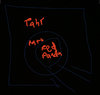
Rough diagram of what I was thinking if there is enough space, makes for an immersive exhibit and provides enrichment for the animals
 

Attachments

  • FE853A83-7D2D-48CE-907E-0CBE70BBF198.jpeg
    FE853A83-7D2D-48CE-907E-0CBE70BBF198.jpeg
    65.7 KB · Views: 2
I like the idea of housing Lynx and Pallas’ cat near the snow leopards, possibly in and around DigestEd an area could fit in? Correct me if I’m wrong, and I’m still not sure how much space is behind the kids water play area. I see a lot of popularity for red pandas taking the coati enclosure, but I believe clouded leopards are the perfect fit. The red panda exhibit is good and located in a good spot( if there is enough grass there I thought having Himalayan Tahr next door would be good, maybe even having the Tahr exhibit surrounding the red Panda exhibit with a walkway between). Clouded leopards are also from the Himalayas and a better fit for the carnivore precinct, so a culmination of Lion, Ussuri Dhole, Sun Bear, Komodo Dragon, Snow Leopard, Pallas’s cat, Eurasian Lynx and Clouded Leopard seems like a good carnivore precinct imo. Then that cat walkway housing Sri Lankan Leopard, Leopard Cat, Rusty Spotted Cat and Temminicks golden cat could occupy the final of the Elephant exhibits. Lmk ur thoughts

Edit: I think the proposal from some on this thread is that a South American area would inhabit WORZ due to the newly expressed interest in diversifying. This is where the Jaguar would be the centrepiece - along with ocelot and maned wolf - and allow the melanistic morph to shine at WORZ, while Sri Lankan leopard takes priority at MZ

Personally, I think the Nepalese red panda would be a better fit for the Carnivore precinct as their link to the Snow leopard is their only tangible geographical link at this point in time.

Additionally, Clouded leopard are a sensitive species that would become even more reclusive housed if close proximity to three species of apex predator (Snow leopard, African lion and Sumatran tiger).
 
I like the idea of housing Lynx and Pallas’ cat near the snow leopards, possibly in and around DigestEd an area could fit in? Correct me if I’m wrong, and I’m still not sure how much space is behind the kids water play area. I see a lot of popularity for red pandas taking the coati enclosure, but I believe clouded leopards are the perfect fit. The red panda exhibit is good and located in a good spot( if there is enough grass there I thought having Himalayan Tahr next door would be good, maybe even having the Tahr exhibit surrounding the red Panda exhibit with a walkway between). Clouded leopards are also from the Himalayas and a better fit for the carnivore precinct, so a culmination of Lion, Ussuri Dhole, Sun Bear, Komodo Dragon, Snow Leopard, Pallas’s cat, Eurasian Lynx and Clouded Leopard seems like a good carnivore precinct imo. Then that cat walkway housing Sri Lankan Leopard, Leopard Cat, Rusty Spotted Cat and Temminicks golden cat could occupy the final of the Elephant exhibits. Lmk ur thoughts

Edit: I think the proposal from some on this thread is that a South American area would inhabit WORZ due to the newly expressed interest in diversifying. This is where the Jaguar would be the centrepiece - along with ocelot and maned wolf - and allow the melanistic morph to shine at WORZ, while Sri Lankan leopard takes priority at MZ

The are behind the kids play area is a very small area. I've seen people use it as a shortcut to the Tasmanian Devils on occasions; it wouldn't be more than ten metres to get from one side to the other side of the loop.

I'd like to see the Red Pandas next to the Snow Leopards (just geographically) but they could still remain in their current enclosures.

I don't think there's enough space for Tahr opposite the Red Pandas, but the former elephant enclosure which is nearby might actually do. I'd prefer Takin rather than Tahr, but considering Tahr are already within the region they might be easier to obtain.

Andean Bears are another species to consider for the South American precinct. They're far more likely than Jaguar imo.
 
Status
Not open for further replies.
Back
Top