You are using an out of date browser. It may not display this or other websites correctly.
You should upgrade or use an alternative browser.
You should upgrade or use an alternative browser.
Hipporex's Guide to Interesting and Unique Prehistoric Fauna
- Thread starter Hipporex
- Start date

Flanders (Belgium, England) 56 million years ago...
NUMBER FORTY-SIX: Where @KevinB now lives, this mammal once roamed.


Picture and Information Sources:
NUMBER FORTY-SIX: Where @KevinB now lives, this mammal once roamed.
- Animal: Dormaalocyon
- Species: D. latouri (type)
- Name Pronunciation: Dor-maal-o-sy-on
- Name Meaning: "Dog from Dormaal"
- Named By: Floréal Solé et al. - 2014
- Classification: Life, Eukaryota, Animalia, Chordata, Vertebrata, Gnathostomata, Osteichthyes, Sarcopterygii, Tetrapodomorpha, Tetrapoda, Reptiliomorpha, Amniota, Synapsida, Therapsida, Mammalia, Placentilia, Boreoeutheria, Carnivoramorpha, Carnivoraformes, Miacoidea
- When: ~ 56,000,000 B.C.E. (Ypresian stage of the Eocene epoch)
- Where: Europe (Belgium (Flanders))
- Size: 2 pounds (907.19 grams)
- Diet: Carnivore
Picture and Information Sources:
- My brain
- Tiny ancestor of lions and tigers and bears discovered (Oh my!)
- New fossils shed light on the origins of lions, tigers, and bears
- https://www.tandfonline.com/doi/abs/10.1080/02724634.2013.793195
- Dormaalocyon latouri: Prehistoric Mammal Sheds Light on Origins of Carnivoraforms | Paleontology | Sci-News.com
- Dormaalocyon - Wikipedia
Last edited:
NUMBER FORTY-SEVEN: Food! Glorious Food!
(for those of you that have no idea what I'm talking about)


Picture and Information Sources:
(for those of you that have no idea what I'm talking about)
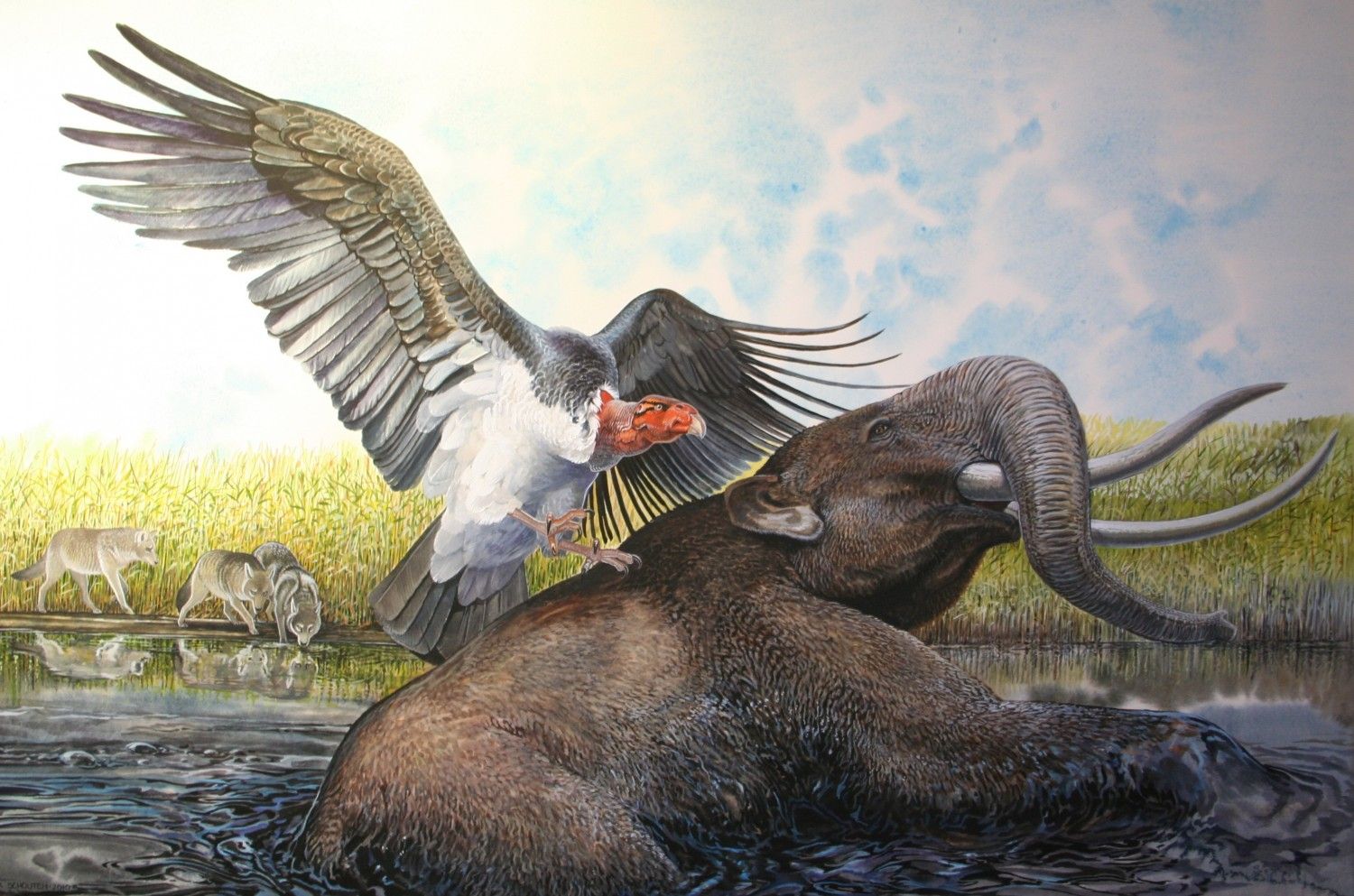
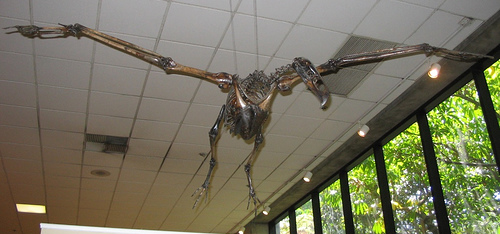
- Genus: Teratornis
- Species: T. merriami (type species) and T. woodburnensis
- Name Pronunciation: Tear-a-torn-is
- Name Meaning: "Monster bird"
- Named By: Loye H. Miller - 1909
- Classification: Life, Eukaryota, Animalia, Chordata, Vertebrata, Gnathostomata, Osteichthyes, Sarcopterygii, Tetrapodomorpha, Tetrapoda, Reptiliomorpha, Amniota, Sauropsida, Eureptilia, Sauria, Archosauromorpha, Archosauriformes, Archosauria, Dinosauria, Saurischia, Theropoda, Paraves, Avialae, Aves, Neognathae, Accipitriformes, Teratornithidae
- When: Pleistocene epoch (it went extinct 10,000 years ago)
- Where: North America (United States (Arizona, California, Florida, Nevada, and Oregon))
- Size: 14 foot (4.67 meter) wingspan
- Diet: Carnivore
Picture and Information Sources:
- My brain
- Teratornis - Wikipedia
- Teratornithidae - Wikipedia
- LibGuides: Extinct Teratorn (Family Teratornithidae) Fact Sheet: Summary
- Teratornis merriami, Canis dirus and Mammut americanum at the La Brea Tar Pits in California by Peter Schouten | Prehistoric | Pinterest | Prehistoric animals, Dire wolf and Prehistoric creatures
- North America’s forgotten megafauna - Animalogic

Do you realise that within the space of a few sentences you went from "a more active predator" and "not habitual scavengers", to "Teratornis however relied more heavily [than condors] on the carrion of large land mammals and therefore could not survive their extinction"?
I'm aware. Teratornis was indeed a more active predator than modern condors but like modern condors it was still a scavenger. When the megafauna began dying out Teratornis could hunted small mammals and fishes yes. But given its size, these prey options wouldn't of been enough to sustain it. Even though it was an active predator it still relied on scavenging for survival. We know this due to the countless specimens that have been found in the La Brae Tar Pits, as all of these individuals were clearly present there looking to scavenge on the megafauna that had become trapped in the tar. I will admit that I shouldn't of said they were "not habitual scavengers."Do you realise that within the space of a few sentences you went from "a more active predator" and "not habitual scavengers", to "Teratornis however relied more heavily [than condors] on the carrion of large land mammals and therefore could not survive their extinction"?
Last edited:

I just put "Teratorn" into Google Picture search and found several: teratorn - Google Search(however I was unable to find any pictures depicting this bird with a feathery head)
That is all complete speculation. Why would live prey not have been enough to sustain them? Why do the birds being found in the tar pits mean they "relied on scavenging"? Even the briefest look at the species found there show that they include dozens of non-scavenging bird species including multiple waders, waterfowl, pigeons, woodpeckers, and passerines. And then there are all the small mammals - rodents, lagomorphs, etc - which, based on the anatomy of teratorns, were probably their main prey (and likely also the reason there were so many owl species preserved there as well - and I think you'd struggle to suggest that the owls "were clearly present there looking to scavenge on the megafauna that had become trapped in the tar"). Just because there were large herbivorous mammals in the tar pits and large mammalian predators which were probably attracted by those herbivores, doesn't mean that those large herbivores were the same reason the teratorns were there.I'm aware. Teratornis was indeed a more active predator than modern condors but like modern condors it was still a scavenger. When the megafauna began dying out Teratornis could hunted small mammals and fishes yes. But given its size, these prey options wouldn't of been enough to sustain it. Even though it was an active predator it still relied on scavenging for survival. We know this due to the countless specimens that have been found in the La Brae Tar Pits, as all of these individuals were clearly present there looking to scavenge on the megafauna that had become trapped in the tar. I will admit that I shouldn't of said they were "not habitual scavengers."
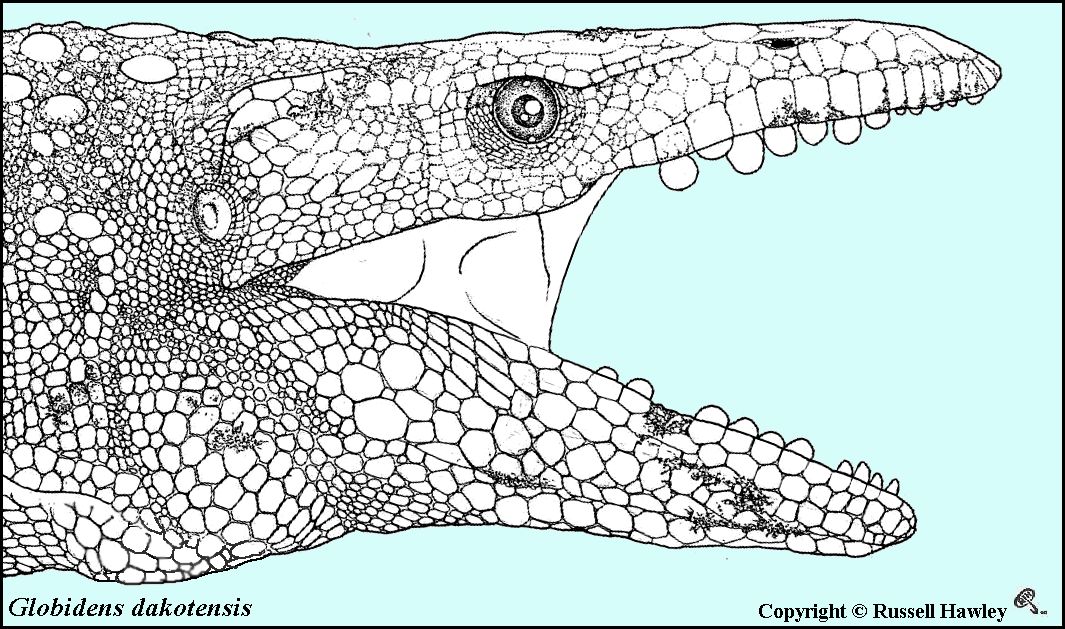
NUMBER FORTY-EIGHT: There is always that one guy that stands out from the crowd because he does things a little bit differently than everyone else. Globidens was that guy
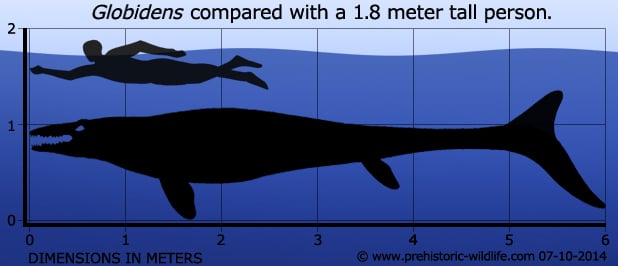


(Below: Globidens with an inaccurate tail)

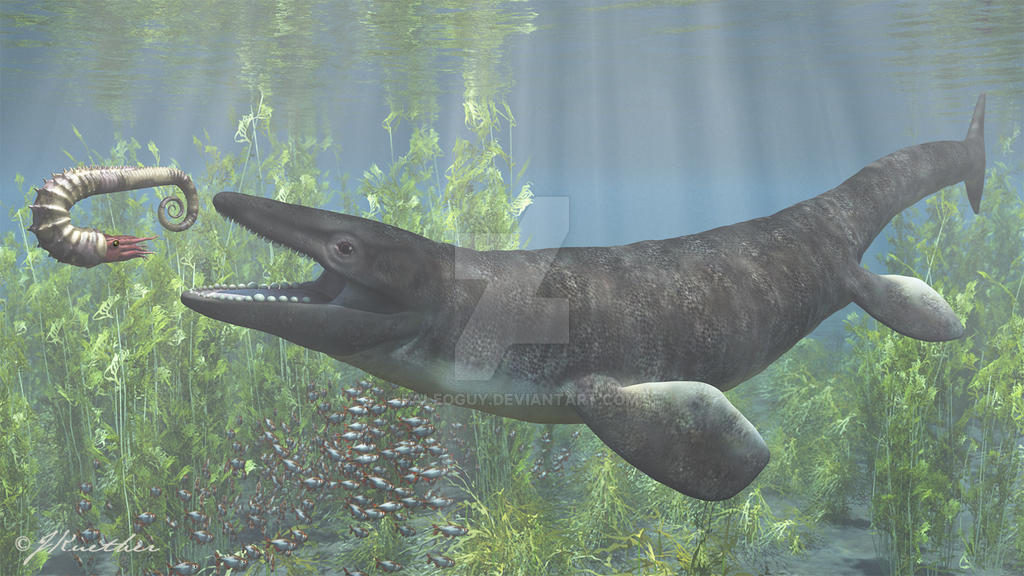


(Below: Globidens with an inaccurate tail)
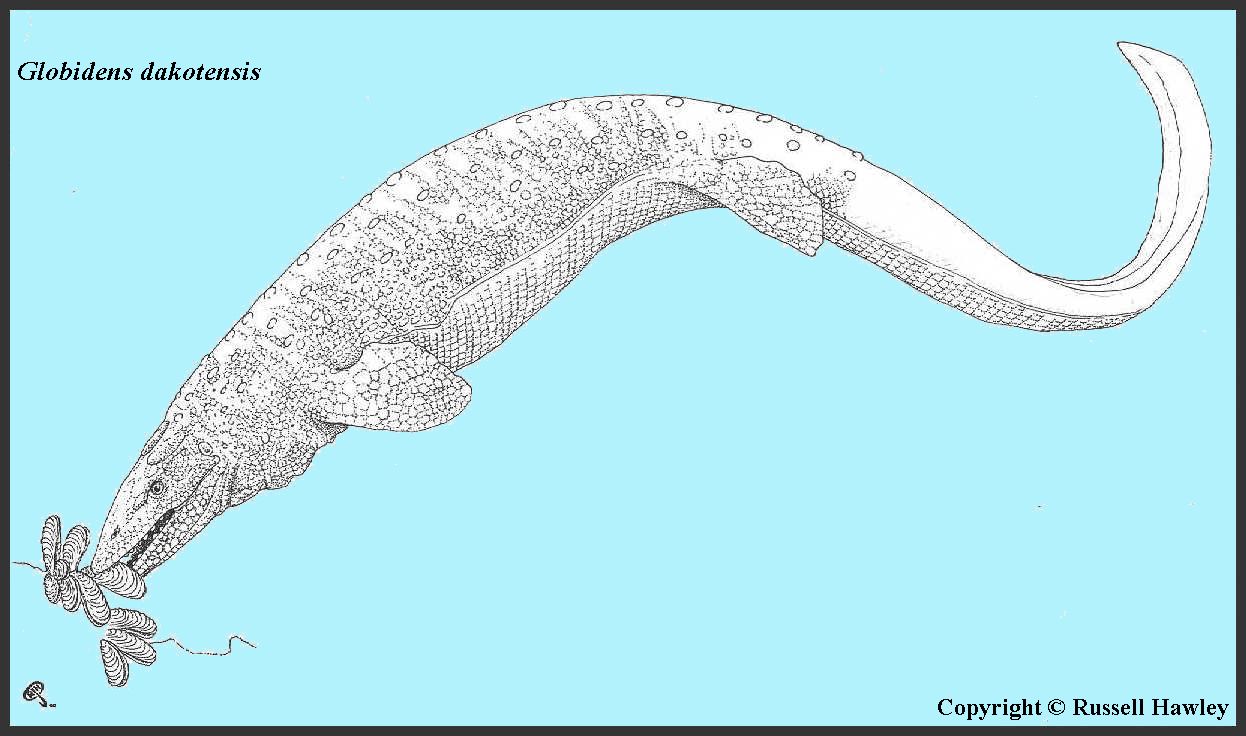

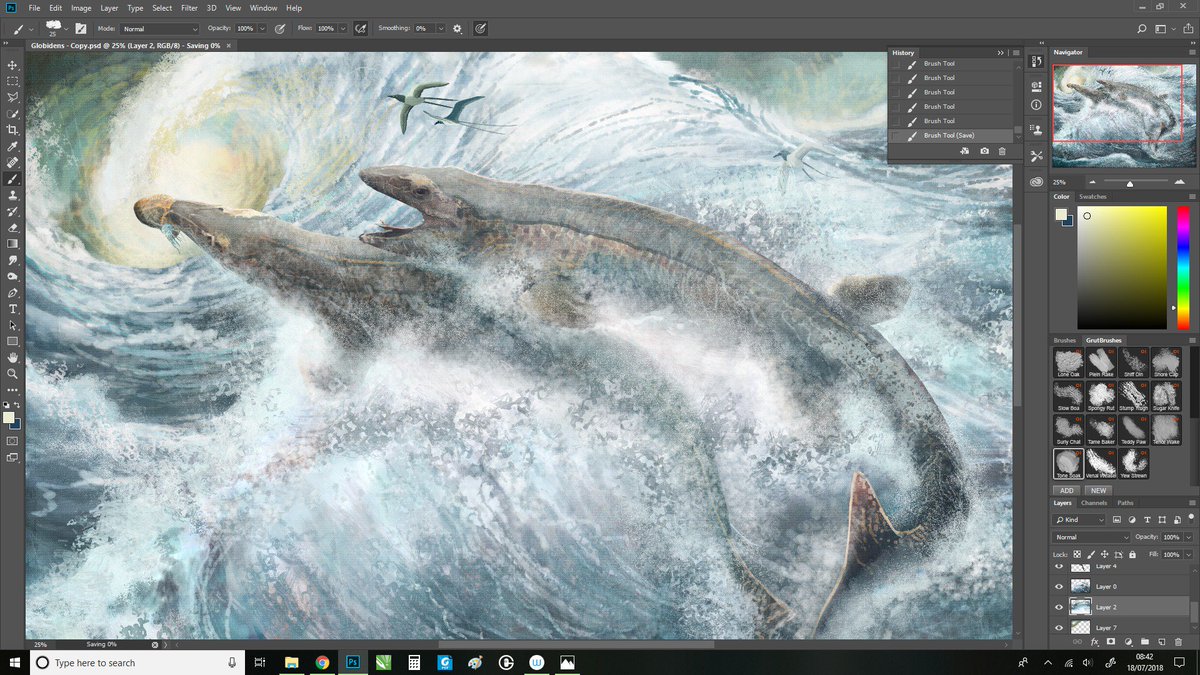
Pictures and Information Sources:
- Genus: Globidens
- Species: G. alabamaensis (type), G. dakotensis, G. phosphaticus, G. schurmanni, G. simplex, and G. timorensis
- Name Pronunciation: Glo-bih-denz
- Name Meaning: "Globular teeth"
- Named By: Charles W. Gilmore - 1912
- Classification: Life, Eukaryota, Animalia, Chordata, Vertebrata, Gnathostomata, Osteichthyes, Sarcopterygii, Tetrapodomorpha, Tetrapoda, Reptiliomorpha, Amniota, Sauropsida, Eureptilia, Sauria, Lepidosauromorpha, Lepidosauria, Squamata, Toxicofera, Mosasauroidea, Mosasauridae, Mosasaurinae, Globidensini
- When: ~ 84,900,000 B.C.E. to 66,000,000 B.C.E. (Late Cretaceous epoch)
- Where: Africa (Angola, Egypt, and Morocco), Asia (Indonesia (West Timor), Jordan, and Syria), Europe (Belgium), and North America (United States (Alabama, Delaware, Kansas, Texas))
- Size: 20 feet (6.67 meters) long
- Diet: Carnivore
- Considering their closest living relatives, the snakes and the monitor lizards, both have forked tongues, it is believed mosasaurs did as well.
- Mosasaurs have long been depicted with eel-like tails, however a well preserved Platecarpus specimen showed us they had crescent-shaped flukes like sharks.
- Almost all mosasaurs were marine animals however, one species, Pannoniasaurus inexpectatus from Hungary, was discovered in freshwater sediments. It is not know if this animal lived exclusively in freshwater or, if like the extant bull shark (Carcharhinus leucas), it could freely move between fresh and salt water.
- The smallest mosasaur was Dallasaurus turneri, which measured a mere 3.3 feet (1.01 meters). The largest mosasaur was Mosasaurus hoffmanni, which measured an impressive 56 feet (17.07 meters).
- Neonate-sized mosasaur specimens indicate that mosasaurs gave birth to live young, and that they spent their early years of life out in the open ocean, not in sheltered nurseries or in shallow water as previously believed.
- Mosasaur bones have been found with shark teeth embedded in them, suggesting that they weren't always the top dogs of the Cretaceous seas.
- A study published in 2016 by T. Lyn Harrell et al. showed that mosasaurs were endothermic.
- Mosasaur scales have been uncovered. Apparently these marine lizards had two types of scales: keeled scales covering the upper regions of the body and smooth scales covering the lower regions.
- The coloration of mosasaurs was unknown until 2014, when the findings of Johan Lindgren and colleagues of Lund University revealed the pigment melanin in the fossilized scales of a mosasaur. Most mosasaurs were likely countershaeded, with dark backs and light underbellies, much like the extant great white shark (Carcharodon carcharias).
- Mosasaurs had double-hinged jaws and flexible skulls (much like those of snakes), which enabled them to gulp down their prey almost whole.
- Mosasaur remains have been found on every continent.
(Below: Globidens with an inaccurate tail)
(Below: Globidens with an inaccurate tail)
Pictures and Information Sources:
- My brain
- Globidens
- What life was like for newborn giant sea lizards during the age of the dinosaur
- Skin pigmentation provides evidence of convergent melanism in extinct marine reptiles
- https://www.tandfonline.com/doi/abs/10.1080/02724634.1987.10011647
- Globidens - Wikipedia
- https://onlinelibrary.wiley.com/doi/full/10.1111/pala.12240
- https://twitter.com/markwitton/status/1019487989997727745
- http://oceansofkansas.com/Globidens.html
- https://en.wikipedia.org/wiki/Mosasau
- https://www.deviantart.com/paleoguy/art/Globidens-679100090
- https://twitter.com/bone_sharpe/status/939157496161292288
- https://www.pictame.com/tag/globidens
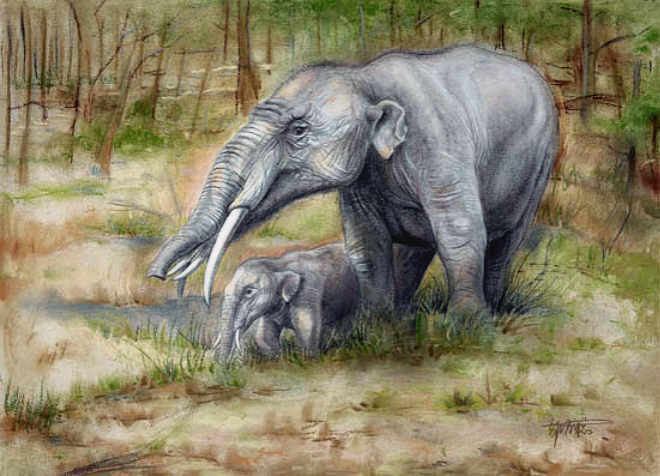
NUMBER FORTY-NINE: I just saw the new Dumbo (good movie, go see it) so I got pachyderms on the mind.


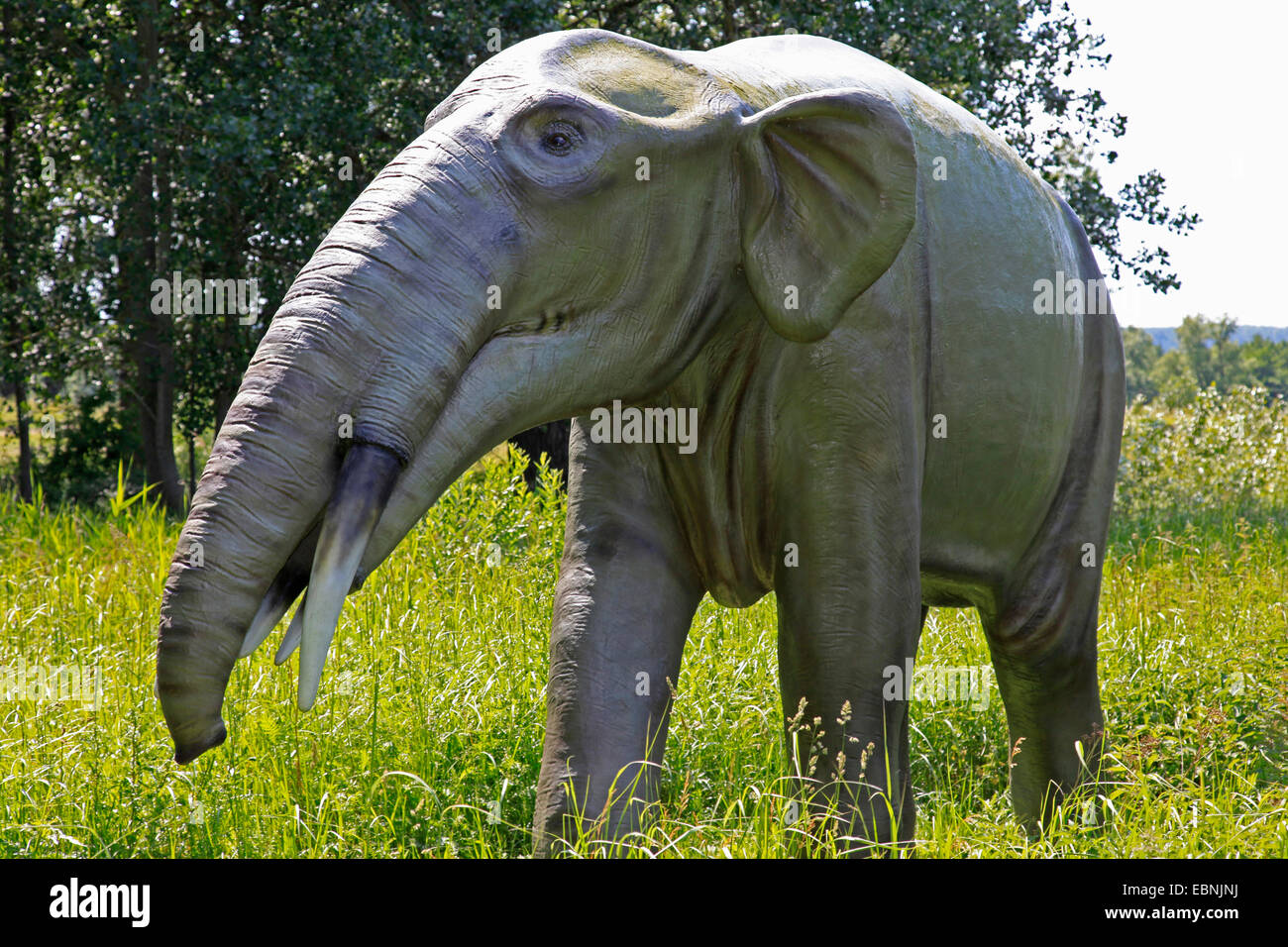


Picture and Information Sources:
- Genus: Gomphotherium
- Species: G. angustidens (type species) and many more
- Name Pronunciation: Gom-foe-fee-ree-um
- Name Meaning: "Welded beast"
- Named By: Hermann Burmeister - 1837
- Classification: Life, Eukaryota, Animalia, Chordata, Vertebrata, Gnathostomata, Osteichthyes, Sarcopterygii, Tetrapodomorpha, Tetrapoda, Reptiliomorpha, Amniota, Synapsida, Therapsida, Mammalia, Placentilia, Afrotheria, Paenungulata, Proboscidea, Gomphotherioidea, Gomphotheriidae, Gomphotheriinae
- When: 23,030,000 B.C.E. to 1,700,000 B.C.E. (Serravallian stage of the Miocene epoch to Calabrian stage of the Pleistocene epoch)
- Where: Africa, Asia, Europe, and North America
- Size: 9.8 feet (3 meters) tall
- Diet: Herbivore
Picture and Information Sources:
- My brain
- Gomphotherium
- https://phys.org/news/2017-10-gomphotherium.html
- Gomphotherium angustidens From this kind of elephant many others evolved, some called the shovel-tuskers having even longer lowe… | prehistoric animals | Pinterest | Prehistoric animals, Extinct animals and Prehistoric creatures
- Gomphotherium
- Stock Photo - Gomphotherium (Gomphotherium), primitiv extinct elephant
- https://www.newdinosaurs.com/gomphotherium/
- https://en.wikipedia.org/wiki/Gomphotherium
Not a species profile but...
Isn't it crazy that this much size disparity can occur within a genus? The smallest species of Palaeoloxodon (P. falconeri) compared to the largest (P. namadicus).
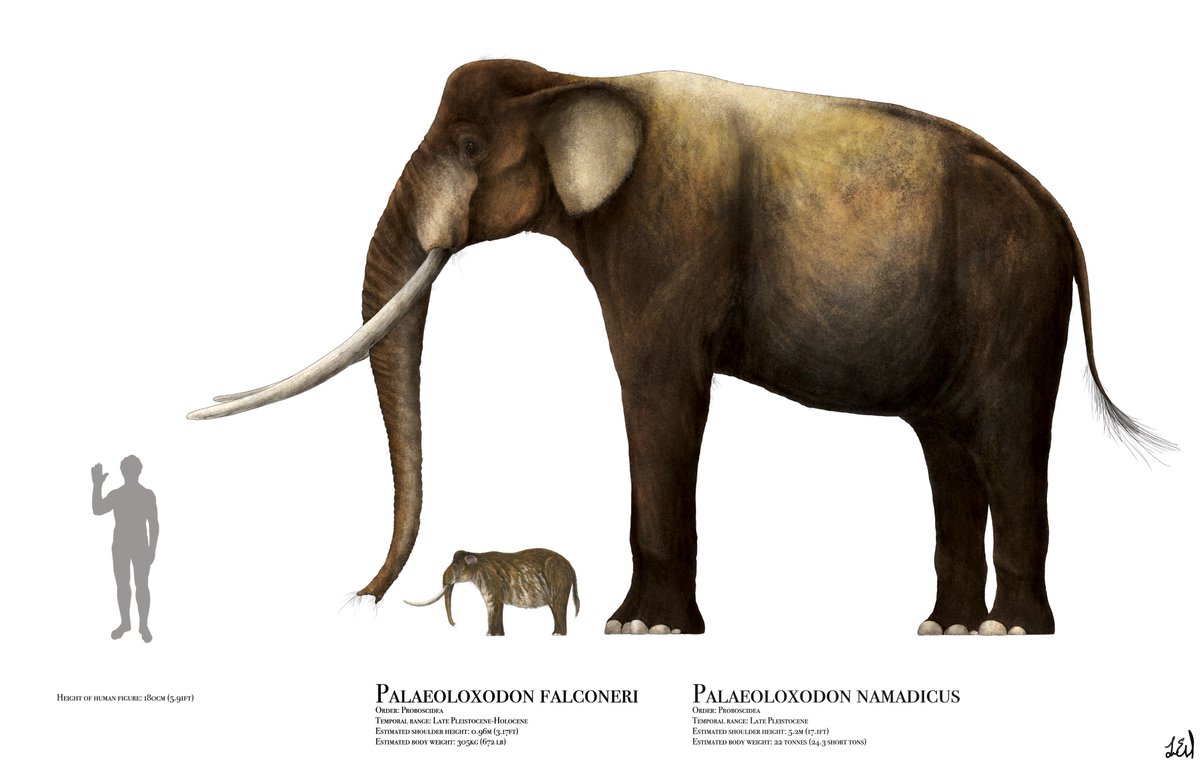
Source: Liam Elward Paleoart on Twitter
Isn't it crazy that this much size disparity can occur within a genus? The smallest species of Palaeoloxodon (P. falconeri) compared to the largest (P. namadicus).
Source: Liam Elward Paleoart on Twitter
Zygolophodon sp. are equally impressive
Zygolophodon
Zygolophodon
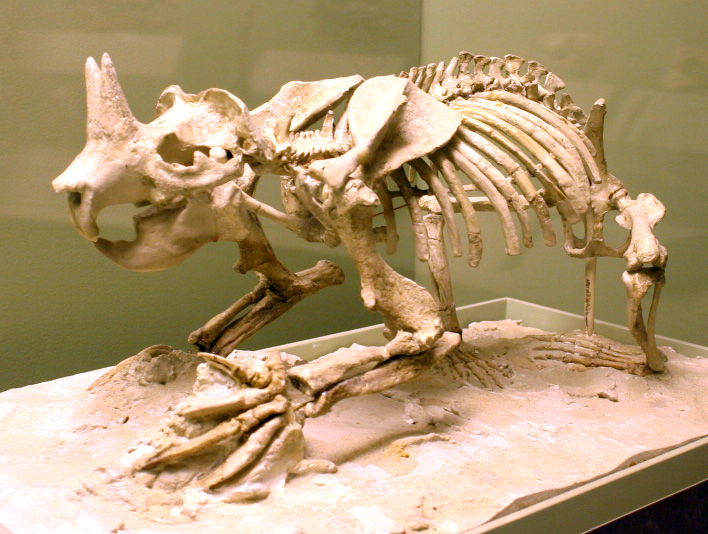
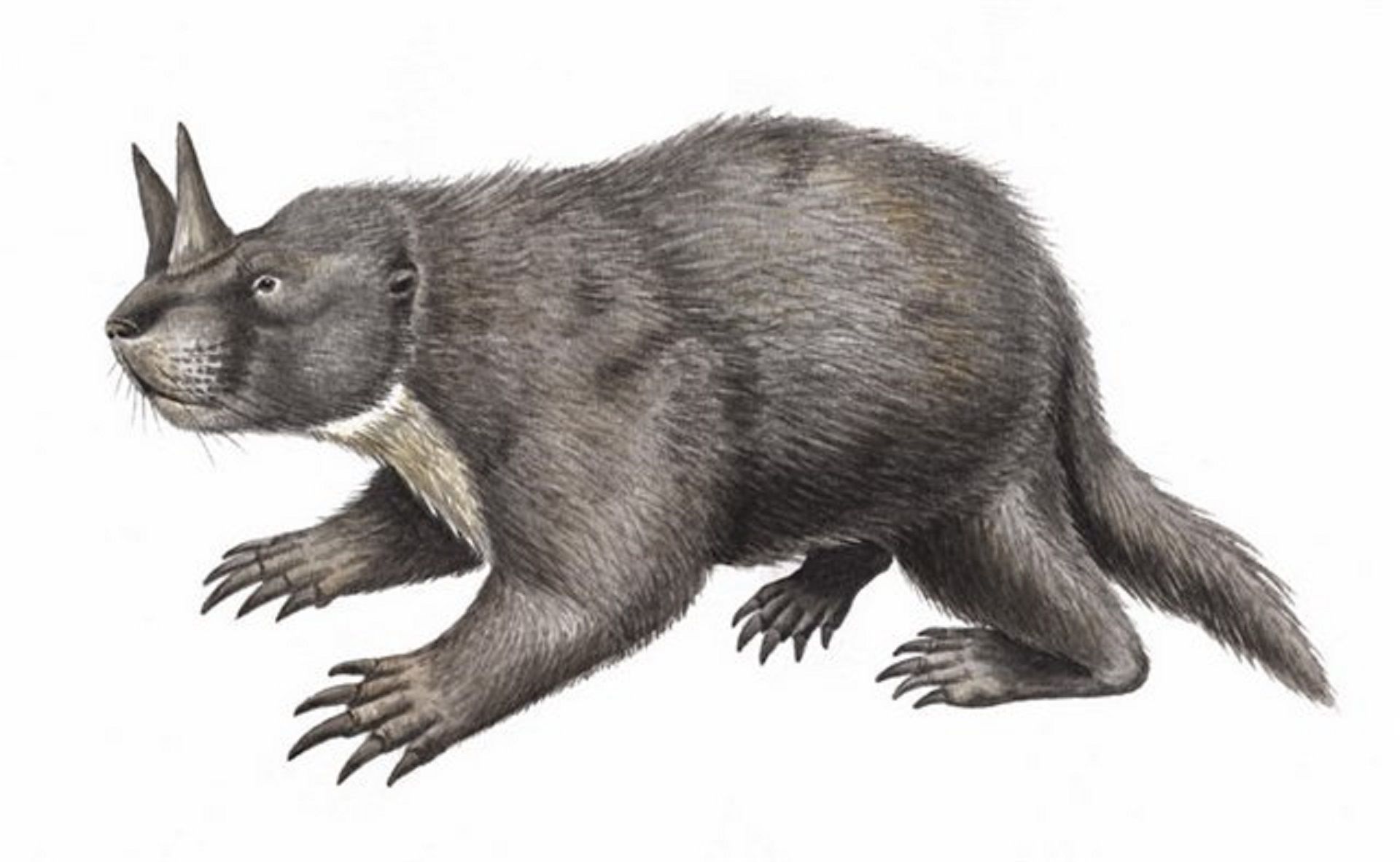
NUMBER FIFTY: No this isn't a (belated) April Fool's Day joke. There once really was a rodent was horns.



(Below: A Pseudaelurus stouti chases a Ceratogaulus)
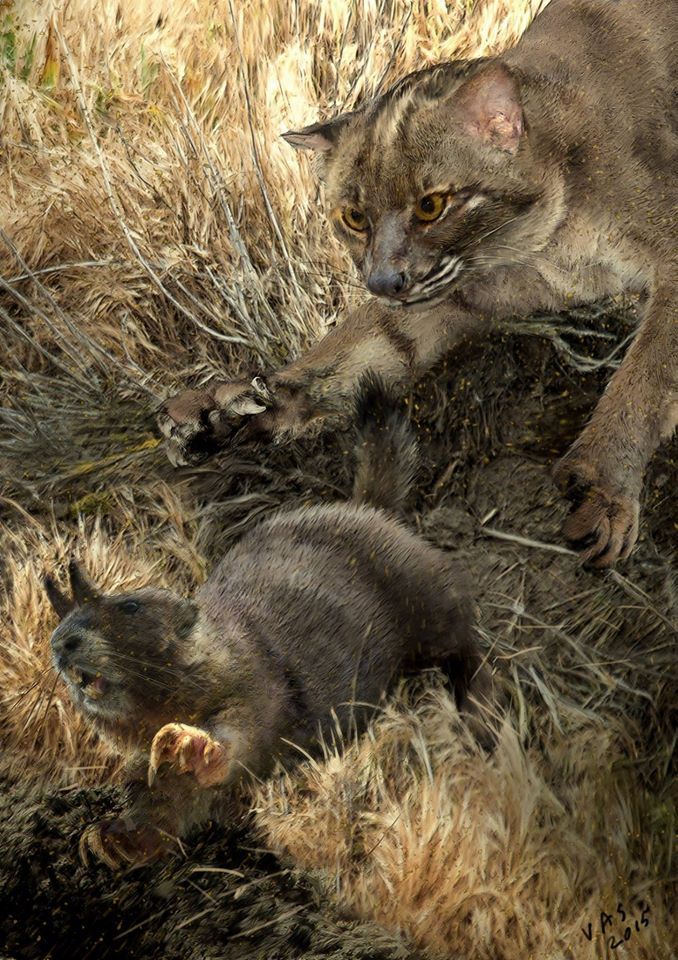
Picture and Information:
- Genus: Ceratogaulus
- Species: C. anecdotus, C. hatcheri, C. minor, and C. rhinocerus (type)
- Name Pronunciation: Seh-rat-o-gow-lus
- Name Meaning: "Horned bowl;" Cerato is Greek for "horned" and gaulus is Greek for "bowl" or "vase"
- Named By: Matthew - 1902
- Classification: Life, Eukaryota, Animalia, Chordata, Vertebrata, Gnathostomata, Osteichthyes, Sarcopterygii, Tetrapodomorpha, Tetrapoda, Reptiliomorpha, Amniota, Synapsida, Therapsida, Mammalia, Placentilia, Boreoeutheria, Rodentia, Mylagaulidae
- When: 13,600,000 B.C.E. to 5,330,000 B.C.E. (Serravallian of the Miocene to Zanclean of the Pliocene)
- Where: North America (United States (Kansas, Nebraska, New Mexico, Texas))
- Size: 11.81 inches (30 centimeters) long
- Diet: Herbivore
(Below: A Pseudaelurus stouti chases a Ceratogaulus)
Picture and Information:
- My brain
- Ceratogaulus (Horned gopher)
- Horned gopher - Wikipedia
- Velizar Simeonovski - Pseudaelurus stouti pursues Ceratogaulus | Prehistoric North America | Pinterest | Prehistoric animals, Prehistoric creatures and Extinct animals
- Art illustration - Prehistoric Mammals - Ceratog… | Art illustration - (Prehistoric Animals) "Dinosaurs" "Mammals" "Birds" "Aquatic Animals" "Insects"
- Ceratogaulus
- Ceratogaulus

Everything you need to know about dinosaurs is explained in this informative video:
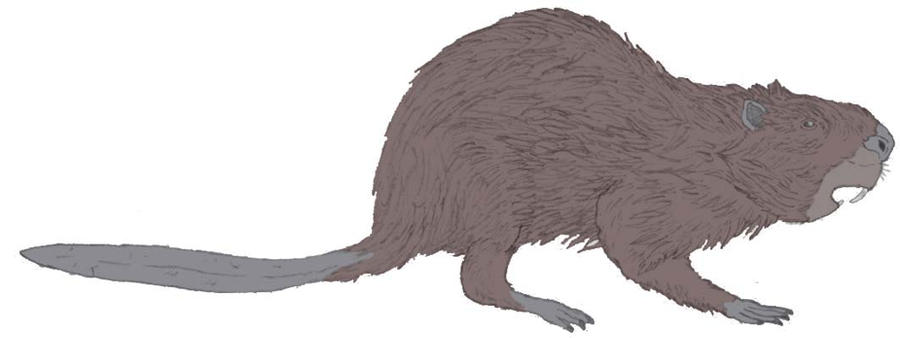
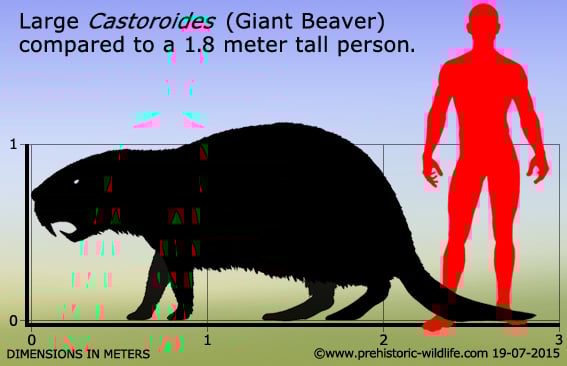
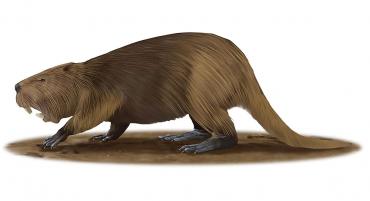
NUMBER FIFTY-ONE: Nice beaver


Picture and Information Sources:
- Genus: Giant beaver (Castoroides)
- Species: C. leiseyorum and C. ohioensis (type)
- Name Pronunciation: Cass-tor-oy-dees
- Name Meaning: "Beaver-like"
- Named By: John Wells Foster - 1838
- Classification: Life, Eukaryota, Animalia, Chordata, Vertebrata, Gnathostomata, Osteichthyes, Sarcopterygii, Tetrapodomorpha, Tetrapoda, Reptiliomorpha, Amniota, Synapsida, Therapsida, Mammalia, Placentilia, Boreoeutheria, Rodentia, Castoridae, Castoroidinae
- When: 3,000,000 B.C.E. to 9,000 B.C.E.
- Where: C. leiseyorum (Florida and South Carolina) and C. ohioensis (Florida, Georgia, Illinois, Iowa, Kansas, Michigan, Ohio, Oklahoma, Ontario, Pennsylvania, South Carolina, Virginia, and Yukon)
- Size: Up to 7.22 feet (2.2 meters) long, not including tail
- Diet: Herbivore
Picture and Information Sources:

NUMBER FIFTY-TWO: Just when you thought this thread had gone extinct.


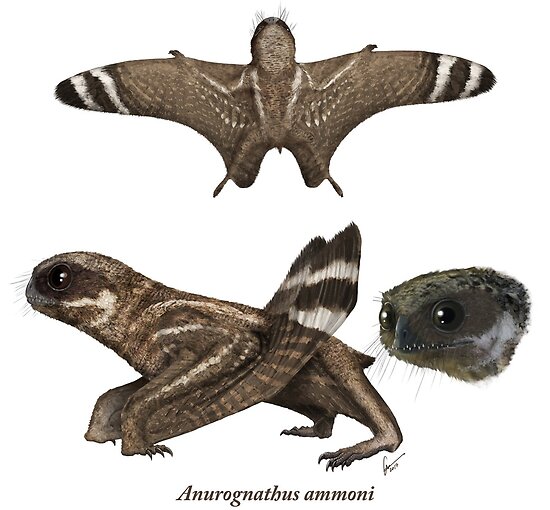


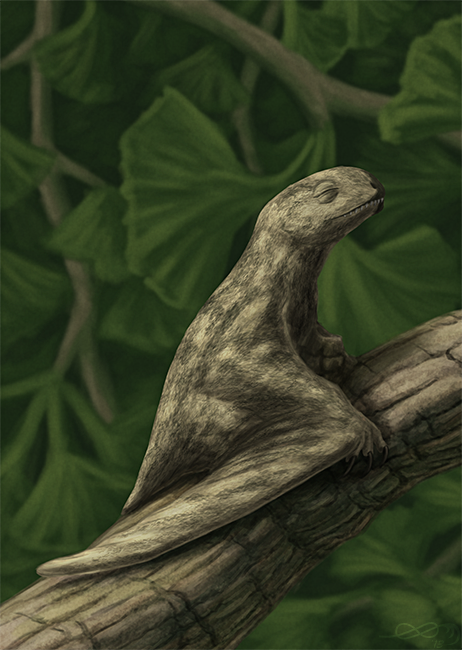
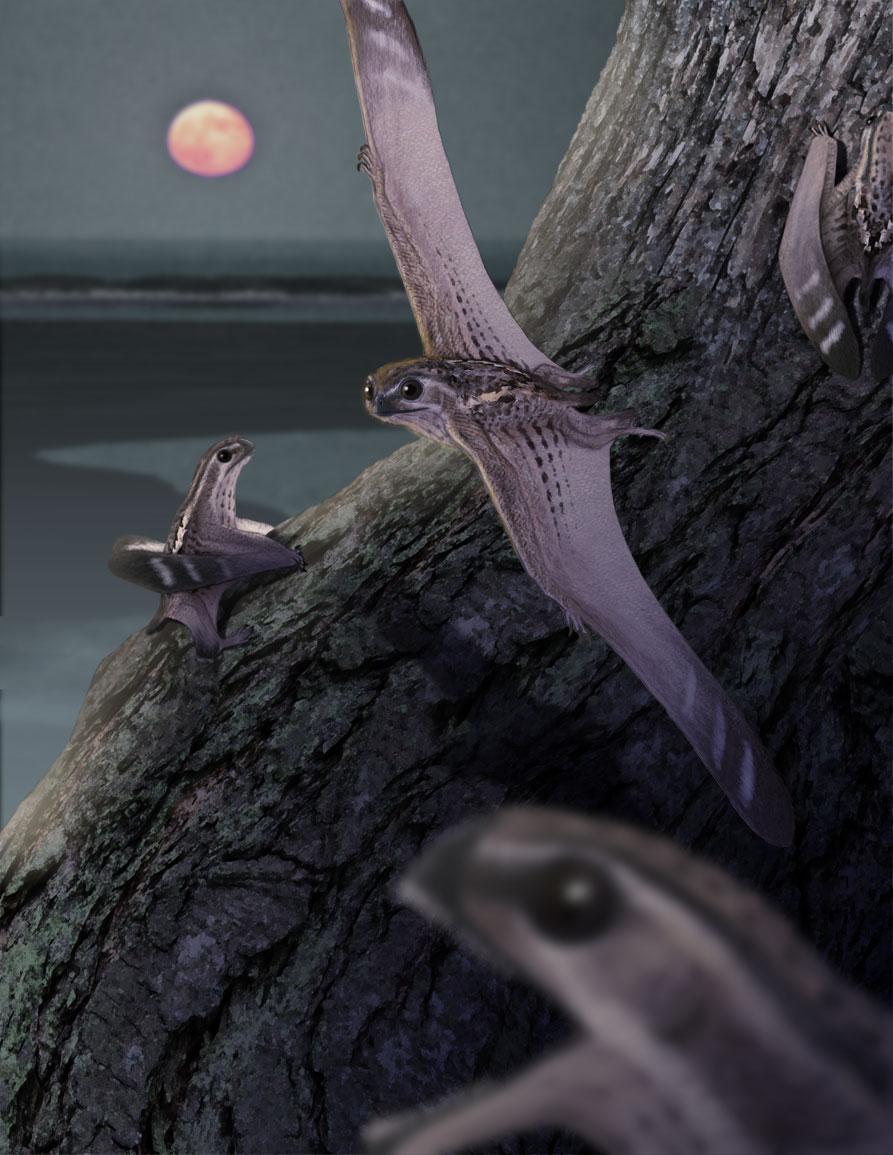
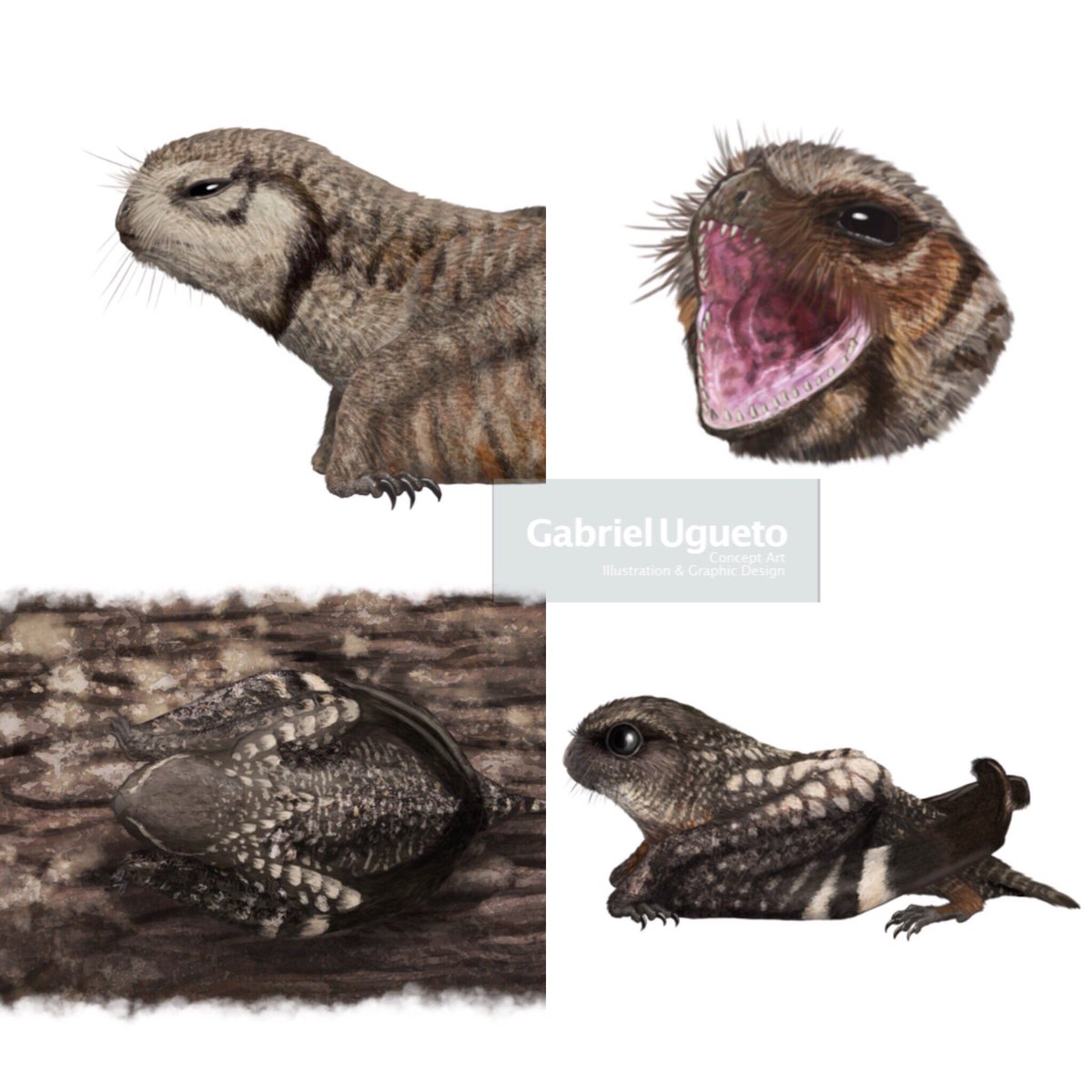
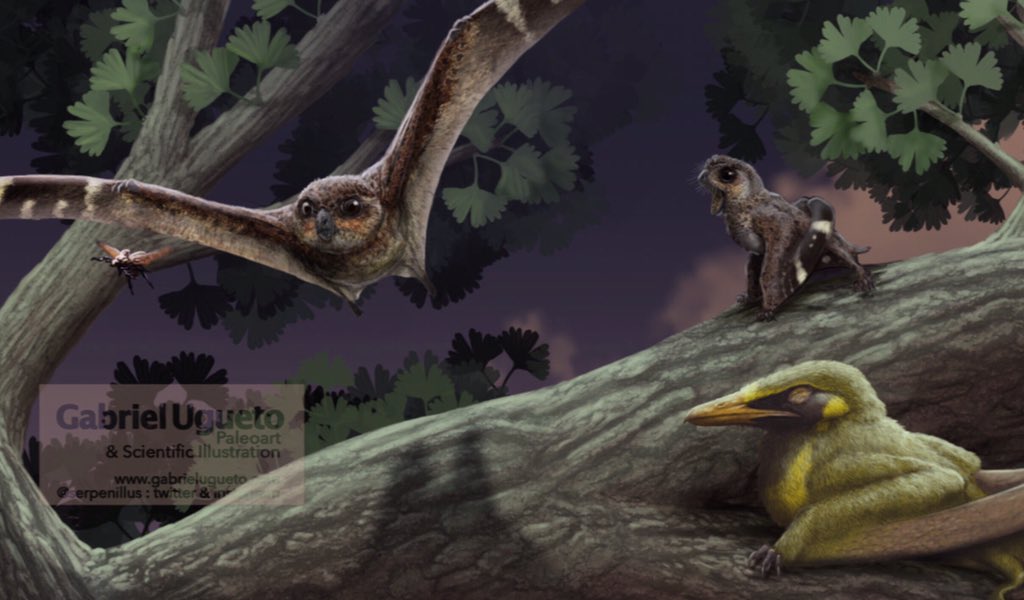
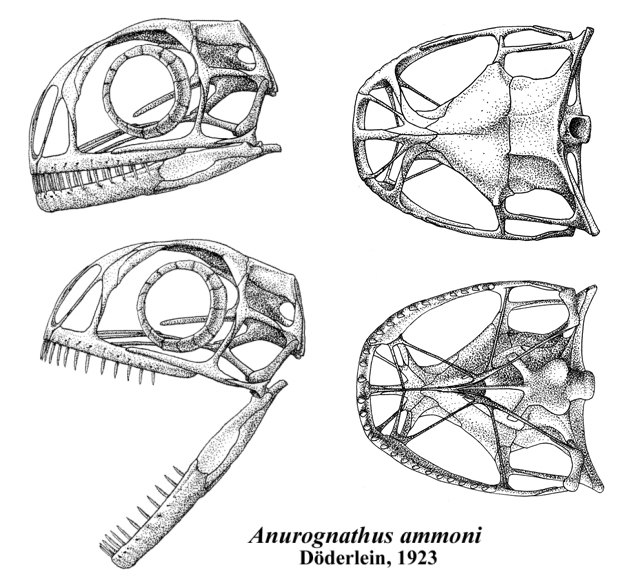
Picture and Information Sources:
- Genus: Anurognathus
- Species: A. ammoni
- Name Pronunciation: An-ur-og-nath-us
- Name Meaning: "Without tail jaw;" Greek an- ("without"), Greek oura ("tail"), and Greek gnathos ("jaw"); ammoni honours the Bavarian geologist Ludwig von Ammon, who provided the species's describer with what would become the type specimen
- Named By: Ludwig Döderlein - 1923
- Classification: Life, Eukaryota, Animalia, Chordata, Vertebrata, Gnathostomata, Osteichthyes, Sarcopterygii, Tetrapodomorpha, Tetrapoda, Reptiliomorpha, Amniota, Sauropsida, Eureptilia, Sauria, Archosauromorpha, Archosauriformes, Archosauria, Avemetatarsalia, Pterosauria, Rhamphorhynchoidea, Anurognathidae, Anurognathinae
- When: 150,800,000 B.C.E. to 148,500,000 B.C.E. (Oxfordian stage of the Late Jurassic epoch)
- Where: Europe - Germany - Bavaria - Solnhofen Limestone
- Size: Length: 3.5 inches (8.9 centimeters) / Wingspan: 20 inches (50.8 centimeters)
- Diet: Carnivore
Picture and Information Sources:
- My brain
- Anurognathus - Pteros
- Anurognathus - Wikipedia
- Anurognathus
- Fossilworks: Anurognathus ammoni
- ‘Anurognathus ammoni’ Poster by SerpenIllus
- Gabriel N. U. on Twitter
- Anurognathus, the tiny Jurassic pterosaur | Earth Archives
- #anurognathus hashtag on Twitter
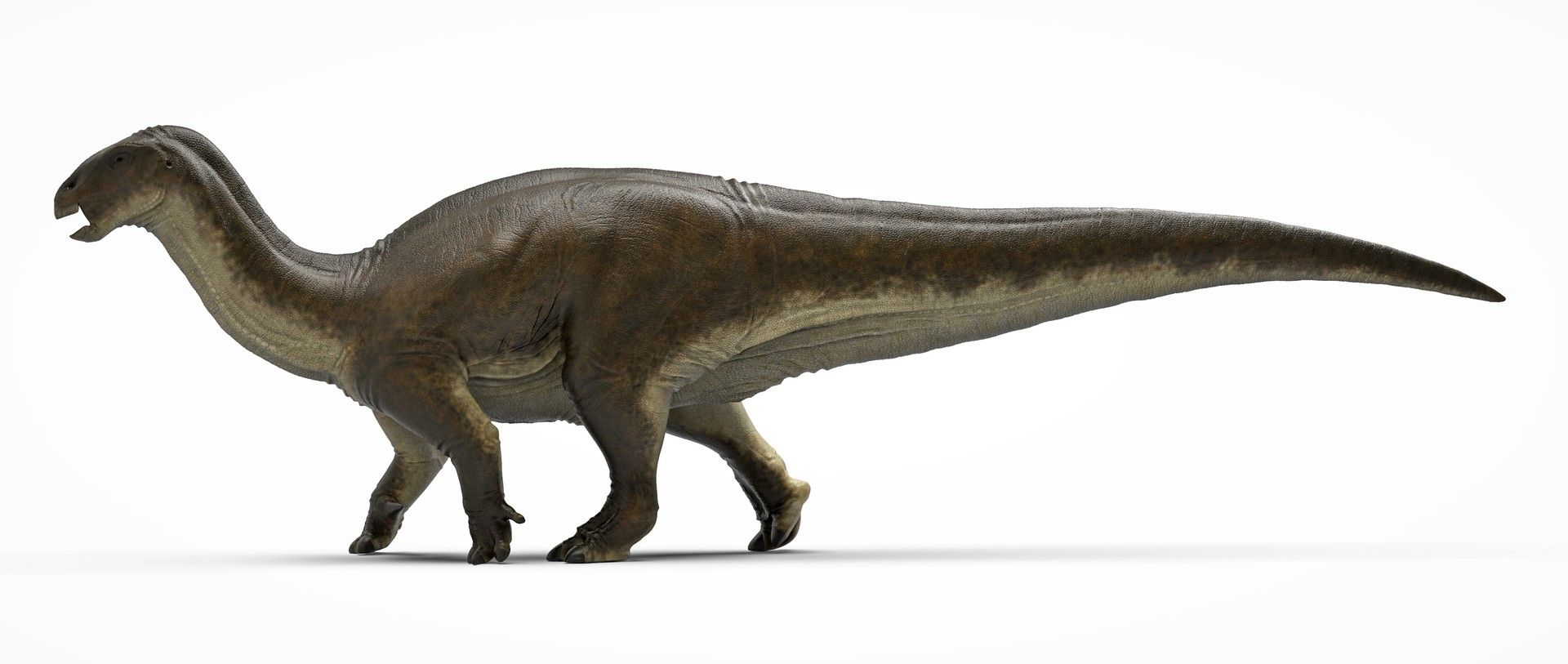
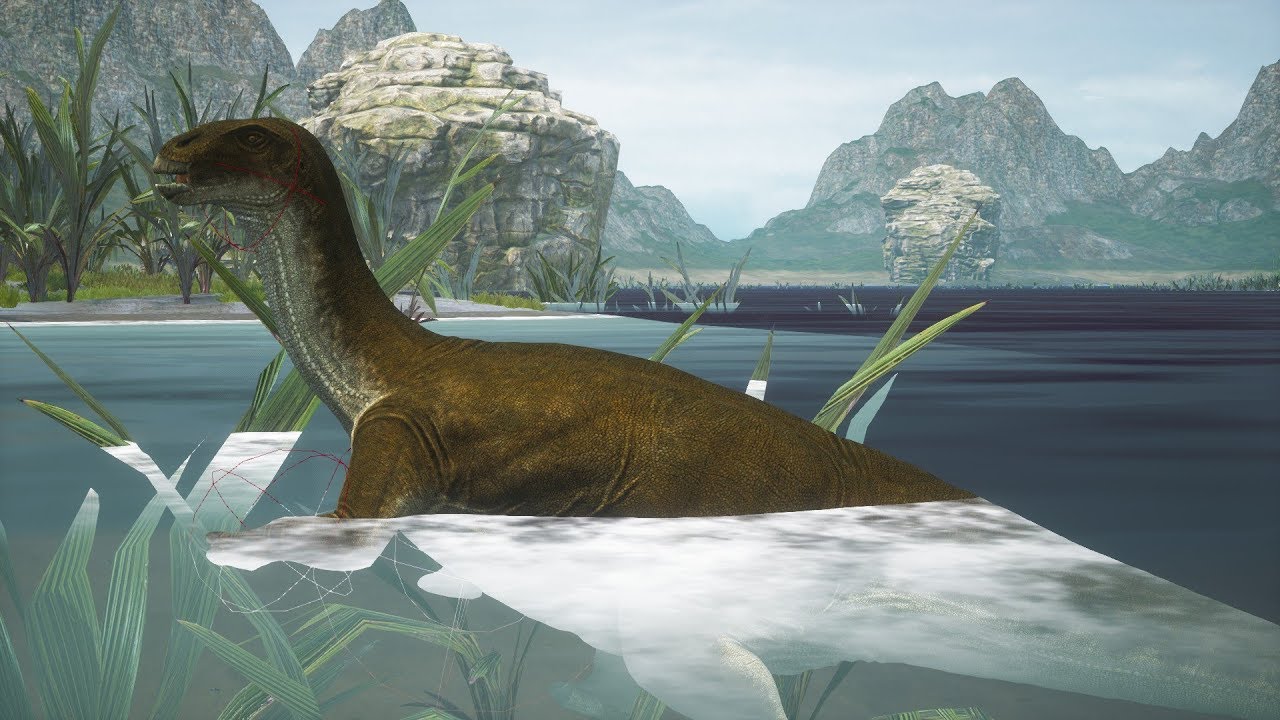
NUMBER FIFTY-THREE: It may be called Lurdusaurus, but I think Hipposaurus may of been more appropriate. (Well I mean actually Hipposaurus was already taken by a 260-million-year South African synapsid named in 1929, but I was making a joke okay! So chill...jeez.)
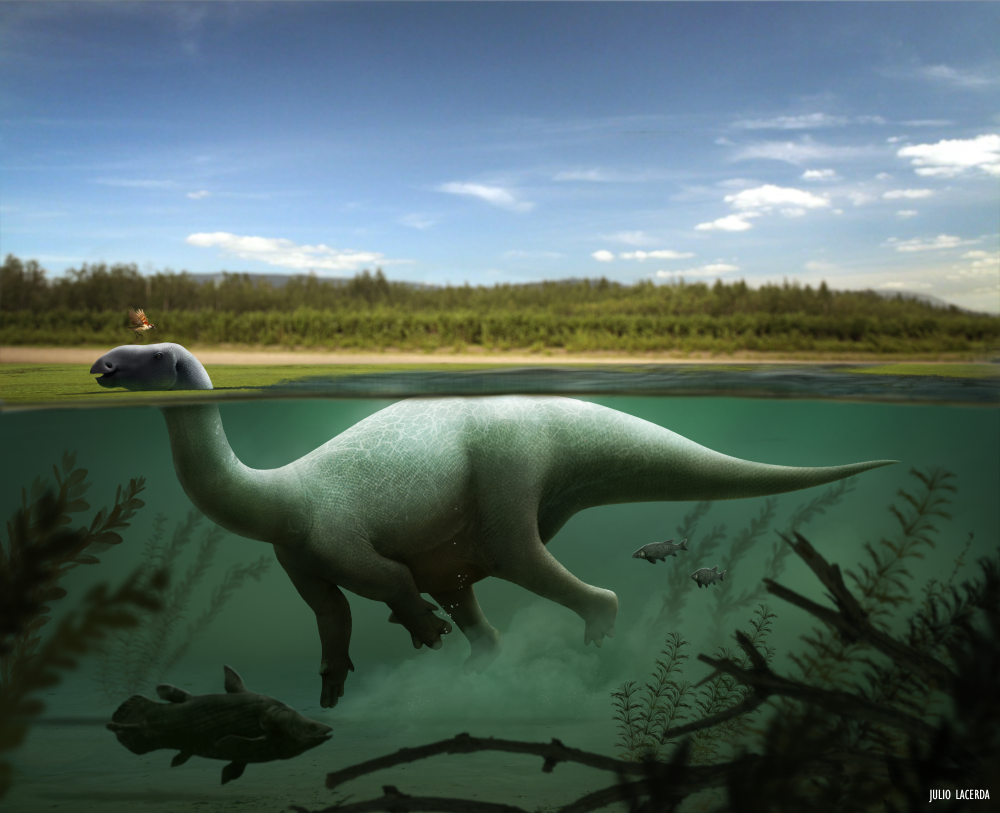
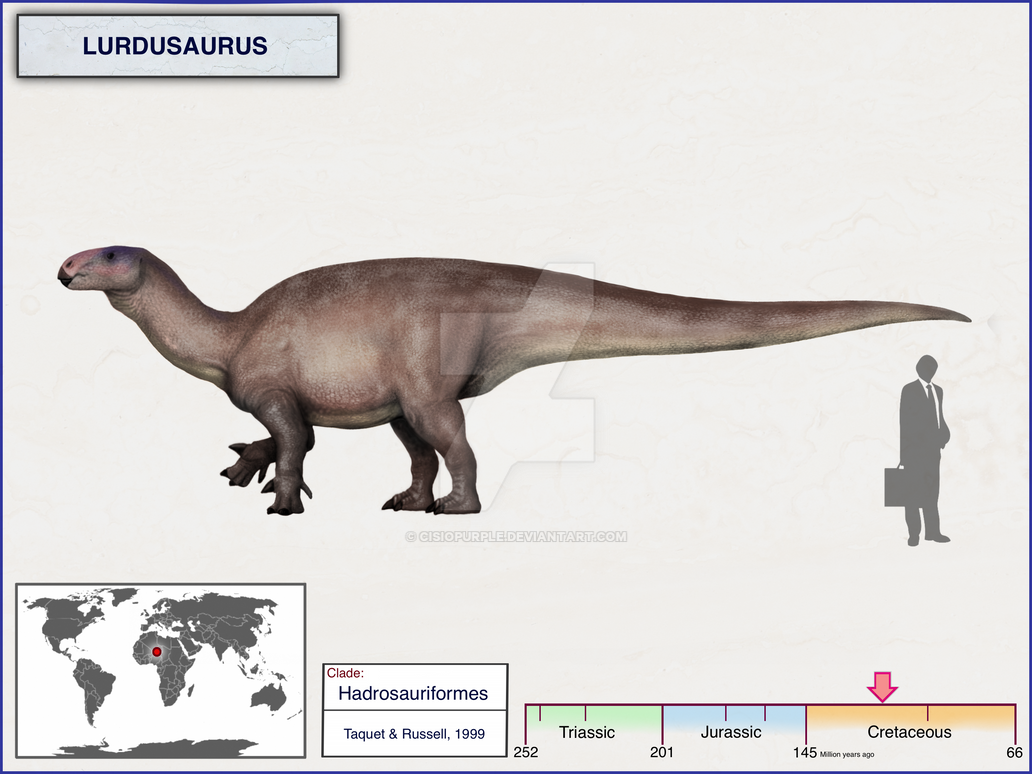
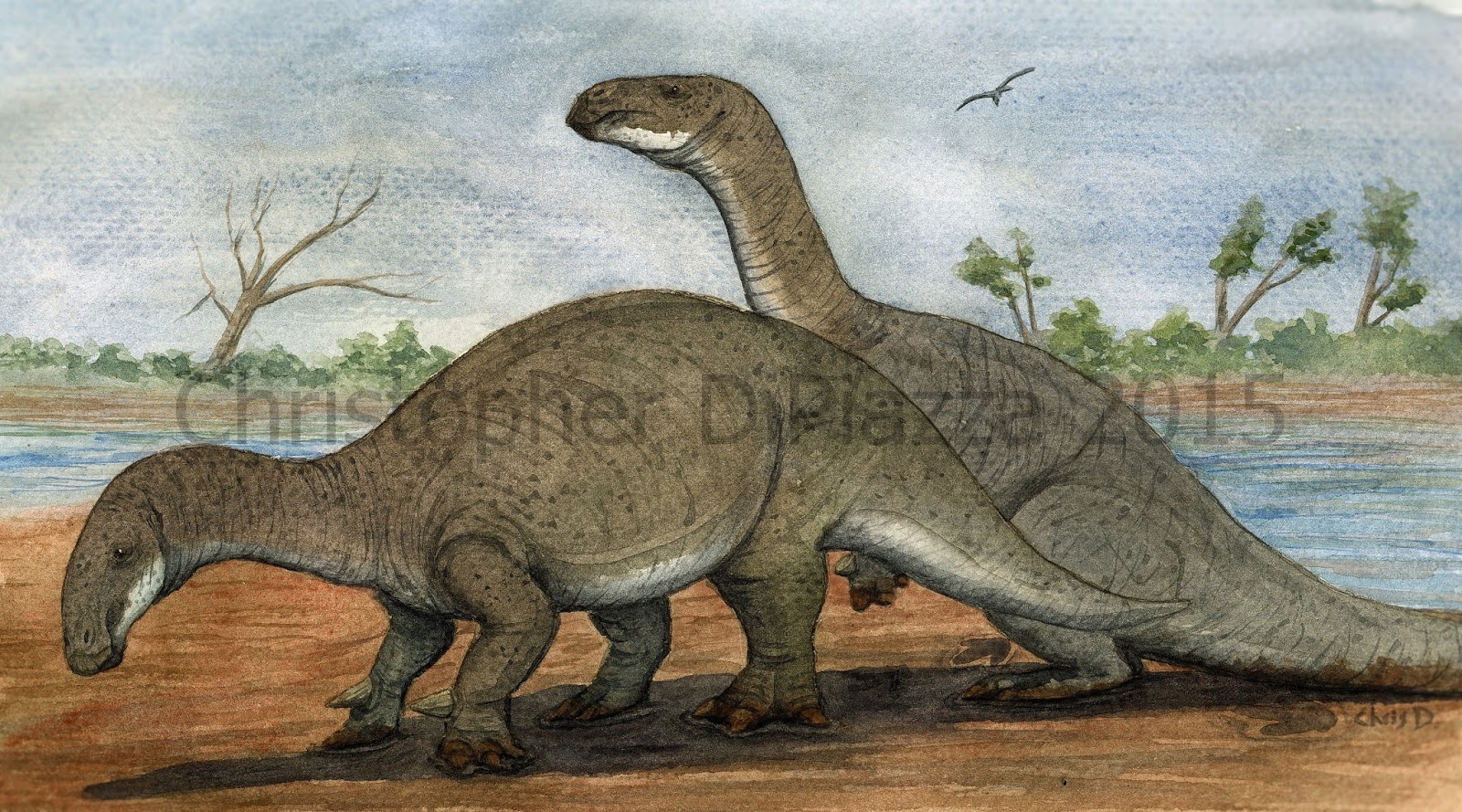
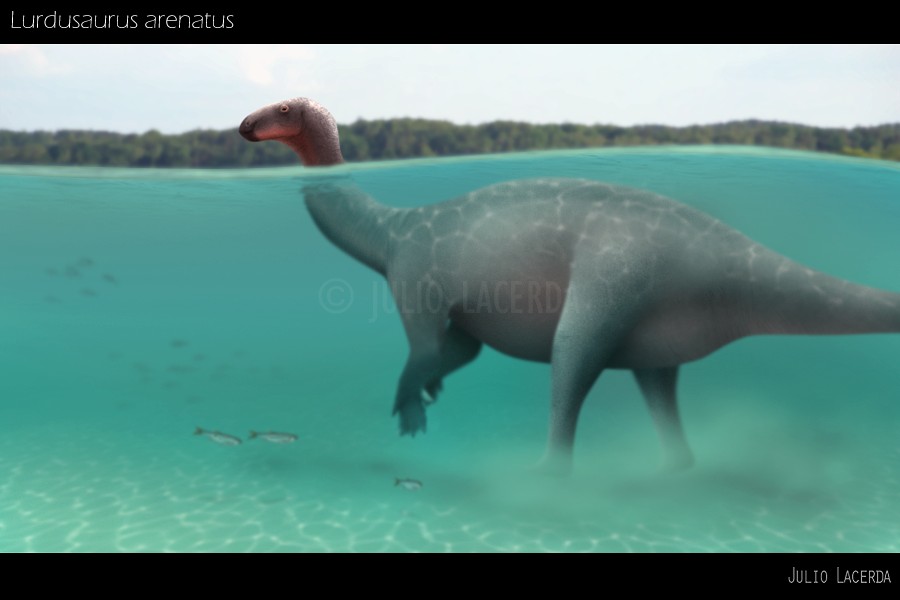

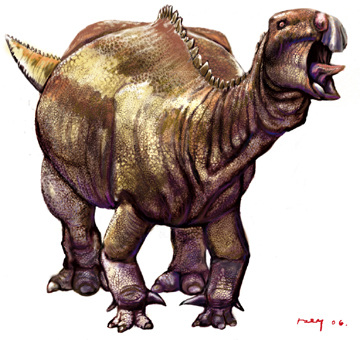

(Below: Sarcosuchus imperator)
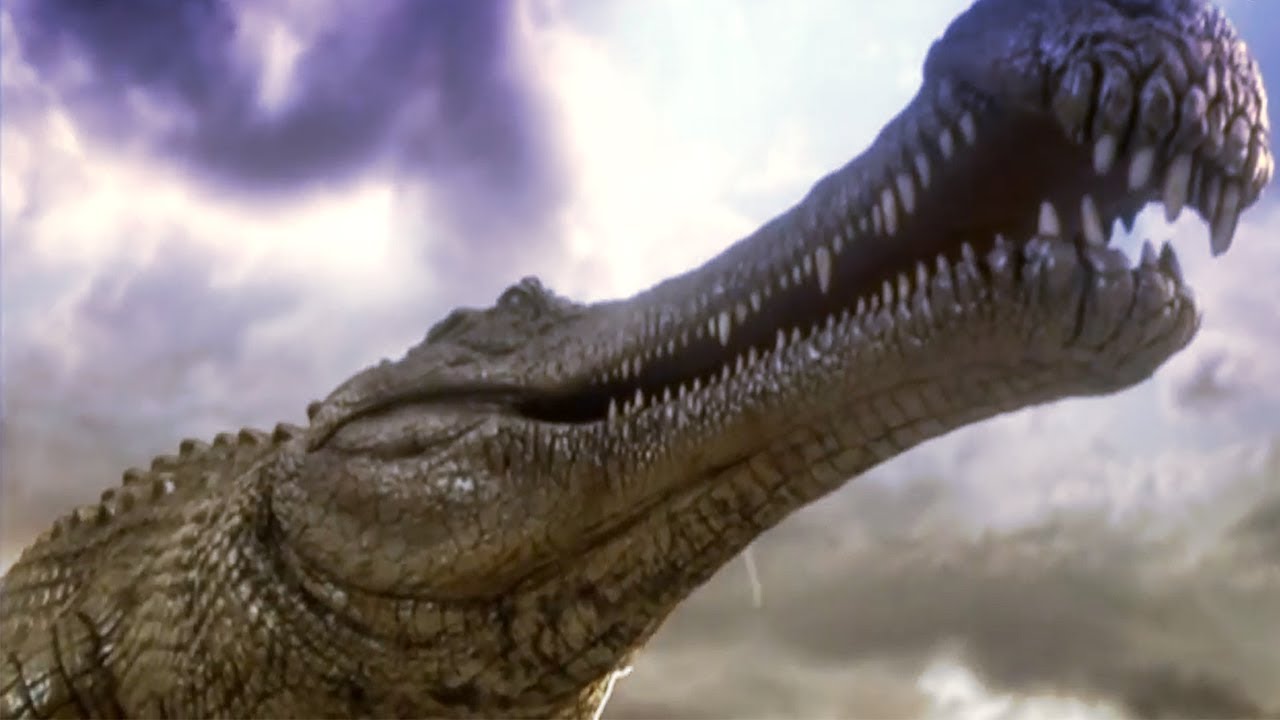
(Below: Ouranosaurus nigeriensis)

(Below: Suchomimus tenerensis)

(Below: Hipposaurus boonstrai)

Picture and Information Sources:
- Genus: Lurdusaurus
- Species: L. arenatus
- Name Pronunciation: Lur-du-sore-us
- Name Meaning: "Heavy lizard" = (Latin lurdus) "heavy" + (Greek sauros) "lizard"
- Named By: Phil Taquet & Dale Russell - 1999
- Classification: Life, Eukaryota, Animalia, Chordata, Vertebrata, Gnathostomata, Osteichthyes, Sarcopterygii, Tetrapodomorpha, Tetrapoda, Reptiliomorpha, Amniota, Sauropsida, Eureptilia, Sauria, Archosauromorpha, Archosauriformes, Archosauria, Avemetatarsalia, Dinosauria, Ornithischia, Ornithopoda, Iguanodontia, Styracosterna, Hadrosauriformes
- When: 121,000,000 B.C.E. to 112,000,000 B.C.E. (Aptian stage of the Late Cretaceous epoch)
- Where: Africa - Niger - Elhraz Formation
- Size: 30 feet (9.14 meters) long / Estimated weight of 6 short tons (5.44 metric tons)
- Diet: Herbivore
(Below: Sarcosuchus imperator)
(Below: Ouranosaurus nigeriensis)
(Below: Suchomimus tenerensis)
(Below: Hipposaurus boonstrai)
Picture and Information Sources:
- My brain
- Prehistoric Beast of the Week: Lurdusaurus: Beast of the Week
- Lurdusaurus, river dinosaur of the ancient Sahara | Earth Archives
- Lurdusaurus
- Lurdusaurus - Wikipedia
- Fossilworks: Lurdusaurus arenatus
- Lurdusaurus was a very strange ornithopod related to Iguanodon, that shows several adaptations that lead scientists to think it l… | Extinct Paleofauna | Prehistoric animals, Animals, Science, nature
- Lurdusaurus
- Lurdusaurus - InfoDino
- Lurdusaurus
- Lurdusaurus
- The Sarcosuchus Imperator. It dates from the early Cretaceous Period of what is now Africa and South America and is one of the largest crocodile-like reptiles that ever lived. : Naturewasmetal
- Ouranosaurus
- Suchomimus
- Hipposaurus - Wikipedia
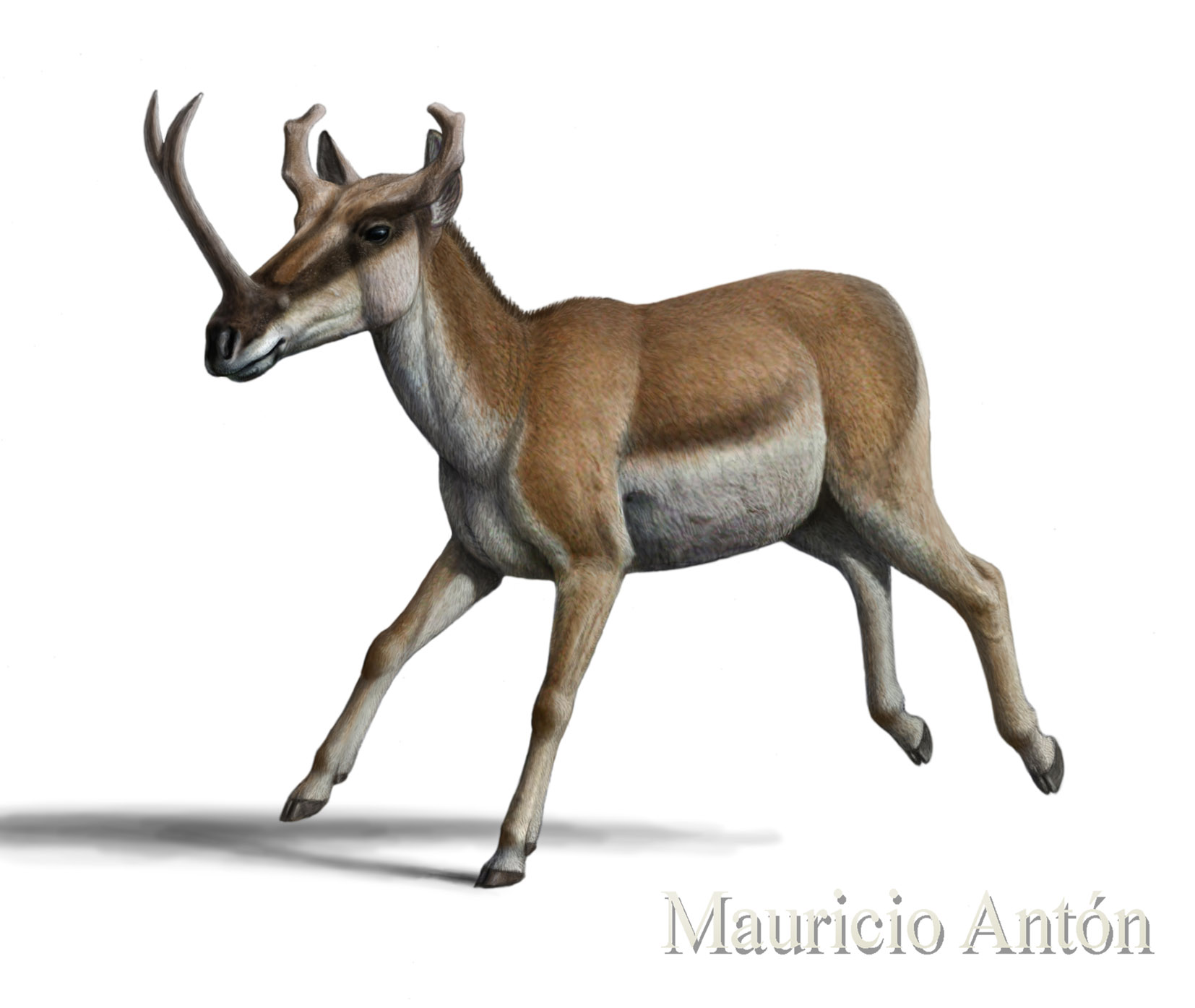
NUMBER FORTY-FOUR: No one really knows Y its nasal horn looked like this




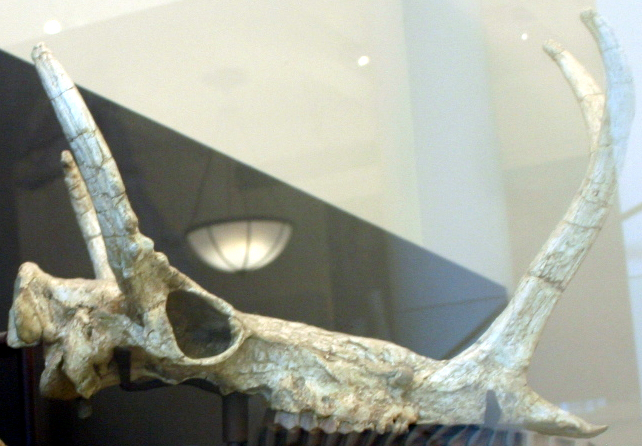
Pictures and Information Sources:
- Genus: Synthetoceras
- Species: Synthetoceras tricornatus
- Name Pronunciation: Sin-thet-oh-ser-as
- Name Meaning: "Combined horn"
- Named By: Stirton - 1932
- Classification: Life, Eukaryota, Animalia, hordata, Vertebrata, Gnathostomata, Osteichthyes, Sarcopterygii, Tetrapodomorpha, Tetrapoda, Reptiliomorpha, Amniota, Synapsida, Therapsida, Mammalia, Placentilia, Boreoeutheria, Ungulata, Artiodactyla, Protoceratidae
- When: 10,300,000 B.C.E. to 5,300,000 B.C.E.
- Where: North America (United States (Alabama, Florida, Nebraska, and Texas))
- Size: 6.50 feet (1.98 meters) long
- Diet: Herbivore
Pictures and Information Sources:
NUMBER FIFTY-FIVE:
Dad: Wow son! You caught some sort of prehistoric shark!
Dennis: Actually dad I believe this is a stethacanthid, which would make it a type of ratfish, not a shark.
Dad: I will not get drawn into another taxonomic debate with you, Dennis. I really will not.
Dennis: Thanks dad.

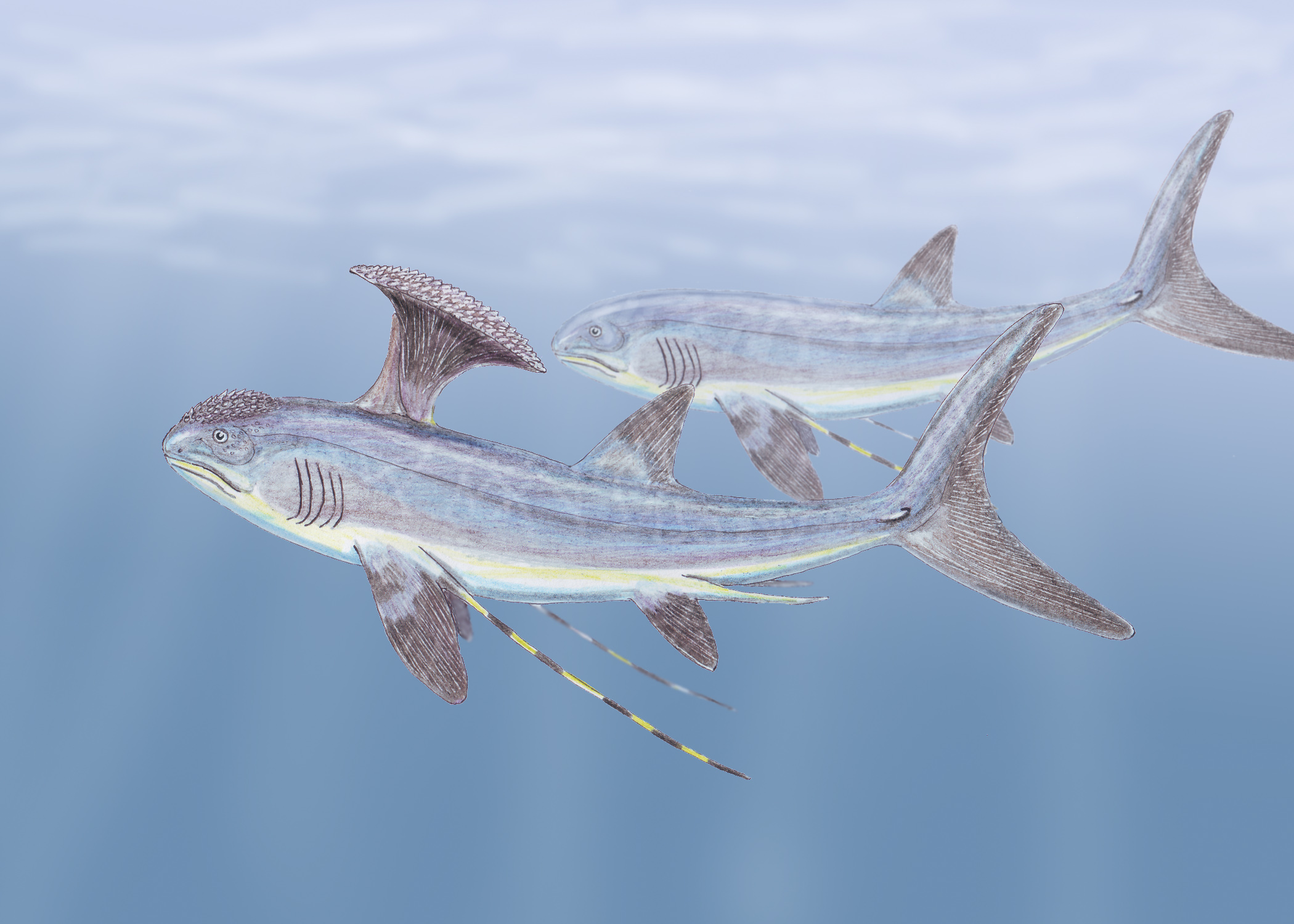
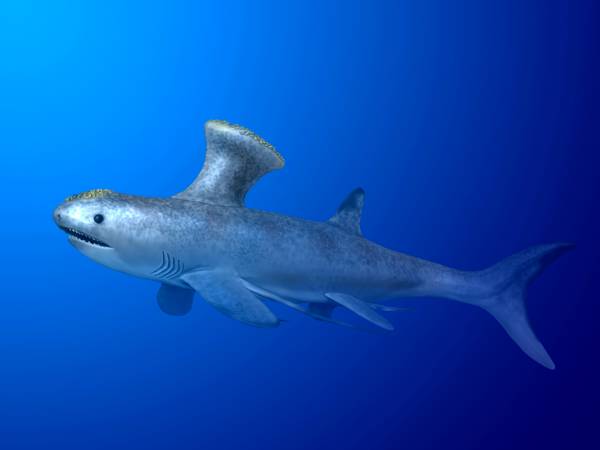


Picture and Information Resources:
Dad: Wow son! You caught some sort of prehistoric shark!
Dennis: Actually dad I believe this is a stethacanthid, which would make it a type of ratfish, not a shark.
Dad: I will not get drawn into another taxonomic debate with you, Dennis. I really will not.
Dennis: Thanks dad.
- Animal: Akmonistion zangerli
- Name Pronunciation: Auk-mon-is-tee-on zang-er-lee
- Name Meaning: "Zangerl's anvil sail" = akmon (Greek for "anvil") + istion (Greek for "sail") + zangerli (honors paleoichthyologist Rainer Zangerl)
- Named By: Coates & Sequeira - 2001
- Classification: Life, Eukaryota, Animalia, Chordata, Vertebrata, Gnathostomata, Chondrichthyes, Holocephali, Symmoriida, Stethacanthidae
- When: 360,700,000 B.C.E. to 298,900,000 B.C.E. (Late Devonian to Early Carboniferous)
- Where: Europe - Scotland - Manse Burn Formation
- Size: Up to 2.3 feet (0.70 meters) long
- Diet: Carnivore
Picture and Information Resources: