@ZooBinh Here you go...
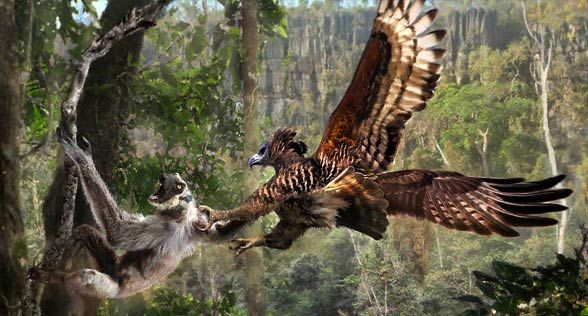
SIXTY-THREE: Gigantopithecus has made two Hollywood appearances, and for unknown reasons both instances involved the genus deciding to break out in song and dance.
Ice Age: Continental Drift (2012)
The Jungle Book (2016)
Despite this, scientists are pretty sure
Gigantopithecus was not musically inclined.
- Animal: Gigantopithecus blacki
- Name Pronunciation: Jy-gan-toe-pif-e-kus black-e
- Name Meaning: "Black's giant ape;" blacki honors the friend and colleague of von Koenigswald, Davidson Black
- Named By: Gustav Heinrich Ralph von Koenigswald - 1935
- Classification: Life, Eukaryota, Animalia, Chordata, Vertebrata, Gnathostomata, Osteichthyes, Sarcopterygii, Tetrapodomorpha, Tetrapoda, Reptiliomorpha, Amniota, Synapsida, Therapsida, Mammalia, Placentalia, Primates, Hominidae, Ponginae
- When: ~ 9,000,000 B.C.E. to 100,000 B.C.E.
- Where: Asia - China, Indonesia, and Vietnam
- Size: *see below*
- Diet: Herbivore
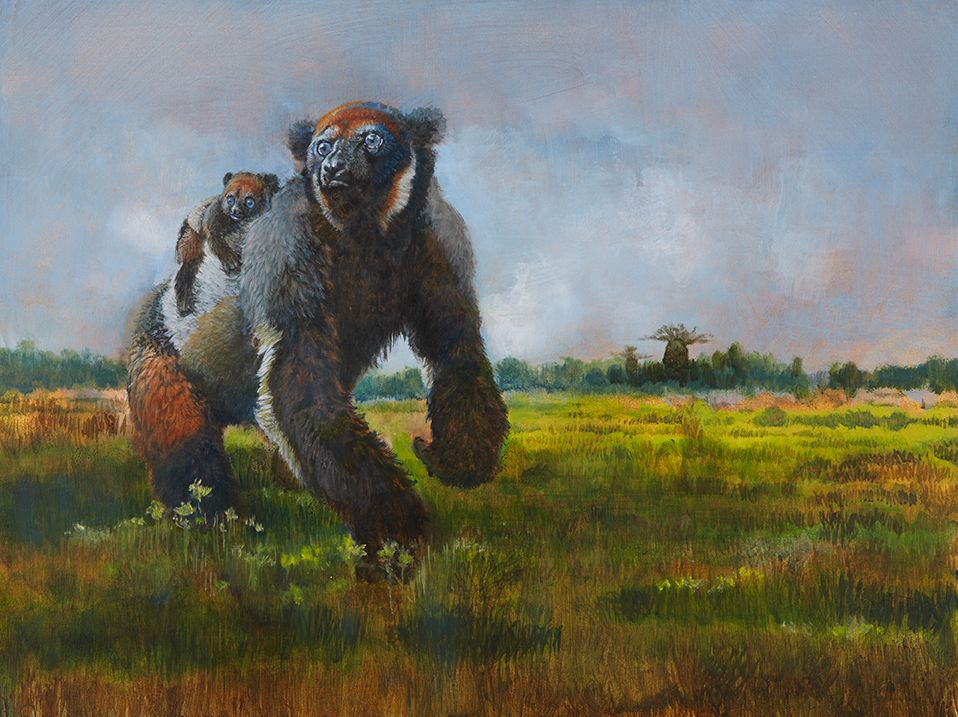
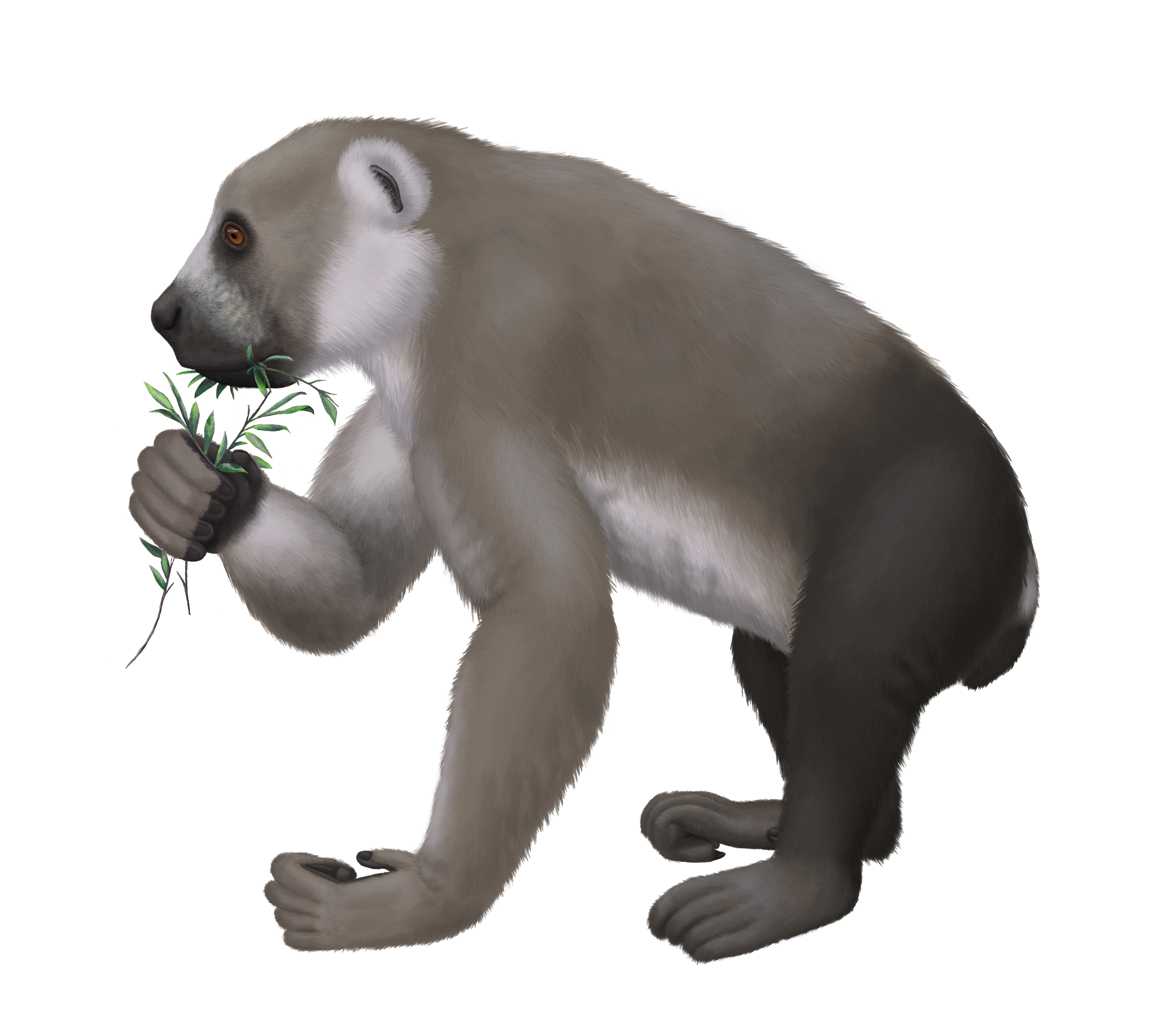
Gigantopithecus blacki was, as a far as current science is aware, the largest primate ever. Males were larger than females. Most estimates place adult males at 1,200 pounds (544 kilograms) and females at around half that. (I should probably note that older estimates suggest
G. blacki was much smaller, about as big as a big gorilla. However, although these estimates are sometimes referenced, they are generally considered false.) Due to the fragmentary nature of its fossil remains
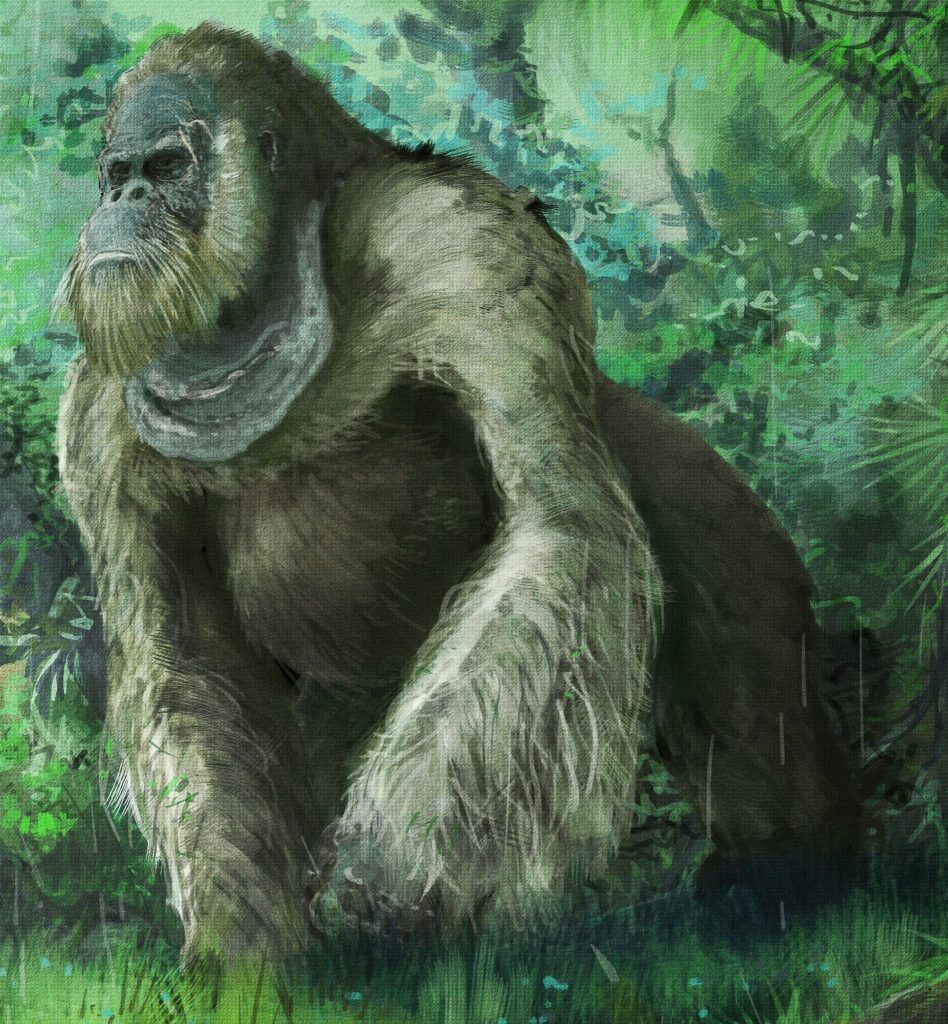
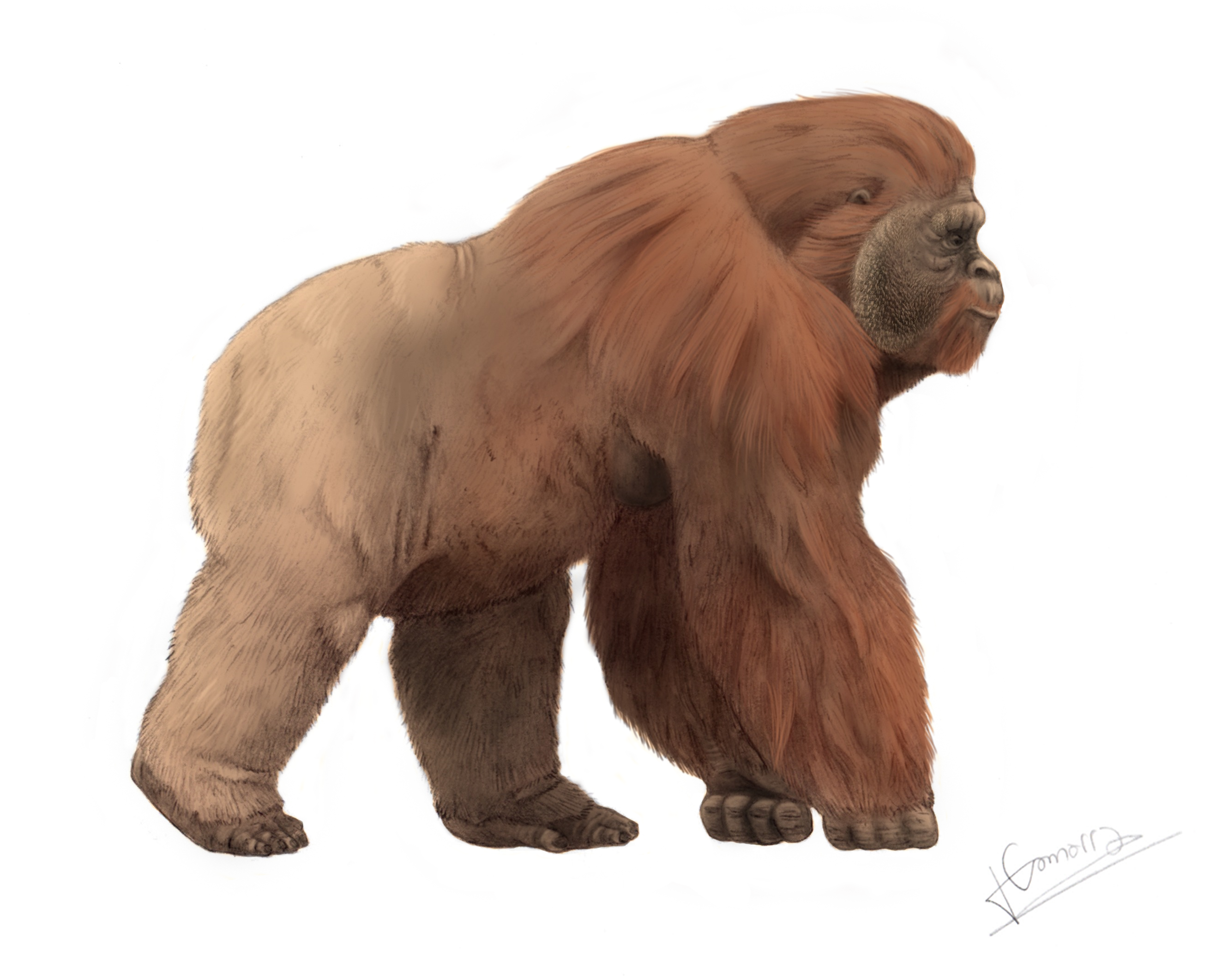
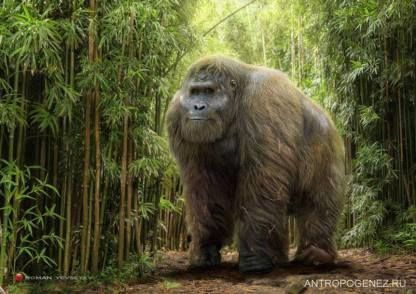
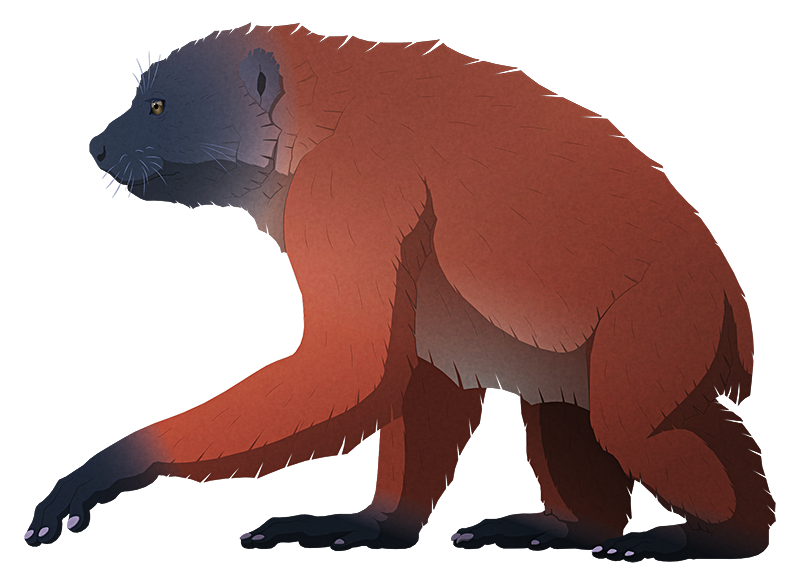
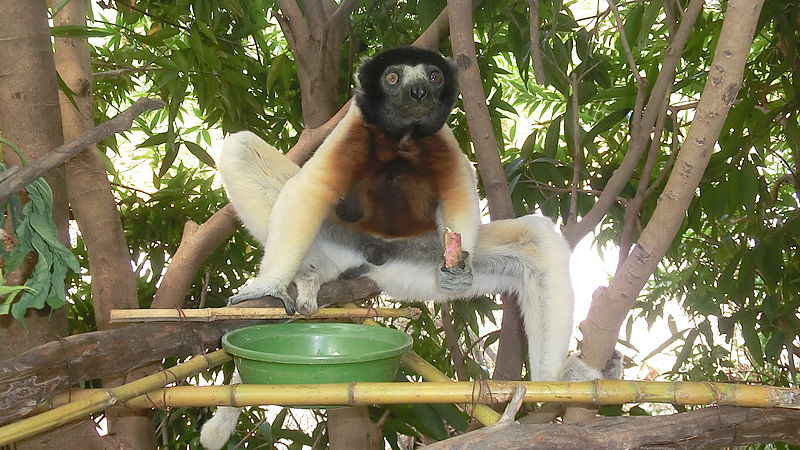
Gigantopithecus' appearance is not fully known. It possibly resembled modern gorillas, because of its supposedly similar lifestyle (aka it was likely predominately terrestrial given its size). Some scientists, however, think it probably looked more like its closest extant relative, the orangutan. I've even heard it may of looked like a cross between the two: a gorilla body with an orangutan face.
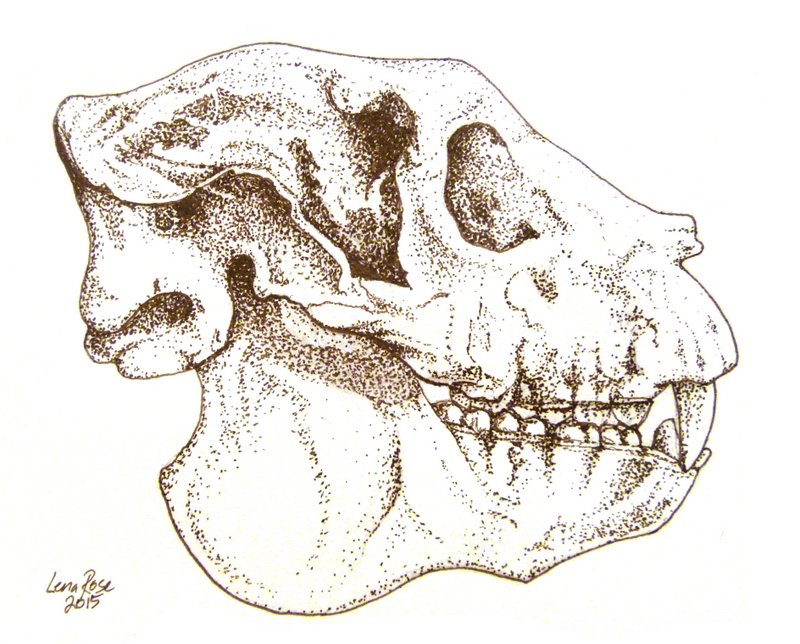
G. blacki's method of locomotion is not certain, as no pelvic or leg bones have been found. The dominant view is that this species walked on hands and feet like modern chimps and gorilla; however, a minority opinion favors bipedal locomotion. This was most notably advocated by the Grover Krantz, but this assumption is based only on the very few jawbone remains found, all of which are U-shaped and widen towards the rear. This allows room for the windpipe to be within the jaw, allowing the skull to sit squarely on a fully erect spine as in modern humans, rather than roughly in front of it, as in the other great apes. Despite this, the majority view is that the weight of such a large, heavy animal would put enormous stress on the creature's legs, ankles, and feet if it walked bipedally; while if it walked on all four limbs, like gorillas, its weight would be better distributed over each limb. Based on the upper estimates,
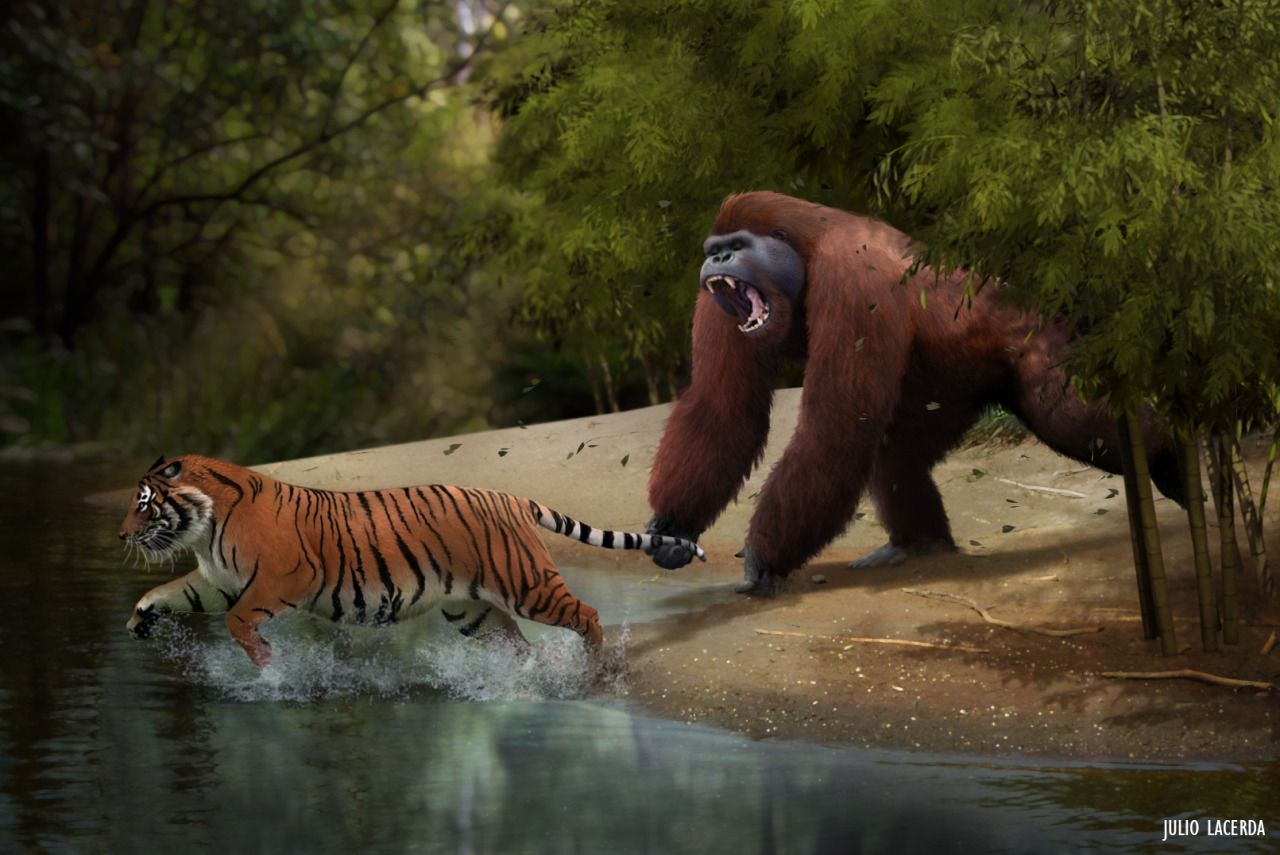
Gigantopithecus possibly had few or no enemies when fully grown. However, younger, weak, or injured individuals may have been vulnerable to predation by big felids, crocodiles, large constrictor snakes, hyenas, and
H. erectus. Most evidence points to
Gigantopithecus being an obligate herbivore. The features of teeth and jaws suggested that the animal was adapted to chewing tough, fibrous food by cutting, crushing, and grinding it.
Gigantopithecus teeth also have a large number of cavities, similar to those found in giant pandas, whose diet, which includes a large amount of bamboo, may be similar to that of
Gigantopithecus. In addition to bamboo,
Gigantopithecus consumed other plants, as suggested by the analysis of the phytoliths adhering to its teeth. An examination of the microscopic scratches and gritty plant remains embedded in
Gigantopithecus teeth suggests that they also fed on seeds and fruit. A 2016 study found that the genus
Gigantopithecus went extinct when during the Pleistocene era more and more forested areas turned into savanna landscapes and then there was simply an insufficient food supply for the giant ape
.
Picture and Information Sources: