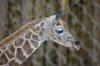
Since receiving giraffes in 1969, Utah's Hogle Zoo has been relatively successful with breeding the species. This male calf is the zoo's thirty-second documented birth. It also marks a new era for the zoo's giraffe herd, as this is the first calf for Ja Raffe, making him only the zoo's eighth breeding bull ever. While he was brought to Salt Lake from the Memphis Zoo in 2022 on a breeding recommendation by the SSP, it was thought that he was still too short to mate with the zoo's females, therefore, this was a more than welcomed surprise!
Utah's Hogle Zoo has announced its upcoming seasonal exhibition Zooluminate. The after-hours event will feature animal themed lanterns. Zooluminate will run select dates from March 28 through May 26. The event starts at 6:30 P.M. and ends at 10 P.M. This will be a great opportunity to see the zoo's nocturnal wildlife especially as the Small Animal Building will be open until 8:30 P.M. However, the Great Apes building and Asian Highlands will be closed during the event.
This is the zoo's first seasonal exhibition since the pandemic; the last being Angela Haseltine Pozzi's Washed Ashore in 2019.
The 3.1 Bolivian gray titi (Plecturocebus donacophilus) group is now on-exhibit in the first indoor habitat (see photo). They share this space with 1.1 black and gold howler monkeys (Alouatta caraya), Eli (27) and his mother Jackie (32).
Wild Utah:
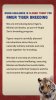
Signage in the outdoor mews for burrowing owls and desert tortoises has been replaced with new signage for the Zoo's American kestrel (Falco sparverius) (see photo).
South Hill:
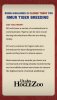
0.1 red-tailed hawk (Buteo jamaicensis), Lady, is off-exhibit. A sign on her former habitat suggests one of the Zoo's great horned owls (Bubo virginianus) will be put on-exhibit instead (see photo).
Small Animal Building:
The second female Jamaican boa (Chilabothrus subflavus) is back on-exhibit in the terrarium previously occupied by the emerald monitor. This means all terrariums in the Small Animal Building are occupied by animals once again.
The two Guenther's triangle frogs (Cornufer guentheri) have moved from their mixed species habitat in the Tropics Zone to a new terrarium in the Temperate Zone. This space was previously occupied by spider tortoises (Pyxis arachnoides) which have been consolidated with the flat-tailed tortoises (Pyxis planicauda) into three separate terrariums in the Temperate Zone.
Work, including new substrate, continues on the former Von der Decken's hornbill habitat in the Desert Zone. It should be ready for a small cat (Felis sp.) soon.
From the Zoo's Facebook: The male giraffe (Giraffa camelopardalis) born on February 7, 2025 has been named Nguvu. His name means "strength" in Swahili.
The Zoo was busier than usual today due to nicer weather and the annual Polar Bear Celebration. In anticipation of International Polar Bear day (February 27), the Zoo celebrated their 1.1 polar bear (Ursus maritimus) pair Nikita (18) and Neva (8) with themed enrichment (see photo). Guests enjoyed activities while also learning about the Zoo's work with Polar Bears International.
African Savanna:
1.0 Giraffe (Giraffa camelopardalis) calf, Nguvu, made a brief public appearance today in the winter yard (see photo).
Asian Highlands:
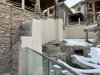
Chinese red panda (Ailurus fulgens styani), William, remains off-exhibit, however, work on the outdoor habitat's walls is seemingly complete (see photo).
1.0 Amur leopard (Panthera pardus orientalis), Dmitri, is now on-exhibit in Habitat 1.
Small Animal Building:
The Zoo's female turkey vulture (Cathartes aura) has temporarily moved into the former Von Der Decker's hornbill habitat in the Desert Zone. Her former habitat in the Desert Zone remains empty.
The habitat for 1.0 kinkajou (Potos flavus), Kilo, in the Tropics Zone has been expanded. He now has access to the former nine-banded armadillo habitat.
South Hill:
1.0 red-tailed hawk (Buteo jamaicensis), Niner, has moved into the habitat previously occupied by 0.1 red-tailed hawk, Lady. The sign referencing the display of an owl has moved over to Niner's former habitat.
From the Zoo's Facebook: Asian Highlands was closed today, as Amur tiger (Panthera tigris altaica) pair Nikolai and Sasha were introduced to each other for breeding.
The lanterns are starting to be installed throughout the Zoo (see photo). They look magnificent, and I think many people will enjoy this after-hours event.
African Savanna:
With temperatures above 50°F, 1.0 giraffe (Giraffa camelopardalis), Bakari, was on exhibit in the Flex Yard today. He is currently being separated from the rest of the herd before he is introduced to the calf.
The Zoo has posted an update on giraffe (Giraffa camelopardalis) calf Nguvu. He has been facing complications with nursing, therefore, he is adjusting to bottle feedings from keepers.
Primate Forest
The Bolivian gray titi (Plecturocebus donacophilus) group was off-exhibit in the afternoon.
The guereza (Colobus guereza) troop and spider monkeys (Ateles spp.) had access to their outdoor habitats.
Small Animal Building:
In the Tropics Zone, 1.0 kinkajou (Potos flavus), Kilo, no longer has access to two habitats. Work has begun on his former habitat to convert it into a shift habitat for the rock hyrax (Procavia capensis) group (see photo). This has caused the helmeted guineafowl (Numida meleagris) to be moved into the Rainforest Atrium.
Work is being done on the outdoor Reptile Yard and its off-exhibit area. This has resulted in the Zoo's second 1.1 red junglefowl (Gallus gallus) pair being placed on-exhibit in the turkey vulture's former habitat in the Desert Zone. Another 1.1 pair can be seen in the Rainforest Atrium.
One of the Great Basin rattlesnakes (Crotalus lutosus) is off-exhibit as one of the two Gila monsters (Heloderma suspectum) has replaced it. The former Gila monster terrarium remains empty.
There are new planters in the Rainforest Atrium.
Asian Highlands:
Work is progressing on the Red Panda Exhibit. The walls are being painted and new perching is being added.
0.1 Amur leopard (Panthera pardus orientalis), Zeya, was on-exhibit in Habitat 1.
South Hill:
1.0 great horned owl (Bubo virginianus), Meep Meep, is now on-exhibit.
The 3.1 Bolivian gray titi (Plecturocebus donacophilus) group is now on-exhibit in the first indoor habitat (see photo). They share this space with 1.1 black and gold howler monkeys (Alouatta caraya), Eli (27) and his mother Jackie (32).
Wild Utah:
Signage in the outdoor mews for burrowing owls and desert tortoises has been replaced with new signage for the Zoo's American kestrel (Falco sparverius) (see photo).
South Hill:
0.1 red-tailed hawk (Buteo jamaicensis), Lady, is off-exhibit. A sign on her former habitat suggests one of the Zoo's great horned owls (Bubo virginianus) will be put on-exhibit instead (see photo).
Small Animal Building:
The second female Jamaican boa (Chilabothrus subflavus) is back on-exhibit in the terrarium previously occupied by the emerald monitor. This means all terrariums in the Small Animal Building are occupied by animals once again.
The two Guenther's triangle frogs (Cornufer guentheri) have moved from their mixed species habitat in the Tropics Zone to a new terrarium in the Temperate Zone. This space was previously occupied by spider tortoises (Pyxis arachnoides) which have been consolidated with the flat-tailed tortoises (Pyxis planicauda) into three separate terrariums in the Temperate Zone.
Work, including new substrate, continues on the former Von der Decken's hornbill habitat in the Desert Zone. It should be ready for a small cat (Felis sp.) soon.
0.1 Southern white rhino (Ceratotherium simum simum), Princess, was sharing habitat space today with 2.0 Hartmann's mountain zebras (Equus zebra hartmannae), Scooby and his son Wallace. This is the first time I have seen the two species on-exhibit with each other.
Small Animal Building:
Construction continues on the new rock hyrax (Procavia capensis) habitat in the Tropics Zone.
The Tropics Zone gallery is receiving a fresh paint job.
William, the male Chinese red panda (Ailurus fulgens styani), is back on-exhibit in the indoor habitat at the Red Panda Exhibit. The species still does not have access to the outdoor habitat yet despite work being done.
0.1 North American porcupine (Erethizon dorsatum), Blackberry, is off-exhibit.
Signage for black-billed magpie (Pica hudsonia) has been removed from the rotating ambassador habitats.
Triops (Triops sp.) are back on display.
African Savanna:
With the weather being warmer, 1.0 Giraffe (Giraffa camelopardalis) calf, Nguvu, and the rest of the herd have been spending time in the flex habitat. He has not been introduced to his father or the other Grasslands species yet.
Small Animal Building:
Plantings are starting to be moved into the new rock hyrax (Procavia capensis) habitat in the Tropics Zone.
Primate Forest:
The Bolivian gray titi (Plecturocebus donacophilus) group was off-exhibit.
ZooLuminate:
All the lanterns are set up and ready for the event's opening this Friday.
At the entrance, there was a sign saying that Asian Highlands was closed due to Amur tiger (Panthera tigris altaica) introductions. By the time I got there, the exhibit was open and the tigers were separated. However, I think it's safe to say that Nikolai and Sasha were paired for a second round of introductions this morning.
A male guereza (Colobus guereza) was born over the weekend to sire Sefu (17) and dam Violet (11). He is on-exhibit with the rest of the group.
Small Animal Building:
I confirmed with a keeper that 0.1 red-tailed boa (Boa constrictor), Pretty Girl, has passed away. This means the Zoo no longer has this species in its care. Her habitat in the Tropics Zone remains empty.
The 1.1 spur-winged lapwing (Vanellus spinosus) pair has been separated after the female was experiencing some unwanted attention from the male. While the male remains in the Rainforest Zone, the female now resides in a habitat in the Desert Zone most recently home to a pair of red junglefowl.
The infant male guereza (Colobus guereza) was outdoors for the first time today. The group is in the West Yard of Primate Forest which recently received additional perching.
Small Animal Building:
1.0 Hispaniolan rhinoceros iguana (Cyclura cornuta), Rocco, is off-exhibit as his habitat in the Tropics Zone is receiving renovations in anticipation for the African straw-colored fruit-bat (Eidolon helvum) colony to be moved into the space.
1.1 helmeted guineafowl (Numida meleagris), Omelet and Nubbin, have moved from the Rainforest Zone back into the main habitat in the Tropics Zone. This space was recently renovated for the rock hyrax (Procavia capensis) group.
0.1 spur-winged lapwing (Vanellus spinosus), Delta, has moved back into the Rainforest Zone joining the male, Marsh.
Signage has been updated for many of the species throughout the building.
African Savanna:
The Hartmann's mountain zebra (Equus zebra hartmannae) breeding herd received hoodoo (geology) themed enrichment as it was female Bryce's third birthday.
Giraffe (Giraffa camelopardalis) calf Nguvu has been introduced to his father Ja Raffe.
Small Animal Building
The rock hyrax (Procavia capensis) group, consisting of male Flint and females Julie, Gee Whiskers, and Mysterious, has moved into their new habitat in the Tropics Zone (see photo).
The former rock hyrax habitat in the Temperate Zone has been split in half and is currently occupied by 1.1 helmeted guineafowl (Numida meleagris), Omelet and Nubbin, on one side and 1.0 southern three-banded armadillo (Tolypeutes matacus), Pablo, on the other. Pablo's former habitat in the Tropics Zone remains unoccupied.
While work continues on his habitat in the Tropics Zone, 1.0 Hispaniolan rhinoceros iguana (Cyclura cornuta), Rocco, is currently on-exhibit in the Desert Zone.