You are using an out of date browser. It may not display this or other websites correctly.
You should upgrade or use an alternative browser.
You should upgrade or use an alternative browser.
How come glass isn't used for elephants and rhinos?
- Thread starter tigris115
- Start date


One example.

But normally the water wouldn't try to smash the glass. It can be strong enough, but that would be expensive and could possibly be stressful...But can't glass support thousands, up to millions of gallons of water?

Elephants is strength... also many have habits of throwing rather heavy items. I've read stories of elephants getting ahold of manhole covers and flinging them like frisbees. One such cover went right over and smashed a new large pane of glass... All an elephant would need is one good-sized rock or heavy item and you've got a problem...


Zooplantman
Well-Known Member
But is this story true?. I've read stories of elephants getting ahold of manhole covers and flinging them like frisbees. One such cover went right over and smashed a new large pane of glass..
Zooplantman
Well-Known Member
But is this glass or plexiglas?One example.
Last edited:
Zooplantman
Well-Known Member
Plexiglas or acrylic, which are stronger than glass, are most commonly used in aquarium tanks.But can't glass support thousands, up to millions of gallons of water?
Last edited:

Another example where (plexi?)glass is used is in the Elephant house in Zuerich. The panel is located right underneath a feeding station, so you actually get to see the elephants up close with mouths open.
Plexiglass is also used in underwater viewing of the Elephants in at least Zuerich and Leipzig, but probably in more places.
Plexiglass is also used in underwater viewing of the Elephants in at least Zuerich and Leipzig, but probably in more places.

Cleveland Zoo has their elephants behind glass in a section of the exhibit designed to mimic a kopje but it's low and the curve of the rock wall prevents elephants really from accessing it. Its a great spot to get some shots of the elephants from a unique angle!

There is a tiny section of glass or plexiglass in the baobab tree at Fresno Chaffee Zoo that is right next to a feeder on the outside of the tree. Sorta cool for kids to see them up so close.

@animalmapping
Well-Known Member
I know there is an exhibit whit glass where you can view elephants swimming. Like a tank.

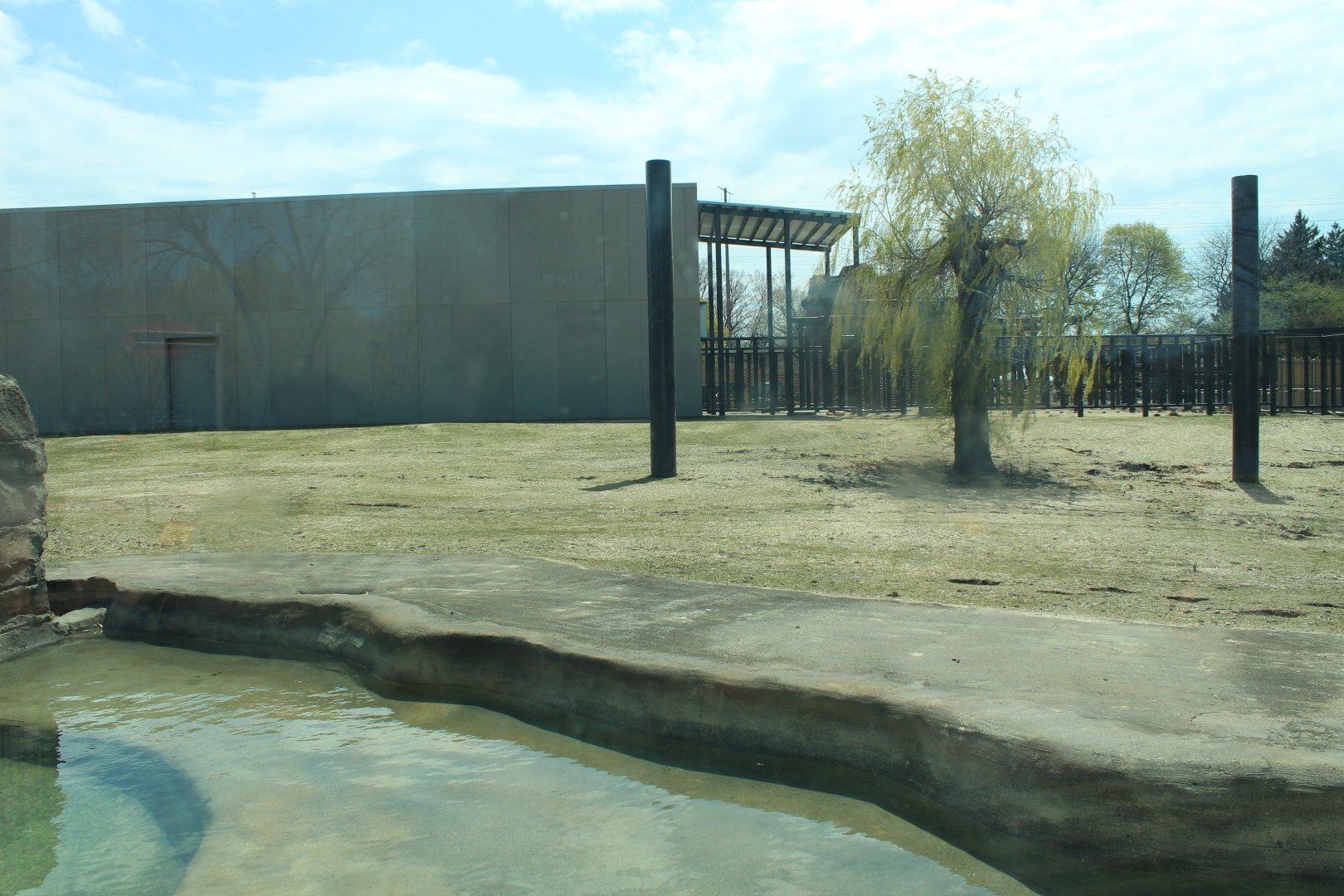
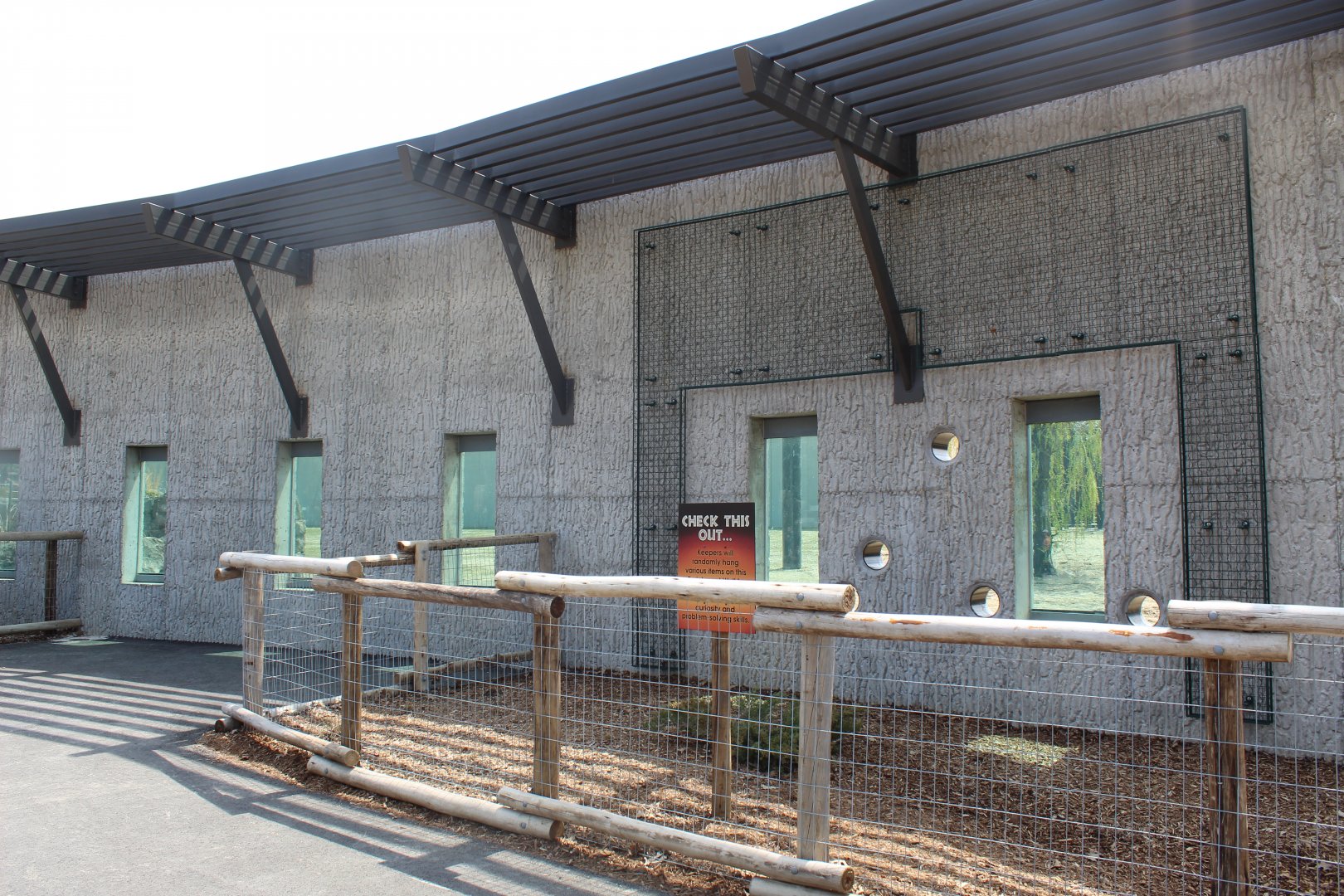
Milwaukee County Zoo's new elephant exhibit includes an area with glass viewing, but its built in very close to the pool and is built into a concrete wall making it very hard for the animals to get at it.
Andrew Swales
Well-Known Member
But is this glass or plexiglas?
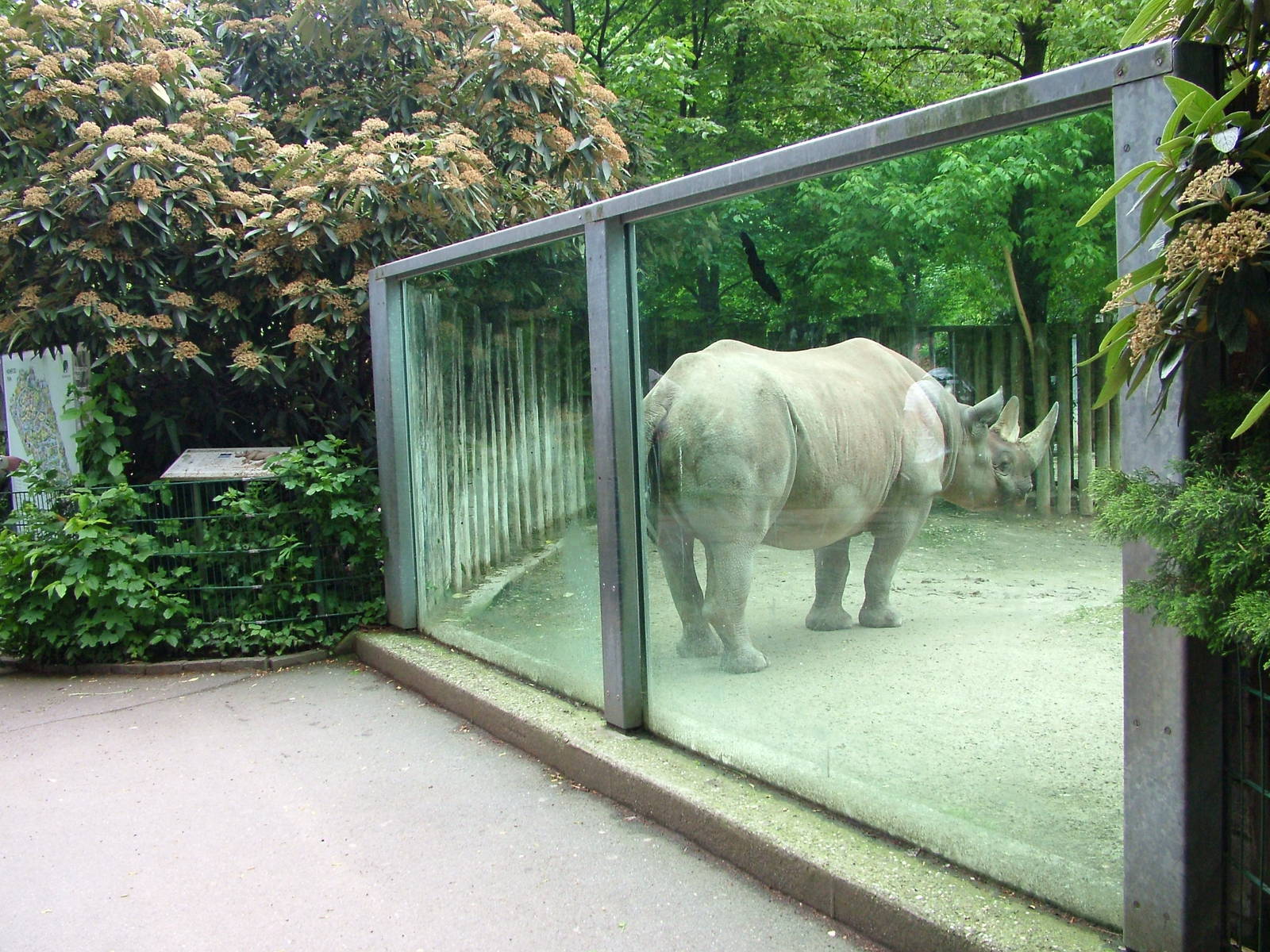
It's glass. Glass also used with Indian Rhinos at CERZA.

This is probably the worst Rhino exhibit I've come across for viewing the animals! When I was there last year the glass was filthy and scratched. Why is there a need to view rhino or elephant through glass when most exhibits for these have no barrier at all to obscure viewing?One example.
Andrew Swales
Well-Known Member
This is probably the worst Rhino exhibit I've come across for viewing the animals! When I was there last year the glass was filthy and scratched. Why is there a need to view rhino or elephant through glass when most exhibits for these have no barrier at all to obscure viewing?
Main pros are that glass saves space, and allows close public access. Cons are that it is horribly expensive and high maintenance. Photographers complain about mesh or netting. Not sure how you can have 'no barrier at all'; but concealed barriers are often very space-greedy, reducing available space for the animals, or placing them at a distance the public wont accept. By far the commonest public complaint is that enclosures are too large and the are animals too far away, followed by their not 'performing', or not to be seen.
I said no barrier that obscures viewing, glass obscures viewing far more than the invisible barriers most zoos use for elephants or rhino eg moats or raised viewing! I accept your point about space, but viewing rhino through glass is hopeless imoMain pros are that glass saves space, and allows close public access. Cons are that it is horribly expensive and high maintenance. Photographers complain about mesh or netting. Not sure how you can have 'no barrier at all'; but concealed barriers are often very space-greedy, reducing available space for the animals, or placing them at a distance the public wont accept. By far the commonest public complaint is that enclosures are too large and the are animals too far away, followed by their not 'performing', or not to be seen.

AmbikaFan
Well-Known Member
Another issue is scratching. Horns and tusks will scratch up any see through surface and the facility would probably need to buff them multiple times a year.
Echo Beast is totally right. The Bronx Zoo has this exact problem in the (albeit spectacular) viewing area for its Nile crocodiles, and the crocs' teeth etch the glass so badly that it must be buffed twice a year. The Zoo showed the long process of getting the animals into holding, lowering the pool level so the mammal department can remove the fish, then waiting for the pool to completely drain so that the buffing crew can come in and spend 2-3 days removing all the scratches. For breathtaking underwater viewing of a species doing what it does most of the time, it seems totally worth it.
I struggle with this myself, though. NZP's Elephant Trails provides few ways to get a great shot without bollards getting in the way. Long ago, an elephant baby at the zoo fell in the old moat and died, so that may be why moats weren't part of the removation, but I have to say I actually preferred the old enclosure where a steep moat and a three-foot fence were all that stood between animals and onlookers. The need to keep males and provide musth-proofing probably ended those days of bollard-free viewing forever.